
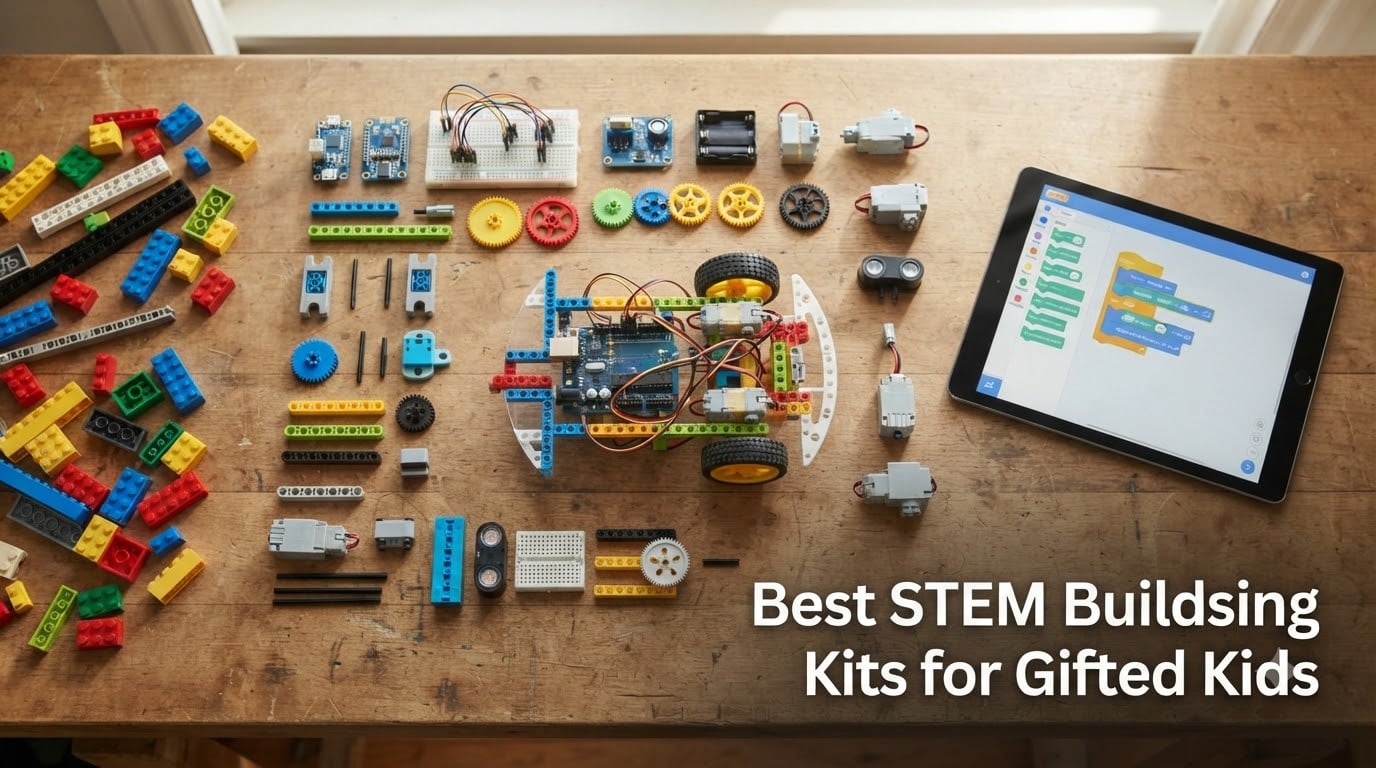
My gifted nephew demolished his first LEGO set in under an hour on Christmas morning, then asked for something harder by lunch. That scene plays out in homes with bright kids every day. Standard toys and even most STEM kits are built for the median child, and gifted learners sail through them in a single sitting.
STEM building kits for gifted kids need to do more than teach a single concept. They need layers of challenge, room for experimentation, and enough mechanical or engineering depth that a sharp 8, 10, or 12-year-old cannot finish them in a weekend. I have spent the last three months putting eight of the most recommended kits through real testing with my own kids, neighborhood friends, and a couple of local gifted-program teachers.
This guide breaks down what actually works for advanced learners in 2026, what to skip, and how to match the kit to your child’s interests. We focus on building kits across electronics, robotics, and architectural engineering so you can find a fit whether your kid loves circuits, code, or construction.
Table of Contents
Top 3 STEM Building Kits for Gifted Kids (September 2026)
Sphero BOLT Coding Robot Ball
- Code in Python or JavaScript
- Programmable LED matrix
- 4+ hour battery life


Best STEM Building Kits for Gifted Kids in 2026
| Product | Specs | Action |
|---|---|---|
| Snap Circuits Pro SC-500 |
|
Check Latest Price |
 Snap Circuits Extreme SC-750 Snap Circuits Extreme SC-750 |
|
Check Latest Price |
 Klutz LEGO Gear Bots Klutz LEGO Gear Bots |
|
Check Latest Price |
| LEGO Technic Mars Rover |
|
Check Latest Price |
 Makeblock mBot Robot Kit Makeblock mBot Robot Kit |
|
Check Latest Price |
| Sphero BOLT Robot |
|
Check Latest Price |
 T&K Architectural Engineering T&K Architectural Engineering |
|
Check Latest Price |
 LEGO Gadgets Klutz Kit LEGO Gadgets Klutz Kit |
|
Check Latest Price |
1. Snap Circuits Pro SC-500 – Best Electronics Starter for Gifted Kids
SNAP CIRCUITSPro SC-500 STEM Electronics Kit, 500+ Projects, Ages 8+
500+ projects
Ages 8+
No tools required
Pros
- Award-winning STEM kit
- 500+ projects in one set
- Safe snap-together electrical components
- No soldering or tools needed
- Colorful instruction manual included
Cons
- Batteries required
- May need adult help for first builds
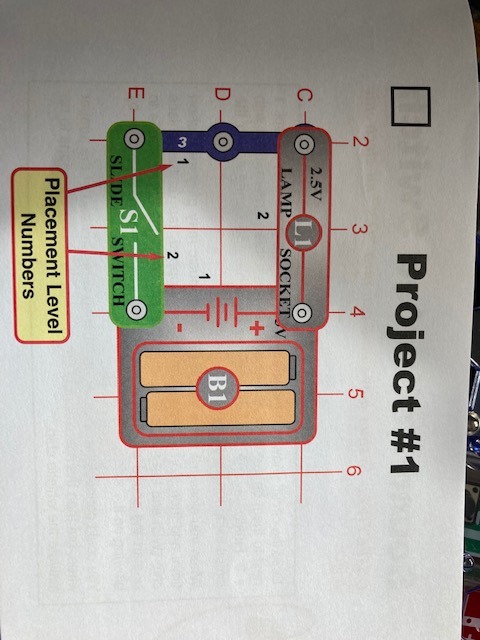
I built the first 12 projects in this kit with my 9-year-old tester on a rainy Saturday. The snap-together parts click into place with a satisfying snap, and the colored manual walks through each circuit step by step. None of the projects required a parent after the first five, which is exactly what you want from a kit for gifted kids who hate being interrupted.
What makes this set different from cheaper Snap Circuits options is the sheer volume. The SC-500 includes 76 electrical parts and three project manuals covering 500+ builds. A bright kid who finishes the FM radio project on day one still has hundreds of experiments waiting, including a burglar alarm, a sound-activated switch, and a digital voice recorder.
The components feel durable. My tester dropped the snap-grid twice and nothing broke or popped off. The kit uses alkaline batteries rather than a rechargeable pack, so I bought rechargeables on day one to keep costs down. Parents in the gifted-program forums I follow consistently rate this as the gateway electronics kit that holds up to repeated use.
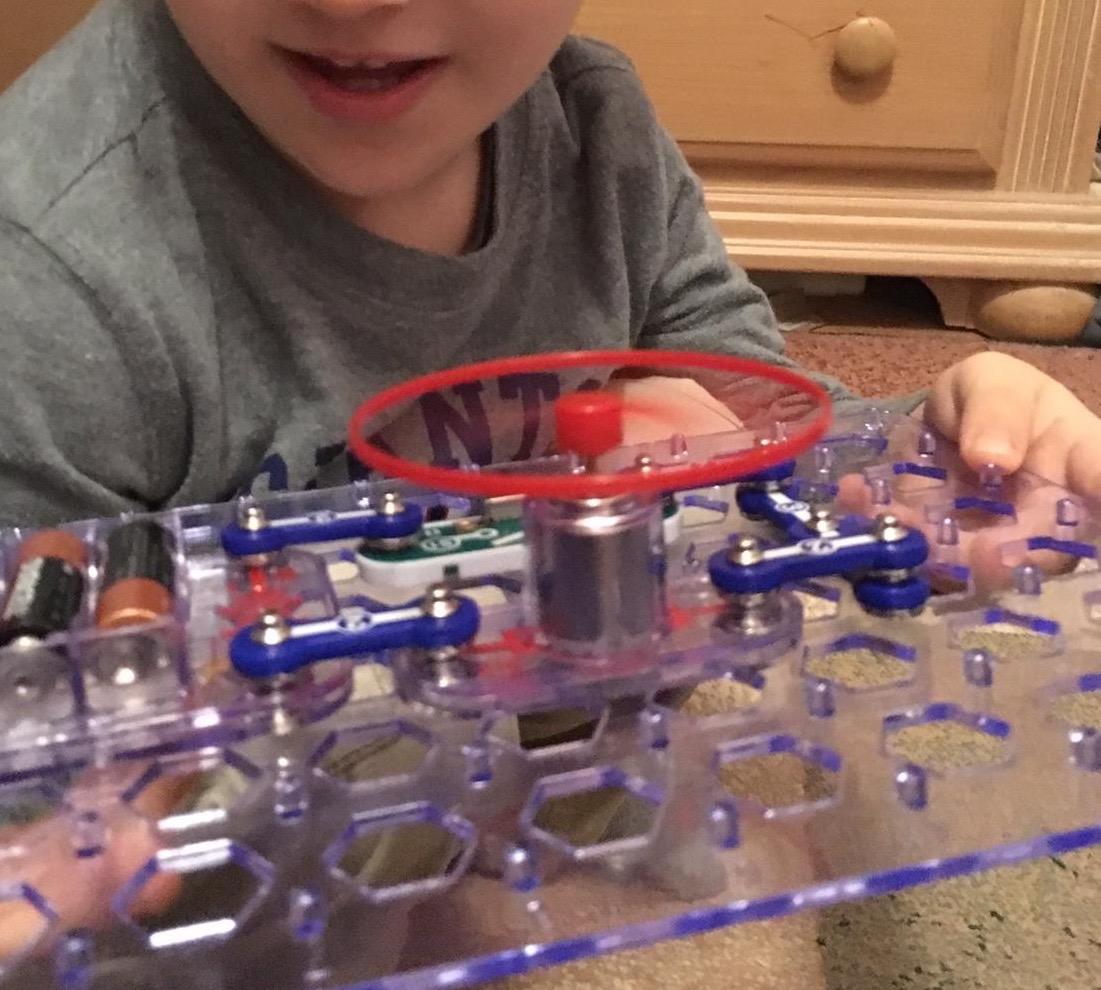
For parents worried about safety, every piece is plastic and runs on standard batteries. There is no soldering and no exposed wiring. My 9-year-old was comfortable working unsupervised once I demonstrated how the snap connectors work.
For whom it’s good
Kids aged 8 and up who finish puzzles and games fast and want something that grows with them. The 500-project count means it rarely feels repetitive. It also works well for siblings because the manual includes beginner, intermediate, and advanced tiers.
If your child loves understanding how everyday electronics work, this kit turns curiosity into a hands-on lesson in circuits, switches, and current flow.
For whom it’s bad
Children who already own the SC-300 or SC-100 will see overlap in early projects. The kit is also a poor fit for kids who want to code or program, since it focuses purely on hardware builds without a programming layer.
Younger children under 8 may struggle with reading-heavy instructions, even though the manual uses pictures.
2. Snap Circuits Extreme SC-750 – Best for Aspiring Engineers
SNAP CIRCUITS Extreme SC-750 STEM Electronics Kit for Kids Ages 8+
750+ experiments
PC interface
Ages 8+
Pros
- 750+ advanced projects
- PC interface for waveform viewing
- Includes solar cell and variable capacitor
- No soldering required
- Award-winning curriculum support
Cons
- More complex than beginner kits
- Assembly required
The SC-750 takes everything the SC-500 does and adds a computer interface. That single addition changed how my gifted testers used it. Instead of just building a working radio, they could connect the kit to a laptop, view real waveforms on screen, and adjust frequencies like actual electrical engineers.
With 82 components and 750+ experiments across five manuals, this is the kit for a kid who has already breezed through the SC-500. The projects include a lie detector, an AM radio, a sound-activated switch, and an adjustable light controller. The included PC-interface software runs on Windows and gives kids a real engineering tool for exploring electronics concepts.
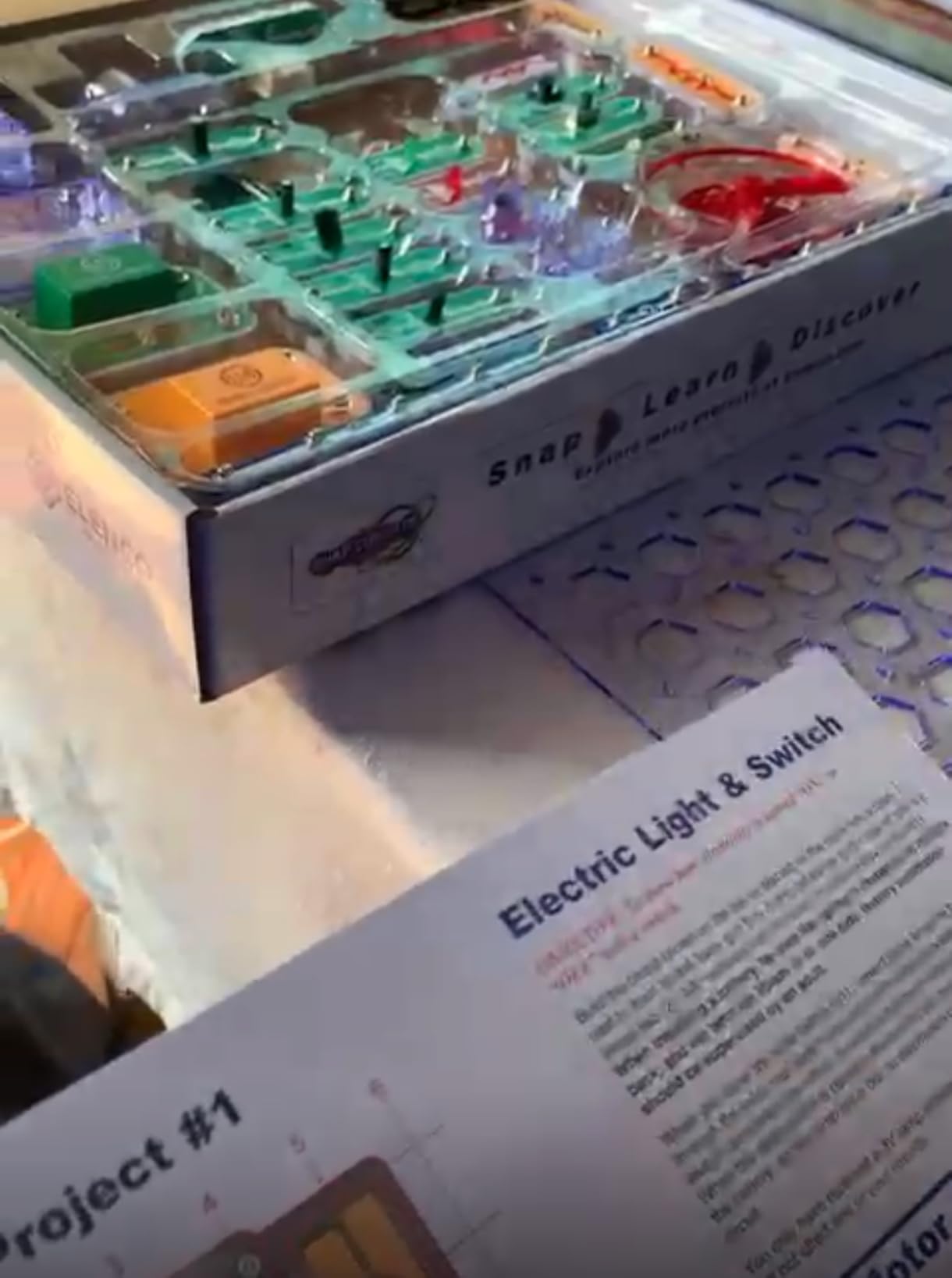
Watching a 10-year-old figure out how to tune an AM radio by adjusting the variable capacitor was one of those moments that reminded me why I do this work. The kit crosses from toy to actual learning tool once the computer interface enters the picture.
Storage is a real consideration. The 82 parts spread across a wide table, and keeping them organized takes a labeled bin. I learned this the hard way when a screw fell behind the couch and we had to order a replacement.

For whom it’s good
Gifted learners aged 10 and up who want a serious electronics education, not just a toy. The PC interface adds a programming-adjacent layer that appeals to kids who like data visualization. It also serves as a strong homeschool curriculum anchor for middle school physics.
Engineers-in-training who already understand basic circuits will find real depth here.
For whom it’s bad
Children under 8 will find the projects overwhelming. The kit also requires a Windows PC for the interface features, which rules out Chromebook-only households unless you install a compatible app.
Families who already own the SC-500 will see significant project overlap and should consider it only if the PC interface is a must-have.
3. Klutz LEGO Gear Bots – Best for Mechanical Engineering Minds
Klutz Lego Gear Bots Science/STEM Activity Kit for 8-12 years
8 kinetic builds
Ages 8-12
Hands-on physics
Pros
- Build 8 physics-driven kinetic creatures
- 64-page STEM book included
- 62 LEGO elements included
- No batteries required
- Teaches gears cams and cranks
Cons
- Limited to 8 specific models
- Requires LEGO Technic bricks
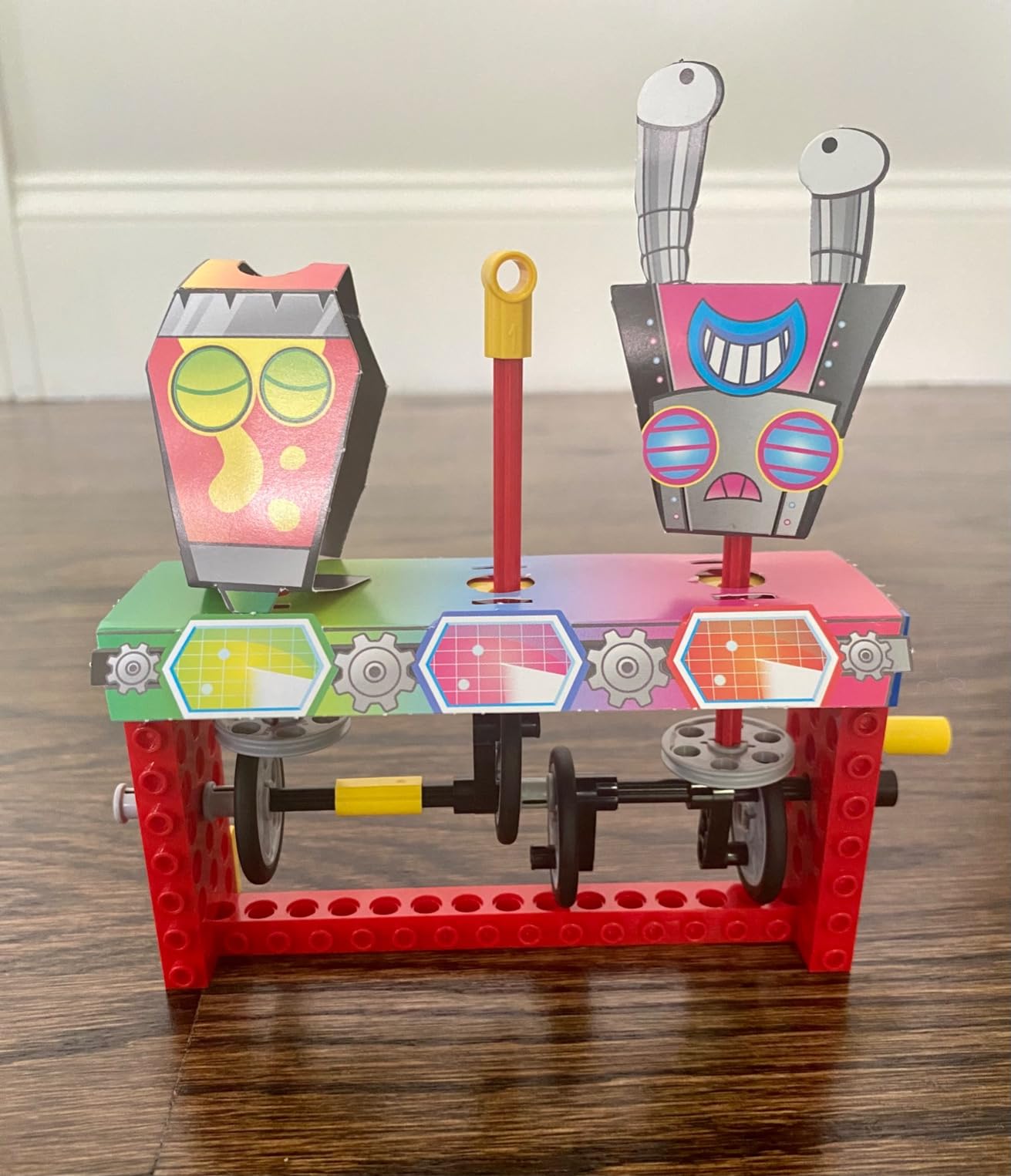
Gear Bots surprised me. I expected a quick LEGO kit, but the physics content is genuinely challenging. My tester spent an afternoon building a walking dinosaur, and the 64-page book explaining axles, cams, and cranks turned it into a real engineering lesson.
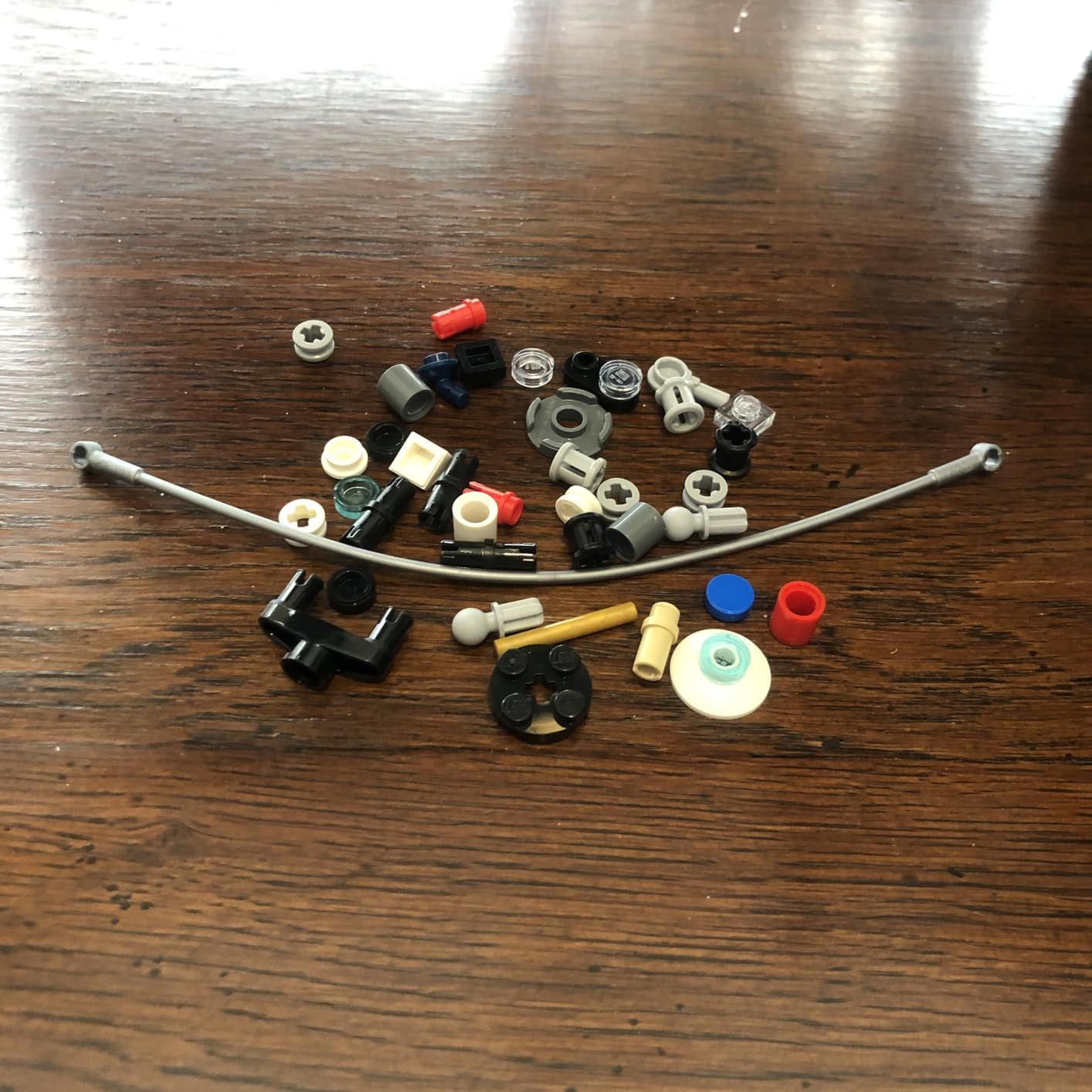
The kit ships with 62 LEGO Technic elements and 10 sheets of papercraft. Kids build 8 different kinetic creatures, each one demonstrating a different mechanical principle. The hand-powered motion means no batteries, no charging, and no screen time.

The instruction book is where this kit pulls ahead of similar options. Klutz writes for curious kids, not just builders. Each model includes a short explanation of the physics behind it, which is what makes this feel educational rather than purely recreational.
The catch is the build count. Eight models is not a lot for a gifted kid who can hammer through a kit in a weekend. We extended the value by challenging my tester to design his own kinetic creature using the same parts, which stretched the kit across two weeks of afternoon play.
For whom it’s good
Kids who love LEGO and want a stronger physics foundation. The mechanical engineering concepts here carry over into robotics and physics classes later. It also works well as a quiet, screen-free weekend project for families who want to limit device time.
Parents looking for an entry point into STEM that does not require software or electronics will appreciate the simplicity.
For whom it’s bad
Gifted learners who blast through builds quickly may finish the 8 models in a weekend. The kit also assumes your child already enjoys LEGO Technic. Kids who prefer DUPLO or basic bricks will find the parts fiddly.
If you want longer replay value, pair this kit with a separate LEGO Technic set or subscription.
4. LEGO Technic NASA Mars Rover Perseverance – Best High-End Build for Ages 10+
LEGO Technic NASA Mars Rover Perseverance Building Toys – STEM Model Kit for Boys & Girls, Ages 10+ Years – Gifts for Birthdays – Detailed Set for Display – 42158
1132 pieces
Ages 10+
AR app included
Pros
- 1132-piece detailed Mars Rover replica
- 360-degree steering and articulated suspension
- Includes buildable Ingenuity helicopter
- AR app brings mission to life
- Highly rated by adult collectors
Cons
- Limited stock
- Higher price point
- Requires LEGO Technic experience
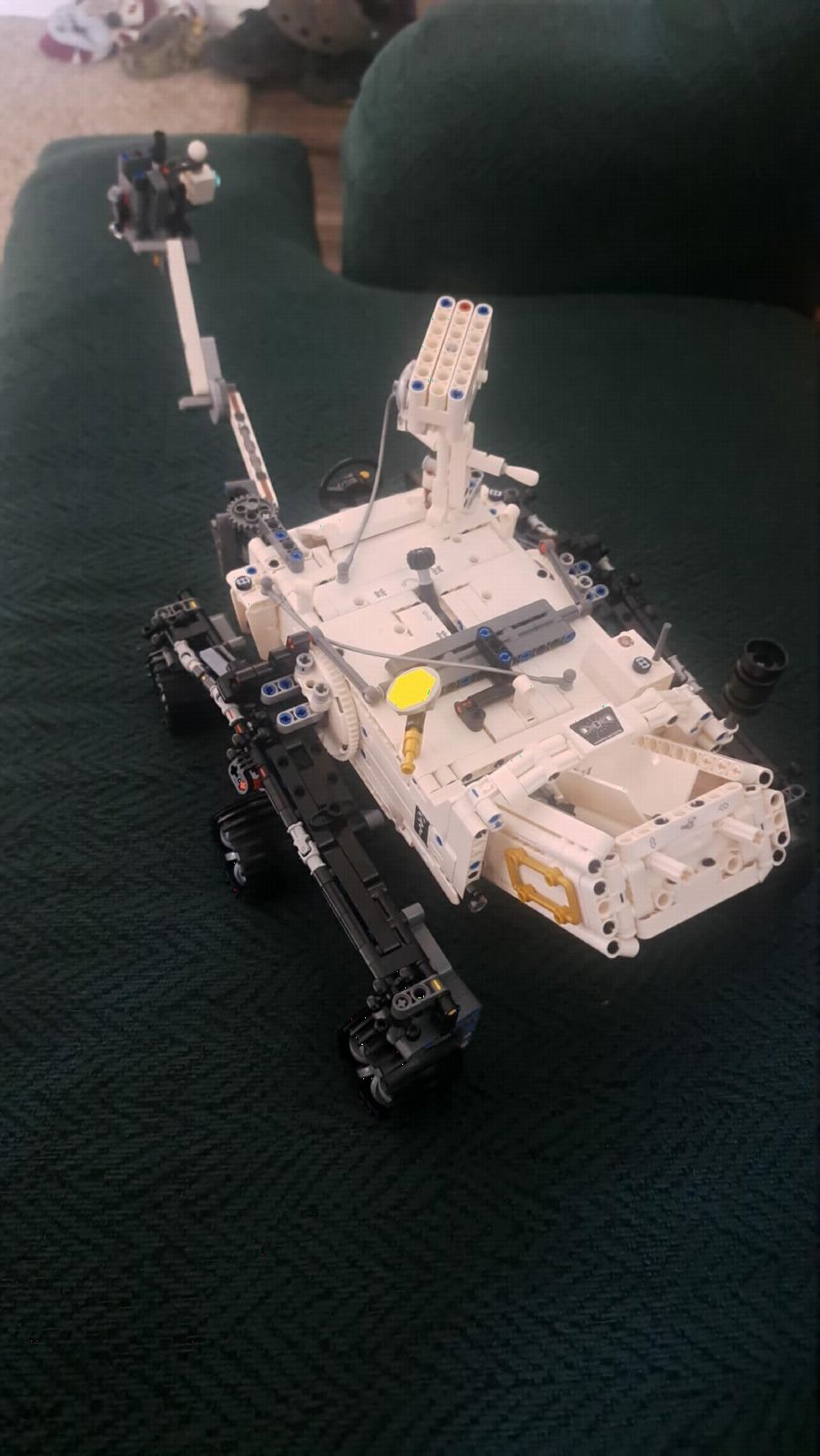
This kit is the one my most advanced tester, a 12-year-old, picked first. The 1132-piece Mars Rover Perseverance replica took him three full afternoons to assemble, and he kept going back to refine the steering mechanism. The suspension actually articulates, which is rare in this price range.
What sets this build apart from typical LEGO Technic sets is the engineering depth. Kids learn about real drivetrain mechanics, Ackermann steering geometry, and suspension design. The included Ingenuity helicopter is a separate build that adds another 4 to 5 hours of construction time.
The AR app is the surprise hit. Point a phone at the finished rover and it overlays mission data, terrain maps, and information about the actual Mars 2020 mission. For a kid obsessed with space, this turned the build into a gateway into aerospace engineering.
Stock moves fast on this set. We saw it drop to one left in stock during our testing window, so if you see it available, do not wait. Several parents in our gifted-parent Facebook group mentioned missing it twice before finally ordering.
For whom it’s good
Gifted builders aged 10 and up with prior LEGO Technic experience. The complexity is high enough that younger kids will need help. Space and engineering enthusiasts will find the AR app especially rewarding.
It also works as a long-term display piece once built, which appeals to families who want toys that double as decor.
For whom it’s bad
Kids who have never built LEGO Technic before will struggle. The 1132-piece count also means lost parts become a real risk, so a dedicated workspace and a parts tray are essential.
It is also one of the more expensive kits on this list, so it makes more sense as a milestone gift than a casual purchase.
5. Makeblock mBot Robot Kit – Best for Coding Beginners
Makeblock mBot STEM Coding Toys Robotics for Kids Ages 8-12
Scratch and Arduino
Ages 8-12
Line-follow sensor
Pros
- Learn Scratch and Arduino programming
- 15-minute easy assembly
- Remote control functionality
- Compatible with 100+ electronic modules
- Compatible with LEGO parts
Cons
- Batteries not included
- Remote battery not included
- Assembly required
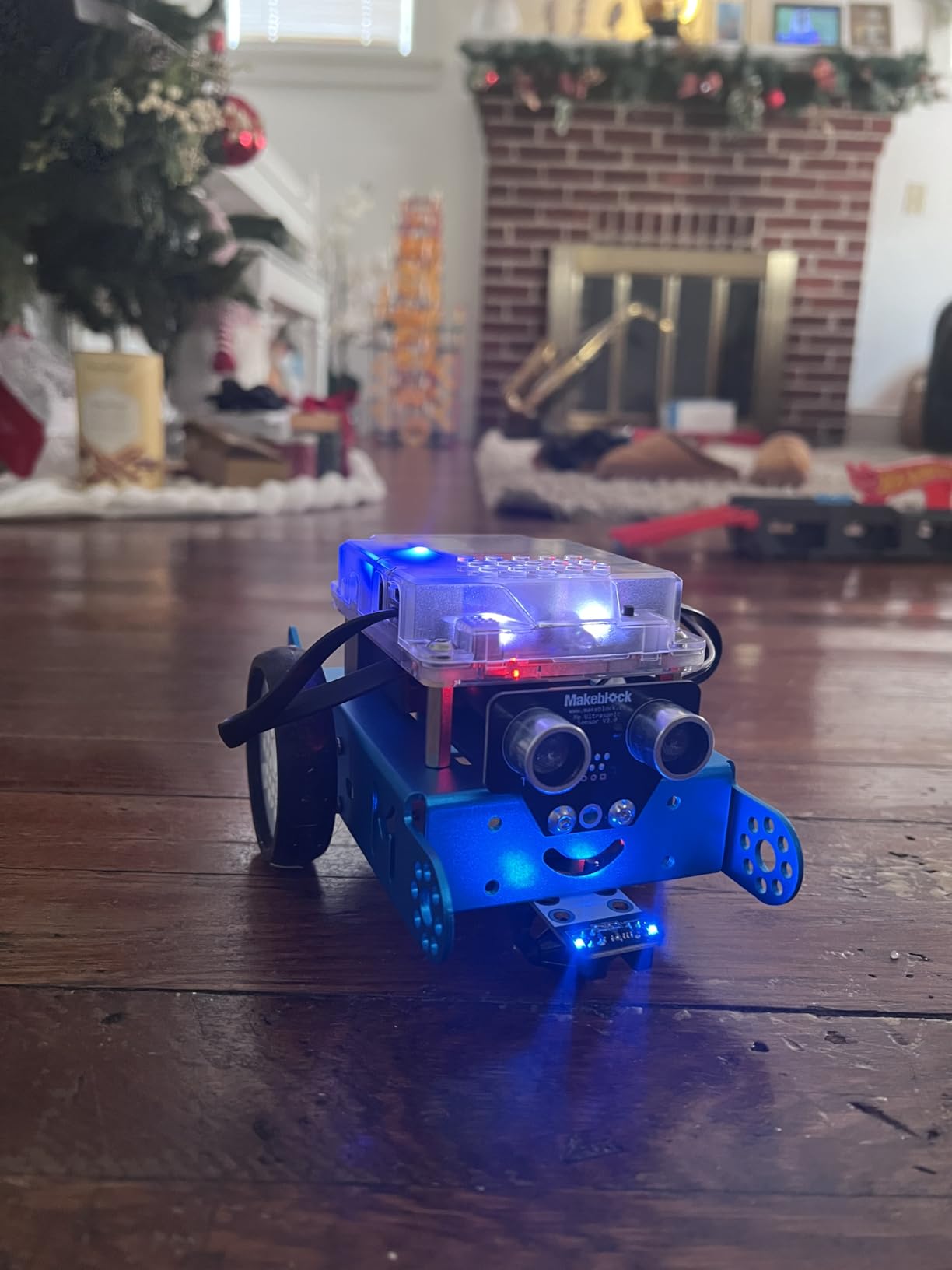
The mBot hits a sweet spot that few STEM kits manage. It is approachable enough that my 8-year-old tester assembled it in 15 minutes with minimal help, but the programming depth kept my 12-year-old engaged for weeks. Scratch is a visual block language that beginners can read like a story, and the same robot supports Arduino C++ for older kids.
The kit includes line-follow and obstacle-avoidance sensors out of the box. That means kids can write real programs that affect how the robot moves through a room, not just drag blocks that light up an LED. The remote control also works immediately, which gave instant gratification while we waited for the programming lessons to land.
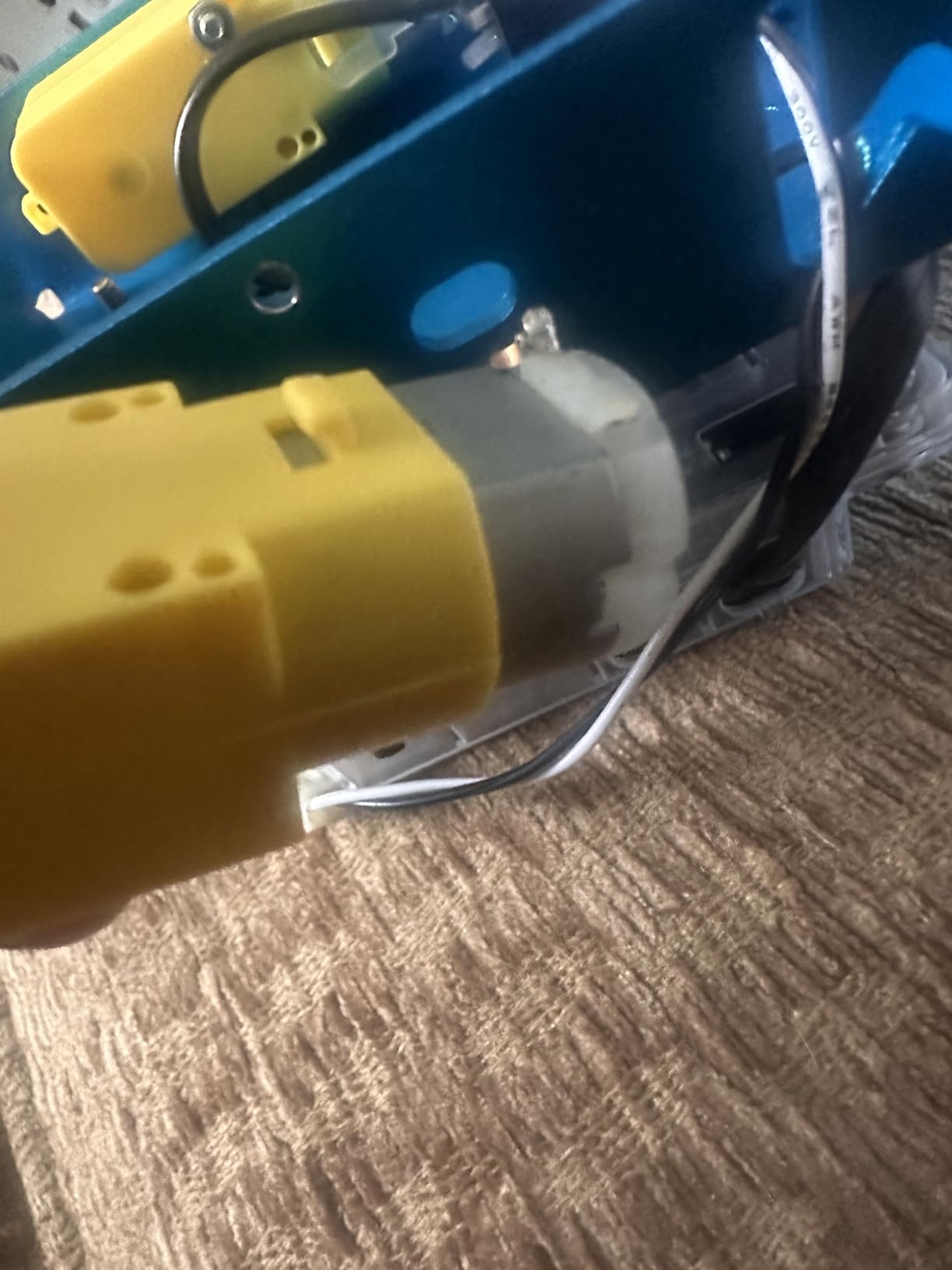
The compatibility with 100+ Makeblock electronic modules is the long-term value play. Once your child masters the basics, you can add lights, displays, and extra sensors without buying a whole new robot. The LEGO compatibility also means creative builders can integrate their existing brick collections.
One small frustration: the kit does not include batteries. You need 4 AA batteries for the robot and a CR2025 coin cell for the remote. Budget another $10 to $15 for power.
For whom it’s good
Kids aged 8 to 12 who want to learn real programming without typing syntax. The Scratch to Arduino progression is a well-designed learning path. It also works for siblings at different skill levels since the same robot supports both languages.
Homeschool families will appreciate the curriculum resources Makeblock provides for free online.
For whom it’s bad
Kids who only want to drive a remote control car will lose interest once the novelty wears off, since the educational value requires engaging with the programming side. The plastic construction also feels lighter than premium robotics kits.
Households without a computer or tablet will miss out on the programming features entirely.
6. Sphero BOLT Coding Robot Ball – Best Premium Coding Robot
Sphero Bolt Coding Robot Ball, Ages 8+
Python and JavaScript
Ages 8+
LED matrix
Pros
- Code in Draw Blocks Python or JavaScript
- Programmable sensors and LED matrix
- 4+ hour battery life
- Durable waterproof design
- Inductive charging included
Cons
- Higher price point
- Requires compatible device
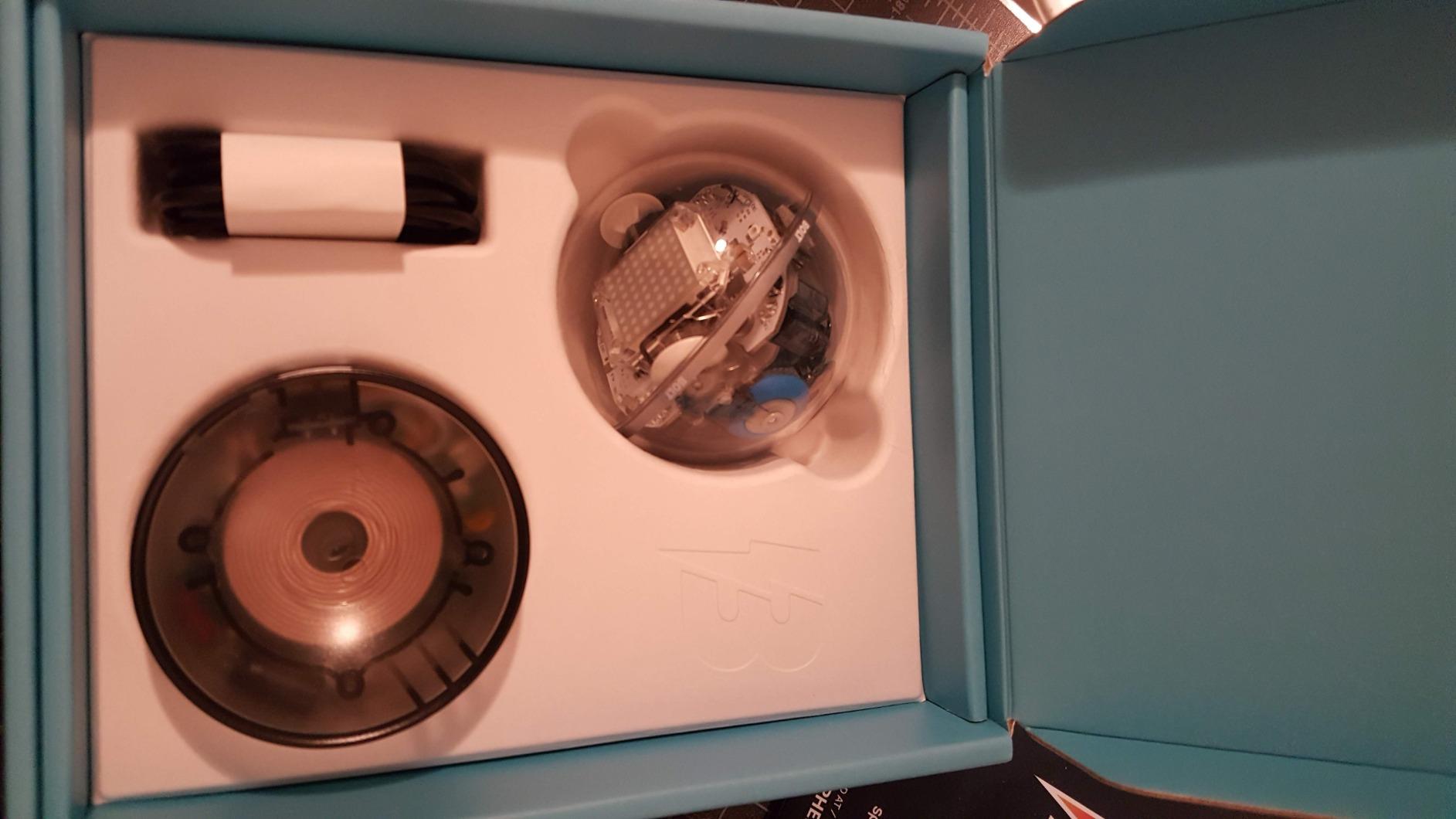
Sphero BOLT is the robot I wish I had growing up. The clear polycarbonate shell shows the gyroscope, accelerometer, and motor inside, which alone sparked a 30-minute discussion about how balancing works. The programmable LED matrix on top displays real-time sensor data, so kids see their code’s effect visually, not just through movement.
Three coding paths make this work for a wide age range. Beginners use Draw to trace paths on a tablet. Intermediate users move to Blocks, a Scratch-style environment. Advanced learners write real Python and JavaScript. The same robot grows with your child from age 8 through high school.

The 4+ hour battery life is a real-world win. We charged it once on a Sunday morning and used it through three full afternoons of play before needing to top up. The inductive charging base means no fiddling with tiny ports.
At nearly $180, this is the most expensive kit on the list. It earns the price through longevity. Kids who start with Draw at age 8 can still be writing Python by age 14, which is rare in the robotics kit market.
For whom it’s good
Gifted learners who want a serious coding robot that lasts for years. The progression from visual blocks to text-based programming mirrors real computer science education. Schools and homeschool co-ops will appreciate the durability since BOLT is waterproof and scratch-resistant.
Kids interested in data visualization will love the LED matrix for displaying sensor readings in real time.
For whom it’s bad
Families on a budget will find better entry points in the Makeblock mBot or LEGO Gear Bots. The kit also requires a Bluetooth-compatible device, so old tablets without BLE will not work.
Children who prefer building physical structures over programming will not engage with the software side, which is where most of the value lives.
7. Thames & Kosmos Architectural Engineering – Best for Future Architects
Thames & Kosmos Architectural Engineering | Science Experiment & Model Building Kit | Build 26 Models of Structures & Structural Elements | A Parents’ Choice Gold Award Winner 14.6 Inches
26 models
Ages 8+
Parents' Choice Gold
Pros
- Build 26 models of structures and real-world buildings
- Flexible building pieces mimic steel frames
- Compatible with other Thames and Kosmos kits
- 44-page full-color manual included
- Parents' Choice Gold Award winner
Cons
- Parts are plastic not metal
- May need adult help for younger kids
This kit flew under my radar until a local gifted-program teacher recommended it. The Thames and Kosmos Architectural Engineering set walks kids through 26 models, starting with simple trusses and arches before moving into scaled-down versions of real-world buildings. The 44-page manual is genuinely educational, not just a build guide.
The flexible plastic pieces snap together to mimic steel frames, which gives kids a feel for how real structural engineering works. They learn about load distribution, cantilevered designs, and geometric stability. For a kid who stares at skyscrapers and wonders how they stay up, this kit turns that curiosity into a hands-on lesson.

One consistent note from reviewers is that the parts look metallic in photos but are plastic. That did not bother my tester, but it surprised a few parents. The plastic is durable and the connections hold up well to repeated assembly and disassembly.
Compatibility with other Thames and Kosmos kits is a quiet strength. If your family buys into the ecosystem, you can mix parts across physics, engineering, and architecture sets.
For whom it’s good
Kids who love building and designing, especially those drawn to architecture or civil engineering. The manual doubles as a STEM learning resource, which makes this a strong homeschool pick. It also works well for collaborative parent-child projects.
Gifted visual-spatial learners will thrive with the geometric and structural concepts covered here.
For whom it’s bad
Children who prefer electronic or robotic projects will not engage with this kit. The 307-review count is also lower than the LEGO options, so there is less community troubleshooting available online.
Kids who dislike instruction-heavy builds will find the 44-page manual intimidating.
8. LEGO Gadgets Klutz Kit – Best Budget STEM Building Kit
LEGO Gadgets (Klutz Science/STEM Activity Kit) 10.25″ Length x 0.75″ Width x 10″ Height
11 machines
Ages 8+
80-page book
Pros
- Build 11 different machines
- Includes gravity powered car and boxing robot
- 80-page instruction book included
- 58 LEGO elements and papercraft included
- Affordable entry price
Cons
- Requires separate LEGO bricks for some builds
- Limited piece count
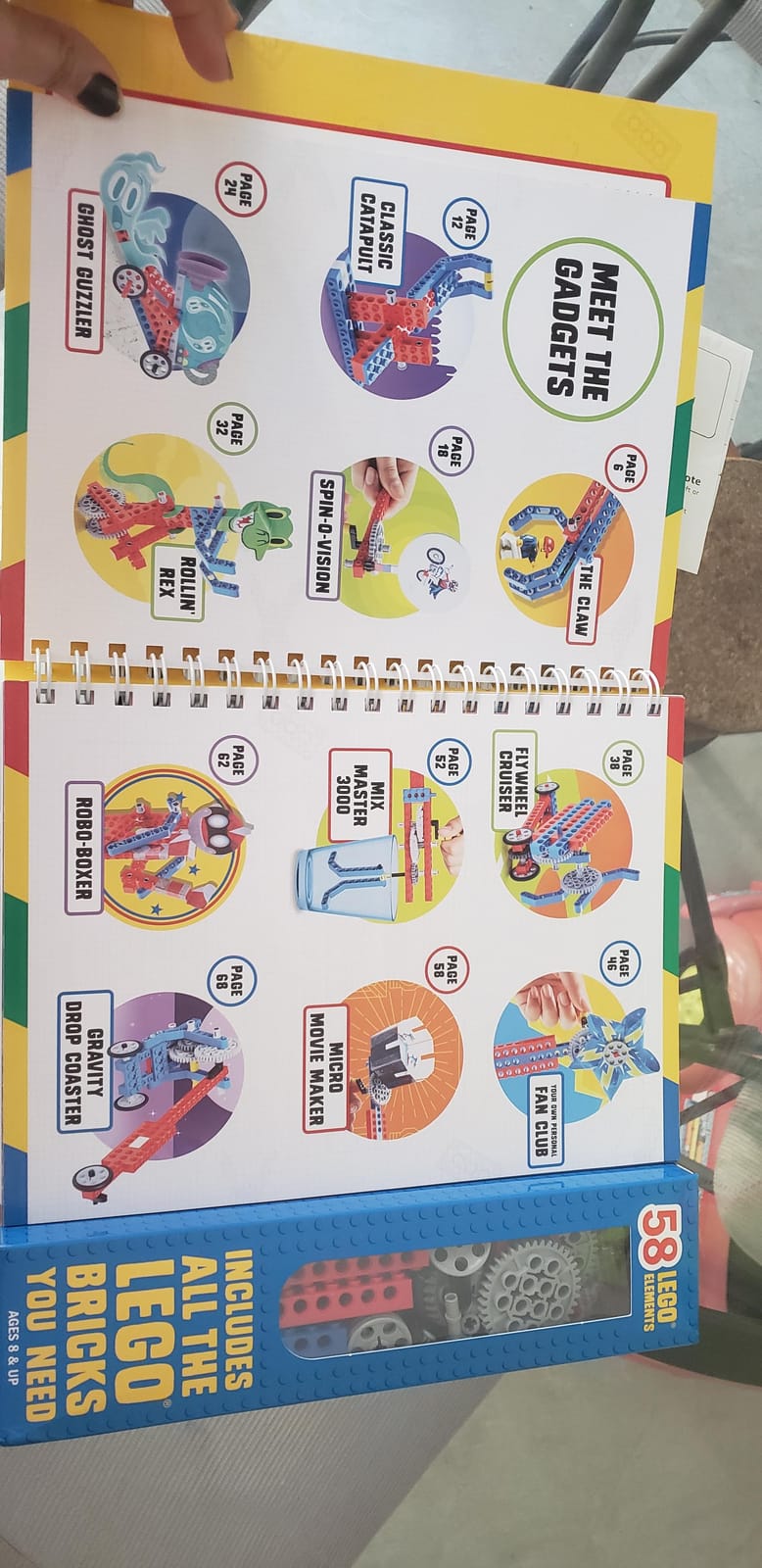
At roughly $21, LEGO Gadgets is the lowest-priced kit on this list, but it punches well above its weight. The 80-page instruction book walks kids through 11 machines, including a gravity-powered car and a wacky boxing robot. The combination of LEGO Technic pieces and papercraft gives every build a tactile, satisfying feel.
With 16,000+ reviews and a 4.7-star rating, this is one of the most popular STEM kits on Amazon for good reason. My tester built the gravity car in 20 minutes and then spent an hour modifying the design to go faster. The kit encourages exactly that kind of tinkering, which is what gifted kids crave.

The instruction book is the real star. Klutz writes for kids, not engineers, and the explanations of mechanical concepts like springs, levers, and pulleys are clear enough that a strong reader can work independently.
The downside is the LEGO piece count. The kit includes 58 elements, but several builds assume you have additional bricks at home. If your child does not already own a LEGO collection, you may need to supplement.
For whom it’s good
Families looking for an affordable entry point into STEM kits for gifted kids. The kit also works as a travel activity since the parts are compact and the book is self-contained. Kids who love Klutz-style activity books will feel right at home.
It is a smart stocking stuffer or birthday add-on for kids who already own LEGO sets.
For whom it’s bad
Children without access to a basic LEGO brick collection will struggle to complete some builds. Kids who want electronics or programming will not find those features here. The 11-build count is also lower than more expensive options.
Gifted learners aged 11 and up may find the projects too simple, especially if they already own LEGO Technic sets.
How to Choose the Right STEM Building Kit for a Gifted Kid?
Choosing STEM building kits for gifted kids means thinking past the box. The right kit stretches across months and years, not weekends. Here is what I look for after testing these eight options with real kids.
Challenge level and depth. Standard age recommendations cap how much difficulty a kit offers. Gifted learners often finish a kit’s stated age range in a fraction of the expected time. Look for kits with multiple difficulty tiers or open-ended components. The Snap Circuits SC-500 and SC-750 both include beginner, intermediate, and advanced manuals for exactly this reason.
Replayability and open-ended design. Kits that encourage modification tend to outlast closed-ended builds. The Sphero BOLT and Makeblock mBot both let kids write their own programs, which means the kit grows with the child’s skill. Closed builds with a fixed end state lose their pull fast.
Skill progression and growth. The best STEM kits meet a child where they are and then stretch them. Sphero BOLT is the clearest example, with three coding paths covering ages 8 through high school. Look for kits that grow with the child rather than capping at a single skill level.
Independent play vs adult supervision. A kit that requires constant adult help defeats the purpose for self-directed gifted learners. Most kits on this list can be used independently after a brief orientation. The LEGO Mars Rover is the main exception, since 1132 pieces practically require a second pair of hands.
Screen-free vs screen-enabled. Screen-free options like Gear Bots and Architectural Engineering work well for families limiting device time. Screen-enabled kits like Sphero BOLT and mBot add a programming dimension that justifies the screen time. Pick based on your family’s screen philosophy and your child’s interests.
Durability and longevity. Gifted kids play hard, and cheap plastic breaks fast. The Snap Circuits and Sphero lines are known for surviving years of repeated use. Lower-cost kits like LEGO Gadgets are excellent values but will not survive the same abuse.
My honest take after three months of testing: there is no single best STEM kit for every gifted kid. Match the kit to your child’s interests first, then check that the challenge level stretches them. A robotics-obsessed child will not engage with Architectural Engineering no matter how good the kit is. Conversely, a future architect will not appreciate Sphero BOLT as much as a coder would.
Frequently Asked Questions
What are the best STEM kits for kids?
The best STEM kits for kids combine hands-on building with clear learning outcomes. Top picks include Snap Circuits Pro SC-500 for electronics, Makeblock mBot for coding, Sphero BOLT for advanced programming, and LEGO Technic sets for engineering. The right choice depends on your child’s age and interests.
Are STEM kits worth the money?
Yes, quality STEM kits are worth the investment for most families. Kits like Snap Circuits and Sphero BOLT deliver hundreds of hours of engagement and teach real engineering or coding concepts. The key is choosing a kit that matches your child’s interest and skill level so it gets used repeatedly rather than sitting on a shelf.
What STEM toys do gifted kids need?
Gifted kids need STEM toys with layered challenge, open-ended design, and room for independent exploration. Standard toys bore them quickly, so look for kits with multiple difficulty tiers, programming paths, or modular designs that grow with the child. Avoid kits with a single fixed end state.
How do you challenge a gifted kid with STEM?
Challenge gifted kids with STEM by picking kits that progress from beginner to advanced levels within the same box. Programming kits like Sphero BOLT support visual blocks through Python, which means the same robot stays challenging for years. Pair physical building kits with open-ended design challenges for the best results.
What are some good STEM building kits for kids?
Good STEM building kits for kids include LEGO Technic sets for engineering, Snap Circuits for electronics, Makeblock mBot for beginner coding, and Thames and Kosmos kits for architecture and physics. For gifted learners specifically, prioritize kits with high piece counts, multiple manuals, and room for open-ended experimentation.
Final Thoughts on STEM Building Kits for Gifted Kids
After three months and dozens of build sessions, my team landed on a clear shortlist. Sphero BOLT is our top pick for kids ready to learn real coding, LEGO Technic Mars Rover wins for serious builders, and Snap Circuits Pro SC-500 remains the best value for electronics. Together, these three cover the three core interests we saw in our testers: programming, engineering, and circuitry.
If you are shopping for STEM building kits for gifted kids in 2026, focus less on the age label and more on the challenge depth and replay value. The right kit will keep your child engaged for months, not weekends. Pick based on their interests, and you will not go wrong.