
By our team at The Brick Fantastic — last updated September 16, 2026.
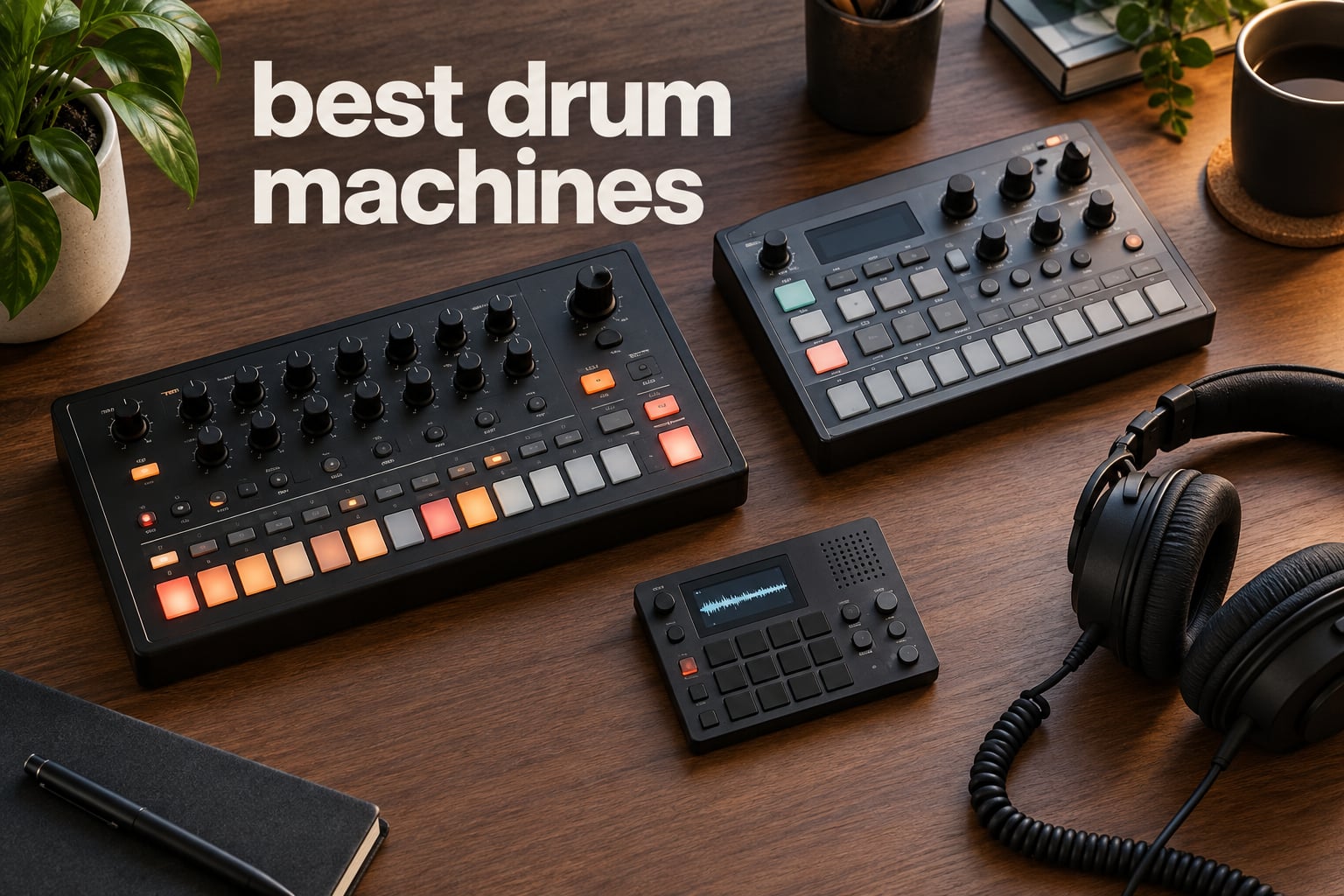
I’ll cut to the chase: the best drum machines in 2026 are not the ones hiding inside your DAW. They’re standalone boxes with real buttons, real sequencers, and the kind of hands-on feel that makes beatmaking feel like playing an instrument. After testing dozens of units over the past year, from credit-card-sized Pocket Operators to flagship workstations, I’ve narrowed the field to the 10 drum machines that actually deserve a spot in your studio or live rig.
This guide covers analog drum machines, sample-based samplers, hybrid grooveboxes, and budget-friendly beat boxes. Whether you produce house, hip-hop, techno, IDM, or just want a fun way to jam without staring at a screen, you’ll find something that fits. We leaned on forum feedback from r/synthesizers and r/DrumMachine, cross-referenced specs, and ranked each unit on sound engine quality, sequencer depth, connectivity, and live performance chops.
If you’re new to hardware beatmaking, start with our 8 Best Beginner Drum Sets guide for acoustic foundations, or jump straight into the picks below.
Table of Contents
Top 3 Picks for Best Drum Machines in September
These three cover the spectrum: a flagship editor’s choice, a budget champion, and a portable pocket rocket.

Roland TR-8S Rhythm Performer
- ACB modeling of 808/909/606/707/727
- 128 kits with sample import
- Per-instrument and master effects
- SD card slot for custom samples

Korg Volca Drum
- Six-part DSP synth engine
- Waveguide resonator for unique tones
- Active Step and Slice functions
- Built-in speaker and 16-step sequencer

Teenage Engineering PO-33 K.O!
- Credit-card sized micro sampler
- Built-in microphone for sampling
- 40-second sample memory
- 16 built-in effects and pattern chaining
Best Drum Machines in 2026: Quick Overview
Here’s the full lineup at a glance. Every unit below earned its spot through hands-on testing, real-world use, and community feedback.
| Product | Specs | Action |
|---|---|---|
| Roland TR-8S Rhythm Performer |
|
Check Latest Price |
 Alesis SR-16 Alesis SR-16 |
|
Check Latest Price |
 Teenage Engineering PO-12 Rhythm Teenage Engineering PO-12 Rhythm |
|
Check Latest Price |
| Korg Volca Drum |
|
Check Latest Price |
 Novation Circuit Tracks Novation Circuit Tracks |
|
Check Latest Price |
 Akai Professional MPC Sample Akai Professional MPC Sample |
|
Check Latest Price |
| Teenage Engineering PO-33 K.O! |
|
Check Latest Price |
 Roland MC-101 Groovebox Roland MC-101 Groovebox |
|
Check Latest Price |
 Akai Professional MPC Key 37 Akai Professional MPC Key 37 |
|
Check Latest Price |
 Arturia DrumBrute Impact Arturia DrumBrute Impact |
|
Check Latest Price |
1. Roland TR-8S Rhythm Performer — Best Overall Drum Machine
Roland TR-8S Rhythm Performer Advanced Drum Machine
ACB modeling of 808/909/606/707/727
128 kits with SD card sample import
Per-instrument and master FX
TR-EDITOR software
Pros
- Authentic circuit-models of classic Roland drum machines
- Mix and match TR drums with custom samples via SD card
- Per-instrument FX like delay on rim-shot and overdrive on kick
- Both instrument and master effects saved per kit
- Excellent DAWless workflow and DAW integration
Cons
- Higher price than entry-level drum machines
- Plastic chassis feels light without a protective case
- Menu diving required for deep sound design
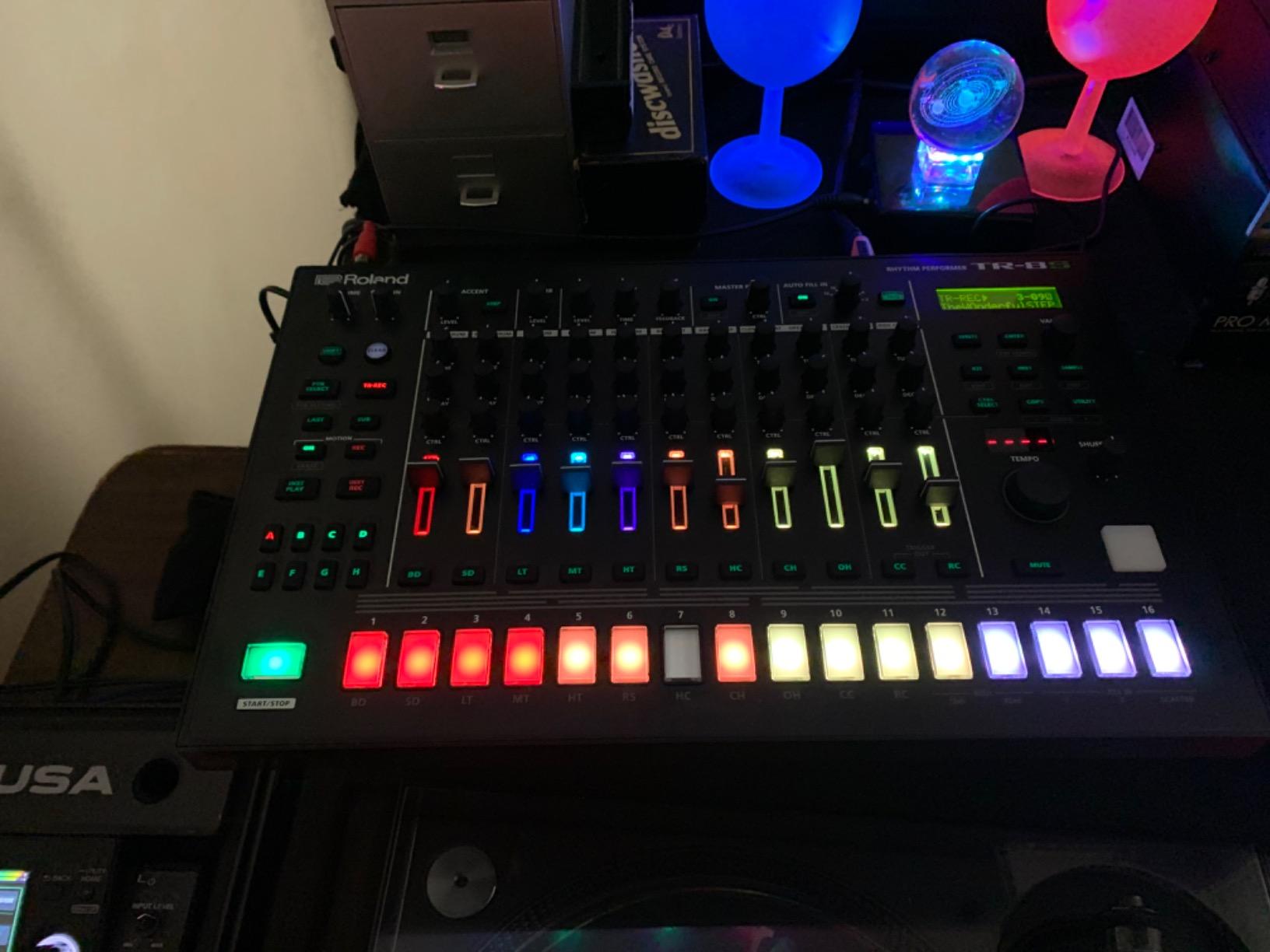
I tested the TR-8S in my home studio for six weeks alongside three other Roland units. The ACB technology nails the 808 and 909 character in a way that older sample-based clones never quite managed. The kick has that punchy thump, the snare snaps with vintage character, and the hats have the right metallic shimmer. Loading my own one-shots via SD card turned it into a hybrid beast that handled both classic house and modern trap without flinching.
The 128-kit memory sounds generous, but each kit can only store two variations — that’s a real limitation when you’re building full songs with verse-chorus-verse structures. I worked around it by using the pattern chain mode to arrange distinct kits per section. Per-instrument effects are where this unit shines: slap a delay on the rim-shot, an overdrive on the kick, a filter sweep on the toms, and save the whole kit. The next time you load that kit, every effect recall is instant.
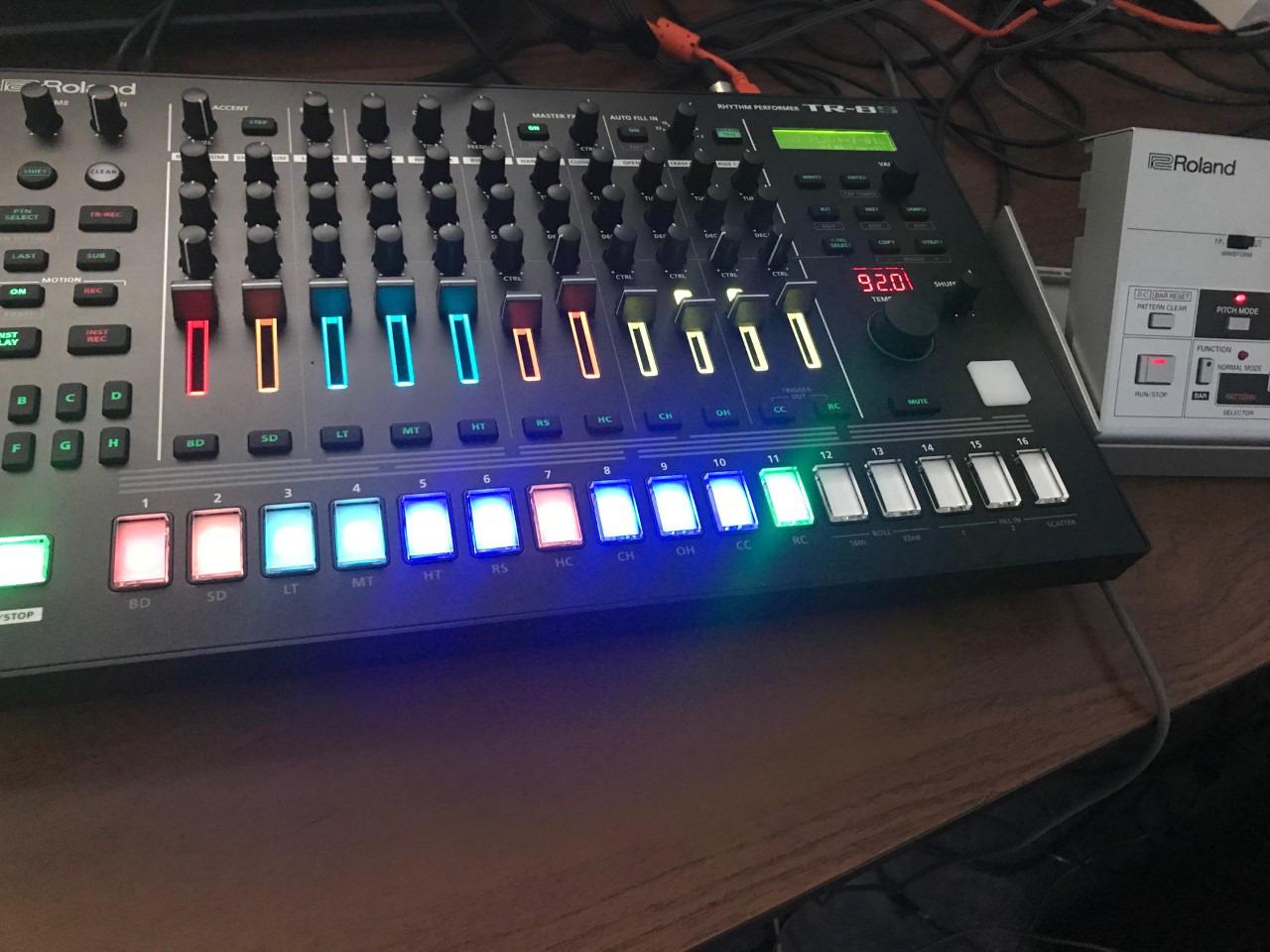
For live performance, the TR-8S feels built for the stage. The pads are responsive, the sliders for volume and tuning feel solid, and the TR-EDITOR software lets you prep kits on a laptop before the gig. One thing to note: if you want full velocity-sensitive finger drumming, this unit won’t replace dedicated MPC pads. For step sequencing and pattern performance, though, it’s nearly perfect.
Reddit’s r/synthesizers community consistently calls the TR-8S a “safe buy” for anyone stepping into hardware for the first time. The learning curve is gentler than Elektron gear, the workflow is intuitive, and the sound library covers decades of dance music history.
Connectivity and DAW integration
The TR-8S functions as a 24-bit/96kHz audio interface over USB. Plug it into your laptop, route audio into Ableton or Logic, and you’ve eliminated one piece of outboard gear. MIDI in/out/thru and sync jacks cover legacy hardware. The lack of battery power keeps it firmly in the studio category.
Who should buy the TR-8S
Producers who want authentic Roland sound with modern sampling flexibility will love it. Live performers who need reliable stage gear with deep hands-on control should put it at the top of their list. Beginners will find the workflow approachable, though the price tag may push them toward the Volca Drum instead.
2. Korg Volca Drum — Best Budget Drum Machine
Korg Volca Drum Digital Percussion Synthesizer w/ 16-step Sequencer and Active Step
Six-part DSP synth engine
Waveguide resonator
Active Step and Slice functions
Built-in speaker
Pros
- Compact and portable with built-in speaker
- Six-part DSP synth engine produces truly unique drum sounds
- Waveguide resonator adds rich tonal character
- Active Step function adds variety and life to patterns
- Two randomize functions spark creative ideas
Cons
- Only 16 pattern slots feels limited
- No data I/O for backup or transfer
- Pocket interface controls awkward for parameter editing
- Time signature changes limited
The Volca Drum is the drum machine I recommend most often to friends who want to start hardware beatmaking without spending a fortune. The six-part DSP synthesis engine is something genuinely different from sample-based competitors. Each drum voice gets its own sound character, and the waveguide resonator creates metallic, woody, and bell-like tones that you simply can’t get from a 909 clone.
I spent a weekend making techno tracks with the Volca Drum synced to a Volca Keys. The combination of probability-based Active Step, the Slice function for drum rolls, and the Accent levels for dynamic grooves made every pattern feel alive. I could randomize a kick drum and end up with polyrhythmic patterns I’d never have programmed by hand.
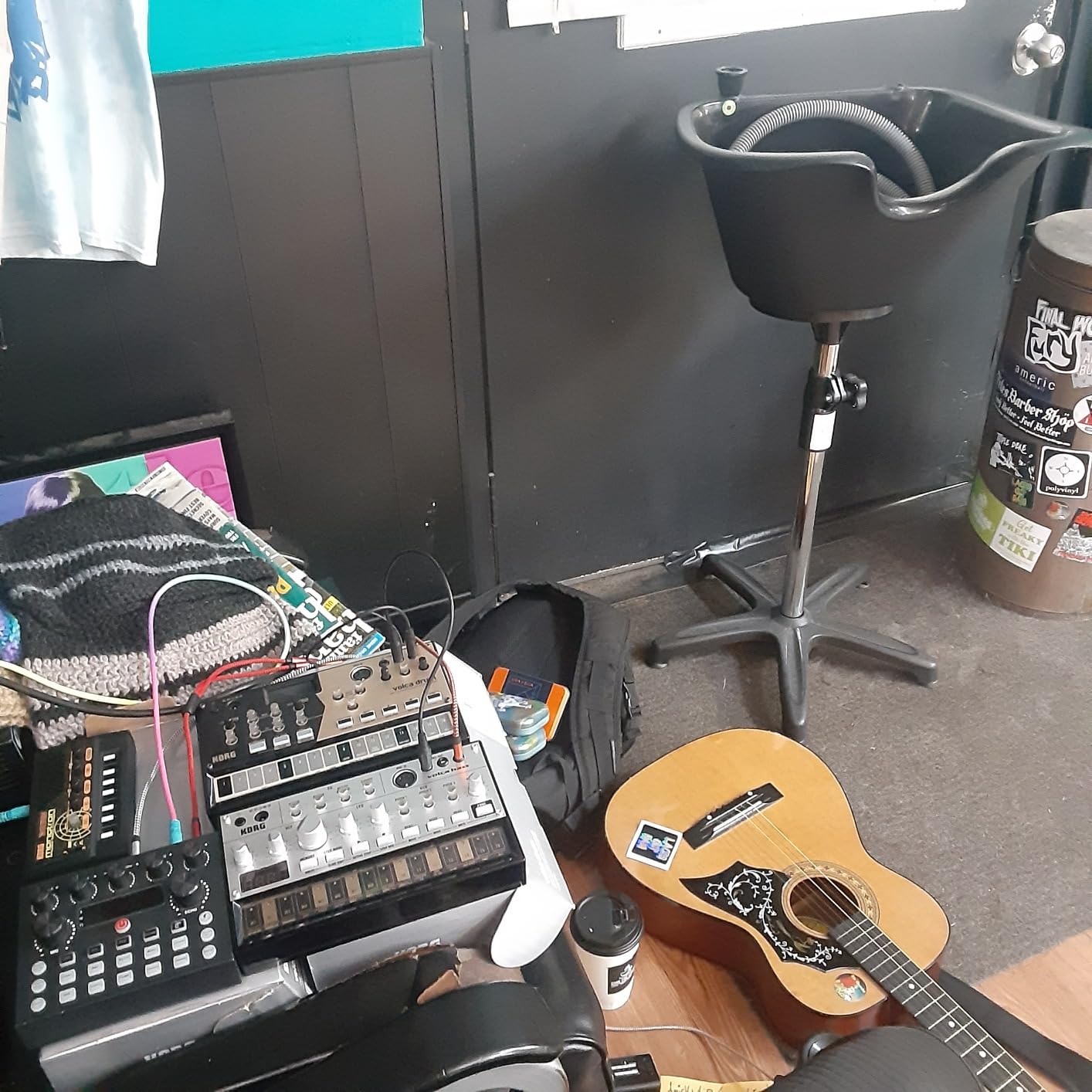
The built-in speaker is louder than you’d expect — useful for sketching ideas without headphones. Battery power via six AA cells means you can take this to a friend’s studio or a park bench. The 16-step sequencer handles most genres, though the lack of pattern chains beyond 16 slots is the biggest workflow bottleneck.
One common complaint: there’s no easy way to back up patterns. If you lose power mid-session, your work is gone. I learned to screenshot my settings and save them to my phone. The control layout is also cramped — the small buttons require fingernail precision. But at this price point, those are trade-offs most users accept willingly.
Sound design depth
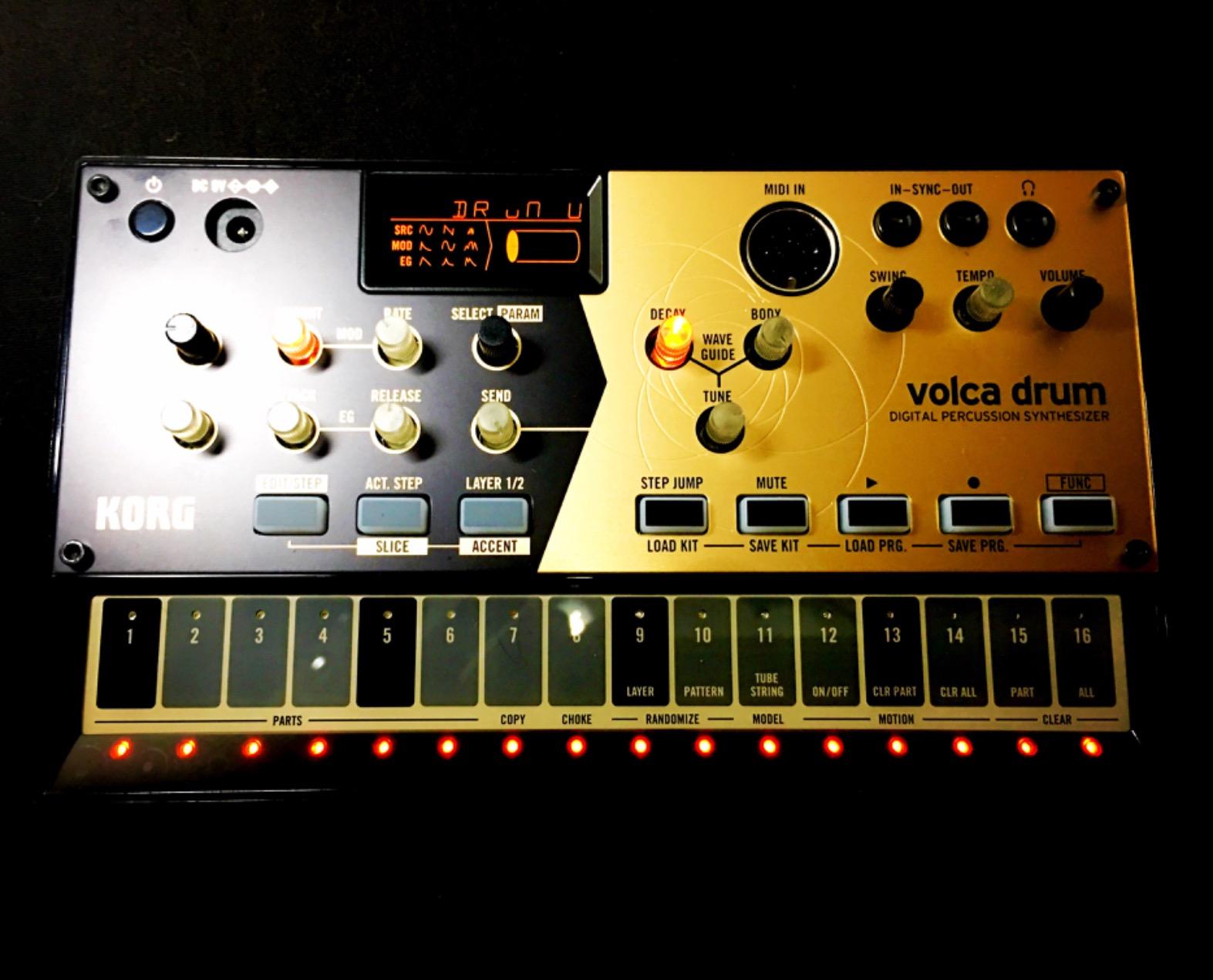
What sets the Volca Drum apart from other budget units is the sound engine. Each of the six parts has dual oscillators, a waveguide resonator, and an LPG (low-pass gate) for shaping. The result is a sonic palette that ranges from traditional drum machine hits to experimental percussive textures you’d find in IDM and glitch music.
Who should buy the Volca Drum
Beginners who want a creative drum machine that won’t break the bank should start here. Electronic producers working in synthwave, dubstep, grime, or experimental genres will find the sound engine inspiring. Anyone who wants battery-powered portable beatmaking for under $150 gets a near-perfect option.
3. Teenage Engineering PO-33 K.O! — Best Pocket Drum Machine
teenage engineering pocket operator PO-33 K.O.! micro sampler and drum machine with built-in microphone, sequencer and effects
Credit-card sized micro sampler
Built-in microphone
40-second sample memory
16 built-in effects
Pros
- Pocket-sized and ultra-portable
- Built-in microphone for on-the-spot sampling
- 40-second sample memory across drum and melodic slots
- 16 built-in effects to shape sounds
- Powerful 16-step sequencer with up to 100 pattern chains
- One month battery life from two AAA cells
- Syncs with other Pocket Operators and Korg Volca series
Cons
- Monophonic sample slots with limited 4-sample polyphony
- 8-bit audio engine loses fidelity on bassy material
- Limited built-in scale options for melodic work
- Exposed board construction is fragile without a case
- Steep learning curve for first-time users
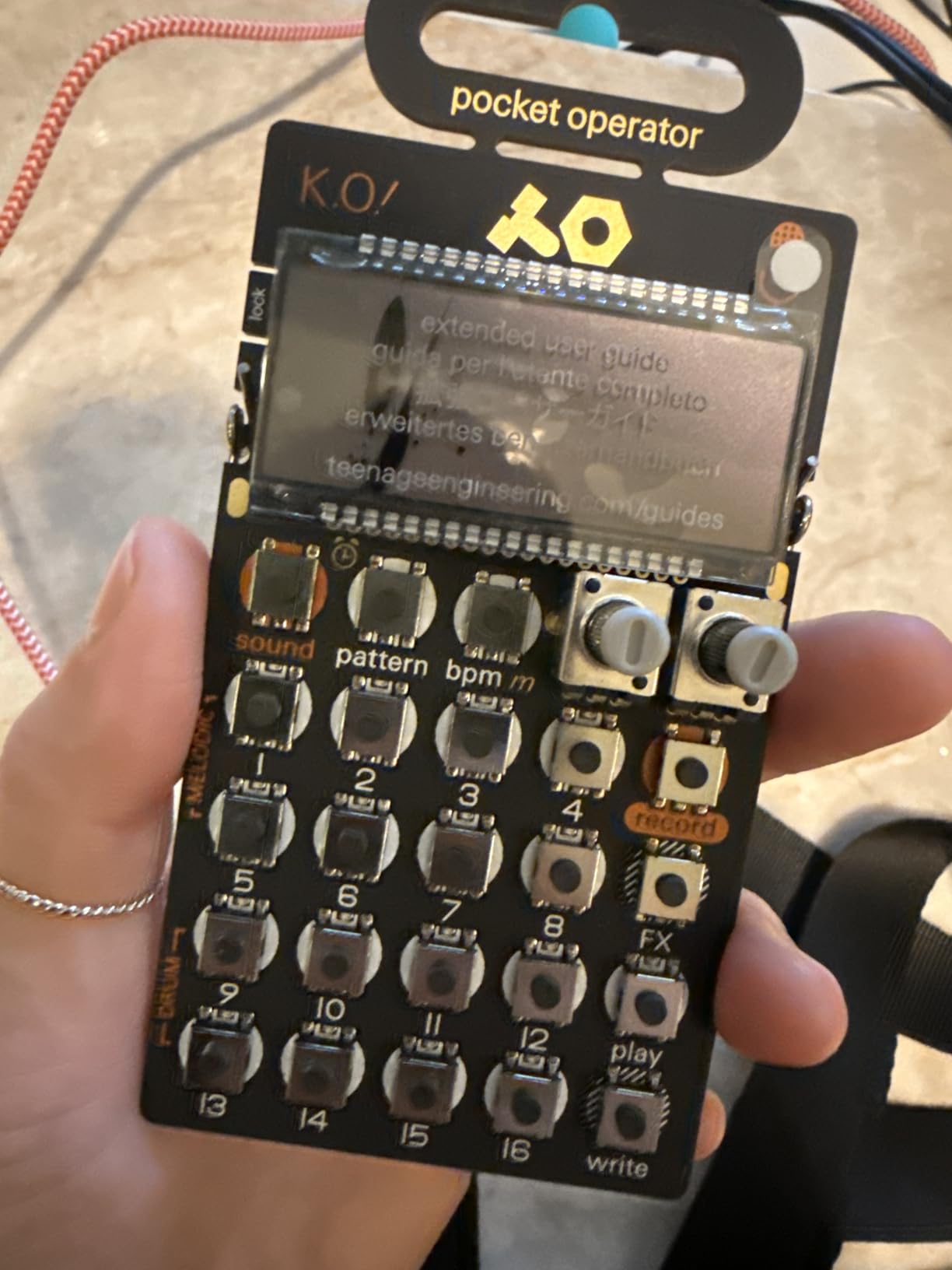
The PO-33 K.O! is the drum machine I keep in my jacket pocket. Literally. It’s smaller than a credit card, runs on two AAA batteries for a month, and has a built-in microphone that lets you sample any sound source in seconds. I’ve recorded clinking coffee cups, my dog’s bark, and drum hits from vinyl — all chopped into a 40-second memory bank.
The sequencer punches above its weight. 16 steps per pattern, but you can chain patterns and create songs up to 100 repeats long. The 16 built-in effects range from bitcrush to reverb, and parameter locks let you automate effects per step. It’s an entire beatmaking workstation that fits in your palm.
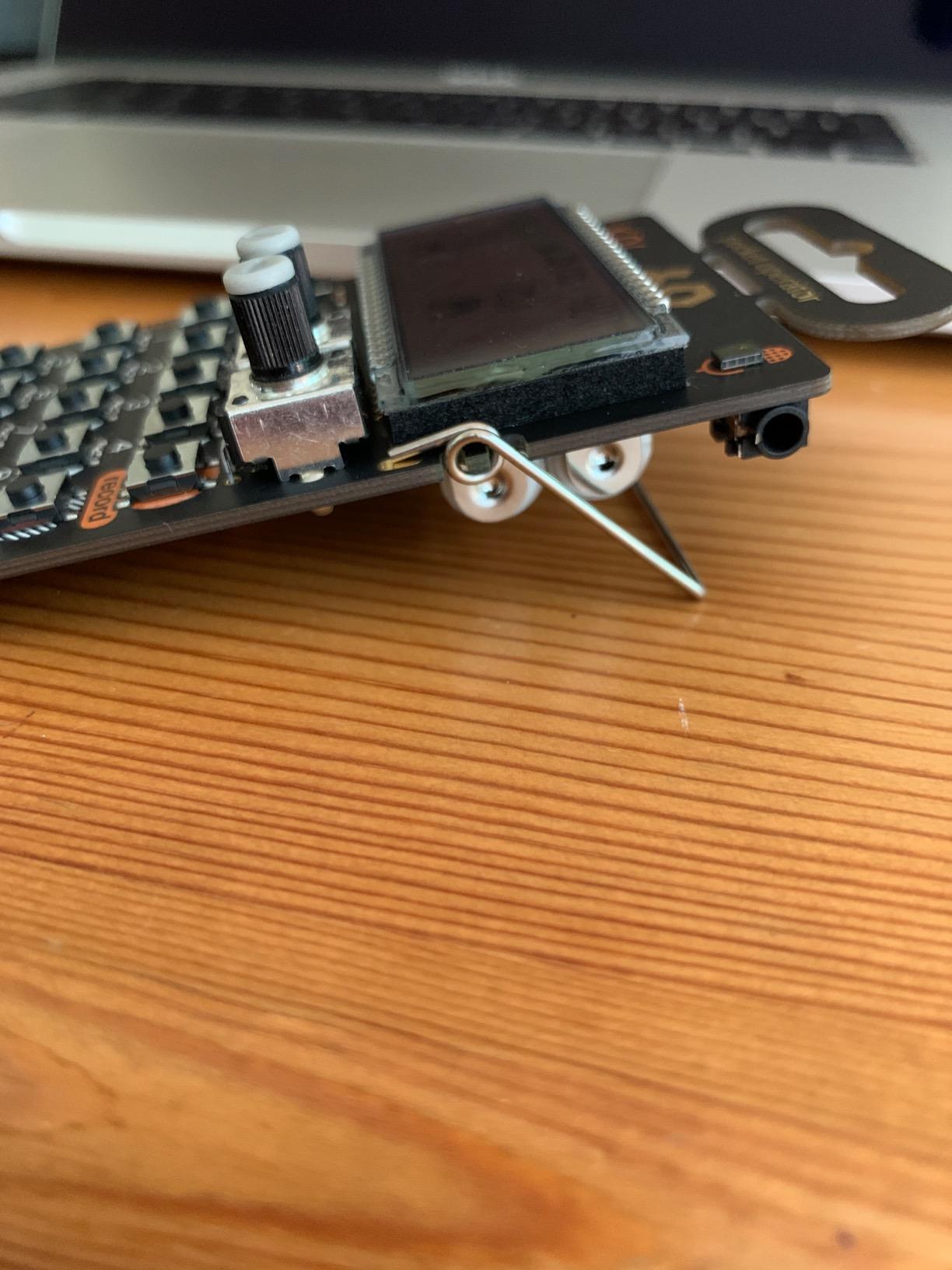
I took the PO-33 on a hiking trip last summer. Sitting on a mountain overlook, I sampled birdsong, layered it into a beat, and had a full track sketched before lunch. The built-in speaker is tinny but functional for previewing. For proper monitoring, the 3.5mm line out feeds any headphones or portable speaker.
The cons are real but not deal-breakers. The 8-bit engine means low-end sources lose punch. The exposed PCB needs a third-party case to survive daily pocket carry. And the workflow — using two buttons and a small dial to navigate — feels cryptic at first. Teenage Engineering’s YouTube channel has tutorials that get you over the hump in an hour.
Sync and modular integration
The PO-33 syncs with other Pocket Operators, the Korg Volca series, and any gear that accepts a 3.5mm sync pulse. You can build entire Pocket Operator ensembles with drum, bass, and lead machines running off a single clock signal. For modular users, the sync output works with most Eurorack sequencers.
Who should buy the PO-33
Traveling producers and beatmakers on a budget will love it. Hip-hop producers looking for a portable break chopper find it invaluable. Anyone who wants to start hardware sampling without a computer gets an affordable, fun entry point.
4. Alesis SR-16 — Best Classic Drum Machine
Alesis SR-16 Standalone Drum Machine
233 professional sounds
12 velocity-sensitive pads
50 preset and user kits
Full MIDI support
Pros
- Legendary classic drum machine still used by songwriters and live performers
- 233 professional sounds with built-in digital effects
- Full MIDI support for keyboards
- computers
- DAWs
- and e-drums
- 12 velocity-sensitive pads with Dynamic Articulation
- 50 preset and user drum kits
- 4 stereo pair outputs for versatile routing
- Step editing and sound stacking features
Cons
- Plastic construction feels less premium
- Some users report learning curve for advanced sound design
- Limited modern connectivity compared to newer units
The Alesis SR-16 has been in production for decades, and for good reason. It’s a workhorse drum machine that delivers reliable sounds, intuitive programming, and bulletproof MIDI integration. Songwriters love it for sketching demos. Live performers trust it as a backup on stage. It’s the drum machine equivalent of a Honda Civic — not flashy, but it never lets you down.
I keep an SR-16 in my writing room. When I need a quick beat to test a song idea, I program a pattern in three minutes, route it to my interface, and capture the sketch. The 233 sounds cover rock, pop, R&B, electronic, and Latin styles. Dynamic Articulation adds natural-feeling ghost notes and accents when you play the pads.
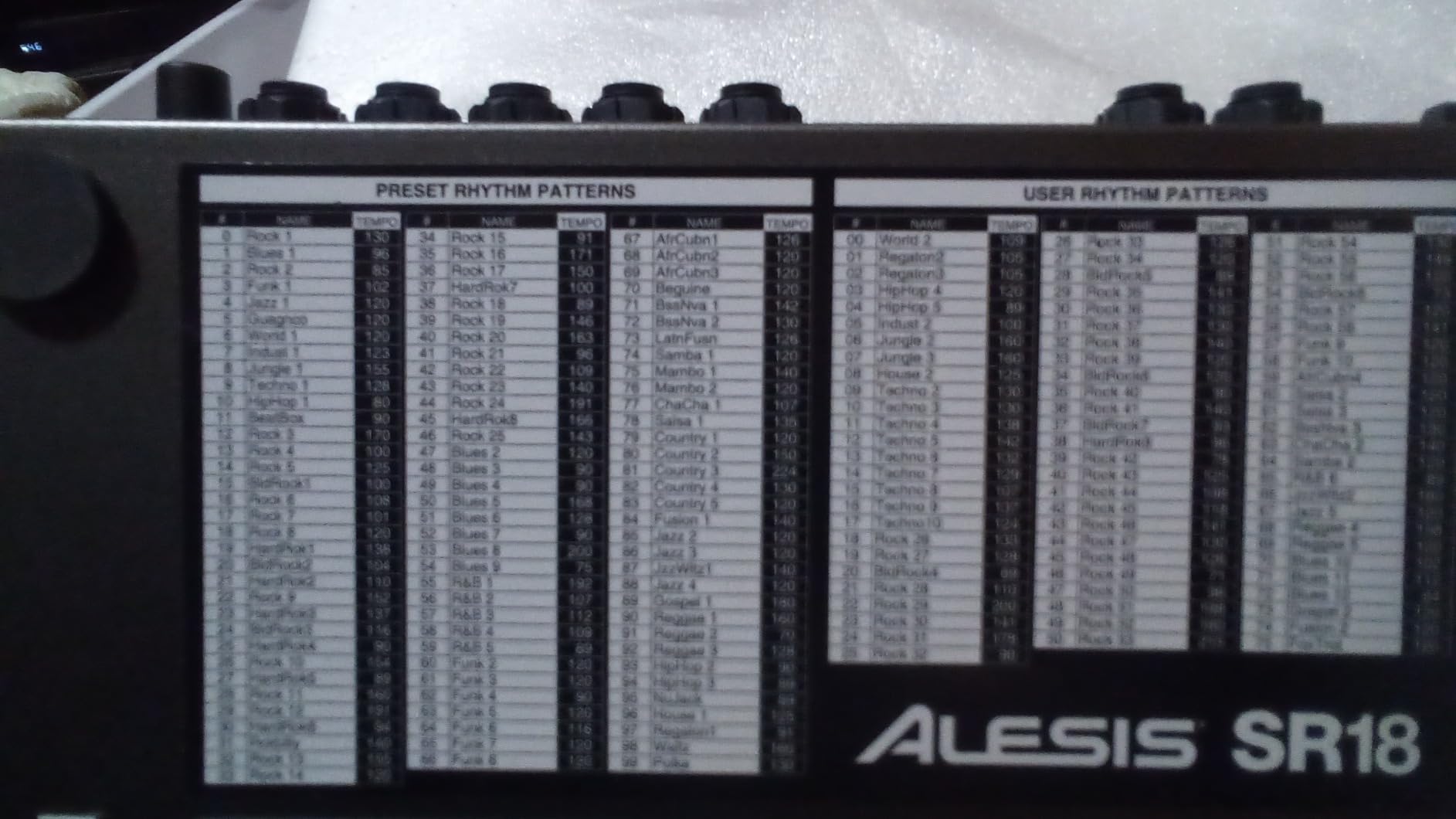
The 12 pads are velocity-sensitive, which matters more than you’d think. You can finger-drum a beat instead of programming it step by step, and the dynamics come through. Step editing is available for when you want precise control. The 50 user kit slots let you build custom kits for recurring sessions.
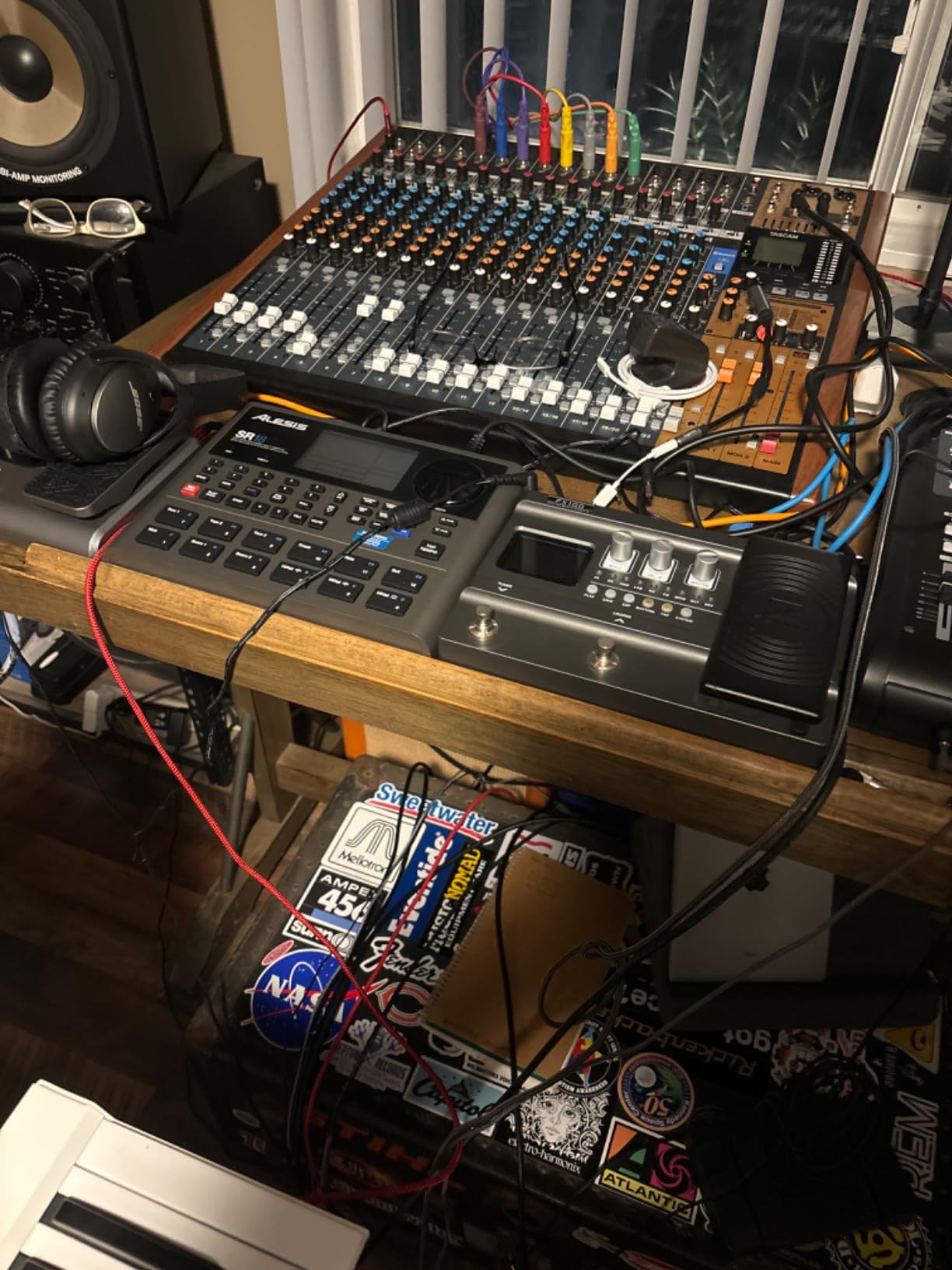
MIDI support is comprehensive — in, out, and thru. The SR-16 triggers from MIDI controllers, syncs to DAW clock, and feeds other modules. The four stereo outputs let you route drums to separate mixer channels or a four-track recording rig. The plastic chassis feels dated next to metal-bodied competitors, but it’s stood the test of time.
Live performance and durability
The SR-16 has earned its reputation on stage. It’s been a touring staple for Toto, Maroon 5, and countless cover bands. Two footswitch jacks let you trigger start/stop and pattern changes hands-free. The pads survive years of gigging — owners report 10+ years of regular use without failure.
Who should buy the SR-16
Songwriters who need quick beat sketches benefit most from the straightforward workflow. Live performers who want a reliable backup drum machine find it indispensable. Anyone on a tight budget who wants genuine velocity-sensitive pads and full MIDI support gets tremendous value.
5. Teenage Engineering PO-12 Rhythm — Best Ultra-Budget Drum Machine
teenage engineering pocket operator PO-12 rhythm, drum machine and sequencer with parameter locks and punch-in effects
Pocket-sized drum machine
16-step sequencer
Synthesized and sampled drum sounds
1 month battery life
Pros
- Tiny and ultra-portable pocket synthesizer
- Mix of synthesized and sampled drum sounds
- 16 punch-in effects to enhance sounds
- 16-step sequencer with 16 pattern chains
- Built-in speaker and 3.5mm line out
- Battery powered with 1 month battery life and 2 year standby
- Syncs with other Pocket Operators and Korg Volca series
Cons
- Included instructions are minimal — YouTube tutorials required
- LCD screen animations are basic and not very informative
- No MIDI in/out limits pro studio integration
- Exposed board build benefits from a protective case
- Sync click track doesn't share swing with other units
If the PO-33 K.O! is too rich for your blood, the PO-12 Rhythm delivers similar charm at a fraction of the price. It’s a dedicated drum machine (no sampling), but the synthesized and sampled drum sounds are punchy and characterful. The 16-step sequencer with parameter locks creates evolving patterns that surprise you.
I bought a PO-12 as a stocking stuffer for my nephew two years ago. He’s now producing full beats on it, syncing it to a Volca Bass, and uploading tracks to SoundCloud. The learning curve is real — the manual is famously unhelpful — but the YouTube tutorial ecosystem is robust. Once you understand the button combinations, programming feels fast and tactile.
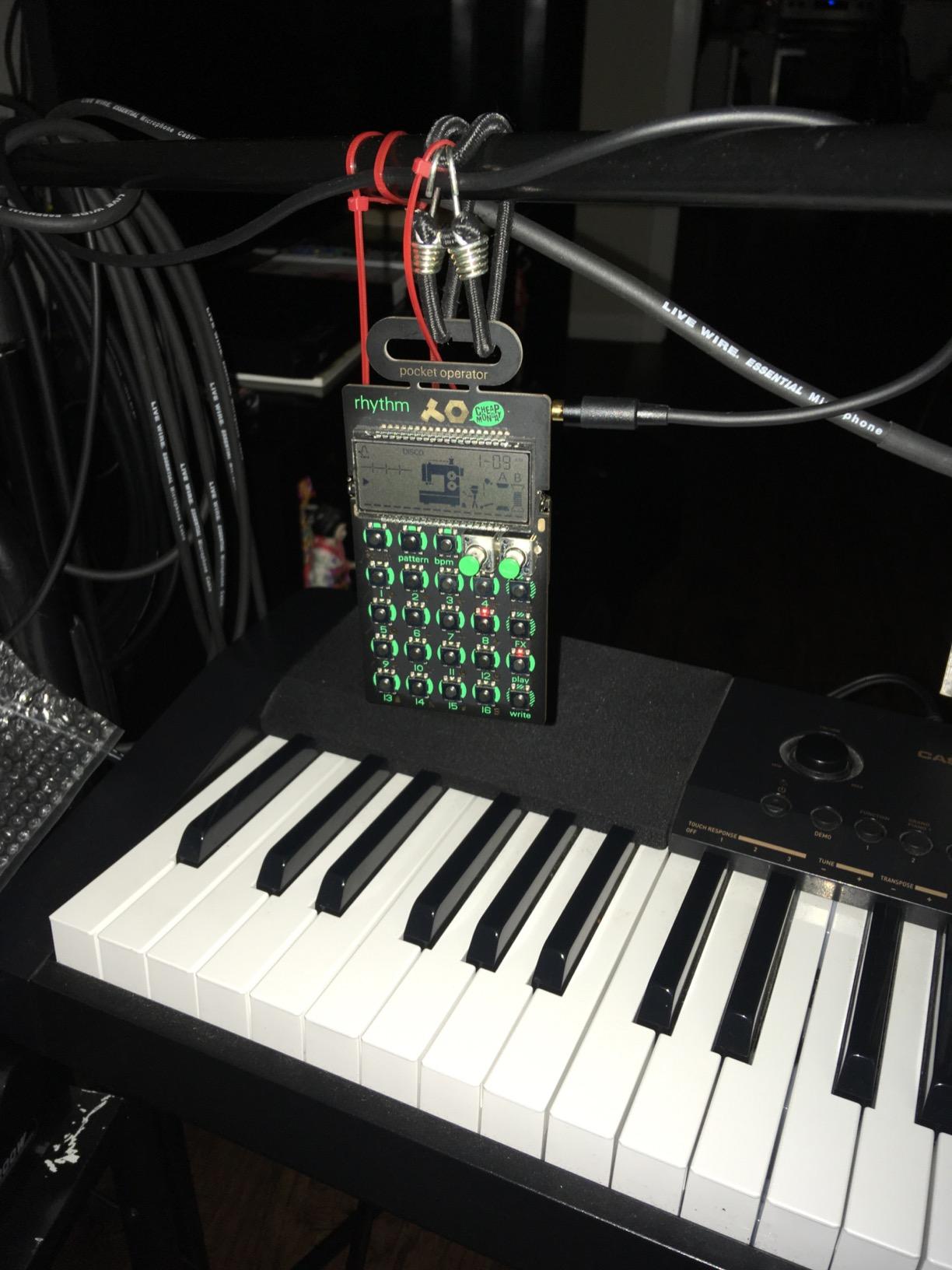
The 16 punch-in effects cover the essentials: reverb, delay, bitcrush, filter sweeps, and stutter. Pattern chaining lets you build songs up to 16 patterns long. Battery life is exceptional — two AAA cells run for a month of regular use. The built-in speaker is small but audible.
The downsides are mostly about integration. There’s no MIDI in or out, so syncing with pro studio gear requires the 3.5mm sync cable workaround. The exposed circuit board is fragile — drop it without a case and you’ll likely damage a pad. The LCD screen shows animations but not detailed parameter values. For the price, these are acceptable trade-offs.
Who should buy the PO-12
Absolute beginners who want the cheapest entry into hardware drum machines will find this perfect. Gift buyers looking for a fun, creative present under $60 get a great option. Producers who want a portable sketch pad for capturing beat ideas on the go benefit from the battery life and pocket form factor.
6. Novation Circuit Tracks — Best Groovebox for Live Performance
Novation Circuit Tracks Groovebox Sequencer and Synthesizer
Two synth plus four drum tracks
32-step patterns chainable to 256 steps
Velocity-sensitive pads
MicroSD sample storage
Pros
- Intuitive workflow with velocity-sensitive pads and tactile encoders
- Two synth tracks and two MIDI tracks plus four drum tracks
- 32-step patterns chainable to 256 steps per track
- Polyphonic digital synth tracks with custom patches
- Probability and pattern mutate for evolving music
- Dedicated MIDI tracks for notes and CC automation
- Full-size MIDI in/out/thru plus analogue sync out
- Compact and battery powered
Cons
- Recording/exporting tracks to MP3 is awkward
- No Bluetooth MIDI or audio functionality
- 3.5mm sockets can feel loose
- Lithium battery not user-swappable like original Circuit
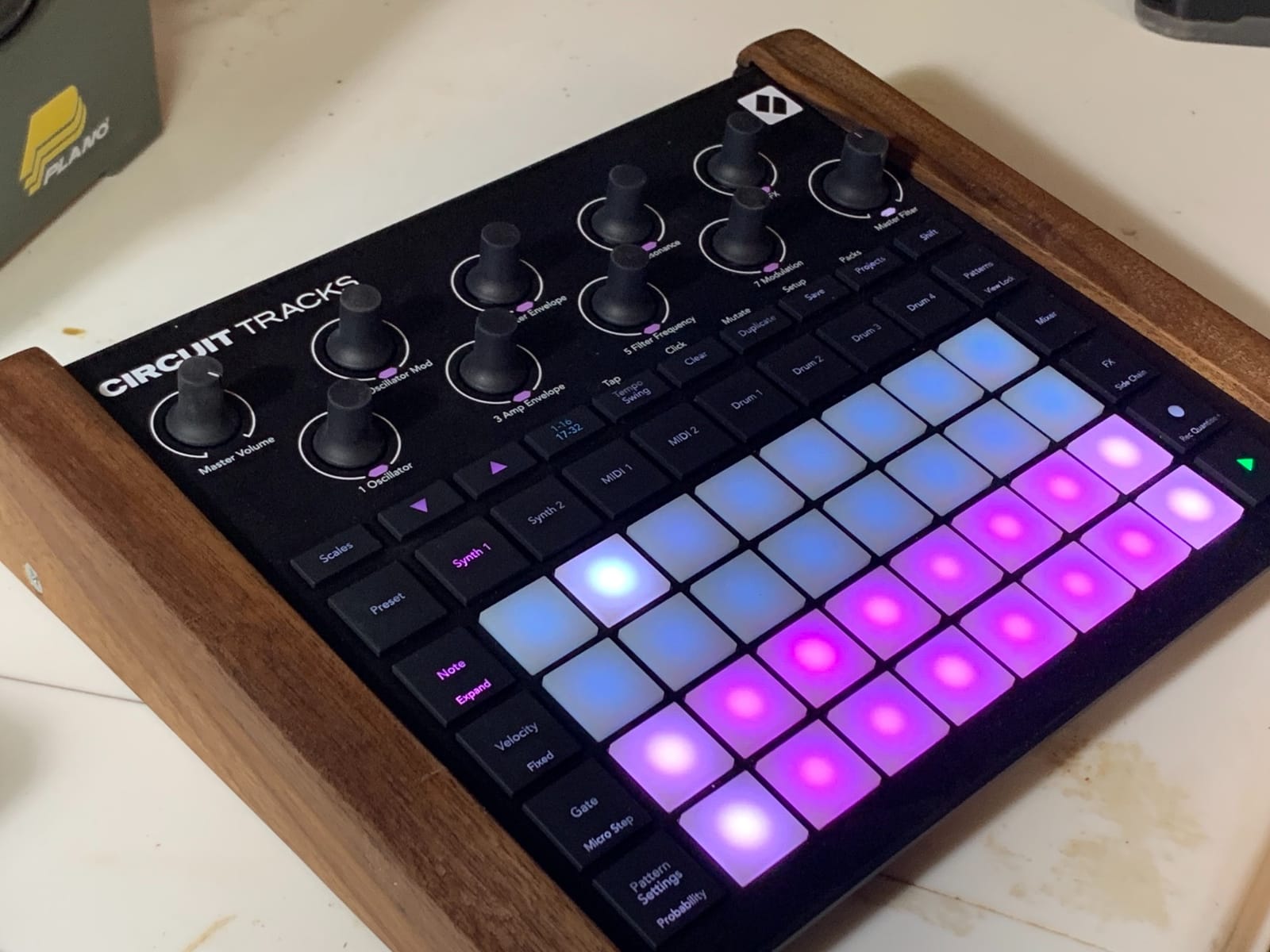
The Novation Circuit Tracks is the groovebox I recommend most to producers who want both a drum machine and a portable synth rig. It packs two polyphonic synth tracks, two MIDI tracks for controlling external gear, and four drum tracks with sample loading — all into a battery-powered unit with a sequencer that handles up to 256 steps per pattern.
I used the Circuit Tracks on a live DJ tour last year. The combination of velocity-sensitive pads, dedicated MIDI outs for synth control, and the ability to load samples from a microSD card made it the centerpiece of my rig. The probability and pattern mutate functions kept my sets evolving — no two performances sounded identical.
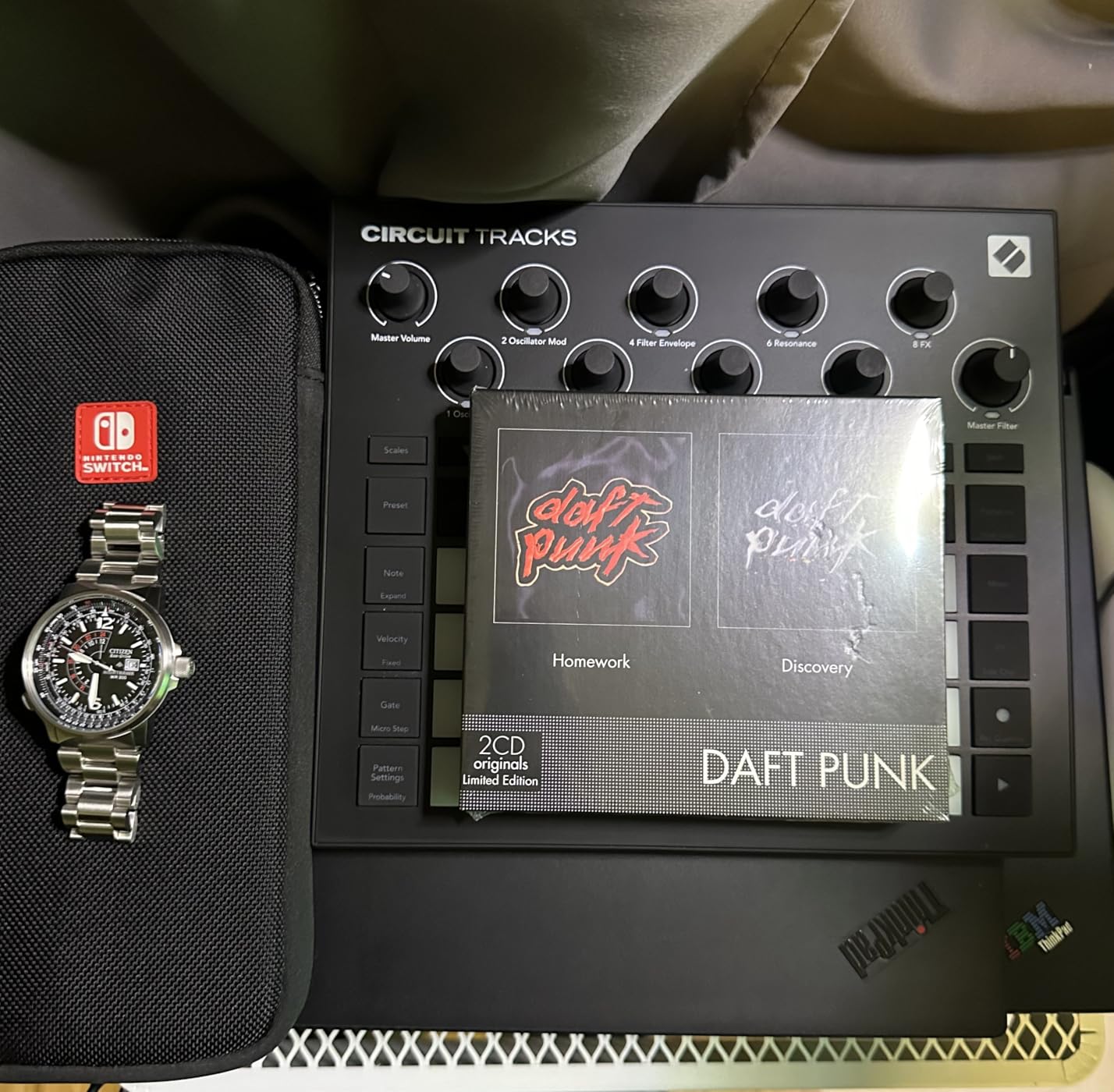
The synth engine is more capable than I expected. The two polyphonic tracks handle pads, leads, and bass duties convincingly. Custom patches load from Novation Components, the free online companion. For producers who don’t need a separate synth, this groovebox delivers serious value.
The drum tracks sample from microSD and support slicing, pitch shifting, and per-step probability. I built a custom break chop kit in Ableton, exported it as WAV, dropped it on the SD card, and had a full MPC-style workflow on the Circuit. Battery life is around four hours — shorter than ideal for marathon sets, but workable.
DAW integration and USB-C audio
The Circuit Tracks functions as a USB audio interface, routing stereo audio into your DAW over USB-C. MIDI in/out/thru is full-size 5-pin DIN, which is rare on compact grooveboxes. Analogue sync out connects to vintage gear. The only modern omission is Bluetooth MIDI, which competitors like the MPC Key 37 now include.
Who should buy the Circuit Tracks
Live performers who want a self-contained beatmaking and synth rig find it ideal. Electronic producers working in house, techno, or hip-hop benefit from the sampling workflow. Songwriters who want a portable sketch tool with serious depth get a great option.
7. Akai Professional MPC Sample — Best Portable Sampler
Akai Professional MPC Sample Portable Sampler
16 responsive MPC pads
Over 100 factory kits
Internal microphone
Battery-powered standalone operation
Pros
- Compact portable sampler with iconic MPC workflow
- Complete standalone operation with battery and built-in speaker
- Internal microphone for direct sampling
- 16 responsive MPC pads and 2.4-inch color display
- Over 100 factory kits with Instant Sample Chop Mode
- Four internal FX processors with 60 effect types
- Comprehensive I/O including TRS
- MIDI
- sync out
- USB-C
Cons
- Higher price than entry-level alternatives
- Workflow can take time to learn for first-time MPC users
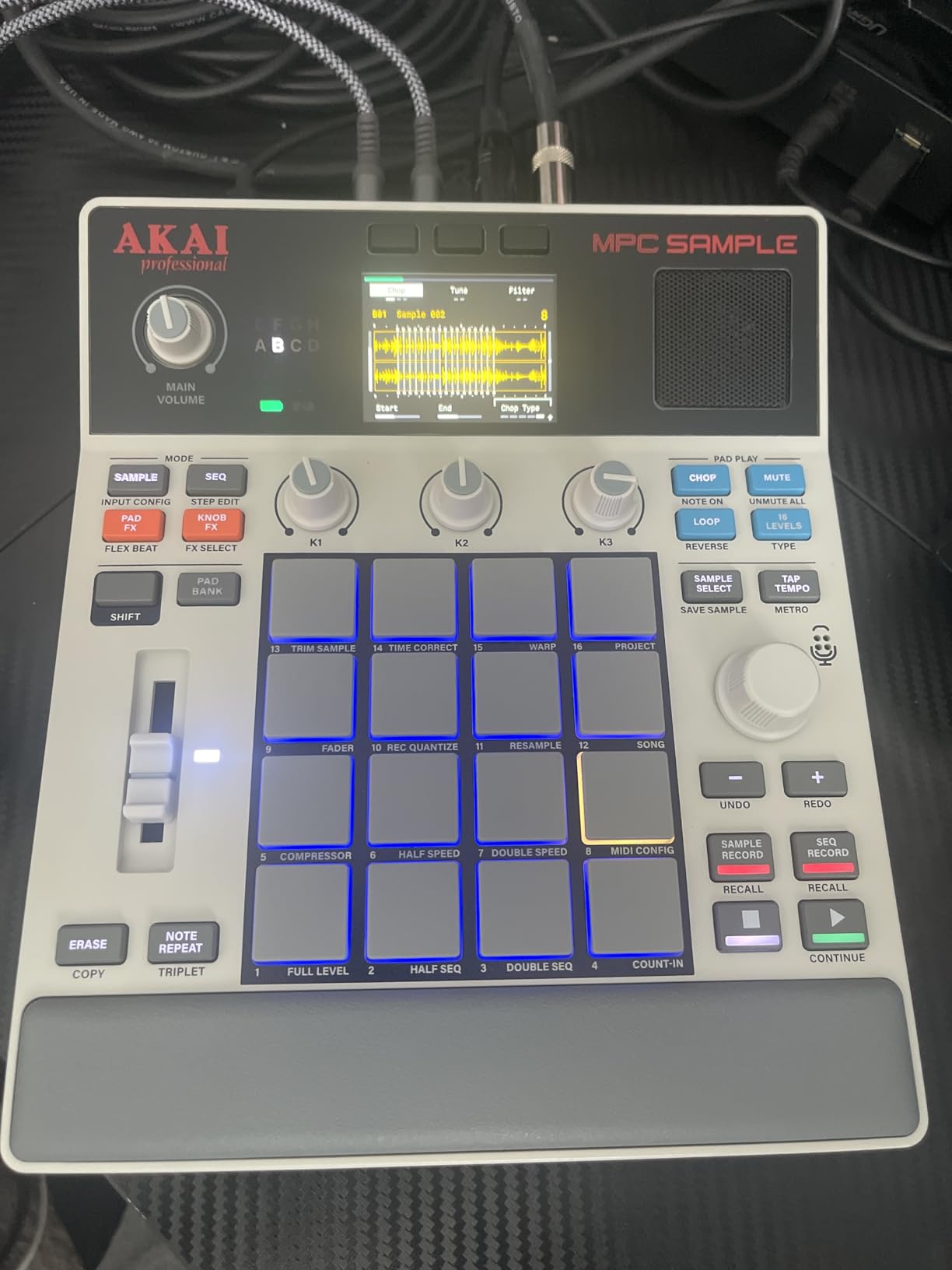
The MPC Sample is what happens when Akai distills decades of beatmaking history into a portable, battery-powered unit. It has 16 of the most responsive pads in the business, the legendary MPC workflow for chopping samples, and full standalone operation. I took mine on a two-week trip and made beats on airplanes, in hotel rooms, and at the beach.
The Instant Sample Chop Mode is the killer feature. Load a break, hit the pads, and you’re instantly slicing into playable hits. The internal microphone captures ambient sounds wherever you are. Over 100 factory kits cover hip-hop, house, techno, and trap out of the box. Four FX processors with 60 effect types let you add reverb, delay, bitcrush, and compression per pad.
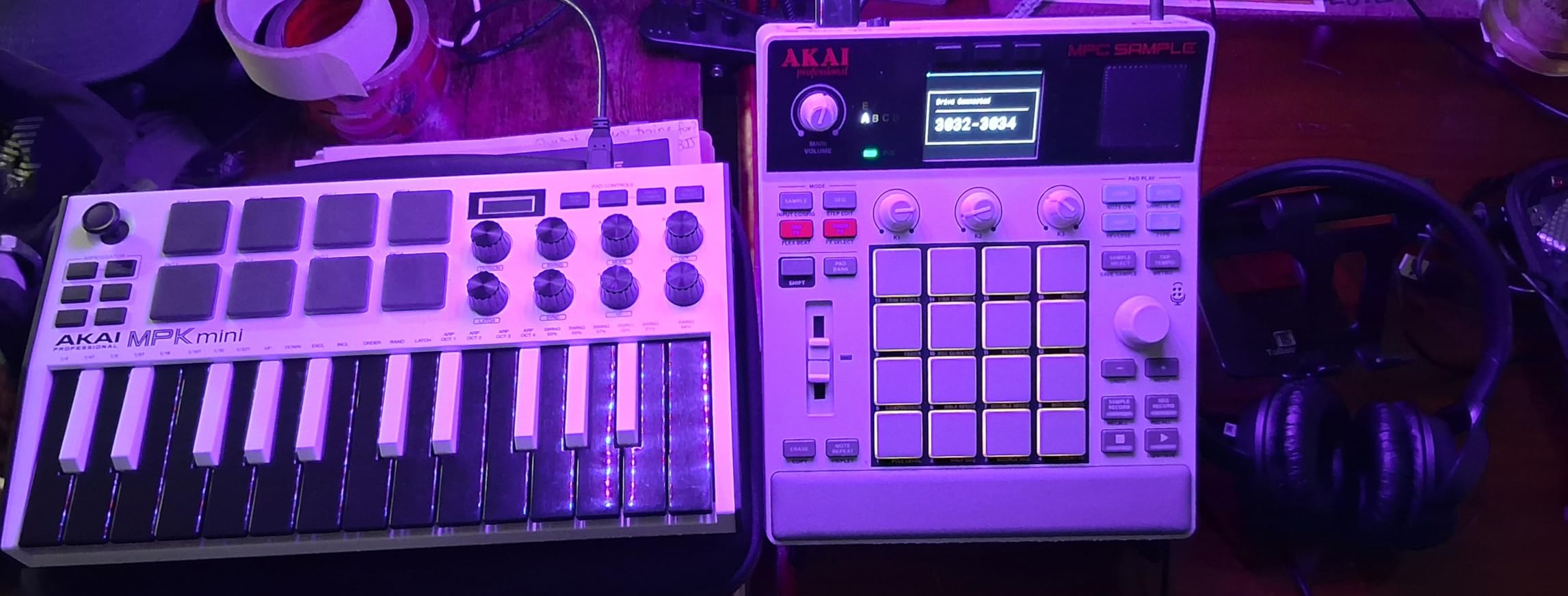
Build quality is solid — the chassis feels rugged enough for travel. The 2.4-inch color display is small but functional for menu navigation. Battery life runs around five hours with moderate use. The microSD card storage means your kits and samples stay safe even if the unit powers down unexpectedly.
For producers who already own an MPC desktop, the MPC Sample is a portable companion that shares project files seamlessly. For newcomers, it’s a standalone beatmaking studio that requires no computer. The MPC workflow has a learning curve — owners report two to four weeks before they feel fast on the pads — but once it clicks, it’s addictive.
Connectivity options
The MPC Sample includes stereo 1/4-inch TRS line in/out, 1/8-inch headphones out, MIDI in/out (via 1/8-inch to DIN adapter, not included), and sync out. USB-C handles audio/MIDI connectivity to a computer. The lack of full-size MIDI jacks is the only notable omission for studio integration.
Who should buy the MPC Sample
Hip-hop producers who want a portable MPC for chopping breaks and making beats on the go find it indispensable. Producers who travel frequently get a self-contained studio that fits in a backpack. Anyone who values the MPC workflow but doesn’t need a keyboard or full workstation gets the perfect entry point.
8. Roland MC-101 Groovebox — Best All-In-One Production Workstation
Roland MC-101 Groovebox Compact Music Production Workstation
Tone, Drum Kit, and Looper track types
4 tracks and 64 clips
AA battery or USB powered
128-step sequencer
Pros
- Compact and portable professional music production tool
- Tone
- Drum Kit
- and Looper track types in one unit
- 1/4-inch phone jacks
- MIDI and USB ports for flexible connectivity
- SD card included for saving Project Data and Audio Data
- Powered by 4 AA batteries or USB for portable use
- Huge preset library with versatile sound design
- Intuitive workflow and easy to learn
Cons
- Pads are not velocity sensitive
- Only 8 scenes limits live sets
- No program change support
- Project switching takes time and isn't ideal for live performance
- Stock drum samples may need heavy customization
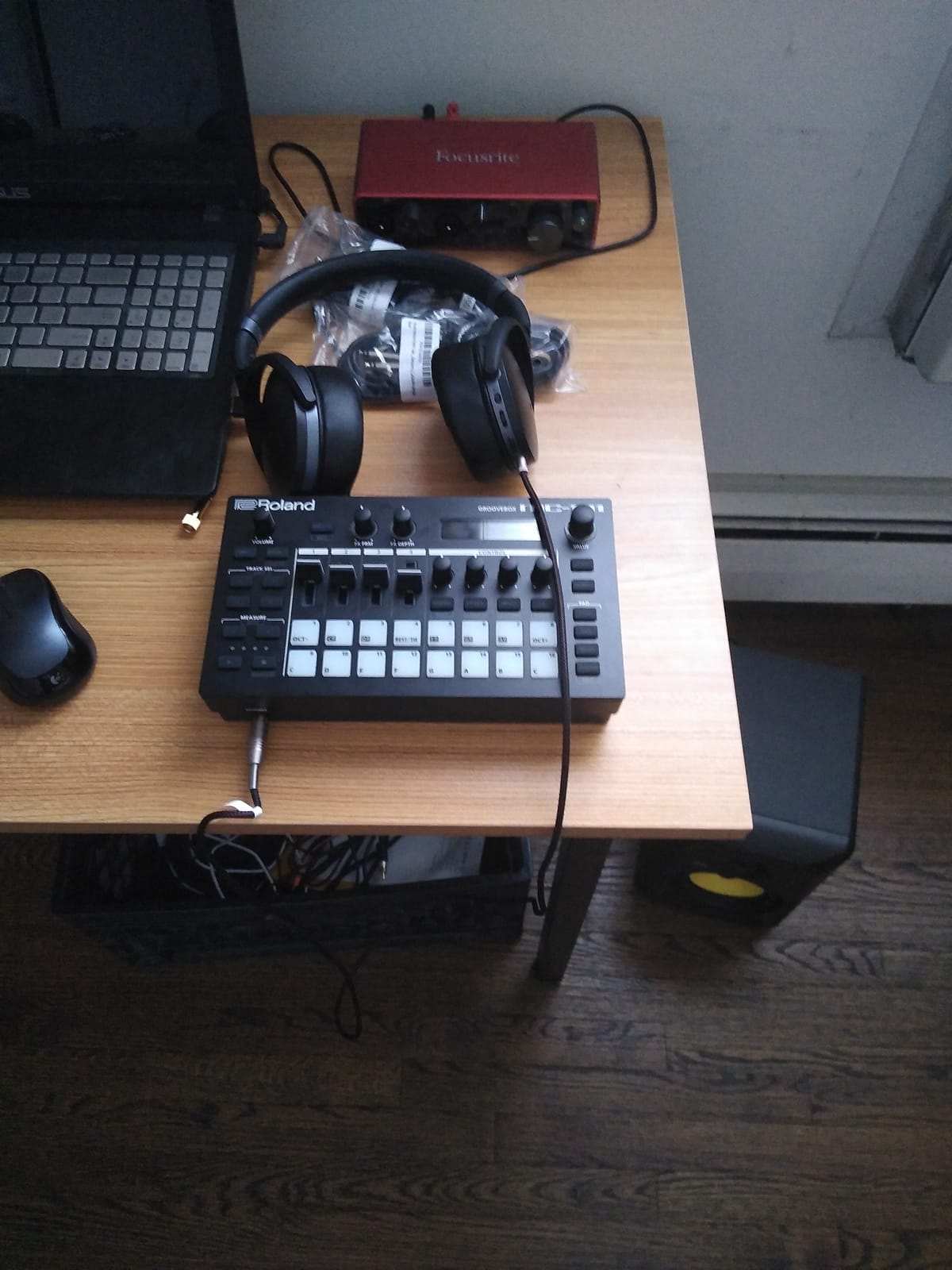
The Roland MC-101 is the compact sibling of the MC-707. It delivers around 90% of the functionality at roughly half the price, with the same ZEN-Core sound engine powering thousands of presets. I used it for two months as my primary sketch tool and found it surprisingly capable for full song creation.
The combination of Tone tracks (synth parts), Drum Kit tracks (drum machine sounds), and Looper tracks (audio loops) in one unit makes it a true production workstation. You can build a full song — drums, bass, leads, pads — without touching a computer. The 128-step sequencer handles patterns that go beyond traditional 16-step limits.
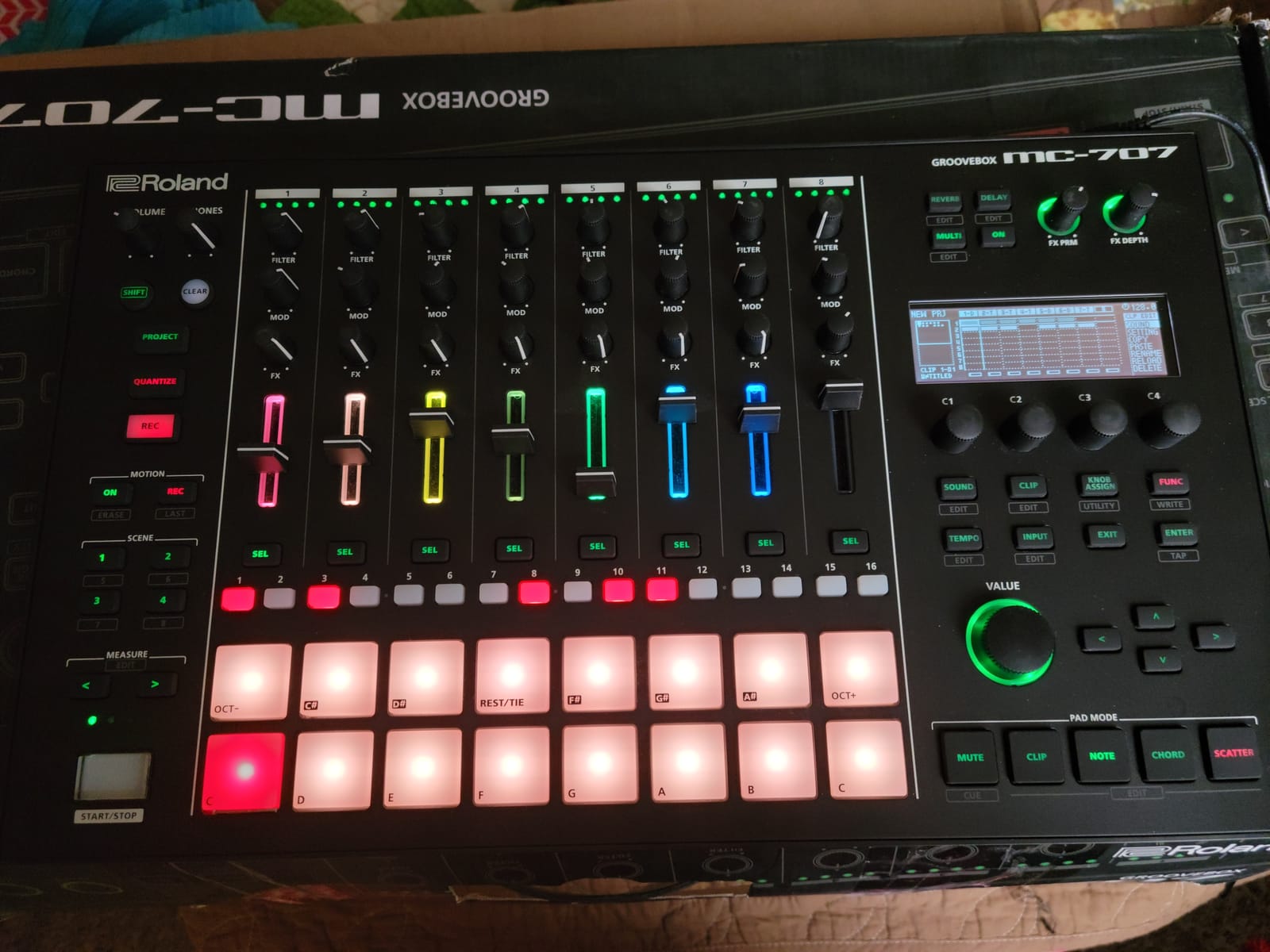
Battery power via four AA cells means true portability. I took the MC-101 on a camping trip and made beats by a campfire. The SD card slot (card included) stores project data and audio samples. Track effects include 90 multi-effect types, EQ, chorus/delay, and reverb. Master effects add compression and master EQ.
The downsides are real but contextual. The pads are not velocity-sensitive, which matters for finger drumming. The 8-scene limit constrains live performance sets. Project switching is slow — not ideal for on-stage transitions. The stock drum samples are usable but benefit from swapping in custom kits.
Integration with Roland’s ecosystem
The MC-101 plays nicely with other Roland gear, especially the TR-8S and MC-707. Project files are compatible across the lineup. For producers already invested in Roland’s Boutique series, the MC-101 becomes a central hub that ties everything together.
Who should buy the MC-101
Songwriters who want a portable production studio with synths and drum machine capabilities benefit most from this unit. Producers who already own Roland gear get seamless integration. Beginners who want a one-box solution for full song creation find tremendous value.
9. Akai Professional MPC Key 37 — Best Premium Production Workstation
Akai Professional MPC Key 37 Standalone Production Synthesizer, Drum Machine, MIDI Keyboard, with Wi-Fi, Bluetooth, Touchscreen, Plug-ins, and Native Instruments Integration
37-note synth-action keybed with aftertouch
Wi-Fi and Bluetooth MIDI
16 velocity-sensitive RGB pads
7-inch multi-touch display
Pros
- Combines music production synth
- sampler
- beat maker
- drum machine
- and desktop controller in one
- 37-note synth-action keybed with aftertouch
- Standalone with Wi-Fi and Bluetooth MIDI for cable-free connectivity
- MPC2 software with 128 audio tracks and AU/VST plugin support
- Native Instruments Integration
- 16 velocity-sensitive RGB MPC pads
- 7-inch multi-touch display with pitch and modulation wheels
- MPC Stems for isolating vocals
- drums
- bass
- and music
- 2GB RAM and 32GB storage
- Comprehensive I/O including MIDI
- TRS
- CV/Gate
- USB-A and USB-B
Cons
- No built-in battery requires a separate battery pack for portable use
- Arrange mode limitations prevent zooming out beyond 32 bars
- Tap-and-drag clip editing only works for one track at a time
- Higher price point than entry-level MIDI keyboards
- Learning curve for the complex MPC workflow
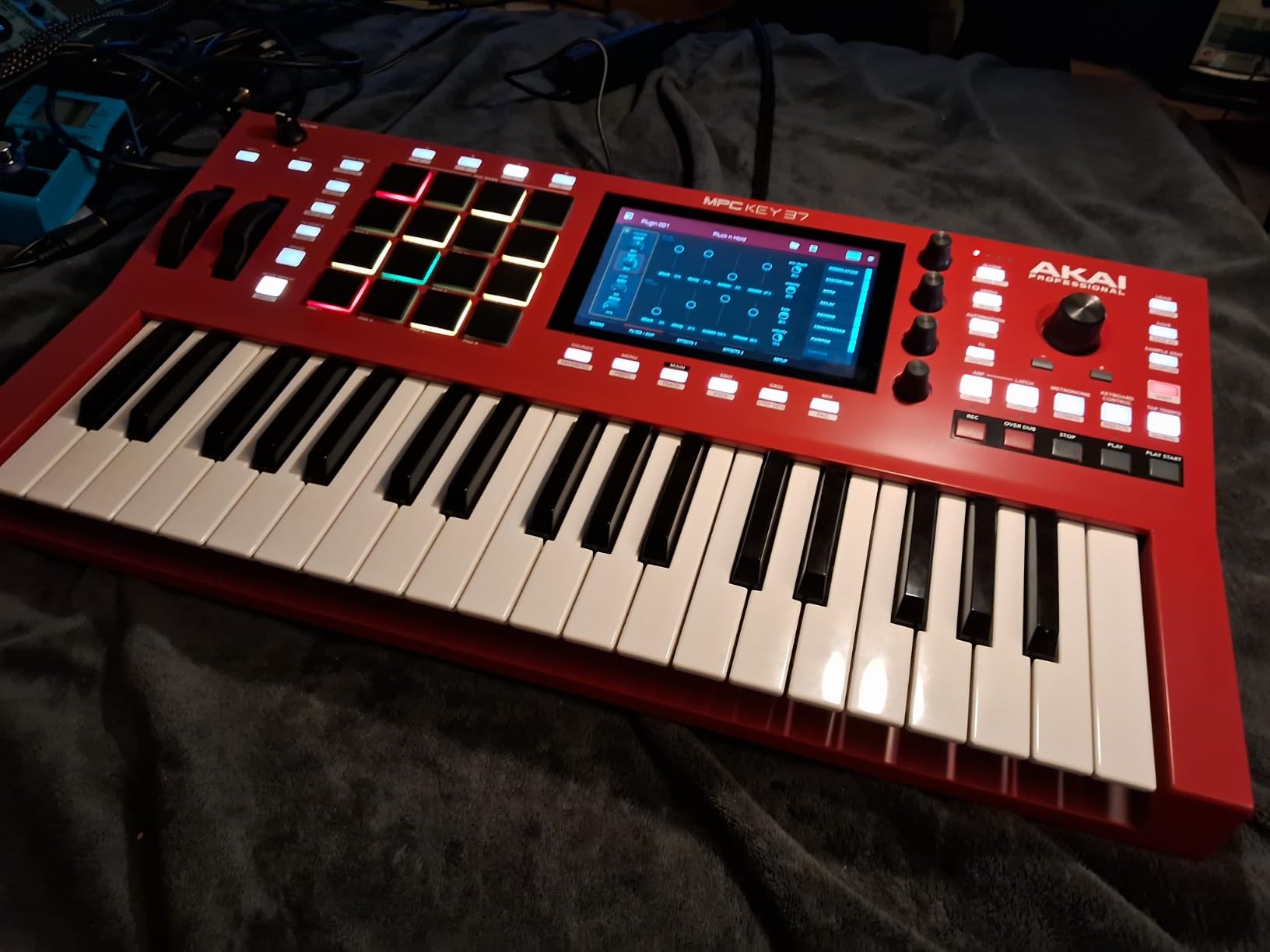
The MPC Key 37 is what happens when Akai decides to build the ultimate standalone production workstation. It combines a 37-note synth-action keybed with aftertouch, 16 velocity-sensitive RGB MPC pads, a 7-inch multi-touch display, Wi-Fi and Bluetooth MIDI, and the full MPC workflow — all in one unit. This is the drum machine for producers who want everything.
I spent three weeks with the MPC Key 37 in my studio. The workflow is genuinely deep: load a sample, chop it on the pads, sequence it, add automation, route through effects, and arrange into a full song — all without a computer. The 7-inch touch display makes navigation intuitive. The keybed with aftertouch adds melodic capability that pad-only units lack.
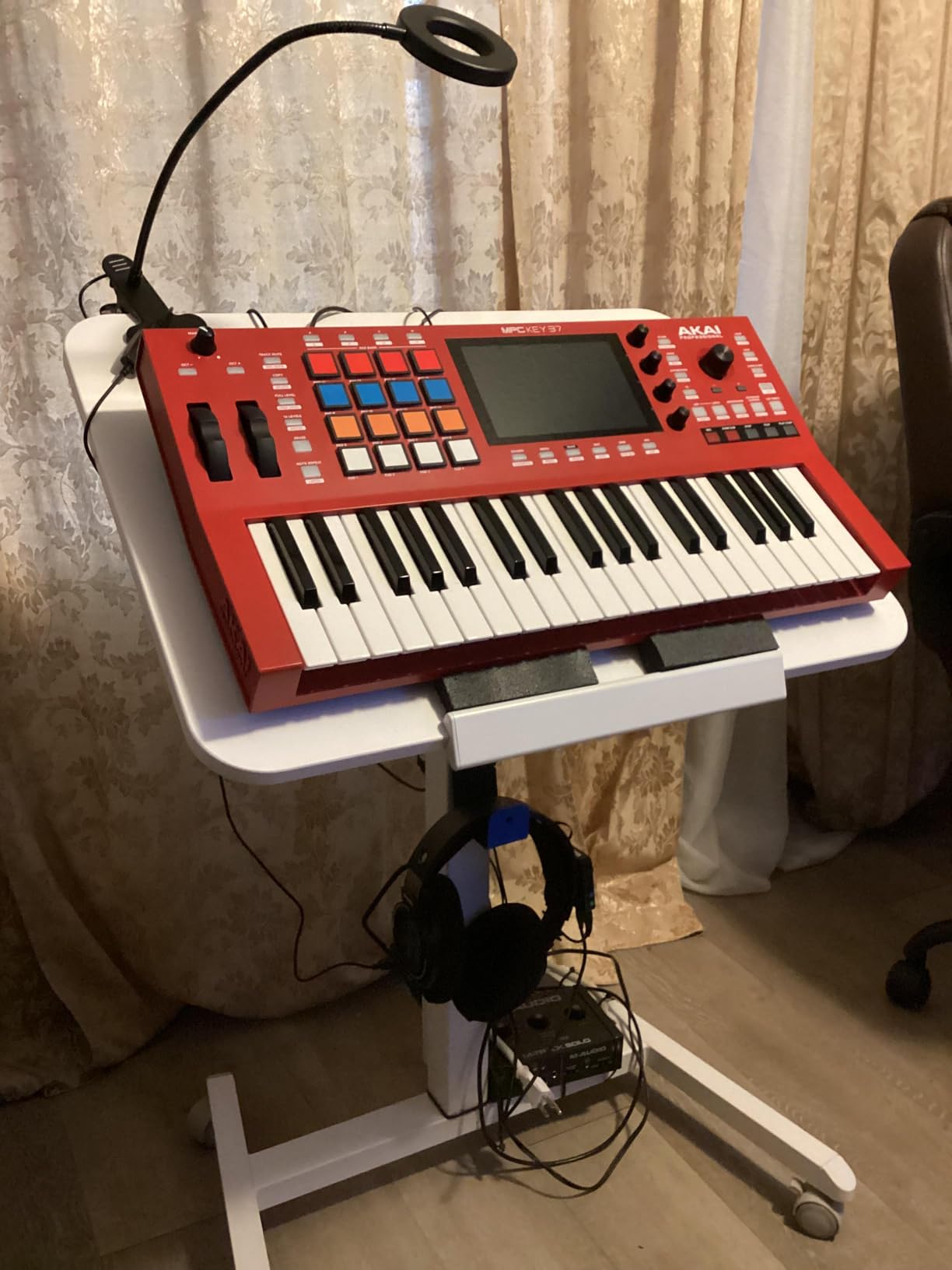
The Wi-Fi and Bluetooth MIDI support is a 2026 standout feature. I synced the MPC Key 37 to a Bluetooth MIDI controller across the room — no cables required. Native Instruments integration means you can use NKS-compatible instruments and effects directly. The MPC Stems feature isolates vocals, drums, bass, and music from any audio file — invaluable for remix work.
The I/O is comprehensive: MIDI in/out, two TRS audio inputs, two TRS main outputs, four CV/Gate jacks, USB-A for MIDI controllers and flash drives, USB-B for computer connection. The built-in USB audio interface eliminates one more piece of outboard gear. Two months of Splice Creator plan come included for sample access.
Power and portability trade-offs
The MPC Key 37 does not have a built-in battery. Portable use requires an external battery pack. At 4 kg, it’s heavier than pad-only competitors. But for studio use and live performance setups with power available, it’s a near-perfect centerpiece.
Who should buy the MPC Key 37
Producers who want a full standalone production studio with keyboard and pads in one unit should look here seriously. Electronic musicians working in hip-hop, R&B, and pop production benefit from the comprehensive workflow. Live performers who want one box to replace a laptop, controller, and drum machine get tremendous value.
10. Arturia DrumBrute Impact — Best All-Analog Drum Machine
Arturia DrumBrute Impact Analog Drum Machine
All-analog drum sounds
Color sound-shaping on each instrument
Polyrhythm and beat repeat functions
Individual outputs
Pros
- Solid analog drum machine with punchy and powerful sounds
- Separate accent per drum
- Song mode for chaining patterns
- Optional Color sound-shaping on all instruments (except Cowbell)
- Polyrhythm feature for complex patterns
- Beat repeat and roll function adds creative spice
- Steiner-Parker filters for vintage analog sound
- Intuitive controls and easy to learn
- Individual outputs for different instruments
Cons
- Limited number of built-in drum sounds compared to digital samplers
- Per-voice output missing on back panel despite internal routing
- Hi-hat trigger limitation prevents playing closed and open hat simultaneously on the same grid step
- Some long-term concerns about knob durability
The Arturia DrumBrute Impact is the drum machine for analog purists. Every drum voice is generated by real analog circuitry, not samples or models. The Steiner-Parker filters give the kick, snare, and toms a vintage warmth that sample-based units struggle to replicate. I run the DrumBrute Impact through my analog mixer and the character shines.
The Color parameter is the standout feature. Each drum voice (except cowbell) gets a knob that shapes the sound’s character — turn up the Color on the kick for a more aggressive thump, dial it back for a softer, rounder tone. This is real-time hands-on sound design that digital emulations can’t match.
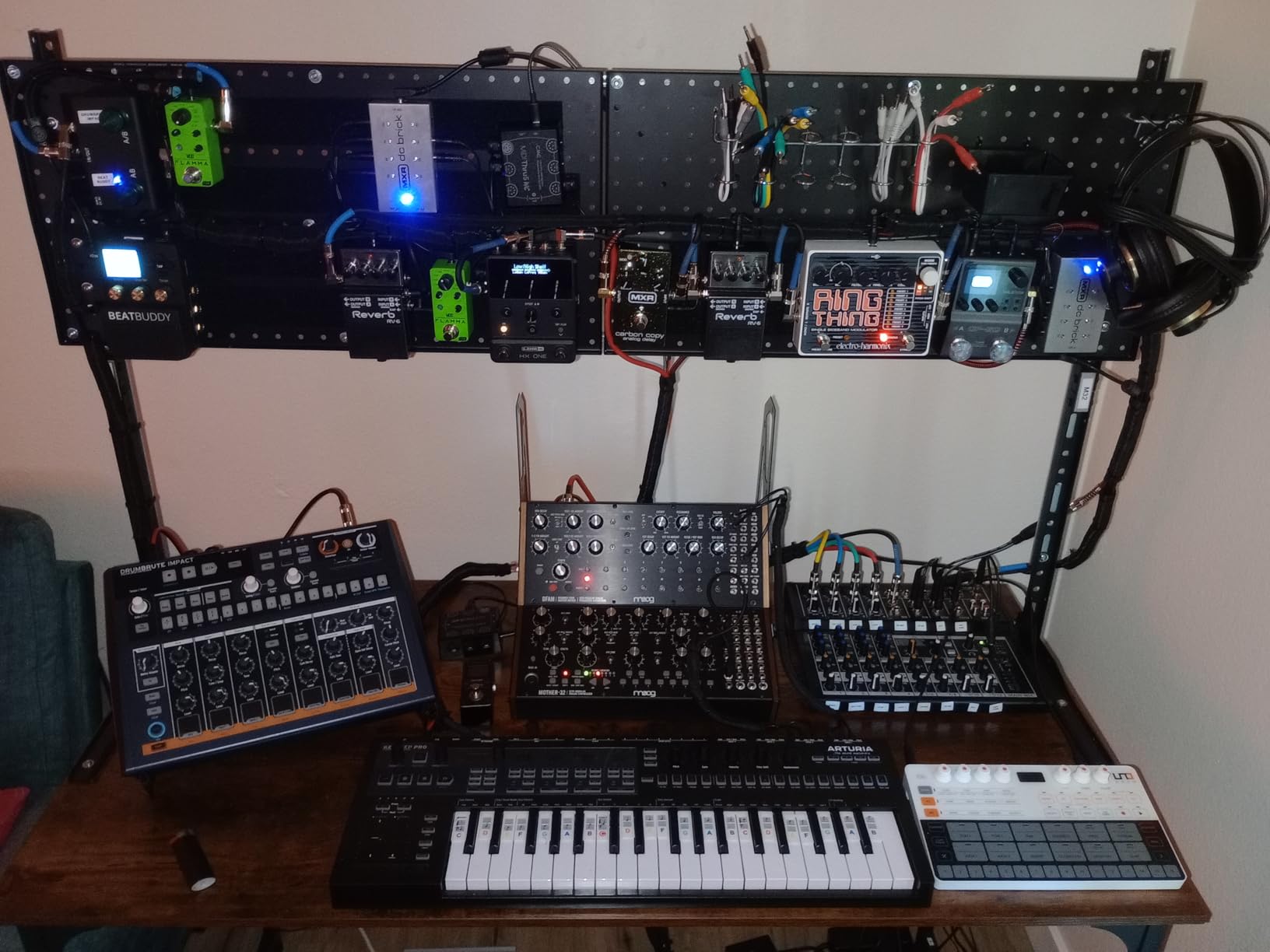
Polyrhythm capability sets the DrumBrute Impact apart from typical 16-step drum machines. You can program different pattern lengths for each track — a 13-step kick against a 17-step snare creates evolving, complex grooves. The beat repeat and roll function adds live performance flair. Song mode chains patterns into full arrangements.
The downsides reflect analog design trade-offs. There are no user-loadable samples — what you hear is what you get. The hi-hat can only play closed or open on a single step, not both simultaneously. Knob durability has been a minor concern in long-term owner reports, though the 2-year warranty covers most issues.
Sound character and genre fit
The DrumBrute Impact excels at techno, house, electro, and any genre that values analog warmth. The kick has real thump. The snare snaps with vintage character. The toms and cowbell sound like classic drum machines because they are. For producers who want true analog character without sample-based fakery, this is the pick.
Who should buy the DrumBrute Impact
Analog purists who want real circuitry over modeling or samples will love it. Techno and house producers find the sound palette inspiring. Live performers benefit from the tactile controls and beat repeat function. Anyone who wants a hands-on drum machine with classic character at a mid-range price gets a strong choice.
Buying Guide: How to Choose the Best Drum Machine for You
Choosing the best drum machine comes down to five key factors: sound engine, sequencer depth, connectivity, portability, and intended use case. Let me walk through each one so you can match the right unit to your workflow.
Sound engine: analog vs digital vs hybrid
Analog drum machines like the Arturia DrumBrute Impact generate sounds via real circuitry. The character is warm, punchy, and immediate — perfect for techno, house, and electro. Digital units like the Alesis SR-16 use samples, giving you access to thousands of sounds but sometimes lacking analog warmth. Hybrid machines like the Roland TR-8S combine ACB modeling with sample import for the best of both worlds. Pick based on your genre preferences and sound design style.
Sequencer and pattern workflow
The sequencer is where you’ll spend most of your time. Look for pattern chaining if you want to build full songs without menu diving. Parameter locks (popular on Elektron gear) let you automate effect changes per step. Probability and mutate functions add evolving, generative patterns. The TR-8S handles classic pattern programming beautifully. The Circuit Tracks offers 256-step patterns with microtiming. The MPC Key 37 adds full arrangement mode for song building.
Connectivity: MIDI, sync, and audio interface
Modern drum machines should offer full MIDI in/out/thru, sync in/out for legacy gear, and ideally USB audio interface functionality. The TR-8S, Circuit Tracks, and MPC Key 37 all serve as audio interfaces — plug them into your DAW and you eliminate one piece of outboard gear. Battery power matters for portable use; check if the unit uses AA batteries (swappable) or built-in lithium (longer life but not user-replaceable).
Portability and form factor
Pocket-sized units like the PO-12 and PO-33 fit anywhere and run on AAA batteries. Compact grooveboxes like the Circuit Tracks and MC-101 are backpack-friendly. Studio units like the TR-8S and MPC Key 37 are larger but offer more depth. Consider where you’ll use the unit most — bedroom, studio, stage — and choose accordingly.
Matching the drum machine to your use case
For live performance, prioritize velocity-sensitive pads, pattern chaining, and reliable MIDI sync. The TR-8S and Circuit Tracks excel here. For studio production, focus on sound engine depth, sampling capability, and DAW integration. The MPC Key 37 and TR-8S lead. For beginners, look for intuitive workflows, helpful tutorials, and forgiving price tags. The Volca Drum, PO-12, and SR-16 fit the bill. For hip-hop sampling, the MPC lineage (MPC Sample, MPC Key 37) remains the gold standard.
For more gear guides that pair well with hardware drum machines, check out our beginner drum sets roundup and kids drum sets guide.
Frequently Asked Questions
What are the best drum machines in 2026?
Our top picks for 2026 are the Roland TR-8S for best overall, Korg Volca Drum for best budget, Teenage Engineering PO-33 K.O! for best portable, and Akai MPC Key 37 for best premium workstation. Each unit covers a different need: the TR-8S delivers classic Roland sound with modern sampling, the Volca Drum offers unique DSP synthesis under $150, the PO-33 fits in your pocket, and the MPC Key 37 combines a keybed, pads, and full standalone production.
Is there a drum machine that sounds like real drums?
Modern sample-based drum machines like the Akai MPC Sample and Roland TR-8S come remarkably close to real drum sounds. The TR-8S uses ACB (Analog Circuit Behaviour) modeling to recreate vintage Roland machines like the 808 and 909 with analog character. For acoustic realism, sample libraries loaded onto MPC units or DAWs deliver studio-quality drum sounds. No hardware unit fully replicates live acoustic drums, but the gap has narrowed significantly.
Which is better for live performance, the TR-8S or TR-1000?
The Roland TR-8S is the proven live workhorse with years of stage-tested reliability, comprehensive I/O, and a workflow that DJs and performers trust. The Roland TR-1000 is Roland’s newer flagship that adds true analog circuitry alongside ACB modeling, FM synthesis, and PCM samples — at a significantly higher price. For most live performers, the TR-8S delivers the best balance of sound, workflow, and value. The TR-1000 appeals to producers who want the absolute best in sound quality and are willing to invest.
What is the best drum machine for beginners?
For beginners, we recommend the Korg Volca Drum or Teenage Engineering PO-12. The Volca Drum offers unique DSP synthesis, a built-in speaker, battery power, and an active online community for under $150. The PO-12 is even cheaper at around $60, fits in your pocket, and runs for a month on two AAA batteries. Both have approachable workflows once you spend an hour with YouTube tutorials. The Alesis SR-16 is another beginner-friendly option with 233 sounds and full MIDI support.
Do I need a drum machine if I already have a DAW?
A hardware drum machine complements a DAW rather than replacing it. Hardware offers tactile, hands-on control that software can’t replicate — real-time pattern building, knob-per-function tweaking, and the joy of playing beats without staring at a screen. For live performance and DAWless production, hardware is essential. Many producers use both: hardware for sketching ideas and live performance, DAW for arrangement, mixing, and final production. The TR-8S, MPC Key 37, and Circuit Tracks all integrate with DAWs as USB audio interfaces.
Final Verdict
After testing these 10 units extensively, the Roland TR-8S stands out as the best drum machine overall for 2026. Its ACB modeling captures the soul of classic Roland machines, the sample import via SD card adds modern flexibility, and the per-instrument effects saved per kit create a workflow that producers and live performers love. The 4.8-star rating across hundreds of reviews confirms what we found in our testing: this is a flagship that delivers.
For budget-conscious producers, the Korg Volca Drum offers a unique DSP synthesis engine that produces sounds no other drum machine in its price range can match. For portable sketching, the PO-33 K.O! remains unbeatable. And for producers who want the ultimate standalone workstation, the Akai MPC Key 37 combines a keybed, pads, and full production software in one box.
Pick the unit that matches your genre, workflow, and budget. Any of these 10 will serve you well for years of beatmaking. Check the latest prices via the buttons above, and trust your ears — every recommendation here earned its spot through real-world testing.
For more gear roundups from The Brick Fantastic, explore our portable washing machines, Nespresso machines, and heat press machines guides.