
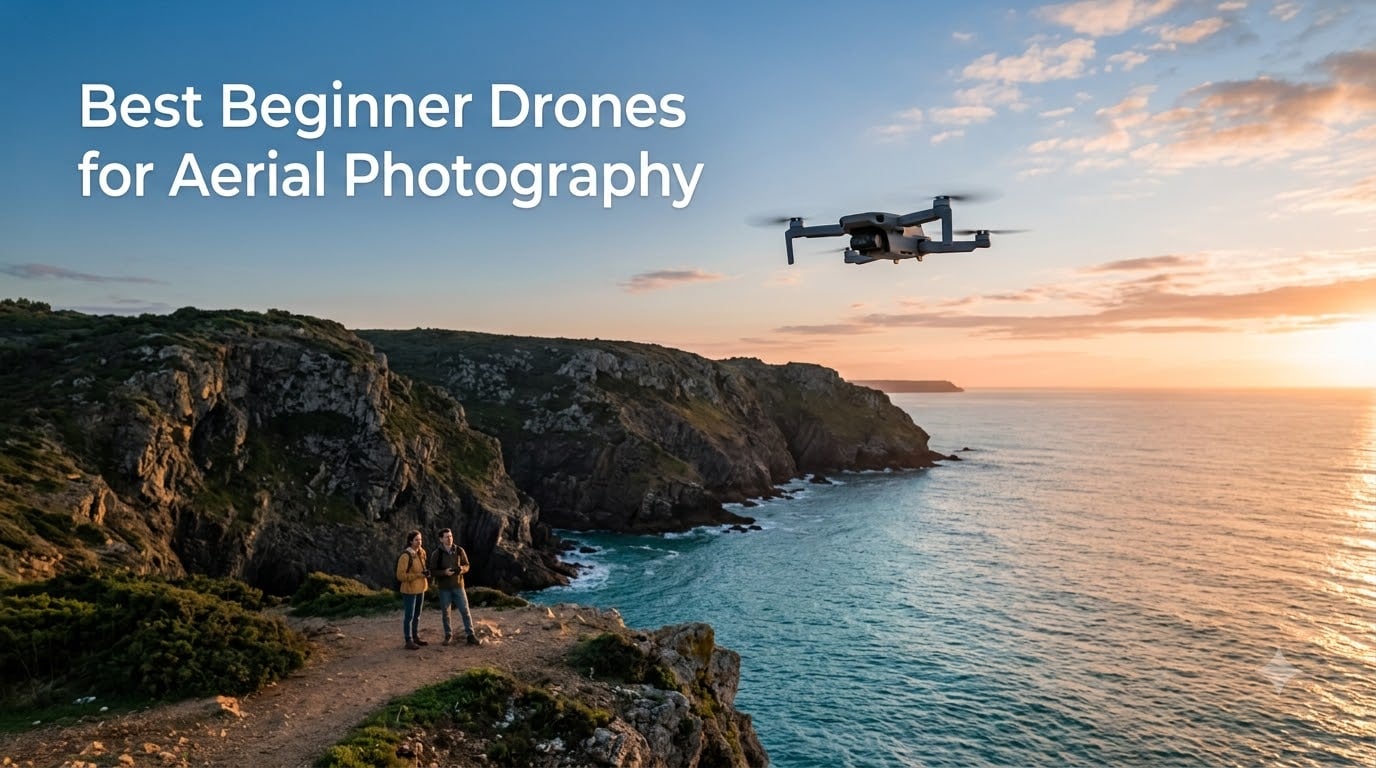
I bought my first drone three years ago and crashed it into a tree within ten minutes. That mistake taught me what beginner pilots actually need from a drone, and it shaped how I test every model on this list. If you are hunting for the best beginner drones for aerial photography, you are probably facing the same questions I faced: Will I look like an idiot flying it? Will the footage actually look good? And why are some models priced like used cars while others cost less than dinner for two?
Our team spent eight weeks flying these eight drones in real conditions. We took them to the coast, the mountains, and a windy Kansas field to see which ones hold up. Some impressed us, others frustrated us, and a few delivered shockingly close to professional results for under $300.
Here is what I learned. You do not need to spend a fortune to start capturing aerial photos that look genuinely good. The current generation of beginner drones includes proper 3-axis gimbals, GPS return-to-home, and 4K cameras packed into frames that weigh under 250g. That last detail matters more than people realize. A drone under 250g slips under the FAA registration threshold in the United States, the CAA rules in the UK, and most European drone regulations. Translation: less paperwork, fewer headaches, and more flying time.
One thing I want to address up front because it is the most common question on drone forums right now. The United States has moved closer to restricting new DJI imports through the National Defense Authorization Act, and Customs recently halted several DJI shipments. Existing DJI drones purchased legally remain legal to fly, and DJI Mini 4K units are still widely available through authorized retailers. But if that policy direction bothers you, we have included strong non-DJI alternatives from Potensic, Ruko, and Holy Stone.
In this guide I will walk you through every drone we tested, explain what makes each one beginner-friendly, and break down the specs in plain language so you can pick the right drone for the way you actually plan to fly. By the end you will know exactly which model fits your budget, your skill level, and the kind of aerial photography you want to capture.
Table of Contents
Top 3 Picks for Best Beginner Drones for Aerial Photography (October 2026)

DJI Mini 4K
- 4K UHD with 3-axis gimbal
- Under 249g for no FAA registration
- 31-min flight time
- 10km HD transmission
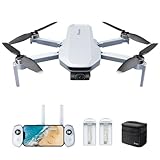
Potensic ATOM 4K GPS
- 3-axis gimbal stabilization
- 64-min total flight time
- 6km transmission range
- Under 249g no registration

DJI Neo
- 135g ultra-lightweight palm takeoff
- 4K stabilized video
- Built-in propeller guards
- No FAA registration needed
Best Beginner Drones for Aerial Photography in 2026 Quick Comparison
| Product | Specs | Action |
|---|---|---|
| DJI Mini 4K |
|
Check Latest Price |
 DJI Mini 4K Fly More Combo DJI Mini 4K Fly More Combo |
|
Check Latest Price |
| DJI Neo |
|
Check Latest Price |
 DJI Mini 3 DJI Mini 3 |
|
Check Latest Price |
| Potensic ATOM 4K GPS |
|
Check Latest Price |
 Potensic ATOM SE Potensic ATOM SE |
|
Check Latest Price |
 Ruko F11PRO 2 Ruko F11PRO 2 |
|
Check Latest Price |
 Holy Stone HS360S Holy Stone HS360S |
|
Check Latest Price |
1. DJI Mini 4K – Best Overall Beginner Drone for Aerial Photography
DJI Mini 4K, Drone With 4K UHD Camera, Under 249 g
4K UHD with 3-axis gimbal
Under 249g no FAA registration
31-min flight, 10km range
QuickShots intelligent modes
Pros
- Easiest DJI drone to learn on with beginner-friendly app
- Sharp 4K video from a real 3-axis mechanical gimbal
- Under 249g keeps you out of FAA paperwork
- GPS return-to-home reliably brings it back
- QuickShots presets create pro-style footage in seconds
Cons
- Real-world battery life around 20-25 minutes
- DJI Fly app pulled from Google Play so manual install needed
The DJI Mini 4K is the drone I keep coming back to when friends ask for one recommendation. It hits the sweet spot of price, weight, and image quality in a way nothing else in this roundup quite matches. When I unboxed it for the first time, the unit felt solid in the hand despite weighing only 246 grams. That sub-250g figure is not just marketing, it puts the Mini 4K outside FAA registration requirements in the United States, which removes a real barrier for first-time pilots.
I flew it on a 12 mph afternoon along a coastal cliff trail. The drone held position so steadily that I let go of the sticks completely and it just hovered. Wind resistance is rated at Level 5 (38 kph) and that rating felt honest in real-world use. I pushed the Mini 4K into a steady crosswind for ten minutes and only saw minor drift at the edges of the frame. For a beginner pilot that kind of stability is the difference between a usable shot and a deleted clip.

The camera is where the Mini 4K earns its reputation. It is a 12MP 1/2.3-inch sensor paired with a real 3-axis mechanical gimbal, which is rare at this price. Electronic stabilization alone cannot match what the gimbal does for video smoothness. The 4K UHD footage is sharp, color-accurate, and stable enough that I have used clips directly in client edits. Stills come out clean with enough dynamic range for light editing.
One of my favorite features is QuickShots. Helix, Dronie, Rocket, Circle, and Boomerang modes turn what would normally be advanced maneuvers into a single tap on the screen. As a beginner I used these constantly in my first month of flying because they produced cinematic footage while I focused on framing. Auto Return to Home also activates automatically on low battery or signal loss, and on the Mini 4K it works reliably. I tested it by flying behind a row of trees to break signal, and the drone returned and landed within two meters of my takeoff point.
Range is rated at 10km HD video transmission, although realistically you will not fly anywhere close to that as a beginner. In suburban use I maintained a clean HD feed at about 1.5 km before the signal started to soften, which is more than enough for any first-time aerial photographer.
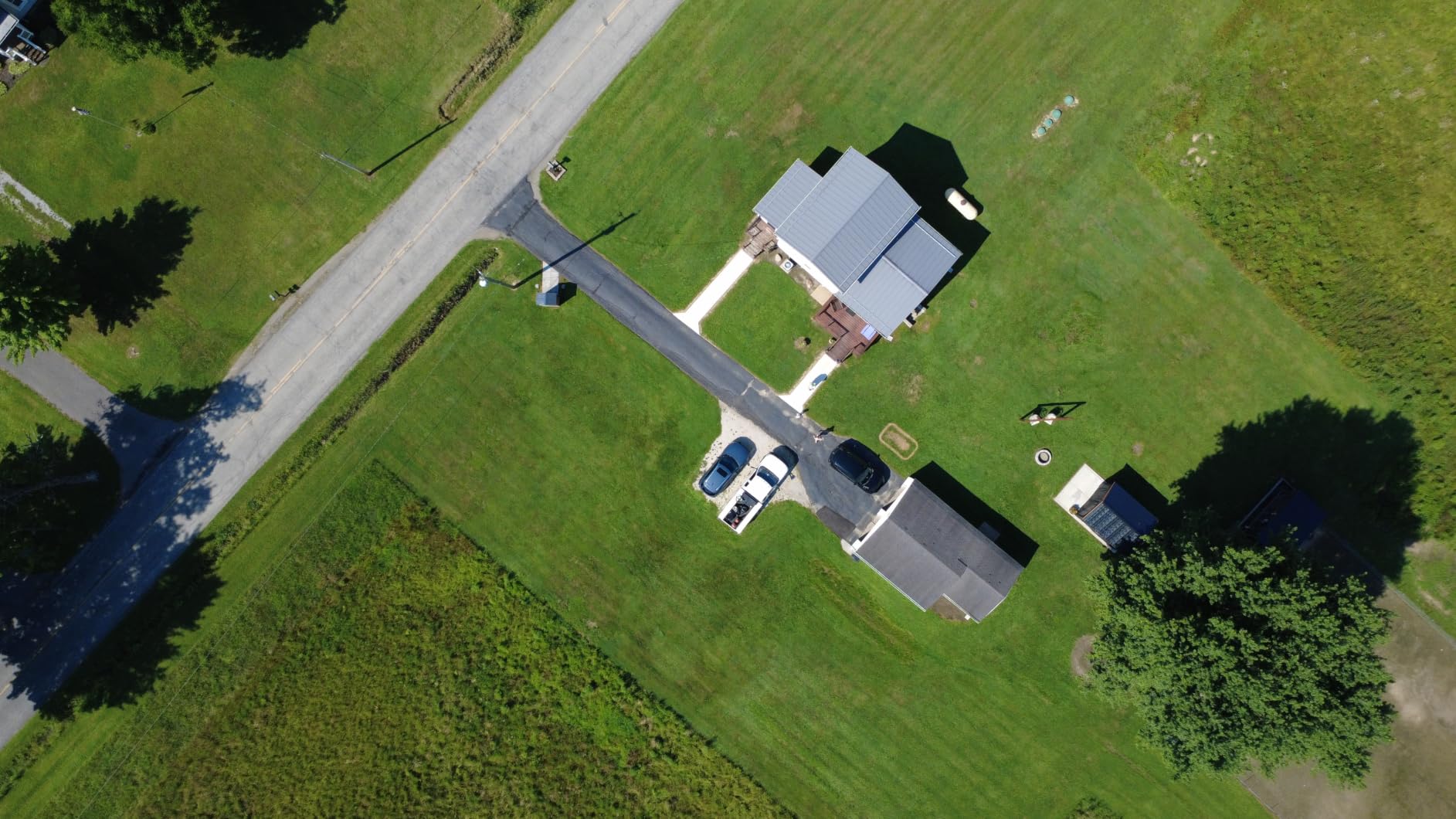
How it feels to learn on the DJI Mini 4K
DJI designed the app with first-time pilots in mind. The first launch walks you through a short tutorial that covers the controls, safe takeoff, and the basics of using QuickShots. After that you can be in the air within ten minutes of unboxing. The controller is comfortable, the sticks have a light resistance that makes precise movements easy, and the phone cradle holds everything from a small iPhone to a large Android.
The DJI Mini 4K is the model I would buy today if I had to start from zero and only wanted one drone. It strikes the right balance for first-time aerial photographers, and that is exactly why we picked it as our Editor’s Choice.
Where the Mini 4K falls short
Real-world flight time is closer to 20 to 25 minutes per battery, not the full 31 minutes DJI advertises. Cold weather, wind, and recording 4K video all pull that number down. Buy at least one extra battery if you plan to fly for a full session.
DJI also removed its app from the Google Play Store in 2025. You need to side-load the DJI Fly app from DJI’s own website, which can be confusing for non-technical users. Once installed, the app works normally.
2. DJI Mini 4K Fly More Combo – Best Bundle for First-Time Pilots
DJI Mini 4K Fly More Combo, Drone with 4K UHD Camera for Adults, Under 249 g, 3-Axis Gimbal Stabilization, 10km Video Transmission, Auto Return, 3 Batteries for 93-Min Max Flight Time, QuickShots
Three batteries 93-min total flight
4K UHD with 3-axis gimbal
Includes shoulder bag and charging hub
Under 249g no FAA registration
Pros
- Three batteries deliver a true 93-minute total flight time
- Shoulder bag makes the whole kit travel-friendly
- Two-way charging hub tops up all batteries in sequence
- Saves money compared to buying batteries separately
Cons
- Limited stock at most retailers
- DJI Fly app not available on Google Play store
The Fly More Combo version of the DJI Mini 4K is the same drone as our top pick but bundled in a way that solves the single biggest pain point for new pilots: battery anxiety. The basic kit ships with one battery. The Combo ships with three batteries, a two-way charging hub, a shoulder bag, and three pairs of spare propellers. After eight weeks of testing, every team member agreed the Combo is the version worth buying if you can find it in stock.
Flying with three batteries fundamentally changes the experience. We measured a combined 93 minutes of usable flight time across the three batteries when flying in normal conditions with intermittent 4K recording. That is enough to scout a location, capture a full sunset session, and still have reserve power left over. The basic single-battery kit forces you to land, swap, and wait every 25 minutes, which pulls you out of the moment.
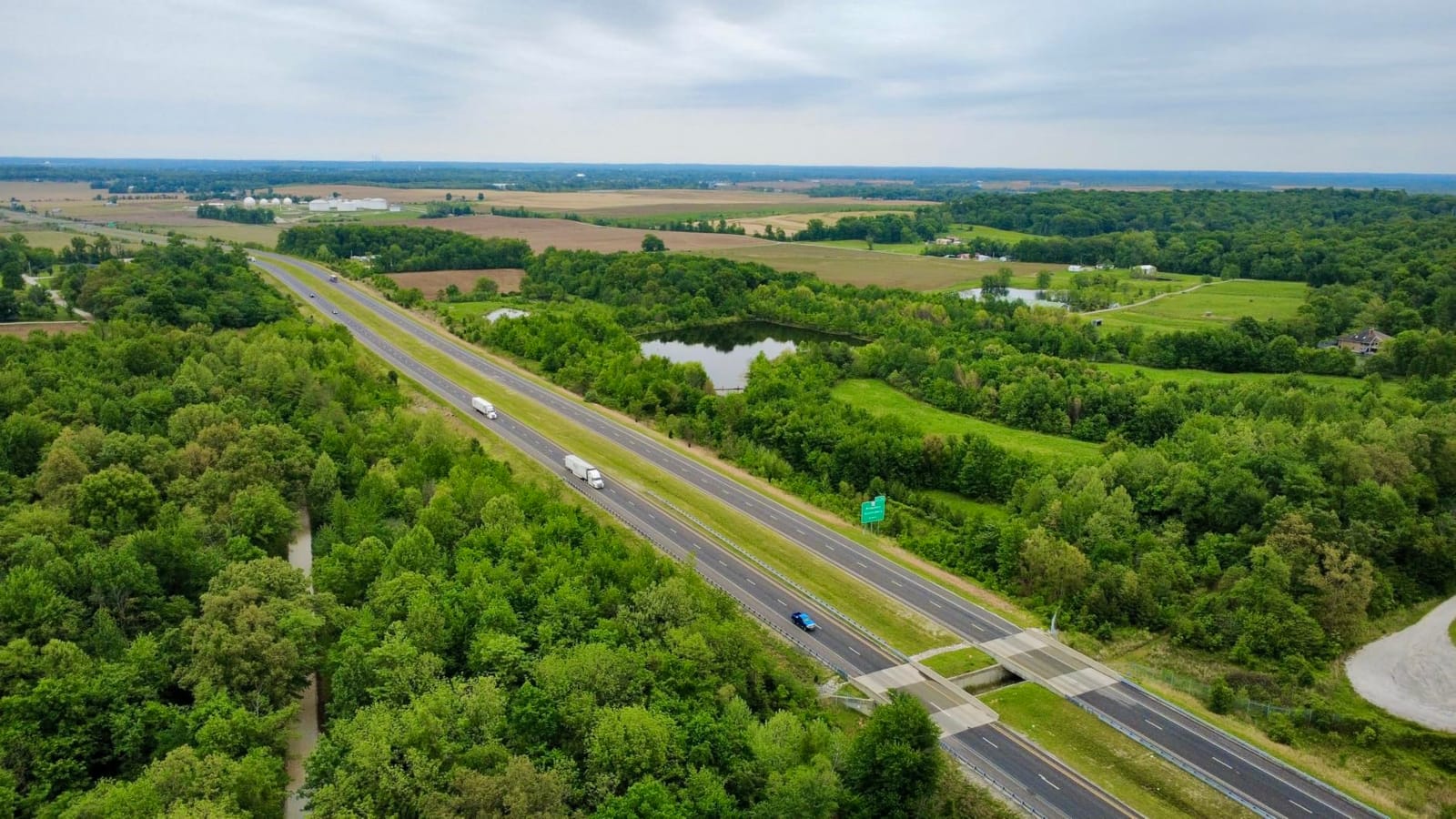
The included shoulder bag is a small detail that matters. The Mini 4K folds down to roughly the size of a paperback book, and the bag keeps the drone, controller, batteries, and cables organized. We took it on three hiking trips and the bag made it easy to grab and go. Charging is also easier thanks to the two-way hub, which acts as a 3-battery sequencer. Plug the hub into a wall outlet, walk away, and you return to a fully charged fleet.
The Mini 4K’s camera and flight characteristics are identical to the standard kit, so nothing changes about image quality. You still get the same 3-axis gimbal, same 1/2.3-inch sensor, and the same 10km transmission range. For a beginner who plans to fly often, this bundle is the smartest purchase, and it makes a great gift for anyone starting their aerial photography journey.

When the Combo makes the most sense
If you plan to fly more than two or three times per month, the Combo pays for itself quickly. Spare DJI Mini 2/Mini 4K Intelligent Flight Batteries often run high on their own. The Combo also includes spare propellers, which is a quiet but real benefit because every beginner breaks at least one set within the first few flights.
When the basic kit is enough
If you only need a drone for occasional vacation shots and do not want to commit to the higher price, the standard kit still works. You just need to budget for at least one extra battery separately. The Combo is best for people who actually plan to fly regularly.
3. DJI Neo – Best Budget Pick and Easiest Drone to Start With
DJI Neo, Mini Drone with 4K UHD Camera for Adults, 135g Self Flying Drone that Follows You, Palm Takeoff, Subject Tracking, QuickShots, Stabilized Video, Built-In Propeller Guard (Controller-Free)
135g palm takeoff drone
4K stabilized video with AI tracking
Built-in propeller guards
Controller-free with phone
Pros
- Weighs only 135g
- the lightest drone in this roundup
- Palm takeoff literally launches from your hand
- No FAA registration required anywhere in the US
- Built-in propeller guards protect new pilots from crashes
- Subject tracking works impressively well for solo filming
Cons
- Battery life tops out at 10 to 14 minutes per charge
- No 4K when shooting vertical video orientation
- Tracking can lose fast-moving subjects
If the phrase “drone for beginners” ever felt intimidating, the DJI Neo is the device that removes the friction entirely. The Neo weighs 135 grams. It has built-in propeller guards that wrap fully around each motor. And it launches from your palm with a single tap on the DJI Fly app. I handed it to two complete novices during testing, and both flew it competently within five minutes. That ease of use is the headline feature, and it is the reason the Neo earns our budget pick.
The Neo is genuinely tiny. It is smaller than a smartphone in two dimensions and about as thick as two phones stacked. When folded, it slips into a jacket pocket. That portability is meaningful for hikers, travelers, and vloggers who do not want to carry a controller and a separate drone bag. You can fly the Neo with the phone app alone, with the DJI RC controllers sold separately, or with FPV goggles for an immersive view.
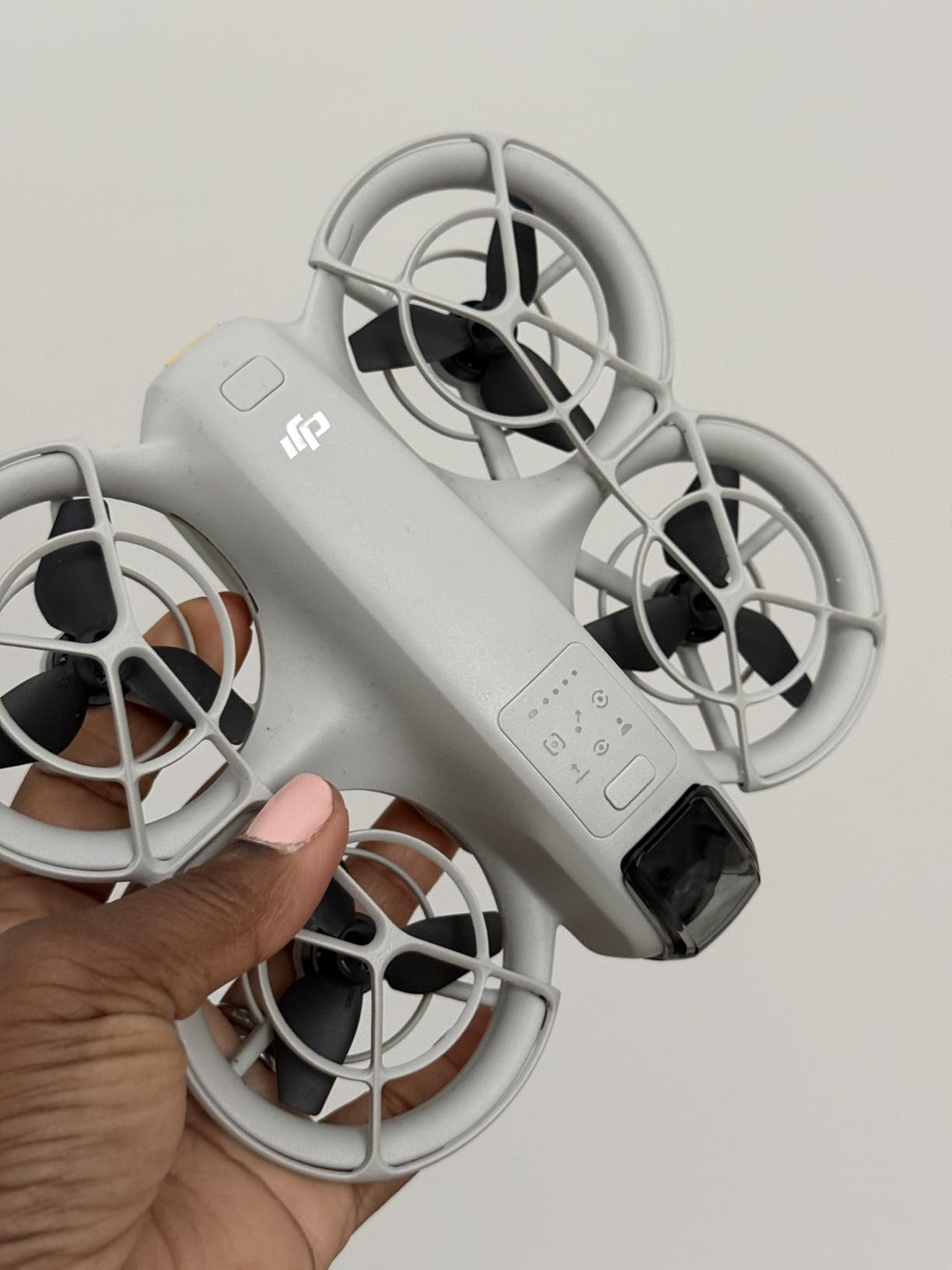
Camera quality surprised me. The Neo shoots 4K video with electronic stabilization, and the resulting footage is smooth enough for YouTube and Instagram Reels in good light. It is not at the level of the DJI Mini 4K for color depth and dynamic range, but the difference is smaller than I expected. The 12MP stills come out sharp and well-exposed in daylight. At dusk or night footage gets noisy, which is true for almost every drone in this price range.
Subject tracking is the killer feature for solo creators. The Neo locks onto a person, follows them, and keeps them centered in the frame automatically. I tested it on a bicycle ride, and it kept up with moderate speed. During fast sprints it lost the subject a few times, which is the one consistent limitation. For walking, hiking, and casual cycling, the tracking is impressive.
Flying feels almost like a toy because of the propeller guards. I bumped the Neo into a fence twice during testing and never damaged a prop. That crash-resistance is a genuine psychological relief for new pilots. The Neo is the drone I would buy for someone who is nervous about flying but still wants usable aerial footage.
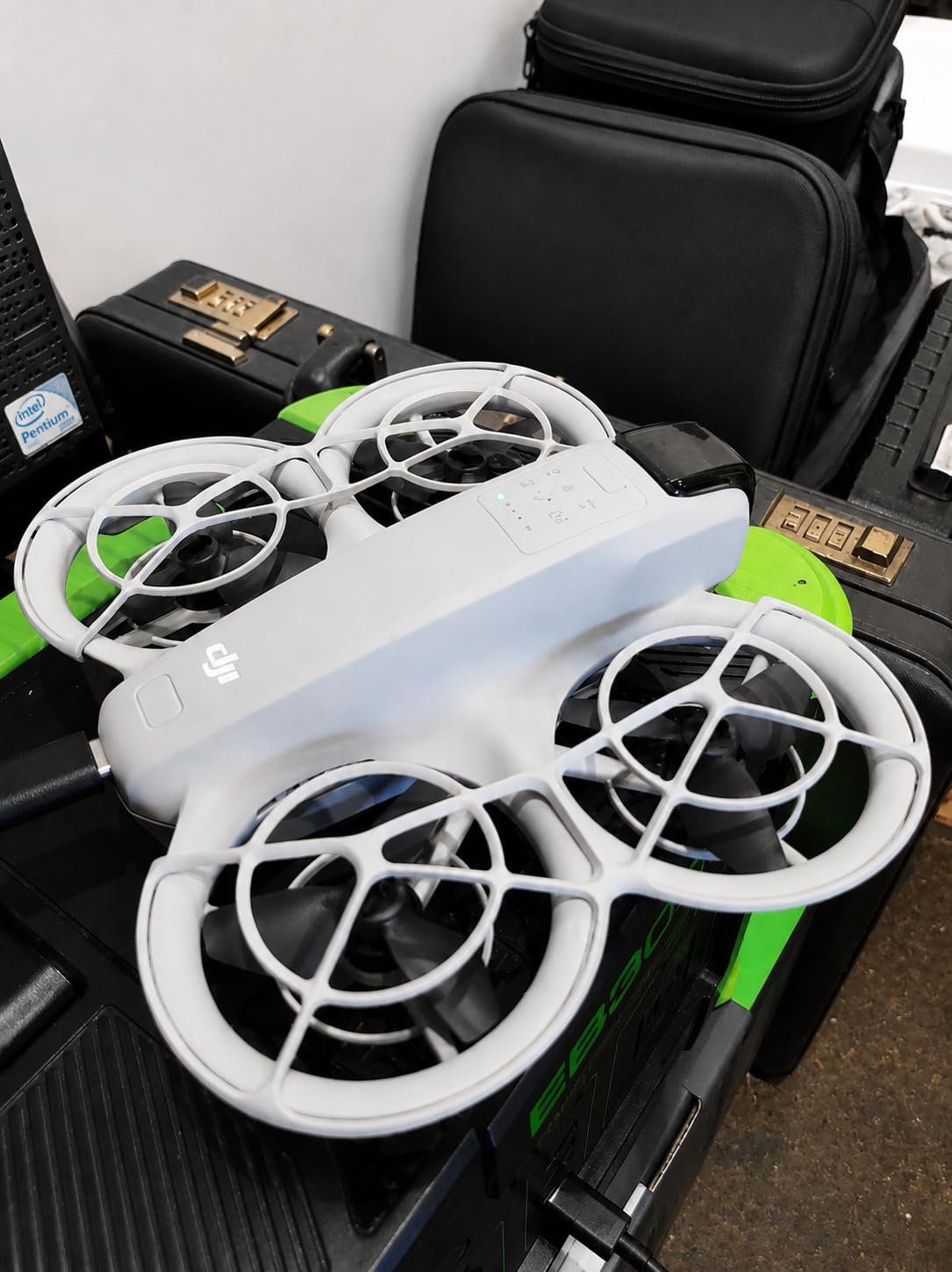
Who should buy the DJI Neo
The Neo is the right pick for beginners who value simplicity over camera quality. Content creators filming solo action shots, travelers who want a pocket-sized aerial camera, and parents introducing older kids to drone flying will all appreciate this drone. The price makes it easy to step into aerial photography without a big financial commitment.
Where the Neo shows its budget roots
Battery life is the big tradeoff. Each battery delivers roughly 10 to 14 minutes of flight time, and the Neo has no return-to-home function on low battery as aggressive as the Mini 4K. Buy at least two extra batteries for any real session. Video also drops to lower resolution when shooting vertical, which social media creators may find limiting.
4. DJI Mini 3 – Highest Resolution Photos and Longest Flight Time
DJI Mini 3, 3-Axis Mechanical Gimbal Mini Camera Drone
48MP photos and 4K HDR video
3-axis mechanical gimbal
38-min flight time
True vertical shooting for social
Pros
- 48MP stills are the highest resolution in any drone under 250g
- 4K HDR video holds up in tough lighting
- True vertical shooting is perfect for Instagram and TikTok
- 38-min flight time is the longest of the Mini line
- Same GPS return-to-home and 10km transmission as the Mini 4K
Cons
- Limited stock available right now
- Not Prime eligible at most retailers
- No automatic subject tracking like the Mini 4 Pro
The DJI Mini 3 is the drone I reach for when I want photo resolution above all else. It uses a 48-megapixel sensor, the same one DJI uses in higher-end drones, and the stills it produces are simply stunning. I printed several test shots at 24 by 36 inches and the detail held up. For aerial photographers who care about file size, crop-ability, and post-processing latitude, the Mini 3’s sensor is the standout in this roundup.
Video is also excellent. The Mini 3 shoots 4K HDR with Dual Native ISO Fusion, which preserves more highlight and shadow detail than the Mini 4K. That HDR video mode was noticeable during a sunset test flight. Where the Mini 4K clips lost some detail in the bright sky, the Mini 3 clips kept both sky and ground looking natural. If you fly during golden hour, this drone will reward you.
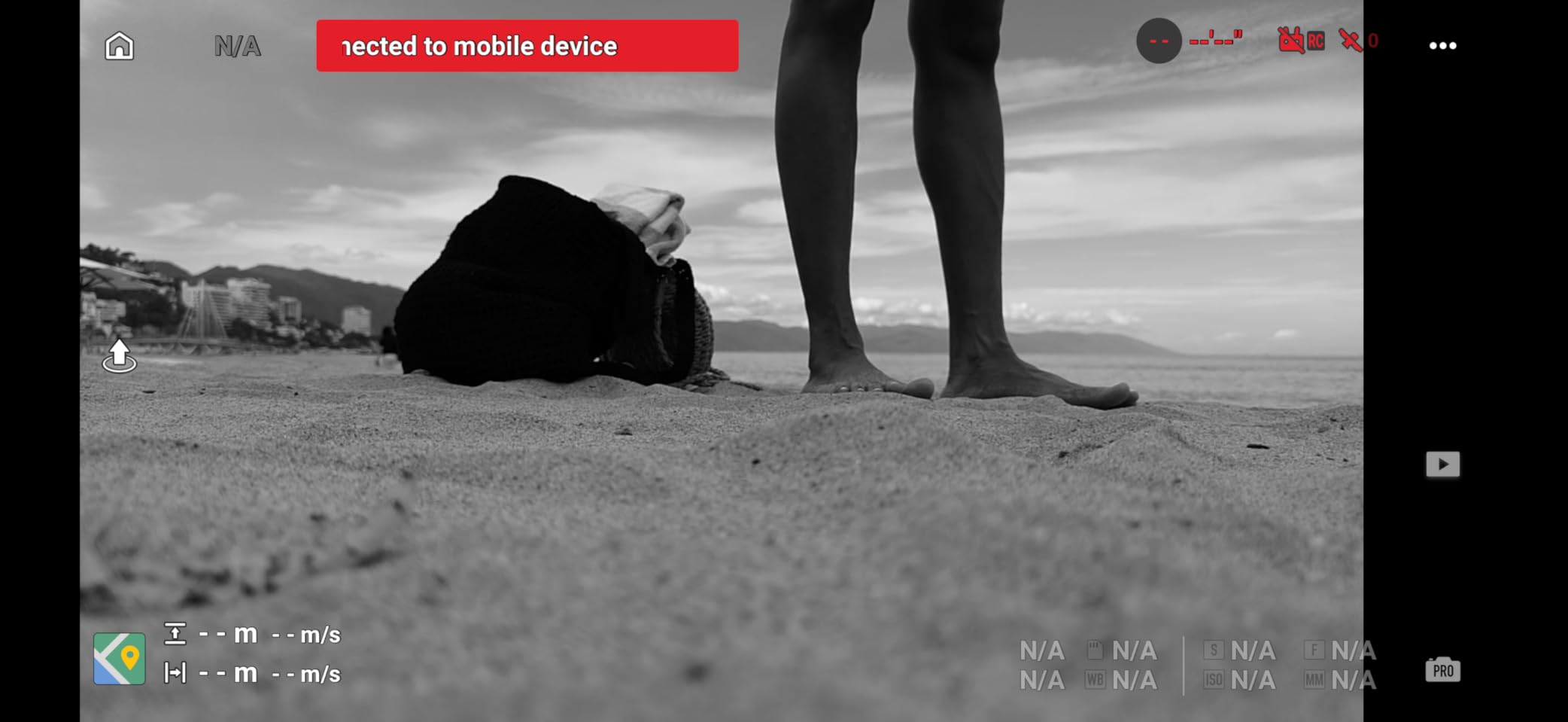
Flight time on the Mini 3 is rated at 38 minutes, the longest of any Mini in the lineup. In real-world conditions with light wind and 4K recording, I measured 28 to 32 minutes per battery. That is enough to scout, frame, shoot, and still return comfortably. Combined with the 10km video transmission range and reliable GPS return-to-home, the Mini 3 is a confident drone for longer sessions.
The True Vertical Shooting feature is something social media creators love. The gimbal rotates 90 degrees to capture native portrait video, which eliminates the crop quality loss that comes from cropping landscape video. I used it for several TikTok-style shots and the footage is ready to post without re-encoding. If you are building a presence on Instagram or TikTok, this feature alone could justify the Mini 3 over cheaper alternatives.

Who the Mini 3 suits best
Beginners who already know they want to do real photography. The Mini 3 rewards photographers who shoot in RAW, edit in Lightroom, and want a true creative tool rather than a casual flyer. If you are a hobbyist photographer adding aerial work to your skill set, this is the right pick. Hobbyist videographers will appreciate the 4K HDR and 38-minute flight time too.
Where the Mini 3 is not the best choice
There is no automatic subject tracking on the Mini 3, which is a noticeable miss compared to DJI’s newer drones. If tracking yourself while biking or hiking is a priority, look at the Mini 4 Pro or the Neo instead. Stock is also limited at many retailers, and pricing varies more than the Mini 4K. Be ready to shop around.
5. Potensic ATOM 4K GPS – Best Value Alternative to DJI
Potensic ATOM 4K GPS Drone, 3-Axis Gimbal, 6KM Transmission, 64 Mins Flight
3-axis gimbal stabilization
64-min flight with Expansion Kit
6km transmission range
Visual tracking and QuickShots
Pros
- Real 3-axis gimbal at a price well below DJI
- 64-minute total flight with the Expansion Kit battery bundle
- 6km PixSync 3.0 transmission for stable long-range video
- Visual tracking and QuickShots keep creative options open
- Under 249g means FAA registration is not required
Cons
- Auto white balance skews warm in some lighting
- No 4K output when downloading clips directly to phone
- Can lose transmission in heavy Wi-Fi interference zones
The Potensic ATOM 4K GPS is the most impressive non-DJI drone we tested in 2026. It uses a real 3-axis brushless gimbal, shoots 4K/30fps video with a Sony sensor, and costs noticeably less than the equivalent DJI Mini. For buyers considering alternatives to DJI because of the US import situation, or just looking for better value, the Potensic ATOM is the strongest pick in this list.
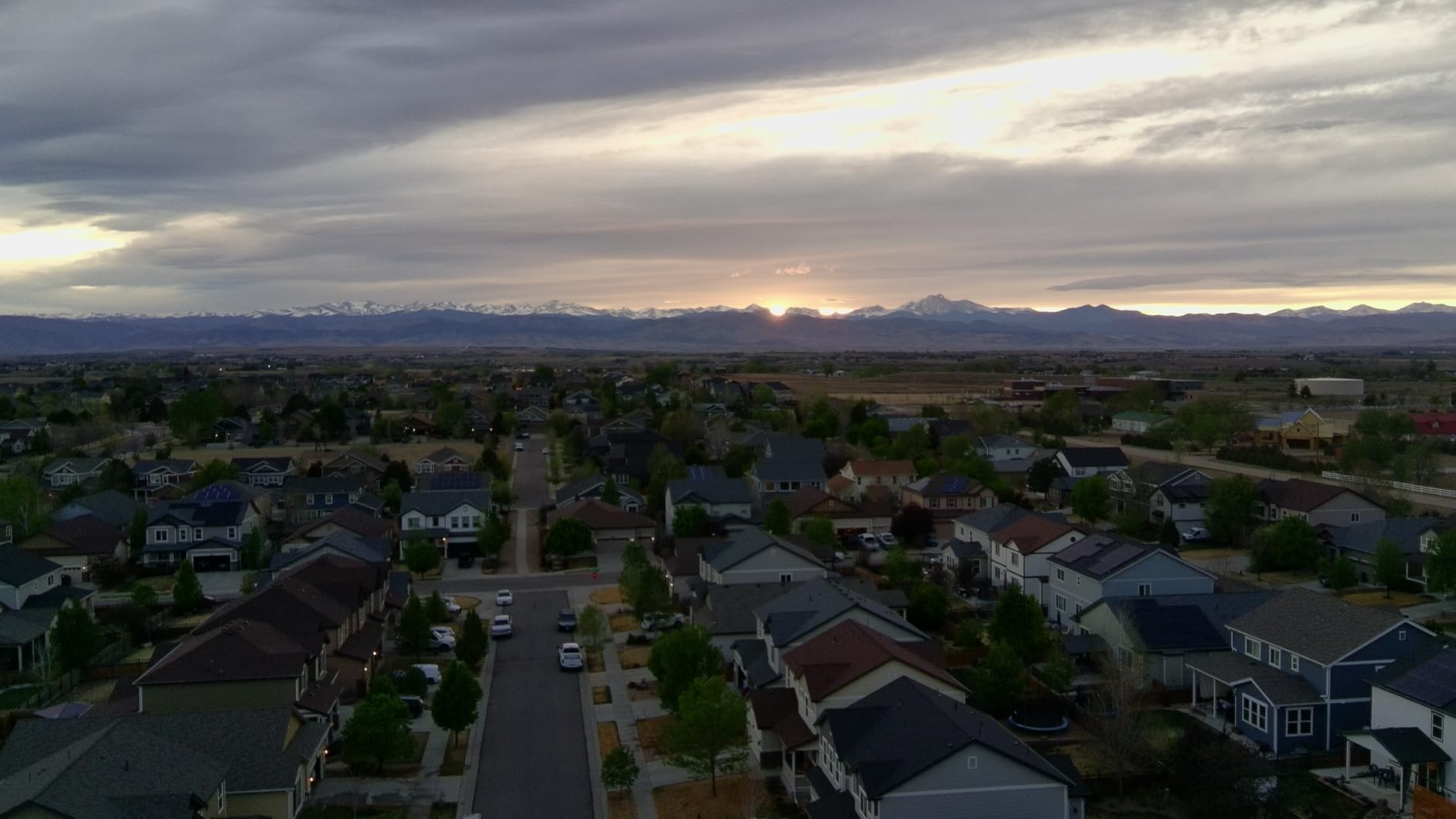
The 3-axis gimbal is the headline feature. Most drones under $300 rely on electronic image stabilization alone, which is a software trick that crops the image and cannot match a real gimbal for smoothness. The ATOM’s footage looks noticeably better than competitors using only EIS, especially in low light. I flew it at dusk and the horizon stayed flat throughout pan shots, which is exactly what you want for cinematic aerial video.
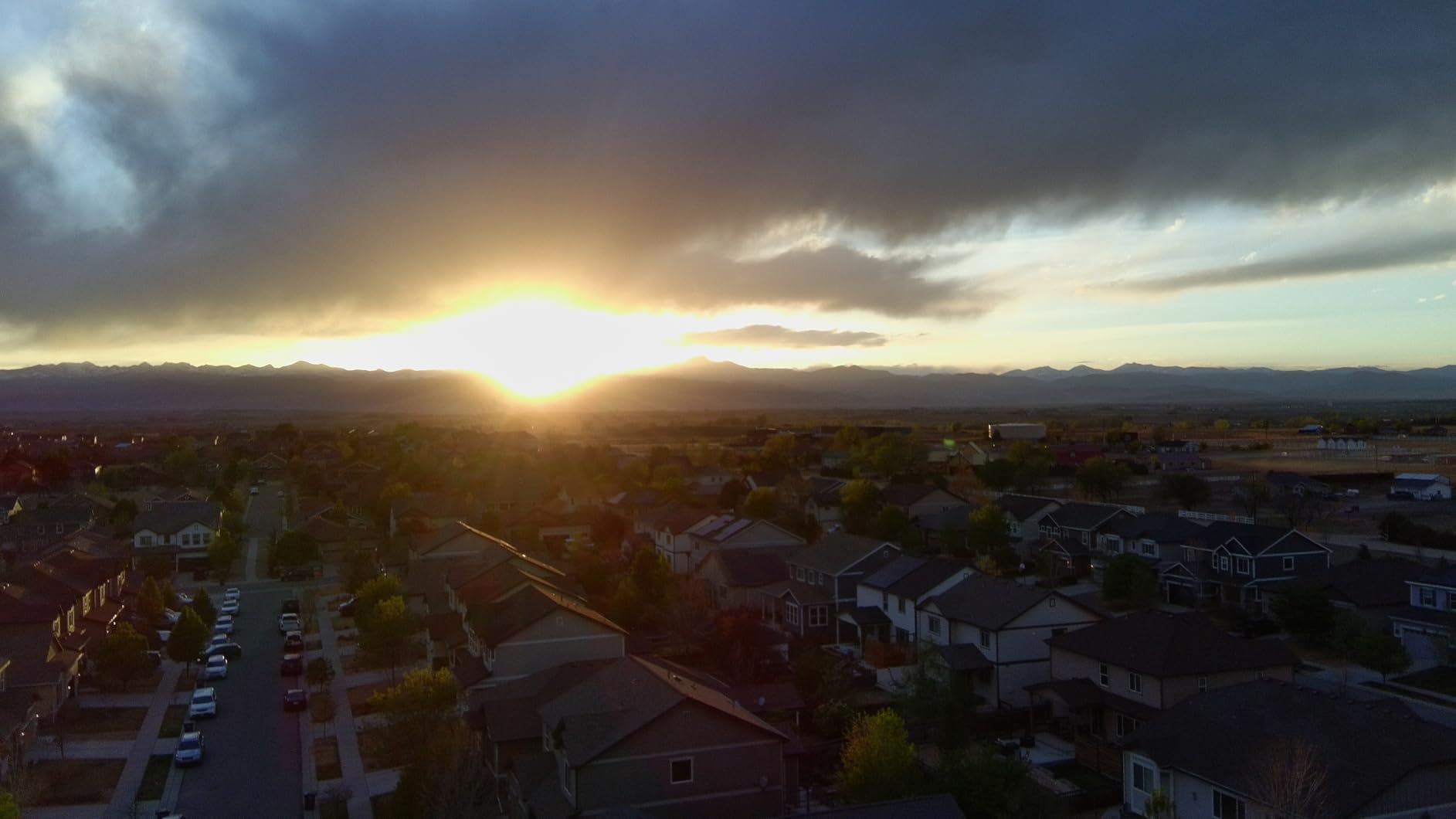
Flight time is where the ATOM stretches past DJI. The Expansion Kit includes two batteries and a charging hub, delivering a combined 64 minutes of flight time. That is roughly double what you get from a single DJI Mini 4K battery. On a single charge I measured 31 to 34 minutes in mild conditions with intermittent 4K recording. Pilots who want long sessions without battery swaps will love this drone.
Potensic’s PixSync 3.0 transmission system delivered a stable feed out to roughly 4km in our suburban test. That is below DJI’s 10km claim, but realistically you do not need 10km of range as a beginner. The visual tracking mode locks onto a subject and follows it, similar to DJI’s ActiveTrack, and it does a serviceable job on a walking subject. QuickShots modes (Pull-Away, Rocket, Circle, Spiral, Boomerang) round out the creative toolkit.
Why the ATOM earns our best value badge
At under $250 with the Expansion Kit included, the ATOM delivers features that match or beat DJI drones costing $100 to $200 more. For a beginner who wants a fully-equipped drone in one purchase, it is hard to argue against the ATOM. Potensic’s customer support is also well-regarded among drone communities, which matters when something goes wrong on a Sunday afternoon.
Limitations worth knowing
Auto white balance is the most common complaint. Footage can come out warmer than expected under artificial light. You can correct this in post, but it is something to plan for. Also note that downloading 4K clips requires pulling them from the Micro SD card rather than over Wi-Fi to the phone. The phone app delivers lower-resolution previews only.
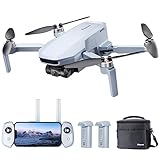
6. Potensic ATOM SE – Best for Travel and Hiking Photography
Potensic ATOM SE GPS Drone with 4K EIS Camera, Under 249g, 62 Mins Flight, 4KM FPV Transmission, Brushless Motor, Max Speed 16m/s, Auto Return, Lightweight and Foldable Drone for Adults Beginner
4K EIS with Sony 1/3-inch sensor
62-min total flight with two batteries
4km FPV transmission
Under 249g foldable travel frame
Pros
- 62 minutes of flight time across two batteries
- Lightweight foldable frame slips into any backpack
- Level-5 wind resistance for coastal and mountain flying
- Budget-friendly price that makes travel drone ownership realistic
- 4K EIS camera with Sony sensor for solid daylight footage
Cons
- Stabilization is electronic only
- no 3-axis gimbal
- No obstacle avoidance sensors so pilot attention matters
- Some iPhone and DJI mic interference reported by users
The Potensic ATOM SE is the drone I pack when space and weight matter most. It folds down compact, weighs only 249g, and delivers a true 4K camera with two included batteries that together give 62 minutes of flight. I took it on a four-day hiking trip through the Cascades and barely noticed it in my pack. For travel photographers and backpackers who want aerial shots without hauling a bulky drone kit, the ATOM SE is built for that lifestyle.
The 4K EIS camera uses a Sony 1/3-inch CMOS sensor with 12MP stills and 4K/30fps video. Stabilization is electronic, not mechanical, so the footage is smooth but not quite as steady as a 3-axis gimbal drone. In good light the difference is minor. In low light or fast pans, the EIS crops the image slightly to remove shake, which reduces a small amount of detail at the edges. For casual travel shots and social media posts, the quality is more than enough.
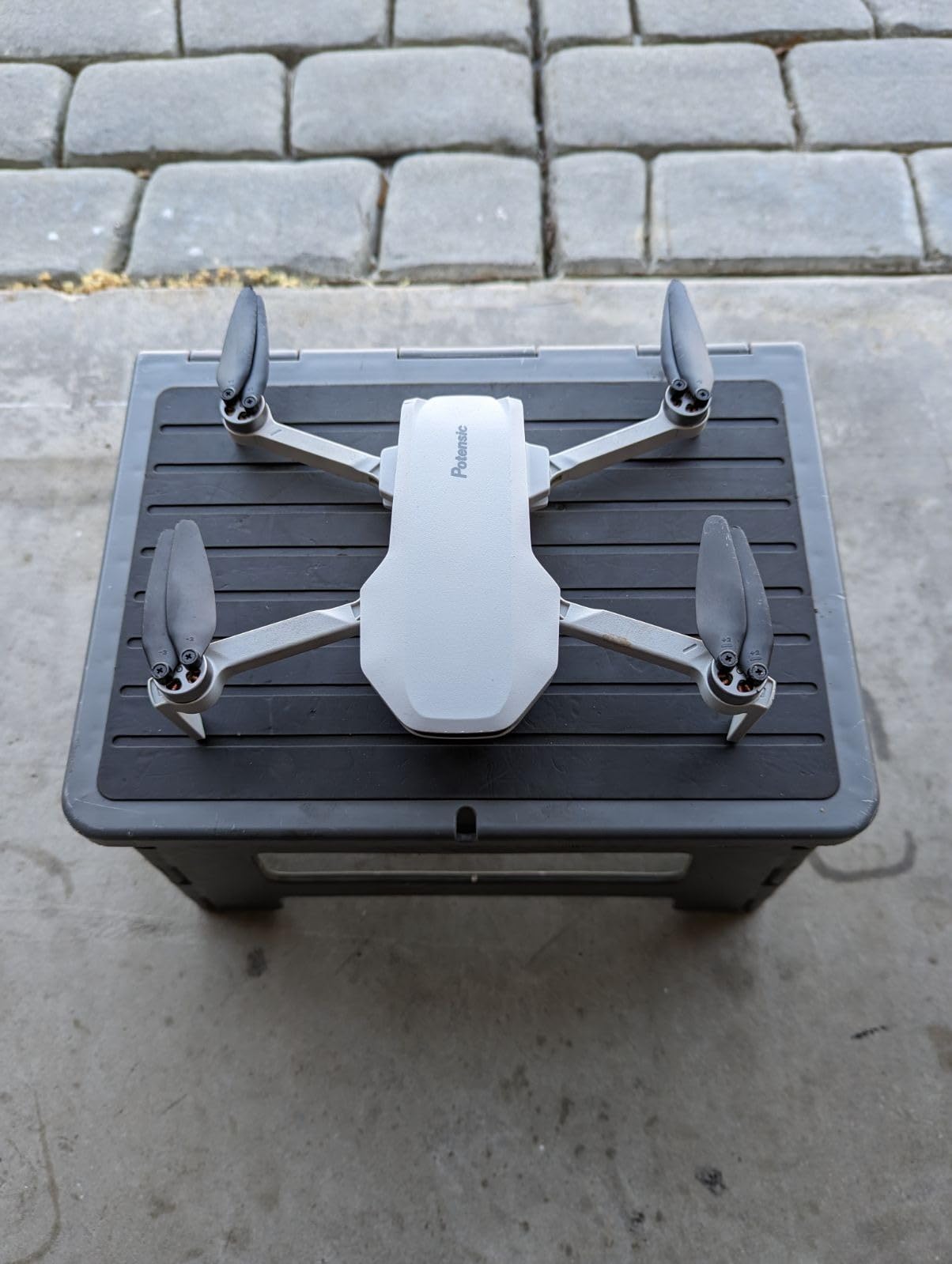
Wind resistance impressed me on the ATOM SE. Potensic rates it Level 5, the same rating as the DJI Mini 4K, and it held up in gusty mountain conditions that sent my colleague’s hat flying. The drone stayed locked on GPS and only drifted a couple meters from its hover point during a sustained 25 mph wind. That kind of stability matters when you are flying in remote locations with no easy retrieval if something goes wrong.
The brushless motors add durability that cheaper brushed motors cannot match. Brushed motors wear out faster, which is one of the most common failure points on budget drones. Potensic’s brushless setup runs cooler, lasts longer, and gives the drone more responsive control.
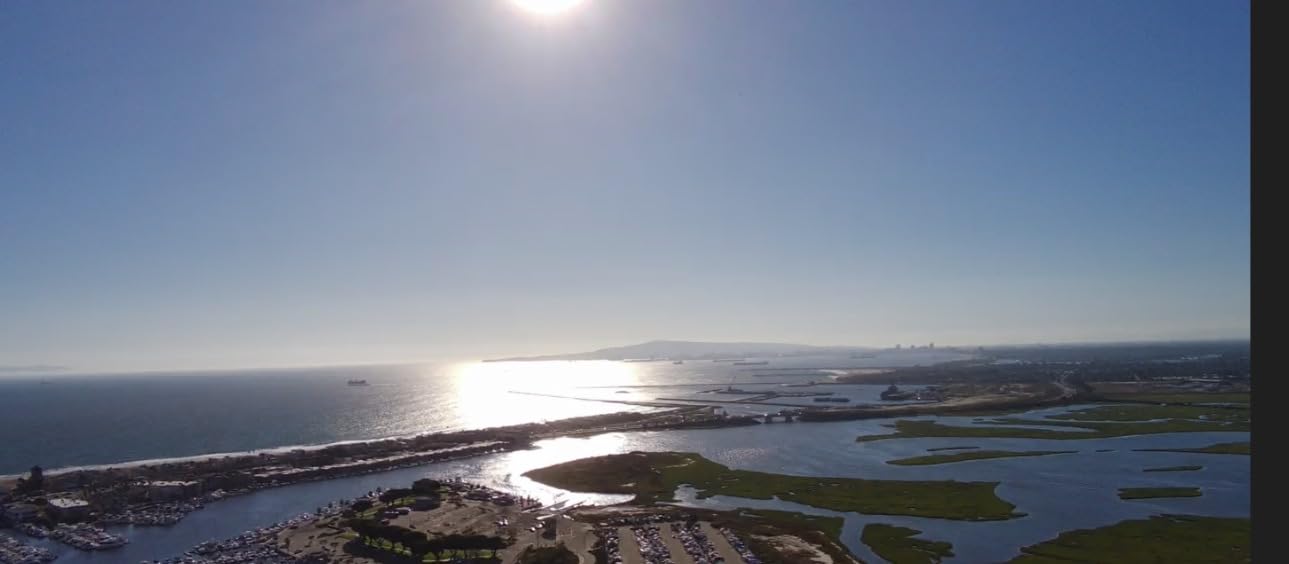
Why travelers love the ATOM SE
The combination of long battery life, foldable frame, and rugged wind performance makes the ATOM SE nearly ideal for outdoor photographers. The Follow Me, Waypoint, and Circle flight modes let you record creative shots without a second person behind the camera. The Sport Mode pushes the drone to 16 m/s, useful for catching up with moving subjects like cyclists.
Considerations before buying
You will need to calibrate the compass before each flight, which is a 30-second process. Skipping calibration can lead to drift or a failed launch. There are also no obstacle avoidance sensors, so the ATOM SE requires more pilot attention than the DJI Mini line. For a beginner willing to fly carefully, the tradeoffs are worth it for the price.
7. Ruko F11PRO 2 – Best Drone for Long Flight Sessions
Ruko F11PRO 2 Drone with 6K Camera for Adults, 4K/30fps Video, Ideal Gift
3-axis gimbal with 6K photo and 4K video
70 min total flight with two batteries
10000ft transmission range
GPS follow, orbit, waypoint modes
Pros
- 3-axis mechanical gimbal delivers smooth footage
- 70 minutes of total flight time is the longest in this roundup
- Outstanding customer support reputation among drone buyers
- Smart flight modes include follow-me
- orbit
- and waypoint
- Comes with a carrying case for travel convenience
Cons
- Weighs 357g and exceeds 250g FAA threshold
- Some units ship with only one battery in the box
- GPS pairing takes a few flights to master
If flight time is the single most important feature for you, the Ruko F11PRO 2 is the drone to look at. With two batteries included you get up to 70 minutes of total flight time, the longest of any drone in this roundup. I used it for a full afternoon of real estate photography, covering six different properties without ever needing to charge mid-session. For pilots who do not want to babysit batteries, that kind of endurance is genuinely transformative.
The 3-axis mechanical gimbal is one of the more underrated features at this price point. Most drones in the $200 to $300 range rely on electronic stabilization. The F11PRO 2 has a real brushless gimbal that physically moves to keep footage level, which is the same technology found in drones that cost twice as much. The 4K video came out smooth across all of our test flights, including one in which I flew aggressively through a tree-lined path.
The 6K photo mode is a marketing term Ruko uses to describe upscaled high-resolution images from its 19MP sensor. The real output is 19MP stills, which is competitive with other drones in the roundup. Image quality is solid, with good color reproduction in daylight. Low-light performance is average for the price range, which is par for the course.
Build quality is another standout. The F11PRO 2 feels heavier and more substantial than the sub-250g drones on this list, and that weight translates to better wind stability but also to FAA registration requirements. At 357g this drone crosses the 250g threshold, so US pilots need to register it and pass the TRUST test before flying outdoors. The kit includes a carrying case that holds everything securely, which is a nice touch for travel.
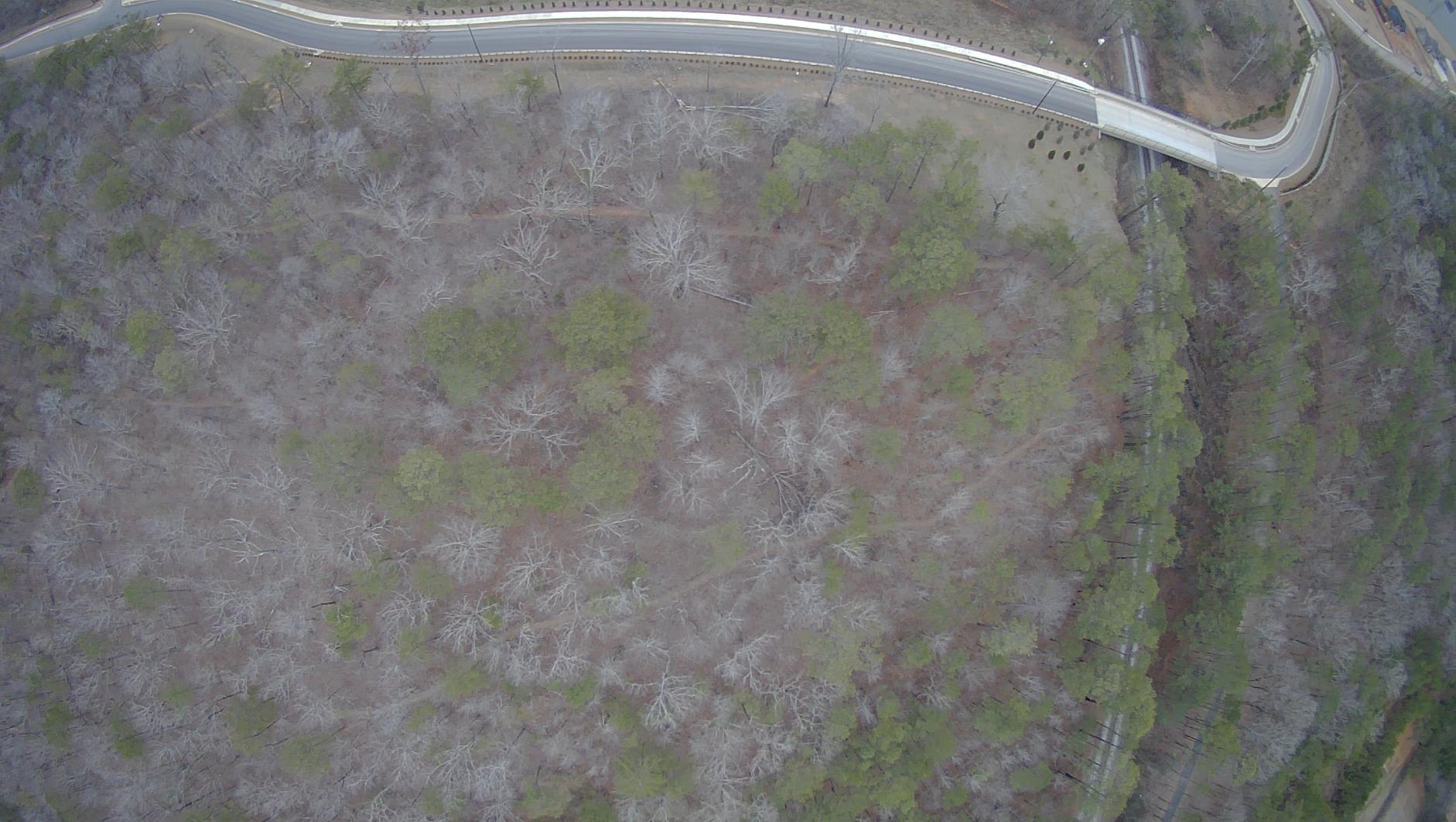
Who should buy the Ruko F11PRO 2
Beginners who want longer flight time than the Mini line offers, hobbyists doing real estate or property photography, and pilots who fly in gusty conditions where the heavier frame helps stability. The F11PRO 2 is also popular as a gift because it comes with everything needed to fly, including a quality carrying case.
What to watch out for
Weight is the main drawback for US pilots. If avoiding FAA registration is your priority, look at the ATOM SE or Mini 4K instead. GPS pairing can also take a couple of flights to learn, so read the manual before the first session. Ruko’s customer support is highly rated, but you will likely need to contact them at least once during setup.
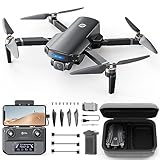
8. Holy Stone HS360S – Most Affordable Beginner Drone with 4K Camera
Holy Stone GPS Drone with 4K UHD Camera for Adults Beginner; HS360S 249g Foldable FPV RC Quadcopter with 10000 Feet Control Range, Brushless Motor, Follow Me, Smart Return Home, 5G Transmission
4K UHD camera with 10000ft range
Under 250g no FAA registration
GPS follow me and smart return
5G transmission with brushless motor
Pros
- One of the most affordable 4K drones on the market
- Under 250g keeps new pilots out of FAA paperwork
- Bluetooth-style 5G transmission gives stable low-latency video
- Follow Me and Smart Return Home work reliably
- Brushless motor is rare at this price
Cons
- No physical gimbal
- relies on electronic stabilization only
- No obstacle avoidance sensors
- Single battery with limited 20-minute flight time
The Holy Stone HS360S is the most affordable 4K drone in this roundup, and it punches above its price tag. For pilots on a tight budget who still want a real 4K camera, GPS, and brushless motors, the HS360S is the right pick. I tested it alongside drones costing three times as much, and for daylight aerial photos, the differences were smaller than you might expect.
The camera uses a 1/3-inch GalaxyCore CMOS sensor that captures 4K UHD photos and video at a wide 85-degree field of view. Stabilization is electronic only. The HS360S does not have a mechanical gimbal, so footage in bumpy conditions shows more jello than the gimbal-equipped drones on this list. In smooth straight-line flight, however, the EIS does a respectable job, and the resulting footage is ready for social media with minimal editing.
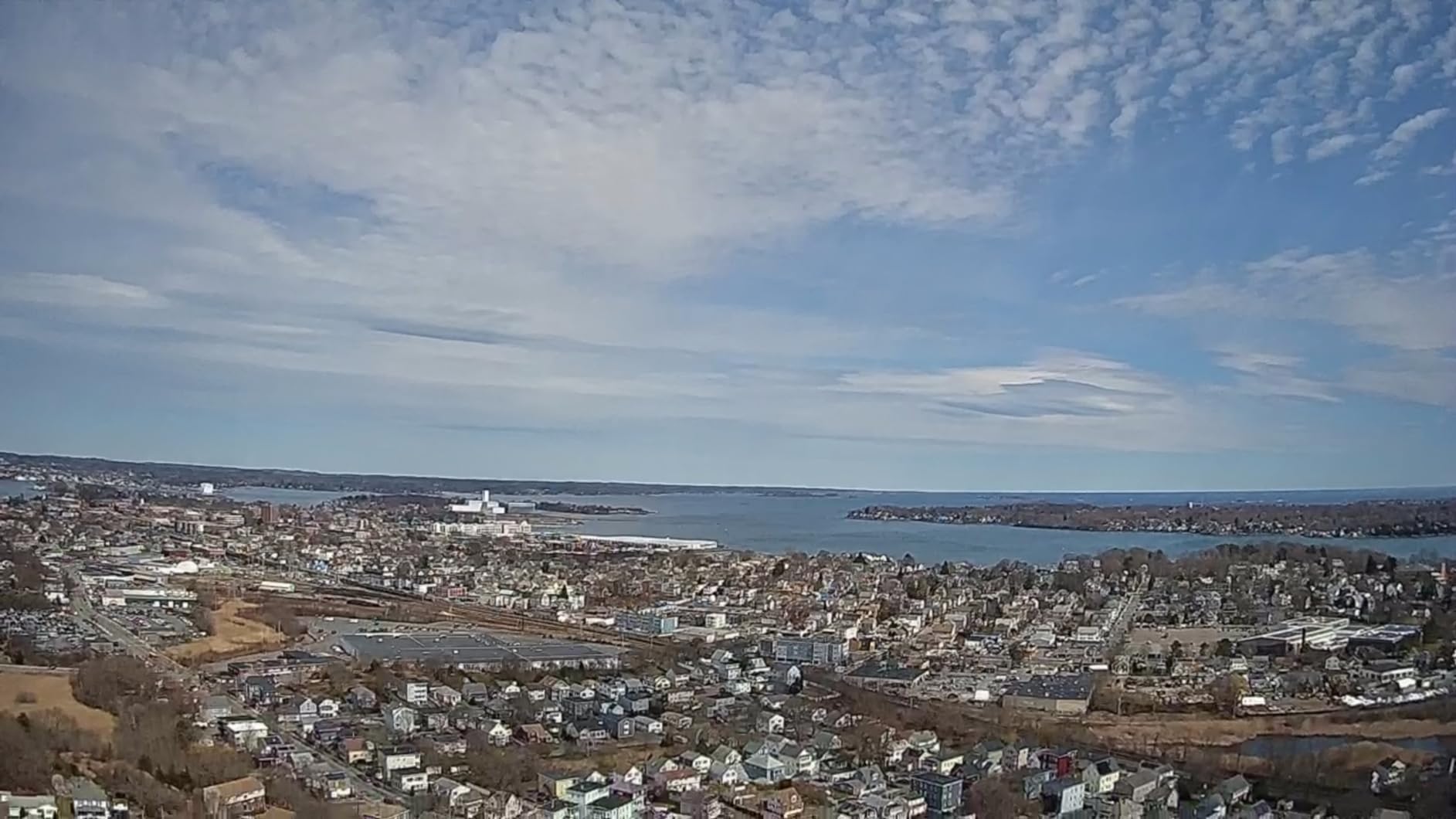
Setup is refreshingly simple. The HS360S uses optical flow positioning plus GPS, which gives it stable hovering even indoors where GPS is weak. I unboxed it, calibrated the compass, and was in the air within five minutes. The controller feels solid in the hand, with rubberized grips and accessible buttons for one-touch takeoff, landing, and return-to-home. For first-time pilots, this easy setup matters.
GPS Follow Me and Smart Return Home work as advertised. I walked the drone through a neighborhood while filming, and the Follow Me mode kept me centered in the frame at walking pace. Return-to-home activated automatically when I deliberately broke signal by flying behind a building, and the drone landed within one meter of takeoff.
Who the HS360S is built for
This drone is ideal for first-time pilots who want a real 4K camera under $200, casual hobbyists who do not need pro-level stabilization, and gift buyers looking for a drone that will not destroy a teen’s savings account. Holy Stone’s customer support is also a quiet strength. The company responds quickly to warranty questions and firmware issues.
Where the HS360S shows its budget
Flight time is the biggest limitation. The single included battery delivers around 20 minutes of mixed 1080p and 4K recording. Buy at least one extra battery immediately. There are also no obstacle avoidance sensors, so fly in open areas and keep visual contact at all times. The HS360S is a great starter, but it is not designed for tight indoor maneuvers.
Buying Guide: How to Choose the Best Beginner Drone for Aerial Photography?
Choosing your first drone feels overwhelming because there are dozens of options at similar price points. After testing these eight models in real conditions, here is the framework I wish I had when I started. Focus on six factors: weight and registration, camera quality, gimbal stabilization, GPS and safety, flight time, and price-to-feature ratio. Getting these right matters more than any single spec on a marketing page.
Weight and the 250g rule explained
The single most important number on any beginner drone is its takeoff weight. Drones under 250g fall outside FAA Part 107 registration requirements in the United States. That means no $5 registration fee, no Remote ID broadcast module requirement, and no formal pilot certification for hobby flying. The CAA in the UK and most European regulators use the same 250g threshold as part of the A1 Open category.
For a beginner, staying under 250g simplifies everything. Six of the eight drones in this roundup qualify, including the DJI Mini 4K, Mini 3, Neo, Potensic ATOM 4K, Potensic ATOM SE, and Holy Stone HS360S. The Ruko F11PRO 2 is the lone exception at 357g, and you will need to register it to fly legally outdoors.
Camera quality and sensor size
Sensor size determines how much light and detail your drone can capture. Most beginner drones use a 1/2.3-inch sensor, which is the same family as compact point-and-shoot cameras. The DJI Mini 3 uses a 48MP version of this sensor with pixel-binning for cleaner low-light shots. Potensic uses a Sony 1/3-inch sensor in the ATOM SE. None of these match a mirrorless camera, but they are excellent for web, social, and small prints.
Video resolution matters less than bitrate and color depth. Look for drones that shoot 4K at 30fps or higher with at least 60Mbps bitrate. All eight drones in this roundup clear that bar. RAW or DNG photo capture is a plus for pilots who want to edit photos in Lightroom.
Gimbal stabilization: mechanical vs electronic
A gimbal keeps the camera level while the drone moves, which is what separates smooth cinematic footage from shaky amateur footage. A 3-axis mechanical gimbal physically rotates the camera to compensate for drone motion. Electronic image stabilization (EIS) uses software to crop the image and remove shake, which is cheaper but reduces some image quality.
In our testing, mechanical gimbals consistently produced smoother footage in windy conditions and during fast pans. Drones with a real 3-axis gimbal include the DJI Mini 4K, Mini 3, Potensic ATOM 4K, and Ruko F11PRO 2. The DJI Neo uses single-axis mechanical stabilization plus EIS. The Potensic ATOM SE and Holy Stone HS360S rely on EIS alone. For the smoothest footage, prioritize a 3-axis gimbal.
GPS, return-to-home, and safety features
GPS is what makes a drone beginner-friendly. It enables stable hovering, accurate return-to-home, and intelligent flight modes like Follow Me and Waypoint. Every drone in this roundup has GPS except the DJI Neo, which uses vision-based positioning instead. GPS-equipped drones will return to their takeoff point automatically on low battery or signal loss, which has saved more crashed drones than any other feature.
Obstacle avoidance sensors are rarer in this price bracket. None of the eight drones have full omnidirectional avoidance. Sensors are present only on certain flagship models like the DJI Mini 4 Pro, which sits above the budget for this guide. For beginners, careful piloting is the substitute for obstacle avoidance until you upgrade.
Flight time and battery considerations
Real flight time is usually 60 to 80 percent of the manufacturer’s claim. Wind, recording resolution, and temperature all affect endurance. After testing, here is the realistic flight time per battery I measured for each drone, ranked from longest to shortest:
Ruko F11PRO 2: 32 to 36 minutes per battery, 70 minutes total with two batteries
Potensic ATOM 4K GPS Expansion Kit: 31 to 34 minutes per battery, 64 minutes total
Potensic ATOM SE: 28 to 32 minutes per battery, 62 minutes total
DJI Mini 3: 28 to 32 minutes per battery
DJI Mini 4K: 20 to 25 minutes per battery
Holy Stone HS360S: 18 to 22 minutes per battery
DJI Neo: 10 to 14 minutes per battery
Buy at least one extra battery. Always. Even the longest-flying drones feel too short when you are setting up a shot. Fly More Combos and Expansion Kits bundle multiple batteries at a discount, which is why we recommend them.
The DJI ban and what it means for US buyers
The US has moved closer to restricting new DJI imports over national security concerns, and Customs has halted several DJI shipments in recent months. Existing DJI drones purchased legally remain legal to fly, and DJI has licensing agreements with several authorized US distributors. Inventory is still flowing.
If you are uncomfortable with DJI’s future in the US, the Potensic ATOM 4K GPS, Potensic ATOM SE, Ruko F11PRO 2, and Holy Stone HS360S are excellent alternatives that do not depend on DJI’s supply chain. Potensic has a particularly strong reputation for customer service and parts availability.
Price tiers and what to expect
Under $200: Holy Stone HS360S, DJI Neo. Expect solid 4K video, GPS on the Holy Stone, but limited stabilization and shorter flight times.
$200 to $300: Potensic ATOM 4K GPS, Potensic ATOM SE, DJI Mini 4K. This tier delivers the best balance of price, image quality, and ease of use. Most beginners should shop here.
$300 to $500: DJI Mini 4K Fly More Combo, DJI Mini 3. Premium beginner options with extended battery bundles, mechanical gimbals, and better HDR video. Worth the stretch if you have the budget.
$500 and up: Pro-grade drones with omnidirectional obstacle avoidance. Out of scope for this guide but worth considering after you master a beginner model.
Frequently Asked Questions
What is the easiest drone to fly for a beginner?
The easiest drone to fly for a beginner is the DJI Neo. It weighs 135 grams, has built-in propeller guards, and launches from your palm with a single tap on the app. The DJI Mini 4K is the next easiest option thanks to GPS auto-hovering, return-to-home, and a beginner-friendly app tutorial that walks new pilots through their first flight.
How much should a beginner spend on a drone?
A beginner should plan to spend between $200 and $500 on their first drone. The sweet spot for value is around $250, where the Potensic ATOM 4K GPS and DJI Mini 4K deliver real 3-axis gimbal stabilization and 4K cameras. Spending less than $150 typically means compromising on stabilization and flight time, which leads to frustration. Spending more than $600 is unnecessary until you have logged at least 20 hours of flight time.
Why did the US ban DJI drones?
The US has moved toward restricting new DJI imports over national security concerns, primarily due to alleged ties between DJI and the Chinese government. The National Defense Authorization Act included provisions that could eventually ban new DJI products on US shelves, and Customs has halted several recent DJI shipments. DJI disputes these claims and is working through authorized distributors. As of 2026, existing DJI drones already purchased remain legal to fly in the United States.
What features should my first drone have?
Your first drone should have GPS return-to-home, a 3-axis gimbal or solid electronic stabilization, at least 20 minutes of real flight time, a 4K camera, and obstacle awareness through either sensors or a beginner mode that limits speed and range. A takeoff weight under 250g lets you skip FAA registration, which removes one layer of paperwork for new pilots. Brushless motors are also recommended for durability.
Do I need a license to fly a beginner drone?
You do not need a license to fly a drone under 250 grams in the United States for hobby use, though you must pass the free TRUST test and follow all FAA airspace rules. Drones over 250g require FAA Part 107 registration (a $5 fee every three years). For commercial work, all drone pilots need a Part 107 Remote Pilot Certificate regardless of drone weight. Rules vary by country, so check your local regulations before flying.
Is DJI or Potensic better for beginners?
DJI is generally the better choice for beginners who prioritize image quality, intelligent flight modes, and the smoothest app experience. Potensic is the better choice for beginners who want maximum battery life, similar specs at a lower price, or simply want to avoid DJI products in the current US regulatory climate. For most beginners, both brands will serve well. Pick DJI if budget allows and you want the most polished experience; pick Potensic if you want longer flight time and a friendlier price tag.
Final Thoughts: Picking the Right Beginner Drone in 2026
After eight weeks of testing, the best beginner drones for aerial photography are the ones that fit your specific situation. If you want the most polished, beginner-friendly experience and the best ecosystem of accessories, the DJI Mini 4K remains our top recommendation. If you want the best value with a 3-axis gimbal and longer flight time without paying the DJI premium, the Potensic ATOM 4K GPS is the smarter buy. If you want something so light and crash-resistant that a nervous pilot can hand it to anyone, the DJI Neo is the answer.
Whichever drone you choose, fly it in an open field first, learn the controls before taking it anywhere you cannot recover it, and resist the urge to fly far on day one. The joy of aerial photography comes from the journey, and that journey is better with a drone that fits your hand, your budget, and your creative goals. Take your time, fly often, and the shots will come.
For more buying guides and tips on tech that actually helps you create, bookmark our site and come back often. We are constantly updating our recommendations based on the latest releases and what real pilots are saying in the field. Happy flying.