
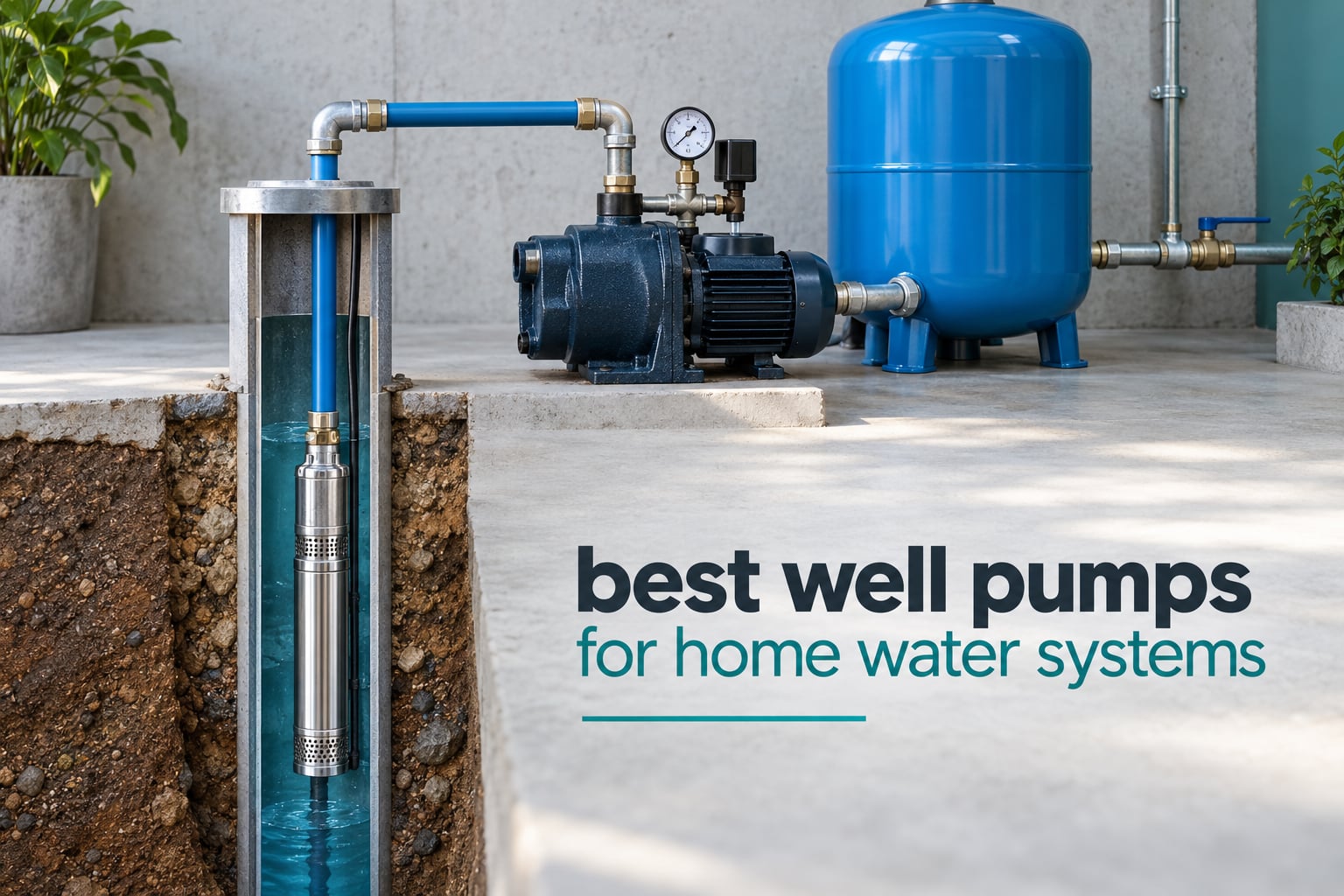
Three numbers decide which well pump belongs in your house: how deep your static water level sits, how deep the water drops when the pump runs, and how much vertical lift stands between the pump and your pressure switch. Get those right and the pump choice narrows to a handful of candidates in minutes. Get them wrong and you buy a unit that runs for weeks before it burns out, no matter how good the motor is.
We went through the current crop of pumps sold for home water systems, from half-horsepower submersibles to commercial-grade above-ground jets, and pulled the real specifications and owner feedback behind each one. The result is our list of the best well pumps for home water systems in 2026, covering shallow wells, convertible jets, deep submersibles and garden boosting duty.
One warning before we start. The pump is not the only thing you replace. Almost every submersible in this roundup arrives with a short, light-gauge cord, and most arrive without a check valve, a control box or a splice kit you actually need at depth. Budget for the accessories, because the electrical side is where most deep-well motors die. Our water filter roundup covers the other half of a private well system, and the same logic applies here: the pump moves the water, the rest of the system decides how long it stays healthy.
Table of Contents
Top 3 Best Well Pumps for Home Water Systems in 2026
These three cover the widest range of real installations. The first is the set-and-forget submersible for a typical rural home, the second handles everything from a 20-foot shallow well to a 90-foot two-pipe well in one box, and the third is the high-head unit for deep casings and heavy household demand.

Acquaer CJE075-1 Convertibl…
- Convertible 0-25 ft or 26-90 ft
- 3/4 HP
- dual 115V/230V
- ejector kit included

All 10 Well Pumps at a Glance in 2026
Every pump below is listed with its real published flow, head rating and electrical requirement, because those three figures are what actually decide compatibility. Read the table for elimination, then read the full block for the model that survives.
1. Hallmark MA0414X-7: The Best All-Round Submersible for Most Homes
Hallmark Industries MA0414X-7 Deep Well Submersible Pump, 1HP, 110V 60HZ, 33 Gpm, Stainless Steel, Long Life
Flow: 33 GPM
Motor: 1 HP 115V, 10.2 Amps
Max head: 207 ft
3.8 in body
Pros
- 33 GPM covers a 3 to 4 person household with fixtures running together
- 207 ft rated head handles a mid-depth casing
- Stainless steel and thermoplastic body resists corrosion
- Splice kit and manual included
- Owners report service life approaching 10 years
Cons
- Lead and ground wires are thin gauge
- Only about 5 ft of cord included
- Built-in check valve can stick and air-lock the pump
- High startup surge demands a properly sized generator
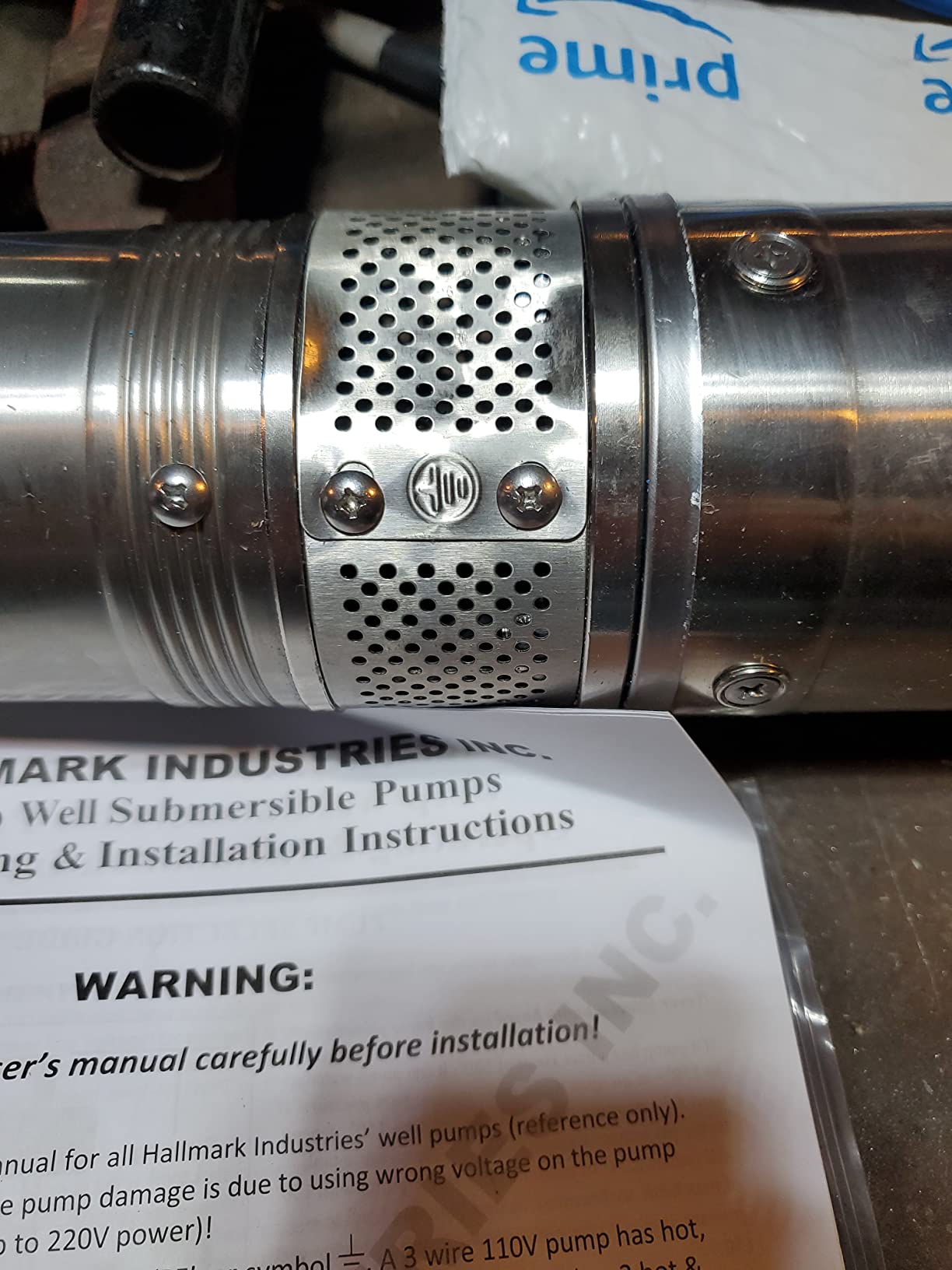
This is the configuration that shows up again and again in drilling forums as the answer for a three or four person home with a pumping level under 150 feet, and it is the pump we would put in a house with no other distinguishing features. One horsepower, 33 gallons per minute, a 207 foot rated head and a 3.8 inch body that drops into a standard 4 inch casing without any adapter work.
Owners consistently describe the flow as strong and steady across farm, livestock and ordinary household use, and several mention the pump running quietly enough that they forget it is there. Installation gets called straightforward because the splice kit for joining the cable is in the box, which matters when the cord is being joined to heavier wire at depth. A handful of owners report close to a decade of service, which is the number that should matter more to you than any spec line.
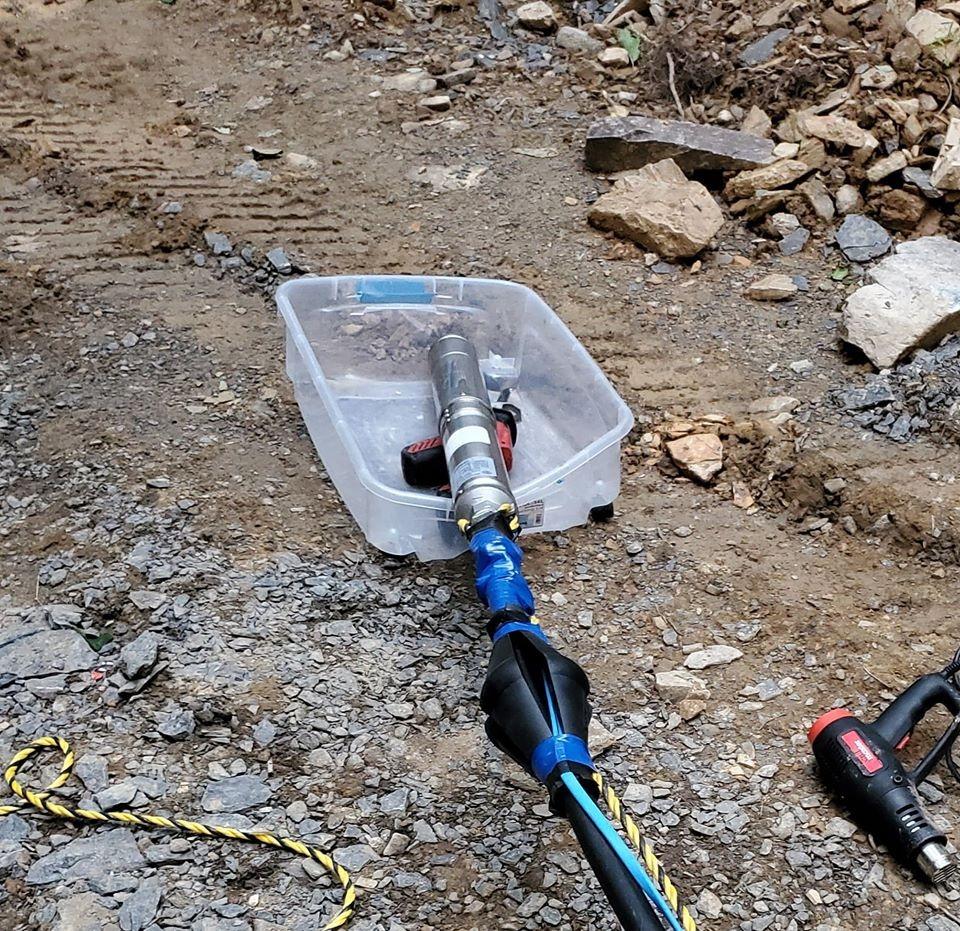
The weaknesses are consistent across reviews too, and they cluster around the electrical side. The lead wires that come with the pump are thin, and the ground conductor is smaller still, so a professional install almost always replaces the top section of cable with proper gauge wire. It also arrives with roughly five feet of cord, so plan on splicing rather than plugging it straight in.
Second on the list is the check valve, which can stick after long idle periods and leave the pump air-locked with no flow. That failure looks like a dead motor but is usually a five-minute fix once you know to look for it. The 10.2 amp running draw also means this pump wants a real circuit, and if you plan to run it on a portable generator, size the generator well above the startup surge.
What you should confirm before ordering
Confirm your casing diameter and your static water level. A 3.8 inch body clears a 4 inch casing with room to spare, and 207 feet of rated head is generous for most homes, so this pump is easy to over-spec. If your pumping level is well under 100 feet and only one or two fixtures ever run at once, a smaller pump will do the job and cycle less.
Confirm your electrical supply too. This is a 115 volt unit, which is the easy path on most homes, but the startup current is high enough that a small inverter or budget generator may fail to start it. If your power plan includes backup, pick a generator with meaningful headroom rather than the smallest one that fits.
Who should skip this pump
Skip it if your well is deeper than roughly 200 feet of pumping level, where the 2 HP Hallmark below is a better match. Skip it if you have a very large household or irrigation load that runs alongside household use, since 33 gallons per minute will be working hard.
Skip it if your casing is narrower than 4 inches, because you need the slim 3 inch model further down this list. And skip it if you have no plan to re-run the cable, since the supplied wire is the main thing reviewers complain about.
2. Acquaer CJE075-1: The Best Value Convertible Jet Pump
Acquaer Shallow/Deep Well Jet Pump, Cast Iron Convertible Pump with Ejector Kit, Well Depth Up to 25ft or 90ft, 115V/230V Dual Voltage, Automatic Pressure Switch
Flow: 24 GPM
Motor: 3/4 HP
0-25 ft or 26-90 ft
Cast iron
Pros
- One pump covers both shallow and two-pipe deep well installs
- Venturi and ejector kit included in the box
- Dual voltage 115V/230V switchable at a terminal block
- Automatic pressure switch starts below 20 PSI and stops above 40 PSI
- Quiet enough to be inaudible from inside the house
Cons
- Factory set to 230 V even with a 110 V cord
- Cut-out pressure usually needs adjustment
- One test measured flow near half the published GPM
- A few units arrived with an air leak
Most roundups skip the 25 to 90 foot band entirely, and that leaves homeowners with a genuine gap: a shallow jet pump cannot lift past 25 feet, and a submersible is overkill for a 60 foot well on a small property. The Acquaer closes that gap with a convertible design that runs as a standard single-pipe jet on a shallow well and switches to a two-pipe ejector setup when you go deeper.
In practice it earns its place on quiet operation and on completeness. Owners report it as inaudible from inside the house, primes quickly with the pre-wired cord, and runs smoother and with more perceived authority than the pumps it replaced. The venturi and ejector assembly are included, so you are not hunting for the hardest-to-find part of the conversion.
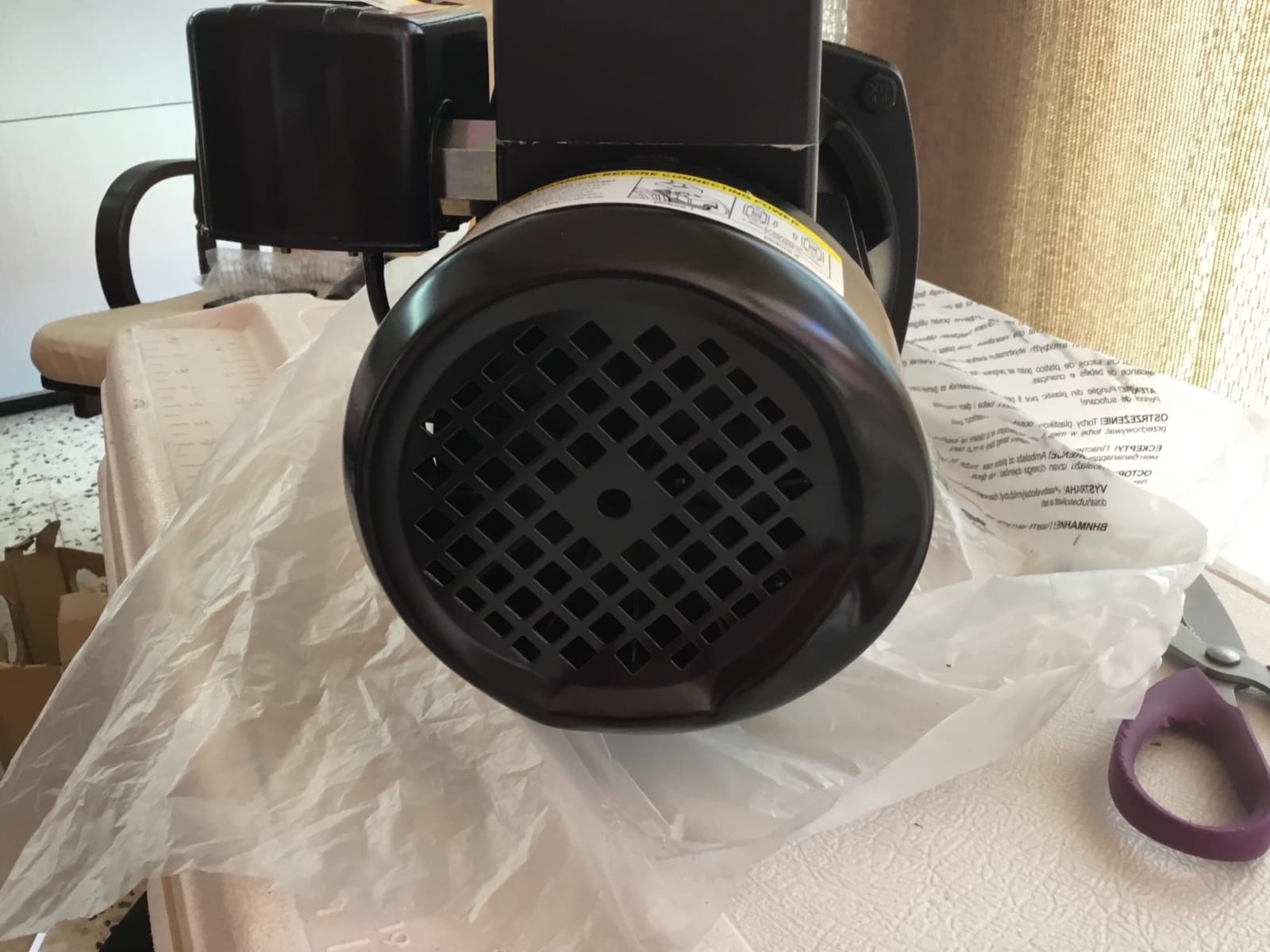
The catch is setup, and it is a real one. The pump is wired for 230 V at the factory even when the cord that arrives is a standard 110 V plug, which confuses a lot of first-time installers. The pressure switch also needs its cut-out side tuned on most installations to stop it short-cycling against a tank that was never sized for this pump.
There is one more measurement worth taking seriously: one reviewer running an irrigation test measured delivered flow at roughly half the published 24 gallons per minute. Box flow numbers are always flattering because they assume zero head. Owners also report the unit is noticeably smaller than the pump it replaced, which sometimes means re-routing pipe. A few units arrived with an air leak and never built pressure, so factor that into your return planning.
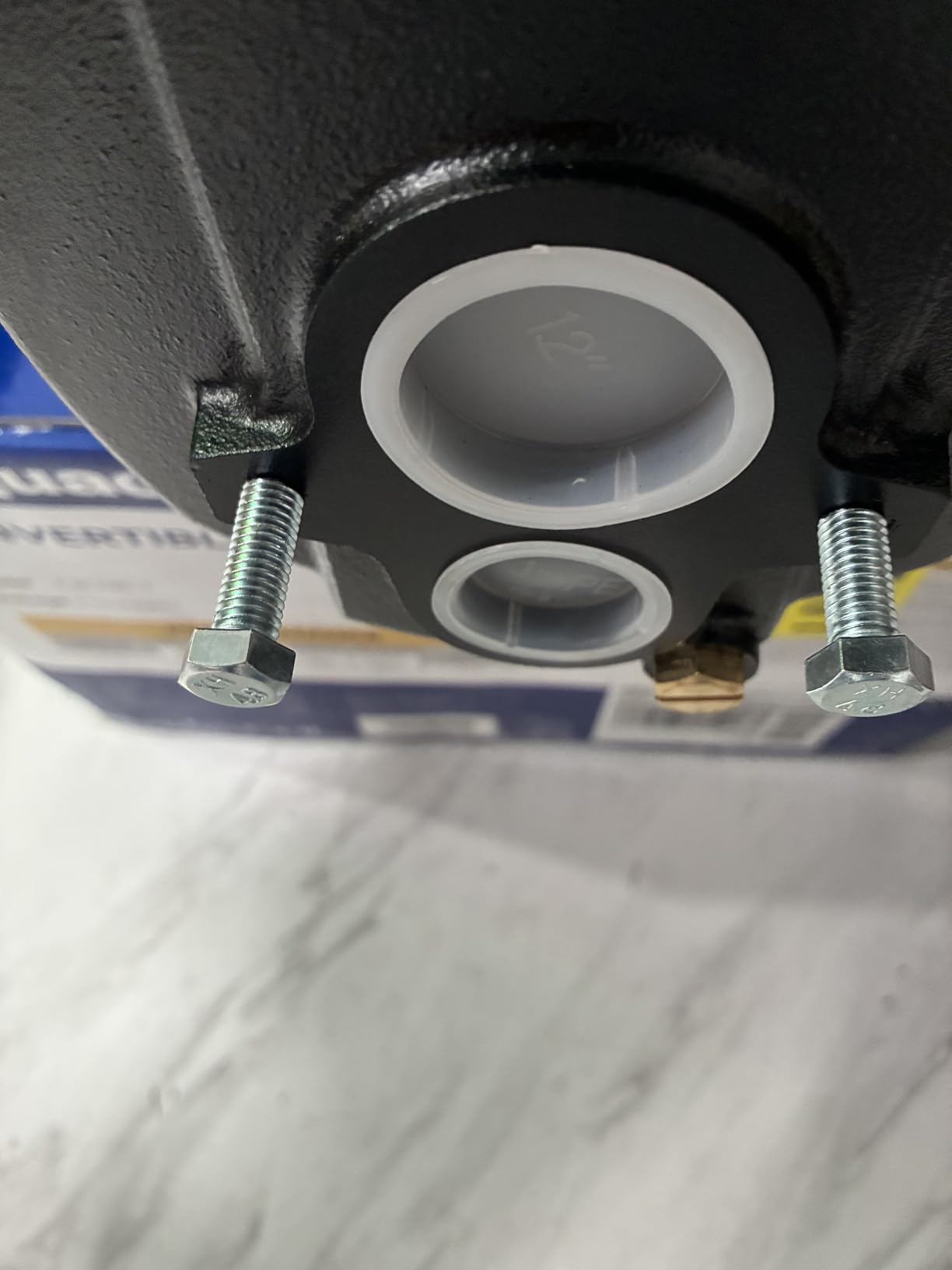
What this pump solves that a submersible does not
It stays above ground, which means you can service it without pulling anything out of a casing. For a cottage, a small home, or any well where a submersible would be suspended 150 feet down, that is a meaningful long-term advantage, and it is the same reason drilling communities lean on three-wire units for repairability.
It also covers a shallow and a deep installation with one model number, which keeps parts simple. If you are unsure whether your well is 22 feet or 65 feet, this is the safe purchase because it handles both without a second pump in the garage.
Who should skip this pump
Skip it if your well is past about 90 feet, because the ejector arrangement stops being practical there and a submersible is the right architecture. Skip it if you have no above-ground space near the well for a pump, a tank and a service valve.
Skip it if you are not comfortable changing the voltage terminal or adjusting the pressure switch. Both are five-minute jobs for anyone who has wired a pump before and a genuine headache for anyone who has not.
3. Hallmark MA0419X-12A: The Best High-Head Pump for Deep Casings
Hallmark Industries MA0419X-12A Deep Well Submersible Pump, 2 HP, 230V, 35 Gpm, 420 feet, Stainless Steel
Flow: 35 GPM
Motor: 2 HP 230V
Max head: 420 ft
Stainless steel
Pros
- 420 ft rated head reaches deep casings other units here cannot
- 35 GPM supports whole-home demand plus other fixtures
- Stainless steel body resists corrosion
- Splice kit and manual included
- One-year parts and labor warranty
Cons
- 230 V only
- requiring a 220 V supply and heavier wire
- 45 in column body is heavy to lower into a deep casing
When the pumping level runs deep, the decision stops being about flow and becomes about head. This 2 HP stainless steel unit is rated to 420 feet, which is the deepest reach of anything in this roundup, and it moves 35 gallons per minute. That combination covers a deep casing on a larger home, or a deep well that also feeds irrigation.
It has a large installed base, with more than a thousand owner reviews, and the recurring description is unremarkable in the best way: people bought it, it went in, it works. The stainless steel shell handles corrosive water better than painted steel, and the included splice kit matters more here than on a shallow install because you will almost certainly be extending the cable.
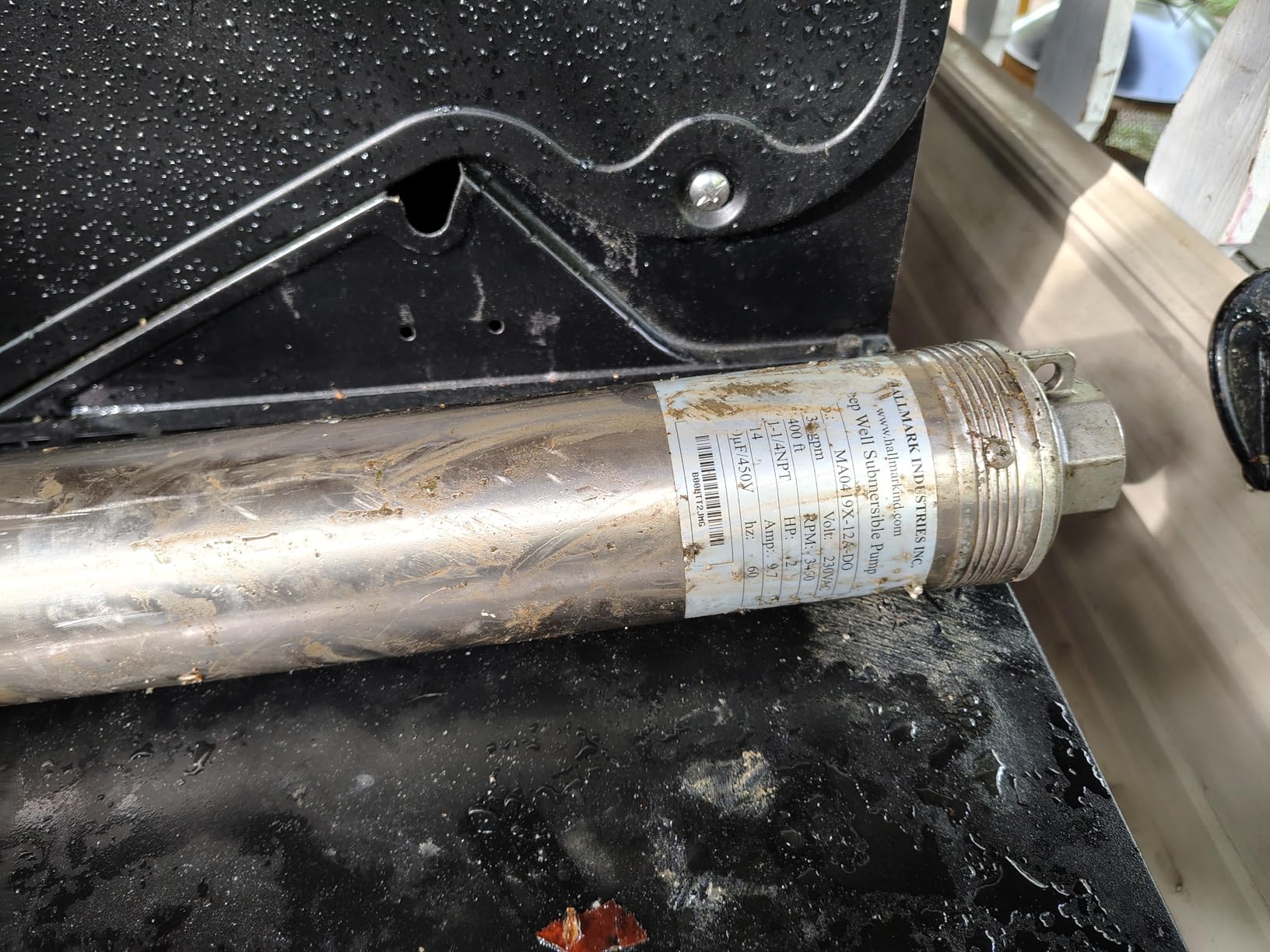
Two limitations decide whether this is the right pick. It is a 230 volt motor only, so you need a 220 volt supply, a two-pole breaker and heavier conductor, and the electrical work is no longer a casual job. The column body is 45 inches long and 40 pounds, which is manageable at ground level and unpleasant at the bottom of a deep casing.
There is also a sizing discipline here. A 2 HP pump on a 120 foot well will deliver more water than the casing can supply, run against itself constantly, and short-cycle against the pressure switch. Short cycling wears the switch contacts and chews the bladder in the pressure tank, and owners of failed tanks report their new pump lasting a fraction of its intended life as a result.
When a 2 HP pump is the correct answer
Reach for it when your pumping level is deep enough that a 1 HP unit cannot make its rated flow, and your household demand is high enough to keep 35 gallons per minute busy. Two full bathrooms, a laundry room, a dishwasher and a washing machine running at once is exactly the kind of load this rating supports.
It also makes sense on a well that serves both the house and a lawn irrigation zone, where the demand is bursty but large. Just confirm the casing size and the available amperage before you commit, because this is the one pump in the roundup that changes the electrical plan rather than plugging in.
Who should skip this pump
Skip it on a shallow or mid-depth well. There is no benefit to 420 feet of head if your water sits at 60 feet, and you will pay for the extra capacity in wire cost and in wear. The 1 HP Hallmark is the better match for a well like that.
Skip it if your electrical panel is 115 volt only, and skip it if a professional pull at depth is not in your plan. Past a few hundred feet, the cost of getting a pump out of the ground outweighs any difference between models.
4. VEVOR 1 HP 37 GPM: The Best Rated Submersible in the Roundup

VEVOR Deep Well Submersible Pump 1 HP 115V/60Hz 37 GPM Flow 207 ft Head
Flow: 37 GPM
Motor: 1 HP 115V
6-stage, 207 ft head
IP68 frame
Pros
- Highest rating of any pump in this roundup at 4.5 stars
- 6-stage thermoplastic impellers push hard pressure quickly
- Built-in check valve and stainless filtration mesh
- IP68 stainless frame rated for submerged service
- Includes a 33 ft cord with a US plug for simple installs
Cons
- A small number of models failed within a week or two
- Supplied cord is light gauge for depth
- Large 1 HP startup surge on 115 V
- 240 V model is cheaper to wire on very deep wells
This one carries the highest owner rating in the group, and the reason shows up in the feedback: it pushes pressure fast enough to trip a 60 PSI regulator within seconds of starting. Six-stage impellers, 37 gallons per minute at maximum flow and a 207 foot rated head, all on a single 115 volt circuit.
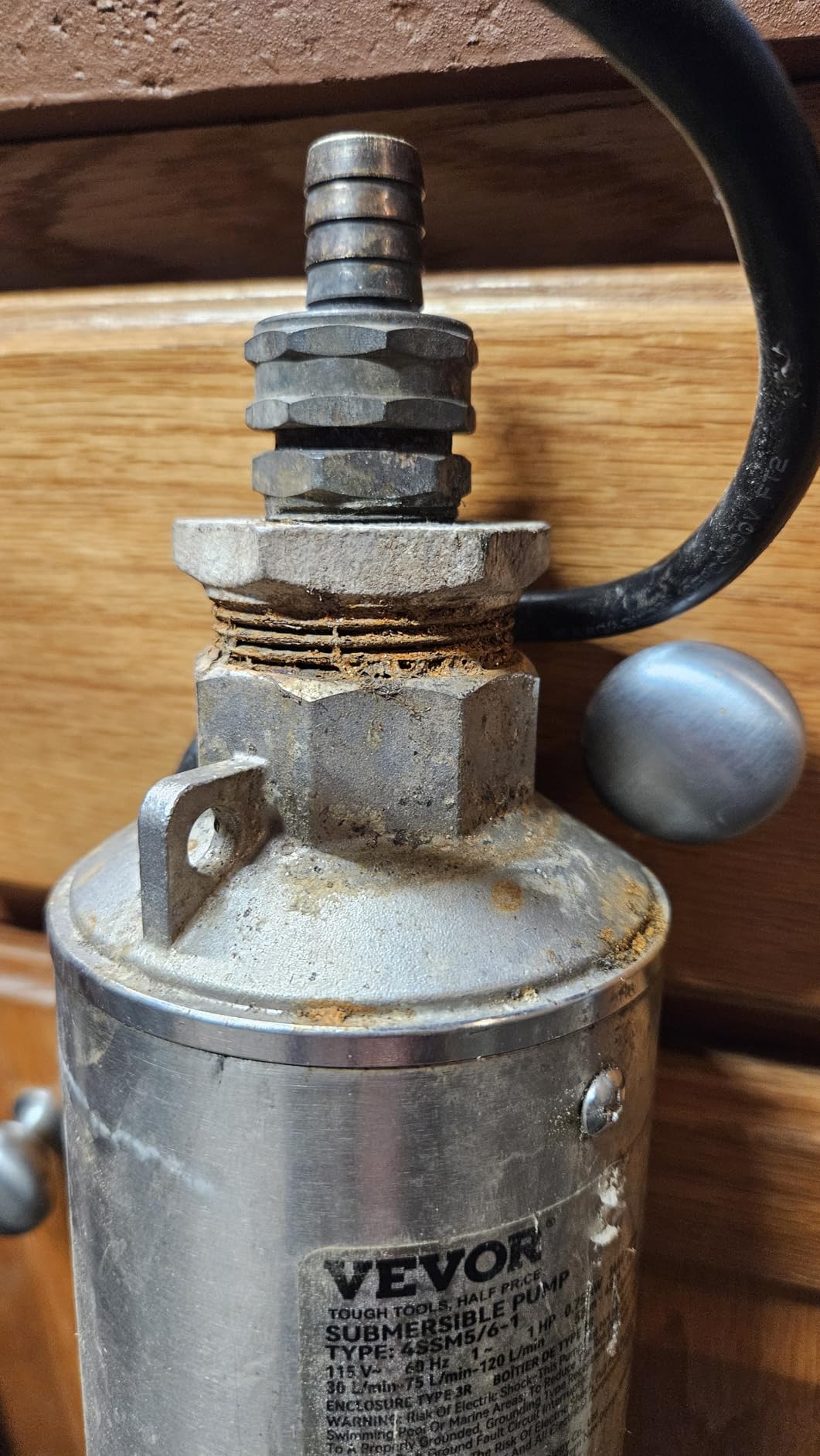
The 4 inch stainless frame carries an IP68 rating, which covers the outlet and the connecting components as well as the body, and the copper motor has built-in overheat protection. There is a built-in check valve to stop back-flow and a stainless mesh screen at the intake. Owners also like that the 33 foot cord arrives with a US plug, so a shallow install can be finished without buying cable.
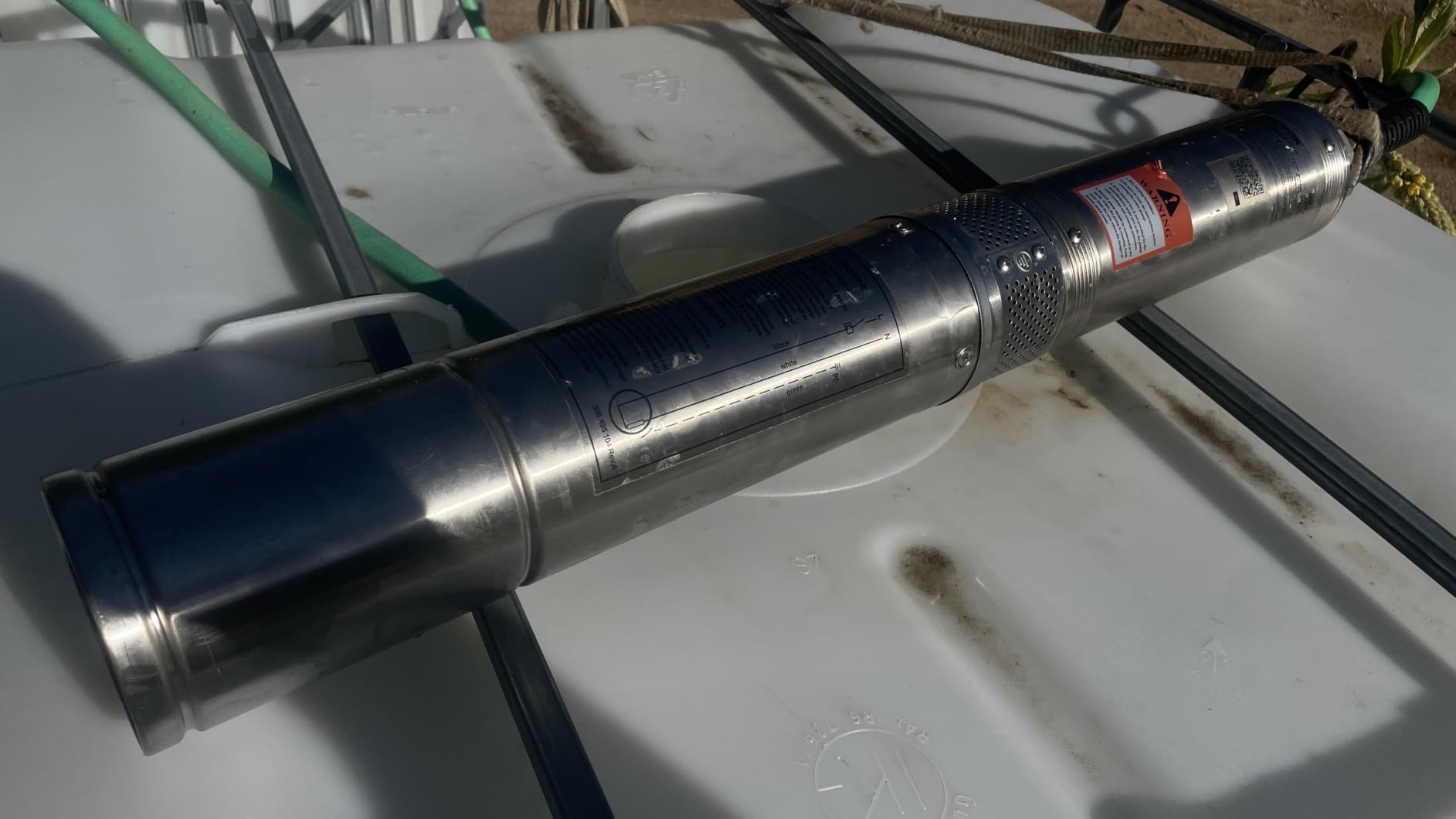
What the reviews keep circling back to is electrical. The supplied cord is light gauge and about as long as the box suggests, so anything past roughly 30 feet means splicing into heavier wire, and the thin ground conductor is the part people forget. The 1 HP startup surge on 115 V is also the highest in this roundup, which makes it a poor match for a small portable generator without careful sizing.
A small minority of owners report early failure with no clear fault, so treat the warranty terms as the deciding factor rather than assuming it is failure-proof. There is also a straightforward cost argument for deep wells: running a 240 V model of the same pump halves the current, which means lighter wire over long runs. The 2 HP, 3 HP and controller-equipped versions follow the same family pattern.
Whether this is the right pick for your well
Choose it when you want maximum flow from a single 1 HP unit and your well is comfortably inside 200 feet of rated head. It is a good fit for 3 inch and 4 inch casings, and the 4 inch body clears standard casing without an adapter.
Choose it when you run on 115 volts and want strong household pressure without a second pump. Just verify your pumping level against the 207 foot rating, and remember the pump should be set above the deepest drawdown, never above the static level where it can suck air.
Who should skip this pump
Skip it if your pumping level is close to or beyond its 207 foot rating, because the flow curve falls away hard as you approach shut-off head. Skip it if you plan to run it on a generator or inverter, since the startup surge is the sticking point on budget units.
Skip it if you need a stainless steel body in a narrow 3 inch casing. For that situation the slim Hallmark model later in this list is a better answer, and it will fit where a 4 inch pump will not.
5. Red Lion RJS-75-PREM: The Best Shallow Well Jet Pump With Everything Included
Red Lion RJS-75-PREM 115/230V, 3/4 HP, 16 GPM, Shallow Well Jet Pump
Flow: 16 GPM
Motor: 3/4 HP
115/230V
25 ft suction
3 yr warranty
Pros
- Pump
- pre-set 30/50 pressure switch and gauge all in one box
- Cast iron casing and volute with glass-filled thermoplastic impeller
- Dual voltage motor with capacitor for starting power
- Max pressure 65 PSI and 150 ft max head
- CSA listed in the USA and Canada
Cons
- Voltage must be set manually to match the supply
- Costs more than import jet pumps for comparable flow
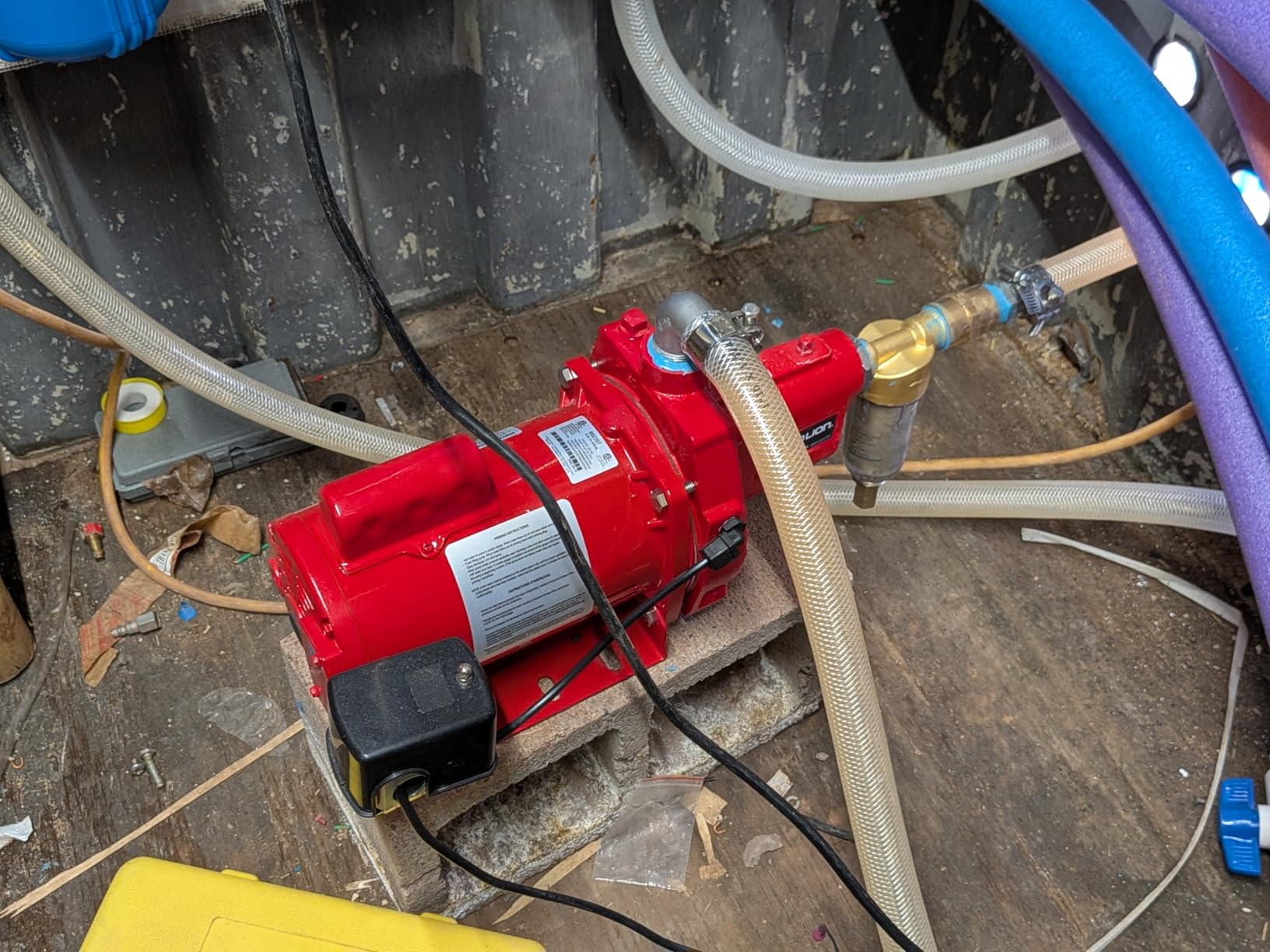
Built by Franklin Electric, this is the most complete shallow well package in the roundup. The pump, the factory pre-set 30/50 pressure switch and the pressure gauge all arrive in the same box, so there is nothing to buy before the install except pipe and fittings. For a first-time homeowner replacing a failed jet pump, that completeness is worth more than the flow number.
The mechanical build is the other argument. A cast iron casing and volute with a glass-filled thermoplastic impeller and diffuser is closer to what a pump company builds for service life than a thin painted steel clone. Flow is 16 gallons per minute at 3/4 HP, sized for typical homes and cottages on wells down to 25 feet, with a 65 PSI maximum pressure capability.
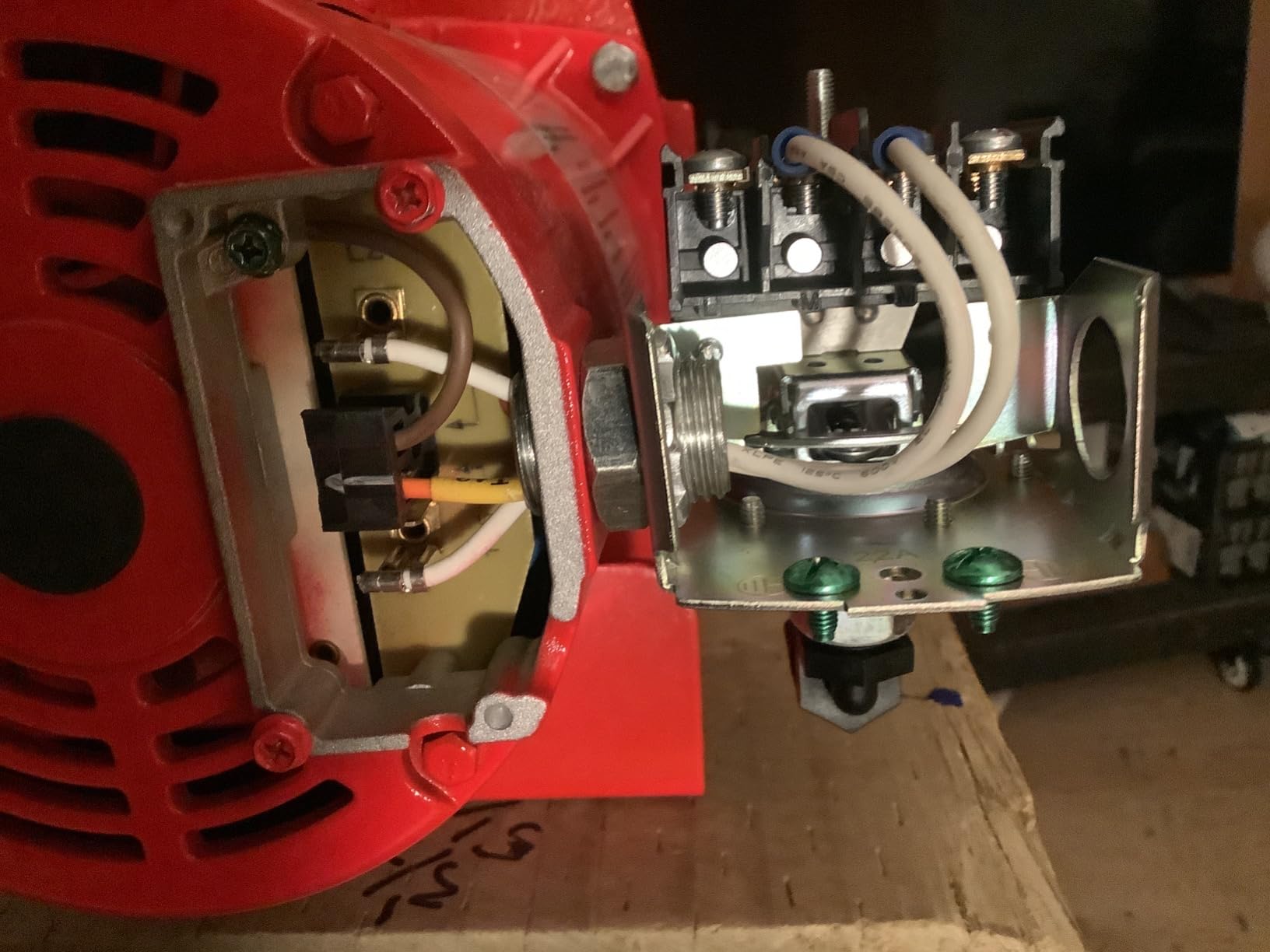
Buyers like the straightforward installation and the reliable pressure that follows it. The motor runs on either 115 or 230 volts and the capacitor is included for starting power, and the pump is listed by CSA in the USA and Canada. The three-year manufacturer warranty is the longest stated on any jet pump here.
The recurring caveat is the voltage setting. This model has to be configured by hand to match the incoming supply, and getting it wrong is a straightforward way to damage the motor. The other is cost: it sits well above import jet pumps that move comparable flow, so the value case depends on the warranty and the included switch rather than the entry price.
What makes this an easy install
Because the pressure switch and gauge come pre-set, you are not tuning cut-in and cut-out pressures on day one. That single feature removes the most common cause of short cycling on a new installation, and short cycling is what kills pressure tanks.
The 1-1/4 inch FNPT suction and 1 inch FNPT outlet are conventional sizes, so existing pipework usually adapts without transition fittings. If your current well pump used the same layout, this is close to a like-for-like swap on a well under 25 feet.
Who should skip this pump
Skip it if your well is deeper than 25 feet. A jet pump lifts by suction and atmospheric pressure, and past 25 feet it simply cannot draw water, no matter how much horsepower you add. That limit is the reason submersibles exist.
Skip it if you already own a good pressure switch and a good tank. In that case the premium over an import unit is harder to justify, and the money is often better spent on a pressure tank, which is the part drilling communities say to buy first on shallow, low-demand homes.
6. Goulds J5S: The Best Buy-Once Pump for Small Homes

Goulds Pump J5S Shallow Well Jet Pump, 115/230 volt, 1/2 hp
Flow: 16.5 GPM
Motor: 1/2 HP
115/230V
UL778 listed
Pros
- Commercial-grade cast iron construction built for long service
- Noticeably higher pressure than budget replacements
- Switchable between 120 V and 240 V for flexible supply
- Pressure regulator and 30-50 PSI switch included
- Built-in overload with automatic reset and stainless steel shaft
Cons
- Highest cost of any pump in the roundup
- One buyer received a seized pump with no warning
- May arrive with factory test water and need priming
The J5S is a half-horsepower NEMA standard unit with a 3500 RPM capacitor-start motor, stainless steel shaft and a built-in overload that resets itself, and it is listed to UL778. That spec sheet is the reason to consider it: a commercial-grade shallow well jet for a small home, cottage or booster application where you would rather install once and stop thinking about it.
Owners describe the pressure as noticeably better than lower-priced replacements, and the durability reports on comparable earlier models run into multiple decades. Switchability between 120 V and 240 V means the same unit covers either supply, and both the pressure regulator and a 30/50 PSI switch are included.
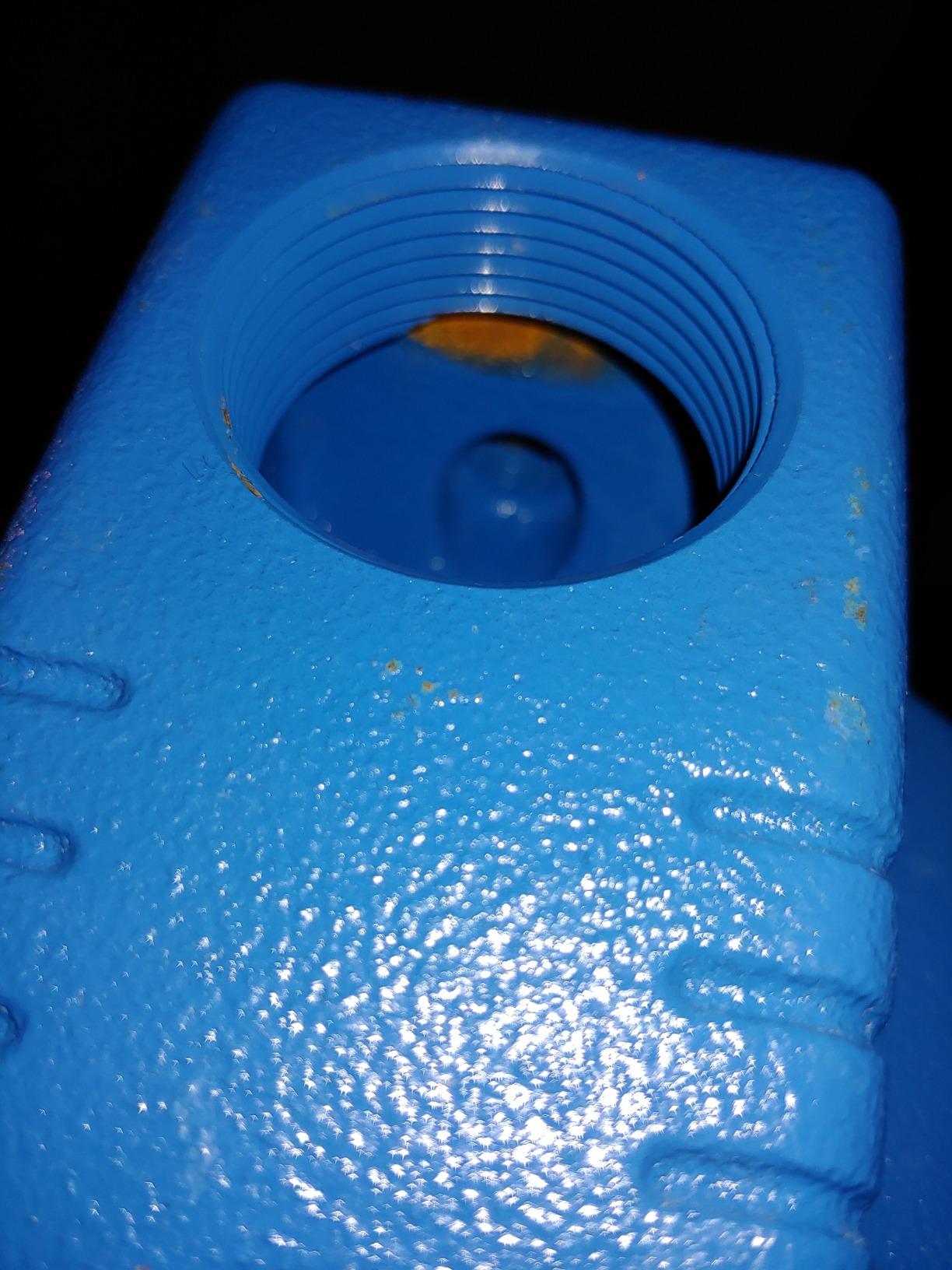
It is also the most expensive pump we cover, by a wide margin, and that is the entire argument against it. On a shallow, low-demand home, drilling communities are blunt that the premium tier buys very little, and that the money is better spent on a pressure tank. The value of this pump shows up when the well is marginal, the water is corrosive, or you genuinely plan to be there for a long time.
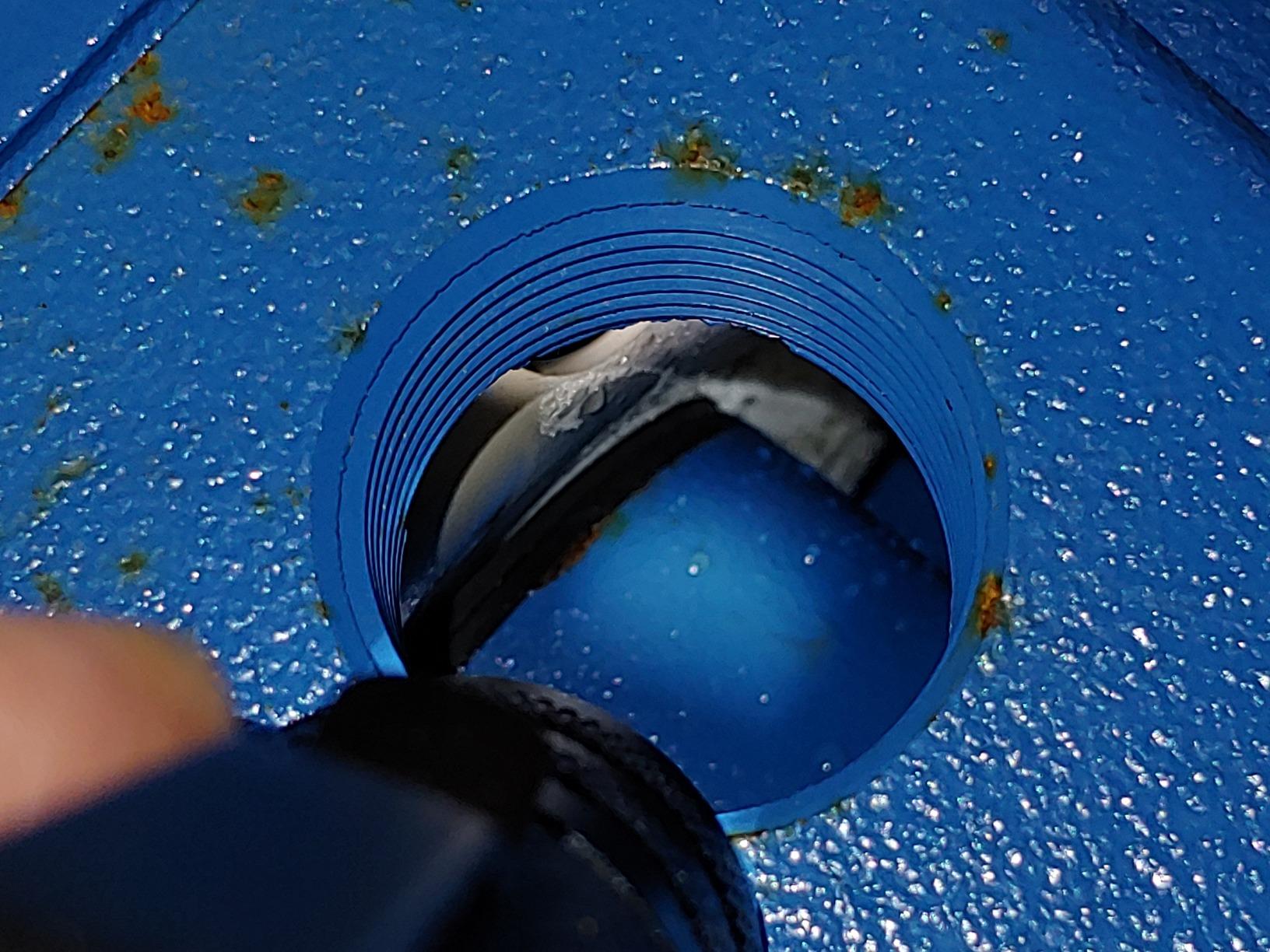
Two practical notes. One buyer received a seized pump with no advance warning, so confirm the warranty route before installing. And because these are manufacturer-tested, expect to find water inside the casing that needs priming out before first start.
What you are paying extra for
You are paying for materials and tolerances that hold up: a cast iron body, a stainless steel shaft and an automatic reset overload instead of a thermal cutout that stops. Those three things show up as pressure that holds steady over years rather than a pump that fades after a couple of seasons.
You are also paying for the listing. UL778 is the standard for water well pumps, and while plenty of good pumps carry equivalent certifications, a unit built to a published standard is easier to spec, service and replace a decade from now.
Who should skip this pump
Skip it for a modest home on a shallow well with low demand, where a mid-tier jet pump will do the same job. Skip it if budget is tight, because the premium over the Red Lion above is substantial and the practical difference is small on light duty.
Skip it if you want the repairability that comes from a pump you can reach without pulling a column. If your future involves frequent troubleshooting, a three-wire or above-ground unit will cost you less time over a decade.
7. Aquastrong PGA150SA: The Best Pump for Garden and Lawn Boosting

Aquastrong 115V Shallow Well Garden Pump, Stainless Steel, 1320 GPH, Automatic Water Booster Jet Pump for Home, Garden, Lawn,Irrigation,1.6 HP with Pressure Tank
Flow: 1320 GPH (22 GPM)
Motor: 1.6 HP 115V
Suction to 26 ft
Pros
- Pump
- 5 gallon pressure tank
- gauge and switch arrive pre-assembled
- Stainless steel housing resists corrosion
- Automatic start at 20 PSI and shutoff at 40 PSI
- Factory pre-assembled so install time is short
- Carbon ceramic mechanical seal and temperature-sensing overload
Cons
- Must be primed before startup and protected from freezing
- Shutoff pressure is fixed at 40 PSI
- 19.7 in tall footprint is bulkier than a bare pump
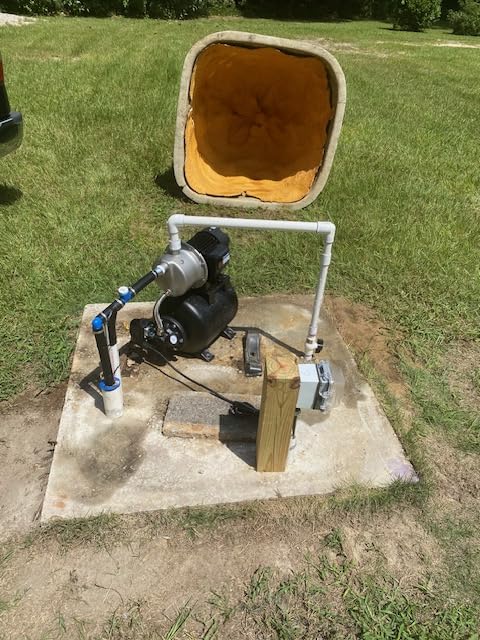
This is not a whole-home supply pump and we want to be clear about that. It is a booster and irrigation pump: a 1.6 HP capacitor motor with a durable impeller, rated to suction 26 feet, move up to 1340 gallons per hour and reach a maximum head of 164 feet. It exists to push water through sprinklers, a pond feed or a garden line, not to serve a house as the primary source.
What makes it convenient is that the whole system arrives in one package. The compact 5 gallon pressure tank, the gauge, the waterproof on/off switch, garden hose adapters and PTFE tape are all included, and the unit is factory pre-assembled. The pressure switch starts at 20 PSI and shuts off at 40 PSI, so it boosts hands-free rather than needing a manual valve.
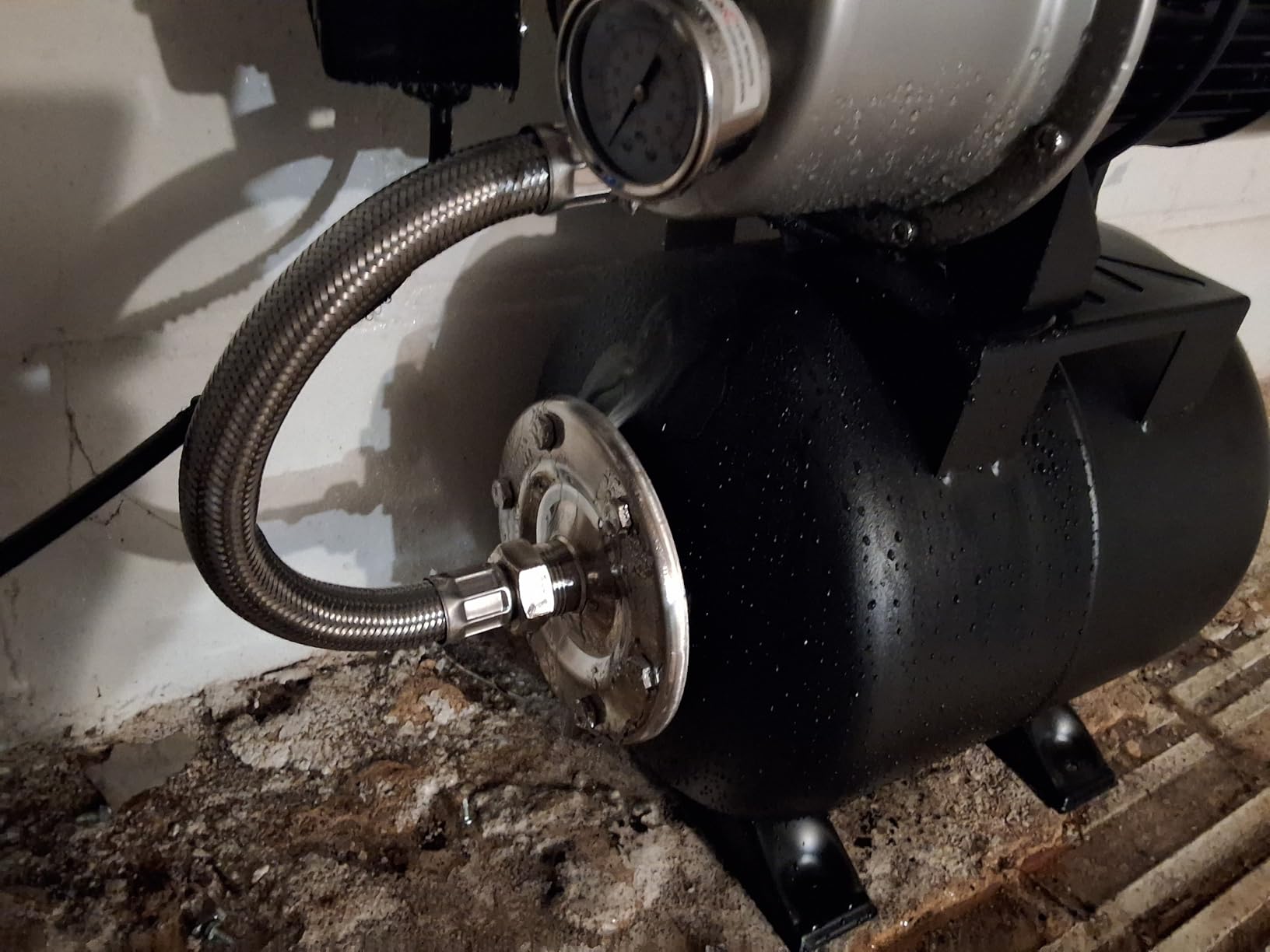
Owners like the stainless steel housing in an outdoor or damp location and report quiet running. The temperature-sensing overload stops the motor if it runs hot, and the carbon ceramic mechanical seal is a sensible choice on a pump that will sit wet most of its life. The short 6.5 foot UL cord is the one real weakness for installations where the pump sits further from an outlet.
Two constraints worth respecting. It has to be primed before startup and it cannot be allowed to freeze, which matters in any climate with a real winter. And the 40 PSI cut-off is fixed, so if you are trying to pair it with a fixture that wants more than 40 PSI, this is the wrong pump.
Where this pump earns its place
It works well as a booster downstream of an existing supply, or as a dedicated irrigation pump on a property where the main well pump is already doing the household work. The included tank and switch mean you can add automatic watering without wiring a control panel.
The 1320 GPH rating also translates usefully for irrigation planning. At that rate, roughly 11 gallons a minute, it will run a couple of zones sequentially rather than a whole large lawn at once, which is how these pumps are normally used.
Who should skip this pump
Skip it if this is meant to be your primary household supply. It has no potable certification listed and its duty is boosting, not sustained whole-home draw. Use one of the submersibles earlier in this list for that job.
Skip it if the pump will be outdoors in a freezing climate without a heated enclosure. Skip it too if you need cut-out pressure above 40 PSI, since that setting is fixed rather than adjustable.
8. Hallmark MA0459X-14A: The Best Pump for Narrow 3 Inch Casings
Hallmark Industries MA0459X-14A Deep Well Pump, 3″ (3.3 Max), 3/4 HP, 230V/60Hz/1Ph, 14 Stage, 270′ Head, 13 GPM, 1″Npt, Stainless Steel Shell
Flow: 13 GPM
Motor: 3/4 HP 230V
14 stage, 270 ft head
3 in body
Pros
- Slim 3 in diameter fits casings where larger pumps cannot go
- 270 ft rated head and 13 GPM max flow
- Quiet enough to be inaudible from inside the house
- Lightweight stainless steel shell is easy to handle
- Ships with pump and motor sections that bolt together
Cons
- Arrives in two pieces and may need thread-locking compound
- Instructions are confusing and the wiring diagram conflicts
This is the retrofit pump. At 3 inches on the body, 3.3 inches at maximum, it fits a 4 inch casing that has mineral or iron buildup on the walls, or a narrow 3 inch casing outright, where a 4 inch pump simply will not go down. Owners replacing jet pumps report noticeably better pressure and volume after the swap.
Behind that slim body is a serious 14-stage unit rated to 270 feet of head at 13 gallons per minute on 3/4 HP and 230 volts. Owners report it is inaudible from inside the house, that the stainless shell is light enough to handle comfortably, and that Hallmark sales staff answer technical questions directly. Several report four or more years of reliable service.
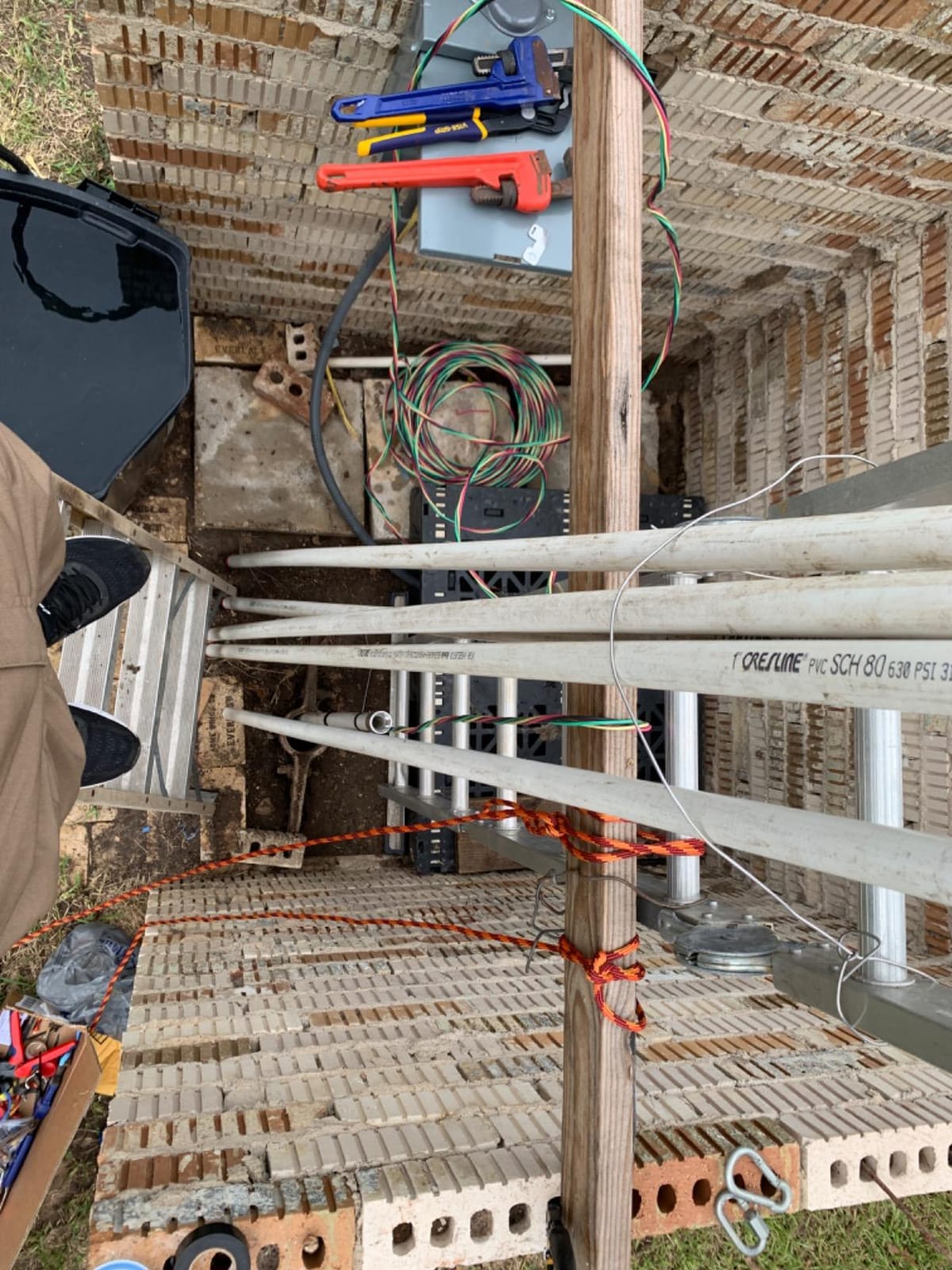
The assembly is the friction point. It arrives as separate pump and motor sections that bolt together, and some owners needed thread-locking compound to hold the joint, so budget for a small tube of it before you are standing in the well head. The documentation is also inconsistent: at least one owner found a wiring diagram printed on the motor that contradicted the manual in the box.
Because it is 230 volt, it shares the same electrical considerations as the 2 HP unit, which means a 220 volt supply and heavier conductor. For a retrofit where the wiring is already in place that is usually fine, but confirm before ordering.
When you actually need this size
You need it when the casing will not take a full-size pump. That happens with older 4 inch plastic casing that has scaled up, with 3 inch casing, and with wells where the driller logged a tighter bore than the nominal size suggests. Measure the inside of the casing at a few depths before you order.
It is also a sensible choice for a smaller household on a deep well, because 13 gallons per minute is ample for one or two fixtures and 270 feet of head covers a great deal of depth. The slim body also means less flow obstruction in a tight casing, which matters in exactly the situations where you need it.
Who should skip this pump
Skip it if you need serious whole-home flow. Thirteen gallons per minute is a modest figure, and pushing a large household toward it will leave you short whenever two fixtures run together.
Skip it if you want a one-piece install with minimal assembly. The two-section build is the main reason the rating is strong but the installation notes are not, and if you dislike field assembly, pick a one-piece submersible instead.
9. Goulds J10S: The Best Premium Jet Pump for Whole-Home Shallow Supply

Goulds J10S Shallow Well Jet Pump
Flow: 25 GPM
Motor: 1 HP
115/230V
UL778 listed
NEMA standard
Pros
- Step-up pressure that installers and owners notice
- NEMA standard 1 HP 115/230 V capacitor start at 3500 RPM
- Stainless steel shaft with built-in automatic reset overload
- Primes easily even with a mostly empty deep drop line
- Pressure regulator and 30-50 PSI switch included
Cons
- Most expensive pump in this roundup
- A check valve between pump and tank causes rapid short cycling
- One unit arrived with a damaged pressure control switch
- Manual covers basic install only
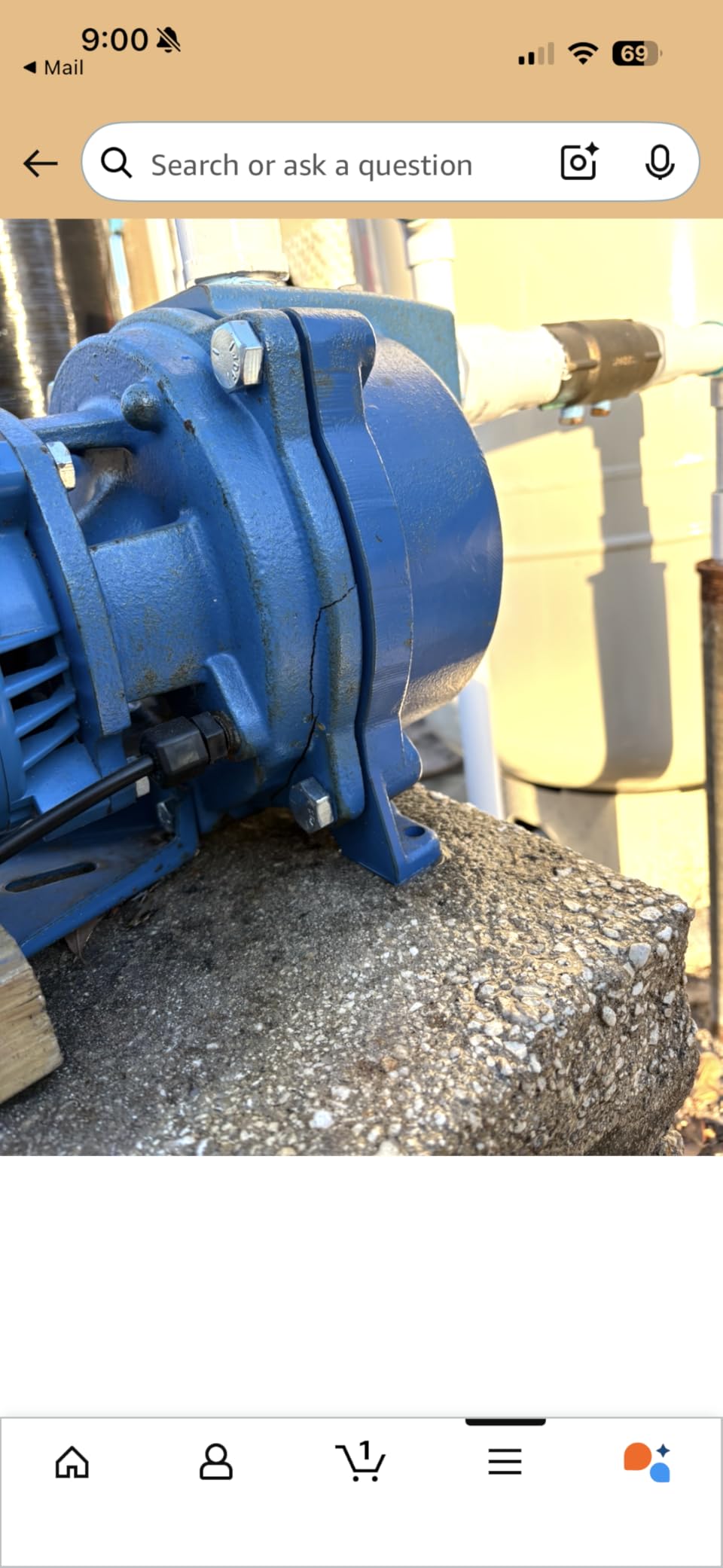
The J10S is the full-size version of the premium shallow well jet, and it is aimed at homes, cottages and booster service rather than small cabins. One horsepower, 25 gallons per minute, 115/230 volt capacitor start, 3500 RPM, a stainless steel shaft and a built-in overload that resets automatically. Like the J5S, it is UL778 listed.
Owners consistently describe the pressure as a step up from budget pumps, and it primes easily even against a mostly empty 200 foot drop line, which is not a given on a 1 HP jet. The longevity evidence is the strongest in this roundup: one owner replaced an identical earlier unit after 16 years of service, and that figure is the benchmark the category is measured against.
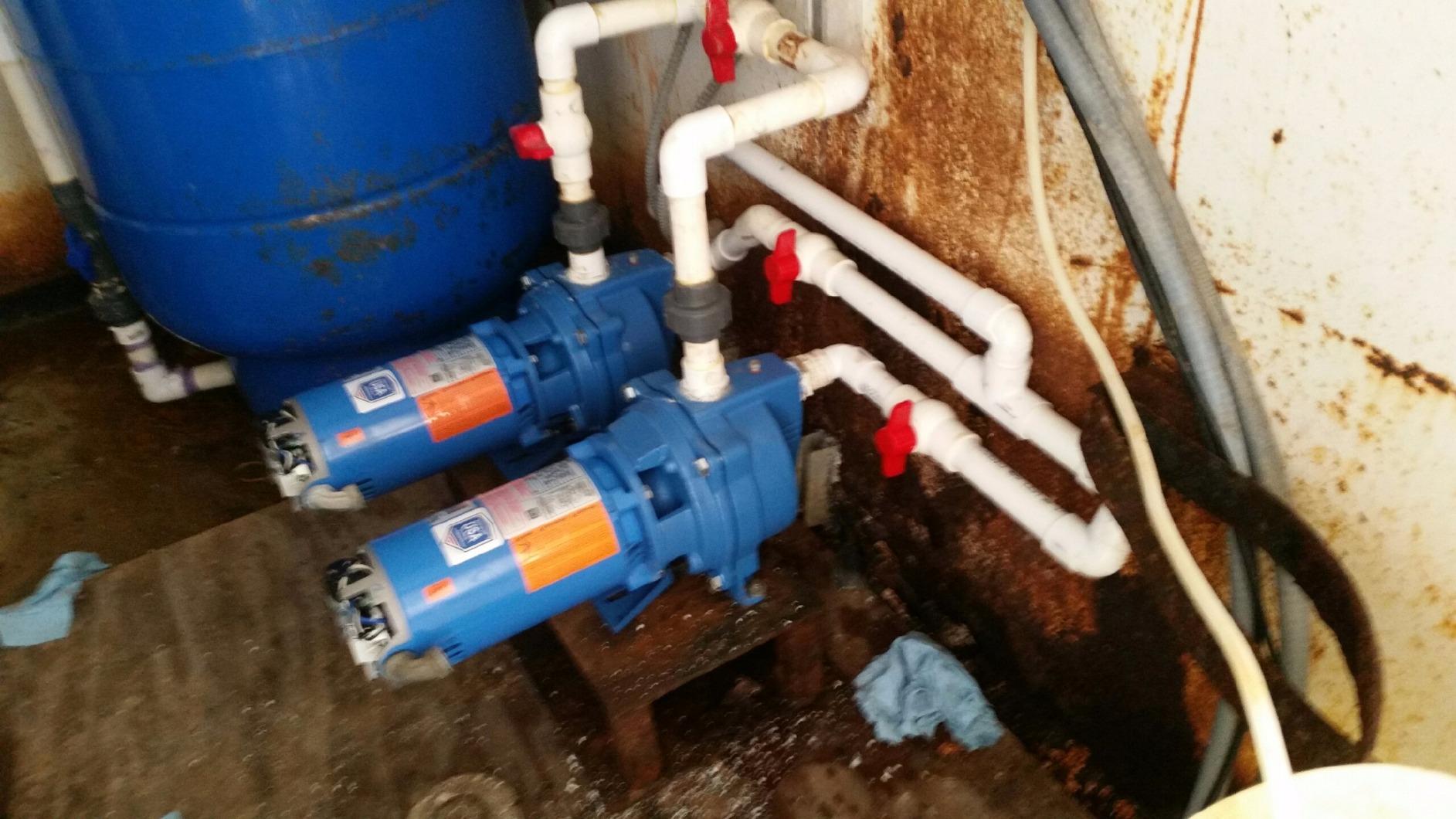
Installation nuance dominates the negative feedback, and the main trap is specific. Mounting a check valve between the pump and the pressure tank causes rapid on and off cycling, which is exactly the failure mode that destroys tank bladders and switch contacts. One unit also arrived with a damaged pressure control switch that had to be replaced.
Then there is the cost, which is the highest of any pump here, and the manual, which covers basic installation and omits the system configurations you are most likely to need. Plan to work from your own plumbing layout rather than expecting the documentation to walk you through it.
Why an owner would pay for this tier
Because the total cost of ownership flips at some point. A pump that fails at year four means a pull, a new pump, new wire and a tank that has been worn out by cycling. A pump that holds for sixteen years amortises all of that across a very long horizon.
The pressure difference is felt, too. On a large home with two full bathrooms and a laundry, the difference between 25 gallons per minute at a firm pressure and a pump that sags when a shower starts is the difference between a house you enjoy and a house you tolerate.
Who should skip this pump
Skip it on a shallow well with a small household, where the premium buys very little and the money is better spent on a pressure tank. Skip it if your well is deeper than 25 feet, because no jet pump reaches past that.
Skip it if you want simple future repairs. This is the least repairable choice in the roundup by design, and owners doing their own work for two decades will often be better served by a three-wire submersible they can swap without a truck on site.
10. WASSERMANN 4TMS: The Best Pump for Septic, Cistern and Effluent Duty
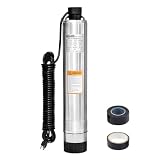
WASSERMANN 4″ Septic Pump Submersible Effluent/Cistern Bottom Suction Pump with 33FT Cable,1/2HP,115V/60HZ,26GPM,138FT Head,Stainless Steel Deep Well Pump for Septic Tank Home
Flow: 26 GPM
Motor: 1/2 HP 115V
138 ft head
4 in casing fit
Pros
- Rated 26 GPM and 138 ft head on a half-horsepower motor
- Hermetically sealed and thermally protected capacitor-start motor
- Stainless steel body with filtration mesh
- 33 ft cable included
- Compatible with steel
- ash or soil wells
Cons
- Designed primarily for effluent and cistern duty
- not whole-home supply
- A couple of models failed within about two months
- Some failures land past the return window
This pump earns its place for the jobs most household lists forget. It is a 4 inch stainless steel submersible rated at 26 gallons per minute and 138 feet of head on a half-horsepower 115 volt motor, with a hermetically sealed, thermally protected capacitor-start motor and a stainless mesh screen at the intake. It fits 4 inch casings and larger, with a 1-1/4 inch FNPT outlet.
Owners report it outperforming a comparable jet pump in a well as shallow as 18 feet, and holding 40 to 60 PSI across every station of a nine-station irrigation system. It also runs quiet with low power consumption in gray water and effluent tank duty, and it is compatible with steel, ash or soil wells using steel, hose or plastic pipe. For a septic or cistern application, the cost comparison against hiring a service business is very lopsided in its favour.
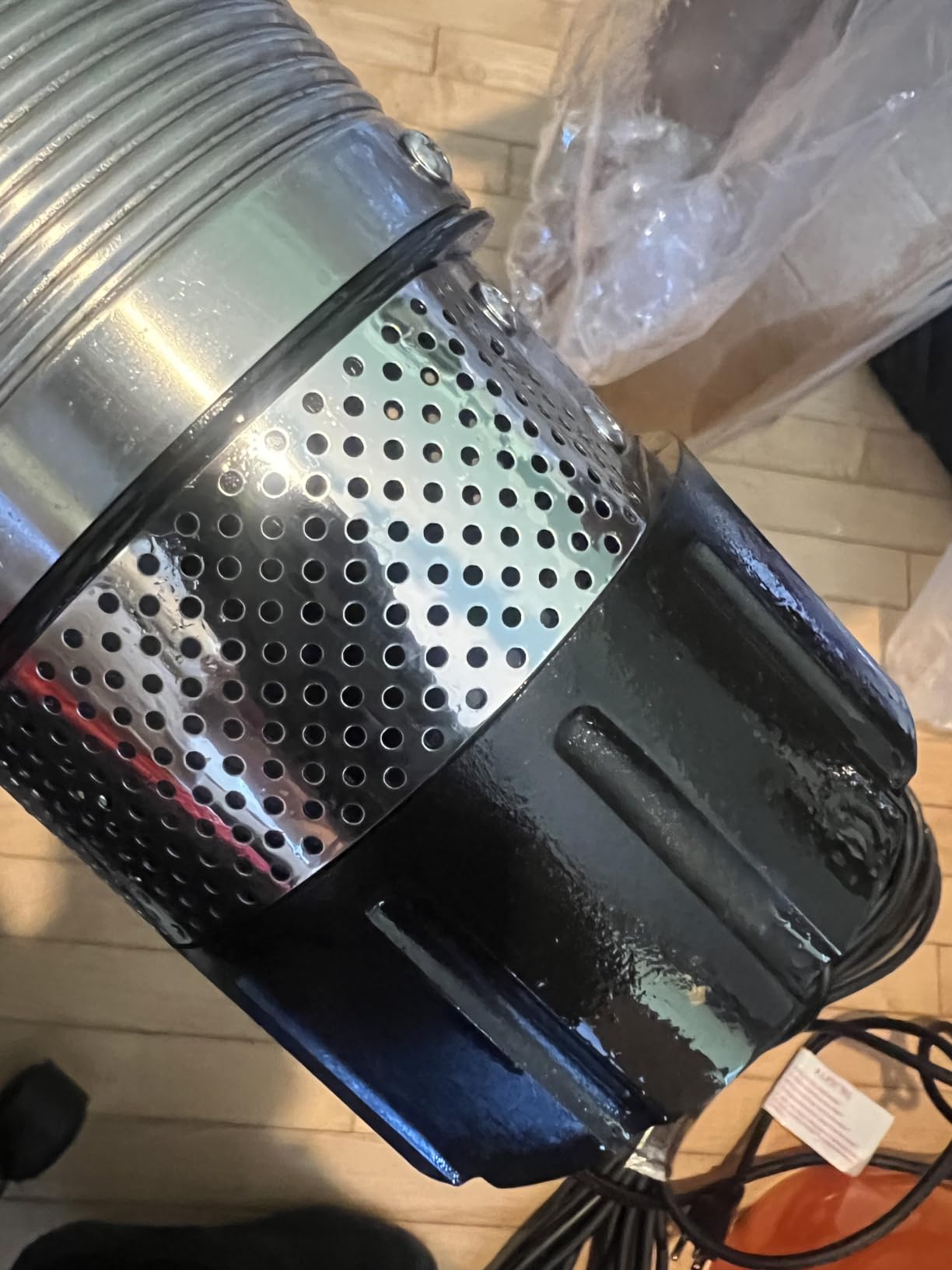
The honest framing is that this is an effluent and cistern bottom-suction pump with deep well capability, not a primary household supply pump. If you are replacing the main pump for a house, the 1 HP Hallmark or the VEVOR is the correct comparison. If you are pumping a septic tank, a fish pond, a fountain reservoir or animal watering troughs, this is exactly the right shape of product.
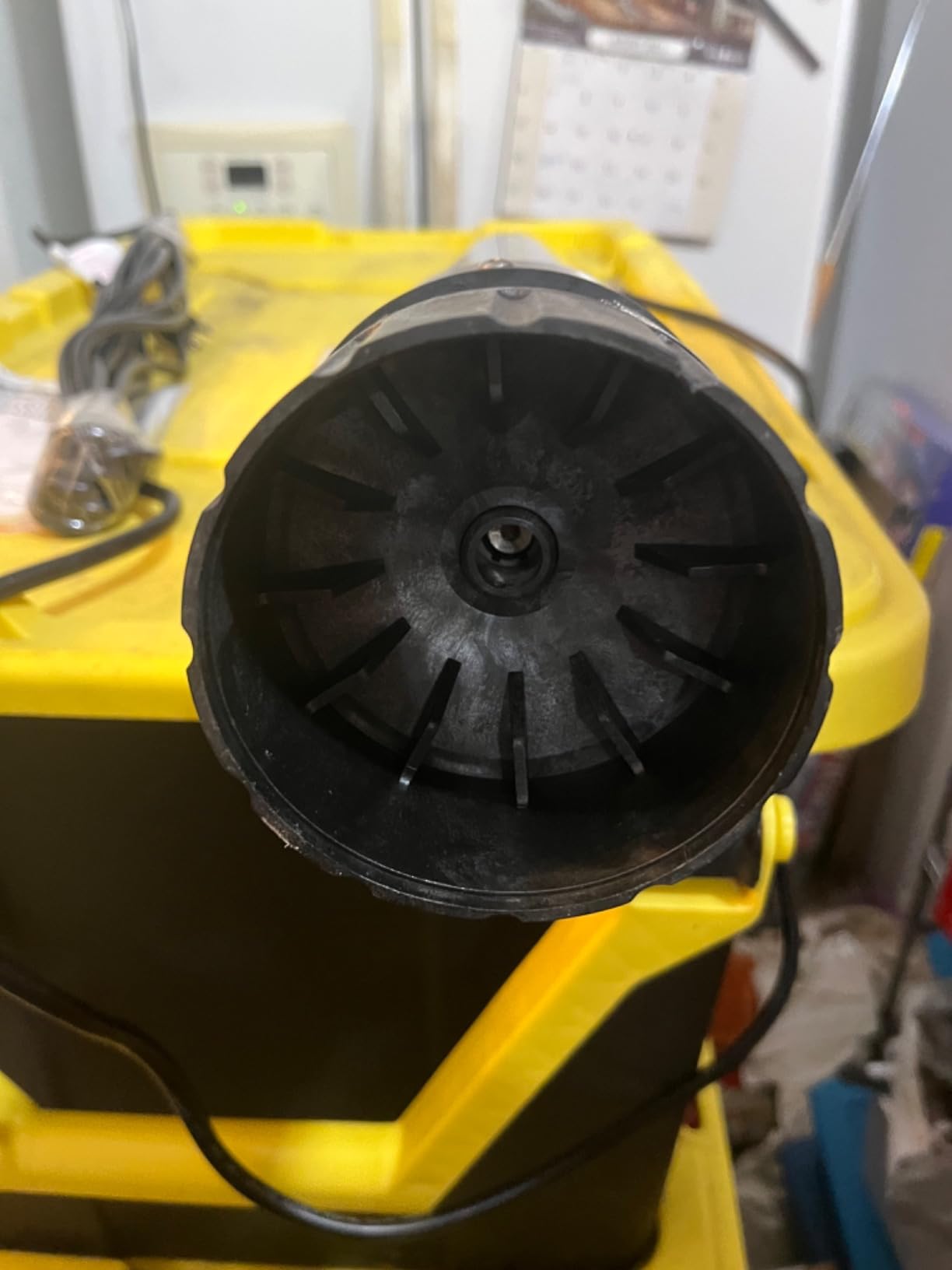
Reliability is the other consideration. A couple of owners reported failures within about two months, one traced to water getting in at the motor cable seal, and some of those failures land past the return window. The 33 ft cable is included, but it is light gauge like every other lead in this roundup, so treat splicing as part of the job rather than an option.
Where it outperforms the household pumps here
On shallow wells it beats a jet pump on flow per watt, and owners confirm it with an 18 foot installation. In irrigation it holds pressure across many zones, which is the actual requirement for a lawn system rather than peak household demand.
It also works with soil wells, which matters for anyone on older groundwater supplies where plastic casing is not a given. The hermetically sealed motor and the low power draw make it practical on a modest electrical supply, and it is compatible with plastic pipe as well as steel and hose.
Who should skip this pump
Skip it as your main whole-home supply pump. It is designed for effluent, cistern and boosting duty, and it carries no potable certification in the data we reviewed, which matters if it is going into your drinking water line.
Skip it if you have granular sediment in the water without treating it first. Owners are told to add gauze to the mesh for wells with sediment, and untreated sand is the fastest way to wear a stage stack. If you are seeing sand, solve that before you buy any pump.
How to Size a Well Pump Without Guessing
Size a pump in three steps: work out the total dynamic head, pick horsepower from that number, then match flow to how much water your household actually uses. Brands and prices come last, and reversing that order is how people end up with a 2 HP pump in a 25 foot well.
Step 1: Work out your total dynamic head
Total dynamic head, or TDH, is the total vertical distance the pump has to push water. Add the vertical distance from the water’s resting surface to the pump, add the distance from the pump to the pressure switch, and add the pressure the switch demands expressed as feet of water. That last part is where most people get lost, and the conversion is simple: multiply the switch pressure in PSI by 2.31 to get feet of head.
So a 50 PSI switch adds 115 feet of head. A pump sitting 120 feet below the surface with a 50 PSI switch is working against roughly 235 feet of head before the piping losses, which is the number your pump curve has to satisfy. This is also how you find out how deep your well is if nobody recorded it, because you drop a weighted tape down the casing and read the static level off it.
Two corrections to the raw number. Set the pump above the deepest drawdown level, not above the static level, or it will suck air. And subtract 10 feet or so from the depth to leave a safety margin, because drawdown is deeper in a dry year than in a wet one.
Step 2: Pick horsepower from depth and demand
As a working rule, half horsepower covers wells to about 100 feet, 1 HP covers roughly 100 to 200 feet, and 2 HP is for 200 feet and beyond. The rule is crude because impeller count matters more than the label, and each stage adds roughly 30 to 40 feet of head, so a many-stage small motor can out-lift a larger single-stage unit.
What the horsepower number cannot do is fix a pump that is too big. An oversized pump delivers more flow than the casing can supply, cycles constantly against the pressure switch, wears the switch contacts and chews the bladder in the pressure tank. Owners with a ten-year-old tank and a new pump report service lives of two to five years instead of fifteen, and the tank is the reason.
Step 3: Match flow to how much water you use
The simple method is roughly 1 gallon per minute per fixture, so a three bedroom, two bathroom home lands around 8 to 10 GPM of steady demand. Peak matters more than steady, and a house where a shower, a washing machine and a dishwasher run together needs headroom above that number.
Above-ground jet pumps deliver more flow per horsepower than submersibles, which is why a 3/4 HP Red Lion can serve a whole house while a 1 HP submersible may serve the same house more slowly. Submersibles trade flow for the ability to go deep, and that is a good trade when the well is deep.
Wire gauge and voltage drop cause most deep-well failures
Undersized well wire is the leading cause of motor burnout on deep wells. Voltage drop starves the motor, it runs hot, and it dies, and the same wire that is fine at 100 feet is inadequate at 300. The general guide is 8 AWG at around 300 feet and 6 AWG from 500 to 700 feet, with the goal of keeping voltage drop under 3 percent.
Most pumps in this roundup arrive with light-gauge leads and a cord of 30 to 33 feet, so splicing is normal rather than exceptional. A splice kit is included with the Hallmark units and with the VEVOR as a family option, and a proper brass or heat-shrink splice is the single most failure-prone joint in the whole system. The ground conductor is the one people undersize, so do not repeat that shortcut.
Two wire or three wire, and why it matters
Two-wire submersibles have the capacitor and control circuitry built into the pump, so they need no control box and are simpler to install. Three-wire units send all three conductors up to a control box that holds the capacitor, which is more hardware but also more serviceable, because a failed capacitor can be replaced at the surface instead of pulling the pump.
Drilling communities consistently favour three-wire units for exactly that reason, and they call serviceability more important than installation simplicity. If you plan to do your own repairs over a decade, a three-wire unit is the better long-term buy even though the install takes longer.
Jet pump or submersible, and which architecture fits
Shallow well jet pumps sit above ground and pull water up through a suction pipe, using a venturi jet to create the suction. Atmospheric pressure caps that lift at about 25 feet, which is the hard limit of the architecture. Convertible jets add a foot valve and ejector assembly to reach roughly 90 feet in a two-pipe arrangement.
Submersibles sit inside the casing and push water up rather than pulling it, so depth stops being a physical limit and only becomes an electrical one. The trade is serviceability: a jet pump can be repaired in place, while a submersible has to be pulled with a truck or a hoist, and at depth that pull costs more than the pump.
The accessories you have to buy separately
Most pumps in this roundup do not include everything the installation needs, and this is where the real budget surprise lives. A submersible install typically requires a foot valve or a check valve, a splice kit if the cord is being extended, submersible-rated wire in the correct gauge, a pressure switch if the pump does not include one, and often a control box for a three-wire unit.
Add a pressure tank, and check the age of the one you already have. If it is more than ten years old or has lost its air charge, replace it in the same visit. A new pump cycling against a dead tank is a short-lived pump and a ruined switch, and no pump on this list fixes that. The jet pumps above include a switch and gauge, which is one reason they are worth comparing on total cost rather than entry price.
How long a well pump lasts
A submersible pump typically lasts 10 to 25 years, and a jet pump typically lasts 10 to 15 years. Those are wide ranges because the variables that move you within them are large. Sand, iron bacteria and heavy mineral scaling cut life dramatically, as does continuous short cycling from an undersized tank or an oversized pump.
Water quality is the factor people underweight. If your well produces sand, the impeller stages erode and the pump loses flow well before it fails outright, and a screen helps only so much. If your water is heavily mineralized, scaling narrows the passages and stresses the mechanical seal. Treating the water protects the pump as much as it protects the fixtures, and our filter system roundup covers the treatment side of that problem.
Electrical discipline is the other half. Correct wire gauge, a sound splice, and a pressure tank that holds its air charge will each add years. The pumps that burn out early almost always share a cause, and it is usually the wire rather than the motor.
Frequently Asked Questions
How long does the average well pump last?
A submersible well pump typically lasts 10 to 25 years and a jet pump 10 to 15 years. Sand, iron bacteria, heavy mineral scaling and constant short cycling all shorten that life, while correct wire gauge and a pressure tank that holds its air charge extend it.
What is a good HP for a well pump?
As a working rule, 1/2 HP covers wells to about 100 feet, 1 HP covers roughly 100 to 200 feet, and 2 HP is for 200 feet and beyond. Impeller stage count matters more than the label, since each stage adds roughly 30 to 40 feet of head.
Should I buy a submersible or a shallow well jet pump?
A shallow well jet pump sits above ground and can lift only about 25 feet, so it suits a shallow well and stays serviceable without a pull. A submersible sits inside the casing and pushes water up, which removes the depth limit but means a deeper pump must be lifted out to service.
What is the common problem of submersible pumps?
The most common problems are motor burnout from undersized well wire, air-locking when a built-in check valve sticks, and short cycling against a pressure tank that has lost its air charge. Thin lead wires and short supplied cords on new pumps cause much of the first problem.
What is better, a 2 or 3 wire submersible well pump?
A 2-wire submersible has the capacitor and control circuitry built in, so it needs no control box and is simpler to install. A 3-wire unit uses a control box at the surface, which is more hardware but lets you replace a failed capacitor without pulling the pump, so it is more serviceable over a long ownership period.
How do I know how deep my well is?
Drop a weighted tape or a marked cable down the casing and read the static water level directly, leaving the tape attached at the static level as a reference. If nobody has measured it, the pump and pressure switch together tell you: multiply the switch pressure in PSI by 2.31 to get feet of head and add the depth below the pump.
Can I install a submersible well pump myself?
Swapping a submersible in an existing casing is a realistic job for a careful homeowner, provided the power is off at the breaker, you never handle the pump while it is energized, and you use a proper splice kit in submersible-rated wire. A first-time install, a new casing or a deep pull is better handled by a licensed pump contractor.
Which Well Pump Should You Buy?
If your well sits under about 150 feet and serves a normal household, the Hallmark MA0414X-7 is the pick: 33 gallons per minute, 207 feet of rated head, 115 volts, and the largest installed base of any pump we covered. If your well is shallower than 25 feet and you want everything in one box, the Red Lion RJS-75-PREM includes its switch and gauge and comes with a three-year warranty.
If your well runs deep, the Hallmark MA0419X-12A reaches 420 feet and moves 35 gallons per minute, provided you have a 220 volt supply. If you are not sure whether the well is 20 feet or 70 feet, the Acquaer convertible jet handles both, and the Aquastrong booster is the right answer when the job is the lawn rather than the house.
Whichever one you pick, measure your static level and pumping level first, budget for the check valve, the splice kit and the heavy-gauge wire, and check the age of your pressure tank. That is the shortest path through the best well pumps for home water systems in 2026, and the one most likely to keep the pump running for the full life the manufacturer rates it for.