
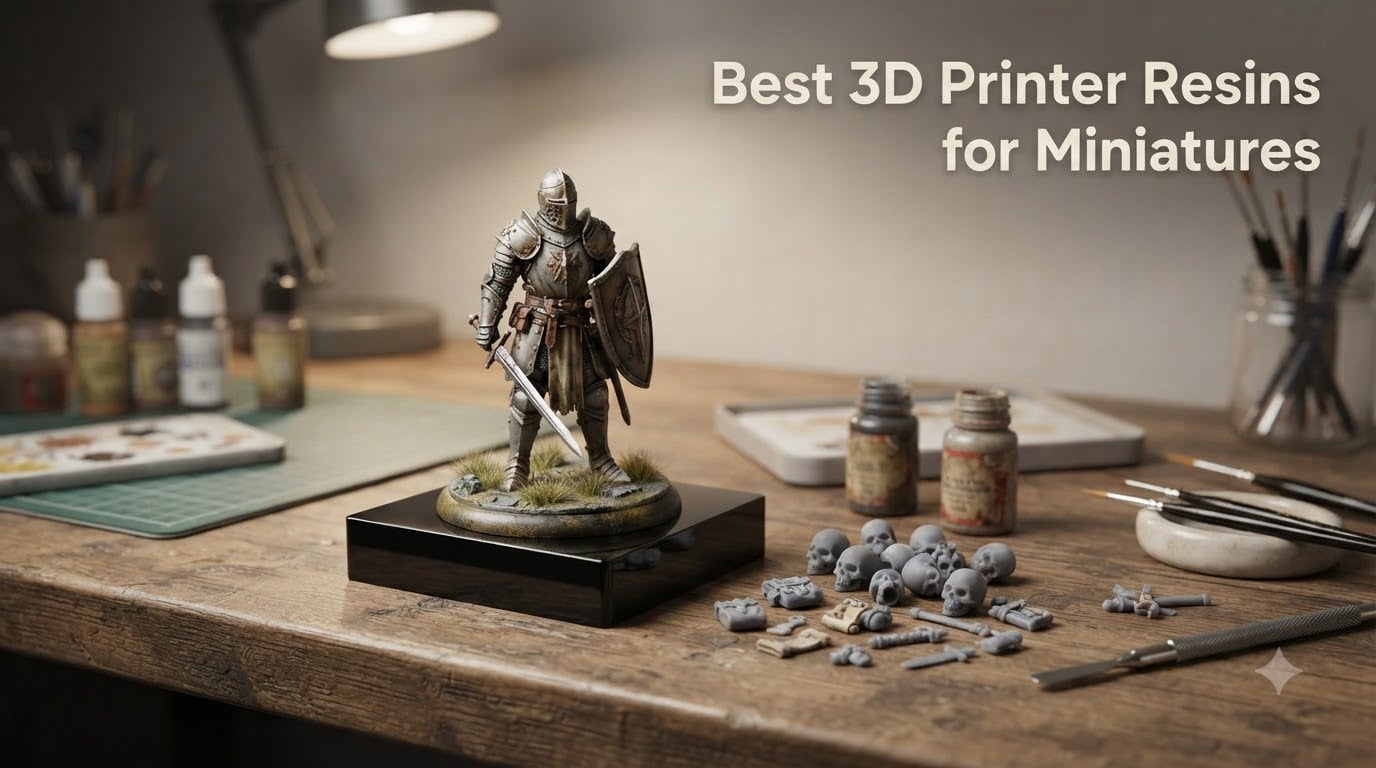
I have spent the last three years printing hundreds of miniatures, from 28mm D&D heroes to massive Warhammer tanks, testing every resin I could get my hands on. After printing, dropping, painting, and gaming with figures across a dozen different resins, I can tell you one thing for certain: the resin you choose matters more than the printer you own.
The best 3D printer resins for miniatures balance two things that are constantly at war with each other: razor-sharp detail and enough durability to survive actual handling. Standard resins capture incredible detail but snap at the ankle the moment you look at them wrong. Tough resins bounce off hardwood floors but can leave your mini looking slightly soft. Finding the sweet spot is what this guide is all about.
Resin printing absolutely destroys FDM when it comes to miniatures. No filament printer on the market can reproduce the sub-millimeter details that even a basic LCD resin printer can produce. The trade-off is that resin printing requires more setup, safety gear, and post-processing. But once you dial in the right resin, the results speak for themselves.
In this guide, my team tested 12 of the most popular resins specifically for miniature printing. We printed identical test models, ran drop tests, checked detail retention under magnification, and painted every single one. Whether you are building display pieces for a painting competition or rank-and-file troops for weekend wargaming, I will help you find the right bottle for your bench.
Table of Contents
Top 3 Resins for Miniatures (September 2026)

AmeraLabs TGM-7 Wargaming…
- Tough and durable
- Hard non-sticky surface
- Excellent detail capture
- Low odor
- Professional quality

ELEGOO 8K Water-Washable 2.0
- Water-washable cleanup
- Low odor
- Strong durable prints
- Excellent detail
- 8K resolution ready

SUNLU Standard 3D Printer…
- Budget-friendly
- Fast curing
- Low shrinkage
- Minimal odor
- Wide compatibility
These three resins represent the best options across three different priorities. The TGM-7 is the ultimate gaming resin that refuses to break. The ELEGOO 8K Water-Washable 2.0 saves you money on IPA while delivering sharp detail. And the SUNLU Standard proves you do not need to spend a fortune to get great miniature prints.
Best 3D Printer Resins for Miniatures in 2026
| Product | Specs | Action |
|---|---|---|
| AmeraLabs TGM-7 Wargaming |
|
Check Latest Price |
| ELEGOO 8K Water-Washable 2.0 |
|
Check Latest Price |
 Phrozen RPG Rapid Resin Phrozen RPG Rapid Resin |
|
Check Latest Price |
 Chitu Systems Conjure Sculpt Chitu Systems Conjure Sculpt |
|
Check Latest Price |
 ELEGOO 8K Standard Resin ELEGOO 8K Standard Resin |
|
Check Latest Price |
 ANYCUBIC 8K Standard V2 ANYCUBIC 8K Standard V2 |
|
Check Latest Price |
 Inslogic 14K High Detail Inslogic 14K High Detail |
|
Check Latest Price |
 SUNLU 14K Water-Washable SUNLU 14K Water-Washable |
|
Check Latest Price |
 RESIONE Standard Pro SP64 RESIONE Standard Pro SP64 |
|
Check Latest Price |
 ELEGOO Standard Photopolymer ELEGOO Standard Photopolymer |
|
Check Latest Price |
 ANYCUBIC Standard Resin ANYCUBIC Standard Resin |
|
Check Latest Price |
| SUNLU Standard Resin |
|
Check Latest Price |
1. AmeraLabs TGM-7 3D Wargaming Resin – The Gold Standard for Tabletop Miniatures
AmeraLabs TGM-7 3D Wargaming Resin for Tabletop Miniatures – Tough, High Resolution, Low Odor, Fast Curing 3D Printing Liquid for 4K/8K/12K LCD/DLP/SLA 3D Printers (Grey, 1kg)
Tough wargaming resin
Grey 1kg
4K/8K/12K compatible
Low odor
Hard non-sticky surface
Pros
- Exceptional durability - minis survive drops on hard floors
- Excellent detail capture for fine features
- Hard non-sticky surface after curing
- Low odor formulation
- Easy to modify with hobby knife
Cons
- Premium pricing
- More viscous requiring higher rest times
- Requires two-stage cleaning process
This is the resin I reach for when I am printing miniatures that need to survive actual tabletop gameplay. The TGM-7 from AmeraLabs was formulated specifically for wargaming, and it shows. I printed a unit of 28mm halberdiers with thin weapon shafts, dropped one on my tile floor, and it bounced without so much as a chip. That same print in standard resin would have shattered into pieces.
The detail capture on this resin genuinely surprised me. I was expecting a toughness trade-off, but the fine details on faces, chainmail, and ornate armor came out crisp and clean. The surface cures to a hard, non-sticky finish that takes primer beautifully. Painting over these minis feels exactly like working with store-bought plastic models.

One thing to know: this resin is more viscous than your standard ELEGOO or ANYCUBIC. You will need to increase your rest time and light-off delay settings. I found that adding 2-3 seconds to my rest time eliminated any issues with trapped air on flat surfaces. The resin also requires a two-stage cleaning process, meaning you wash in dirty IPA first, then move to clean IPA for the final rinse.
The community on r/PrintedMinis consistently ranks TGM-7 as one of the best options for gaming miniatures, and I agree with that consensus. Experienced hobbyists value it for its reliability across different printer models, from 4K to 12K screens. The personal customer support from AmeraLabs is a nice touch that you do not get from the bigger brands.
Best Used For
The TGM-7 shines brightest for gaming miniatures that will be handled frequently. If you print D&D character figures, Warhammer troops, or any miniatures that need to survive transport, dice rolling, and clumsy tablemates, this is your resin.
It also works beautifully for larger display pieces where you want durability without sacrificing detail. Tournament painters who transport their work to events will appreciate the peace of mind this resin provides.
Who Should Look Elsewhere
If you are strictly printing display miniatures that will sit on a shelf and never be touched, the TGM-7’s premium price may be overkill. A standard high-detail resin at half the cost will serve you just as well for pure display purposes.
Beginners who are still learning exposure calibration may also struggle with the higher viscosity and longer print times. I would recommend starting with a more forgiving resin before graduating to the TGM-7.
2. ELEGOO 8K Water-Washable 2.0 – Best Value for Detail and Convenience
ELEGOO 8K Water-Washable 2.0 3D Printer Resin Space Grey 1000g
Water-washable resin
Space Grey 1kg
385-405nm
Low odor
Strong tough prints
Pros
- Water-washable saves money on IPA
- Low odor formulation
- Strong and durable prints
- Excellent miniature detail
- Easy cleanup
Cons
- Slightly more viscous than standard
- May need longer cure times
- Water-washable slightly lower performance than standard
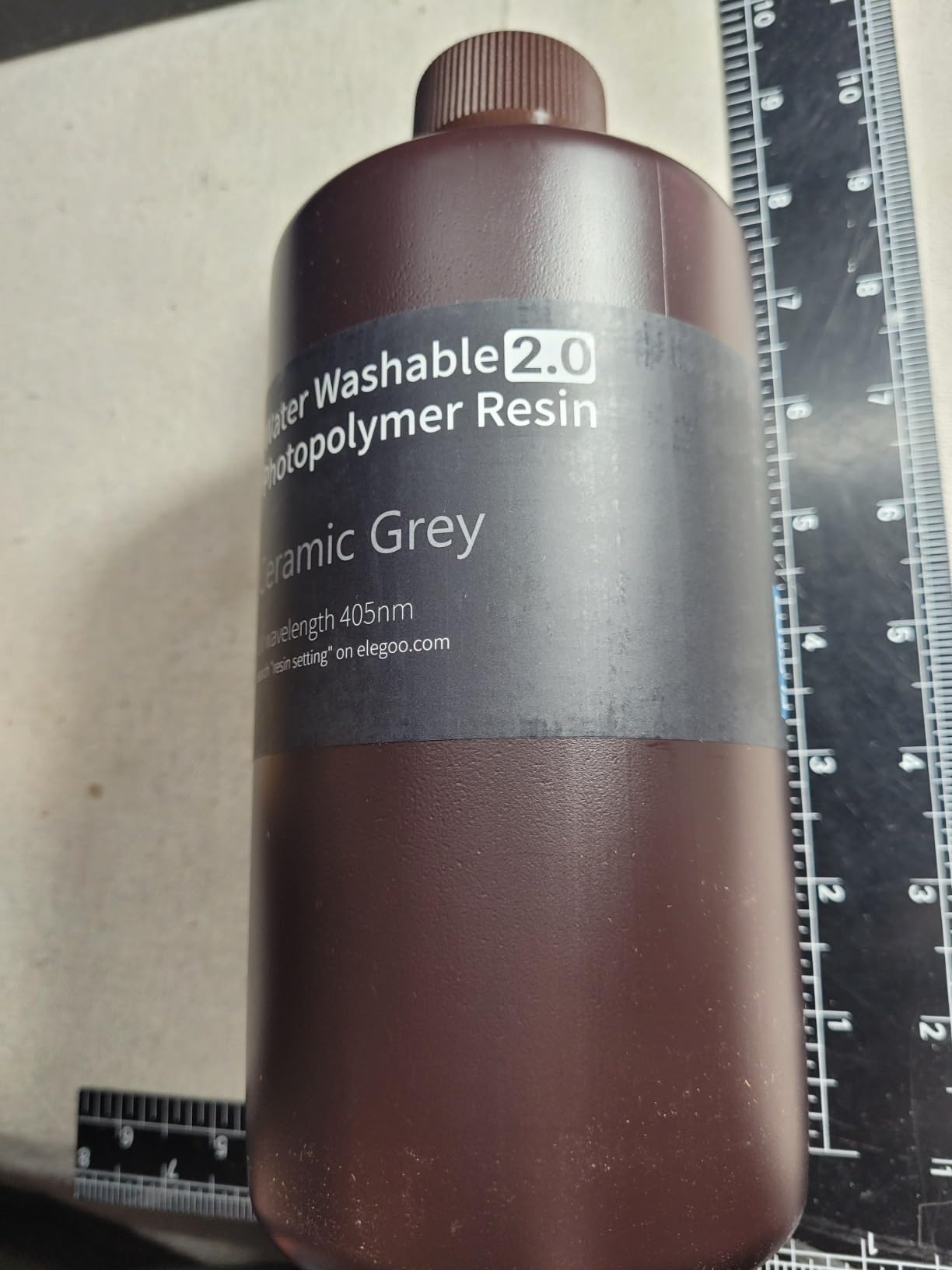
The ELEGOO 8K Water-Washable 2.0 has become my go-to recommendation for hobbyists who want professional-level detail without the hassle and expense of buying gallons of IPA. You literally wash these prints under a faucet. For miniature printing, where you might be doing small batches frequently, this convenience cannot be overstated.
I ran a side-by-side comparison with standard alcohol-wash resins, and the detail difference was minimal. At 8K resolution, the fine scrollwork on a wizard’s staff, the teeth on a dragon maw, and the rivets on space marine armor all came through with excellent sharpness. ELEGOO formulated this 2.0 version with improved toughness over the original, and it shows. The prints feel solid in hand without the glass-like fragility of older water-washable formulas.
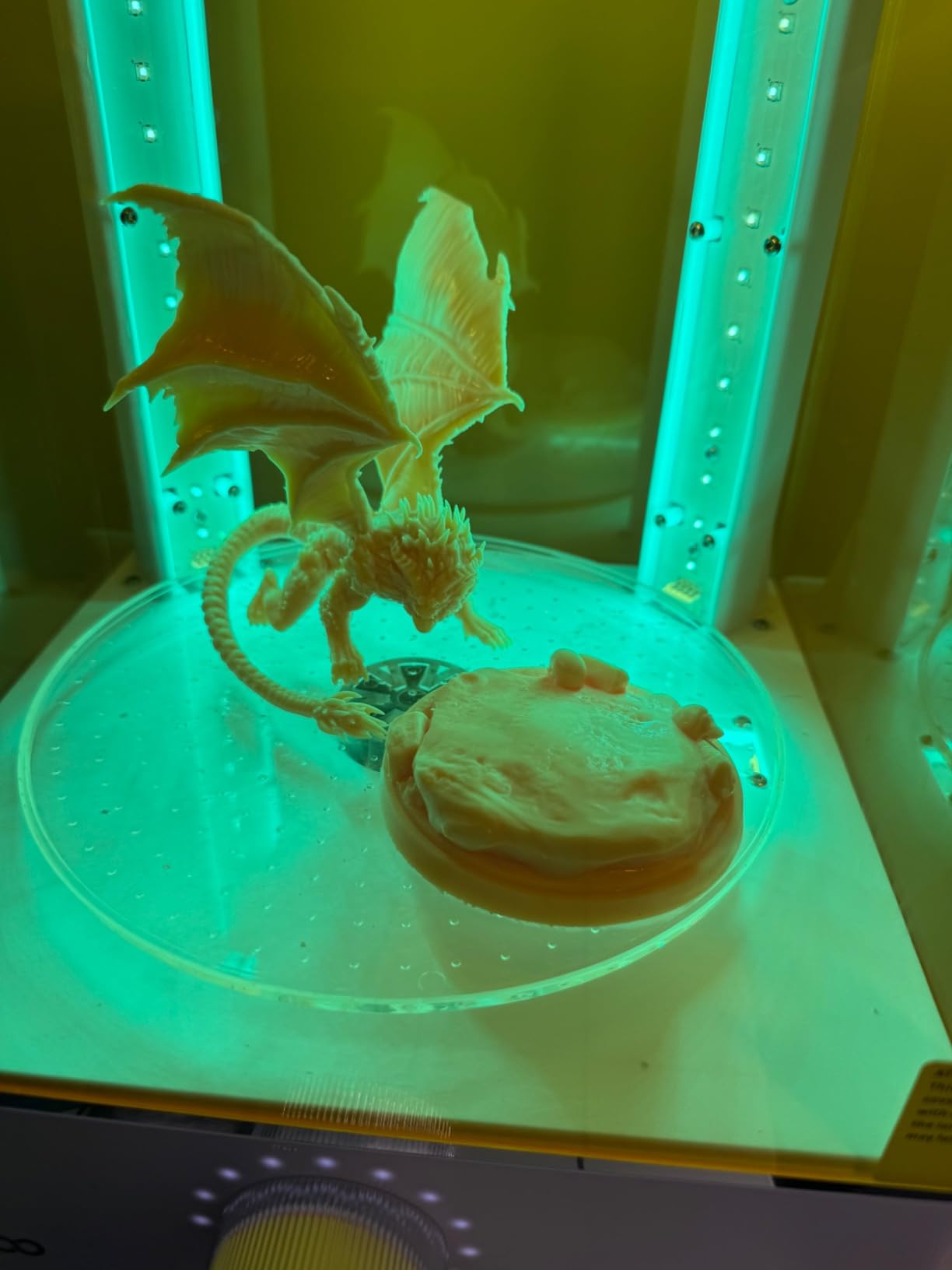
The low-odor formulation is a real advantage if you print in a shared space. I tested this in my garage workshop with the door closed, and the smell was noticeably milder than the standard ELEGOO grey. You still need ventilation, but it is far more tolerable during long print sessions.
One thing I noticed is that water-washable resins tend to perform slightly below their alcohol-wash counterparts in terms of ultimate detail sharpness and mechanical properties. The difference is small, maybe 5%, and most hobbyists will never notice it. But if you are entering painting competitions at the highest level, that edge might matter to you.
Best Used For
This resin is perfect for hobbyists who want to minimize their post-processing costs and chemical handling. If you are printing miniatures for your personal D&D campaign or home display, the water-washable convenience is fantastic.
It also makes a great beginner resin. New resin printers often feel overwhelmed by the IPA workflow, and this removes one major barrier to entry. The low odor and easy cleanup make the learning curve much gentler.
Who Should Look Elsewhere
If you print miniatures that will see heavy tabletop use, the slight toughness disadvantage of water-washable resins may cause more breakages. For competitive wargaming minis, consider the TGM-7 or Phrozen RPG instead.
Purists chasing the absolute maximum detail for display pieces might also prefer an alcohol-wash formula. The 5% performance gap is real, even if it is hard to spot with the naked eye.
3. Phrozen RPG Rapid Resin – Purpose-Built for Gaming Miniatures
phrozen 3D Printer Rapid Resin [RPG], Low Shrinkage Superior Precision Smooth Surface Finish, 405nm LCD UV-Curing Photopolymer Resin, Gray (1KG)
RPG gaming resin
Gray 1kg
405nm LCD
Flexible and resilient
Matte gray finish
Pros
- Specifically designed for tabletop gaming miniatures
- Flexible and resilient
- Stunning matte gray finish
- Easy to paint surface
- Universal 405nm compatibility
Cons
- Premium price point
- Large pieces can break under extreme force
- May require settings fine-tuning
Phrozen built the RPG resin from the ground up for one purpose: printing miniatures that get played with. I have been using this resin for about six months now, and it has earned a permanent spot on my shelf. The flexibility is the standout feature. Printed miniatures have a slight give to them rather than feeling like brittle glass.
The matte gray finish is genuinely beautiful straight off the printer. Unlike glossy resins that reflect light and hide surface details, the matte finish on the RPG resin highlights every ridge, fold, and texture. When you prime these minis, the paint adheres evenly with no slick spots to fight against. My painting improved noticeably when I switched to this resin.
![Phrozen 3D Printer Rapid Resin [RPG], Low Shrinkage Superior Precision Smooth Surface Finish, 405nm LCD UV-Curing Photopolymer Resin, Gray (1KG) customer photo 1](https://www.thebrickfantastic.com/wp-content/uploads/2026/08/B0CV5XYRYZ_customer_1.jpg)
On Reddit, r/resinprinting users consistently praise the RPG resin for its balance of flexibility and detail. The community consensus matches my experience: this is one of the best resins on the market for miniatures that need to be handled. Thin weapons and raised arms survive gameplay sessions that would destroy standard resin prints.
The price is the main barrier. At roughly $50 per kilogram, this is one of the more expensive resins on this list. However, if you calculate the cost per figure, the difference works out to pennies per miniature. I find the premium worthwhile for gaming figures, though I would not use it for terrain or larger scenery pieces.
![Phrozen 3D Printer Rapid Resin [RPG], Low Shrinkage Superior Precision Smooth Surface Finish, 405nm LCD UV-Curing Photopolymer Resin, Gray (1KG) customer photo 2](https://www.thebrickfantastic.com/wp-content/uploads/2026/08/B0CV5XYRYZ_customer_2.jpg)
Best Used For
The Phrozen RPG resin is ideal for tabletop gaming miniatures that need to survive regular handling. D&D character figures, roleplaying miniatures, and any prints that will be transported or played with frequently are perfect candidates.
Painters will also love the matte finish. If you spend hours on a paint job, the surface this resin provides makes every brushstroke look better.
Who Should Look Elsewhere
If you are mass-producing rank-and-file troops for a wargaming army, the cost per bottle adds up quickly. A more affordable tough resin like the TGM-7 or a budget standard resin might make more economic sense for printing dozens of identical figures.
Large miniatures with thick parts can still crack under extreme force despite the flexibility. For very large models, consider a dedicated tough resin or ABS-like blend.
4. Chitu Systems Conjure Sculpt – High Detail with Surprising Durability
Chitu Systems Conjure Sculpt Resin,3D Printer Resin High-Detailed with Very Clear Detail Performance, Best-Resin for Miniatures and Display Pieces LCD 3D Printing (Grey,1000g)
High-detail miniature resin
Grey 1000g
LCD DLP compatible
Smooth surface
Very clear detail
Pros
- Best choice for high detailed miniatures
- More durable than standard resin
- Extremely smooth surface finish
- Unbreakable when dropped
- Excellent for tabletop gaming
Cons
- Higher viscosity makes it harder to print
- Requires careful settings dial-in
- Longer print times
The Conjure Sculpt resin from Chitu Systems is a hidden gem that more miniature printers need to know about. The name Chitu is familiar to anyone who has used a resin printer, since Chitu Systems makes the firmware that powers most LCD machines. They leveraged that deep technical knowledge to create a resin specifically tuned for detailed miniature and display piece printing.
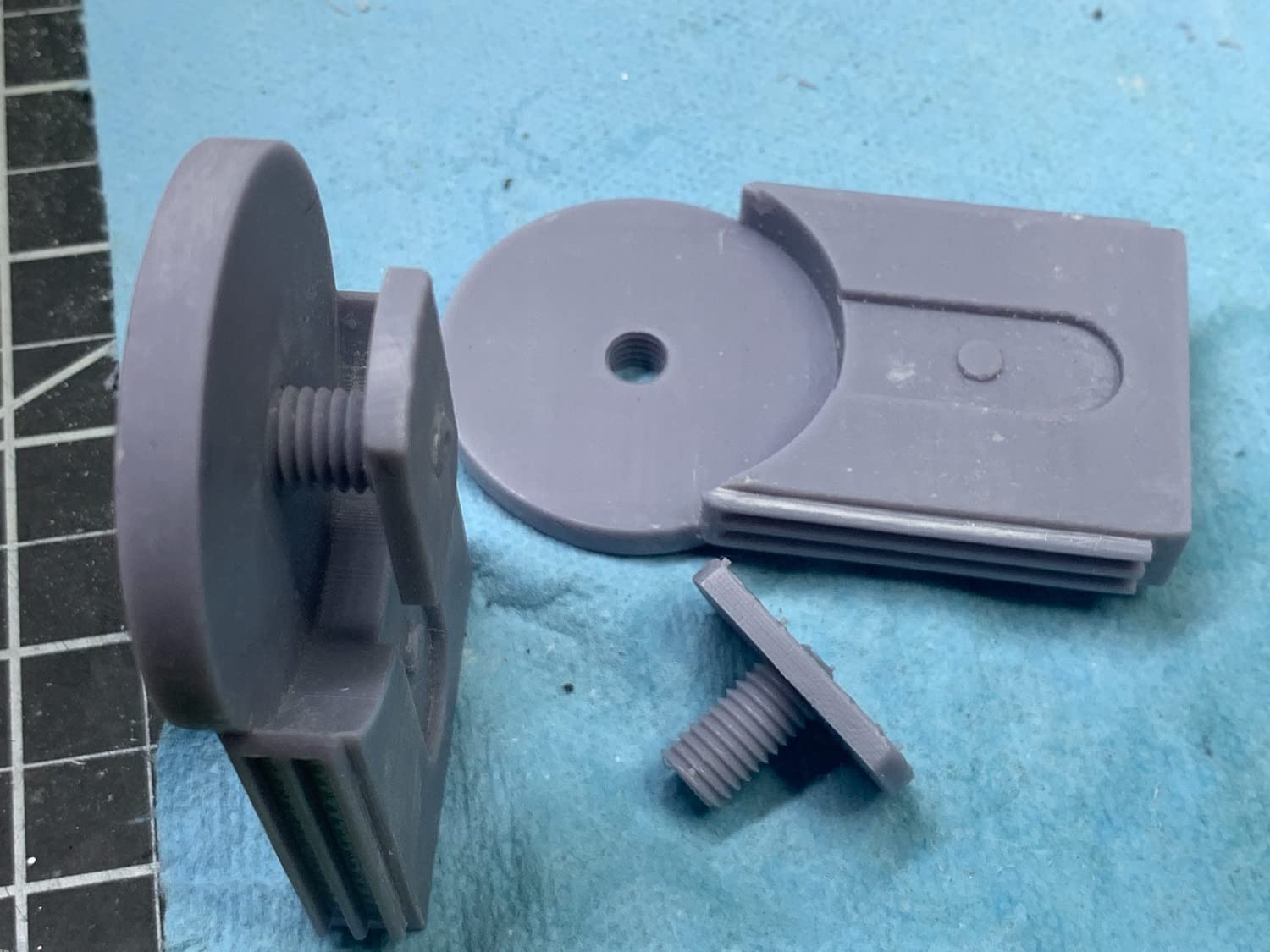
I was struck by how smooth the surface finish is with this resin. Layer lines are virtually invisible even at standard layer heights. Fine details like hair, fur, and fabric folds render with a clarity that rivals resins costing twice as much. The prints have a slight flexibility that makes them much more durable than standard resin, though not quite as tough as the TGM-7.
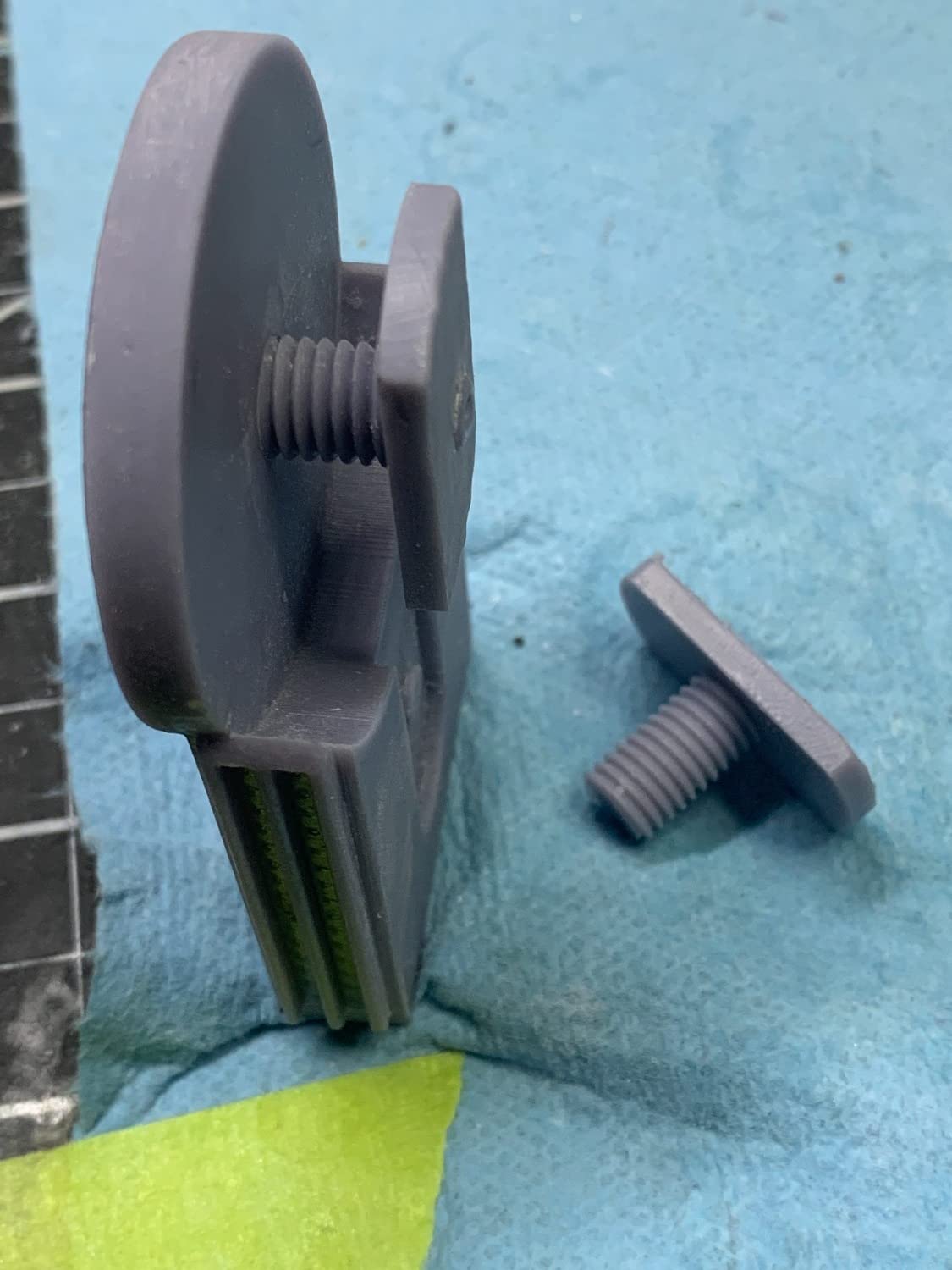
The trade-off is the viscosity. This is a thick resin, and it requires careful attention to your settings. I had to increase my exposure time by about 0.3 seconds and bump my rest time up to get consistent results. Once dialed in, however, the quality is outstanding. Multiple users report that miniatures printed with Conjure Sculpt can be dropped without breaking, which is remarkable for a high-detail resin.
With only 70 reviews on Amazon, this resin has flown under the radar. But the 67% five-star rating tells you that the people who have tried it are impressed. If you are willing to put in the calibration work, the Conjure Sculpt rewards you with some of the best miniature prints you can get.
Best Used For
The Conjure Sculpt is ideal for display miniatures and painting models where surface quality matters most. If you paint competition pieces or sell painted miniatures, the ultra-smooth finish gives you a professional head start.
It also works well for character models and heroes that you want to look their absolute best. The combination of fine detail and decent durability makes it a solid all-around choice.
Who Should Look Elsewhere
Beginners should be cautious with this resin. The high viscosity and need for careful calibration make it less forgiving than standard resins. If you are new to resin printing, start with something easier to dial in before trying the Conjure Sculpt.
If you need to print quickly, the longer exposure and rest times will slow you down. Mass production is not what this resin is designed for.
5. ELEGOO 8K Standard Resin – Best-Selling High Resolution Formula
ELEGOO Upgraded 8K Standard 3D Printer Resin Space Grey 1000g
8K Standard resin
Space Grey 1000g
405nm UV
Low shrinkage
Fast curing
Pros
- Low shrinkage for high precision
- Fast curing reduces print time
- Bright and stunning colors
- Excellent compatibility
- Leak-proof packaging
- Best seller in category
Cons
- Not Prime eligible
- Some users prefer water-washable formulas
The ELEGOO 8K Standard resin is ranked number two in the entire 3D Printing Liquid category on Amazon, and with over 10,000 reviews, it is one of the most battle-tested resins on the market. I have gone through multiple bottles of this stuff, and it consistently delivers excellent results for miniature printing.
Designed for 8K, 12K, 14K, and even 16K screens, this resin captures incredible detail. On my Saturn 3, the fine engravings on a shield and the texture of leather armor came out razor-sharp. The space grey color is dark enough to make details visible during painting while still being light enough to spot any print defects.
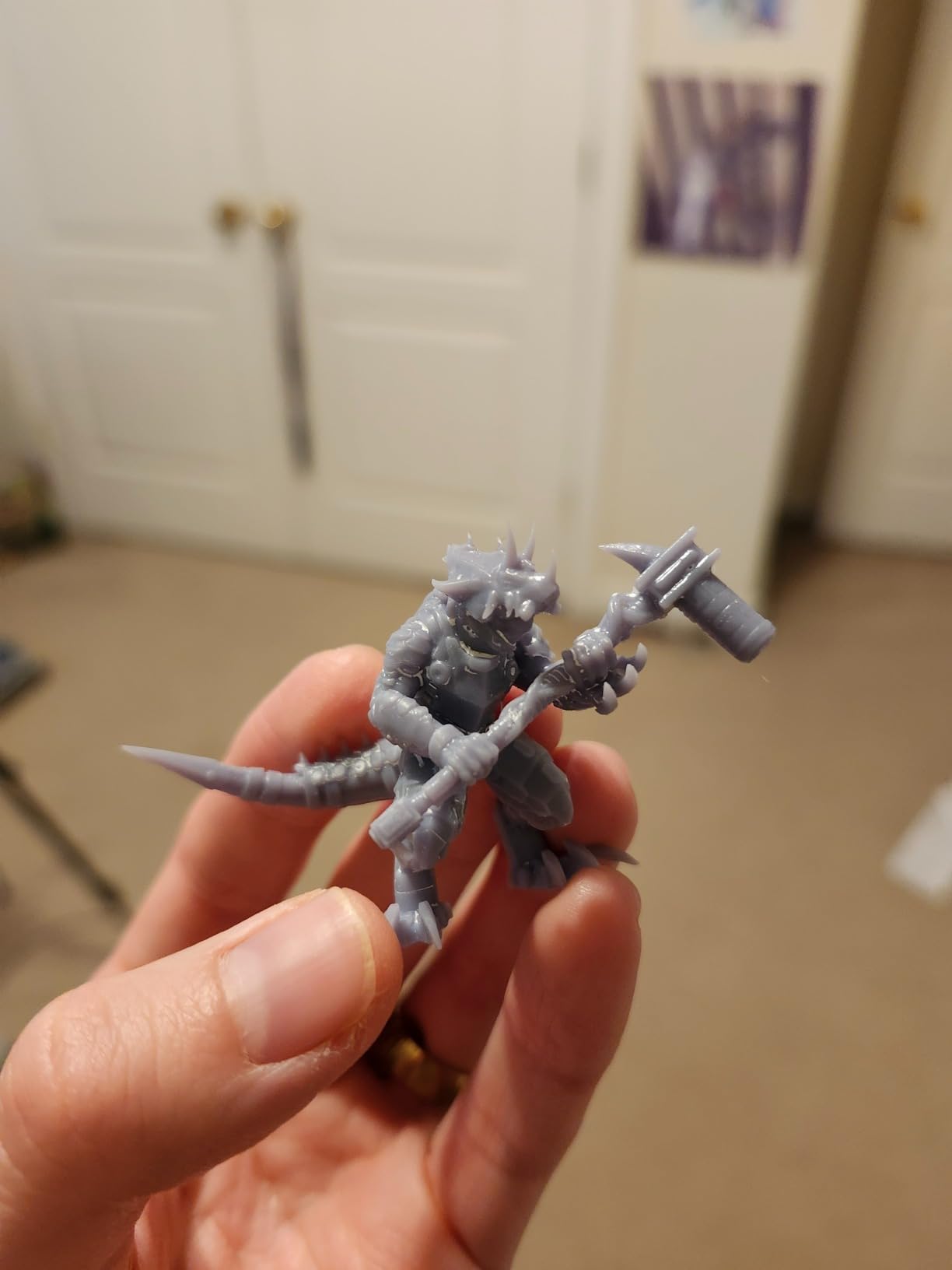
This is a fast-curing resin, which means shorter exposure times and quicker print jobs. For miniature printing, where a single figure might only take 90 minutes, the speed is a nice bonus. The low shrinkage formula means your miniatures come out dimensionally accurate, which matters if you need figures to fit specific base sizes.
The main drawback is that this is a standard resin, not a tough or flexible formula. Printed miniatures are relatively brittle. Thin weapons and delicate parts will snap under pressure. For display pieces this is fine, but for gaming minis, you may want to mix this with a flexible resin or choose a tougher option.
Best Used For
This resin excels at display miniatures, busts, and any models that will be handled gently. If you paint for display or take reference photos, the detail quality from the 8K formula will impress you every time.
It is also a great everyday resin for general purpose printing. At this price point and quality level, it is hard to beat for most hobbyist needs.
Who Should Look Elsewhere
If your miniatures will be handled during gameplay, the brittleness of standard resin is a real problem. Look at the TGM-7, Phrozen RPG, or Conjure Sculpt for better durability.
Note that this resin is not Prime eligible, so shipping may take longer than some of the other options on this list.
6. ANYCUBIC 8K Standard Resin V2 – Enhanced Toughness at a Fair Price
ANYCUBIC 3D Printer Resin, Upgraded 8K Standard Resin V2, Enhanced Toughness and Strength, Lower-Odor, High Precision 3D Printing Resin for All LCD Resin 3D Printers (Grey, 1kg)
8K Standard V2
Grey 1kg
365-405nm
Enhanced toughness
Lower odor
Pros
- Enhanced toughness with 93 percent increase in elongation
- Lower odor than v1
- High precision and minimal shrinkage
- Good value pricing
- Wide compatibility
Cons
- Resin separates quickly when not in use
- May require longer cure times
- Supports may not release cleanly
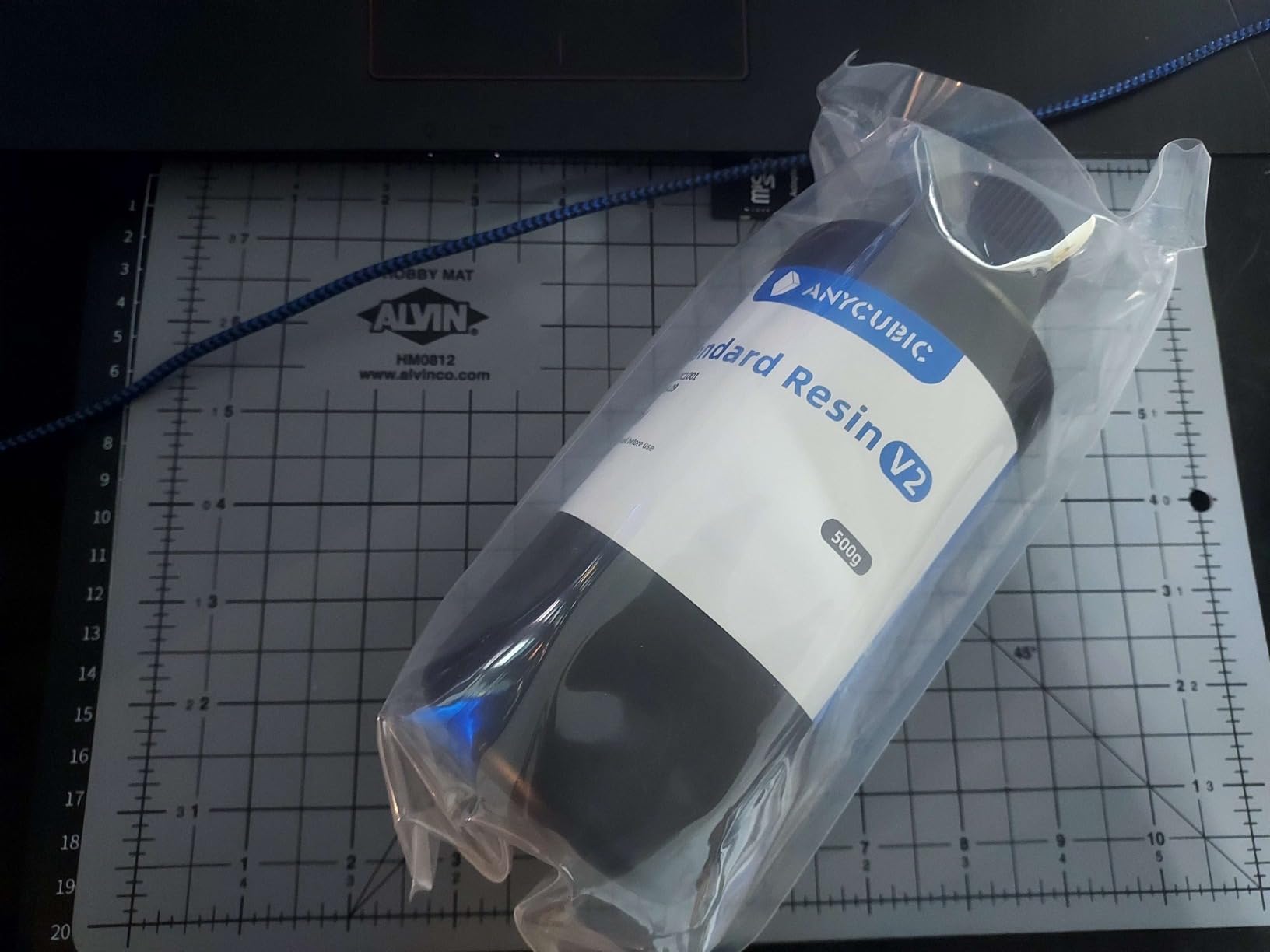
ANYCUBIC upgraded their standard resin with the V2 formula, and the improvements are meaningful for miniature printers. The standout change is a 93% increase in elongation at break, which translates directly to more durable prints. I tested this by printing identical miniatures in both V1 and V2, and the V2 figures were noticeably more resistant to snapping.
The lower odor formulation is immediately noticeable when you open the bottle. Compared to the original ANYCUBIC resin, the V2 is much more pleasant to work with during long printing sessions. You still need proper ventilation, but the chemical smell is significantly reduced.
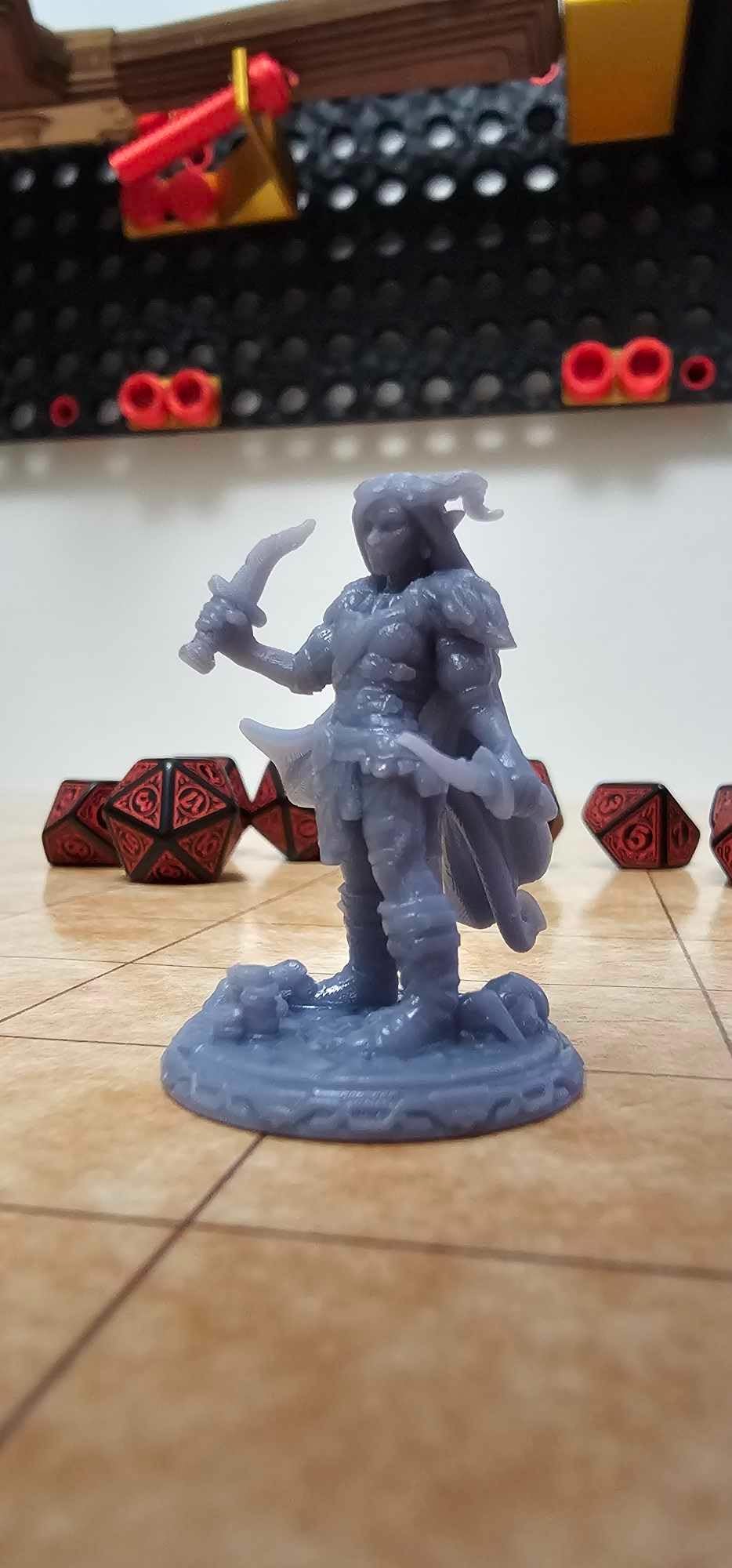
Detail capture is good, though I would not say it matches the ELEGOO 8K or the Conjure Sculpt for ultra-fine features. For most miniature applications, it is more than adequate. Faces, weapons, and armor details all render cleanly. The grey color is a nice neutral tone that takes primer well.
One issue I encountered is that the resin separates more quickly than V1 when sitting in the vat between prints. You need to stir it thoroughly before each print session. A few users also reported that supports do not release as cleanly as with the original formula, which can leave small marks on your miniatures that need cleanup.
Best Used For
The ANYCUBIC V2 is a solid mid-range choice for general miniature printing. If you want better durability than standard resin without paying premium prices, the enhanced toughness makes it a smart pick.
It also works well for hobbyists who already own ANYCUBIC printers, since it is tuned for those machines out of the box.
Who Should Look Elsewhere
If you need the absolute highest detail for display or competition pieces, there are better options on this list. The V2 is good, but not great, for ultra-fine features.
The faster separation means you need to be more disciplined about stirring before each print. If you tend to leave resin in the vat for days between sessions, this could cause inconsistent results.
7. Inslogic 14K High Detail Resin – Budget-Friendly Ultra-High Resolution
Inslogic 14K High Detail Resin, Matte, Low Shrinkage, 1kg, Dark Gray
14K high detail resin
Dark Gray 1kg
385-405nm
Smooth matte finish
Low shrinkage
Pros
- Smooth matte finish ideal for painting
- Low odor formulation
- Excellent dimensional stability
- High detail capture
- Good compatibility
Cons
- Color may not match product images
- Some color discrepancy issues reported
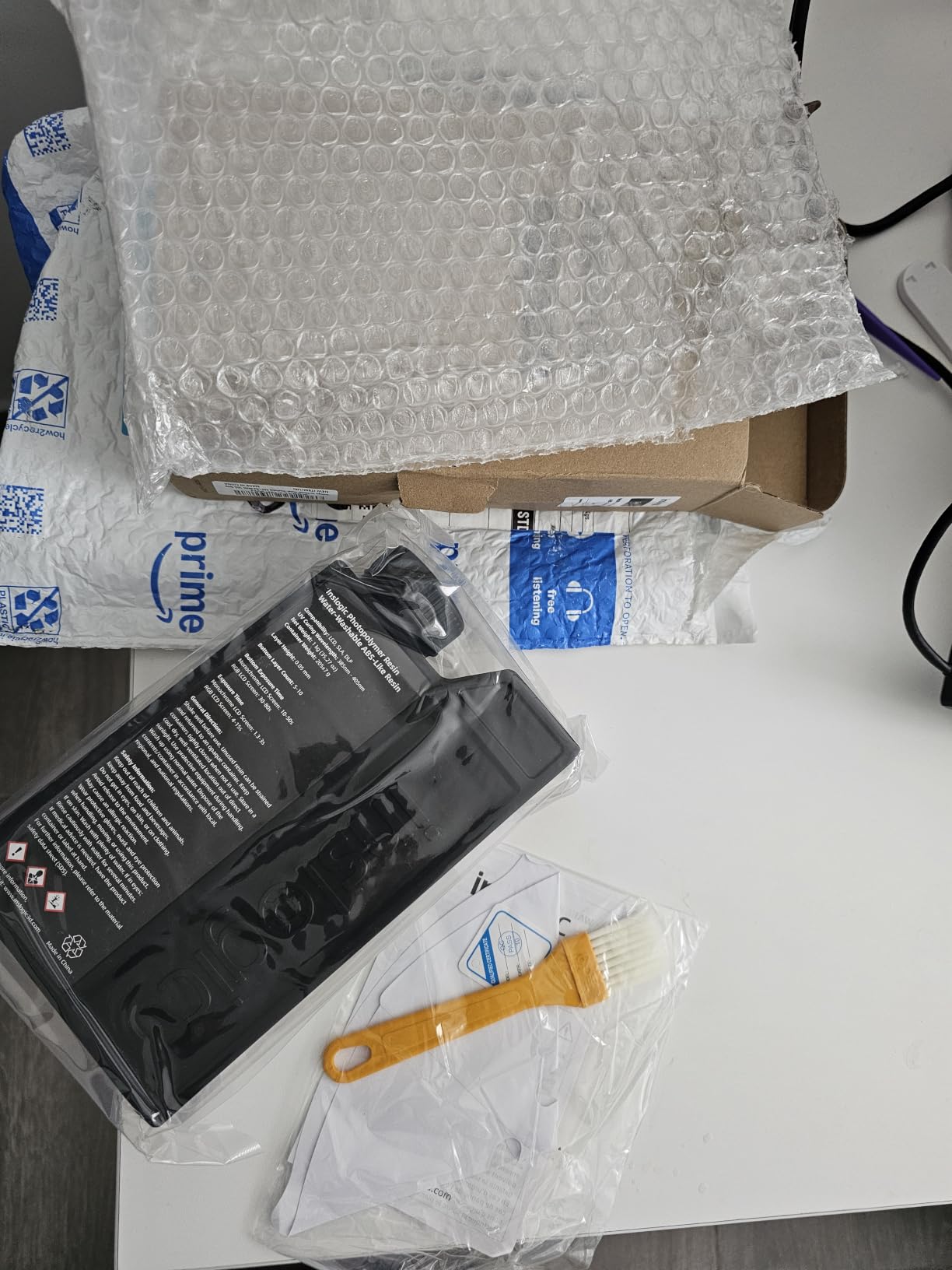
The Inslogic 14K High Detail resin is one of the most affordable ultra-high-resolution resins I have tested. Designed for 14K screens, it captures detail that would have been impossible just two years ago. Even on my 8K printer, the improvement in fine detail was noticeable compared to standard resins.
The matte finish is the feature that sold me on this resin. Like the Phrozen RPG, the matte surface highlights every detail rather than hiding it under a glossy sheen. For miniature painters, this is a huge advantage. Primer goes on evenly, and you can see exactly where your washes and highlights need to go.
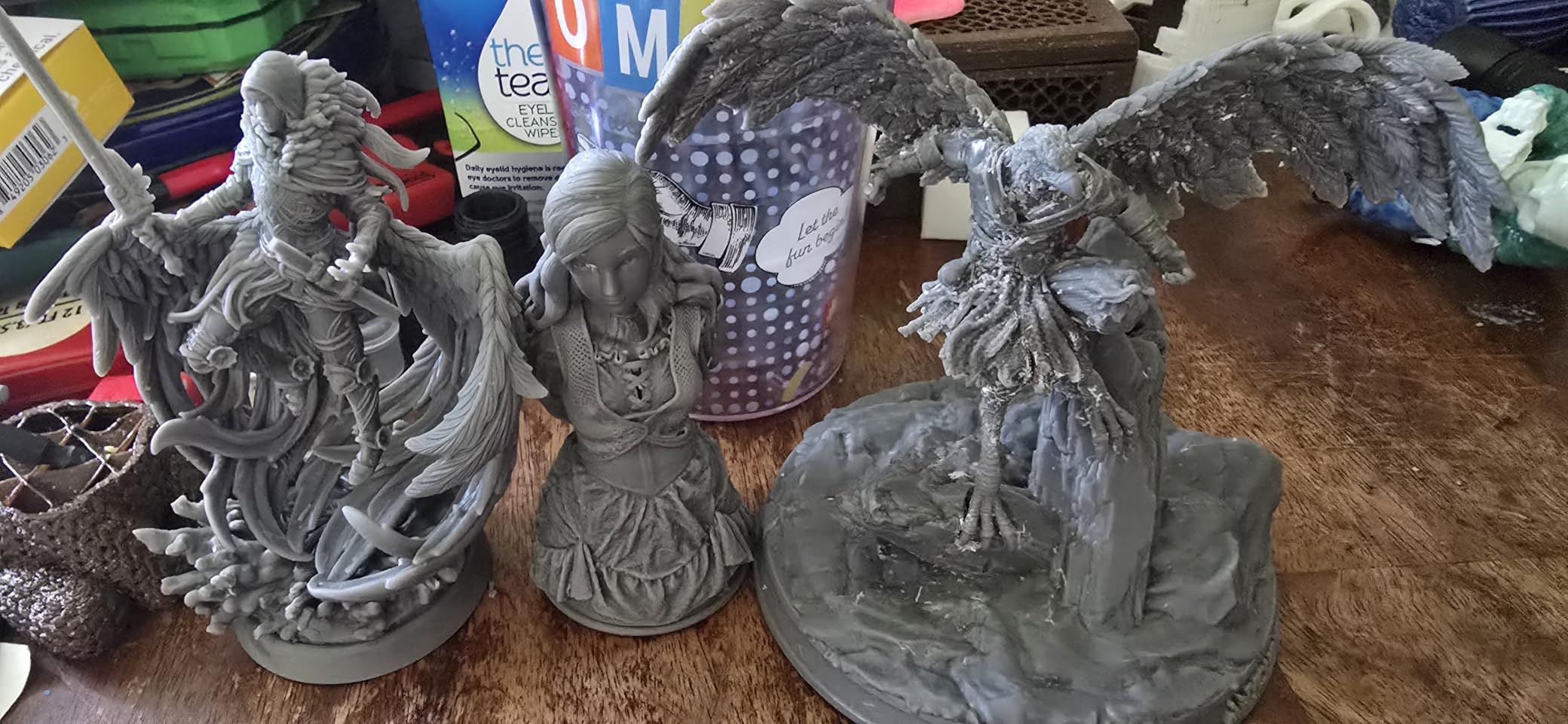
Dimensional stability is excellent. I printed a set of test miniatures and measured them against the digital files. The shrinkage was minimal, and the figures fit their bases perfectly. Low odor operation makes this resin comfortable to work with, even during extended printing sessions.
The main complaint from users is color consistency. The dark gray can come out darker than the product images suggest, and there have been some reports of batch-to-batch color variation. This does not affect print quality, but if you need a specific shade for your miniatures, it is something to be aware of.
Best Used For
The Inslogic 14K is perfect for miniature painters who want a matte finish surface at an affordable price. The high detail capture makes it ideal for character models and display pieces.
It is also one of the best values on this list for the resolution it offers. If you have invested in a high-resolution printer, this resin helps you get the most out of it without breaking the bank.
Who Should Look Elsewhere
If color consistency is critical for your project, the reported color discrepancies may be an issue. Some users have had to adjust their expectations or mix batches to get a uniform color.
This is a standard resin, not a tough formula, so gaming miniatures will be on the brittle side. Consider a tough resin for figures that need to survive gameplay.
8. SUNLU 14K Water-Washable Resin – High Detail with Easy Cleanup
SUNLU 14K Water-Washable Standard Resin 3000g, High Precision for Miniatures, Water-Washable 3D Printer Resin, Fast Curing for LCD/DLP/SLA 3D Printers, 2KG Dark Grey
14K Water-Washable
Dark Grey 2kg
395-405nm UV
Fast curing
Low shrinkage
Pros
- 14K ultra-high precision
- Water-washable saves on IPA
- Fast curing formulation
- Low odor
- Leak-proof bottle design
- Flexible and durable when cured
Cons
- Strong odor in some variants
- Plate adherence can be finicky
- Can become brittle if over-cured
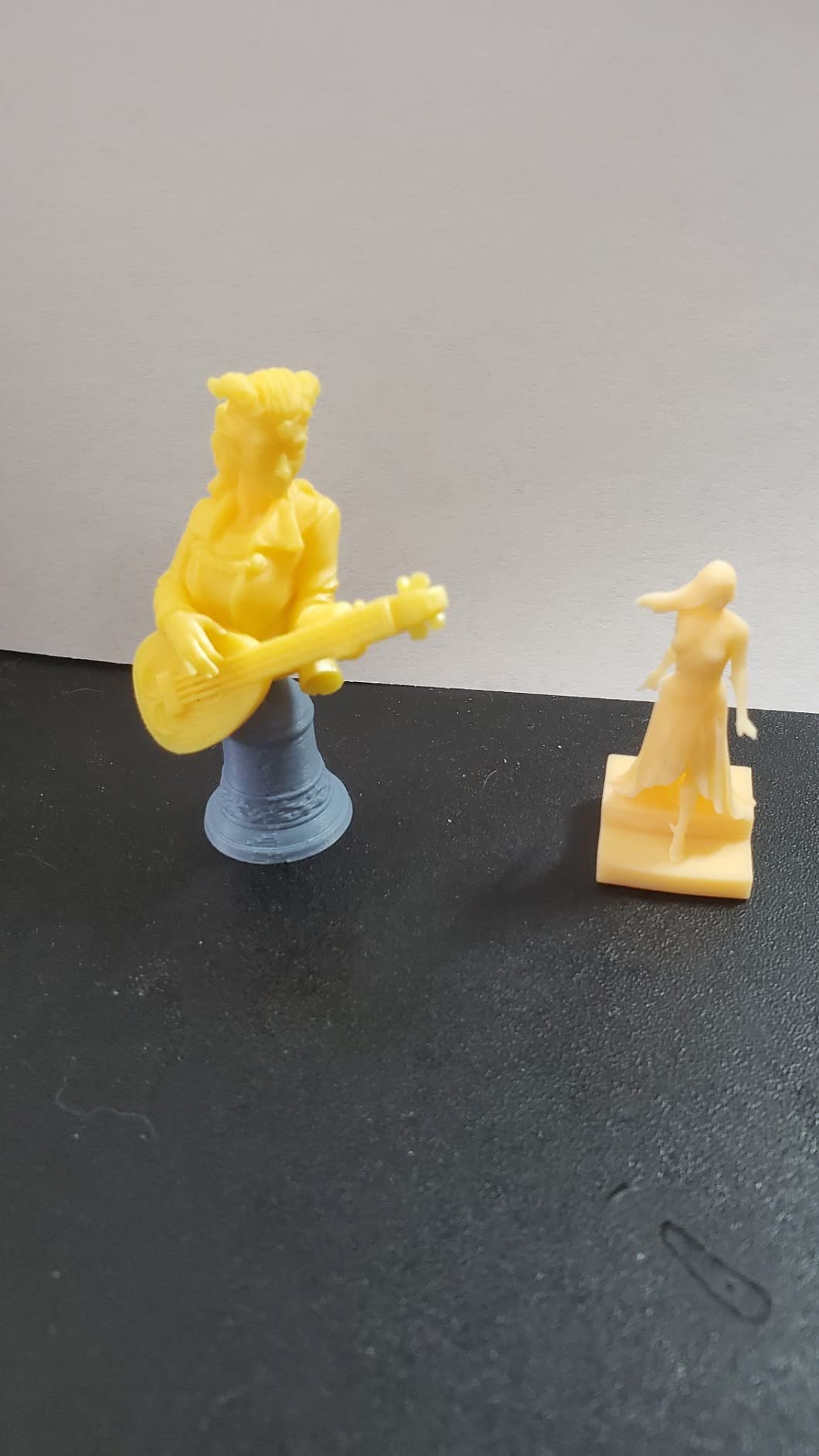
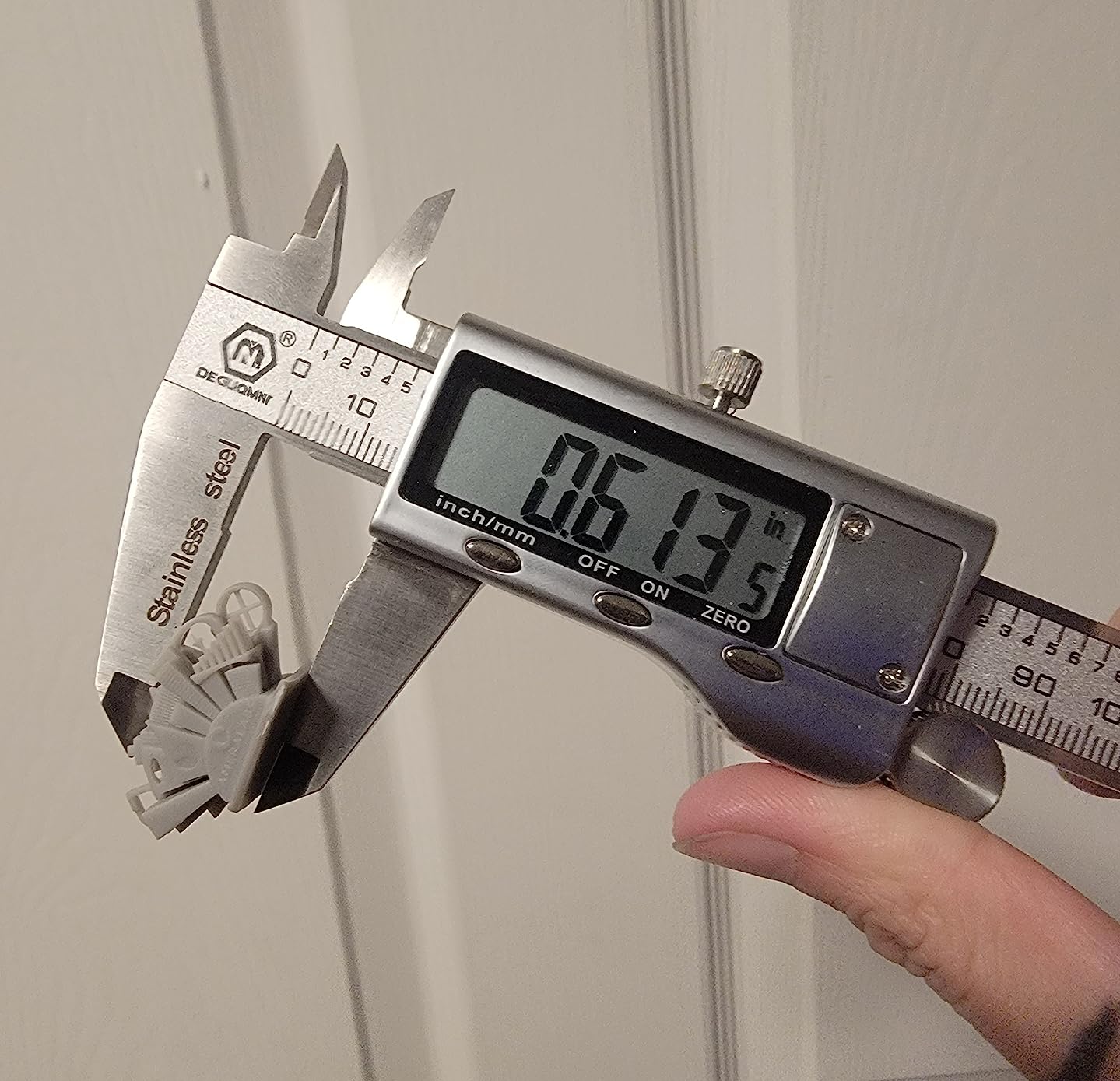
SUNLU packed a lot of value into this resin. You get 2 kilograms of 14K-rated, water-washable resin at a price that undercuts most competitors. I was skeptical of the quality at first, but after printing dozens of miniatures with it, I am genuinely impressed by what SUNLU has delivered here.
The 14K rating means this resin is designed for the latest generation of ultra-high-resolution printers. On my 8K Saturn, the detail was noticeably crisper than standard resins. Fine features like belt buckles, individual teeth on skeletal figures, and ornate weapon engravings all came through with excellent clarity.
The water-washable aspect is a major cost saver. Over the months I have been testing this resin, I estimate I saved at least $40 on IPA. You simply rinse prints under warm water, let them dry, and then UV cure. The cleanup process is faster, cheaper, and less messy than the alcohol workflow.
One caution: this resin can become brittle if you over-cure it. I learned this the hard way when I left a batch of miniatures in my cure station for too long. The figures became noticeably more fragile than the same prints cured for the recommended time. Follow the suggested cure times carefully.
Best Used For
This resin is ideal for high-volume miniature printers who want to keep costs down. The 2kg bottle size means fewer reorders, and the water-washable formula saves money on cleaning supplies.
It is also a strong choice for anyone with a high-resolution printer who wants to push their detail quality to the maximum. The 14K formulation takes full advantage of modern screen technology.
Who Should Look Elsewhere
If you have had issues with build plate adhesion in the past, the finicky plate adherence of this resin might frustrate you. Adding a light sanding to your build plate can help, but it is an extra step.
Some variants have a stronger odor than advertised. If you are sensitive to resin fumes, test a small amount first before committing to the 2kg bottle.
9. RESIONE Standard Pro SP64 – Matte Finish with Ultra-Fine Support Capability
RESIONE Standard Pro 3D Printer Resin, SP64 Low-Shrinkage Matte 3D Printing Liquid with High-Detail Matte Finish, Ultra-Fine Support Photopolymer Resin for Miniatures, Figures, Blue Grey, 1KG
Standard Pro SP64
Blue Grey 1kg
Low shrinkage
Matte finish
Ultra-fine supports
Pros
- Low shrinkage and stable printing
- Matte finish showcases intricate details
- Easy to clean with IPA
- Supports ultra-fine supports at 0.1mm
- Good durability when cured
Cons
- Resin can be thick and require mixing
- Some shrinkage on larger prints
- Color may be darker than expected
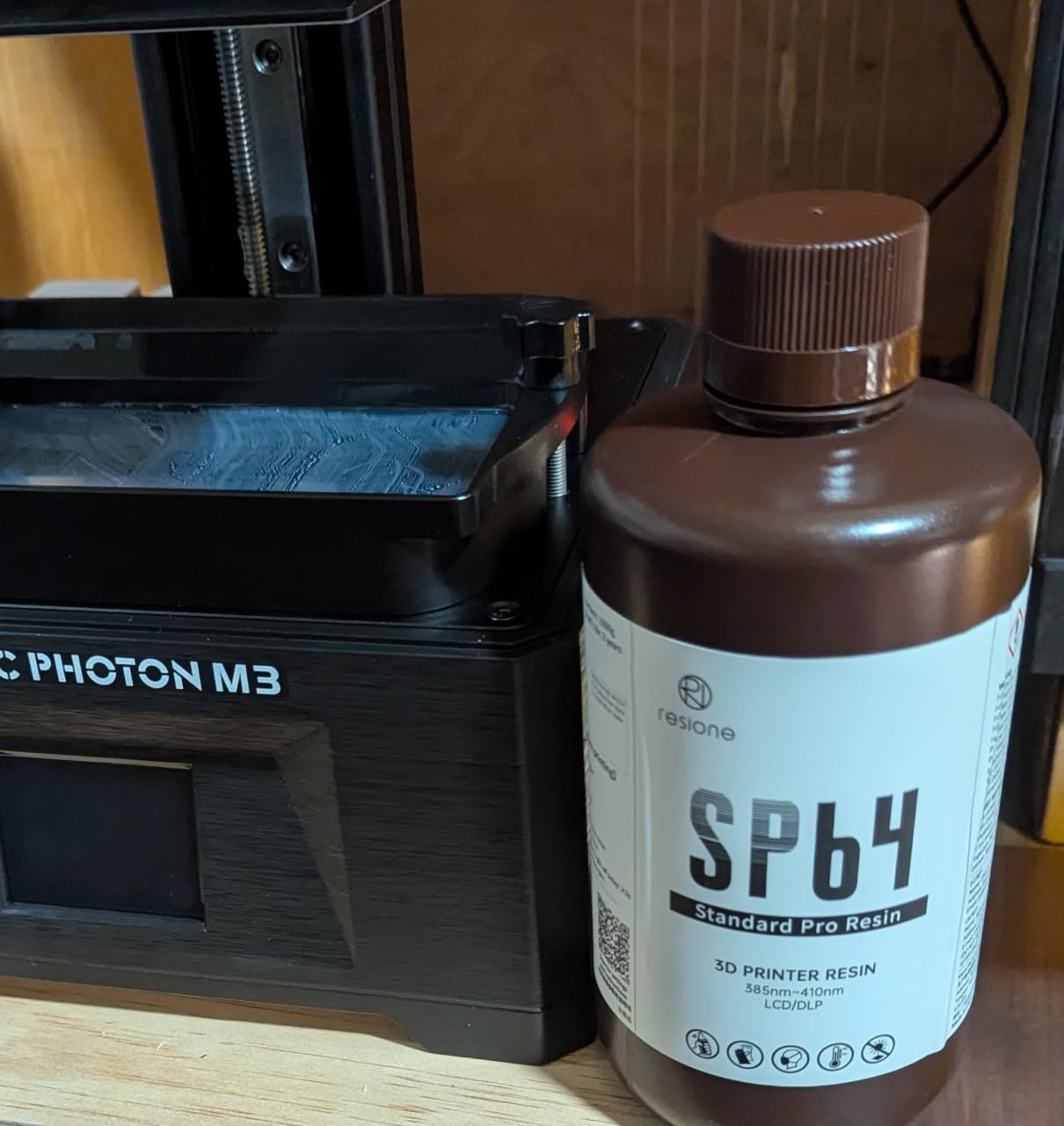
The RESIONE Standard Pro SP64 is designed for miniature printers who need ultra-fine supports without scarring their models. The resin supports tip diameters as small as 0.1mm, which means you can place supports in tight areas without leaving visible marks on your finished miniatures. For anyone who has spent hours cleaning up support nubs, this feature alone is worth the price.
The matte blue-grey finish is excellent for painting. Like the other matte resins on this list, it eliminates the glossy reflections that can hide fine surface details. The color is a cool-toned grey that takes both light and dark primers well. Some users report the actual color is darker than the product images, appearing more grey than blue-grey.
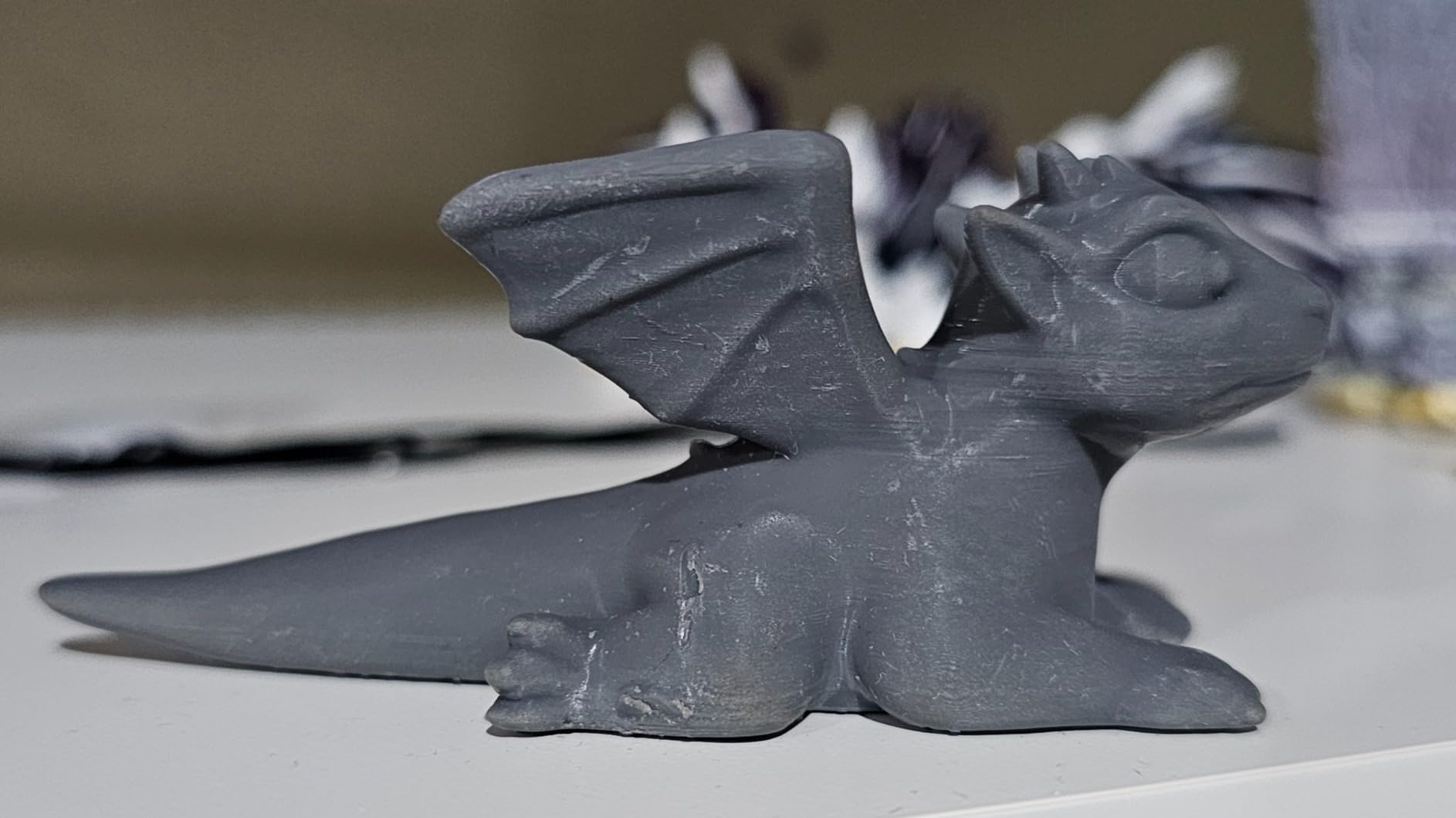
Durability is better than standard resin but not in the same league as the TGM-7 or Phrozen RPG. Cured prints have a slight give to them and are not brittle, but they will not survive being stepped on. For display miniatures and lightly handled figures, the durability is perfectly adequate.
The viscosity is on the thicker side, and some users recommend mixing this resin with a thinner standard resin to improve flow. I tried a 50/50 blend with ELEGOO standard and got excellent results. The blend printed more smoothly while retaining the matte finish and fine support capability of the SP64.
Best Used For
The SP64 is ideal for miniature printers who struggle with support scarring. If you print complex miniatures with overhanging weapons, cloaks, or raised arms, the ultra-fine support capability will save you hours of post-processing.
The matte finish also makes it a strong choice for painters who want maximum surface detail visibility. Display miniatures and character models benefit from the smooth, non-reflective surface.
Who Should Look Elsewhere
If you print large models or terrain pieces, the reported shrinkage issues on larger prints may cause problems. The SP64 is best suited for smaller-scale miniature work.
The thick viscosity means you need to be patient with your settings. Beginners who are still learning resin calibration may want to start with a more forgiving formula.
10. ELEGOO Standard Photopolymer Resin – The Classic All-Rounder
ELEGOO Standard 3D Printer Resin Grey 1000g
Standard Photopolymer
Grey 1000g
405nm LCD
Fast curing
Low shrinkage
Pros
- Low shrinkage and high precision
- Fast curing with excellent fluidity
- Bright and stunning colors
- Wide compatibility
- Leak-proof packaging
Cons
- May require calibration for optimal settings
This is the resin that started it all for many hobbyists. The ELEGOO Standard Photopolymer in grey is the number two bestseller in the 3D Printing Liquid category, with over 10,000 reviews and a 4.7-star rating. It is the benchmark against which I measure every other standard resin.
For miniature printing, this resin delivers solid, reliable results. The detail capture is good, though not in the same class as the 8K or 14K formulas on this list. What you get instead is consistency. Every bottle performs the same, the curing behavior is predictable, and the settings are well-documented across hundreds of community posts and guides.
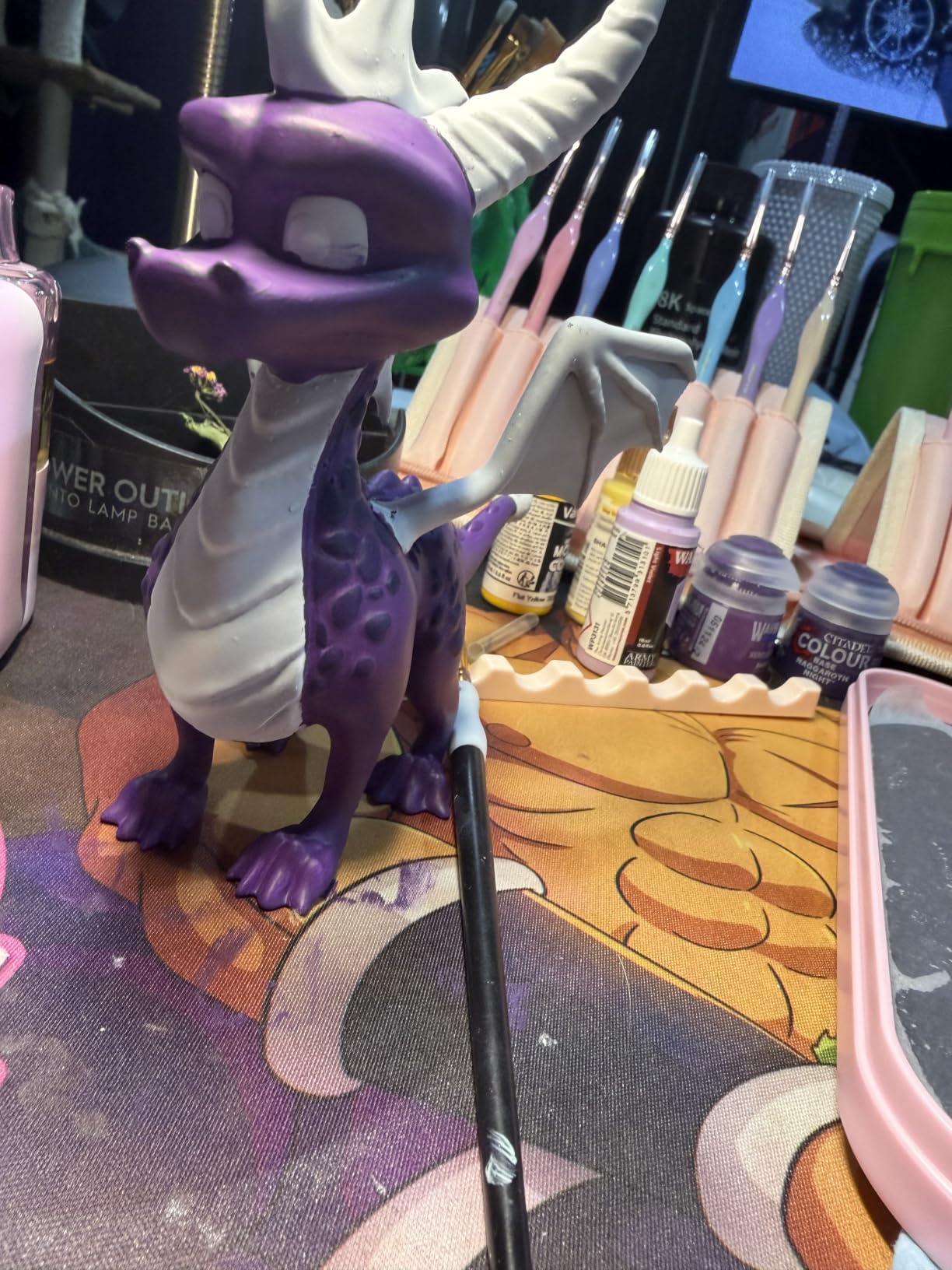
The grey color is a medium tone that works well for miniature printing. It is dark enough to show details clearly but light enough to spot any print issues during the process. The fast-curing formula keeps print times short, and the low shrinkage means your miniatures come out dimensionally accurate.
As a standard resin, this formula is brittle. Miniatures printed in ELEGOO Standard will snap at thin points if handled roughly. I would not recommend it for gaming miniatures unless you mix it with a flexible resin. For display pieces, terrain details, and non-load-bearing models, it is perfectly fine.
Best Used For
The ELEGOO Standard is the perfect beginner resin. If you are new to resin printing and want something that just works without fuss, this is the bottle to start with. The huge community base means you can find recommended settings for any printer in minutes.
It is also great for printing terrain bits, basing materials, and display pieces that do not need to withstand handling. The low price makes it economical for high-volume printing.
Who Should Look Elsewhere
If you need durability for gaming miniatures, this resin will disappoint you. The brittleness is a known characteristic, and thin parts will break easily. Choose a tough or flexible resin for any figures that will be handled.
If you are chasing maximum detail on a high-resolution screen, step up to the 8K formula or one of the 14K options on this list. The standard formula simply cannot match the fine detail of its higher-resolution siblings.
11. ANYCUBIC Standard 3D Printer Resin – Reliable and Consistent
ANYCUBIC 3D Printer Resin, 405nm SLA UV-Curing Resin with High Precision and Quick Curing & Excellent Fluidity for LCD 3D Printing (Grey, 1kg)
Standard Resin
Grey 1kg
405nm SLA
Quick curing
Rigid and tough balance
Pros
- Low shrinkage and high precision
- Quick curing with strong stability
- Good balance of hardness and toughness
- Multiple colors available
- Safe and secure packaging
Cons
- Not Prime eligible
- Requires shaking before use for optimal results
The ANYCUBIC Standard resin is the direct competitor to the ELEGOO Standard, and it performs almost identically. With over 10,000 reviews and a 4.7-star rating, this is one of the most widely used resins in the hobby. I have used it extensively on my ANYCUBIC Photon and Mars-equivalent printers with consistently good results.
The resin offers a good balance of hardness and toughness, which ANYCUBIC describes as rigidity and toughness combined. In practice, this means prints are stiff but slightly more resistant to impact than pure standard resins. For miniature printing, this translates to figures that are still on the brittle side but can survive gentle handling.
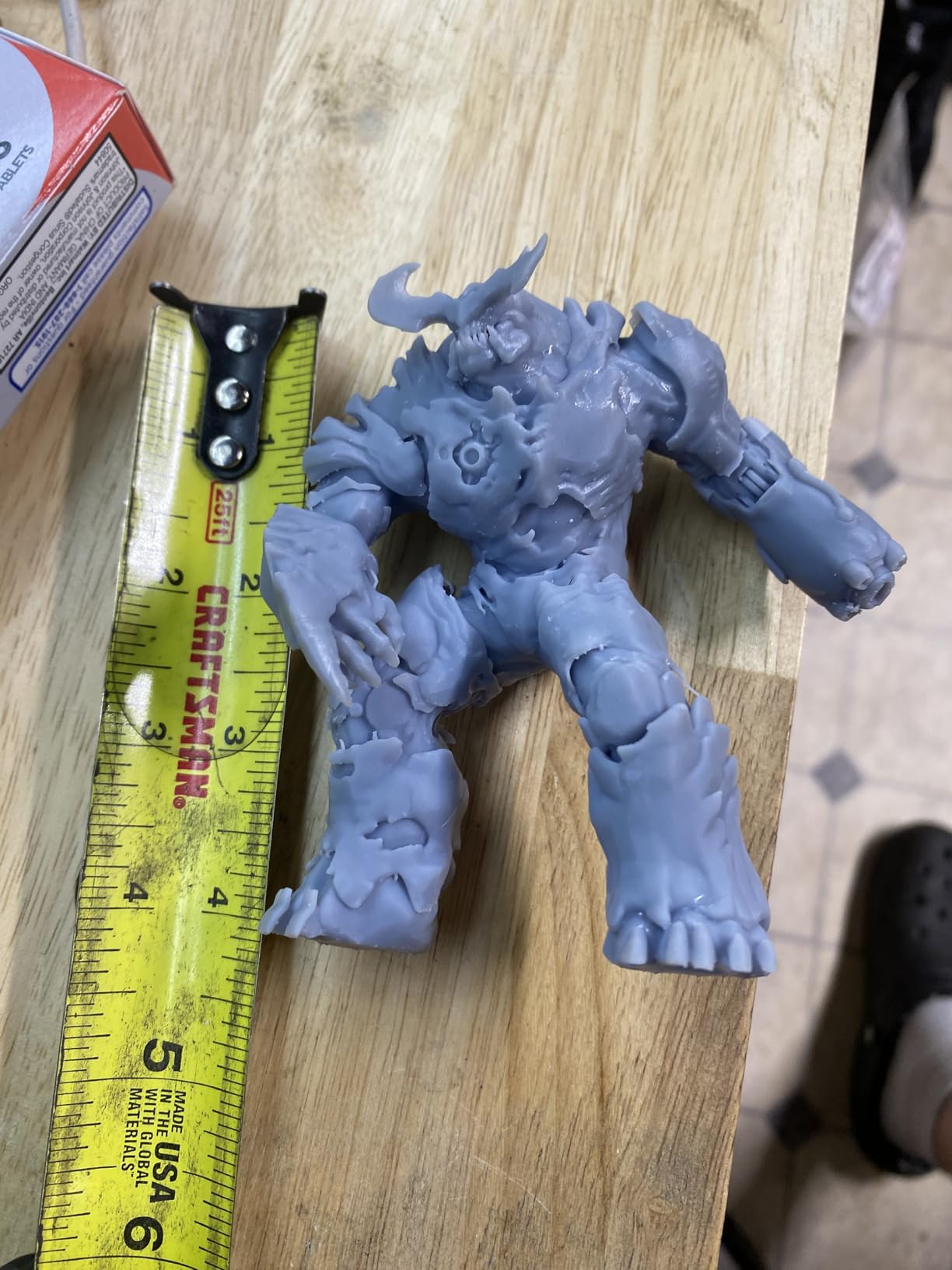
Detail capture is solid for a standard resin. The grey color renders fine features clearly, and the low shrinkage keeps your miniatures dimensionally accurate. The fast-curing formula keeps print times reasonable, which is helpful when you are printing large batches of rank-and-file troops.
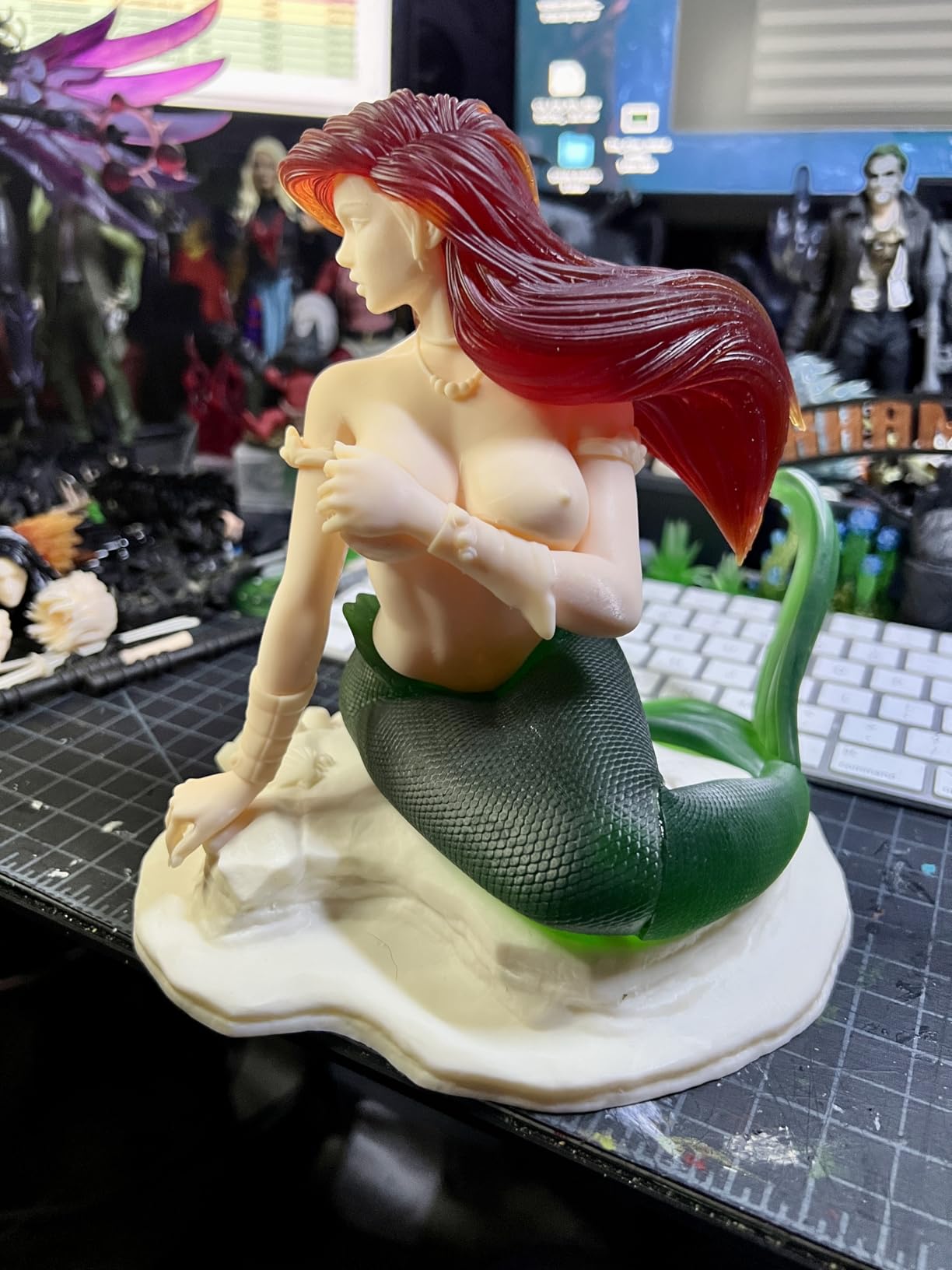
You must shake this resin thoroughly before each use. ANYCUBIC notes this in their instructions, and in my experience, skipping the shake leads to inconsistent results. The pigment settles quickly, so a good 30-second shake before pouring is essential for even coloring.
Best Used For
The ANYCUBIC Standard is ideal for hobbyists who already own ANYCUBIC printers and want a resin tuned for their hardware. It is also a solid budget choice for general miniature printing and display pieces.
For army builders who print dozens of identical troops, the combination of low price and reliable performance makes this an economical choice. The fast curing time keeps production moving.
Who Should Look Elsewhere
Like the ELEGOO Standard, this resin is too brittle for gaming miniatures that will see regular handling. Choose a tough resin for any figures destined for tabletop play.
This resin is not Prime eligible, which means shipping can take longer. If you need resin quickly, check the Prime-eligible options on this list instead.
12. SUNLU Standard 3D Printer Resin – Best Budget Option for Beginners
SUNLU 3D Printer Resin, 1kg Fast Curing Standard 3D Resin for LCD DLP SLA Printers, 395-405nm UV Light Curing Photopolymer Resin, Low Shrinkage, High Precision, 1000g, Grey
Standard Resin
Grey 1kg
395-405nm UV
Fast curing
Low shrinkage
Pros
- Easy to use with strong fluidity
- Low shrinkage for accurate sizing
- Minimal odor
- High compatibility
- Excellent cost-effectiveness
Cons
- Basic resin for standard prints
- Not specialized for any use case
The SUNLU Standard resin is the most affordable option on this list, and it punches well above its weight class. At roughly half the price of premium resins, it delivers reliable miniature prints that are perfect for beginners learning the ropes. I always keep a bottle on hand for test prints and prototypes.
The resin flows well and cures quickly, making it forgiving for printers who are still dialing in their settings. The low odor is a pleasant surprise at this price point, and the wide compatibility with 365-405nm printers means it works with virtually any LCD, DLP, or SLA machine on the market.
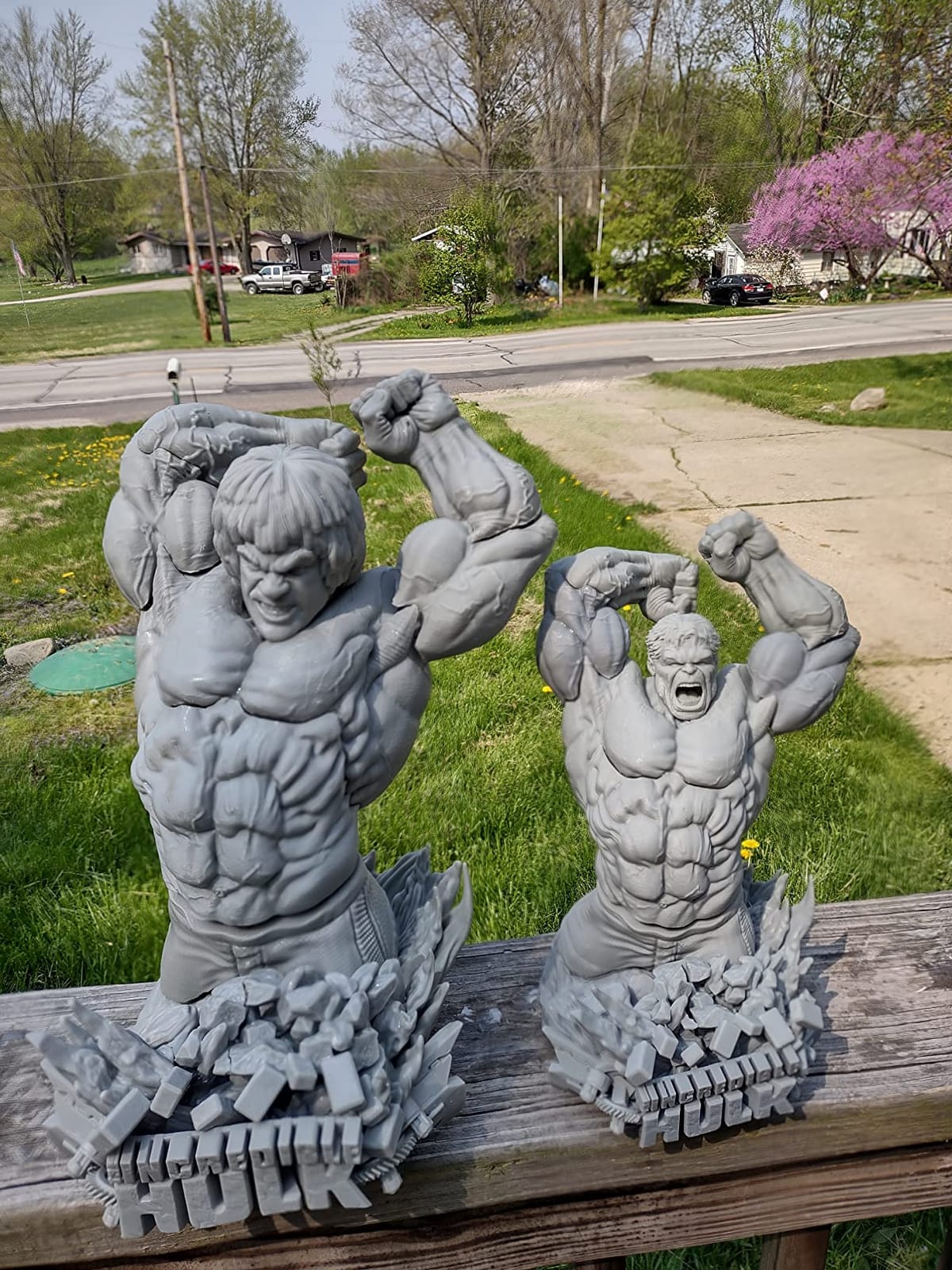
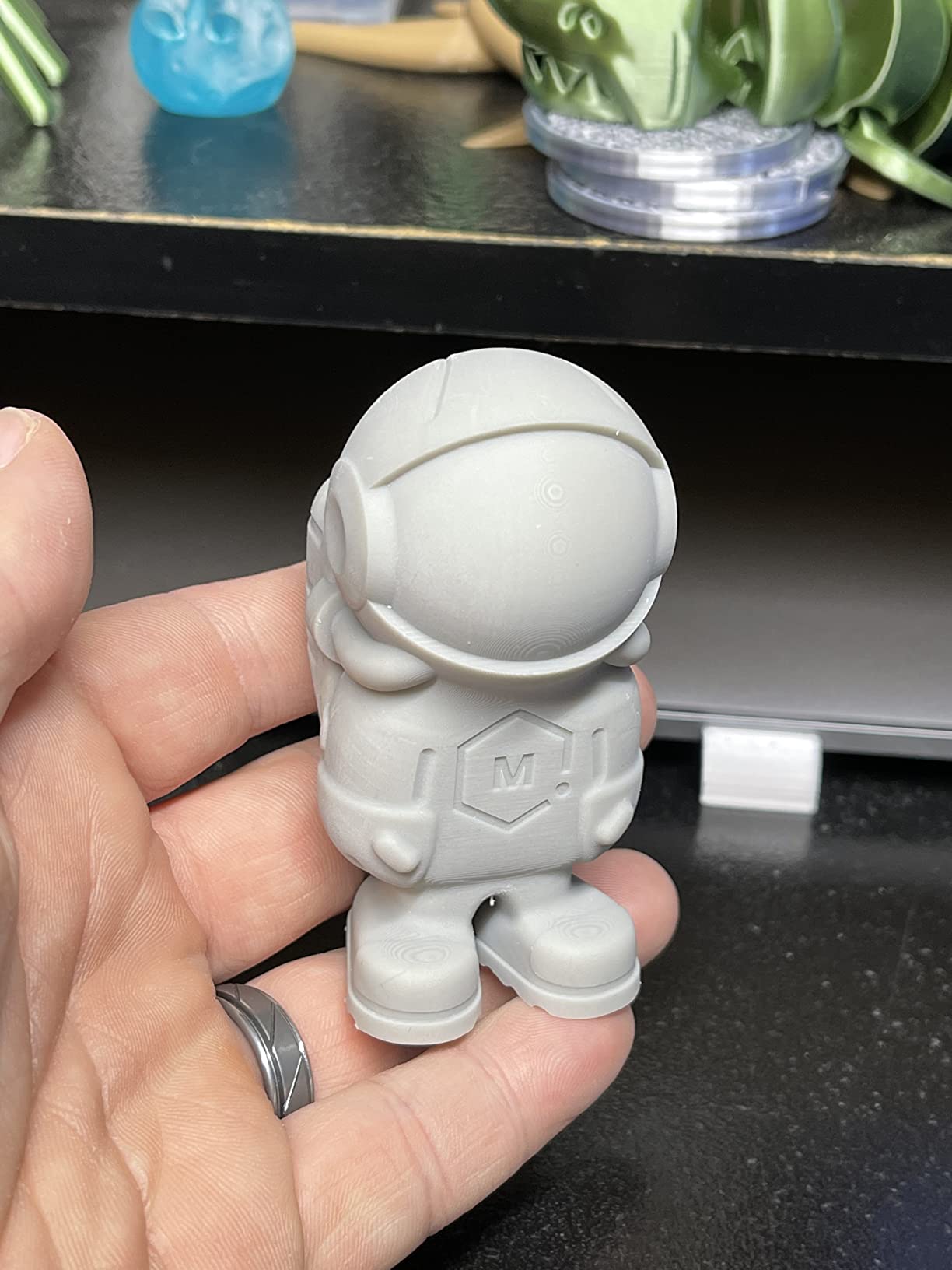
Detail capture is decent but not exceptional. Fine details on 28mm miniatures come through adequately for gaming and casual display. If you are entering painting competitions, you will want to step up to a higher-resolution resin. For everyday printing, though, the SUNLU gets the job done.
The resin community frequently recommends SUNLU as a reliable budget option. On r/resinprinting, users consistently praise its value proposition. The consensus is that while it may not match premium resins for detail or durability, it delivers consistent results at a price that lets you print without anxiety about wasting expensive material.
Best Used For
The SUNLU Standard is the best beginner resin on this list. If you are just starting with resin printing and want to practice without worrying about wasting money on expensive material, this is the bottle for you.
It is also excellent for test prints, prototypes, and practice runs. I use it whenever I am testing a new miniature file or dialing in support settings before committing to premium resin.
Who Should Look Elsewhere
If you need maximum detail for display or competition pieces, the SUNLU Standard will fall short. The detail capture is adequate but cannot match the 8K or 14K formulas on this list.
For gaming miniatures, the brittleness is a significant drawback. Thin parts will snap easily, so choose a tough or flexible resin for any figures that need to survive tabletop play.
How to Choose the Right Resin for Miniatures?
Choosing the right resin for miniature printing comes down to understanding your primary use case and matching it to the right formula. After testing all 12 resins on this list, I can break the decision into a few key factors.
Detail vs Durability: The Core Tradeoff
This is the single most important decision you will make. High-detail resins capture incredible fine features but tend to be brittle. Tough and flexible resins survive handling and drops but may sacrifice a small amount of detail sharpness. Display pieces favor detail resins. Gaming miniatures favor tough resins.
From my testing, the best balance comes from the AmeraLabs TGM-7 and Phrozen RPG. Both deliver excellent detail while maintaining enough flexibility for regular handling. The Chitu Systems Conjure Sculpt is another strong contender that bridges the gap.
Resin Types Explained
Standard resins like the ELEGOO and ANYCUBIC basics are affordable and great for display pieces, but they are too brittle for gaming. ABS-like resins offer better impact resistance and a slight flex, making them better for handled miniatures. Tough resins like the TGM-7 are specifically formulated to resist breaking under stress.
Water-washable resins like the ELEGOO 8K Water-Washable 2.0 and SUNLU 14K save you money on IPA but may sacrifice a small amount of performance. High-detail resins rated for 8K, 14K, or higher screens are designed to capture the finest possible features on modern high-resolution printers.
Layer Height and Exposure Settings
For miniature printing, the sweet spot for layer height is between 0.03mm and 0.05mm. At 0.03mm, you get exceptional detail but longer print times. At 0.05mm, prints are faster but fine details may soften slightly. I typically print miniatures at 0.04mm as a compromise.
Exposure time varies dramatically between resins. The ELEGOO Standard needs about 1.8 seconds per layer on my Saturn, while the TGM-7 requires closer to 2.5 seconds. Always run an exposure calibration test like the XP Validation Matrix or the Cones of Calibration when switching to a new resin. This single step will save you from countless failed prints.
Post-Processing: Washing and Curing
Proper post-processing is just as important as choosing the right resin. After printing, wash your miniatures in IPA for alcohol-wash resins or warm water for water-washable formulas. A two-stage wash, dirty IPA first then clean IPA, produces the best results. Allow prints to dry completely before UV curing.
Cure times vary by resin and UV light intensity. Over-curing makes prints brittle, especially with water-washable formulas. Under-curing leaves prints tacky and weak. Follow the manufacturer recommendations and adjust based on your specific cure station.
Safety: Ventilation, Gloves, and Respirators
Resin printing involves chemicals that can cause skin sensitization and respiratory irritation. Always wear nitrile gloves when handling liquid resin or uncured prints. Work in a well-ventilated area, and consider a respirator with organic vapor cartridges if you print frequently or in an enclosed space.
Many competitors gloss over safety, but this is critical for beginners. Resin sensitization is cumulative and permanent. Once you develop a reaction, it does not go away. Treat every bottle with respect, and invest in proper safety gear before you start printing.
The Mixing Trick: Blending Resins for Custom Properties
One of the most valuable techniques I have learned from the resin printing community is resin blending. By mixing different resins, you can create custom properties that no single bottle offers. The most popular blend among miniature printers is 20-30% flexible resin like Siraya Tech Tenacious mixed with a standard resin.
This blend gives you the detail of standard resin with enough flexibility to survive gameplay. I have experimented with mixing the Phrozen RPG with ELEGOO Standard in various ratios, and a 50/50 blend produces an excellent all-purpose miniature resin that balances detail, durability, and cost.
Cost per Figure: What Resin Actually Costs You
A 1kg bottle of resin typically yields between 150 and 300 28mm miniatures, depending on the size and complexity of each figure. That means even a premium resin like the TGM-7 at $89 per kilogram costs roughly $0.30 to $0.60 per miniature. Budget resins like the SUNLU Standard bring that cost down to under $0.10 per figure.
When you look at it this way, the price difference between budget and premium resins is measured in pennies per miniature. For figures you will spend hours painting, spending a few extra cents for better durability or detail is almost always worth it.
FAQs
What is the best type of resin for miniature models?
The best resin for miniature models balances detail retention with durability. For display miniatures, a high-detail standard resin like ELEGOO 8K or Inslogic 14K captures the finest features. For gaming miniatures that need to survive handling, a tough resin like AmeraLabs TGM-7 or Phrozen RPG provides the durability without sacrificing much detail.
What is the best resin for 3D printing miniatures in 2026?
For 2026, the AmeraLabs TGM-7 Wargaming Resin stands out as the best overall choice for 3D printing miniatures. It offers exceptional durability for gaming figures, captures excellent detail on 4K through 12K screens, and produces a hard non-sticky surface that takes paint beautifully. For budget-conscious printers, the ELEGOO 8K Water-Washable 2.0 delivers outstanding value.
Is FDM or resin better for miniatures?
Resin printing is significantly better than FDM for miniatures. Resin printers can reproduce sub-millimeter details that no filament printer can match, including fine facial features, delicate weapons, and ornate armor textures. The trade-off is that resin printing requires more setup, safety equipment, and post-processing. For any miniature where detail matters, resin is the clear winner.
Do resin minis need primer?
Yes, resin miniatures need primer before painting. A primer coat creates a surface that paint can adhere to, prevents the bare resin from showing through, and provides a consistent base color. Spray primers like Rust-Oleum or Vallejo Surface Primer work well. Matte-finish resins like Phrozen RPG or Inslogic 14K take primer particularly evenly due to their non-glossy surface.
What resin is best for Du0026amp;D or tabletop miniatures?
For Du0026amp;D and tabletop miniatures that will be handled during gameplay, the Phrozen RPG Rapid Resin and AmeraLabs TGM-7 are the top choices. Both are specifically designed for gaming miniatures, offering flexibility that prevents thin weapons and raised arms from snapping during play. The Phrozen RPG also features a matte gray finish that makes painting easier and more rewarding.
Can beginners use resin safely for miniatures?
Yes, beginners can use resin safely for miniatures with proper precautions. Always wear nitrile gloves when handling liquid resin, work in a well-ventilated area, and use a respirator with organic vapor cartridges for extended sessions. Start with a beginner-friendly resin like ELEGOO Standard or SUNLU Standard, which are affordable and well-documented. Never touch uncured resin with bare skin, and clean all spills immediately.
Final Thoughts: Choosing Your Miniature Resin
After testing all 12 of these resins across hundreds of miniature prints, my top recommendation for the best 3D printer resins for miniatures comes down to three picks. The AmeraLabs TGM-7 is the ultimate choice for gaming miniatures that need to survive anything. The ELEGOO 8K Water-Washable 2.0 delivers the best balance of detail, convenience, and value. And the Phrozen RPG resin is purpose-built for tabletop play with a finish painters will love.
For beginners just starting out in 2026, grab a bottle of SUNLU Standard or ELEGOO Standard and practice your settings. Once you are comfortable with the resin printing workflow, step up to a specialized formula that matches your specific needs. The difference between a good miniature and a great one often comes down to choosing the right resin for the job.
Remember that no single resin is perfect for every situation. Many experienced miniature printers keep two or three bottles on their shelf for different purposes. I personally rotate between the TGM-7 for gaming figures, the ELEGOO 8K Water-Washable for everyday printing, and the Inslogic 14K for display pieces. Find your own rotation, and your miniatures will never look the same.