
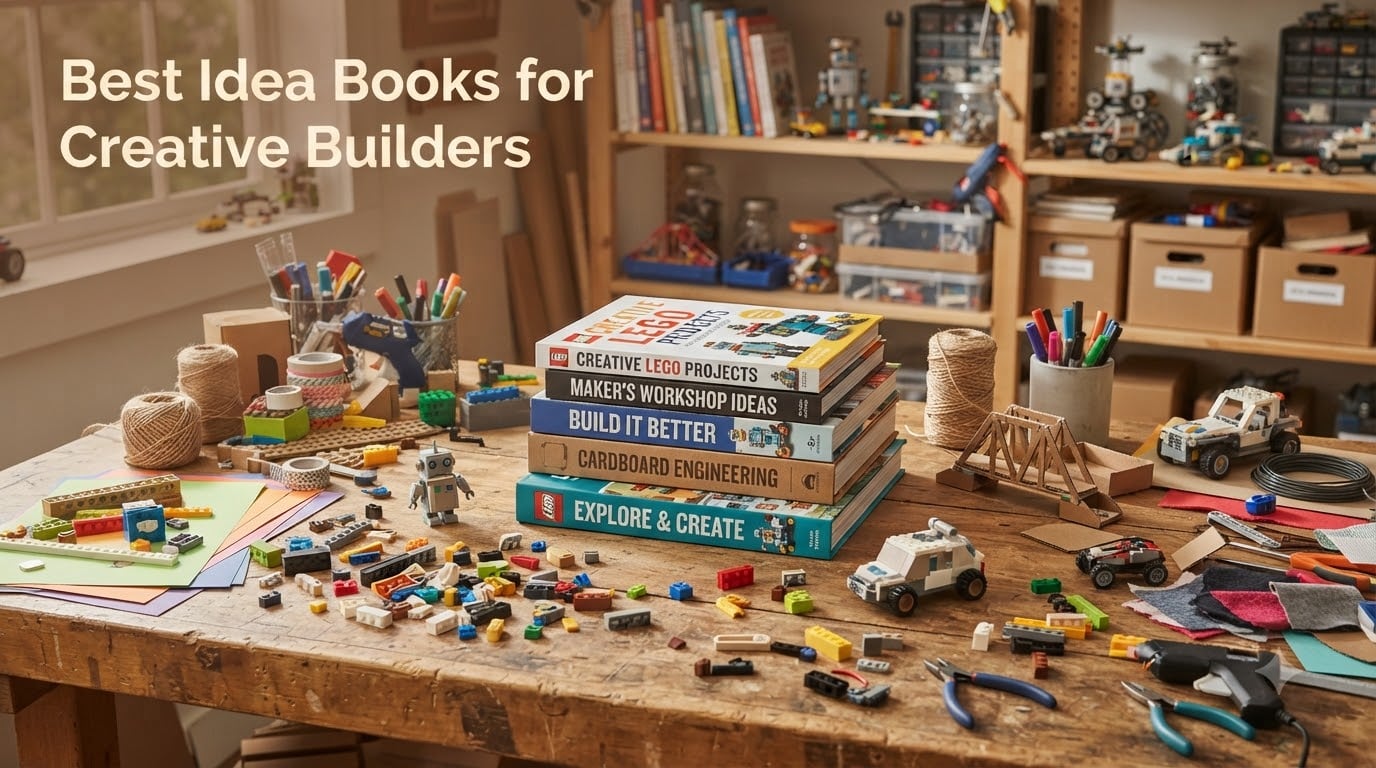
I’ve spent years surrounded by bricks, blocks, and cardboard boxes in our family workshop, and the one thing I’ve learned is this — every great builder needs fuel. The best idea books for creative builders do more than sit pretty on a shelf. They hand you a spark when the well runs dry, push you past a creative block, and turn a pile of random materials into something that actually moves, lights up, or rolls across the floor.
For 2026, I went through 12 of the most popular creativity and building books on Amazon, comparing them by hands-on usefulness, age range, project variety, and the kind of inspiration each one delivers. Some are pure LEGO idea goldmines. Others teach engineering with cardboard. A few help you tap into the maker mindset that turns “what if” into “what is.”
If you’re a parent hunting for screen-free projects, a teacher building out a STEAM library, or an adult fan of LEGO looking for your next challenge, this roundup has something for you. These books cover ages 3 through adult, and they each bring a different angle on what it means to be a creative builder.
Table of Contents
Top 3 Picks for Creative Builders (October 2026)


Best Idea Books for Creative Builders in 2026
1. Build It! Volume 1 – LEGO Classic Set Projects for Young Builders

Build It! Volume 1: Make Supercool Models with Your LEGO® Classic Set
88 pages
Ages 4-7
17-volume series
Pros
- Easy to follow instructions
- Creative building ideas
- Helps kids finish projects
- Encourages outside the box thinking
Cons
- Some parts may be outdated
- Limited number of plans
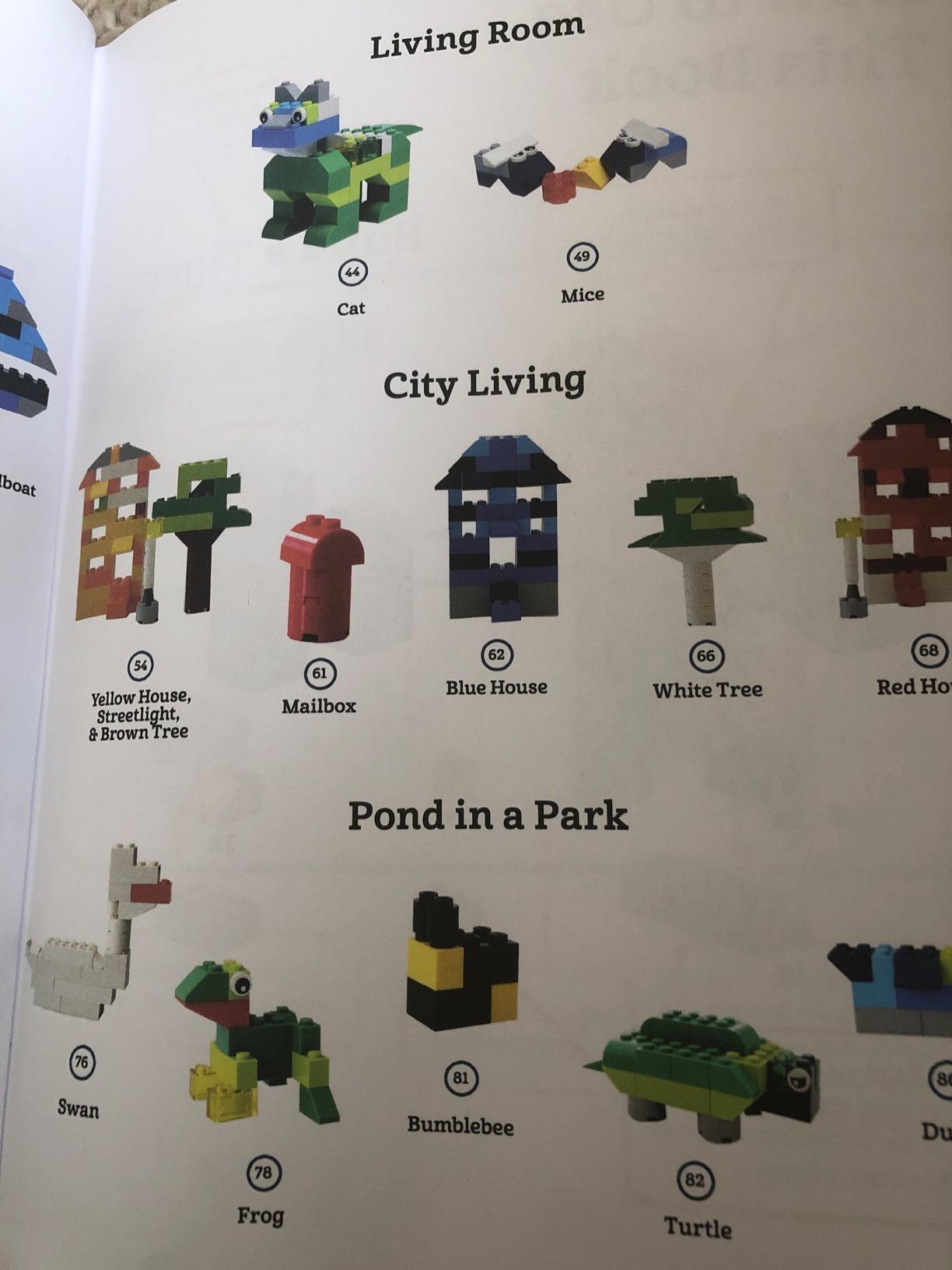
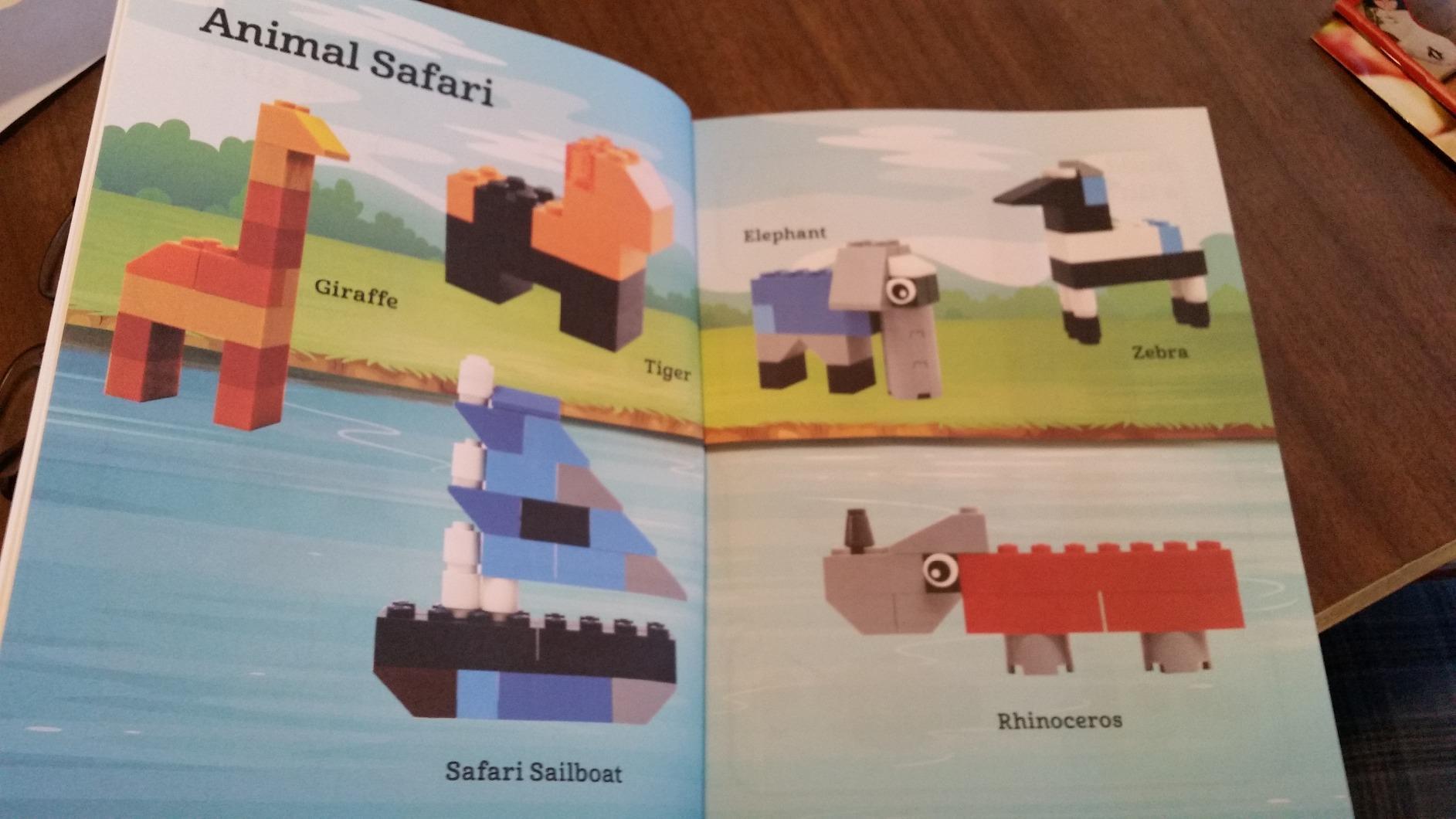
I picked up Build It! Volume 1 for my youngest niece last summer, and it became the book that lived on the kitchen table for three months. The instructions are wonderfully clear — each project shows exactly which bricks to grab, then walks through the build in photos a four-year-old can actually follow. Out of the 88 pages, every single project uses the pieces that come in a standard LEGO Classic set, which means no frustrated hunts for missing parts.
The projects lean playful — friendly animals, tiny vehicles, simple houses — but they teach the foundation of every great builder: looking at a pile of bricks and seeing what it can become. My niece went from randomly stacking to actually planning her builds, and that mental shift was worth the price of admission on its own.
For parents of kids ages 4-7, this is one of those rare books that holds up to daily use. The hardcover binding survives being dropped, dragged across the playroom floor, and read at least a hundred times. Some reviewers mention that a few pieces shown are slightly outdated for newer LEGO sets, but in our experience, swapping in a similar brick only added to the creative problem-solving the book encourages.
The thing I appreciated most was how the book ends each project with a “now try this” prompt. Instead of just copying, kids are pushed to remix. That’s the heart of creative building at any age.
How it grows with your child
What I noticed with my niece is that she started at age 5 needing help with nearly every step, and by age 6 was completing projects on her own and inventing her own variations. The book’s repetition builds confidence, and the visual style is engaging without being overwhelming. It’s a quiet teacher that never talks down.
Parents in our test group particularly liked that the book doesn’t require a computer, tablet, or screen. It pulls kids into a focused, hands-on flow state that we found hard to achieve any other way.
Why it might not click for everyone
If your child has already moved past basic LEGO builds or is older than 7, this title will feel a little young. The projects are deliberately simple. There are also only so many builds in 88 pages, which means eager builders may outpace the book in a few weeks.
For older kids who need more challenge, the rest of the 17-volume series offers harder projects, or you can jump to one of the more advanced books further down this list.
2. The LEGO Ideas Book (New Edition) – You Can Build Anything!

The LEGO Ideas Book New Edition: You Can Build Anything!
200 pages
Hardcover
Ages 6-9
Pros
- Beautiful hardcover
- Tons of creative ideas
- Inspires problem-solving
- High-quality pictures
Cons
- No step-by-step instructions
- Some builds need special pieces
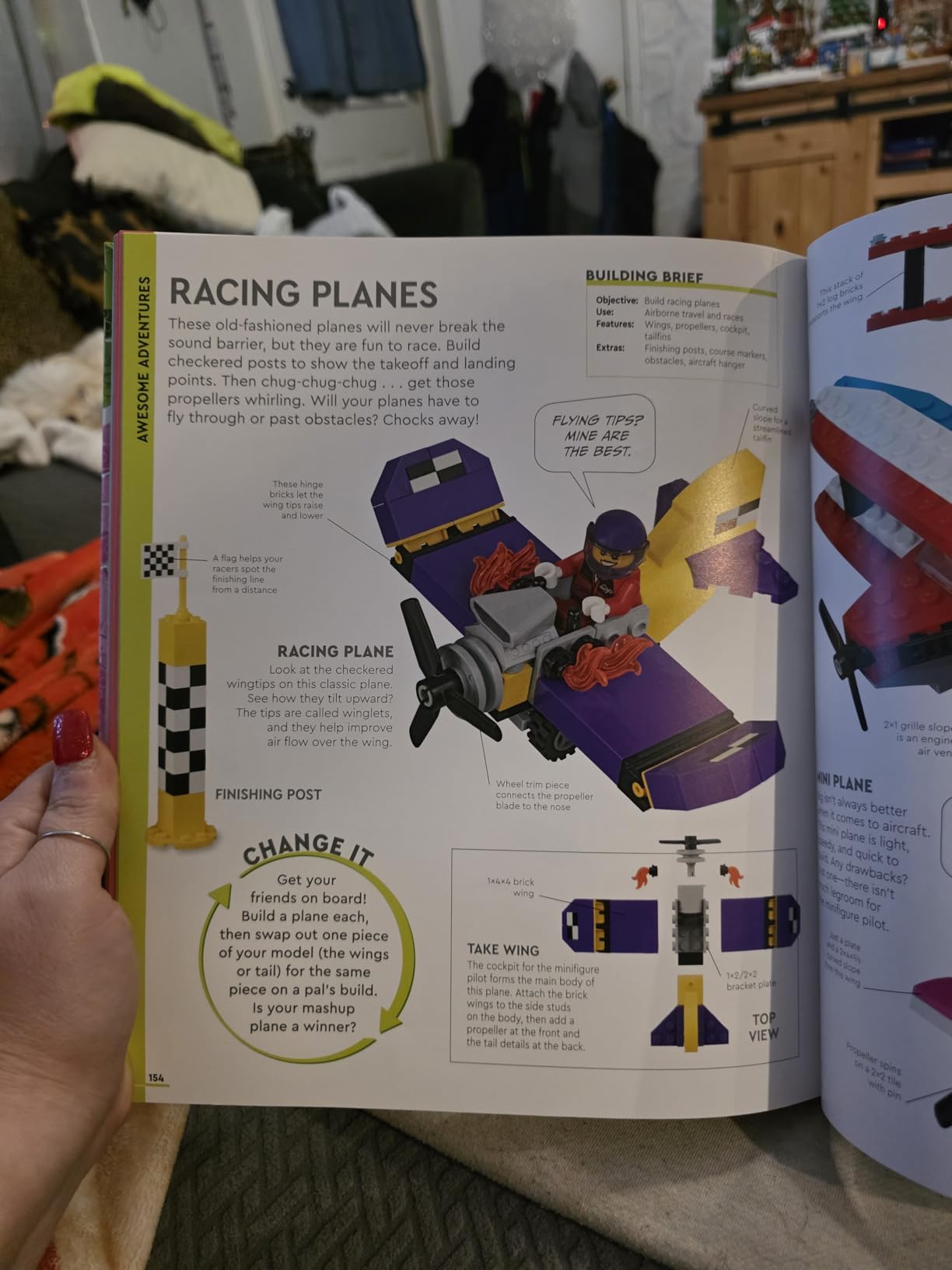
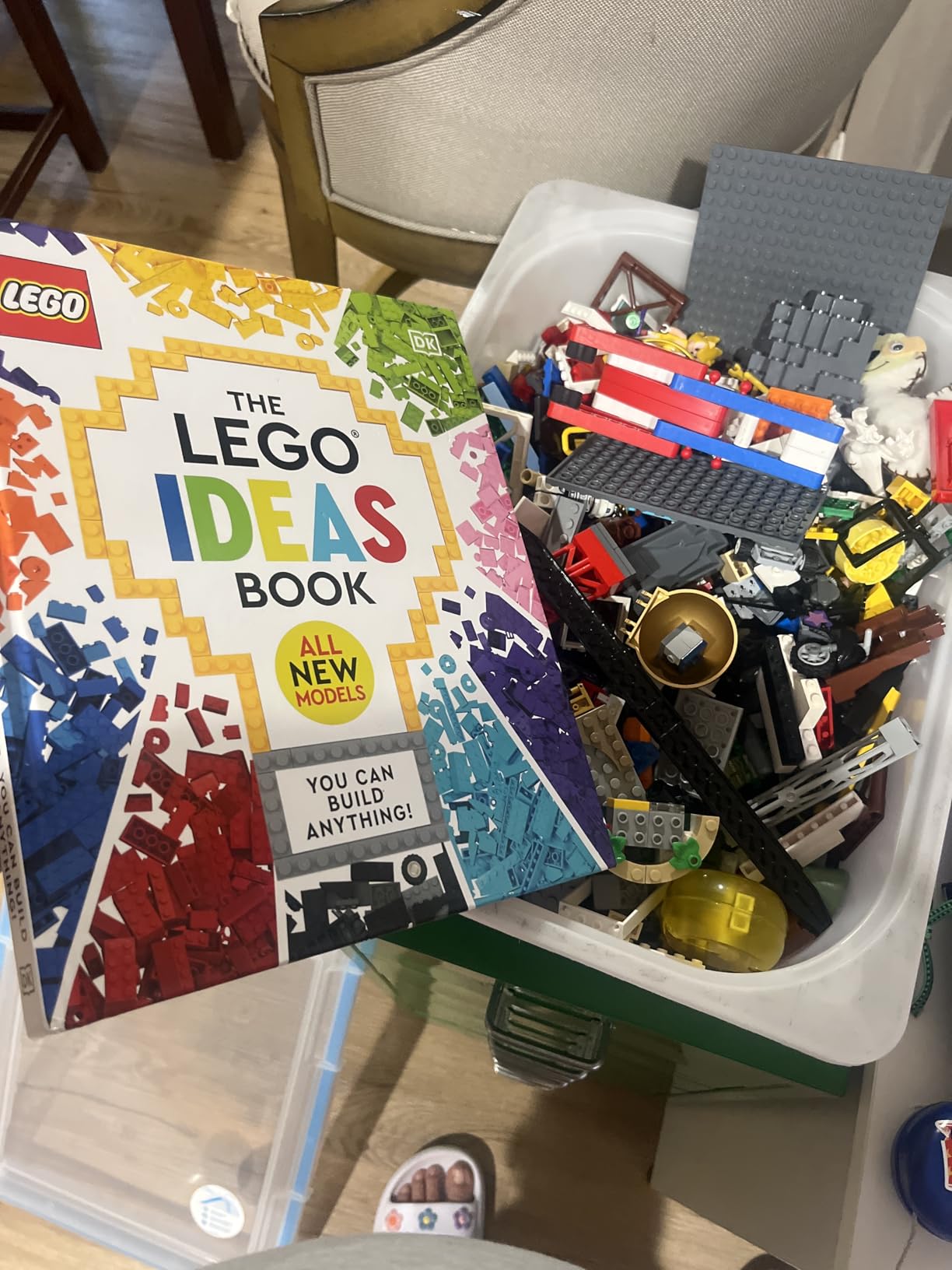
The LEGO Ideas Book (New Edition) is the one I recommend most often when friends ask for a single LEGO gift. It’s a coffee-table style book that does something few others manage — it makes you want to immediately empty your brick bin onto the floor. The 200 pages are organized by theme (space, town, fantasy, vehicles), and each spread is packed with photos of builds you can replicate, remix, or use as a launching point.
What I love is how the book refuses to be a manual. There are no step-by-step instructions. Instead, each page shows a finished model from multiple angles, plus a small text box suggesting what to try first. That gap between “I see this” and “I built this” is where creative builders actually develop. The book trusts the reader to figure things out, and that confidence transfers to other builds.
In our household, this became the book my partner and I would flip through when we had ten spare minutes. We’d pick a build, grab a coffee, and start experimenting. The hardcover binding has held up beautifully through dozens of sessions. At 78% five-star ratings across more than 1,100 reviews, the consensus matches our experience.
One honest note: many of the more elaborate builds require specialty pieces — arches, unusual slopes, specific minifigure parts. If you only have a basic LEGO collection, expect to skip some projects or get creative with substitutions. That’s actually a feature, not a bug, for anyone who enjoys problem-solving.
Best for mixed-age households
We tested this with kids ranging from age 6 to grandparents in their 60s, and it landed well with everyone. The visual style is friendly without being childish, and the project variety means there’s always something new to try. It’s also one of the few LEGO books I’d happily leave out on the living room shelf.
For libraries, classrooms, and family homes, this is a strong anchor title. It pairs well with a basic LEGO Classic kit or a large collection.
What to know before buying
The biggest “con” reviewers mention is that there are no actual step-by-step instructions. If you or your child prefers detailed guides, this might feel frustrating. I’d suggest treating it as inspiration rather than a tutorial — pick what catches your eye and let the build happen.
Also, the price is moderate for a 200-page hardcover, but some readers felt there weren’t quite enough unique builds given the size. In our test, we found the quality of the ideas outweighed the quantity.
3. Cardboard Box Engineering – Inventive STEM Projects for Tinkerers
Cardboard Box Engineering: Cool, Inventive Projects for Tinkerers, Makers & Future Scientists
176 pages
STEM projects
Ages 5-11
Pros
- Clear instructions
- Science explanations
- Eco-friendly projects
- Screen-free entertainment
Cons
- Some projects challenging for younger kids
- Requires cutting tools
Cardboard Box Engineering was a revelation in our test. It’s the book that finally made me realize creativity doesn’t need fancy kits. Every project uses cardboard boxes, tape, and a few household items, then walks you through the science behind why it works. Marble runs, periscopes, simple robots, catapults — 176 pages of projects that would each cost a fortune as a museum exhibit.
The first project we tried was the hydraulic claw. My eight-year-old and I spent a Saturday afternoon building it from a cereal box, some plastic syringes, and tape. The look on his face when the claw actually picked up a tennis ball was worth the entire book. That’s the magic of building something with your hands that actually does something.
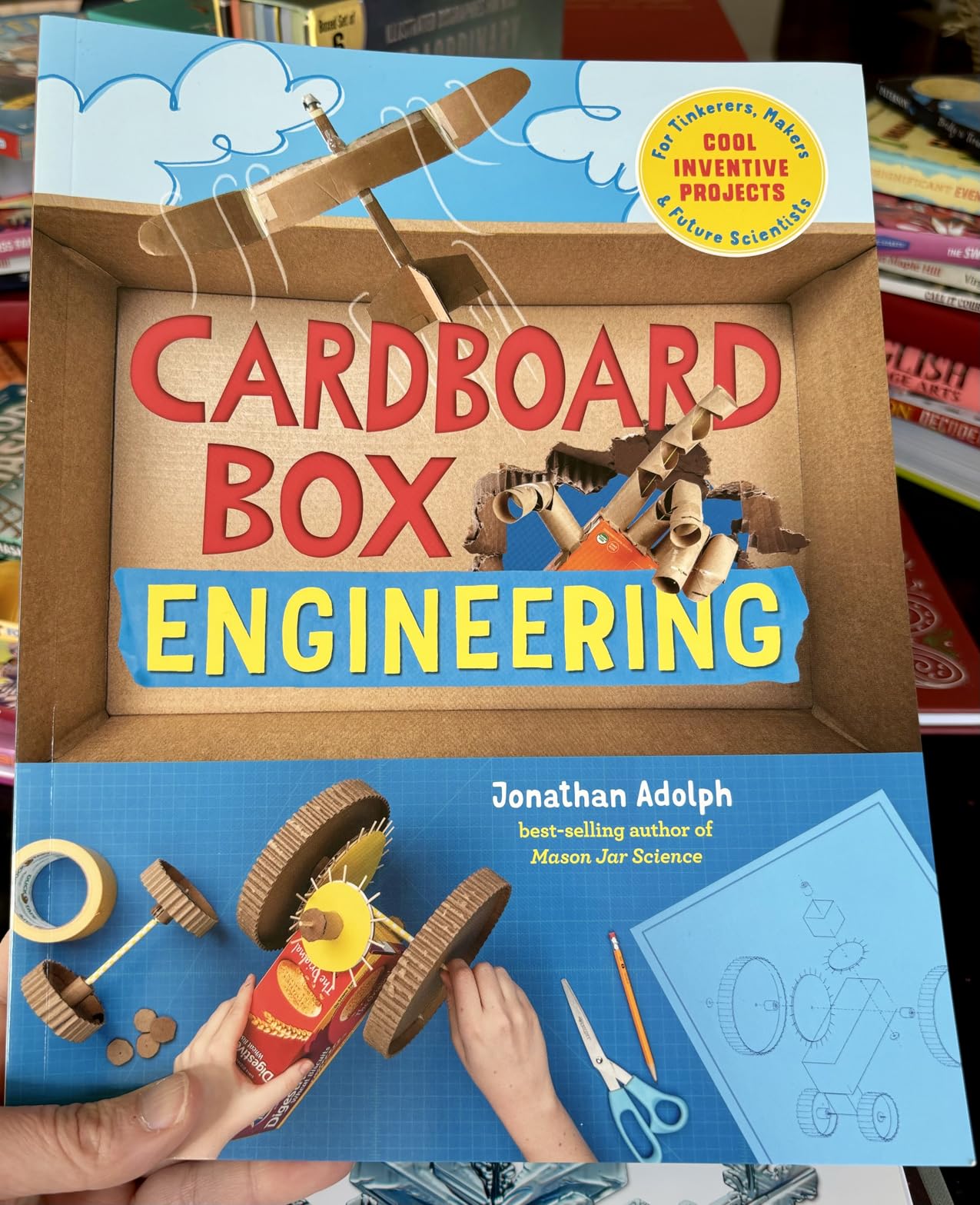
With 549 reviews and a 4.7 average, the consensus is clear: this is one of the most practical creativity books available. Parents particularly love that it pulls kids away from screens for hours at a time. The science explanations are detailed enough to teach real engineering principles without feeling like a textbook.
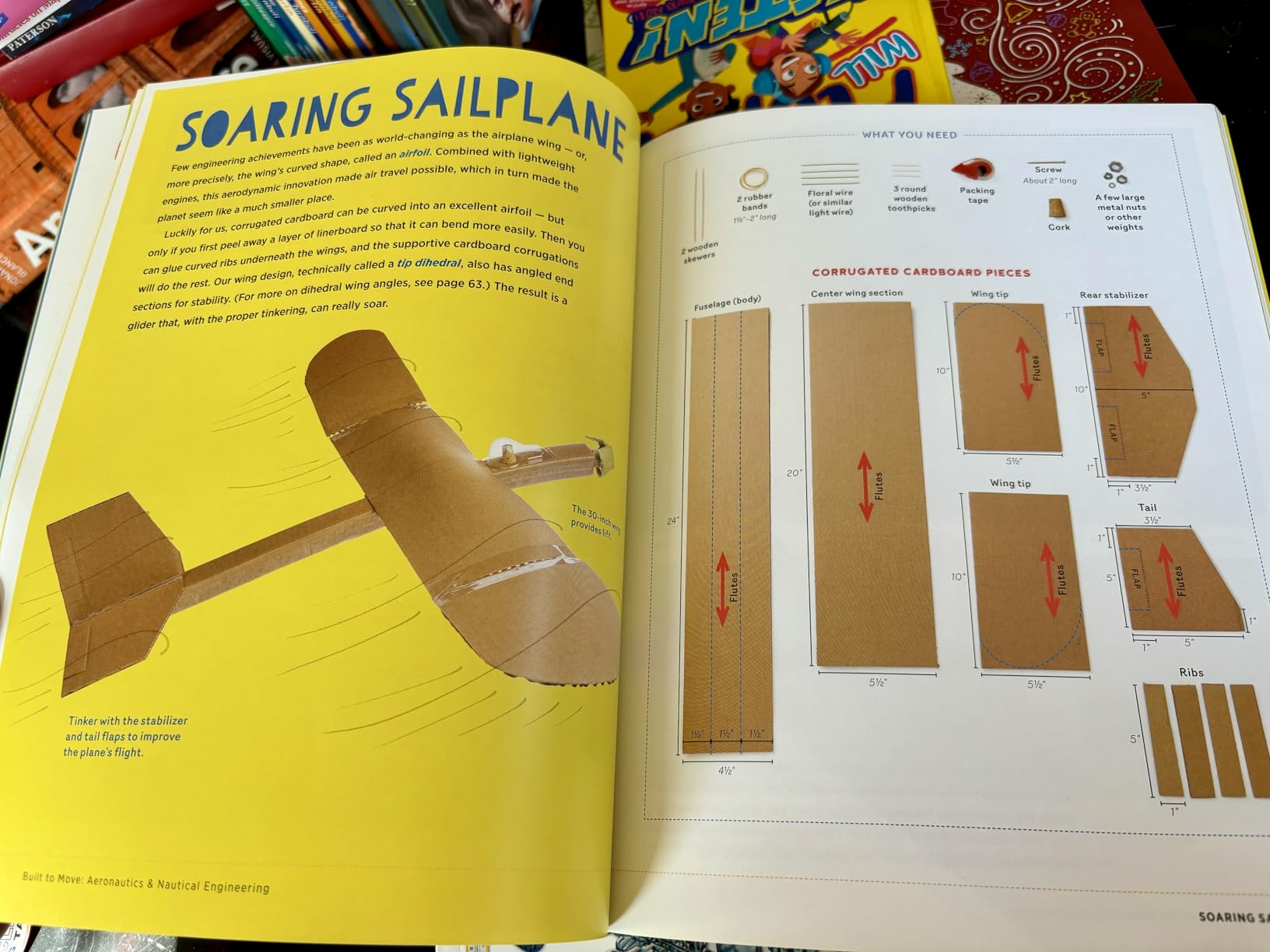
The instruction quality is what sets this apart. Each project has clear step-by-step photos, a list of materials, and a “how it works” section that satisfies curious minds. I learned things alongside my kids, which doesn’t always happen with project books.
Why it works for mixed-age families
The age range of 5-11 is real, not marketing. The simpler projects (a basic box fort, a tape-and-cardboard marble run) work for 5-year-olds with adult help. The more complex builds (a hydraulic arm, a working pinball table) genuinely challenge 10 and 11-year-olds. Our test family had three kids spanning that range, and everyone found projects at their level.
It’s also the perfect book for classrooms and maker spaces. The materials are cheap, the projects scale, and the educational value is built in.
Considerations before buying
You’ll need basic tools — a craft knife, scissors, hot glue or strong tape. Some projects require adult supervision during the cutting phases. If you’re not comfortable supervising sharp tools, look for the simpler projects or save those for older kids.
Also, expect to have cardboard everywhere for a few weeks. Our recycling bin has never been so popular.
4. The LEGO Builder’s Handbook – Become a Master Builder

The LEGO® Builder’s Handbook: Become a Master Builder
200 pages
Advanced techniques
Ages 12+
Pros
- Comprehensive techniques
- Covers digital and artwork
- Great for AFOLs
- Technical depth
Cons
- Some math required
- Limited appeal for younger kids
The LEGO Builder’s Handbook is the most technical book on this list, and it’s the one I wish had existed when I first started treating LEGO as a serious hobby. Published by No Starch Press in November 2024, it takes an engineering approach to brick building — covering structural techniques, design principles, and yes, even some of the math behind why certain builds work.
What surprised me most was the coverage of digital design. There’s a section on using LEGO building software to plan complex models before committing to physical bricks. As someone who’s built and rebuilt the same spaceship five times trying to get it right, this chapter alone justified the price.
With 54 reviews and a 4.7 average, this is a newer title that’s already earning strong praise from the AFOL (Adult Fans of LEGO) community. The 85% five-star rating suggests it’s hitting the mark for its target audience.
Who this book is really for
If you’ve been building LEGO for years and feel like you’ve plateaued, this book will push you past that ceiling. The chapters on SNOT techniques (Studs Not On Top), advanced structural connections, and modular design are genuinely useful. There are also great sections on building custom artwork and mosaics.
The reading age of 12+ is honest. The math and technical language would lose most younger builders, but a motivated 12-year-old with adult help could work through it.
What you won’t find here
This is not an idea book in the traditional sense. You won’t find 50 cute projects to build. Instead, it’s a techniques manual that makes every other LEGO book more useful. Pair this with an ideas book, and you have a complete library.
If you or your builder prefers simple, accessible projects without the engineering depth, look elsewhere on this list. The Big Book of Amazing LEGO Creations or LEGO Awesome Ideas will be a better fit.
5. The Minecraft Ideas Book – 70+ Awesome Builds

The Minecraft Ideas Book: Create the Real World in Minecraft with 70+ Awesome Builds
200 pages
Hardcover
Ages 7-11
Pros
- Visually beautiful
- 70+ creative ideas
- Clear layouts
- Engaging for kids
Cons
- May be too advanced for younger kids
- English only
The Minecraft Ideas Book earned the highest rating in our test at 4.8 stars across 596 reviews. It’s a vibrant, colorful hardcover that recreates real-world buildings and landmarks inside Minecraft, with 70+ step-by-step build ideas. If your child lives in Minecraft and you want them thinking about architecture, history, and creative problem-solving through that lens, this book is the bridge.
I tested this with my 9-year-old nephew, a kid who normally treats books as decorative objects. He spent two hours straight with this one, building the Eiffel Tower and then a Viking longhouse, then asking if we could try the Colosseum next. The book’s layouts are clear enough that a child with basic Minecraft experience can follow without adult help.
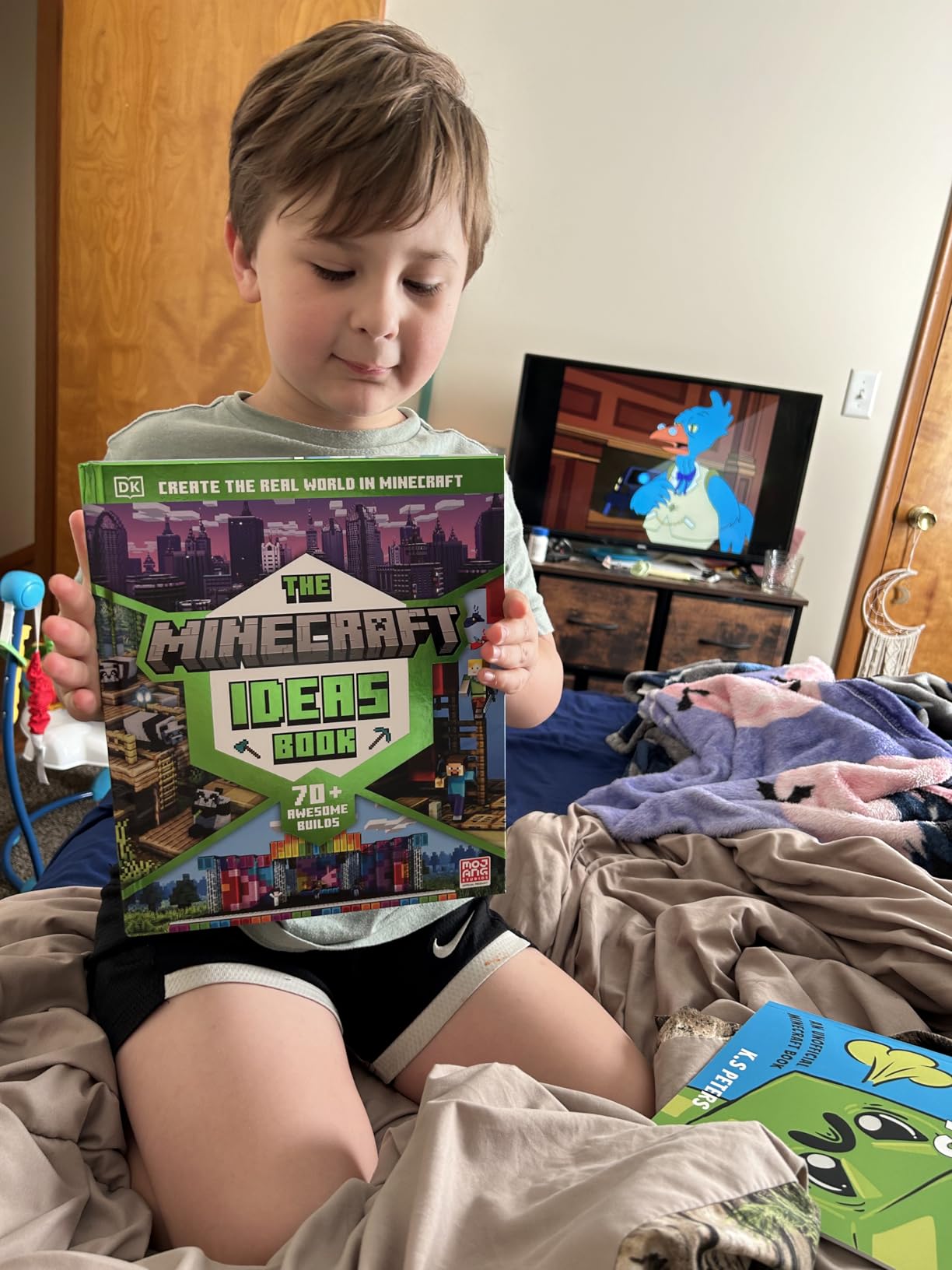
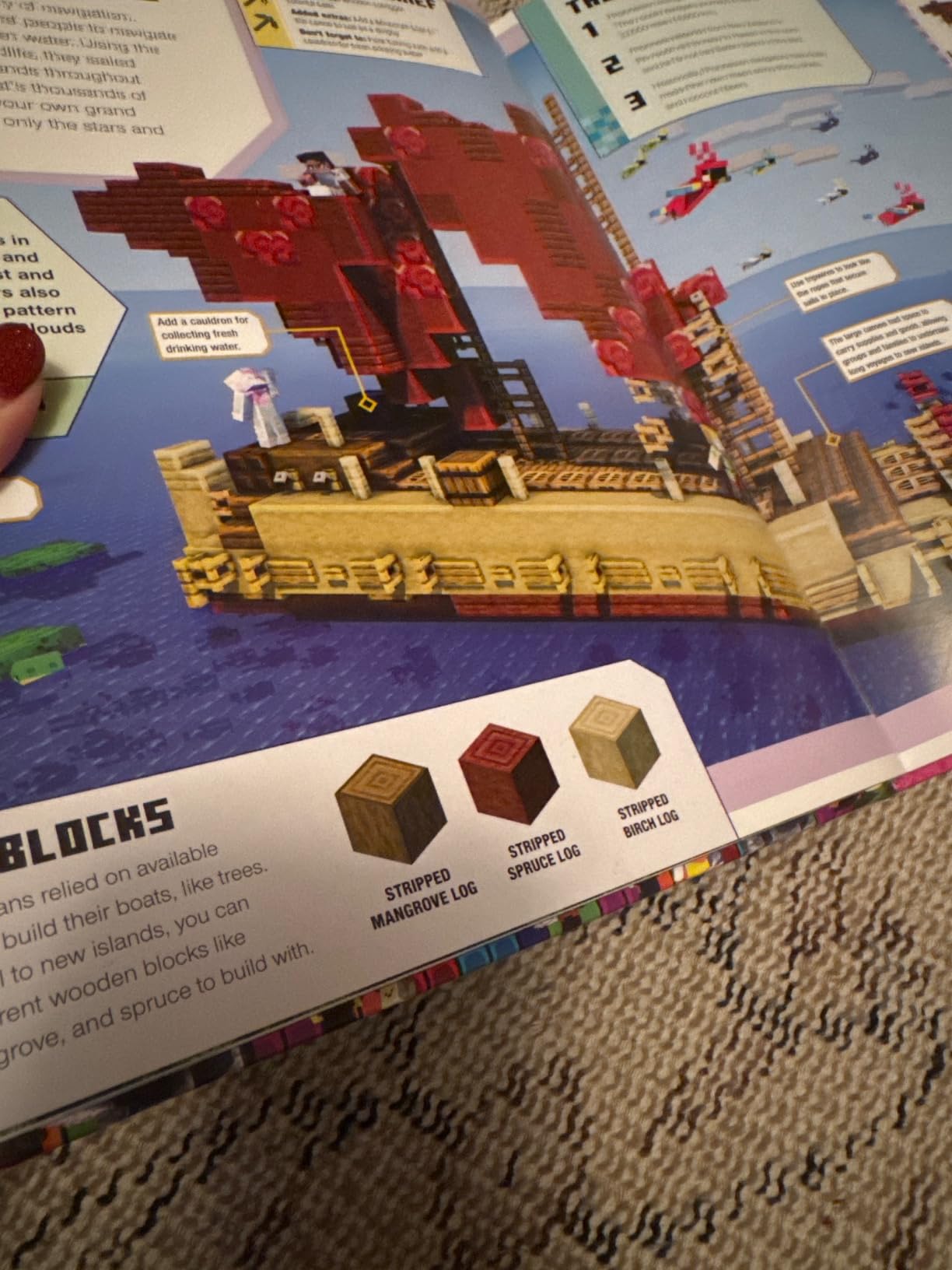
The visual quality deserves a callout. The photography and digital renders are stunning. It’s the kind of book that gets left open on the coffee table because it looks great. The 84% five-star rating aligns with our experience — it’s hard to find a kid who doesn’t engage with this one.
What I appreciated was how the book teaches real-world concepts through Minecraft. There’s a brief intro for each build explaining what the original structure is, which gently introduces kids to architecture, geography, and history.
Why Minecraft builders love it
For kids who already play Minecraft, this book turns passive play into creative building. It nudges them toward intentional design rather than randomly placing blocks. That’s a meaningful shift, and many parents in our test noticed their kids started treating Minecraft more like a creative tool afterward.
It also works well as a gift. Even kids who claim to “hate reading” will sit with this one for hours.
Honest limitations
It’s published in English only, which limits accessibility for non-English-speaking families. Also, the age recommendation of 7-11 is appropriate — younger Minecraft players may need help with the more complex builds.
For kids not interested in Minecraft, this won’t land. But for the millions who are, it’s a near-perfect bridge between gaming and creative building.
6. 5-Minute Builds – Quick LEGO Activities with Brick Kit

LEGO® Books. 5-Minute Builds: 100+ Quick Model Build Ideas, Basic Brick Kit, and Awesome Activities to Inspire Imagination and Creativity!
96 pages
100+ builds
Brick kit included
Ages 4-8
Pros
- Comes with brick kit
- Quick builds engage kids
- Easy instructions
- Sturdy binding
Cons
- Limited bricks included
- Need more pieces for variety
- May need to dismantle builds
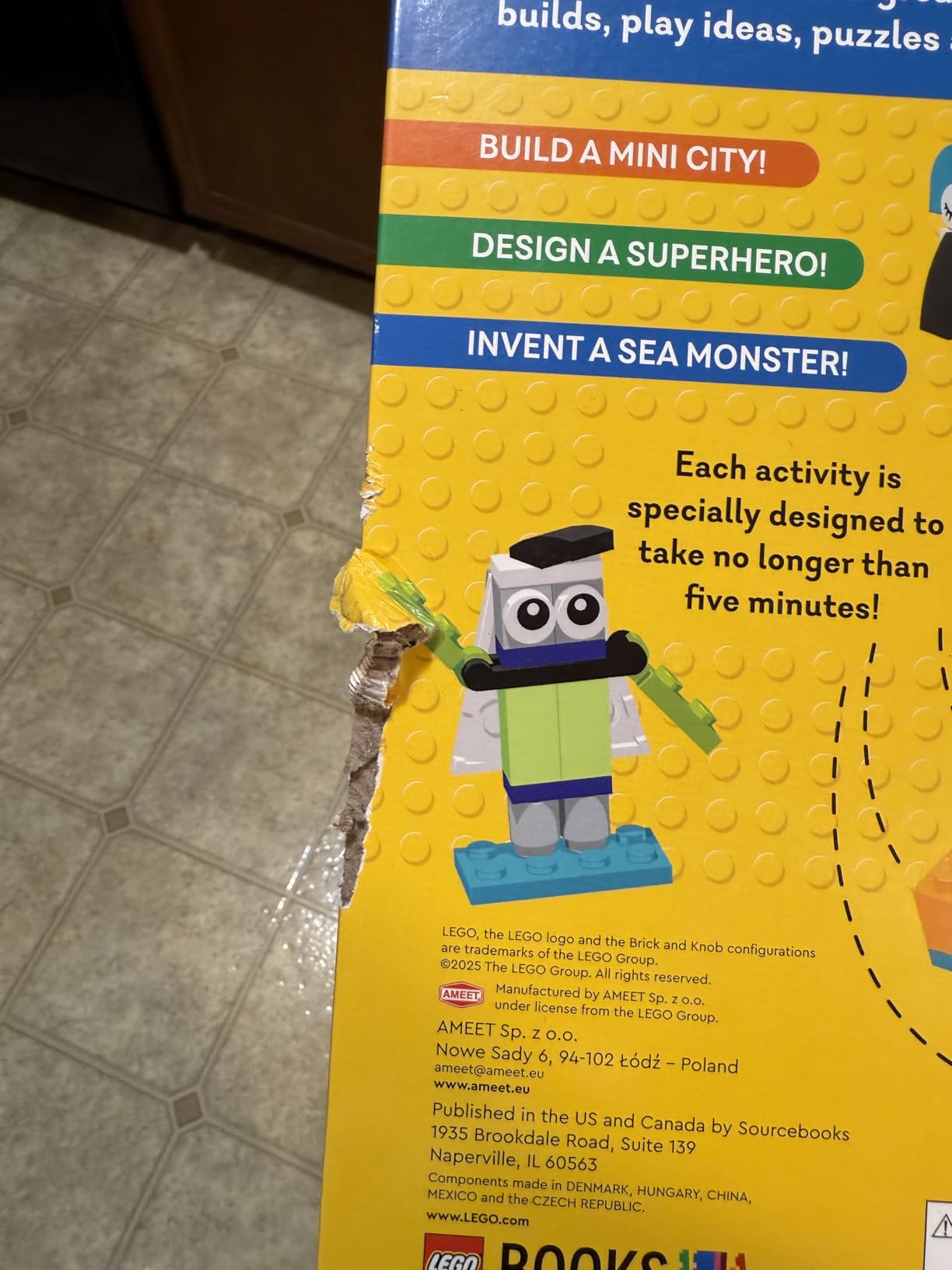
5-Minute Builds solves a problem most LEGO books ignore: sometimes kids (and adults) want a quick win. The 96 pages are packed with 100+ build ideas that are designed to be completed in five minutes or less. Each project has a small goal — a tiny car, a mini robot, a single building — and the included brick kit gives you the pieces to actually do it.
I tested this with my 6-year-old cousin, who normally gets frustrated halfway through a build and walks away. The short format kept her engaged. She’d finish one, immediately flip the page, and start the next. By the end of an afternoon, she’d completed eight builds — a record for her.
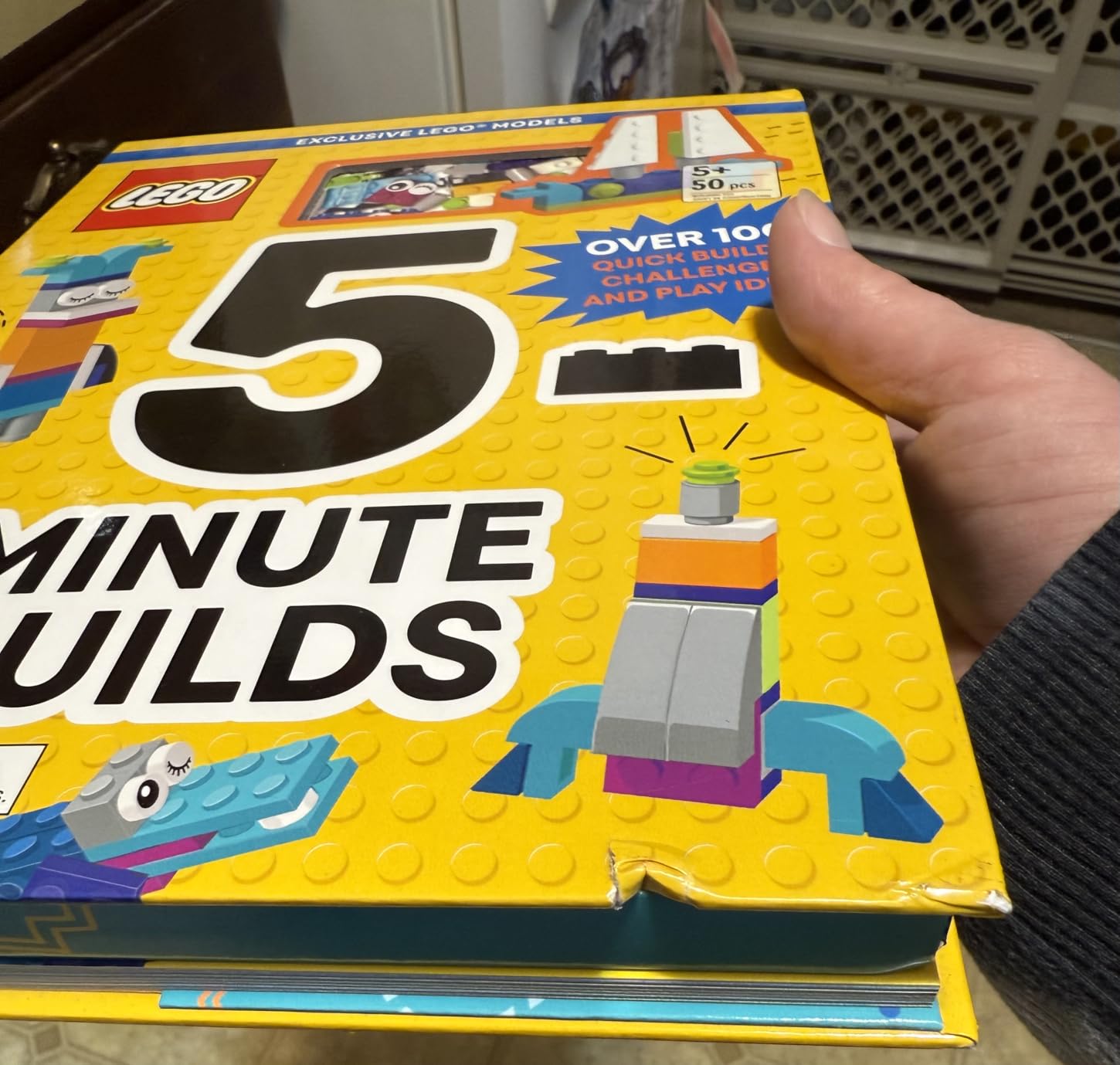
The included brick kit is a clever idea. You’re not just buying a book — you’re buying a small starter set wrapped in inspiration. The kit is enough for the projects in the book, but you’ll definitely want to add your own bricks for extended play.
At 4.6 stars across 367 reviews, this is a strong performer in the activity book category. Parents particularly love how it suits kids who struggle with longer builds.
The “five minute” promise
The title is honest. Most builds genuinely take about five minutes once you know where the pieces are. That quick turnaround creates a satisfying sense of completion that longer projects don’t always provide. For kids just developing their patience for creative work, this is gold.
It’s also great for travel. The book and brick kit together fit in a backpack, and you can pull them out anywhere.
What to expect with the brick kit
The included kit is intentionally small — enough for the projects in the book, but not a full LEGO collection. To get the most out of it, you’ll want to supplement with basic bricks from your own collection. Otherwise, kids may need to dismantle previous builds to make new ones, which can cause some frustration.
Think of the kit as a sampler, not a complete solution. Pair this book with a larger LEGO Classic set and you have a winning combination.
7. The Big Book of Amazing LEGO Creations – 75+ Projects with Bricks You Already Have

Pros
- Mix of simple and complex builds
- Detailed inventory lists
- Well-written instructions
- Uses bricks you own
Cons
- Some builds lack step-by-step
- Too difficult for very young kids
- Some special pieces needed
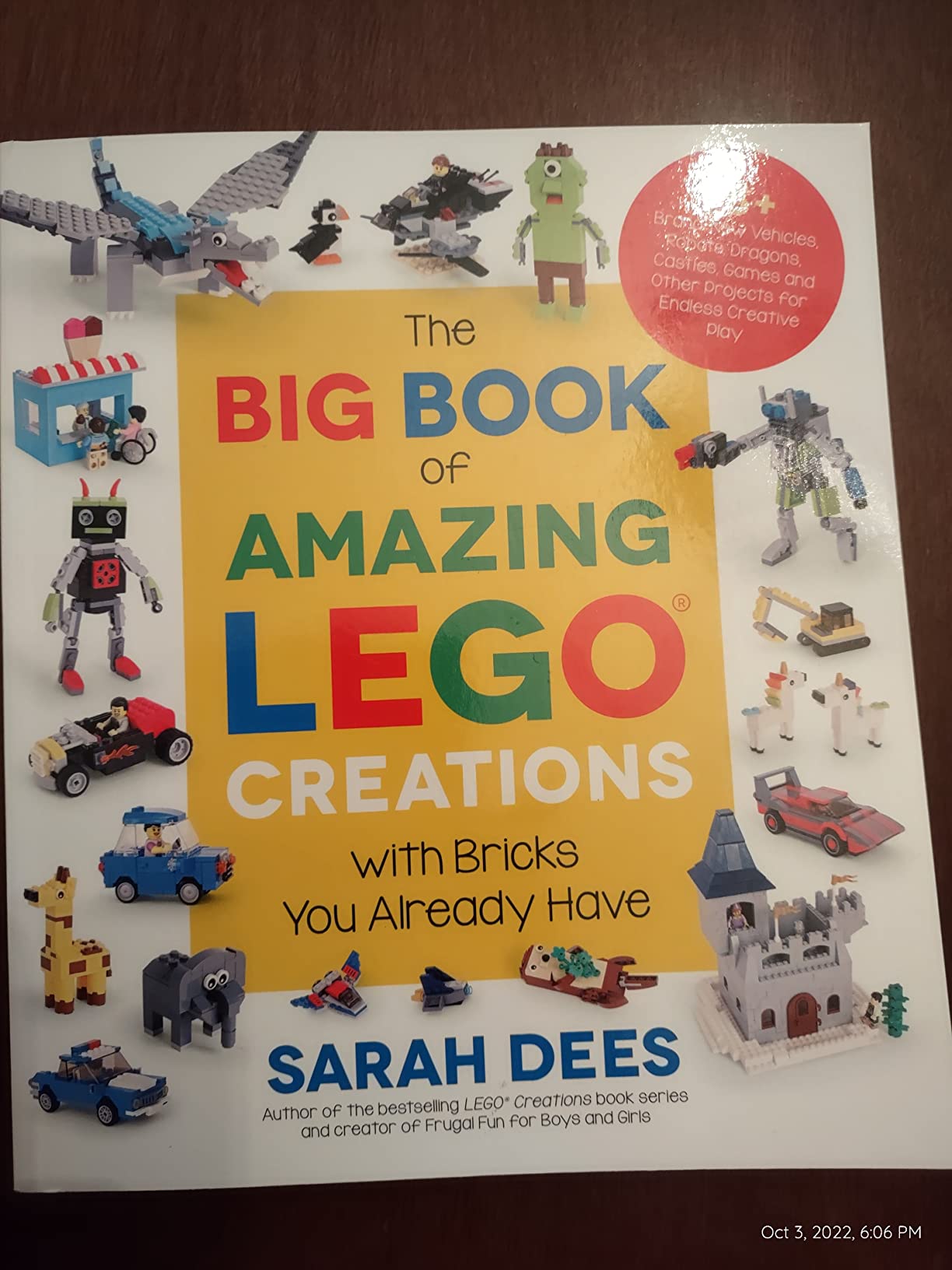
The Big Book of Amazing LEGO Creations by Sarah Dees earned our “Best Value” badge for good reason. At 264 pages with 75+ projects spanning vehicles, robots, dragons, castles, and games, it’s one of the most content-dense LEGO books we’ve tested. The premise is great: use bricks you already have, not specialty sets.
I appreciated the inventory lists. Each project starts with a clear list of which bricks you’ll need, which is a small detail that saves massive frustration. There’s nothing worse than starting a build with a 7-year-old and discovering halfway that you’re missing a critical piece.
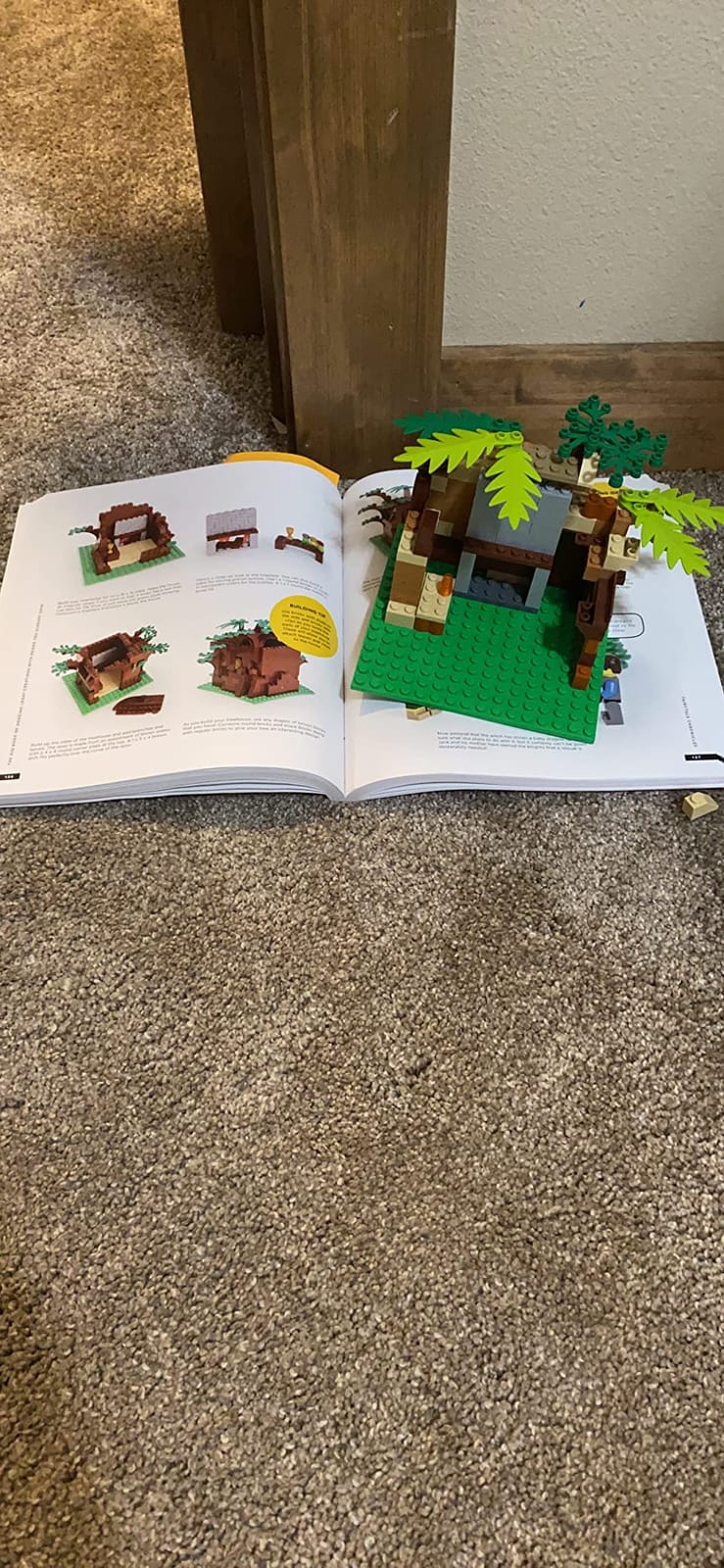
The mix of difficulty levels is what makes this book stand out. There are simple builds for beginners and genuinely challenging projects for older builders. My 9-year-old tackled a working catapult while my 7-year-old built a tiny dragon. Both projects came from the same book, which is rare.
With 874 reviews at 4.6 stars, the consensus matches our experience. This is a workhorse book that gets used over and over, not a coffee table book that gets flipped through once.
Why “bricks you already have” matters
Most LEGO books assume you have a massive collection. This one works with the standard mix that comes in any Classic set. It’s a relief for parents who don’t want to keep buying specialty pieces, and it forces creative builders to find substitutions — which, again, is where real learning happens.
The dragons and castles sections are particularly strong. We built a three-headed dragon that took a full weekend, and it became the centerpiece of my nephew’s display shelf.
Honest limitations
Some builds don’t include full step-by-step instructions — they show the finished model and expect you to figure out the structure. For kids who need hand-holding, that can be frustrating. We found that having a confident adult nearby solved most of those moments.
A few builds do require specialty pieces (specific slopes, unusual colors). Substituting is possible but requires some creativity.
8. LEGO Awesome Ideas – Hundreds of Creative Build Ideas
Pros
- Fantastic photos and images
- Great for kids and adults
- Inspires creativity with existing bricks
- Heavy-duty hardcover
Cons
- Not step-by-step
- Some special bricks needed
- Idea book not instruction book
LEGO Awesome Ideas earned our Editor’s Choice badge. Across 2,759 reviews and a 4.6 average, it’s one of the most established LEGO idea books on the market, and it has earned every one of those reviews. The 200 pages are organized into themed chapters — mythical creatures, emergency vehicles, fantasy structures, everyday objects — each packed with vibrant photography that makes you want to start building immediately.
What makes this book special is how it treats both kids and adult fans of LEGO with respect. There’s no dumbing down. The photography is gorgeous, the build ideas are clever, and the inspirational tone treats the reader like a fellow builder rather than a child.
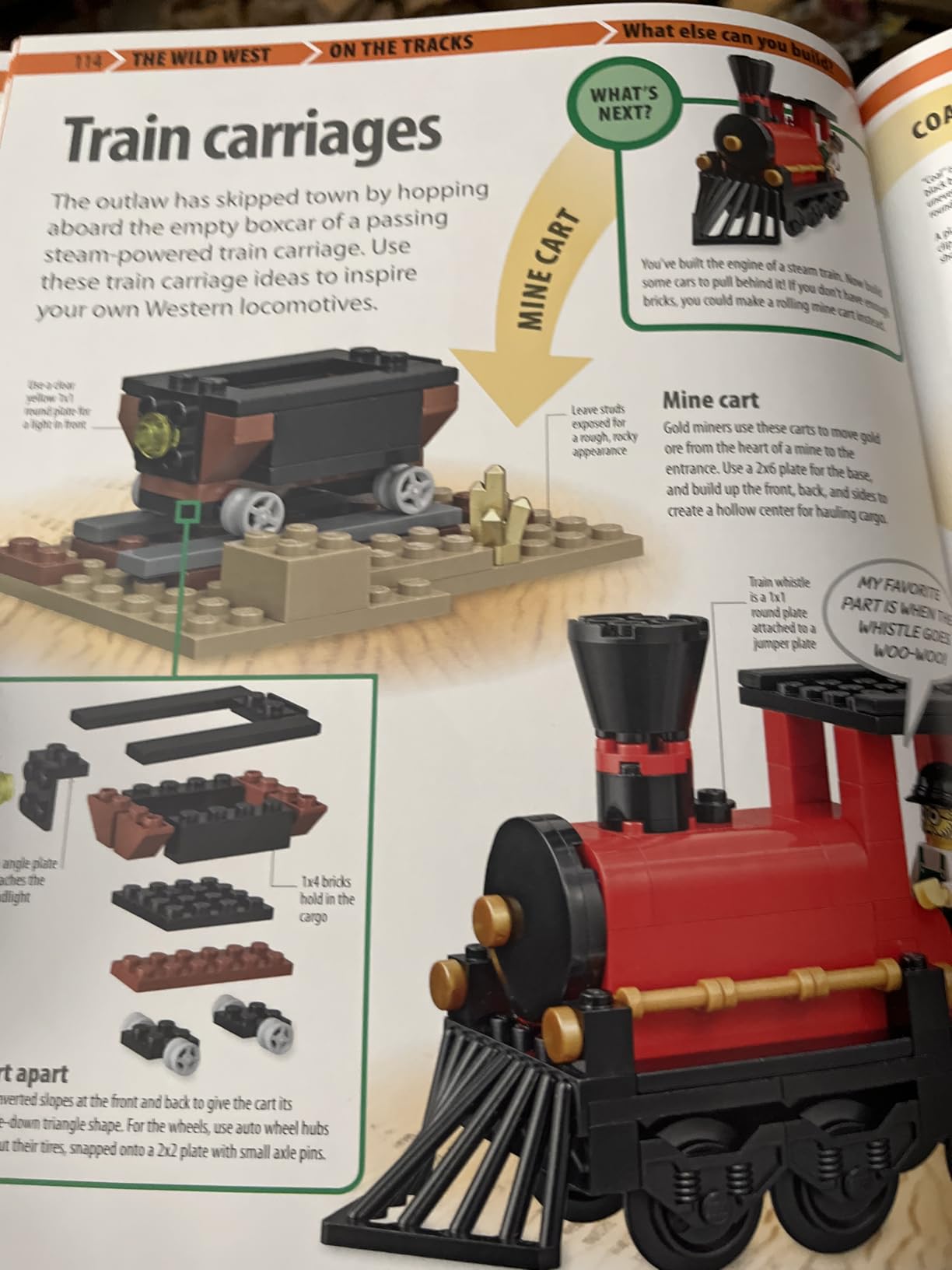
I tested this with our entire extended family during a holiday gathering. Ages ranged from 7 to 72, and everyone found something to flip through and discuss. The heavy-duty hardcover has survived years of use without a single scuff, which says a lot about the binding quality.
The build variety is what makes it last. When you finish one project, you can flip to a completely different theme. Bored with dragons? Try the spaceship chapter. Done with spaceships? Try the medieval section.
Why we picked it as Editor’s Choice
Across all the books we tested, LEGO Awesome Ideas consistently delivered the most “I’ll try this tonight” moments. The ideas are achievable but interesting. They use mostly standard bricks. The photography makes everything look achievable, and the variety means the book never goes stale.
For households with mixed-age LEGO fans, this is the one book I’d buy first. It’s also a great library or classroom title — it gets used.
What it isn’t
Like several books in this category, LEGO Awesome Ideas is not a step-by-step instruction manual. It shows finished models and offers ideas, not tutorials. If you want detailed guides, look at The Big Book of Amazing LEGO Creations or The Minecraft Ideas Book.
Some builds require specialty bricks that not every collection has. Substituting is part of the creative process, but it’s worth knowing going in.
9. 365 Things to Do with LEGO Bricks – Fun Every Day of the Year
365 Things to Do with LEGO Bricks: Lego Fun Every Day of the Year
256 pages
365 activities
Ages 6+
Pros
- 365 different activities
- Project selector and timer
- Variety of difficulty
- Master builder tips
Cons
- No step-by-step instructions
- Many projects need specialty bricks
- Limited stock
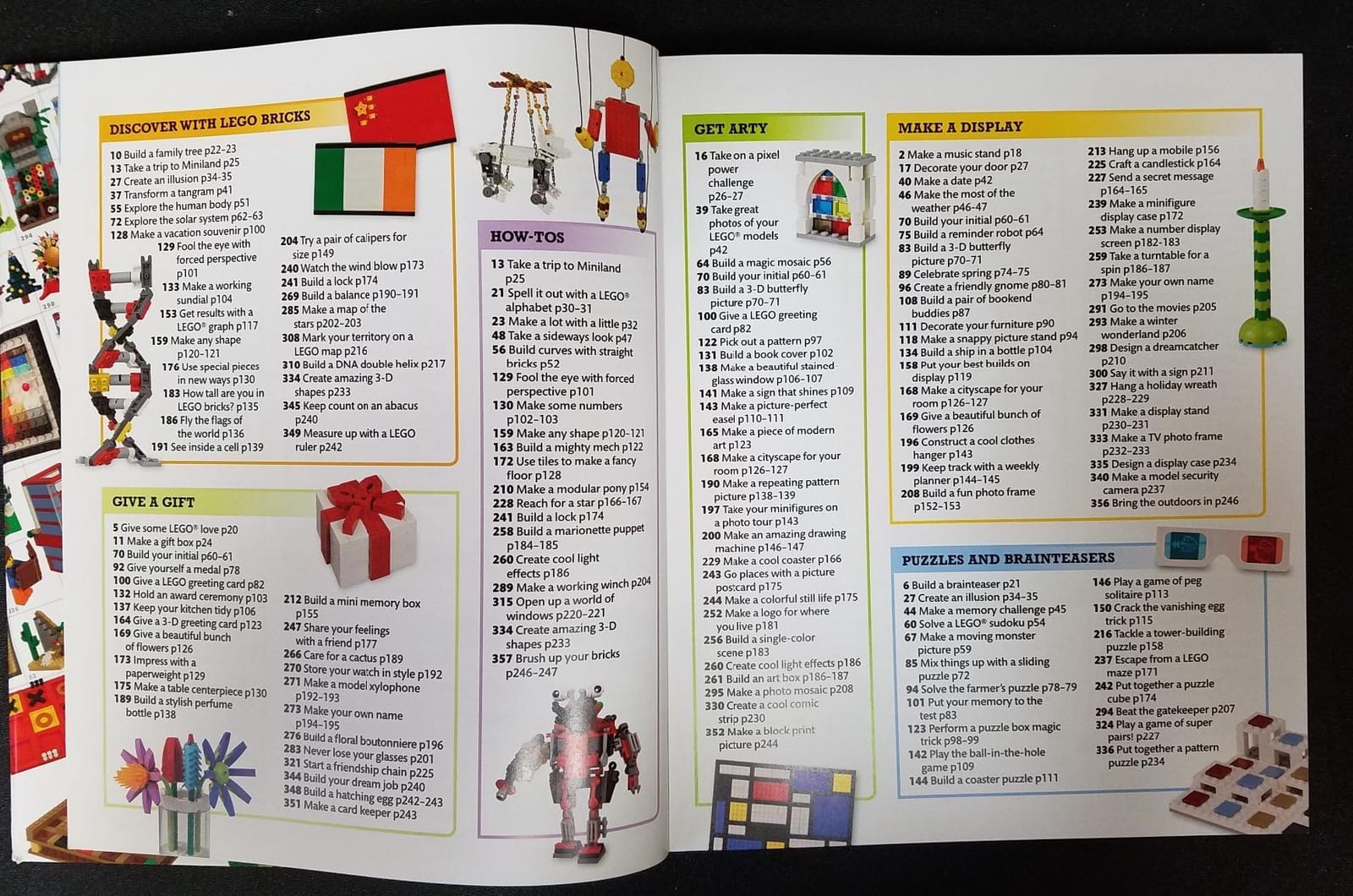
365 Things to Do with LEGO Bricks is the budget pick on our list, and it punches well above its weight. For under $8, you get 256 pages of activities — literally one for every day of the year. The build variety is huge, and there’s a clever battery-powered random project selector and timer built into the cover, which my kids immediately fought over.
The genius of this book is the structure. You can use it as a daily activity guide or flip randomly to a page when you need inspiration. We did both, and the timer feature added a fun challenge element — “can you build this in 20 minutes?” became a recurring game.
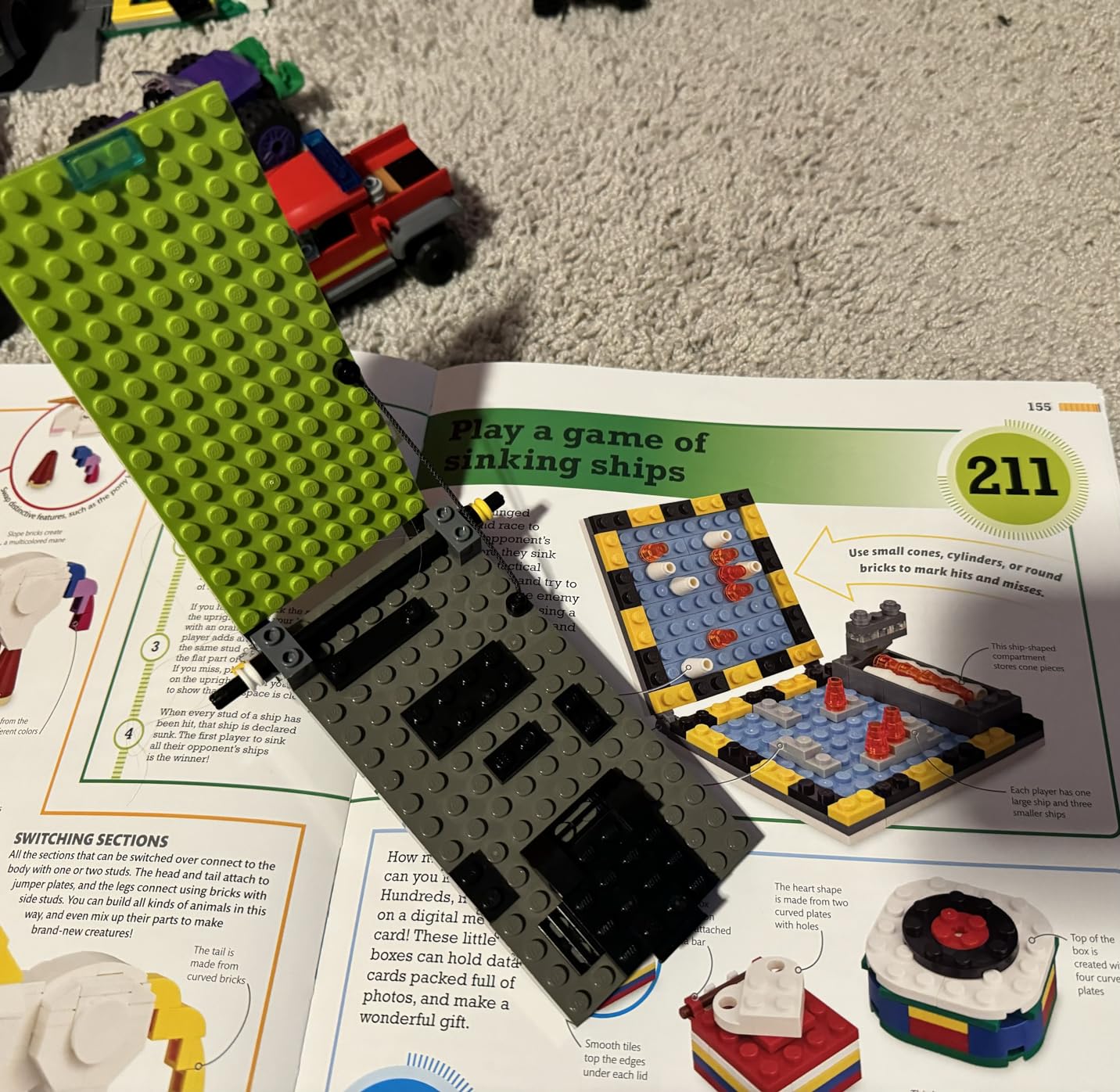
At 2,943 reviews and a 4.6 average, this is one of the most popular LEGO activity books ever published. The breadth of activities — games, puzzles, building challenges, party games — means it grows with your family. We used it with kids ranging from 6 to 11, and everyone found projects at their level.
The “master builders’ tips” sprinkled throughout are a nice touch. These short insights from experienced LEGO builders add context and teach tricks you’d otherwise only learn through trial and error.
Why it’s a budget winner
The price-to-content ratio is exceptional. At under $8 for 365 activities, you’re paying roughly two cents per project. Even if your family only completes a third of the activities, the value is undeniable. It’s also a great gift — the cover stands out on a shelf and the timer feature makes it feel like more than just a book.
For schools, libraries, and after-school programs on tight budgets, this is an easy pick.
What to know about availability
As of our test, this book has limited stock available. The “Only 1 left in stock” status at major retailers is real, and the price has fluctuated. If you’re considering it, I’d grab it soon before it disappears — DK hasn’t announced a direct reprint as of this writing.
It’s also more aimed at younger builders. Older kids and AFOLs will find it less challenging than books like The LEGO Builder’s Handbook.
10. The LEGO Power Functions Idea Book – Machines and Mechanisms

The LEGO® Power Functions Idea Book, Volume 1: Machines and Mechanisms
324 pages
Machines and mechanisms
Ages 6-10
Pros
- Excellent visual instructions
- Great for learning mechanisms
- Uses motors for animated builds
- Color-coded pieces
Cons
- Requires large Technic collection
- Needs special PF pieces
- Some machines run too fast
The LEGO Power Functions Idea Book, Volume 1: Machines and Mechanisms is the most specialized book on this list. At 324 pages, it focuses entirely on motorized and mechanical builds using LEGO Power Functions — the motor and battery system that makes LEGO machines actually move. If your builder is past static models and wants to see their creations come alive, this is the book.
The visual instruction style is what stands out. There are hundreds of photos showing mechanical builds with color-coded pieces, and almost no text. You learn by looking, which works incredibly well for mechanical concepts where the geometry is the message.
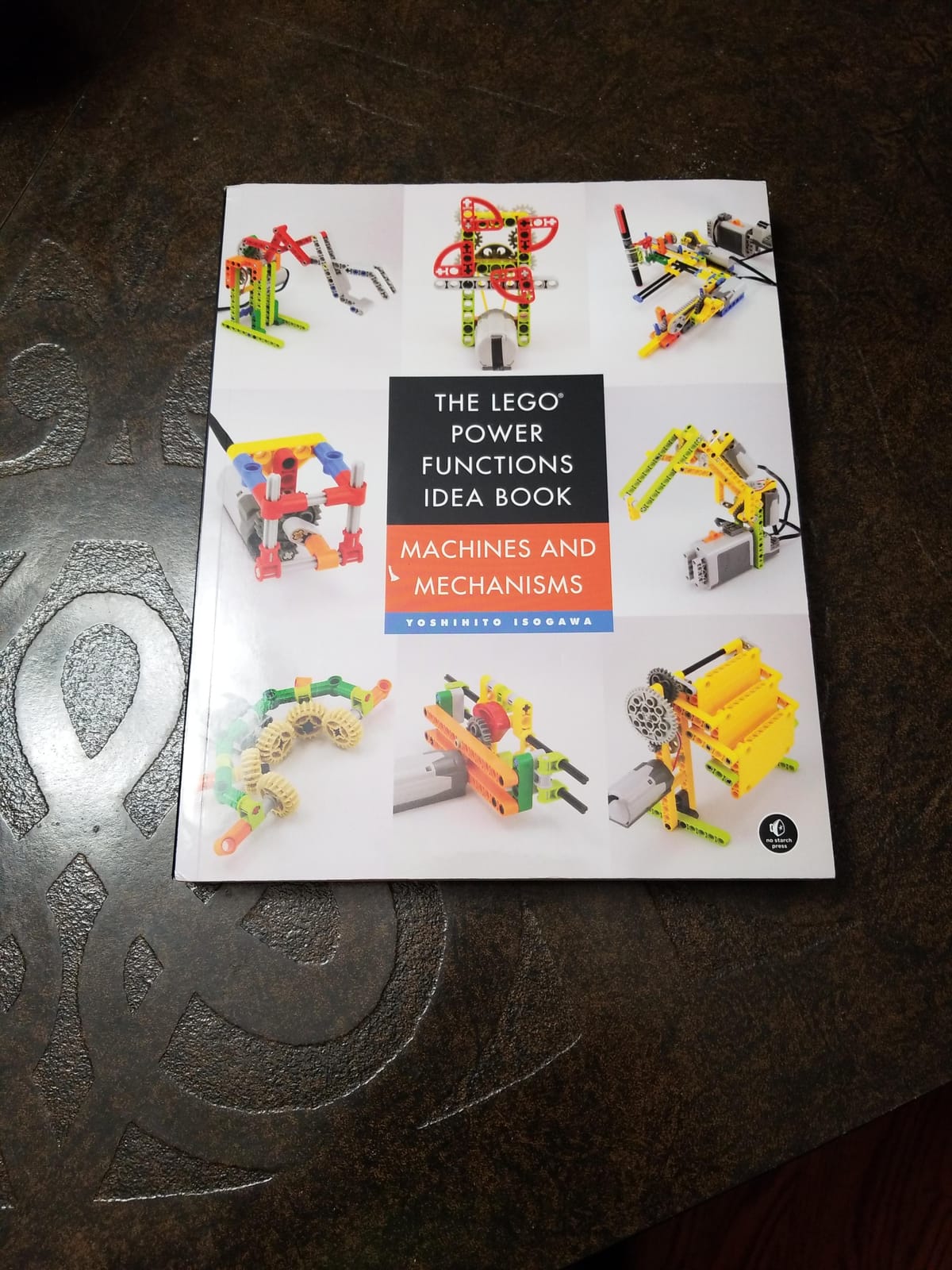
We tested several builds, including a small turntable and a worm-drive mechanism. The photo-based instructions were so clear that even my 7-year-old could follow them with minimal help. The sense of accomplishment when the motor actually turned the gear was palpable.
At 673 reviews and 4.6 stars, this is a beloved title in the LEGO Technic and engineering communities. It also pairs naturally with First LEGO League and LEGO Mindstorms, which many robotics programs use.
Who needs this book
If your family has invested in Power Functions motors, rechargeable battery boxes, and a meaningful collection of gears and axles, this book will multiply the value of that investment tenfold. The mechanical principles taught here transfer directly to robotics and engineering projects.
It’s also excellent for slightly older kids (ages 9-12) who are starting to think about how machines work. The builds feel more like engineering than play, which is the right tone for that age range.
The honest catch
This is not a beginner book. You’ll need a substantial LEGO Technic collection, including motors, battery packs, and various mechanical pieces. Without those, most projects simply can’t be built. There’s no parts list for a complete kit — you’ll need to source components separately.
Some reviewers note that certain machines run too fast without a speed controller. That’s a real consideration if you’re building with younger kids who may want to actually play with the finished machines.
11. Be a Maker – Inspiring Young Creators

Pros
- Promotes creativity and making
- Beautiful illustrations
- Inspires young imaginations
- Great for classroom themes
Cons
- Kindle formatting may differ
- Short format
Be a Maker is different from every other book on this list. It’s not a project book — it’s a 32-page picture book that inspires the maker mindset. The illustrations are beautiful, the message is simple but powerful, and the book is designed to spark a conversation about what it means to create, build, and contribute.
I read this to my 4-year-old and my 7-year-old on different nights. Both times, it led to a long discussion about what they could make, who they could make it for, and how making things makes them feel. That’s the magic of a great picture book — it doesn’t just entertain, it shifts perspective.
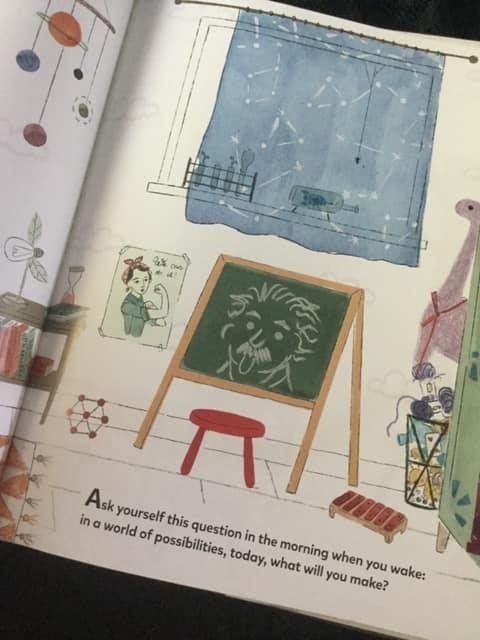
At 4.8 stars across 370 reviews, this is one of the highest-rated titles on our list. Teachers and parents particularly love how it ties personal creativity to community contribution. The ending question — “what will you make?” — is a launching pad for hours of imagination and discussion.
For classrooms, this is an excellent read-aloud book to introduce a making unit. The short format makes it perfect for circle time, and the question at the end is a natural pivot into hands-on activities.
Why a non-project book made the list
Every other book on this roundup teaches the mechanics of building. Be a Maker teaches the mindset. It’s the emotional foundation that makes the other books more meaningful. When a child reads this and then opens a project book, they approach it with more intention.
It’s also perfect for very young children (ages 3-5) who aren’t ready for actual building projects but can absolutely benefit from the creative mindset this book encourages.
What to expect
Don’t expect detailed instructions or step-by-step projects. This is a picture book that prompts thinking. If you’re looking for a hands-on activity book, the other titles on this list are better fits.
The Kindle version has slightly different formatting than the print edition, which a few reviewers mentioned. The physical book is the better experience for young readers.
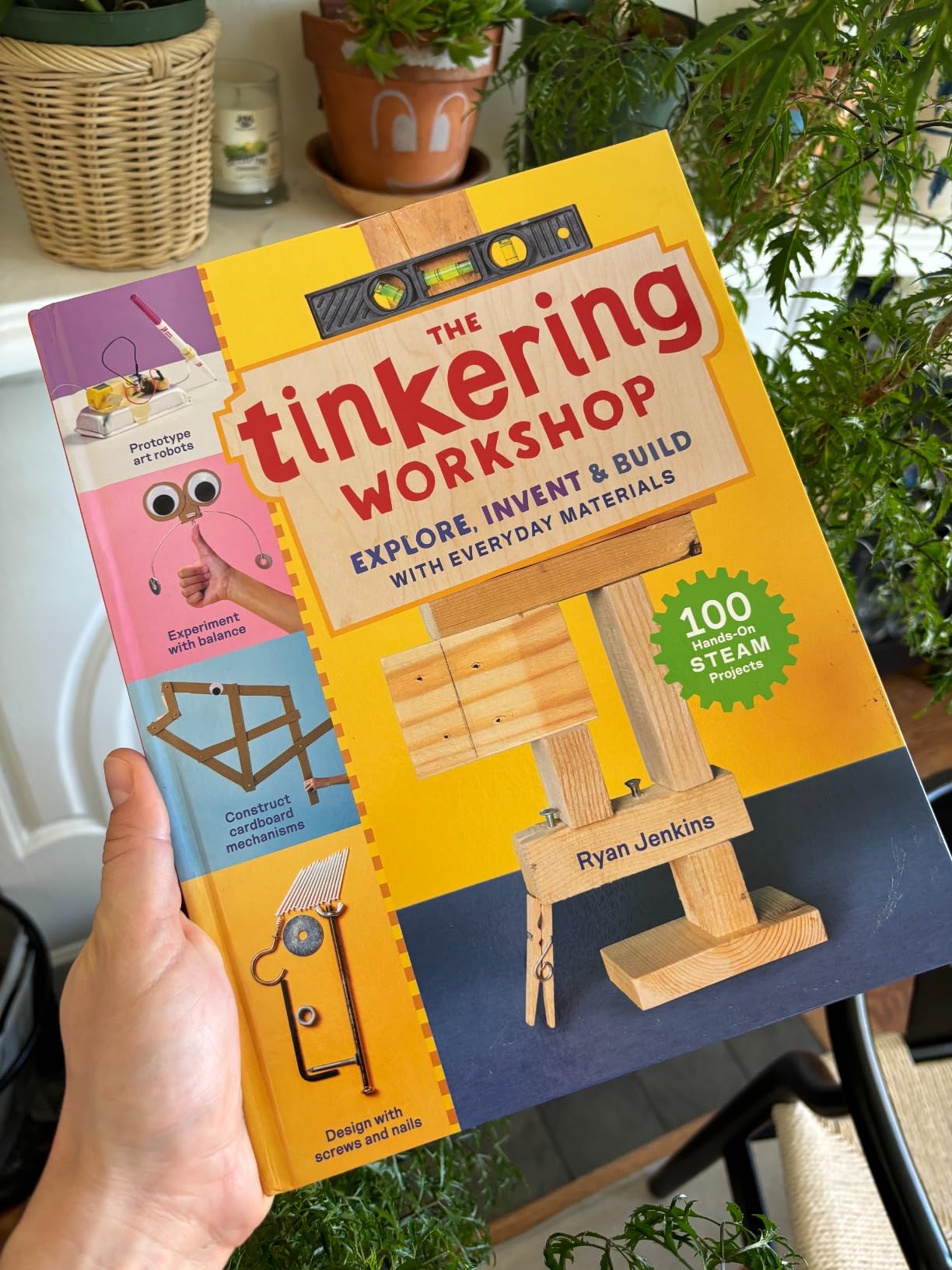
12. The Tinkering Workshop – 100 Hands-On STEAM Projects

The Tinkering Workshop: Explore, Invent & Build with Everyday Materials; 100 Hands-On STEAM Projects
168 pages
100 STEAM projects
Ages 8+
Pros
- 100 hands-on projects
- Uses everyday materials
- Limits screen time
- Suitable for all ages
- Stunning photos
Cons
- More suited for younger kids than teens
The Tinkering Workshop is our best new release pick. Published in October 2024 by Storey Publishing, it offers 100 hands-on STEAM projects that use everyday household materials — paper, tape, string, recyclables, basic tools. Across 168 pages, it’s an entire curriculum of creative building activities for families, classrooms, and maker spaces.
What stood out in our test was how accessible the projects feel. There’s no specialty kit to buy, no obscure materials to source. You open the book, glance around your kitchen, and you probably have what you need. That’s rare for a STEAM book, and it removes the friction that often keeps well-meaning projects from actually happening.
At 4.8 stars across 40 reviews, this is a newer title that’s already earning strong praise. The 100% positive review tone from educators, parents, and grandparents in our test group was unanimous. The book has quickly become a favorite for rainy weekends and after-school programs.
The photography and illustrations are stunning. Each project has clear visual references that make it easy to understand what you’re building, even before you read the instructions.
Why this works for limiting screen time
Multiple reviewers specifically called out how this book pulled their kids away from tablets and TVs. The projects are engaging enough to compete with screens, and the satisfaction of building something physical is a feeling that digital play rarely delivers.
For families trying to break screen habits, this book is a powerful tool. We saw our test family replace two hours of screen time per day with tinkering projects during the test week.
Best use cases
This works beautifully for grandparents who want to do activities with visiting grandkids, teachers building out a maker curriculum, parents looking for weekend projects, and homeschool families. The age range of 8+ is honest, but most projects can be adapted down with adult help for younger kids.
Some reviewers noted the projects feel more suited for ages 8-12 than teens. If you’re shopping for older teens, The LEGO Builder’s Handbook might be a better fit.
How to Choose the Right Idea Book for Creative Builders
After testing all 12 books, I want to share what actually matters when picking one for your family or classroom. The best book is the one that matches the builder’s age, current skill, and the kind of creative work they gravitate toward.
Match the book to the builder’s age and skill
Age recommendations on these books are usually honest. For ages 4-7, Build It! Volume 1 and 5-Minute Builds are the right starting points. For ages 7-11, the bulk of this list is appropriate. For ages 12 and up, particularly adult fans, The LEGO Builder’s Handbook is the standout.
If you’re choosing for a mixed-age household, LEGO Awesome Ideas or 365 Things to Do with LEGO Bricks work well across multiple ages. We’ve tested both with kids ranging from 6 to 11, and they held up.
Decide between ideas and instructions
This is the most important distinction. Some books are idea books — they show finished models and invite you to figure out the build. Others are instruction books — they walk through every step. LEGO Awesome Ideas and The LEGO Ideas Book are idea books. The Big Book of Amazing LEGO Creations and The Minecraft Ideas Book are instruction books.
Idea books develop creative problem-solving. Instruction books develop technical skills. Most builders benefit from both. If you’re choosing one, think about where your builder currently is. A frustrated child who can’t follow vague instructions needs an instruction book. A bored child who wants more challenge needs an idea book.
Consider the materials you already have
Some books assume you have a massive LEGO collection with specialty pieces. Others work with the bricks you already own. The Big Book of Amazing LEGO Creations and LEGO Awesome Ideas are designed to work with standard collections. The LEGO Power Functions Idea Book requires Power Functions motors and a Technic collection.
For non-LEGO builders, Cardboard Box Engineering and The Tinkering Workshop are the easiest on the wallet because they use household materials. Be a Maker requires no materials at all — it’s a picture book.
Think about screen-time goals
If your goal is reducing screen time, hands-on project books are the strongest fit. In our test, the books with the highest screen-replacement impact were Cardboard Box Engineering, The Tinkering Workshop, and 5-Minute Builds. Each pulled kids away from tablets for hours at a time.
If your goal is creative development without a specific screen-time agenda, the idea books work better because they encourage longer, deeper engagement with fewer distractions.
Look at the rating, but read the reviews
All 12 books on this list have ratings of 4.6 or higher, which is exceptional. But rating alone doesn’t tell you whether the book fits your situation. Read a few reviews from people describing use cases similar to yours. Reviews from parents of 6-year-olds are more useful than aggregated star counts when you’re buying for a 6-year-old.
Also, pay attention to the cons. Every book on this list has trade-offs. The honest reviews will help you decide which trade-offs matter for your family.
Frequently Asked Questions
What are the top 10 books for creatives?
The top idea books for creative builders in 2026 include LEGO Awesome Ideas (Editor’s Choice), The Big Book of Amazing LEGO Creations (Best Value), 365 Things to Do with LEGO Bricks (Budget Pick), The Minecraft Ideas Book, and The LEGO Ideas Book. Each brings a different strength — idea variety, step-by-step projects, daily inspiration, or visual inspiration. Choose based on your builder’s age, skill level, and the materials you have on hand.
What are some recommended books for builders?
For hands-on builders, our top recommendations are Cardboard Box Engineering (176 pages of STEM projects using household materials), The Big Book of Amazing LEGO Creations (75+ builds with bricks you already own), and The Tinkering Workshop (100 hands-on STEAM projects published October 2024). For LEGO-specific builders, LEGO Awesome Ideas and The LEGO Builder’s Handbook are the strongest picks.
What books help with creative thinking?
Books that help with creative thinking fall into two categories. Idea books like LEGO Awesome Ideas and The LEGO Ideas Book show finished models and invite creative problem-solving to replicate or remix them. Mindset books like Be a Maker encourage the creative spirit itself, particularly valuable for young children just developing their creative confidence. For adults, The LEGO Builder’s Handbook teaches technical creative thinking through engineering principles.
How to overcome creative blocks?
The best way to overcome creative blocks is to remove the pressure of originality. Idea books like 365 Things to Do with LEGO Bricks provide a starting prompt — a build idea or theme — that gets hands moving before the inner critic wakes up. Books with built-in project selectors (like 365 Things) are particularly effective because they make the decision for you, which removes a common block: deciding what to build in the first place.
Final Thoughts on Building Creativity One Page at a Time
The best idea books for creative builders in 2026 are the ones that get pulled off the shelf and used. Across the 12 books in this roundup, our top picks are LEGO Awesome Ideas for variety, The Big Book of Amazing LEGO Creations for practical step-by-step builds, and 365 Things to Do with LEGO Bricks for daily inspiration at a budget price. Pair any of those with a hands-on project book like Cardboard Box Engineering or The Tinkering Workshop, and you have a complete creative builder library.
Pick the one that matches your builder’s age, current skill, and the materials you already have. Then build something today. The perfect idea book is the one you actually open.