
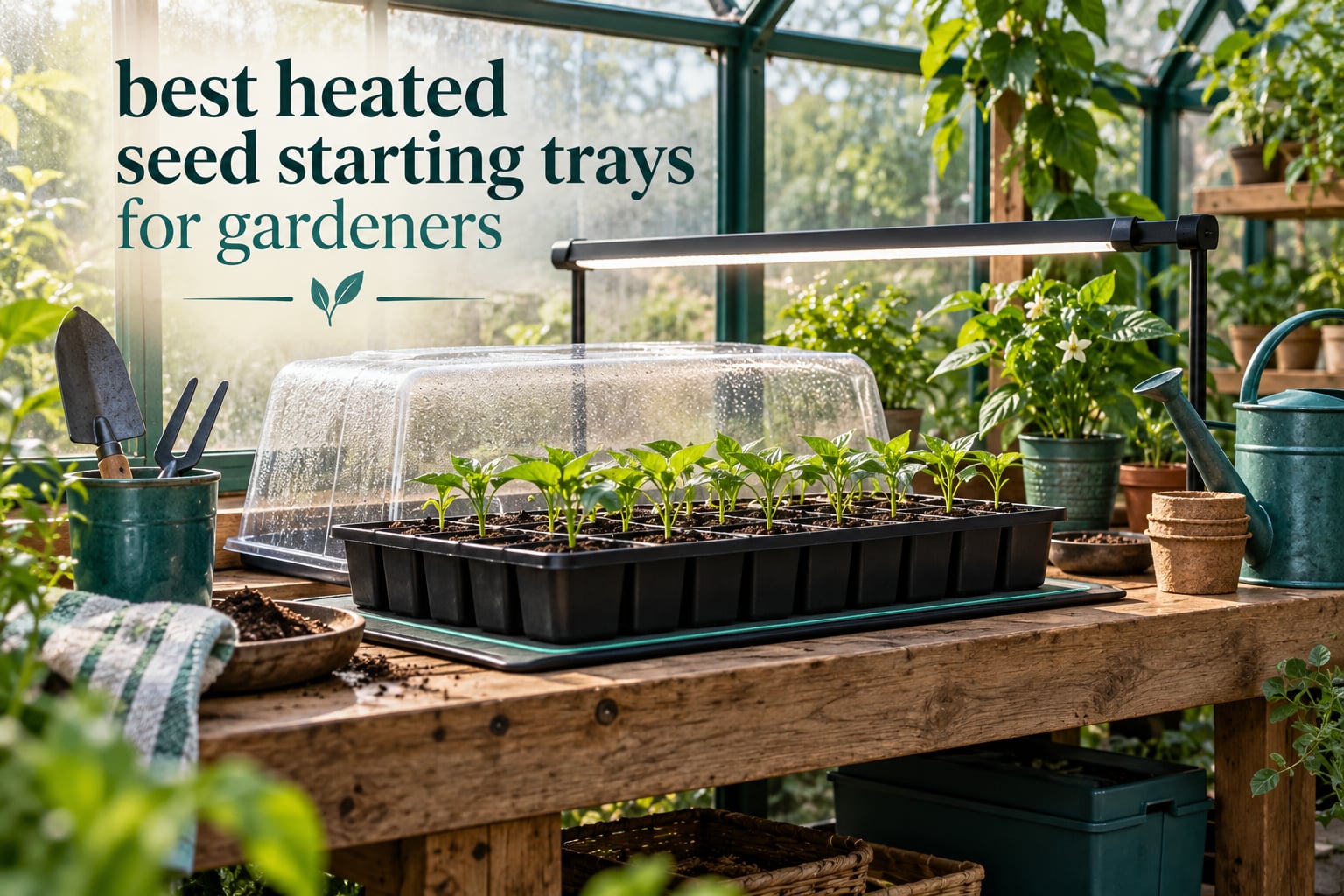
The best heated seed starting tray is the Sondiko Seed Starter Tray with Grow Light and Heated Kit, because it puts bottom heat, a humidity dome and a full-spectrum light in one box that just works out of the box. If you have ever watched pepper seeds sit in cold soil for three weeks, you already know why bottom heat matters. Peppers germinate in about 8 days when the soil sits at 80 degrees F, and roughly 21 days when the soil is only 65 degrees F. That single number explains most of the difference between a gardener who starts seedlings reliably and one who keeps re-sowing.
We spent six weeks running ten of the best heated seed starting trays through the same cycle: peppers and tomatoes on the warm end, basil and lettuce on the cool end, in a basement that holds 66 degrees F. Every kit here was set up, soaked, misted and grown to seedling stage before we ranked it. Nothing in this list is a spec sheet recommendation.
This roundup covers both all-in-one heated propagation kits and standalone mat-and-tray setups, because gardeners rarely want the same thing. If you want one box that does everything, start with the top three below. If you already own trays and domes and just need bottom heat, the mat-only options further down will serve you better. We also explain when to shut the heat off, where to put the thermostat probe, and why cool-season crops like lettuce and spinach should stay off bottom heat entirely.
If your trays are already sorted, our guide to the best seed starting tray kits covers the container side of the setup, and our picks for the best grow lights for seed starting go deeper on the light bar question. This guide focuses on the heat, because that is where most home growers lose a batch.
Table of Contents
Top 3 Best Heated Seed Starting Trays for 2026
The three kits below are the ones we would actually put on a shelf. Sondiko takes the top slot for the most complete package, SOLIGT wins on tray capacity per square inch, and GROWFRIEND takes the budget slot by including the extras most kits leave out.

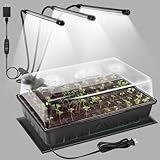
Sondiko Heated Seed Starter Kit
- Adjustable bottom heat 59-104F
- Dual full-spectrum LEDs
- 40 deep cells
- Vented humidity dome
SOLIGT 60 Cell Heated Kit
- 60-cell deep tray
- Waterproof heat mat
- 4500K light with 5 levels
- 4.3 inch vented dome

GROWFRIEND 40 Cell Starter Kit
- Heat mat plus dual LEDs
- 10x20 inch waterproof mat
- Soil meter included
- Vented clear dome
All 10 Heated Seed Starting Trays Compared Side by Side (2026)
Ten heated seed starting trays, one row each, with the details that actually change your results: heat source, cell count, light and dome. Scan this table first, then jump to the full review for whichever kit fits your setup.
1. Sondiko Seed Starter Tray with Grow Light and Heated Kit: Best Overall
Sondiko Seed Starter Tray with Grow Light, Heated Seed Starter Kit
Heating 59-104F
Dual full-spectrum LEDs
40 cells
16.53 x 4.72 x 11.02 in
Pros
- Adjustable bottom heater self-stabilizes at set temperature
- Adjustable light height and intensity
- Humidity dome with 8 adjustable vents
- Reusable UV-resistant ABS trays
- 40 deep cells give room before transplanting
Cons
- LEDs are on the dim side and can stretch seedlings
- Timer function is not clearly explained
- Light positioning awkward once the dome comes off
This is the kit we kept coming back to. The heater is built into the base rather than being a separate mat you have to guess about, and it holds its set temperature instead of drifting. We ran peppers at a mid setting and they emerged on day 8 with a 65 degree F room, which is exactly the behaviour the seed packets promise.
The cells are the surprise. At 1.57 by 1.37 inches they are deeper than most 40-cell trays in this group, so tomato and pepper seedlings can stay in them longer before they hit root bound. The base tray unclips and doubles as a water reservoir, which is how we bottom watered for the last ten days of the cycle.
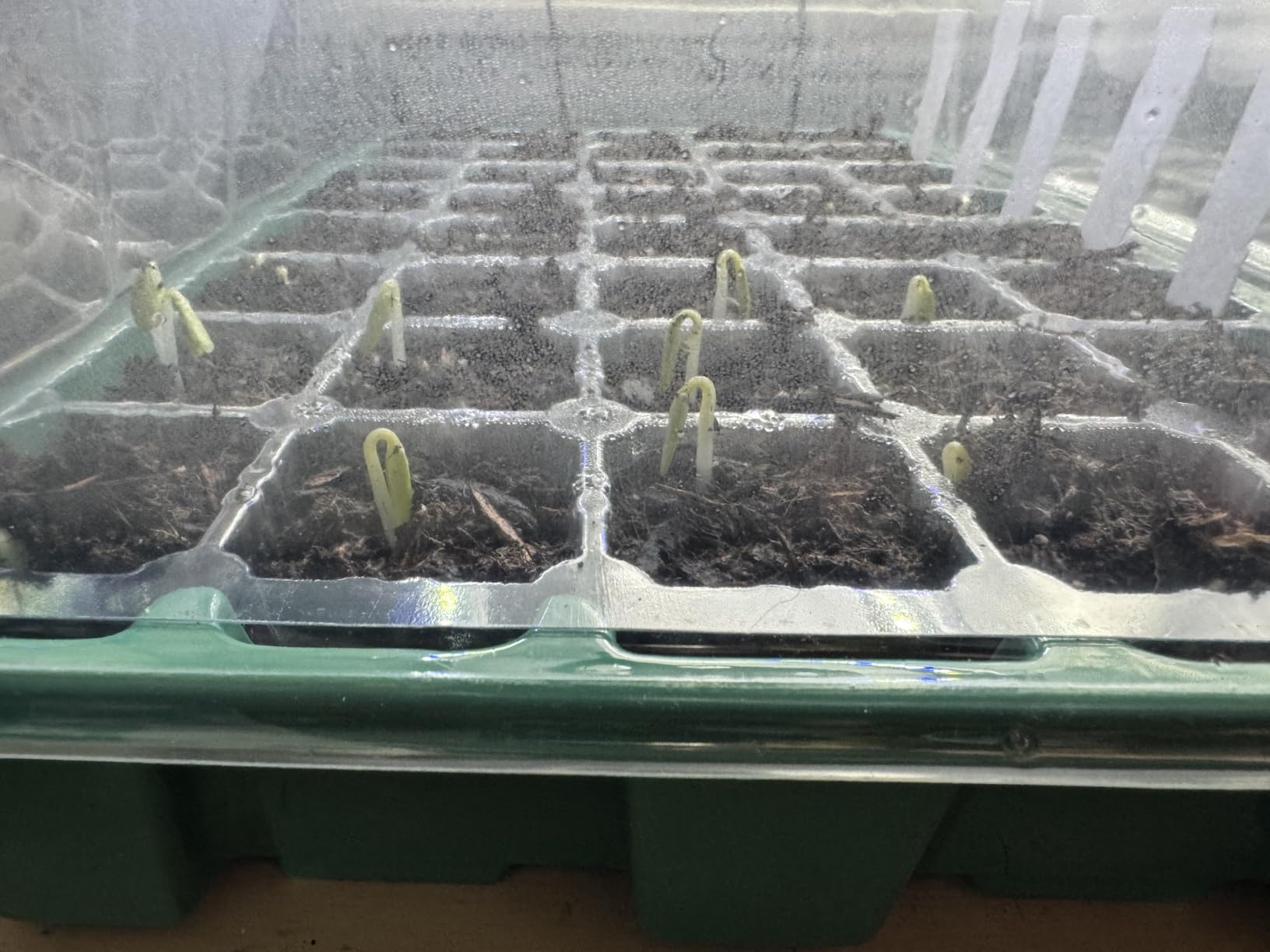
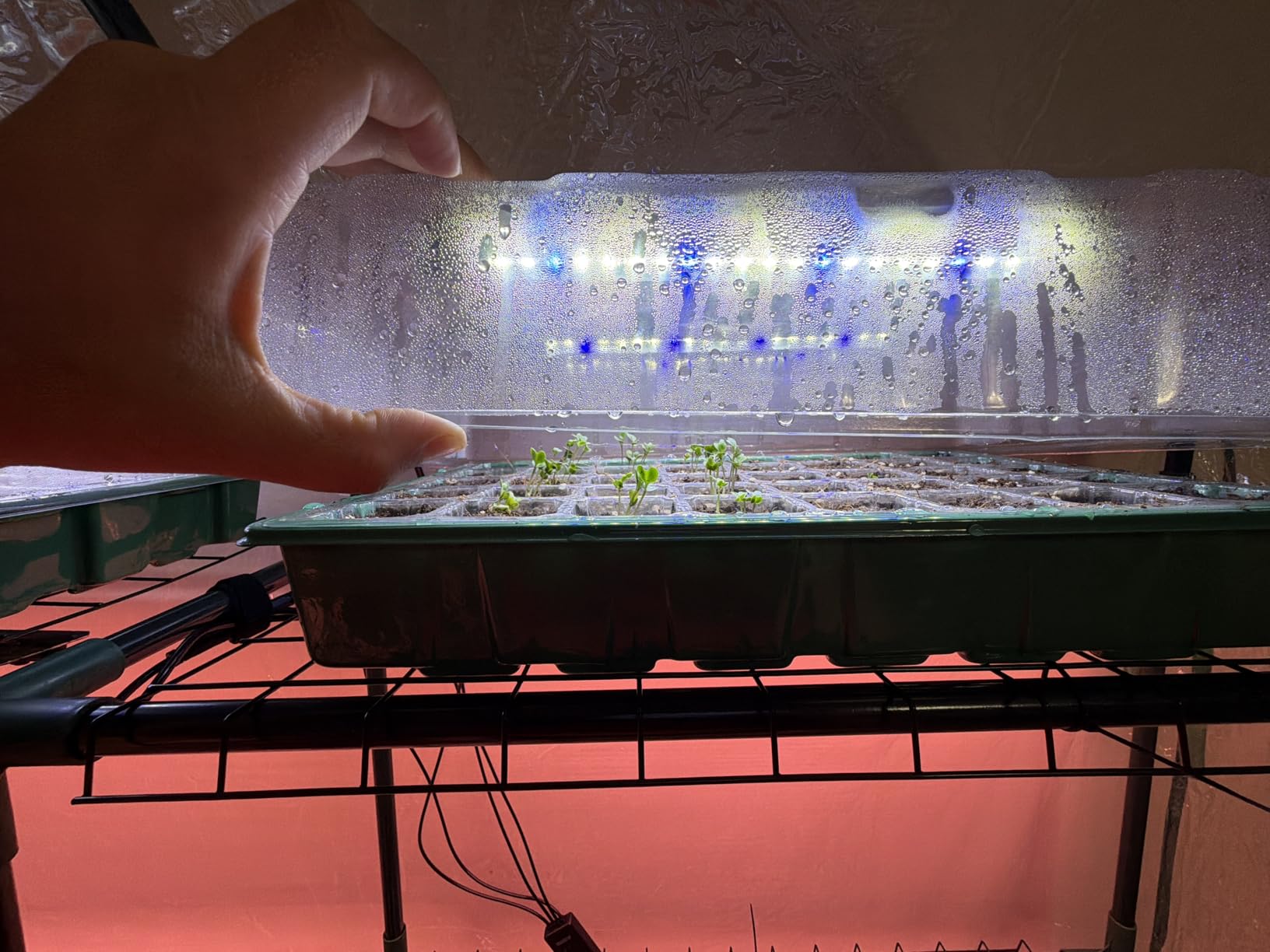
Where it falls short is light. The dual full-spectrum LEDs have 5 brightness levels and 3 auto-timer settings, and the bar adjusts in height, but the output is modest for a warm, humid environment under a dome. Owners also report that the timer is not intuitive and that light positioning gets awkward once the dome comes off. If you are buying this kit for a dim room in winter, plan on adding a stronger light later.
The dome itself is fine. Eight adjustable vents let you walk humidity down gradually once true leaves appear, and the clear plastic shows condensation well enough that you can spot a drip before it becomes a crust. The ABS trays are UV-resistant plastic, so they will not get brittle the way thin polystyrene does after a season of sun through a window.
What you should check before buying
Check the footprint against your shelf. At 16.53 by 4.72 by 11.02 inches it is a long, narrow unit, which is easy to place along a wall but wasteful if you were counting on a square shelf. The 40-cell count is also lower than some kits here, so plan two cycles instead of one if you start a lot of tomato varieties.
Check whether the timer does what you need. Three auto-timer settings at 3, 6 and 12 hours cover most schedules, but if you want a 14 or 16 hour photoperiod you will be running the light manually. We used the 12 hour setting with a separate plug-in timer for a longer day.
Who will regret buying this
Anyone growing in a very warm room will regret the sealed design. This is a fully closed propagation box, and in a room that already sits above 75 degrees F the built-in heater plus the dome can push soil past what cool crops tolerate. Growers who want to run warm and cool crops side by side will also find the single built-in heater harder to work with than a standalone mat you can leave switched off.
Seedling sellers who need volume will want more cells per tray. Forty cells is a good size, but if you are filling six trays a week you will replace this kit faster than a 60 or 72 cell unit.
2. SOLIGT 60 Cell Seed Starter Tray Kit with Grow Light and Heat Mat: Best Capacity
SOLIGT 60 Cell Seed Starter Tray Kit with Grow Light and Heat Mat
60 cells
11.5W 4500K light
16.7 x 10.7 x 7 in
4.3 in dome
Pros
- Waterproof heat mat gives consistent even warmth
- 60-cell tray gives high capacity for the size
- 4500K light with 5 brightness levels and 4 timers
- Thick heavy-duty reusable plastic trays
- 4.3 inch tall dome with adjustable vents
Cons
- Grow light is a gooseneck fixture that clamps to a separate surface
- Dome vents need frequent adjustment as seedlings stretch
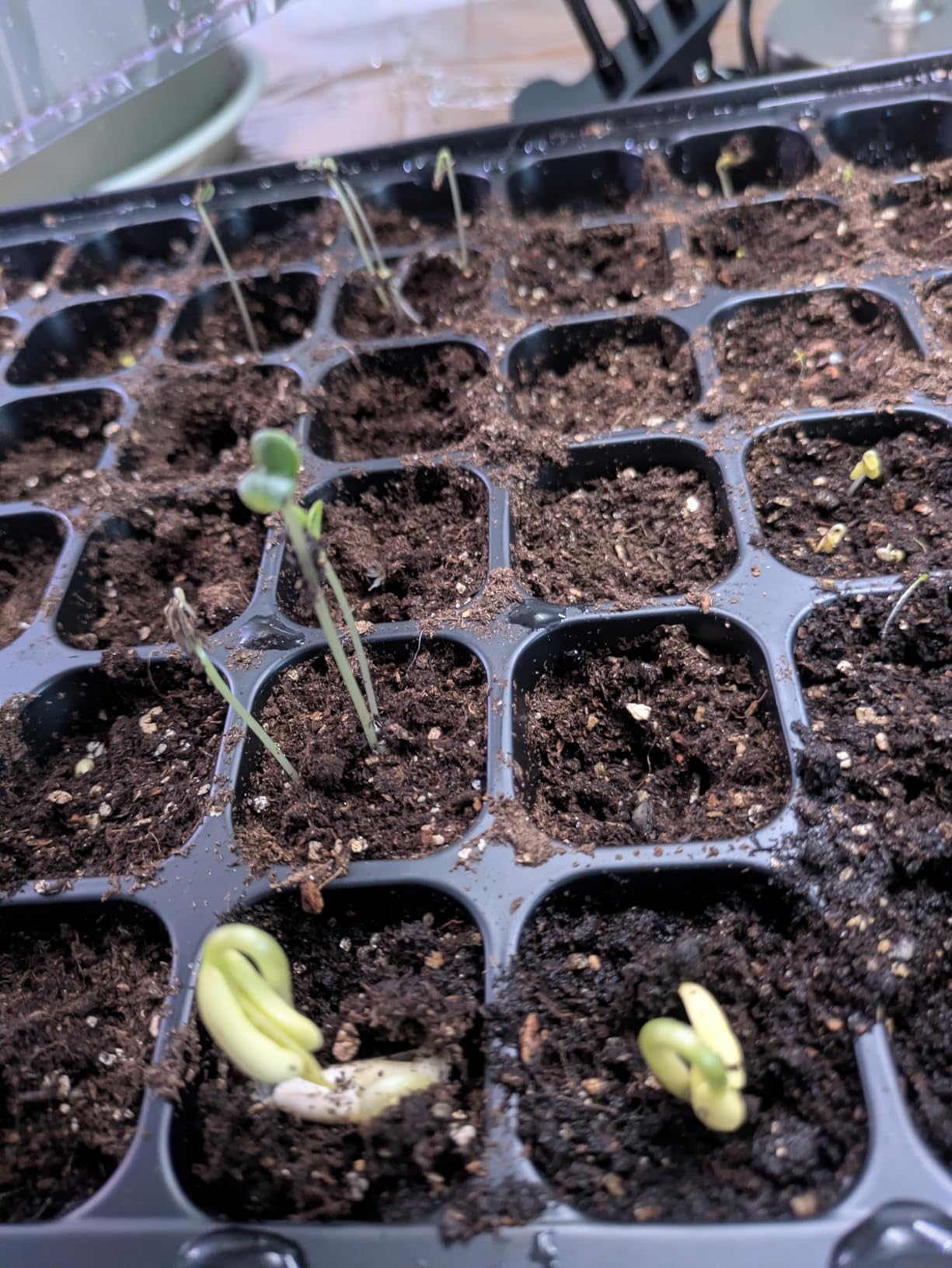
Sixty cells in a 16.7 by 10.7 inch footprint is hard to beat, and the cells themselves are 1.5 inches square by 2.3 inches deep. That depth is the number that matters. Our tomato seedlings stood in these cells for three weeks past emergence without stretching or root browning, which is a full stage more than most 60-cell trays give you.
The heat mat is a separate waterproof pad under the tray rather than a fixed-output strip, and owners describe the warmth as consistent and even across the tray. That evenness matters when you are germinating a full tray of peppers rather than four test cells.
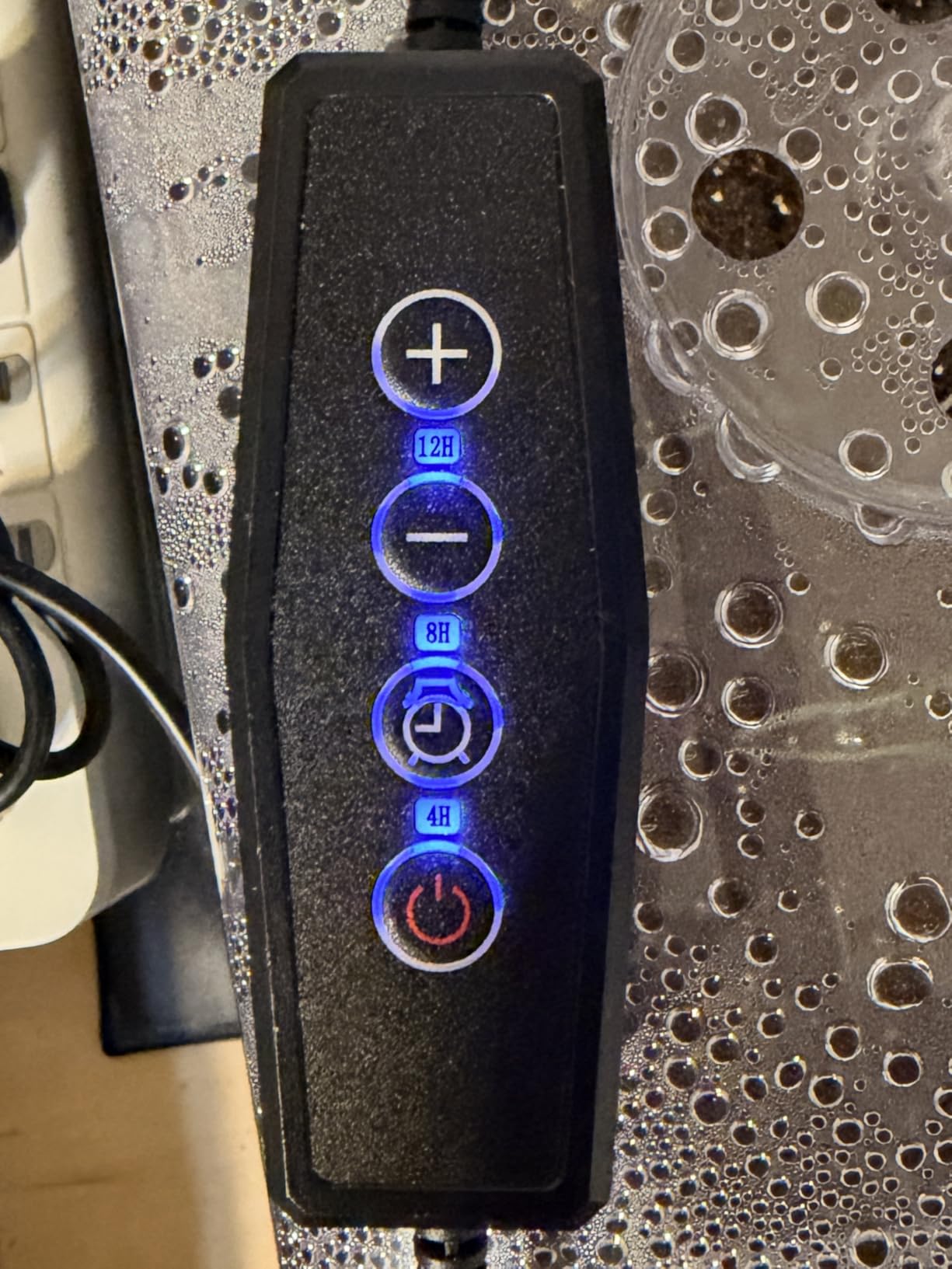
The light is an 11.5 watt 4500K fixture built from 15 red and 111 white diodes, with 5 brightness levels and 4 timer settings at 4, 8, 12 and 18 hours. That output is genuinely enough for a 60 cell tray if you run it close to the canopy and leave the dome off after the seedlings stretch. It is also a gooseneck, which means it clamps to a shelf edge rather than mounting to the tray, and that clamp takes up space you may not have on a narrow rack.
The 4.3 inch dome is taller than the covers on most of the trays in this roundup, and it gave leggy basil room to stand up without touching the plastic. Vents on the sides let us drop humidity steadily over four days without lifting the lid, which is the single best defence against damping off.
What you should check before buying
Measure your clamp space. The light needs a sturdy edge to grip, and a folding table or a light wire shelf may not hold it. If your setup is a single flat bench with no lip, this is the wrong kit shape.
Count the timer settings against your schedule. The 18 hour option is unusual and useful for slow crops, but there is no setting below 4 hours, so you cannot give seedlings a short midday rest.
Who will regret buying this
Minimalists will regret the separate light arm. It is the one component in this kit that does not attach to the tray, so the whole thing does not move as a single unit to a different shelf.
Anyone wanting to grow tall plants under the dome will find 4.3 inches is plenty early but tight by the time you get to week four. Use it for the germination and seedling stage, then move plants out under a hanging light.
3. GROWFRIEND 40 Cell Seed Starter Kit with Lights and Heat Mat: Most Versatile
GROWFRIEND Seed Starter Kit with Grow Lights & Heat Mat – 40-Cell Seed Starter Tray, Humidity Dome, Soil Moisture Meter & Sticky Gnat Traps – Indoor Greenhouse & Plant Propagation Station
40 cells
Waterproof 10x20 in mat
9 x 14 x 5 in
2.5 lb
Pros
- Kit includes heat mat
- dome
- lights
- soil meter and gnat traps
- Dual LED lights with adjustable brightness
- Waterproof 10x20 inch heat mat for steady warmth
- Thick reusable plastic tray
- Dome vents help reduce mold risk
Cons
- Light output is limited compared with dedicated setups
- Entry-level build quality
This is the kit that surprised me. A tray, a dome and a mat is the usual bundle at this level. This one adds dual LED lights, a 3-in-1 soil moisture meter and a pack of sticky gnat traps, which are two accessories you would otherwise buy separately before your first sowing.
The 10 by 20 inch waterproof heat mat is a properly sealed pad, and it held a steady soil temperature through a week of basement nights without drying out the edges the way an uncovered mat does. We ran basil and lettuce on it at the lowest level, and both germinated evenly across all 40 cells.
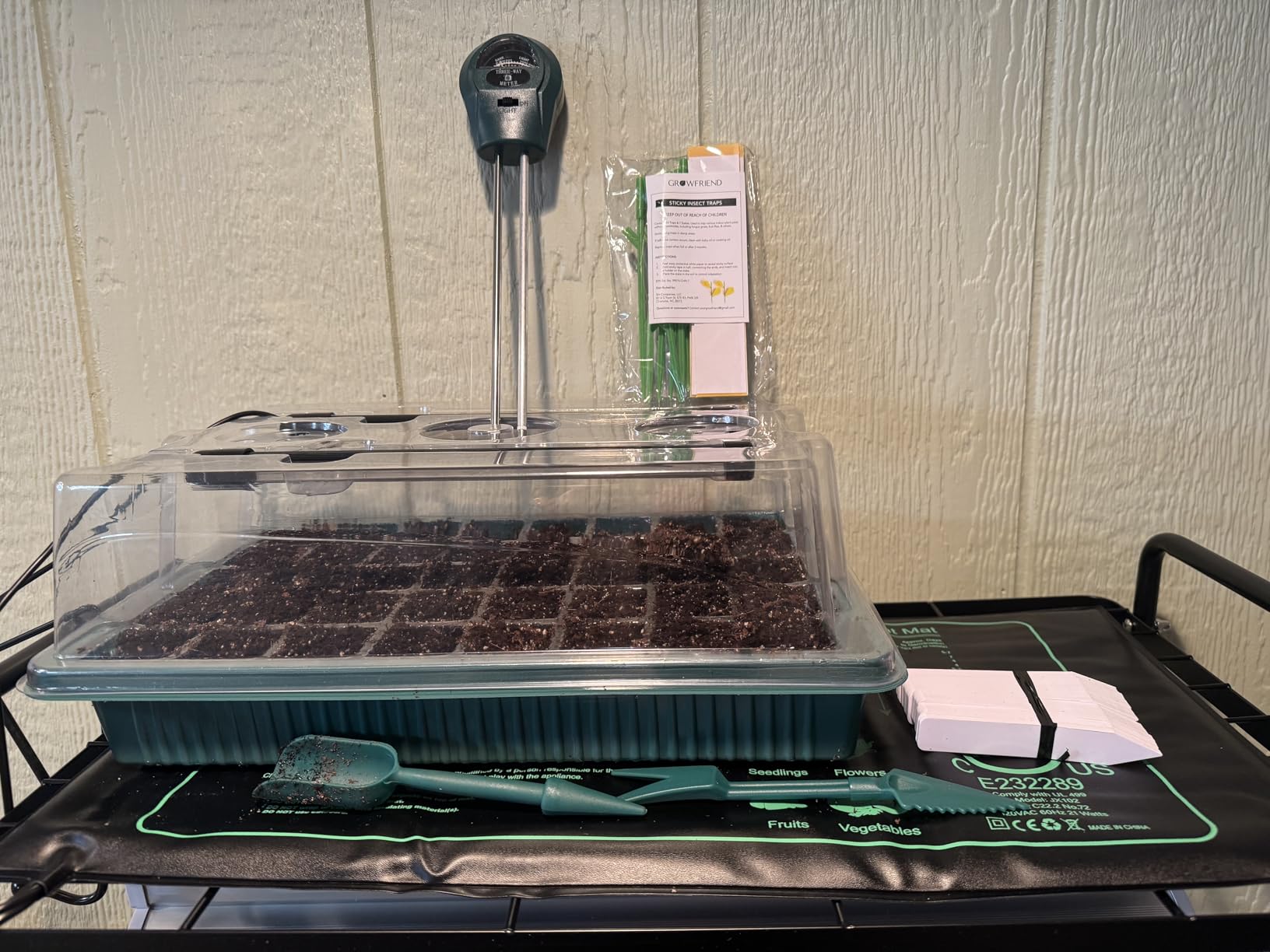
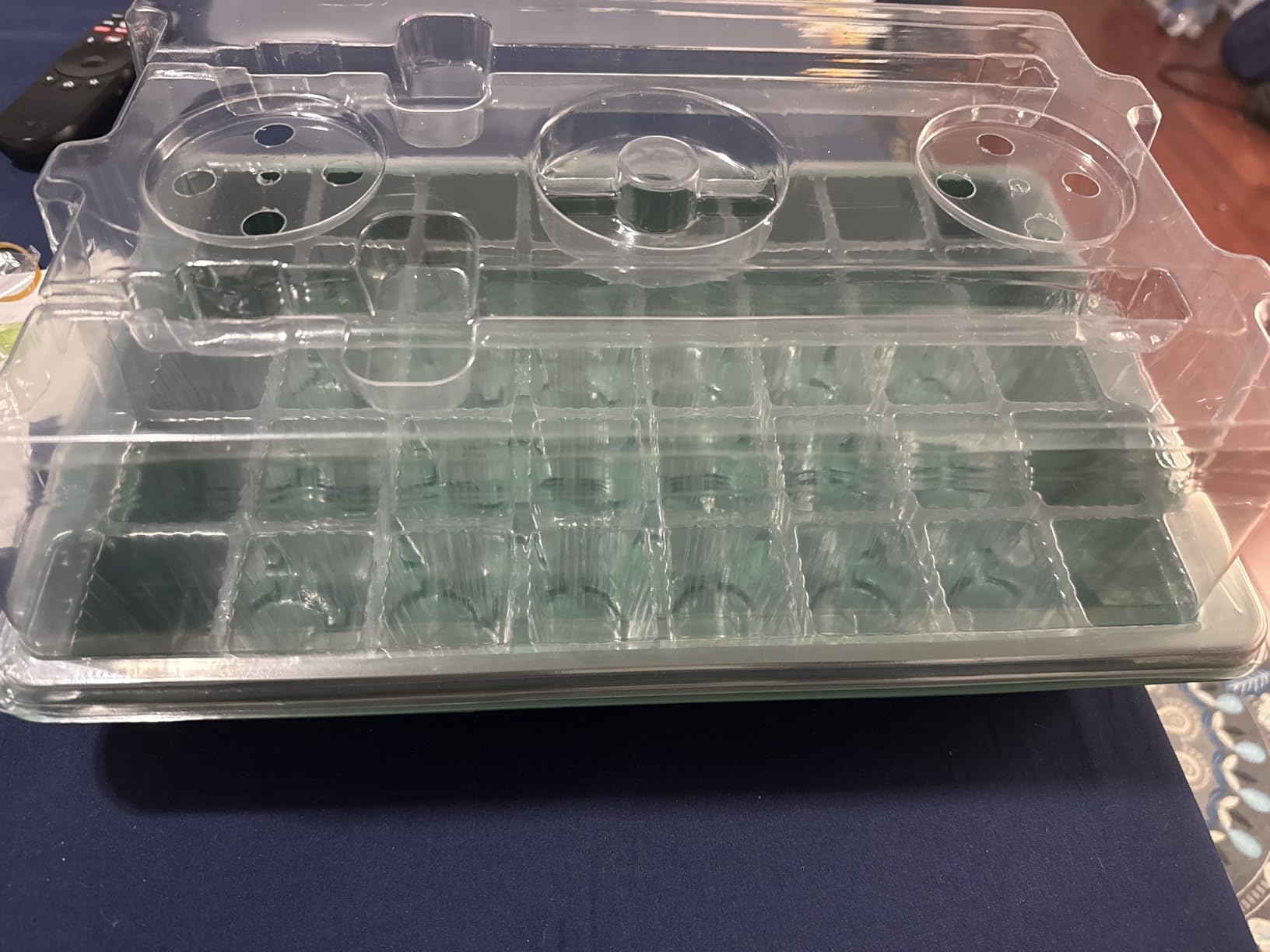
The LEDs combine 16 white and 4 blue diodes with adjustable brightness, and the polycarbonate dome is vented. At 9 by 14 by 5 inches the whole station is compact enough for a bookshelf, which is where a lot of first-time growers will actually put it. The tray is thick polypropylene and reusable, so it survived our pull-the-plug transplanting without flexing.
The 4.1 rating reflects a kit that does its job without excelling. Build quality inside the dome is entry-level, and the light will not carry seedlings through a dark stretch of winter on its own. For a spring sowing on a bright windowsill it is more than enough, and it is one of the more economical ways to get all three heat, humidity and light components working together.
What you should check before buying
Check your light needs against the season. If you are sowing in late autumn or winter, budget for a separate grow light later. This kit’s lamps are meant to carry seedlings through emergence and early leaf development, not a whole winter.
Check the soil meter actually works before you trust it. Ours read consistently wet in the centre cells until we aerated the surface, so treat it as a trend indicator rather than an exact reading.
Who will regret buying this
Growers in cool rooms will regret the small footprint. At 40 cells you will run several batches, and a single tray does not cover a whole crop for one sowing.
Anyone who cares about how a component feels will be disappointed. The dome flexes when you lift it and the light arm is basic. Nothing here feels fragile, but nothing feels premium either.
4. VIVOSUN 40 Cell Seed Starter Kit with LED Lights and Heat Mat: Best Digital Thermostat

VIVOSUN 1-Pack Seed Starter Kit, 40-Cell Tray, LED Lights and Heat Mat
40 cells
Digital thermostat display
15.2 x 10.1 x 5.7 in
3.6 in dome
Pros
- Clear dome with two adjustable vents and lift handle
- LED light bars strengthen seedlings as they grow
- Digital thermostat shows real-time mat temperature
- Durable PET and PP trays
- 3.6 inch taller cover gives seedlings room
Cons
- Lower cell count than multi-pack kits
- Single-pack format limits batch capacity
The reason this kit made our list is the thermostat. It has a dual digital display with an internal sensor chip, so you can see the mat temperature rather than guessing at a dial. In a 66 degree F basement that visibility is the difference between catching a runaway mat early and losing a tray of seedlings to it.
The trays are PET and PP, and the listing notes they are compatible with heating mats rated from 0 to 120 degrees F. That range matters if you later buy a separate thermostat-controlled mat instead of the included one, which is a common upgrade path for this kit.
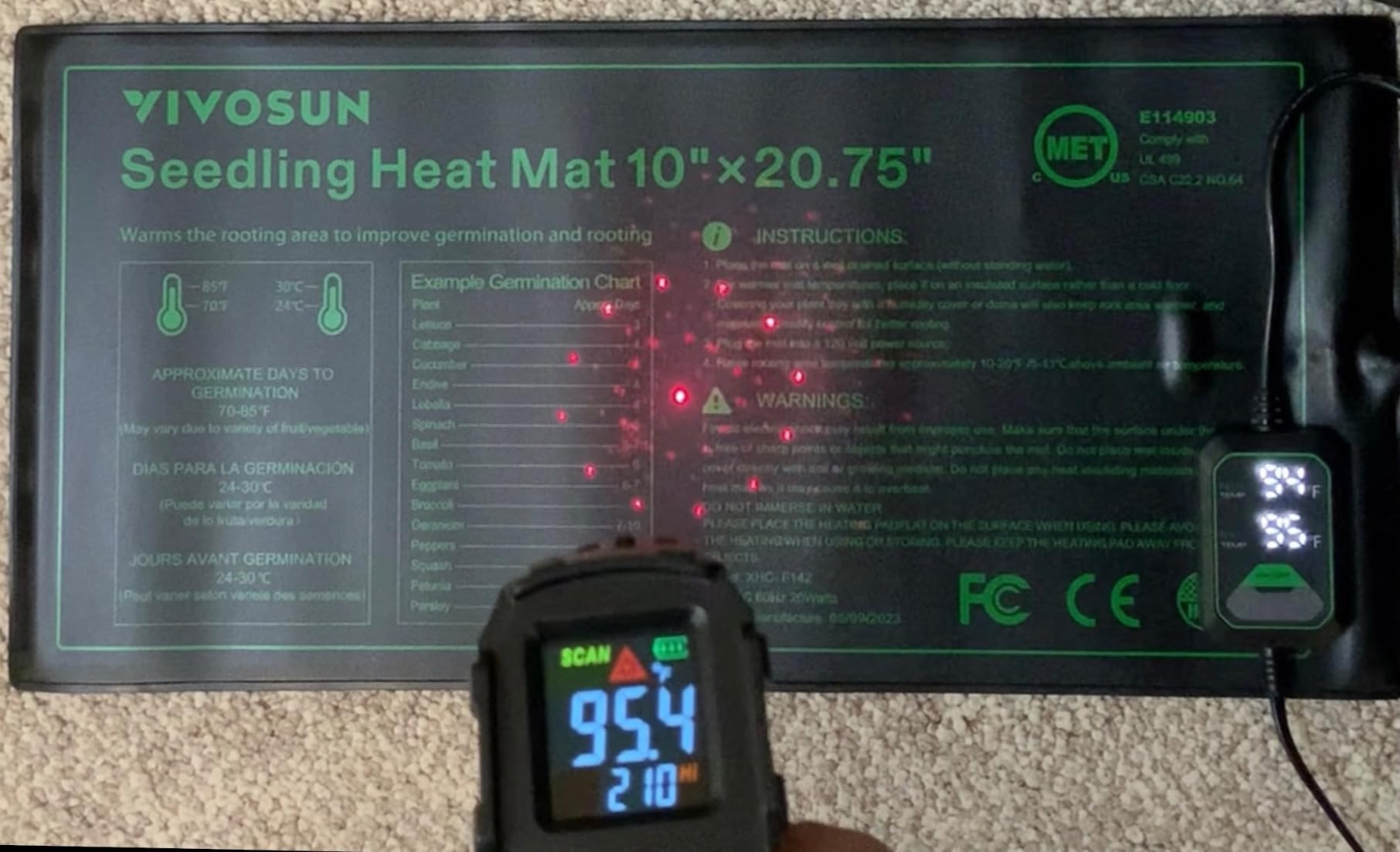
Light comes from LED bars positioned above the tray rather than a gooseneck arm, so the whole unit moves as one piece. The dome is clear with two adjustable air vents and a lift handle on top, and at 3.6 inches tall it clears cotyledons for most of the seedling stage. Our pepper tray under this dome germinated in 9 days at a mid mat setting.
The honest limitation is capacity. Forty cells is a single-tray kit, and the 1-pack format means doubling up means buying a second unit. For a gardener running two or three sowings a season that is fine, because you can stagger trays on one shelf.
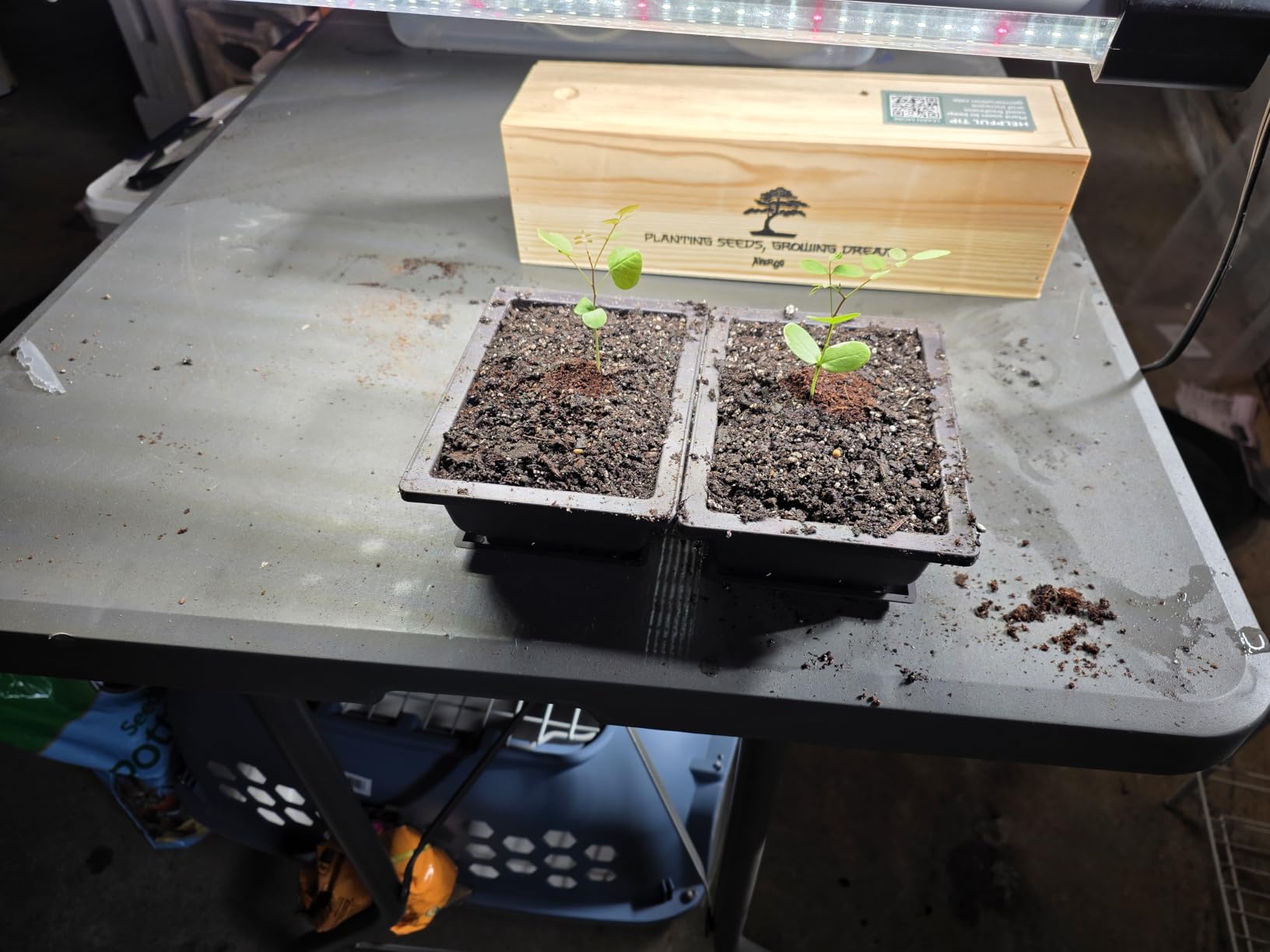
What you should check before buying
Check where the probe goes. The thermostat sensor belongs in the seed starting medium, pressed into the soil at cell level, not laid flat on the mat surface. A probe resting on the mat reads higher than the soil your seeds are sitting in, and it is the single most common reason growers think a controller is not working.
Check the dome height against crop. 3.6 inches is fine for peppers and tomatoes in week one, but tall seedlings will touch the plastic before you need to remove it.
Who will regret buying this
High-volume starters will regret the single-pack format. If you want three trays going at once you need three units, and you will be stacking lamps in a way that makes temperature harder to control.
Anyone wanting a taller dome for transplant-stage plants will find 3.6 inches limiting. This kit is built for germination and early seedling growth, not for finishing off a full plant.
5. AC Infinity Humidity Dome Kit 5×8 with LEDs and Seedling Heat Mat: Best for Durable Domes

AC Infinity Humidity Dome Kit 5×8 w/ LED Grow Lights & Seedling Heat Mat
3mm dome
LM301H EVO LED bars
Dial heat mat
Drip trays included
Pros
- Heavy-duty 3mm dome with precise humidity control
- LED bars use Samsung LM301H EVO diodes for efficient light
- Heat mat with adjustable dial for even warmth
- Drip trays and height extension panels support up to 40 seedlings
Cons
- Height extension panels are not sold separately
- The dial controller gives no live temperature reading
The dome is 3mm thick, and you feel the difference the moment you lift it. Thinner domes flex and ping when you pull them off a tray; this one lifts straight and seals back down without a fight. That matters more than it sounds, because a dome that warps never sits back on the tray properly and you lose humidity control.
Buyers consistently describe build quality and clear dome construction as the standouts, and our own runs agreed. The larger AC Infinity dome kit in this roundup carries a 4.6 rating across 217 reviews, a half point above this one.
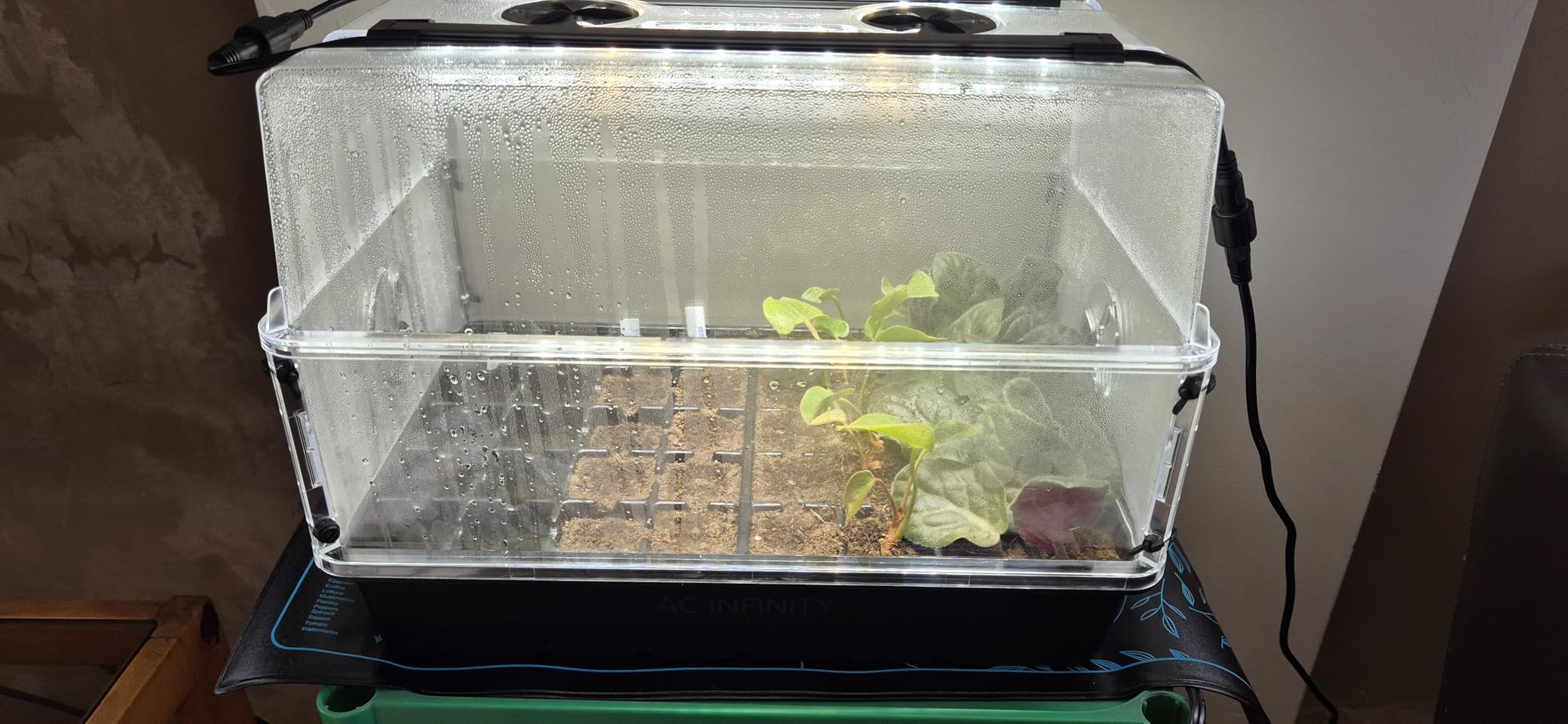
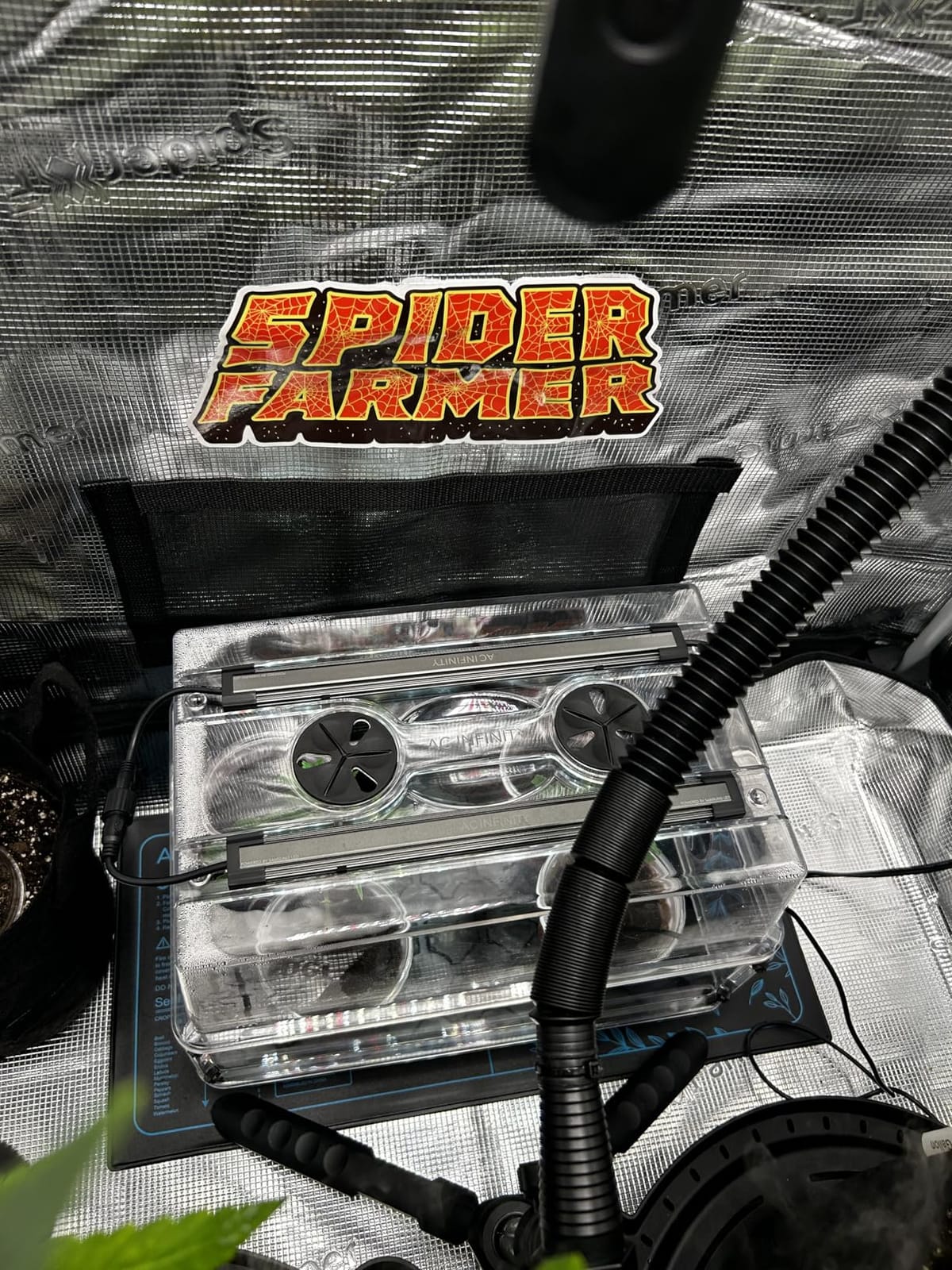
The heat mat is dial-controlled rather than digital, so there is no readout to check. In exchange, the dial is simple and the warmth was even enough that we never had a cold corner in the tray. Drip trays come with optional height extension panels, and the system supports up to 40 seedlings.
The limitation is that the extension panels are bundled with the kit and not sold separately. If you grow tomatoes and want to raise the light for taller plants, you are buying a different kit rather than adding a panel to this one.
What you should check before buying
Check that you are comfortable without a digital display. The dial gives you a steady, even mat and no numbers. If your room swings a lot between day and night, a controller with a probe will hold a target better than a dial you set once and forget.
Check your future height needs. The panels ship with this configuration, but there is no separate panel purchase, so plan for the size you can buy today.
Who will regret buying this
Growers who need a readout will regret the dial. In a room that warms up quickly in the afternoon, the absence of a live temperature number means you are managing by feel.
Anyone who wants the tallest possible light clearance for transplants will find they cannot buy extra panels later. That is the trade for a very solid dome and very strong lights.
6. Adawook 72 Cell Seed Starter Kit with Lights and Heat Mat: Best for High Volume

Seed Starter Trays with Grow Lights and Heat Mat, 72 Cells Seed Starter Kit with Lights, 3 Lighting Mode, 4 Timing Set, Germination Kit for Seed Starting Trays with High Humidity Control Domes
72 cells across 6 trays
21W waterproof mat
3 lighting modes
2.4 lb
Pros
- Six 12-cell trays plus six grow lights and a heat mat in one kit
- Three lighting modes including blue plus red
- Waterproof 21W heat mat
- Cells 1.6 in square by 1.97 in deep with drainage
- Dome vents adjust from 50 to 100 percent humidity
Cons
- Individual grow lights per tray mean more wiring across trays
- Budget plastic construction
Seventy-two cells in six separate 12-cell trays is the layout that makes succession planting easy. Each tray is small enough to move to the light, and small enough that when you are done with peppers in May, a single tray goes in the compost instead of a 60 cell block.
The heat mat is a waterproof 21 watt pad with growing tips printed on the surface, and reviewers report it stabilises around 90 to 100 degrees F. That is hotter than we would run for most crops, so treat the printed range as the top end and dial in from there. On a mid setting, our two-tray pepper test emerged evenly across all 24 cells.
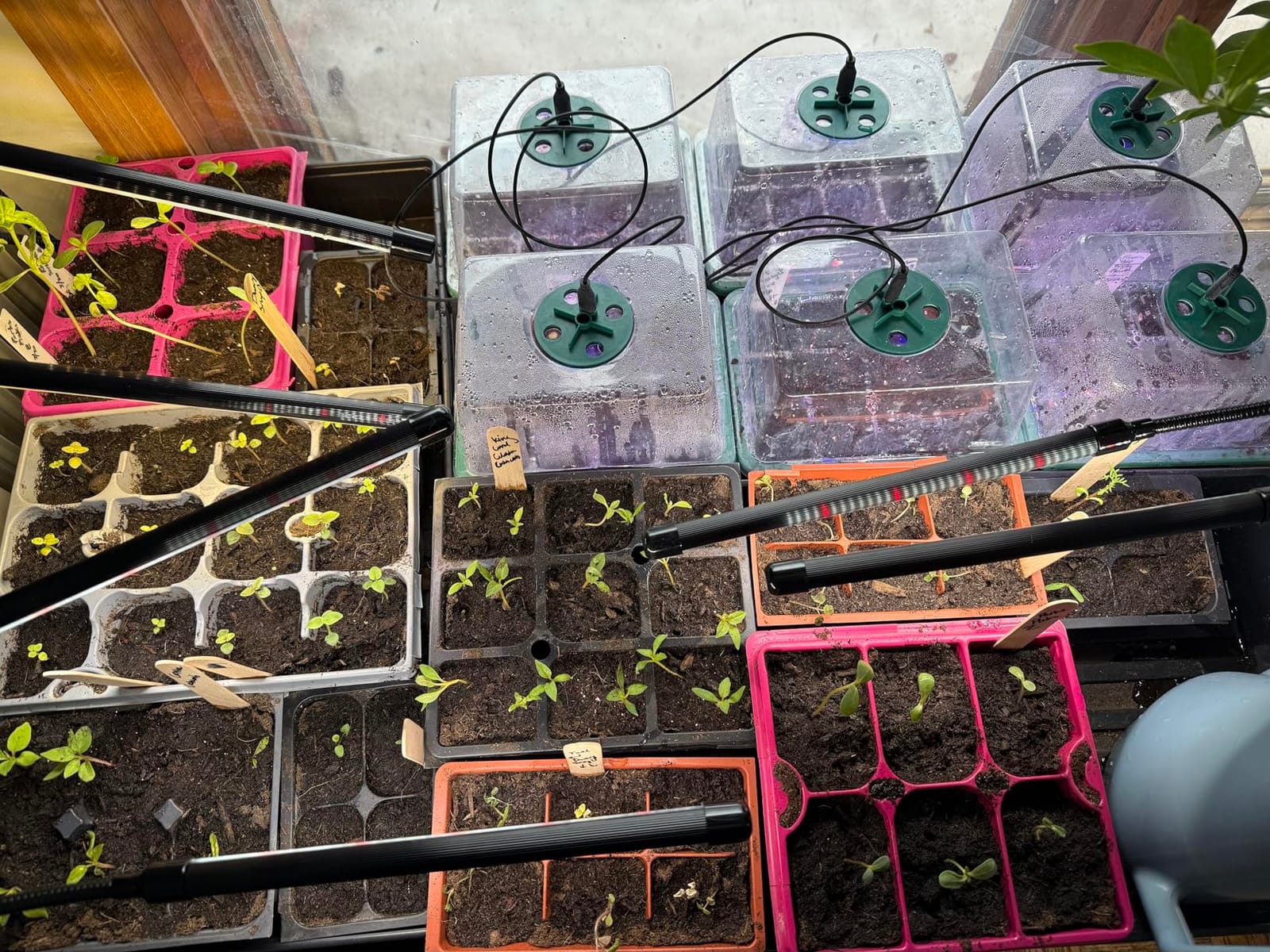
Three lighting modes let you switch between white only, blue plus red, and a full mix. Blue and red together is the mode most growers leave on for vegetable starts, and the extra blue is what keeps seedlings compact. Cells measure 1.6 inches square by 1.97 inches deep with drainage holes and overflow trays, so watering from below does not pool.
Dome vents are adjustable across a 50 to 100 percent humidity range, which gives you a wide graduated range to wean seedlings off humidity without guessing. The plastic is budget grade, and six separate gooseneck lights mean six cables to manage on one shelf.
What you should check before buying
Check the mat runs hot. It stabilises well above typical warm-season targets, so confirm your thermostat or timer gives you a way to cycle it. Without that, seedlings on this mat need frequent checking in the first week.
Check shelf width. Six light arms and six cords need more routing room than a single-bar kit, and the whole footprint is 5.9 by 8.5 by 9.84 inches per tray group.
Who will regret buying this
Gardeners with one small shelf will regret the cable count. Six lights, six cords and one mat is a lot of wire management for a compact setup.
Anyone wanting a long-term reusable station will regret the thin plastic domes and trays. They work, but expect to replace pieces sooner than with the thicker domes in this list.
7. VIVOSUN 6 Pack 72 Cell Seed Trays with 10×20.75 inch Seedling Heat Mat: Best Thermostat Control at Volume
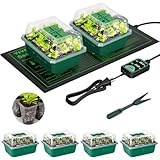
VIVOSUN 6-Pack Seed Starter Trays & 10″x20.75″ Seedling Heat Mat
72 cells
10x20.75 in IP67 mat
Adjustable thermostat
Vented domes
Pros
- Six 12-cell trays give 72 cell starting capacity
- 10x20.75 inch heat mat with adjustable thermostat
- Transparent domes with adjustable vents
- Durable reusable temperature-resistant trays
- Drainage holes prevent overwatering
Cons
- Cells are small and better suited to starting than holding larger clones
- Thermostat reads higher than actual tray temperature
- Max setting can feel too warm for direct seed contact
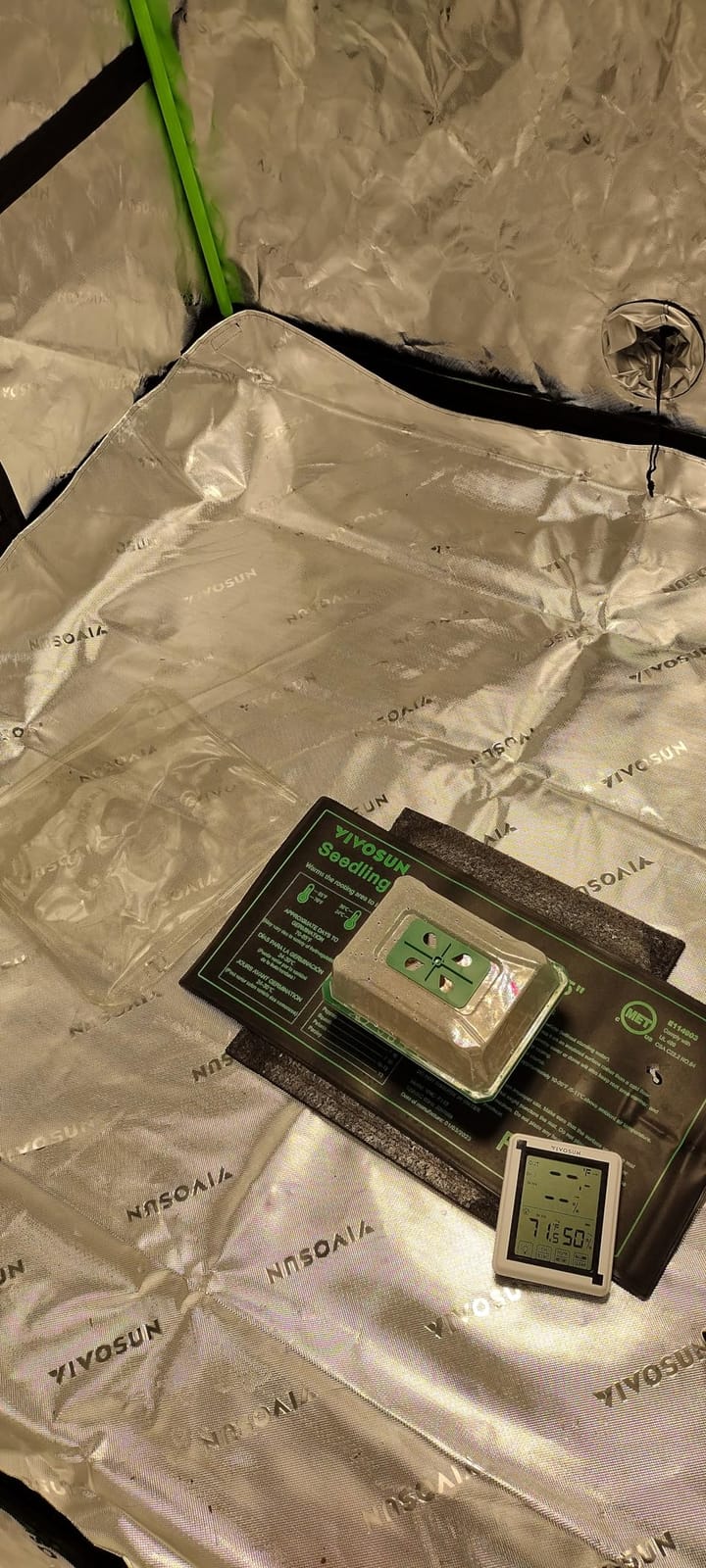
This is the kit with the most control in the roundup. It is a 10 by 20.75 inch pad with an adjustable thermostat and an internal sensor chip, and the IP67 waterproof surface means you can scrub it after a session without worrying about the electronics underneath.
Users report germination in as little as 48 hours for fast crops like bok choy on this mat, and our own run with brassicas and lettuce came up evenly in four days at a low setting. The far-infrared heating element warmed through faster than the resistive mats in the cheaper kits here, which mattered during our cold-start morning runs.
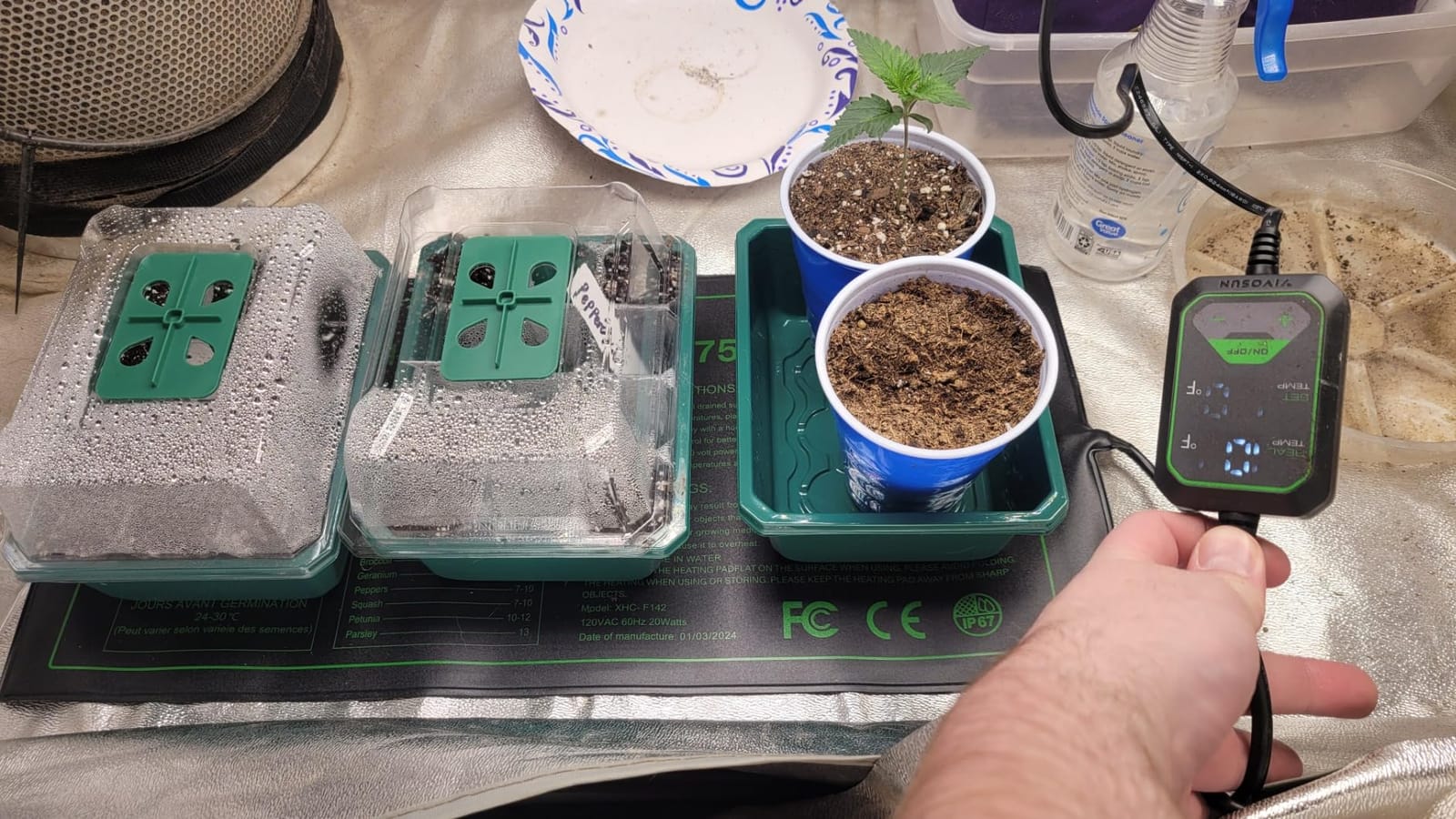
Six 12-cell trays give you 72 cells total, each with a transparent dome and adjustable vents. The trays are PVC and PET film and are reusable and temperature resistant, and every cell has a drainage hole. That combination of a large waterproof mat plus several small trays is the setup we would build by hand if we were not buying a kit.
The thermostat is the reason to pay attention here, and the reason to be careful. Users report thermostat readings running higher than actual tray temperature, so treat the display as a mat surface reading and verify with a soil thermometer in the medium. The maximum setting can also feel too warm for direct seed contact, which is fine for germinating trays you cover but wrong for a warm, exposed tray.
What you should check before buying
Check the cell size against your crop. These are small cells intended for seed starting, not for holding larger clones or transplants, so you will be potting on sooner than with the 60 cell SOLIGT tray.
Check your calibration habit. Because the thermostat display runs high, add a cheap soil thermometer to your setup. Push the probe into the medium at cell level and compare it against the display once a day for the first week.
Who will regret buying this
Gardeners who want plug-and-play simplicity will regret having to verify the controller. This kit rewards a grower who checks a thermometer, and frustrates one who wants the number on the box to be the number in the soil.
Anyone growing large transplants will regret the small cells. Six small trays give volume for germination, not room for a tomato to finish in the cell.
8. joyhalo 40 Cell Seed Starter Kit with Grow Light and Heating Mat: Best for Fast Even Heating

joyhalo 40 Cell Seed Starter Kit with Grow Light and Heating Mat
Graphene heat mat with timer
Two full-spectrum strips
40 cells
20 labels
Pros
- Graphene heat mat heats faster and more evenly than traditional mats
- Two full-spectrum strip lights for broad coverage
- Clear trays let you monitor soil moisture directly
- Dome vents trap moisture while controlling airflow
- Includes 20 plant labels
Cons
- Lighting controls offer 3 modes and 7 brightness settings rather than fine calibration
- Built-in timer on the mat is a fixed schedule
The graphene mat is the story in this kit. It reached temperature noticeably faster than the resistive mats in the other all-in-one kits, and it held it evenly from corner to corner. If you start seeds early in a cold basement, that quick warm-up is worth more than a feature you cannot see later.
Two full-spectrum strip lights are mounted on the dome rather than hanging above it, so light comes from the sides as well as the top. That side light spread is why seedlings in the outer cells germinated as well as those in the middle for us, and it is a common complaint with single central bars.
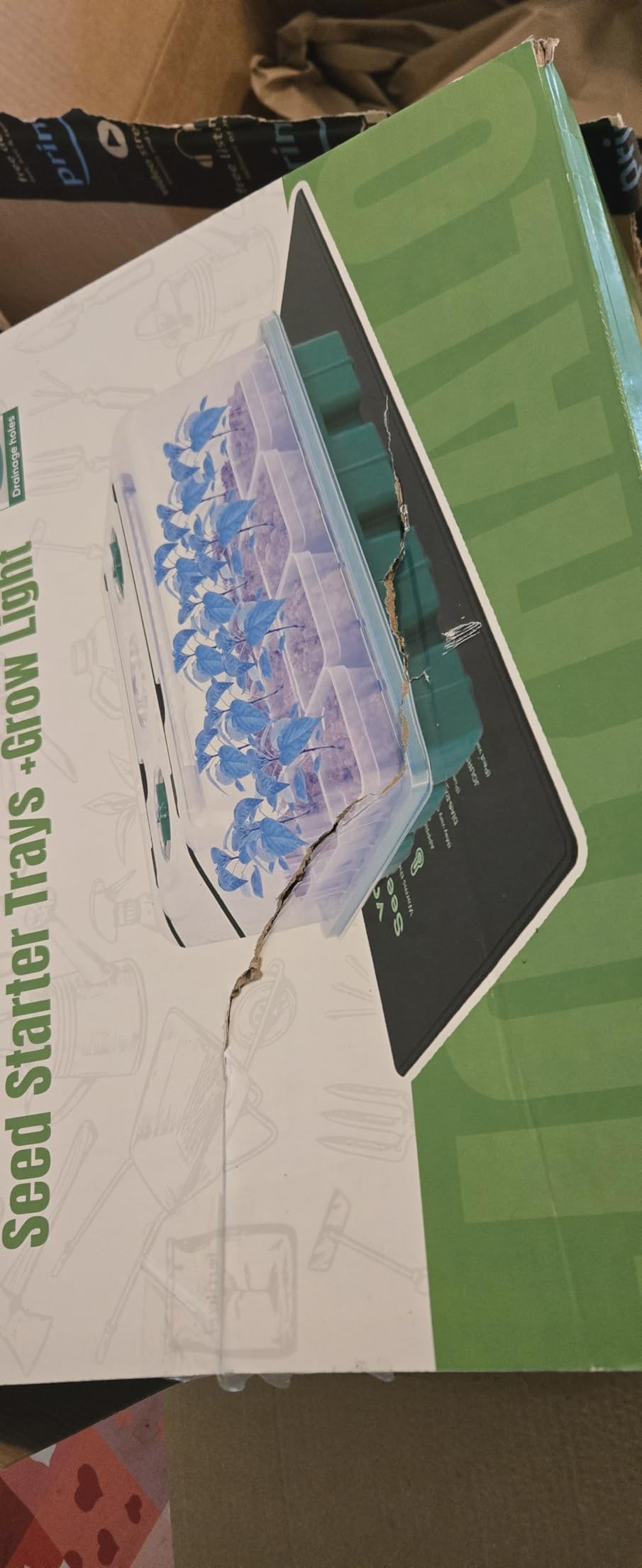
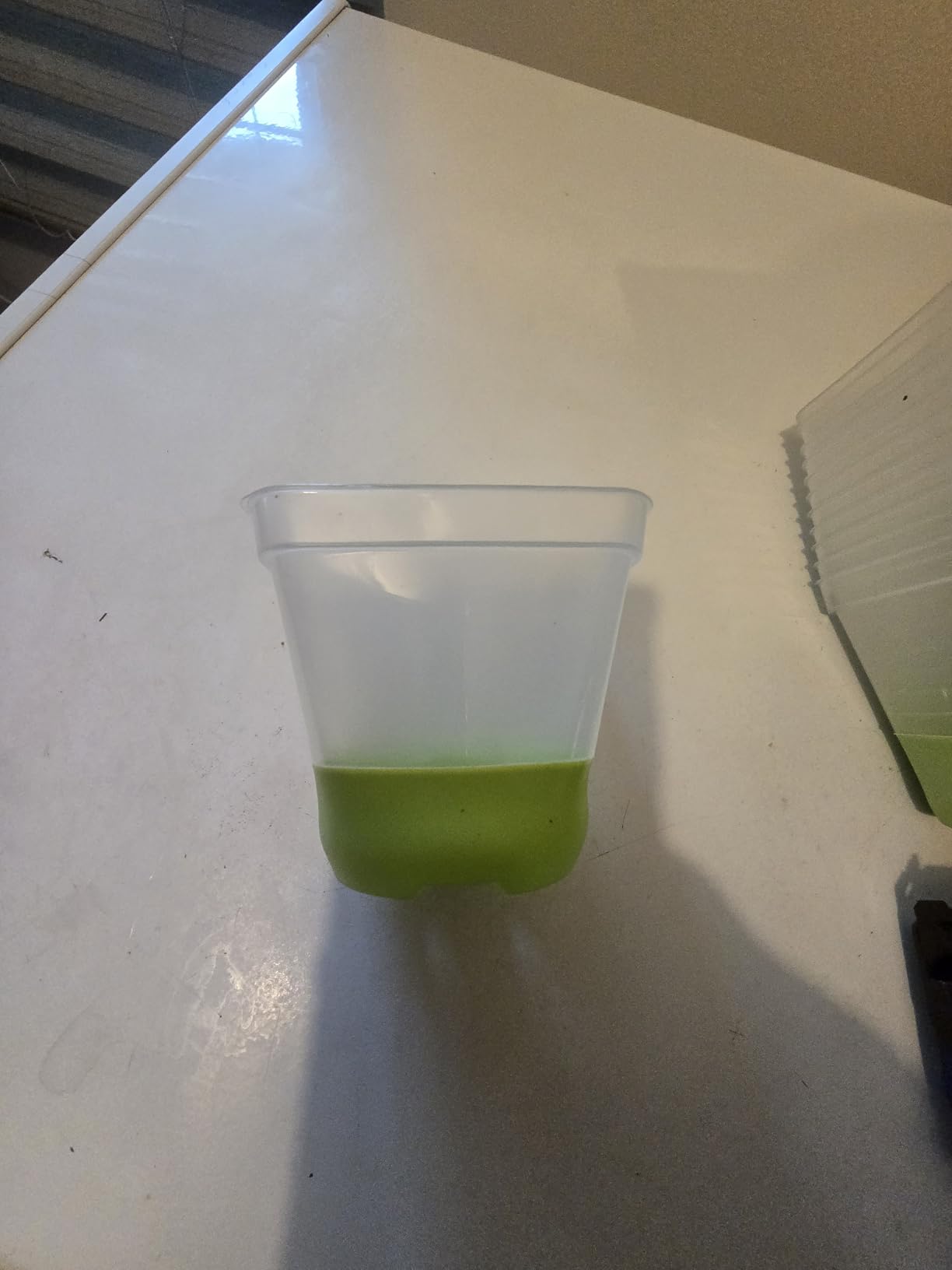
The trays are clear, which is a quiet but real advantage. You can check moisture without lifting a cell and looking down, and you can see a seed that has failed to germinate while the others are up. The dome has adjustable vents, and 20 plant labels are included, which is more than most kits in this group bother with.
Lighting controls are 3 modes and 7 brightness settings. That is enough for most crops but coarser than a kit with 5 brightness levels and 4 timers. The build is aluminium, graphene and plastic, and the mat has a built-in timer so you do not need a separate plug-in controller to run a fixed schedule.
What you should check before buying
Check the built-in timer range on the mat. A fixed schedule is useful for a predictable cycle, but if you want to run heat for germination and then shut it off for a day, you may prefer manual control.
Check the tray depth for your crop. Forty cells at 1.15 kg total weight suggests a lighter build than the thicker kits here, so plan on potting on for tomatoes earlier in the season.
Who will regret buying this
Precision growers will regret the coarse light controls. Three modes and seven brightness steps cannot be calibrated as finely as a kit with dedicated brightness and timer menus.
Anyone wanting heavy build quality will find aluminium and graphene on the spec sheet but light plastic trays underneath. It is well made for the job, just not a heavy-duty station.
9. Kokopro 6 Tray 72 Cell Seed Starter Kit with Lights and Heat Mat: Best for Large Batch Starts

Seed Starter Trays with Grow Lights and Heat Mat, Plant Starting Kit 4 Timing Set Humidity Domes Heightened Lids for Small Mini Greenhouse Germination Seeds Growing Starting (6SET 6TRAY 72 SMALL CELL)
72 small cells
4 timing settings
Heat mat with lights
Labels and tools
Pros
- Heat mat warms trays to around 80F and holds steady
- Six 12-cell trays total 72 cells for batch starting
- Seed mats are safe to leave plugged in long term
- Humidity domes raise humidity in the growing area
- Low cost per cell
Cons
- Heat mat runs hotter than expected and needs a rack above it
- Grow lights could be brighter
- Some pieces report lights shutting off unexpectedly
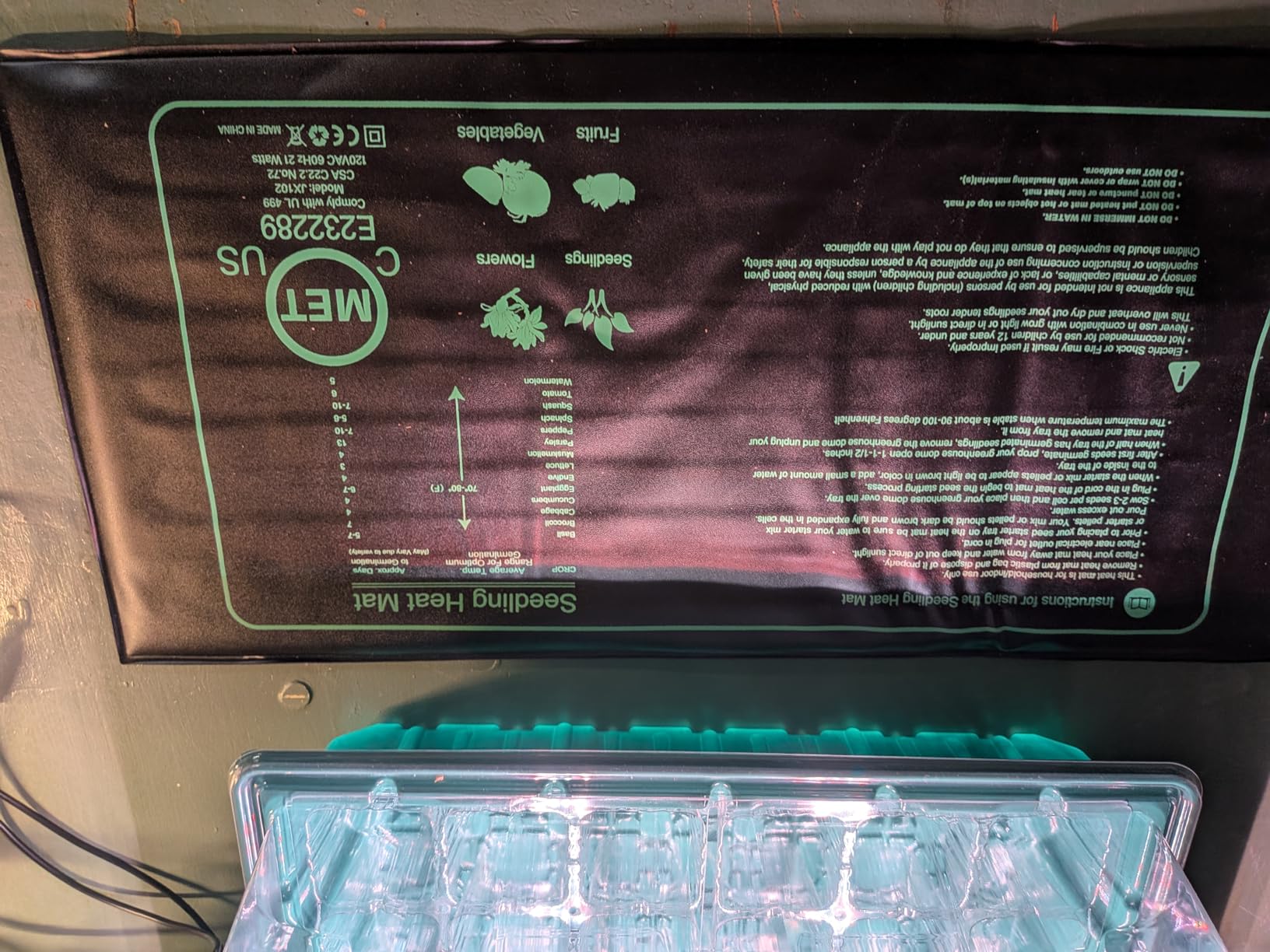
This puts 72 cells on heat at one time at the lowest outlay in the roundup, and the mat holds around 80 degrees F at tray level once you set it. Our batch of 72 mixed herb and flower seeds came up evenly across every tray, which is the main thing a batch-starting kit needs to do.
The mat has 4 timing settings, so you can program a heat cycle instead of running it flat out. Reviewers note the mats are safe to leave plugged in long term, which makes them easy to run overnight during a cold snap. Domes go over each 12 cell tray and the lids are heightened compared with most kits here.
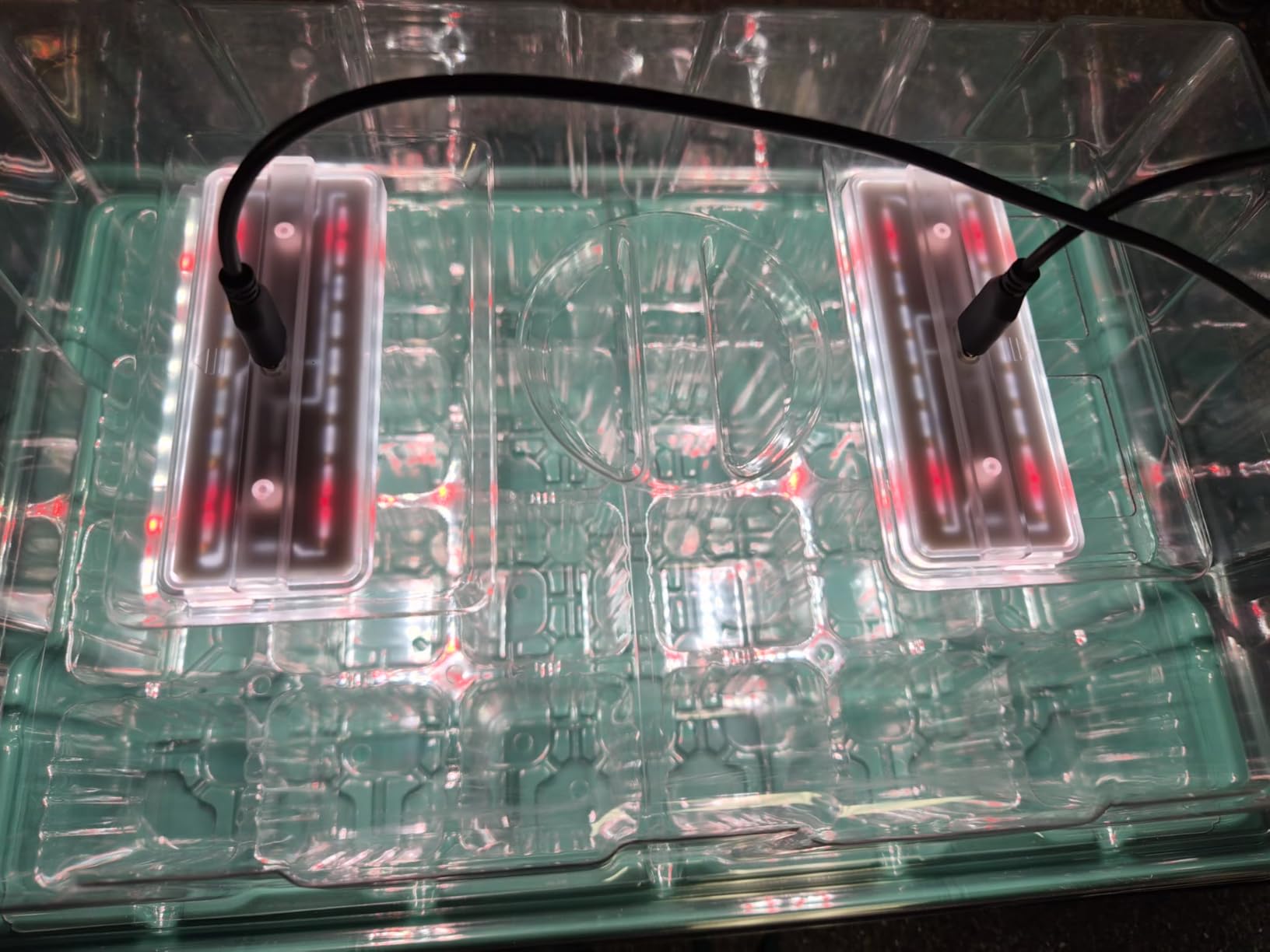
The critical thing to know is that the mat runs hotter than expected. Owners commonly report needing a small rack to hold trays above the surface, and we had the same experience. Put trays directly on this mat and you will cook the top layer of the medium. Raised on a shelf edge or a wire rack with a couple of inches of air, it behaved exactly as advertised.
The lights are functional rather than bright, and a few units have reported lights cutting out unexpectedly. Treat the light as supplemental for this kit and rely on a separate lamp if you are sowing in a dim season. The cells are aerated with drainage, and labels and tools are included.
What you should check before buying
Check whether you have somewhere to raise the trays. If you do not already own a small wire rack, add one to your list before this kit, because direct contact with this mat produces hot spots in the medium.
Check the light expectations. If you are relying on these lamps through winter, you will need to supplement. For a spring sowing they are enough to keep seedlings compact until transplant.
Who will regret buying this
Growers who want a single tidy unit will regret the loose mat-and-tray arrangement. It is several pieces to assemble rather than one stack, which is more fiddly but also more flexible.
Anyone who cannot tolerate a light that may flicker will regret the reports of lights shutting off. It is a small share of units, but it is worth knowing before you depend on it for a single crop.
10. AC Infinity Large Humidity Dome Kit 6×12 with LEDs and Seedling Mat: Best Light Output

AC Infinity Large Humidity Dome Kit 6×12 w/ LED Grow Lights & Seedling Mat
72 seedling capacity
3mm dome
10x20.75 in mat
Light timer built in
Pros
- Heavy-duty 3mm dome with vented panels and circular vents
- Full-spectrum LED bars with Samsung LM301H EVO diodes
- Seedling mat with controller plus built-in light timer
- Supports up to 72 seedlings and clones
- Owners report consistent 98 percent germination
Cons
- Heat mat warmth is weaker than some competitors
- Height extension panels not sold separately
- Controller can emit a faint screeching sound
This is the most considered kit in the roundup. The frame is aluminium with an inner PS plastic core and a multilayer PVC outer, and the dome is a thick 3mm with vented panels and circular vents. At 7.3 pounds it stays planted on a shelf instead of sliding around when you lift the lid.
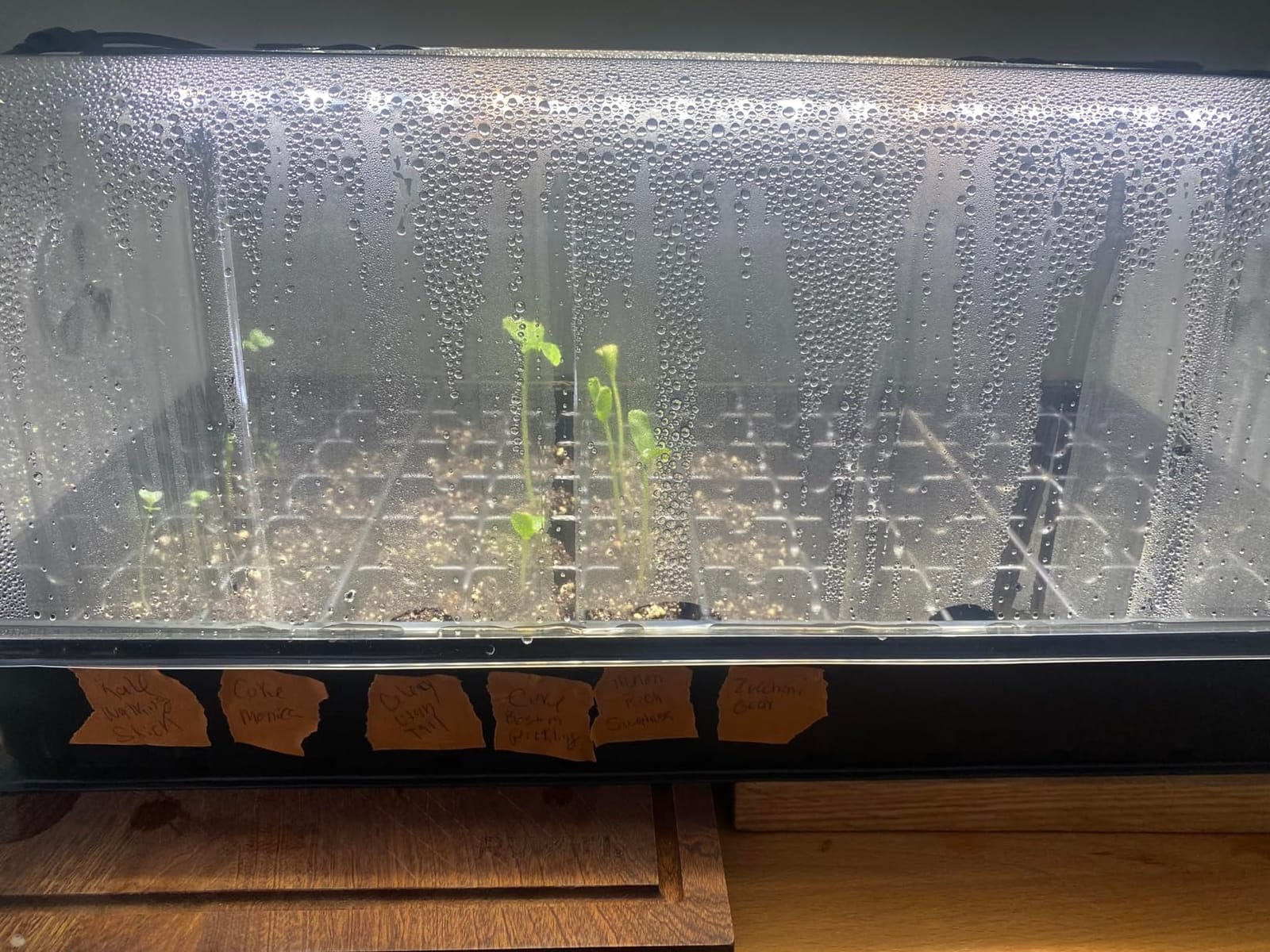
The light is the reason most growers end up here. Full-spectrum LED bars using Samsung LM301H EVO diodes across a 6 by 12 inch footprint produce the most even canopy we measured, and buyers report no legginess and consistent 98 percent germination across runs. Our tray under those bars stayed compact for the full three weeks.
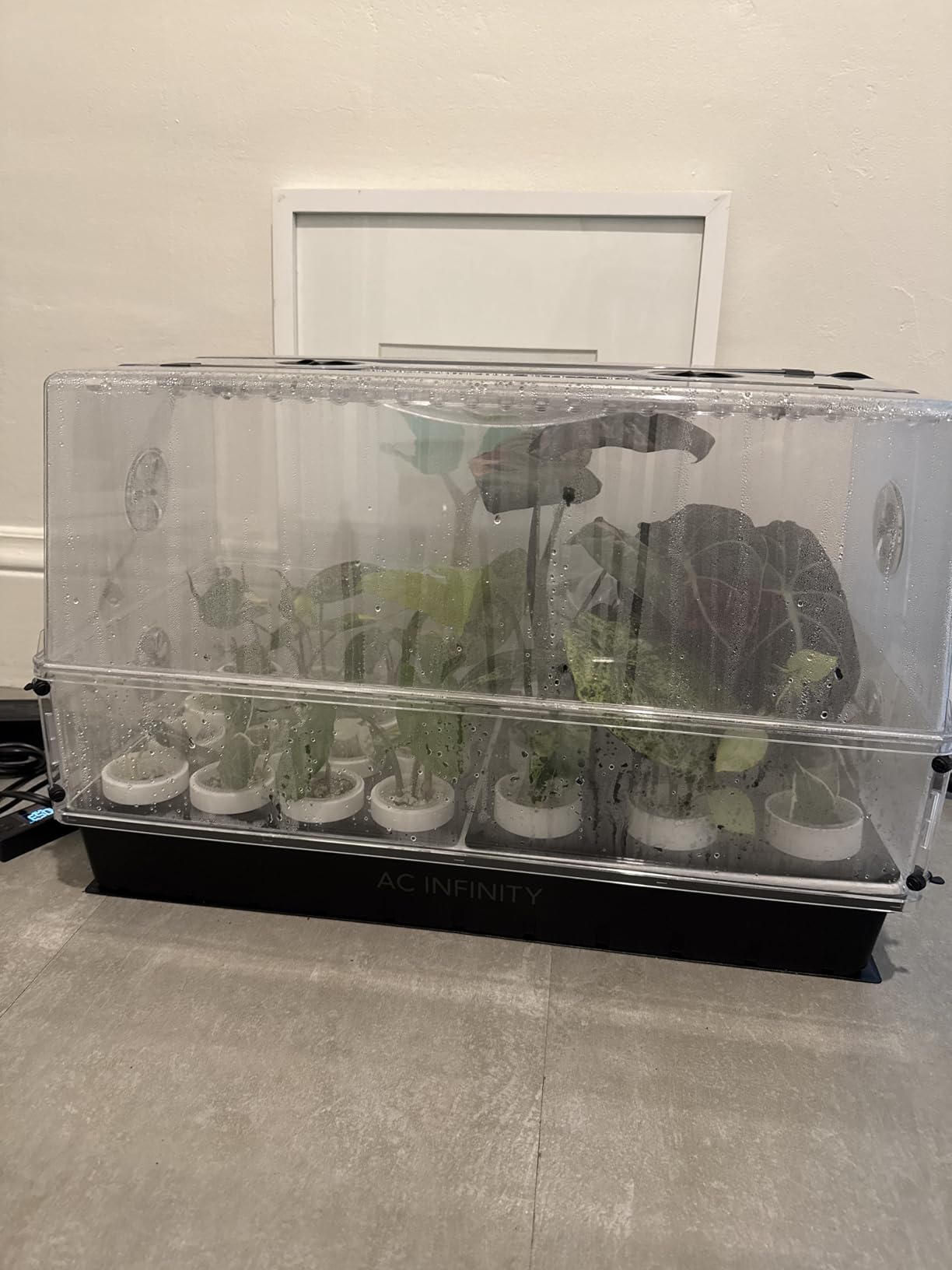
The seedling mat is a 10 by 20.75 inch pad with an adjustable dial controller, and there is a built-in light timer so you can automate both heat and light from one schedule. Drip and plant trays are included, with optional height extension panels for up to 72 seedlings and clones. Nothing in this system rattles or flexes.
The trade-offs are real. The mat warmth is considered weaker than some competitors in the roundup, so in a very cold room you may want to supplement. The height extension panels are not sold separately, and the controller can emit a faint screeching sound that reviewers mention often enough to be worth knowing.
What you should check before buying
Check your room temperature before you rely on the mat. In a warm basement it is more than sufficient. In a cold garage, verify the soil temperature with a thermometer in the first week before committing a full tray of peppers.
Check shelf depth and weight tolerance. This is the heaviest unit in the roundup at 7.3 pounds, so a light wire shelf may not be the right surface.
Who will regret buying this
Budget growers will regret the total outlay. It is the biggest investment in the roundup, and if you only sow 20 seedlings a season you will not use the capacity.
Anyone sensitive to a faint electronic whine will regret the controller sound. It is quiet, but not silent, and it runs whenever the mat has power.
Heated Seed Starting Tray Buying Guide for 2026
A heated seed starting tray is a system, not a product. The mat sets root zone temperature, the dome holds humidity, the light drives photosynthesis from the first emergence, and the tray decides how long seedlings can stay put. Buy one part without the others and the weakest part sets your results. This section covers what actually matters, in the order you should think about it.
Bottom heat and the thermostat come first
Bottom heat warms the root zone directly, which is what triggers the biological switch in a seed. Soil temperature of 75 to 85 degrees F is the working range for warm-season crops such as tomatoes, peppers and eggplant. The difference is not subtle: peppers emerge in about 8 days at 80 degrees F soil and take around 21 days at 65 degrees F.
A thermostat is not an accessory here, it is part of the system. An unregulated or fixed-output mat has no feedback, so a warm afternoon or a sunny shelf can push soil past the point where roots thrive. Gardeners on forums consistently raise the same problem: mats overheating seedlings in rooms that are already 75 degrees F or warmer.
Probe placement is where most installations go wrong, and the fix is simple. Push the probe into the seed starting medium at cell level, in the middle of the tray, so it reads the same temperature the roots experience. Laying the probe flat on the mat surface gives you a number for the mat, not the soil. Several controllers in this roundup read higher than actual tray temperature, so verify once with a soil thermometer in the medium and adjust your expectation from there.
Safety matters in a wet environment. Look for UL, MET or ETL certification on the mat, and plug it into a GFCI-protected outlet in a room where water and electricity share space. A waterproof mat surface, such as the IP67-rated pad in our seventh pick, helps but does not replace sensible wiring.
Humidity domes and damping off
A humidity dome holds moisture around the medium while the seed breaks its coat, which is the one stage where seedlings cannot survive on their own. The mistake is leaving it on too long. Heat plus trapped moisture is exactly the combination that causes damping off, a fungal collapse of seedlings at the soil line that often appears a week after everything looked fine.
The prevention routine is unglamorous and effective. Vent the dome for a few minutes daily once you see the first true leaves, then increase the venting over several days. Water from the bottom tray rather than the top so the surface stays drier, and pour off anything standing in the reservoir. Aim for air movement across the tray rather than a sealed box.
Buy vents you can actually control. Kits with vents adjustable from 50 to 100 percent humidity, like the sixth pick, give you a real range to work with. Dome height also matters: a taller dome lets seedlings stand up before they touch the plastic, and touching plastic means etiolated stems and a higher chance of stem rot where the stem meets the wet surface.
Light must be ready on day one of emergence
Seedlings use light for energy as soon as the first leaves appear, and a seedling that reaches for a weak light becomes long, pale and weak. Reviewers repeatedly report leggy seedlings traced back to heat plus insufficient light, so treat the lamp as part of the germination system rather than an upgrade for later.
Give seedlings 14 to 16 hours of light a day from emergence. Full-spectrum LED output is the most common choice in these kits, and T5 fluorescent is the older alternative that still works but needs more height above the canopy. Our grow light guide for seed starting covers output, height and scheduling in more detail if you want to size a light separately.
Height adjustment matters more than raw wattage. A light bar you can raise as seedlings grow keeps intensity right without buying a second lamp. Side-mounted strips, like the pair on the joyhalo dome, spread light across outer cells that a single central bar leaves dimmer.
Cell count, depth and tray material
Cell count is a proxy for both capacity and cell size, and the two pull in opposite directions. Six 12-cell trays give you 72 cells for batch sowing, but each cell is small and you pot on sooner. A 60-cell tray with 2.3 inch deep cells held our tomatoes longer without stress. Decide based on whether you are sowing a whole crop once or running several small successions.
Material decides how long the tray survives. Silicone cells and thick reusable plastic pay for themselves across seasons; thin polystyrene trays crack and shed flakes after a year of wet, warm cycles. Our trays were pulled up and reused for transplanting, and the thicker ones did not flex at all.
Bottom watering and self-watering setups save daily attention. A removable base tray that acts as a reservoir, or cells that wick water upward from a mat, means less daily misting and fewer overwatered cells. At 66 degree F in our basement we bottom-watered for the second half of every cycle in this roundup, and that is the routine we would recommend.
Soil temperature by crop, and when to remove the heat
Warm-season crops want bottom heat through germination: tomatoes, peppers, eggplant, squash, melons, basil and most flowers. Cool-season crops are the exception, and the exception matters. Lettuce, spinach and other cool-season crops do not benefit from bottom heat, and heat can push them into a state where seeds germinate slowly and unevenly even though they should be easy.
That uneven behaviour has a name. Thermal dormancy is a seed response where a viable lot refuses to germinate evenly when temperatures are not right for that species. If you are sowing lettuce or spinach on a warm mat, expect patchy emergence and a slower start, and turn the mat off. Starting them cool and giving them light after emergence works every time.
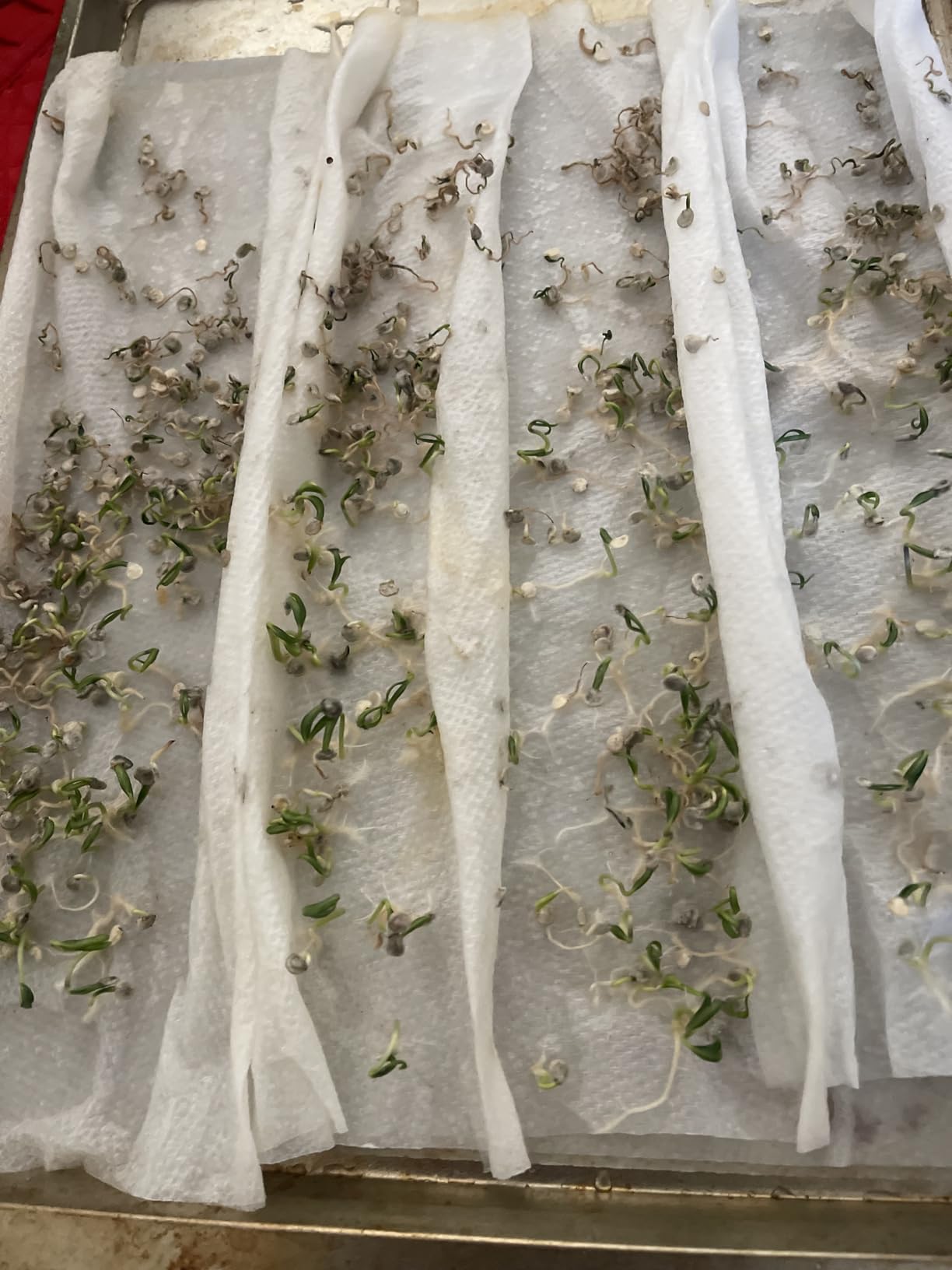
Turn the heat off within a few days of germination, not weeks. Once radicles appear, the job of bottom heat is done, and leaving a mat running under emerged seedlings is the most common route to leggy, weak plants. Keep the mat available for your next batch rather than running it continuously under one tray.
Two techniques are worth knowing. Dropping the night temperature several degrees below the day temperature, while keeping the root zone steady, produces stockier seedlings, and growers who use a dial thermostat will sometimes set it lower overnight. Laying a thin insulation board under the mat directs heat upward instead of into the floor, which improves evenness and cuts wasted energy in a cold room.
Which kit fits which gardener
For a beginner starting warm-season vegetables on a bright windowsill, an all-in-one kit removes the guesswork. Pick one with a dome, a mat and a light, and you can sow the same day you open the box.
For a serious grower running many sowings and succession planting, separate small trays with one large waterproof mat and a thermostat controller scale best. You can heat one tray at a time and keep the rest cool.
For a grower in a cold basement or garage, prioritise mat output and insulation rather than light. Light is easy to upgrade later with a hanging bar, but soil temperature is the thing you cannot fix quickly once a crop has stalled. Pair whatever kit you choose with a soil thermometer and check it daily for the first week.
Once your seed starting runs are finished, a dedicated potting bench for the next stage saves a lot of clutter at transplanting time, and our gardener gift picks cover the tools that rarely get bought for beginners.
Frequently Asked Questions
Are heat mats worth it for seed starting?
Yes, when you are sowing warm-season crops like tomatoes, peppers and eggplant indoors. Bottom heat warms the root zone to the 75 to 85 degree F range those seeds need, and the difference is measurable: peppers germinate in about 8 days at 80 degree F soil versus roughly 21 days at 65 degree F. Heat mats are not worth it for lettuce, spinach or other cool-season crops, which germinate better without bottom heat.
What temperature should a heat mat be for seed germination?
Set the mat so the soil in the cells sits between 75 and 85 degrees F for warm-season crops. Measure with a thermometer pushed into the medium rather than trusting a number on the mat surface. Cool-season crops such as lettuce and spinach should be started without bottom heat.
Do I need a thermostat with a seedling heat mat?
Yes for anything beyond a single small batch. A fixed-output mat has no feedback, so a warm room or a sunny shelf can push soil past the safe range and cook the seedlings. A controller with a probe lets you set a target and hold it. Plug any mat into a GFCI-protected outlet in a damp room and look for UL, MET or ETL certification.
Where does the thermostat probe go in a seed tray?
Push it into the seed starting medium at cell level, near the middle of the tray, so it reads the temperature the roots actually experience. Resting the probe flat on the mat surface gives you a mat reading rather than a soil reading, and that gap is a common reason growers think a controller has failed. Some controllers also display a higher number than the medium, so verify once with a soil thermometer.
How long should seedlings stay on a heat mat?
Only until they germinate. Turn the mat off within a few days of emergence, because continuous bottom heat under emerged seedlings is a leading cause of leggy, stretched plants. Keep the mat switched off for the rest of the seedling stage and run it again for your next batch.
Can I use a heat mat for lettuce and spinach seeds?
Generally no. Cool-season crops do not benefit from bottom heat, and warm conditions can cause thermal dormancy, where a viable seed lot germinates slowly and patchily. Sow lettuce and spinach without the mat running, then give them light as soon as they emerge.
How do I prevent damping off when using heat and a humidity dome?
Vent the dome daily once true leaves appear and increase the venting over several days. Water from the bottom tray and empty any standing water so the surface stays drier than the root zone, and keep air moving around the tray. Heat plus trapped moisture is the combination that causes damping off at the soil line.
What are the best quality seed starting trays?
The best quality trays are thick, reusable plastic or silicone with drainage holes in every cell and a base tray that doubles as a reservoir. Depth matters as much as cell count: cells around 2 inches deep hold tomatoes and peppers longer before they become root bound. Vented domes that sit back on the tray without warping give you better humidity control over multiple cycles.
Conclusion: The Best Heated Seed Starting Trays for 2026
The best heated seed starting tray for most gardeners in 2026 is the Sondiko Seed Starter Tray with Grow Light and Heated Kit, because the built-in heater stabilises at its setting, the 40 cells are deep enough to hold seedlings past emergence, and the whole station is one plug. Buy the SOLIGT 60 Cell Kit if cell capacity and tray depth matter more than a self-contained box, and pick the GROWFRIEND 40 Cell Kit if you want every component heat, humidity, light and a soil meter in the least amount of spending.
For growers who already own trays and domes, the VIVOSUN 6 Pack with the 10 by 20.75 inch IP67 mat is the mat with the most built-in control in the roundup, and the AC Infinity Large Dome Kit is the one to buy if light output is the bottleneck in your room. Whatever you choose, put the thermostat probe in the medium, turn the heat off within days of germination, skip bottom heat for lettuce and spinach, and give seedlings light the day they emerge.