
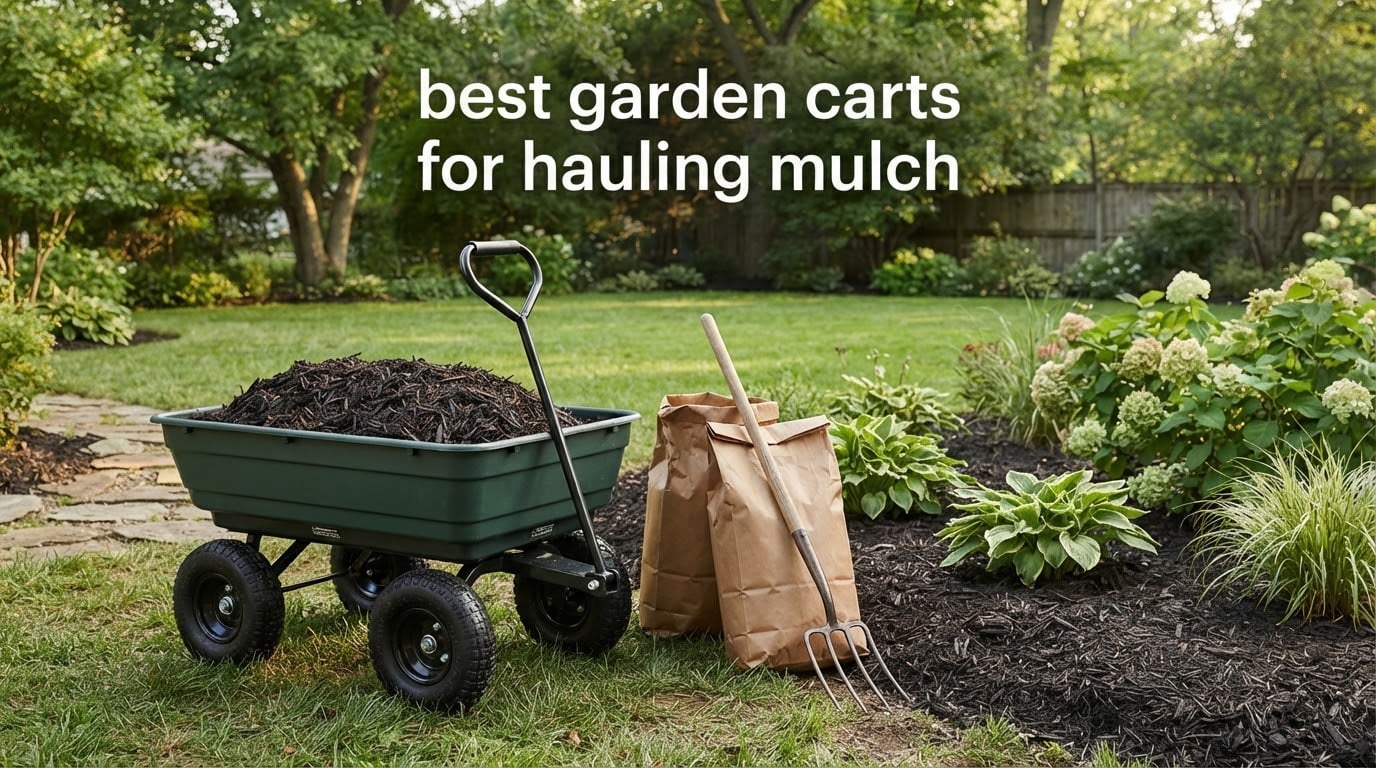
The number 15 comes up over and over in garden forums when people describe the afternoon they spent moving mulch by hand. One wheelbarrow trip across the lawn, back, dump, repeat, and the pile you started with is somehow still half the size when the light goes. That is the whole reason a garden cart exists, and it is the reason this roundup of the best garden carts for hauling mulch focuses on one job rather than on general yard duty.
We spent weeks moving everything a mulch job involves: bagged hardwood from the car, a bulk delivery dumped in the driveway, wet compost scraped out of a pile, and gravel scraped off a path. Every cart below was judged on the same three questions. Can it take a real mulch load without the steering going vague? Can it get that load out of the bed without me lifting it? And will it still be there in five years, outside, with mud on the wheels?
One thing the marketing numbers hide. A cart rated for 600 pounds will not steer for 600 pounds of mulch. Dry shredded mulch sits in the 20-to-30-pound-per-cubic-foot range. Get it rained on and the same cubic foot can weigh two to three times as much, and that is when carts tip, spin their steering axles, and get abandoned in the corner of the garage. We call out a realistic load alongside every rated number below.
A garden cart is a wheeled wagon with a low center of gravity and two or four wheels, used to move tools, soil, compost, mulch, and yard debris without the balancing act a wheelbarrow demands. On a dump cart, you pull a lever and the bed tilts, so the mulch slides out at the bed instead of coming over the rim one shovel-load at a time.
If you are still cross-shopping wheelbarrows against carts, our wheelbarrow and garden cart picks cover the smaller machines. Everything below is sized for mulch jobs rather than for tool-carrying.
Table of Contents
Top 3 Picks: Best Garden Carts for Hauling Mulch (October 2026)
The Gorilla Carts Poly Dump Cart is the best garden cart for hauling mulch overall. It carries four cubic feet in a rust-proof poly tub, dumps with a patented quick-release lever, and has more than 30,000 reviews behind it, which makes it the single most proven design in this group. Runners-up are the flat-free Gorilla model if you refuse to pump tires, and the Gorilla steel utility cart if you need to load whole pallets of bagged mulch.

Gorilla Carts Poly Dump…
- 4 cubic foot poly bed
- 600 lb capacity
- quick-release dump
- 10 inch pneumatic tires

Gorilla Carts Dump Cart,…
- 4 cubic foot poly tub
- 600 lb rating
- 10 inch flat-free tires
- quick-release dump

Gorilla Carts Steel Utility…
- 800 lb steel frame
- 4 cubic foot mesh bed
- removable side panels
- flatbed conversion
Quick Picks: The Best Garden Carts for Hauling Mulch in 2026
Every cart in this list is a real four-wheeled or two-wheeled hauler rather than a garden tidy-tote, and all ten have a bed you can actually load mulch into. Read the volume column first, because that decides how many trips you make. Then read the tire column, because that decides whether the trips are pleasant.
| Product | Specs | Action |
|---|---|---|
| Gorilla Carts Poly Dump Cart, 600 lb, 4 Cu Ft |
|
Check Latest Price |
| Gorilla Carts Dump Cart, 600 lb, 4 Cu Ft |
|
Check Latest Price |
| Gorilla Carts Steel Utility Cart, 800 lb |
|
Check Latest Price |
 VEVOR Heavy Duty Steel Garden Cart, 900 lb VEVOR Heavy Duty Steel Garden Cart, 900 lb |
|
Check Latest Price |
 VIVOHOME Heavy Duty 880 lb Mesh Garden Cart VIVOHOME Heavy Duty 880 lb Mesh Garden Cart |
|
Check Latest Price |
 VEVOR 4 Cu Ft Poly Dump Cart, 600 lb VEVOR 4 Cu Ft Poly Dump Cart, 600 lb |
|
Check Latest Price |
 Best Choice Products Dual-Wheel Yard Cart, 330 lb Best Choice Products Dual-Wheel Yard Cart, 330 lb |
|
Check Latest Price |
 BILT HARD 4 Cu Ft Poly Yard Dump Cart, 600 lb BILT HARD 4 Cu Ft Poly Yard Dump Cart, 600 lb |
|
Check Latest Price |
 BILT HARD 880 lb Steel Garden Cart, 4 Cu Ft BILT HARD 880 lb Steel Garden Cart, 4 Cu Ft |
|
Check Latest Price |
 BILT HARD 7 Cu Ft Poly Dump Cart, 1200 lb BILT HARD 7 Cu Ft Poly Dump Cart, 1200 lb |
|
Check Latest Price |
How Much Mulch Are You Actually Hauling?
Most people underestimate this by a factor of five. Mulch is sold in two cubic foot bags, and a typical residential mulching job covers a third of an acre to half an acre. One two cubic foot bag covers roughly eight square feet at a two-inch depth, which means a full yard can run forty to sixty bags.
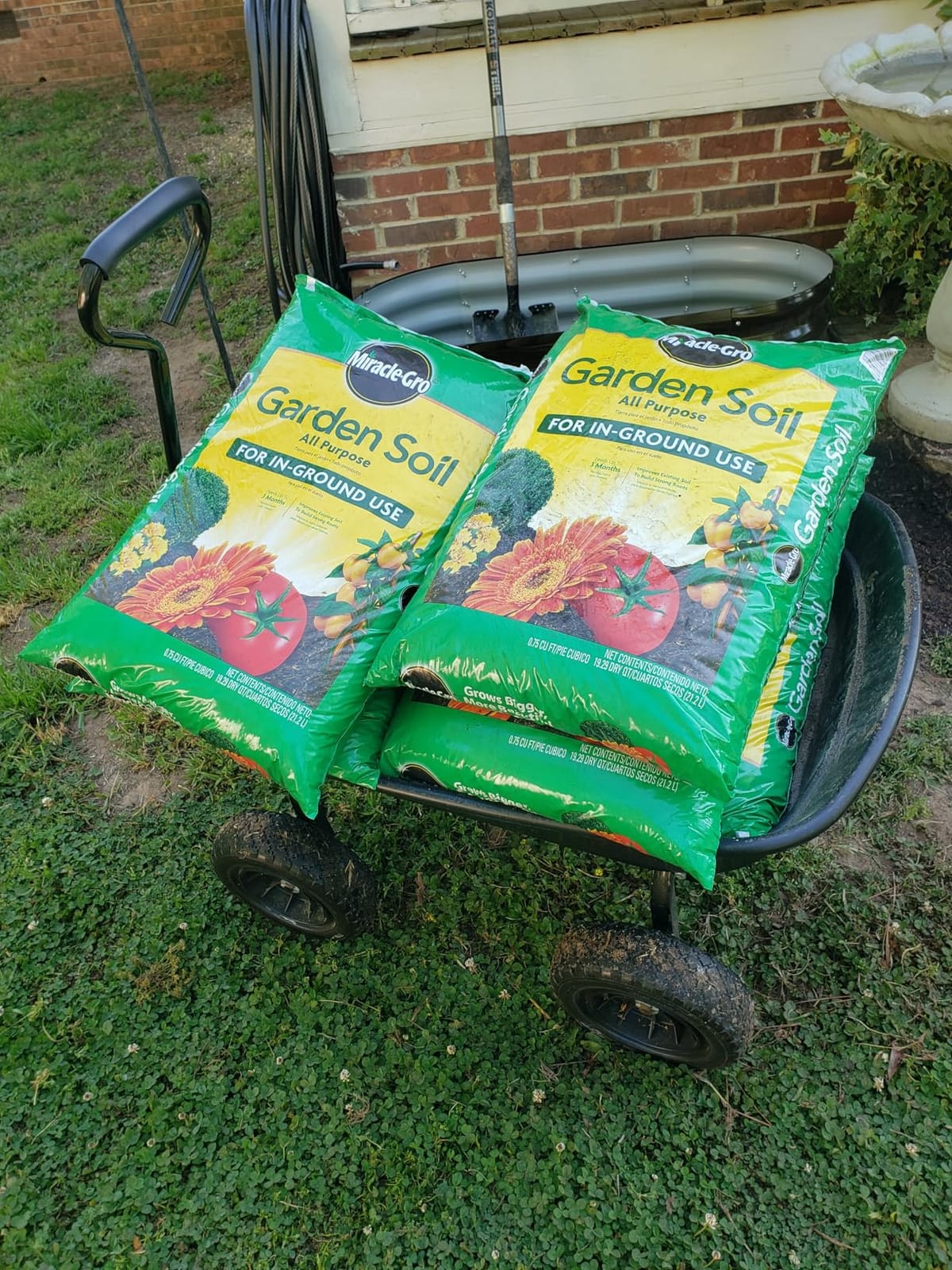
Here is the arithmetic that decides your cart size. A four cubic foot tub holds about two two cubic foot bags laid flat, or three if you break the top bag open and fill the corners. A 4.5 cubic foot mesh bed gets you three. A 5 cubic foot tub gets you three with room to spare. Only the 7 cubic foot bed on our tenth pick gets you into four-bag territory.
Now add water. Dry shredded hardwood mulch runs roughly 20 to 30 pounds per cubic foot, so a full four cubic foot tub is about 80 to 120 pounds when it comes off the bagged pile. That is a load you can steer. Wet mulch after a storm can run two to three times that, and a four cubic foot tub of it will weigh well over 200 pounds. That is the load that makes a steering axle wander.
Which is why most experienced owners move several smaller loads instead of one maximum one. A part-full cart keeps the front end tracking, protects the frame from a point impact when you drop a bag in, and lets you dump into a bed instead of onto the path in a heap. Our rule when testing was to stop adding mulch when the cart started to wander rather than when the tub was full.
If you order in bulk, the delivery usually lands in the driveway or street as a pile, not in bags. The workflow that motivates most of these purchases is straightforward. Shovel or rake the pile into the cart, wheel it to the bed edge, dump, spread with a mulch fork, repeat. The carts that win that workflow are the ones with a wide bed mouth and a dump lever you can pull while wearing gloves.
1. Gorilla Carts Poly Dump Cart, 600 lb Capacity, 4 Cu Ft, Quick Release Dump
Gorilla Carts Poly Dump Cart, 600 lb. Capacity, 4 Cu ft, Quick Release Dump
4 cubic foot poly bed
600 lb capacity
10 inch pneumatic tires
Alloy steel frame
30.2 lb cart weight
Pros
- Quick-release dump unloads loaded beds fast
- Rust-resistant poly bed on an alloy steel frame
- 4 cubic feet handles multiple bags per trip
- Short assembly time
- 10 inch pneumatic tires roll over uneven lawn
Cons
- Pneumatic tires need periodic inflation checks
- Fixed tub with no removable sides
- Lower handle height on deep beds
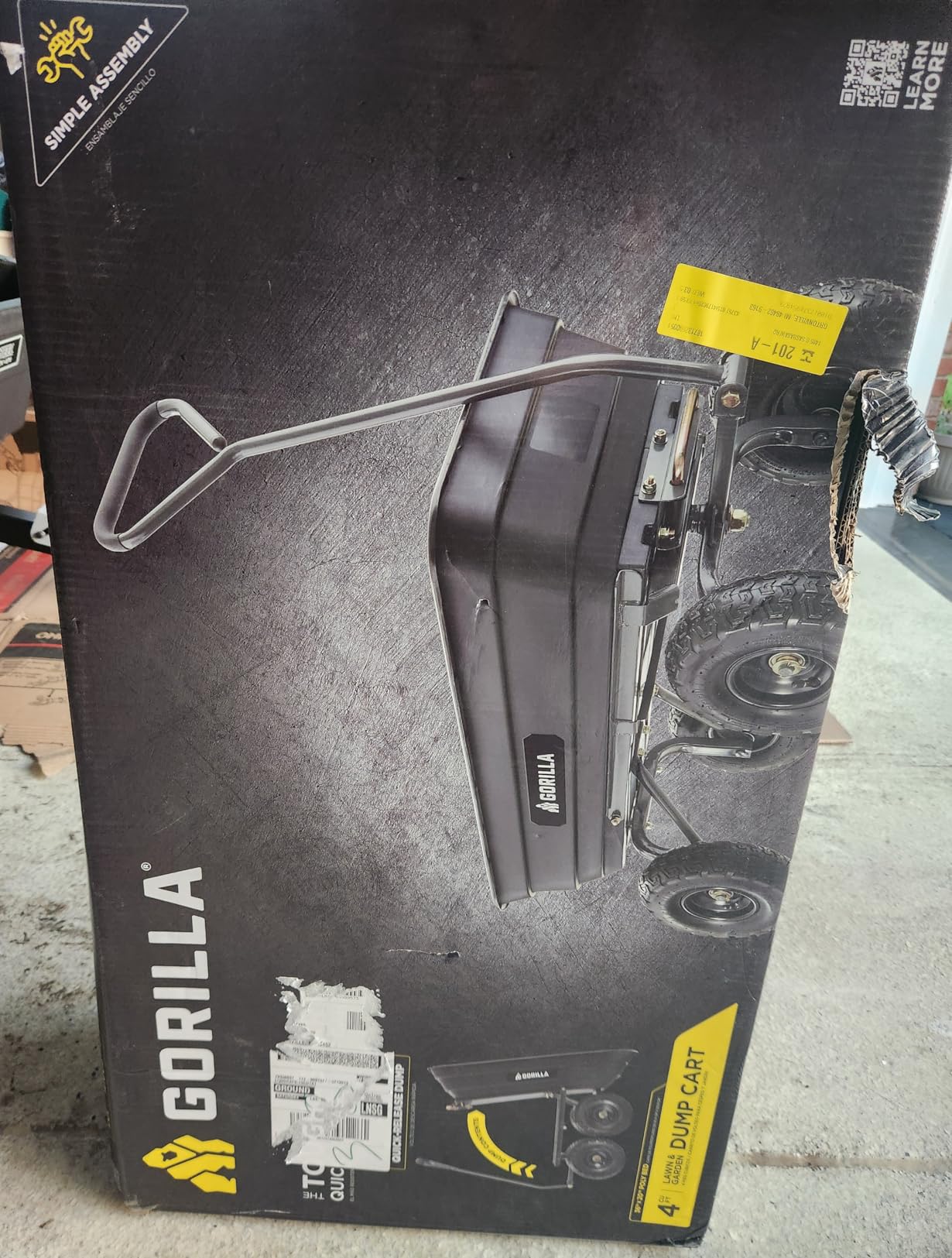
This is the cart we ended up using for every mulch job during testing. The bed measures 36 inches long by 20 inches wide and holds four cubic feet, which on a two-inch depth covers roughly thirty-two square feet of bed edge before you refill. Owners describe the same thing we saw, which is that the quick-release dump is the feature that makes a cart worth more than a wheelbarrow.
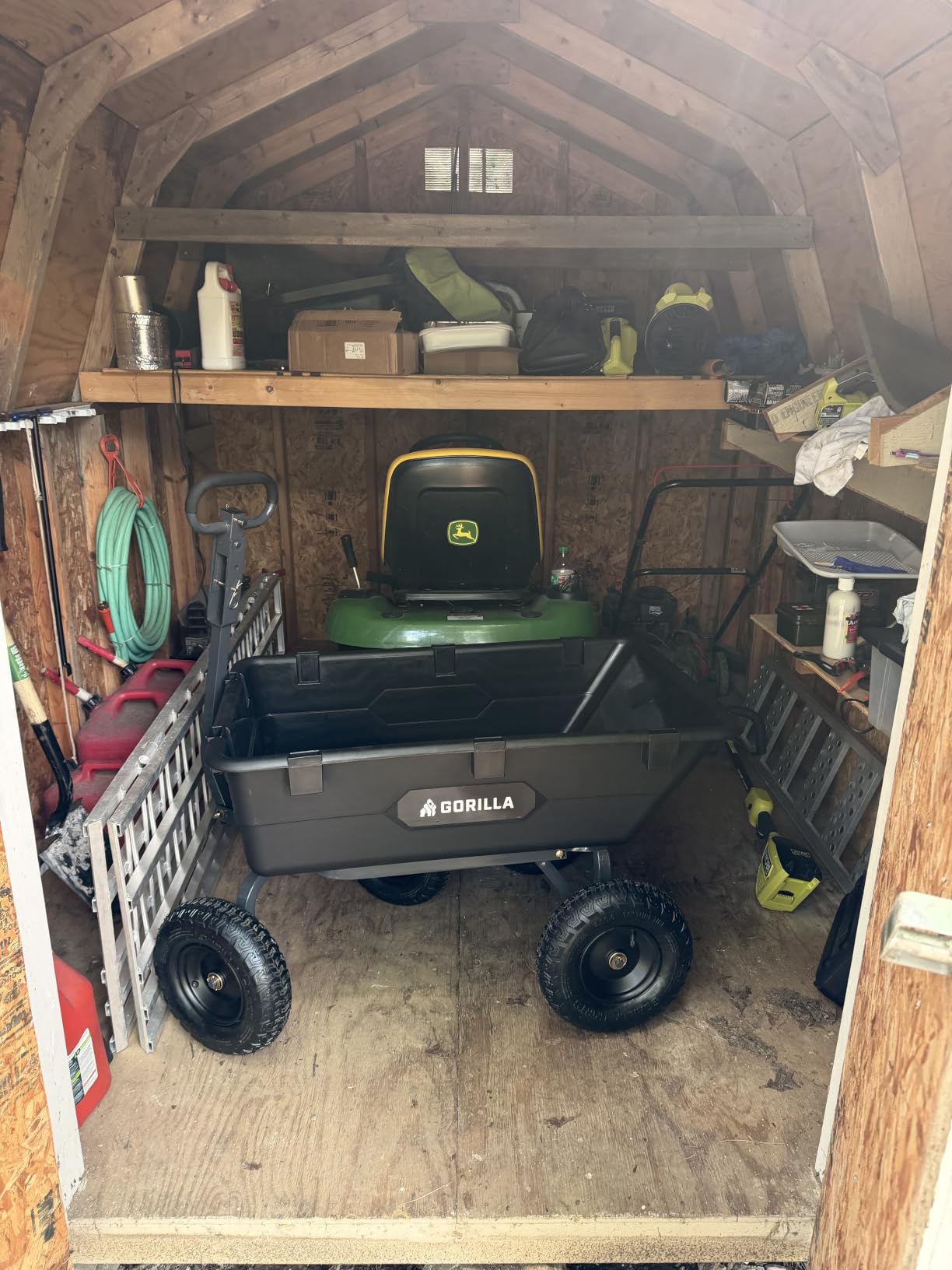
The frame is alloy steel and the bed is maintenance-free poly, a combination that handled six-plus years of service for long-term owners we heard from in gardening forums without a rust story. The whole unit weighs 30.2 pounds, which is light enough to lift into a truck bed or carry over a lip without recruiting help.
Rated capacity is 600 pounds. For dry bagged mulch we found the cart stays planted and predictable somewhere between 150 and 200 pounds, and above that the steering axle starts to wander on turns. The poly bed shrugs off wet material, though, which matters if your pile got rained on before you got to it. Rinse it out with a hose and it drains through nothing, so you wipe the inside down instead.
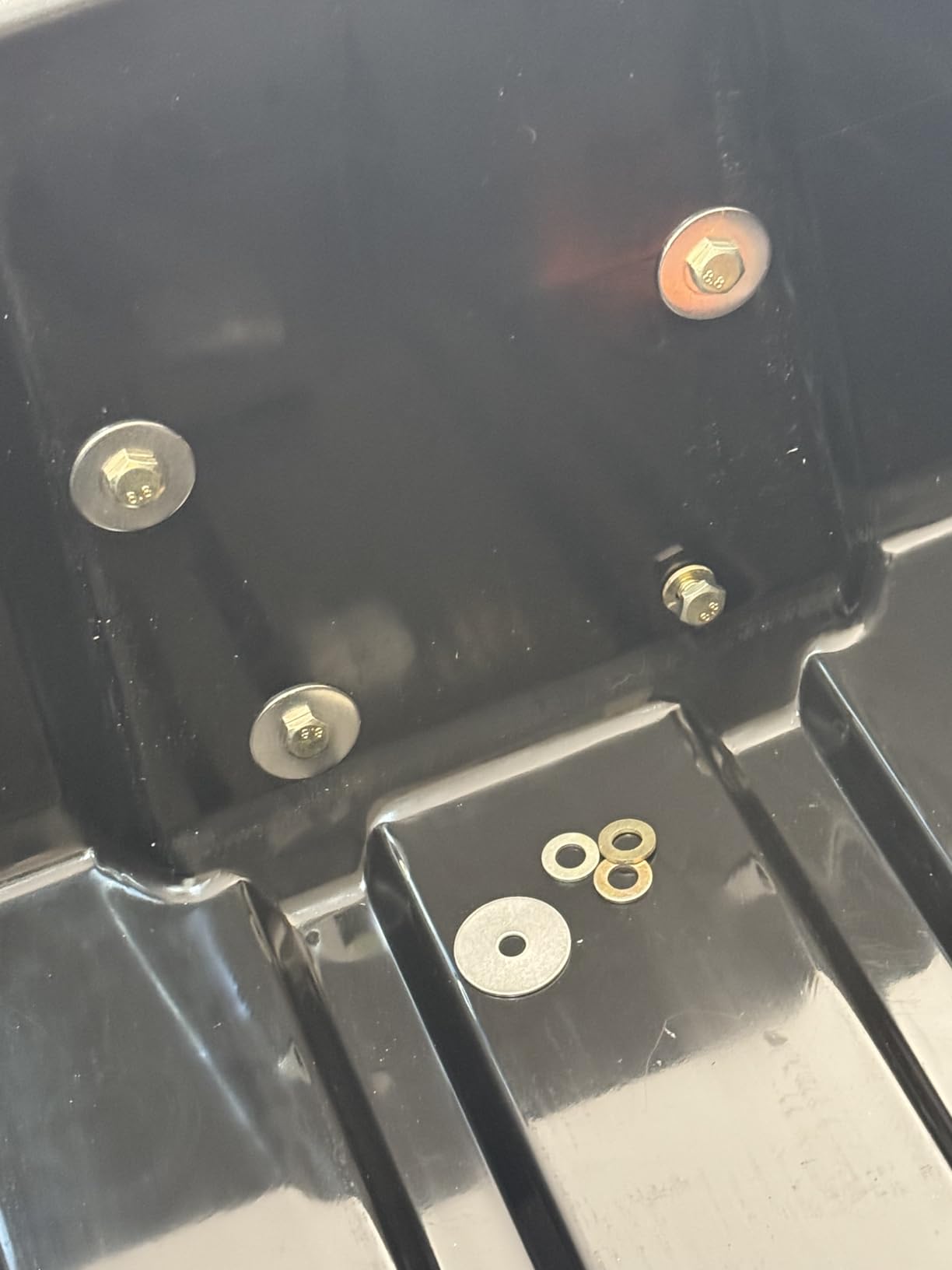
Assembly took us well under half an hour, and the hardware was simple enough that we did not need the instructions for the frame. The measurement that surprised us was height: at 19.5 inches overall, the handle sits lower than some competing carts, which made spreading deep into a raised bed mean a slight hunch. Anyone with back sensitivity should test their own posture before buying.
How it handles wet mulch and long hauls
The poly tub is the reason this cart survives wet work. It does not pit the way bare steel does, and it will not swell or delaminate in cold weather the way a thinner plastic bed can. When we dumped a half-wet load, the material slid out almost clean, with only a thin film left in the corners that a hose handled in seconds.
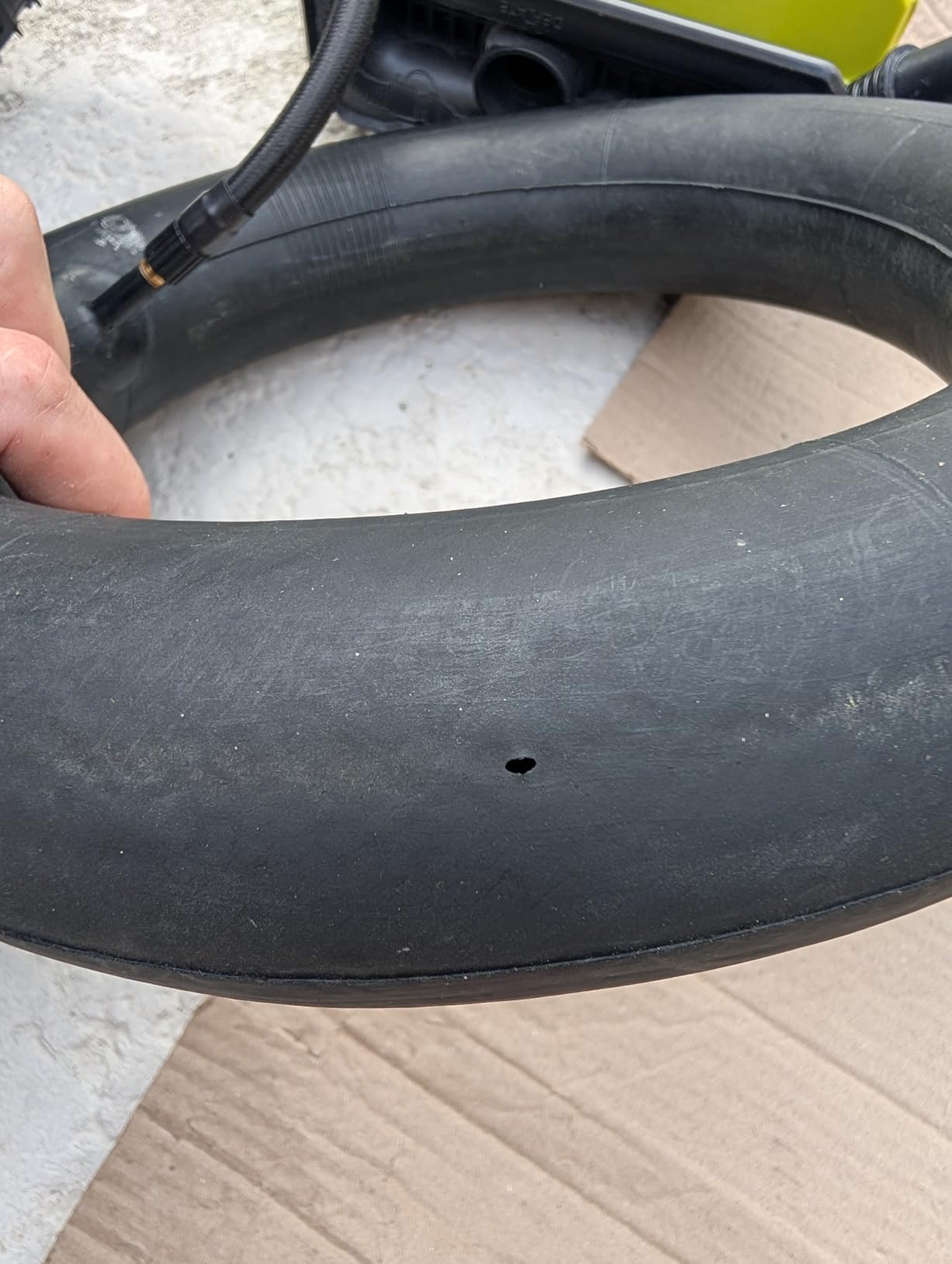
Ten-inch pneumatic tires give it the best ride of the group over lumpy lawn and gravel paths. The trade is maintenance. If a thorn bed or a stray mulch splinter finds a tire mid-project, you are kneeling on the driveway with a pump and a patch kit. Check pressure at the start of every mulch season rather than waiting for a flat.
Who should skip this cart
Skip it if your ground is mostly gravel and broken glass, or if you are hauling long boards and fence posts that a fixed tub cannot swallow. The sides are molded into the tub and do not come off, so oversized loads mean balancing a board on top of the mulch and holding it there with a strap.
Also skip it if storage space is tight and you do not have a garage. At 38.7 inches deep by 20 inches wide, it needs a real corner of a shed or garage floor, and the upright handle means it will not go flush against a wall the way a folding wagon does. Owners who leave them outside report rust on the steel handle over time, so bring it in if you can.
2. Gorilla Carts Dump Garden Cart, 4 Cu Ft, 600 lb Capacity, No-Flat Tires
Gorilla Carts Dump Garden Cart, 4 Cu Ft, 600 lb Capacity, No-Flat Tires
4 cubic foot poly tub
600 lb capacity
10 inch flat-free tires
1 year limited warranty
33.4 lb cart weight
Pros
- Top rating in this group at 4.8 stars with 89 percent five-star reviews
- Flat-free 10 inch tires need no inflation
- Quick-release dump unloads heavy mulch solo
- Rust-resistant tub rinses clean
- Compact enough for smaller yards
Cons
- Costs more than most carts in its capacity class
- Fixed tub with no removable sides
- Firmer ride over sharp gravel than true pneumatic
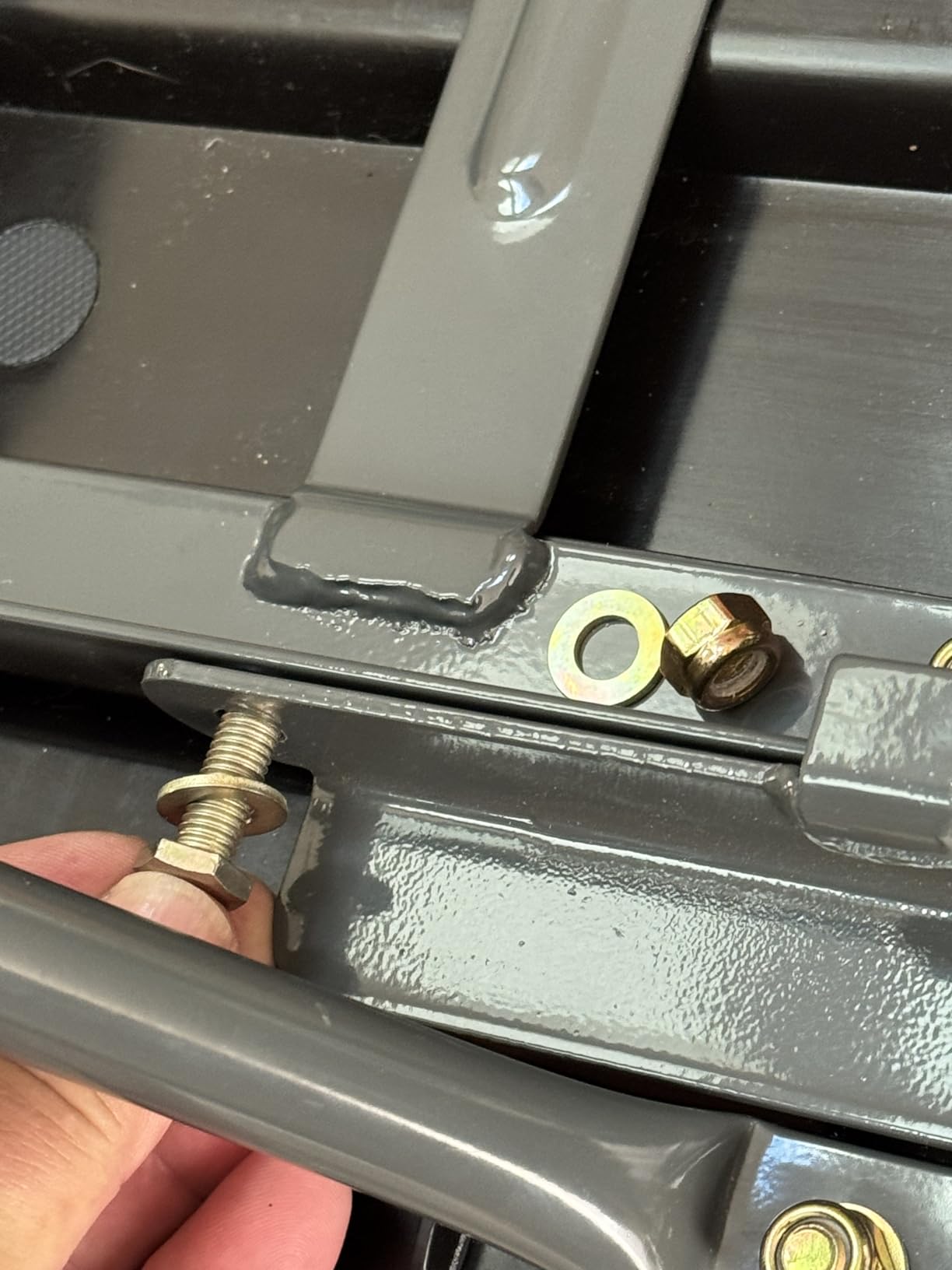
This is the same proven tub-and-frame layout as our top pick, swapped to tubeless flat-free tires, and it posts the highest rating of any cart we tested at 4.8 stars across more than 3000 reviews. Eighty-nine percent of those reviews are five-star. That is the cleanest signal we found in this whole group.
The difference that matters day to day is that you never touch a pump. On a project where you cross the same lawn twenty times in a day, with mulch splinters and seed heads embedded in the turf, a flat is a genuine interruption. The 10-inch tubeless tires roll fine over lawn and gravel and keep going.
Bed size is 35.2 inches by 21.8 inches, and the tub dumps on a patented quick-release system that lets one person unload a heavy load without tipping the cart or wrestling the bed off its pins. The poly tub rinses clean after hauling wet soil, which is a bigger deal than it sounds if you are a person who does not enjoy scraping damp shredded bark out of corners.
Reviewers call this the cleanest way to move bagged mulch in a compact yard. The bed footprint is narrower than some competitors and the whole unit weighs 33.4 pounds, which makes it easier to reposition than the larger wagons further down this list. It carries a one-year limited warranty from the manufacturer.
Where flat-free tires win and lose
Flat-free tires win on every surface you are likely to cross while mulching, because the failure mode of a pneumatic tire, going flat halfway through, is the thing you cannot plan around. They also need no pressure checks after sitting in a shed over winter.
They lose on ride quality. A solid or foam-filled tire transmits more vibration than an air-filled one, and over sharp gravel or broken branch you feel every stone in the handle. Owners also note the tubeless versions feel firmer on a hard-packed driveway. If your route is mostly concrete and asphalt rather than lawn, the pneumatic option above is the smoother ride.
Who should skip this cart
Price is the recurring reservation in the reviews. It sits above most of the poly dump carts in the same capacity class, so if the budget is fixed and you are happy inflating tires once a season, the same tub on pneumatic tires costs less and rides softer.
The fixed tub rules it out for anyone moving palletized bags, long lumber, or potted trees. And if your property is small enough that you only move four or five bags a year, the size is unnecessary. Every extra inch of bed width is a minute of scrubbing afterward.
3. Gorilla Carts Steel Utility Cart, 800 lb Capacity, 4 Cu Ft, Black
Gorilla Carts Steel Utility Cart, 800 lb Capacity, 4 Cu Ft., Black
800 lb steel frame
4 cubic foot mesh bed
Removable side panels
10 inch pneumatic tires
Powder-coated steel
Pros
- Removable mesh sides take oversized bagged mulch
- Squared-tube cross braces stiffen the frame
- Expanded metal mesh drains wet mulch
- Assembles in roughly 15 to 20 minutes
- Tight turning radius at full load
Cons
- Mesh bed sags under point loads without a liner
- Side walls closer to 10 inches than buyers expect
- Wheels struggle on deep soft ground
- Loads need securing when sides are off
This is the cart to buy when mulch arrives bagged and you want to stack those bags like you would on a pallet. The side panels unbolt, and with all four off you have a flatbed deck. On a bulk delivery we moved whole rows of bagged mulch and a stack of edging boards in the same trip, which no fixed tub cart can do.
The frame is powder-coated steel rated at 800 pounds, with squared-tube cross braces that make it noticeably stiffer under load than lighter welded frames. It measures 43.8 inches deep by 21.25 inches wide by 21.5 inches high, which is a long footprint. Plan your storage corner accordingly.
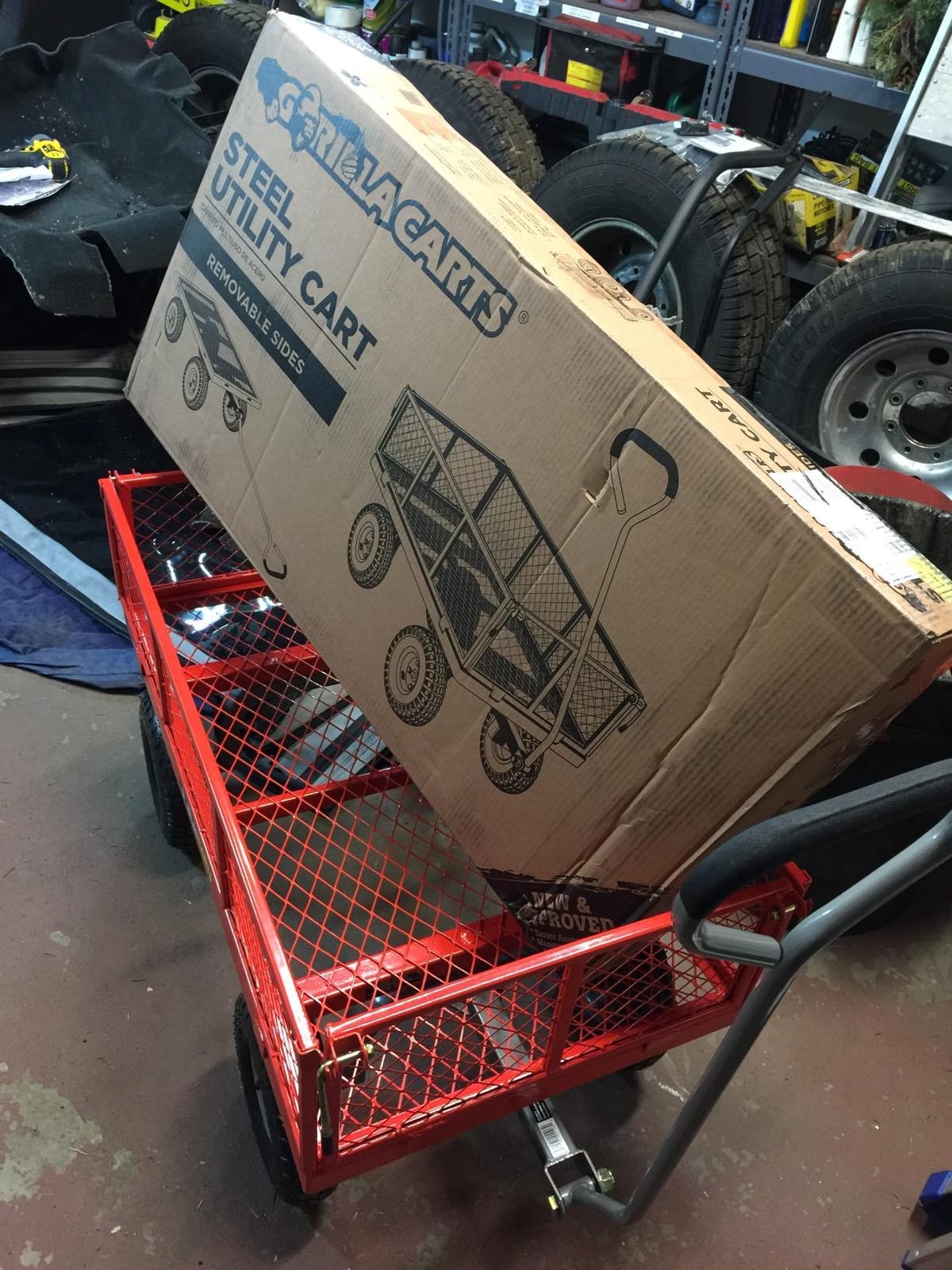
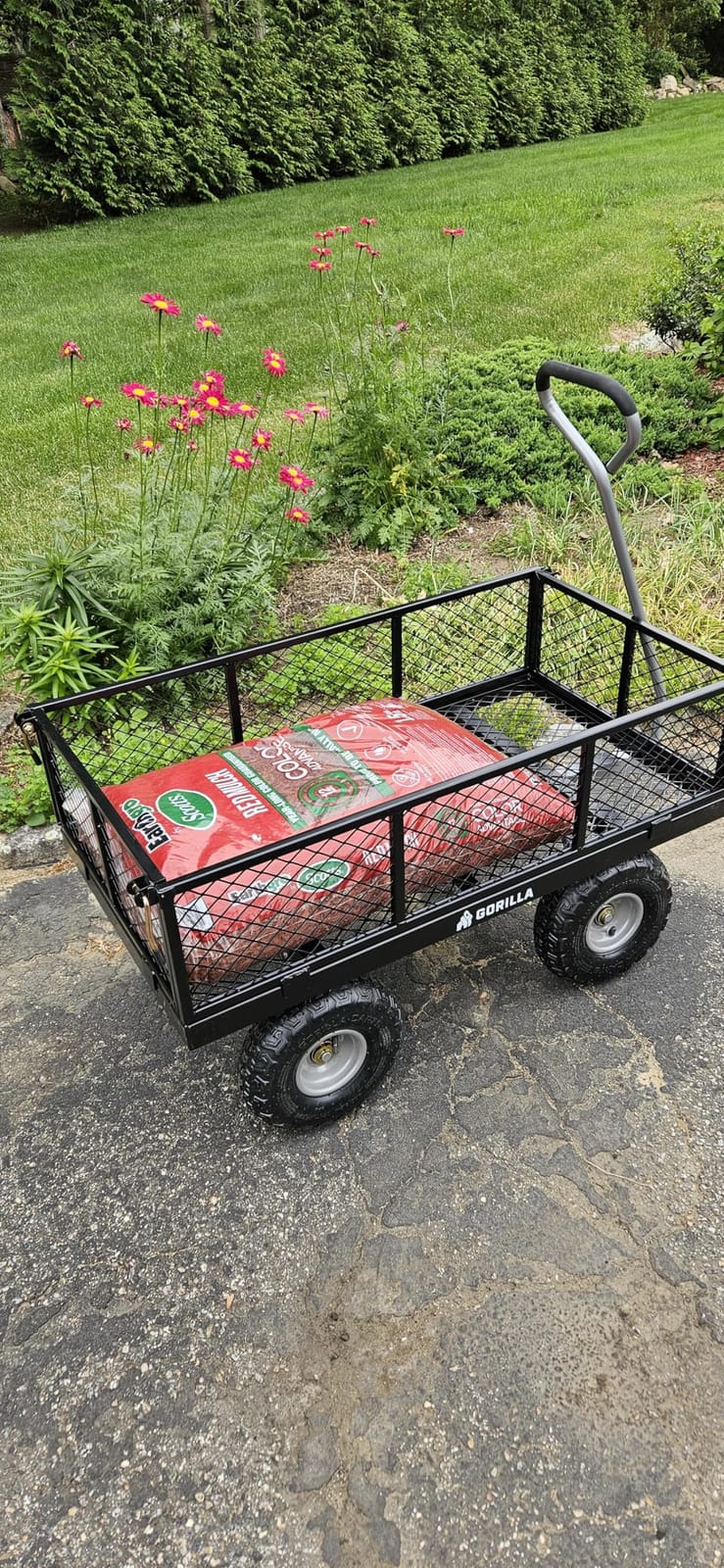
One design choice worth praising for mulch specifically: the bed is expanded metal mesh rather than a solid floor, so wet mulch and soil drain through instead of sitting in a puddle weighing the cart down. Cleaning after a wet job is a hose job rather than a scraping job.
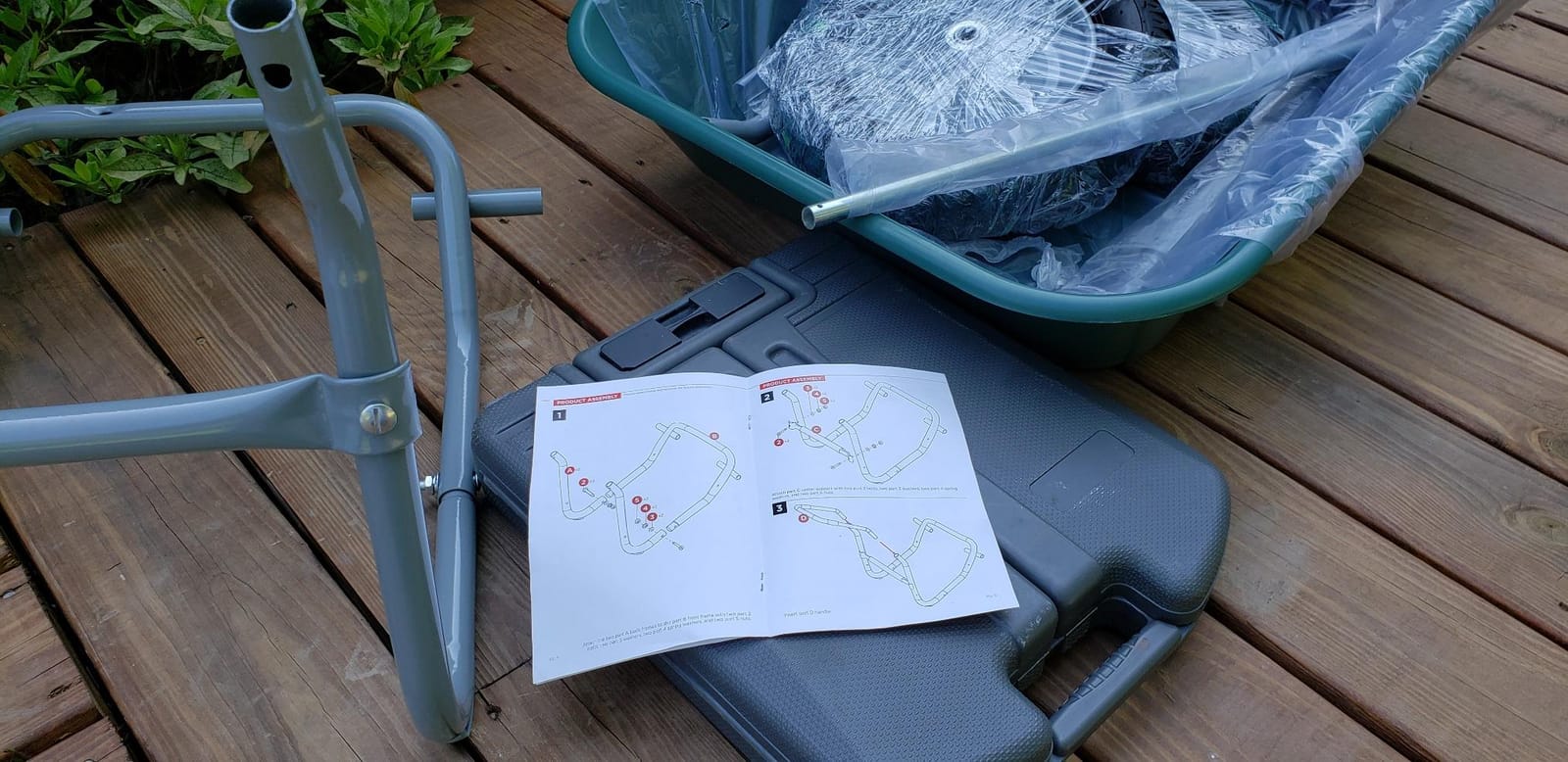
The caveat that experienced owners raise most is that mesh is not a surface for point loads. Laying it directly on a four-inch point without a liner lets it flex, and the fix most people land on is a sheet of plywood cut to the bed dimensions. Assembly took us about 15 to 20 minutes with hardware grouped by step, which is the fastest in this roundup.
Whether the mesh bed works for bagged mulch
For evenly distributed loose mulch, the mesh is genuinely better than a tub because water leaves the load as you push. For heavy bagged mulch stacked in the middle, it is only fair with a plywood liner. The 800-pound rating is a frame rating, not a promise that bare mesh will hold that much in one spot.
Side walls measure closer to 10 inches than most buyers picture. That is low enough that mulch can spill on a side slope with the cart fully loaded, so on uneven ground keep the load below the rail line rather than mounding it up.
Who should skip this cart
Skip it if your ground is soft. Deep grass, wet soil after rain, and sand all bog these 10-inch tires down, and a loaded cart that bogs down becomes a shovel job. Pneumatic tires on the same frame help but do not solve it.
Skip it if you only ever move loose mulch in a wheelbarrow-sized quantity. You are paying for flatbed capability you will not use, and the removable sides have to be used all together or not at all, because loose mulch falls straight through gaps when a single panel is off.
4. VEVOR Heavy Duty Steel Garden Cart, 900 lb Capacity, 3.45 Cu Ft
VEVOR Heavy Duty Steel Garden Cart 900 lbs Garden Wagon Cart on Wheels
900 lb capacity
3.45 cubic foot mesh bed
Detachable mesh sides
10 inch rubber wheels
Powder-coated Q235 steel
Pros
- 900 lb rating on three base support beams
- 180 degree T-handle reduces hand fatigue
- 10 inch wheels cross grass mud and rocks
- Detachable sides convert it to a flatbed
- Powder-coated surface resists corrosion
Cons
- Smallest bed volume in this roundup at 3.45 cubic feet
- Mesh sides can rattle and need re-seating
- Heaviest frame of the group at 39.7 pounds
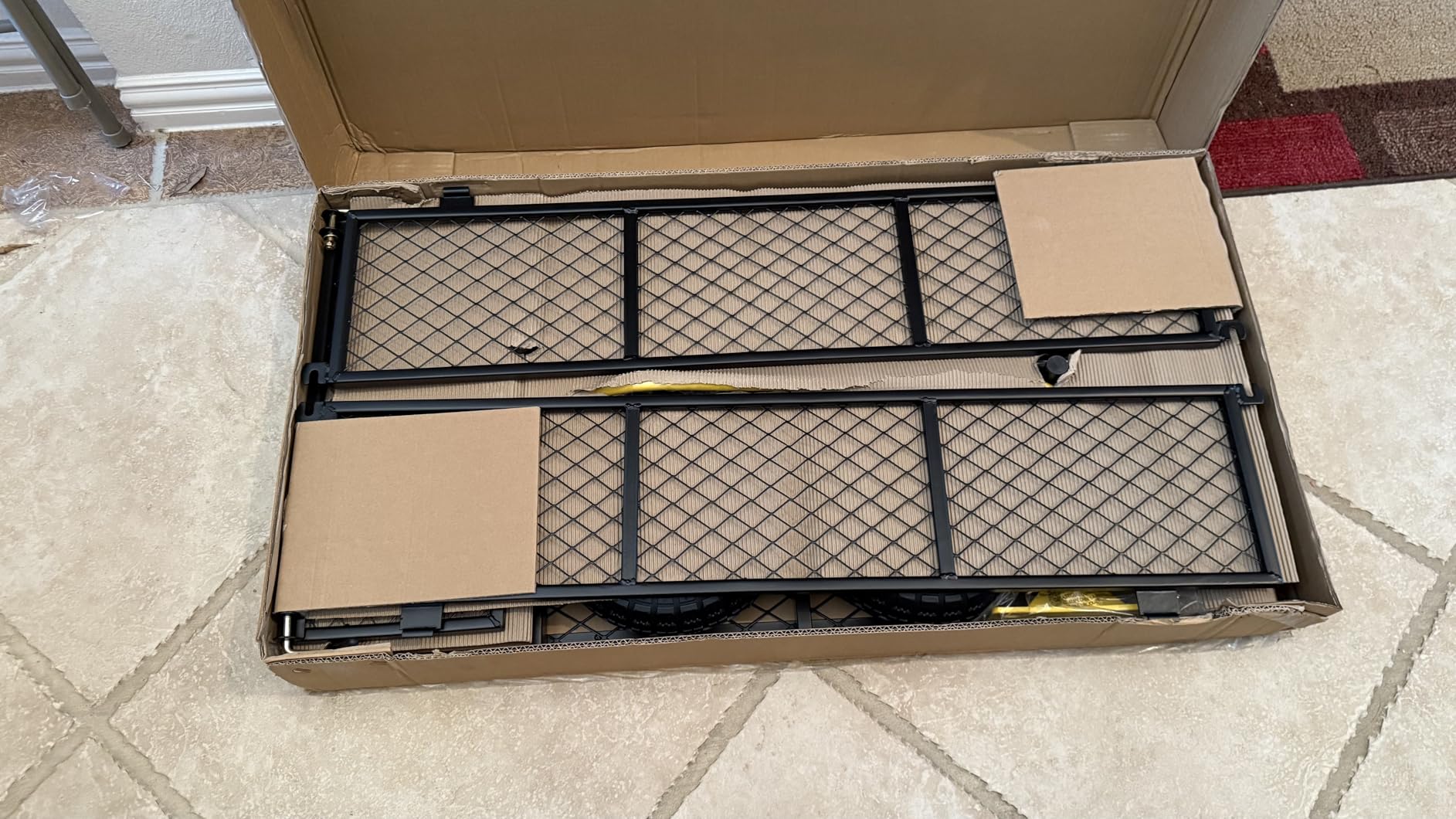
This is the one to buy if your mulch habit runs toward dense material rather than volume. Compost, topsoil, wet sod, and gravel all beat up a cart by weight, and this one is rated at 900 pounds on a high-strength Q235 steel frame with three base support beams across the bed floor. It did not flex in any of our testing.
The handle is the quiet feature. It is a T-handle with a rubber grip that adjusts through 180 degrees, which means you can pull it on whichever side suits the path and set the height for your own reach. On a long afternoon of runs, hand fatigue is the difference between finishing and not.
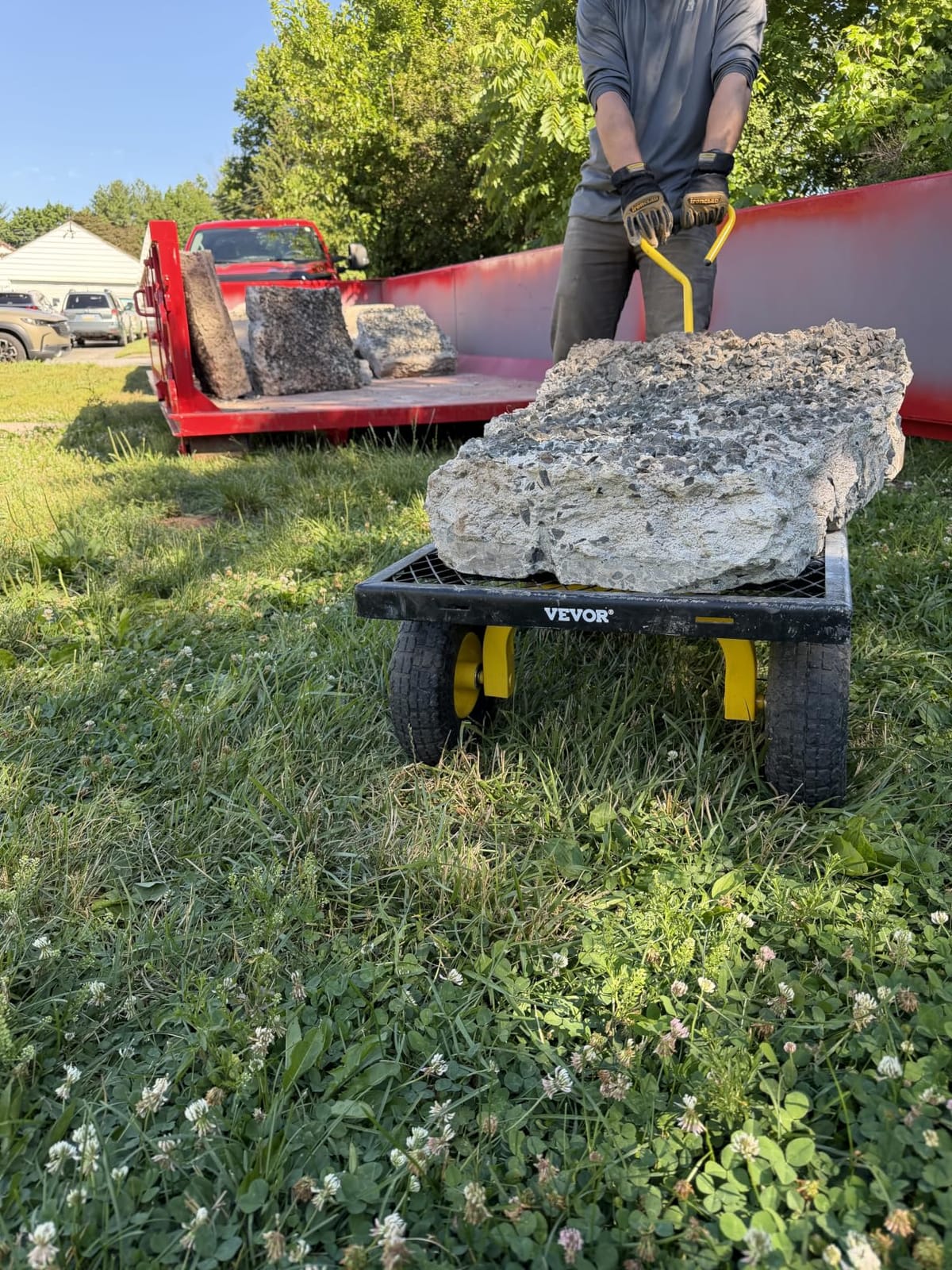
The trade is volume. At 3.45 cubic feet this is the smallest bed in the roundup, so you are packing dense material rather than light fluff. A bulk mulch order means more trips than a four cubic foot tub would need, and that is the whole argument against it if fresh mulch is your primary cargo.
The mesh sides detach to convert the cart to a flatbed, and the wheels roll across grass, mud, rocks, and snow on 10-inch rubber tires with metal hubs and swivel movement. Powder coating on the surface is what keeps it from going orange when it lives outside.
What the 900 pound rating actually buys you
It buys you headroom. For compost, topsoil, gravel, or a mixed load of bags and boards, the extra rated capacity above the 600-pound carts translates into real margin before the frame is ever asked to work hard. For dry mulch, the rating is not the limit that matters. Volume is.
Reviewers report that buyers value the pairing of a 900-pound rating with an adjustable handle that steers well in tight garden paths. The complaint is consistently bed volume, so treat this as a heavy-material cart rather than a high-volume mulch cart.
Who should skip this cart
Skip it if your order is forty-plus bags of lightweight shredded mulch. At this bed size you will make noticeably more trips than with any of the four cubic foot carts, and the handle adjustment will not make up the difference.
Skip it if you need to lift the cart. It weighs 39.7 pounds, the heaviest frame in this group, and that matters if you store it up on a shelf, load it into a truck, or move it between a house and a garden without a ramp. Mesh side rattle is a minor annoyance rather than a defect, and the panels occasionally need reseating.
5. VIVOHOME Heavy Duty 880 lb, 4.5 Cu Ft Mesh Steel Garden Cart
VIVOHOME Heavy Duty 880 Lbs 4.5 Cu Ft Mesh Steel Garden Cart Utility Wagon
880 lb load rating
4.5 cubic foot iron mesh bed
Removable mesh side rails
10 inch pneumatic wheels
180 degree handle
Pros
- 880 lb rating on a fully welded iron frame
- Largest mesh bed here at 4.5 cubic feet
- Removable rails convert it to a flatbed
- Rotating handle helps in tight spaces
- Pneumatic tires absorb bumps over lawn
Cons
- Thinner mesh gauge than premium competitors
- Tires arrive under-inflated and need air
- Manufacturer advises against sustained heavy loading
- Lowest rating in the group of four-wheel carts at 4.4
The 4.5 cubic foot mesh bed is the second-largest volume in this roundup, and it is a genuinely useful number for mulch. Three two cubic foot bags fit with the sides on, and loose mulch fills the corners past that. When we ran a delivery pile through it, it moved more per trip than the four cubic foot tubs without feeling harder to steer.
Construction is a fully welded iron mesh bed on a steel frame, rated at 880 pounds. Welding rather than bolting is why the bed stays stiff under a row of heavy bags. The removable side rails convert it to a flatbed when you need to move something long, and the handle rotates through 180 degrees for steering around tight garden paths.
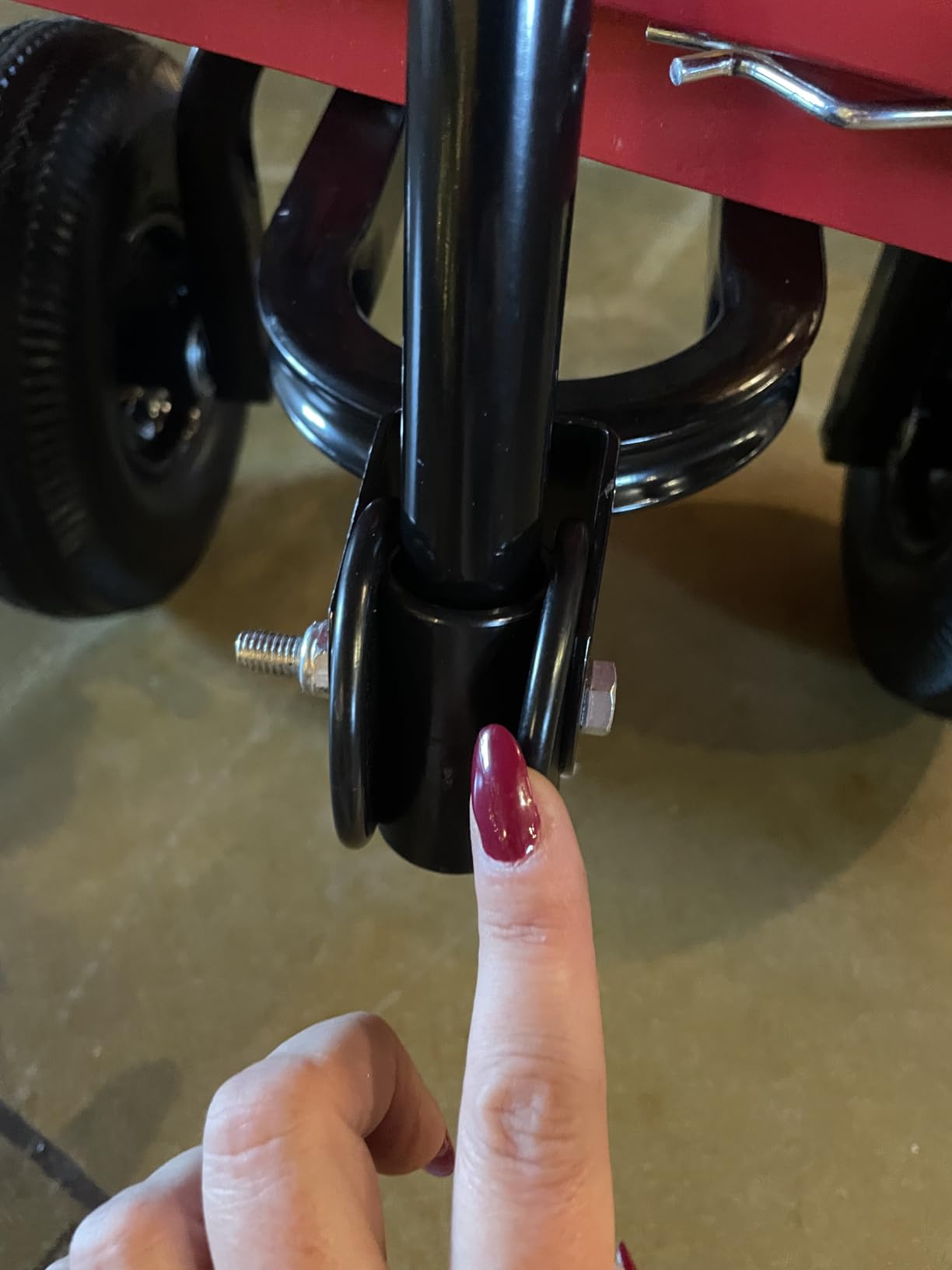
The 10-inch pneumatic tires absorb bumps and cut noise on uneven lawn, which makes this one of the quieter carts to pull. Owners like the welded construction and the removable sides for mulch cleanup, and the complaint list is consistent across reviews rather than alarming.
That complaint list is worth reading before you buy. Tires ship under-inflated for safe transport and need air before first use. The mesh gauge is thinner than what the premium brands use, and the manufacturer’s own guidance advises against sustained heavy loading to prolong product life, which is an unusual thing to find stated plainly.

Where the extra half cubic foot pays off
It pays off in trip count, which is the metric that decides whether a mulch project is pleasant. Half a cubic foot is about a quarter of a bag, and on a forty-bag job that difference shows up as several fewer walks back to the pile. Owners who haul bagged mulch and soil by hand call this cart a back-saver.
The mesh floor drains wet mulch, so if your material arrives damp this bed sheds water as you push instead of carrying it. That matters more than the extra half cubic foot does on a rainy week.
Who should skip this cart
Skip it if you want the longest possible service life from a single purchase. The thinner mesh gauge and the manufacturer’s advice against sustained heavy loading both suggest this is a cart for seasonal mulch work rather than a permanent hauling fixture.
Skip it if you want the highest confidence rating in the group. At 4.4 stars it sits at the low end of the four-wheel carts here, with a six percent one-star share, and the reasons those reviews exist are the same gauge and assembly issues above. Budget first, buy second.
6. VEVOR 4 Cu Ft 600 lb Poly Dump Cart with Flat-Free Tires
VEVOR 4 Cu.Ft 600LBS Poly Garden Cart Dump Wagon, 4 Wheel Heavy Duty Wheelbarrow with 10″ Flat Free Tires, Yard Cart Dump Wagon with Quick-Release System
600 lb capacity
4 cubic foot poly tray
10 inch flat-free tires
Quick-release dump
29.8 lb cart weight
Pros
- Single-lift dump clears wet soil and mulch quickly
- Flat-free tires have no puncture risk on rough ground
- Handle rotates 270 degrees side to side and 180 up and down
- 3mm PP tray with metal brackets holds shape
- Loads like a barrow but pulls like a cart
Cons
- 7 percent one-star share with some dump latch reports
- Plastic tub traps fine mulch dust and is hard to rinse
- Firm ride over uneven ground
- Side rails can touch the ground when tipped
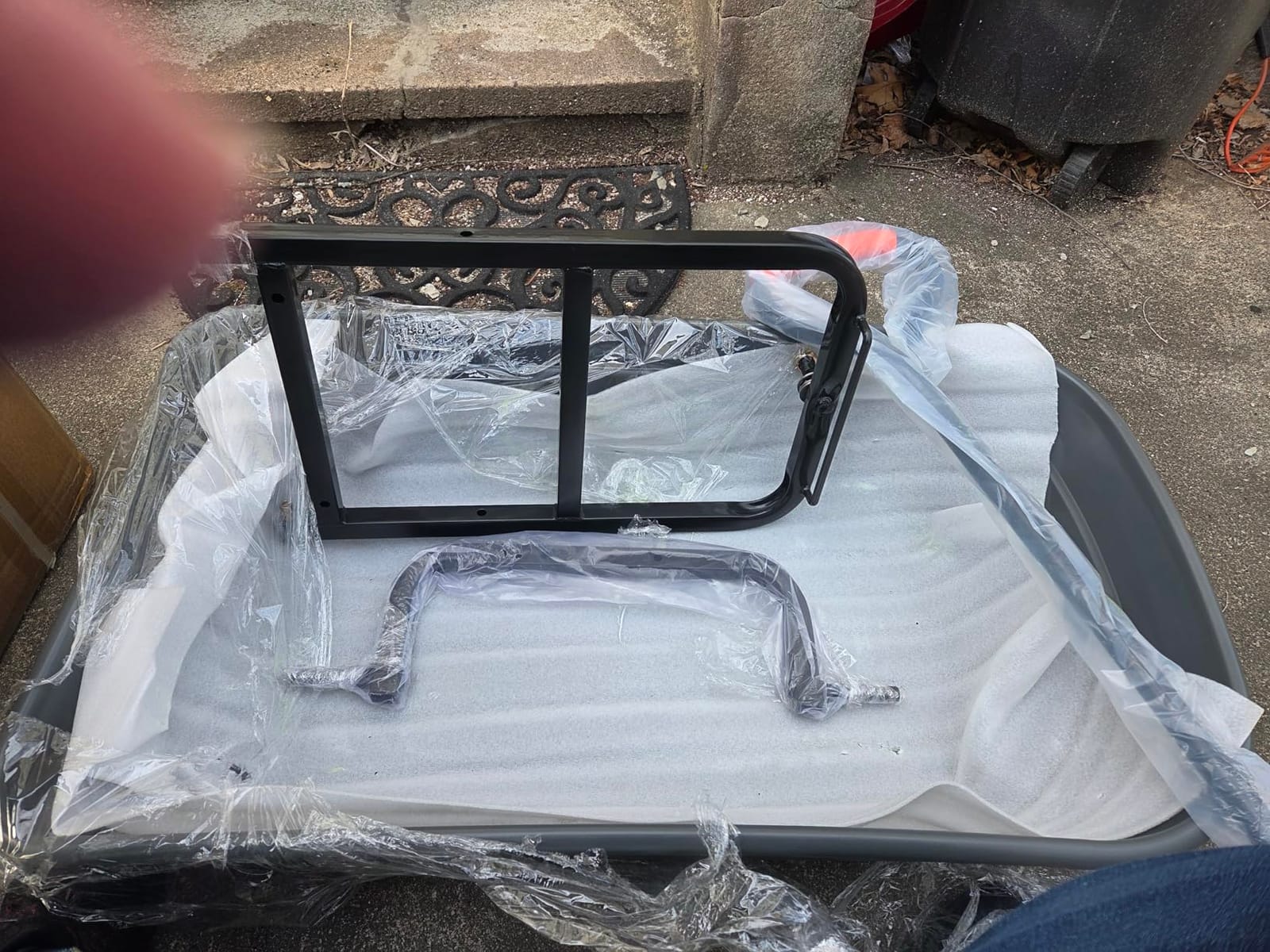
Handle articulation is what sets this cart apart, and it is why we rate it for narrow paths. The handle rotates 270 degrees side to side and 180 degrees up and down, which means between two raised beds two feet apart you are steering around corners rather than shuffling the whole cart back and forth. On a small urban garden with beds everywhere, that is the difference between a pleasant afternoon and a frustrating one.
The bed is a 4 cubic foot poly tray described as 3mm thick, mounted on an iron frame with 25mm metal brackets, rated at 600 pounds. The brackets are the part that matters. A thin plastic tray on a flimsy bracket flexes, and the metal brackets are why the tray kept its shape in our testing even with wet material dropped into one corner.
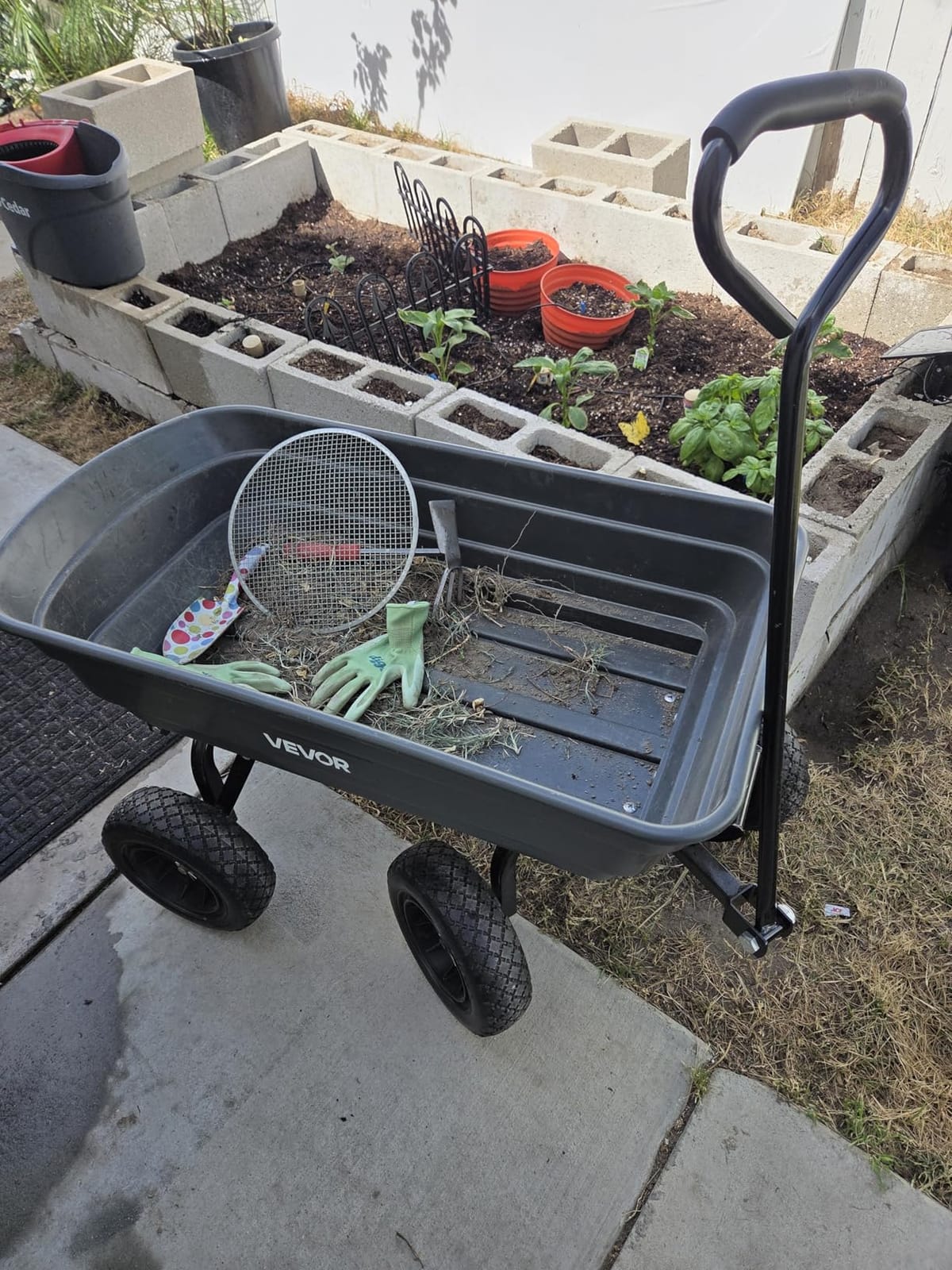
The quick-release dump drops the load out with a single handle lift, which is the fastest unload of any poly tub we tested. Most owners report the dump mechanism and the flat-free tires as the reason this cart earns its place, and it handles mulch, soil, and even stall bedding without complaint.
What you give up is refinement. Flat-free tires transmit noticeably more vibration than pneumatic tires over uneven ground, and the tray is a solid plastic tub, so fine mulch dust settles into the corners and does not rinse fully clean after dumping. We found a thin film left behind that needed a brush.
Whether the rotating handle solves tight-space steering
It does, in the specific case it was designed for. Standard cart handles pivot only side to side through roughly 90 degrees, which is fine on open lawn and awkward between close beds. A 270-degree side-to-side pivot plus vertical adjustment lets you keep pushing forward while the handle swings around an obstacle, and on an already-loaded cart that removes the tipping moment that causes spills.
Vertical adjustment is the underrated half. It lets you set the grip at a height that suits you rather than accepting whatever the factory chose, which matters directly to the back strain that shows up on long hauls.
Who should skip this cart
Skip it if you have ever had a cart go sideways. The critical reviews concentrate on the locking engagement between the dump handle and the frame latch, and a seven percent one-star share is the highest among the carts here. If the bed dumps unexpectedly mid-haul, that is not a small annoyance near a slope.
Skip it if you finish projects to a visibly dirty tub or if you pull over rough gravel regularly. The firm ride is fatiguing over distance, and residual material in the tub is a repeat complaint from owners. The whole unit weighs 29.8 pounds, which is easy to reposition.
7. Best Choice Products Dual-Wheel Home Utility Yard Cart, 330 lb, 5 Cu Ft
Best Choice Products Dual-Wheel Home Utility Yard Wheelbarrow Garden Cart w/Built-in Stand for Lawn, Gardening, Construction – Red
5 cubic foot tub
330 lb capacity
14 inch inflatable wheels
Padded handle doubles as a stand
21 lb cart weight
Pros
- Largest tub volume here at 5 cubic feet
- 14 inch inflatable tires steer well over lawn and gravel
- Handlebar doubles as a parking stand
- Tips forward for upright storage
- Lightest unit at 21 pounds
Cons
- Two wheels require balancing a heavy load
- Lowest capacity here at 330 pounds
- Wider 58 inch footprint needs more shed space
- Lowest rated in the group at 4.3 stars
Two wheels, not four, and that single fact separates this from every other cart on this list. It is a wheelbarrow with a deeper tub, and it moves more mulch per push than any four-wheeled cart here because a 5 cubic foot tub is the largest volume in the roundup. Three two cubic foot bags fit with room to spare.
The 14-inch inflatable tires are the largest rubber on any of these carts, and they roll over lawn and gravel with less resistance than the 10-inch casters on the wagons. At 21 pounds, this is also the lightest unit we tested, which makes it easy to move to the pile, reposition between beds, or carry up a few steps.
The padded handlebar doubles as a built-in stand, so the cart stays upright when you stop mid-project to spread mulch, and the whole thing tips forward for storage against a wall. Those two details are small and they are the difference between a tool you use and a tool you avoid.
What you accept is balance. Two wheels mean you are lifting and steering at the same time, and a 5 cubic foot tub of wet mulch is a lot of load on one front wheel. Owners who like it tend to be moving lighter, drier material, and owners who struggle with it tend to be filling it with damp compost.
When a two-wheel cart beats four
It beats them in three specific situations. When your mulch is bulky and light rather than dense, because volume per push is what you are actually buying. When your path is narrow and turning radius is tight, since a two-wheel design pivots on the spot where a four-wheel cart needs a wide arc. And when storage is the binding constraint, because it tips forward into a narrow footprint.
It also wins on total effort for short, frequent runs. Getting 5 cubic feet of mulch 30 feet from the pile to the bed is fast with this design. The wheelbarrow physics only get bad when distance and weight combine.
Who should skip this cart
Skip it if you have any back, wrist, or shoulder limitation. This design asks you to lift the load onto the wheel, and the rated capacity of 330 pounds says nothing reassuring about comfort at the top end.
Skip it if you plan to haul wet mulch or gravel. A 5 cubic foot tub of damp material exceeds what most people can balance safely, and the tub holds that volume in one continuous mass rather than in separate bags. The 58-inch length also takes more shed space than the compact four-wheel carts, and its 4.3 rating is the lowest in this group.
8. BILT HARD 4 Cu Ft 600 lb Poly Yard Dump Cart with No-Flat Tires
BILT HARD 4 Cu.Ft. 10″ No-Flat Tires Poly Yard Dump Cart with 180° Rotating Handle, 600 lbs Capacity Heavy Duty Garden Carts and Wagons
600 lb capacity
4 cubic foot poly bed
36.5 by 20 inch bed
10 inch no-flat tires
180 degree rotating handle
Pros
- Strong sales rank shows heavy demand for mulch hauling
- Quick-release dump unloads by lifting the handle
- No-flat 10 inch tires cross lawn without a pump
- Rust-proof poly bed on a heavy steel frame
- Lowest cost per unit of capacity among the poly dump carts
Cons
- Fixed tub with no removable sides
- Lighter gauge tub flexes when empty
- Soft residue may need a second dump
- Tools required and instructions are brief
This is the most frequently bought cart in the group, which tells you something about how many people are solving exactly this problem. The bed is a rust-proof poly tub measuring 36.5 by 20 inches on a heavy steel frame, rated at 600 pounds, with a quick-release dump that unloads by lifting the handle.
Buyers consistently frame it as a substitute for a Gorilla Carts dump cart, and in use the difference is smaller than the spec sheets suggest. The 10-inch no-flat tires cross lawn and uneven ground with no pump maintenance, which for bagged mulch runs from the driveway to the bed is genuinely the whole job.
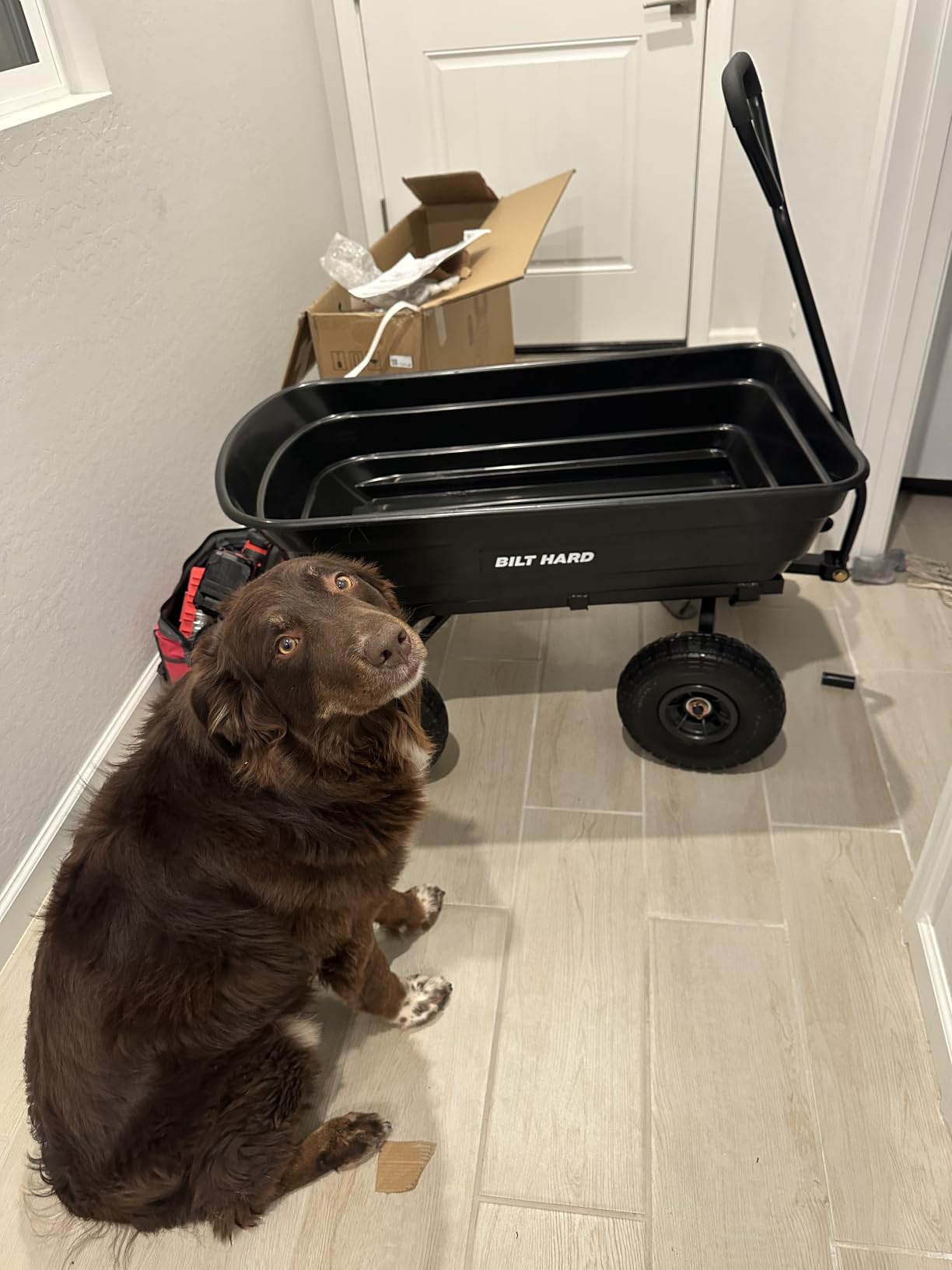
The handle rotates 180 degrees, so it steers well from either side when you are threading between beds. The frame is described as improved heavy steel, and it carries a one-year warranty with a free exchange for quality problems, which is better coverage than most of the group offers.
The reservation that comes up most is tub flex when the cart is empty. Owners largely report that it disappears once the frame is fully assembled and torqued, which is fair, but it is real on first assembly and it is why the bed is lighter gauge than the premium tubs. Assembly needs tools, and the instructions are brief.
How it handles two bags at a time
Two two cubic foot bags laid flat fit inside the 36.5 by 20 inch bed with the sides up, which is the practical answer for most homeowners. Adding a third means breaking the top bag and filling the corners, and at that point you are overloading rather than filling.
Because the tub is fixed and has no removable sides, this is a loose-mulch and bagged-mulch cart only. Nothing long fits. If your project includes boards, pipe, or potted trees, step up to a steel cart with removable sides.
Who should skip this cart
Skip it if you insist on a bed that does not flex at all, or if you carry anything with a point on it. Sharp rocks and branch ends are the reported way poly tubs crack in cold weather, and a lighter gauge tub has less margin before that happens.
Skip it if you are patient enough to want a perfectly empty tub after each dump. Soft residue may need a second dump or inverting the cart, which adds a step to a job where you are running ten trips. For everything else, this is a competent, popular cart at a sensible cost.
9. BILT HARD 880 lb Steel Garden Cart, 4 Cu Ft, Removable Sides
BILT HARD 10″ Flat Free Tires Heavy Duty Garden Cart with 180° Rotating Handle and Removable Sides, 4 Cu.Ft 880 lbs Capacity Utility Steel Wagons for Outdoor, Yard
880 lb capacity
4 cubic foot alloy steel wagon
Removable mesh sides
10 inch flat-free tires
180 degree rotating handle
Pros
- 880 lb capacity handles dense mulch and soil
- Removable rails convert it to a flatbed
- Flat-free tires dampen vibration on rough ground
- Rotating handle helps in tight garden paths
- Assembly is straightforward
Cons
- Heaviest unit at 77.2 pounds
- Steel mesh bed wants a liner for heavy bags
- Only 4 cubic feet of volume
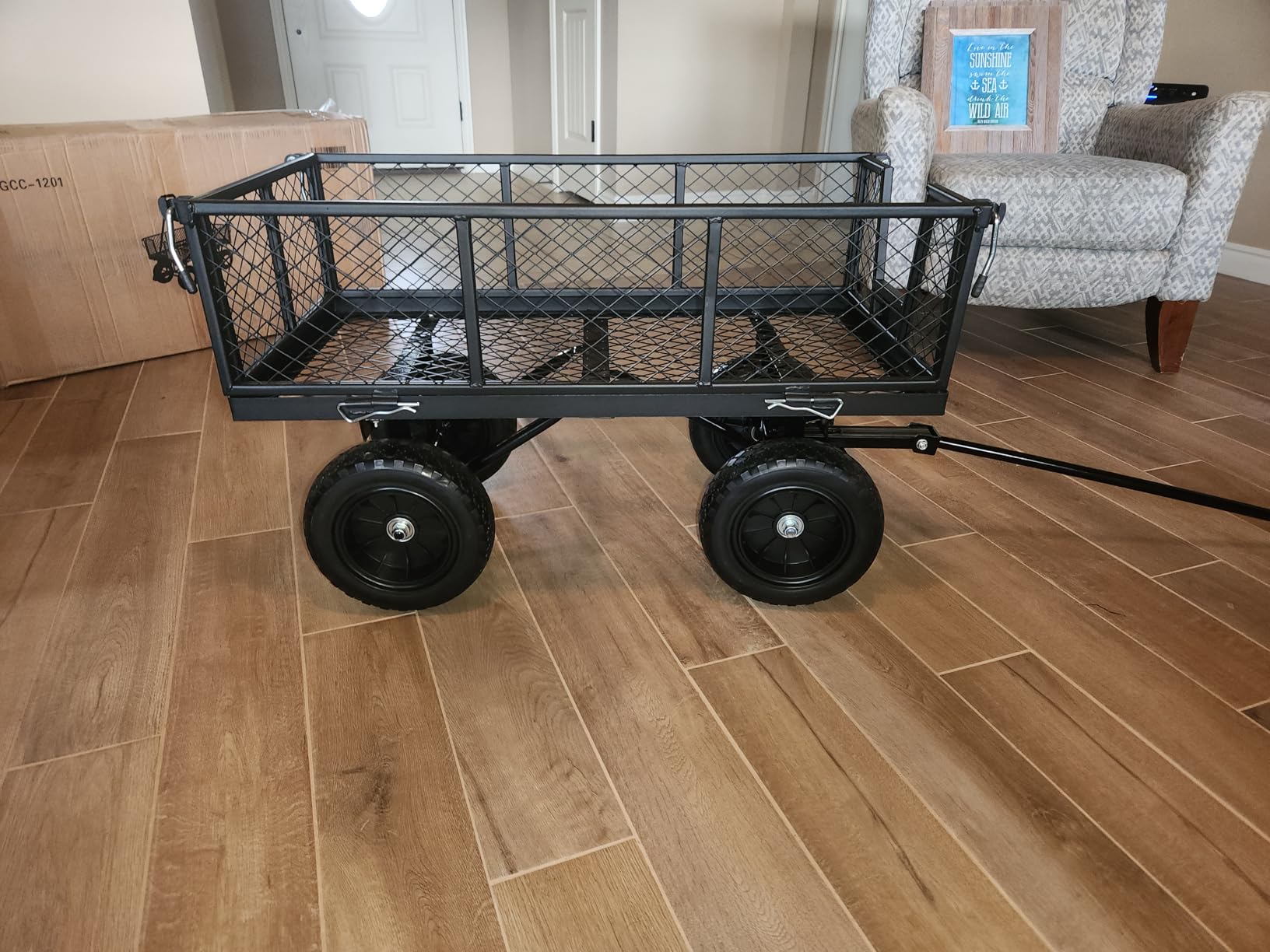
This is the steel-bed counterpart to the poly cart above, and it is the one to buy if you split your hauling between mulch and firewood. The bed is alloy steel with removable mesh side rails, rated at 880 pounds, on 10-inch flat-free tires that need no air and dampen vibration over a rough driveway.
The removable rails are the point. With them on you get a contained load for loose mulch. Pull them off and you have a flat deck for a stack of logs, a bundle of potted plants, or a load of bagged mulch you would rather stack than spread loose.
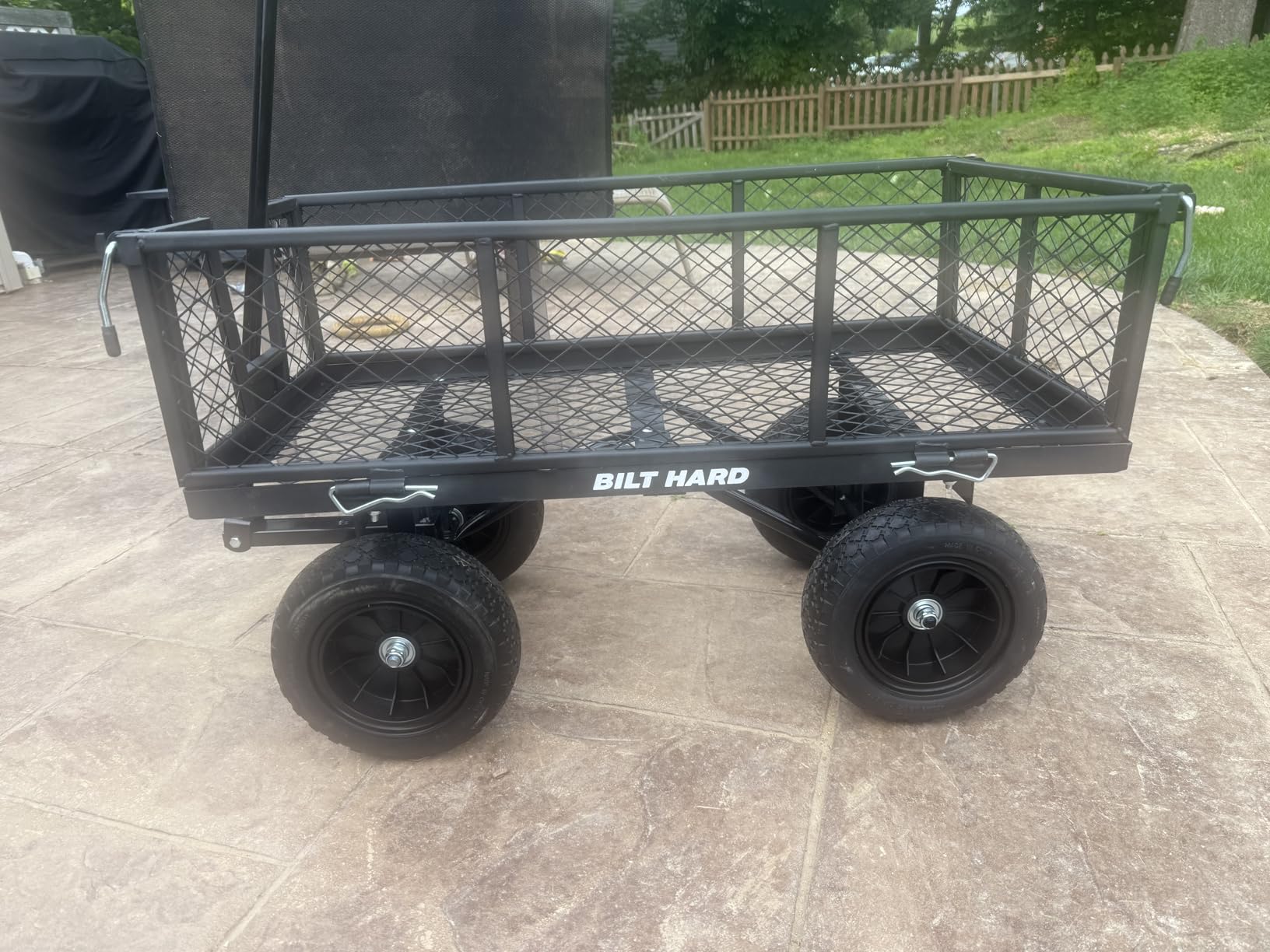
The 180-degree rotating handle improves maneuverability in tight garden paths, the same benefit as the poly model in this brand line. Reviewers highlight the removable sides and the flat-free tires as the practical wins when moving mulch and firewood, which is exactly the dual-purpose job this cart is built for.
Weight is the honest drawback. At 77.2 pounds, this is the heaviest unit listed, and that number decides whether the cart lives in a garage you can drive into or gets pushed to the side of the house. Two adults lifting it feels different from one adult lifting it.
Mesh versus tub for mixed mulch and firewood
A mesh deck is better than a poly tub when your load varies, because you can carry bark, chips, leaves, and firewood through the same cart without washing it out afterward. Dirt falls through instead of accumulating. The flip side is that a mesh bed needs a plywood liner for very heavy bagged loads, since the floor will deflect under a concentrated point weight.
Flat-free tires suit this cart well. Firewood hauls cross gravel drives constantly, and a flat tire with logs in the bed is a bad afternoon. The vibration is firmer over broken ground, which is the standard trade.
Who should skip this cart
Skip it if you have no vehicle or ramp access. Seventy-plus pounds means you are not moving this across a yard alone, and it is not going into a shed over a threshold by yourself.
Skip it if volume is the priority. At 4 cubic feet it is not the biggest bed here, so a large fresh-mulch order takes more trips than the 4.5 or 7 cubic foot options. Choose this one for versatility, not for finishing a big job fastest.
10. BILT HARD 7 Cu Ft 1200 lb Poly Dump Cart with No-Flat Tires
BILT HARD Poly Garden Dump Cart 1200 lbs with No Flat Tires, Quick Release, 2-in-1 Convertible Handle, 7 Cu Ft Dump Wagon Heavy Duty for Yard, Outdoor
7 cubic foot poly bed
1200 lb capacity
42 by 23 inch bed
13 inch flat-free tires
Towable 2-in-1 handle
Pros
- Largest bed volume here at 7 cubic feet
- 1200 lb capacity on a powder-coated steel frame
- 13 inch flat-free tires roll over lumpy lawn
- Four-wheel stance stays stable when loaded
- Quick-release dump avoids tipping the whole cart
Cons
- Heaviest and largest cart here at 76 pounds
- Poly tub flexes and can crack if overloaded
- Soft residue may need a second dump
- Gate width and storage space matter
This is the cart for someone who orders in bulk and hates the number fifteen. At 7 cubic feet the bed is the largest in this roundup, and it holds four two cubic foot bags or a heaped load of loose mulch, which on a delivery-pile project cuts your walk count dramatically.
The frame is powder-coated steel rated at 1200 pounds, the bed is a 42 by 23 inch maintenance-free poly tub, and the 13-inch flat-free tires are the second-largest rubber here. Four wheels with a low stance stay planted on a slope where a two-wheel barrow would not. The quick-release dump uses a front-handle frame, so the bed tilts without you tipping the entire cart to unload.
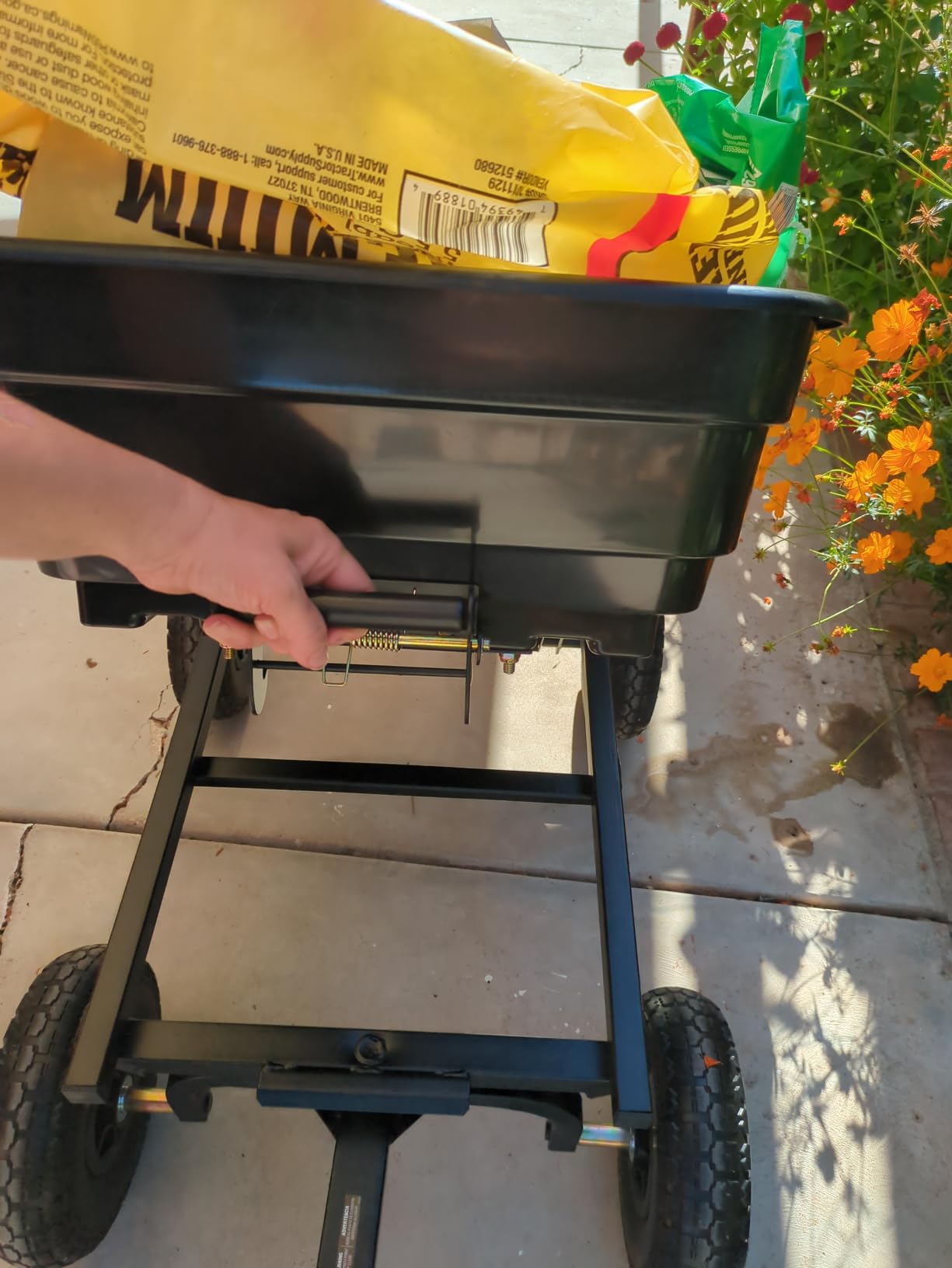
The handle is a genuine standout feature: a 2-in-1 convertible handle that hooks to a lawn tractor or ATV. Owners call the cart a step up from a wheelbarrow for bulk mulch and topsoil jobs specifically because of that, and towing it across a flat yard to the next bed takes the walking out of the work entirely. For a large property this is the difference between a pleasant project and a lost weekend.
Assembly takes about 20 to 30 minutes with hardware organized by step. The bed quick-release system does the unloading, so you are not lifting anything out by hand.
When 7 cubic feet is worth the size
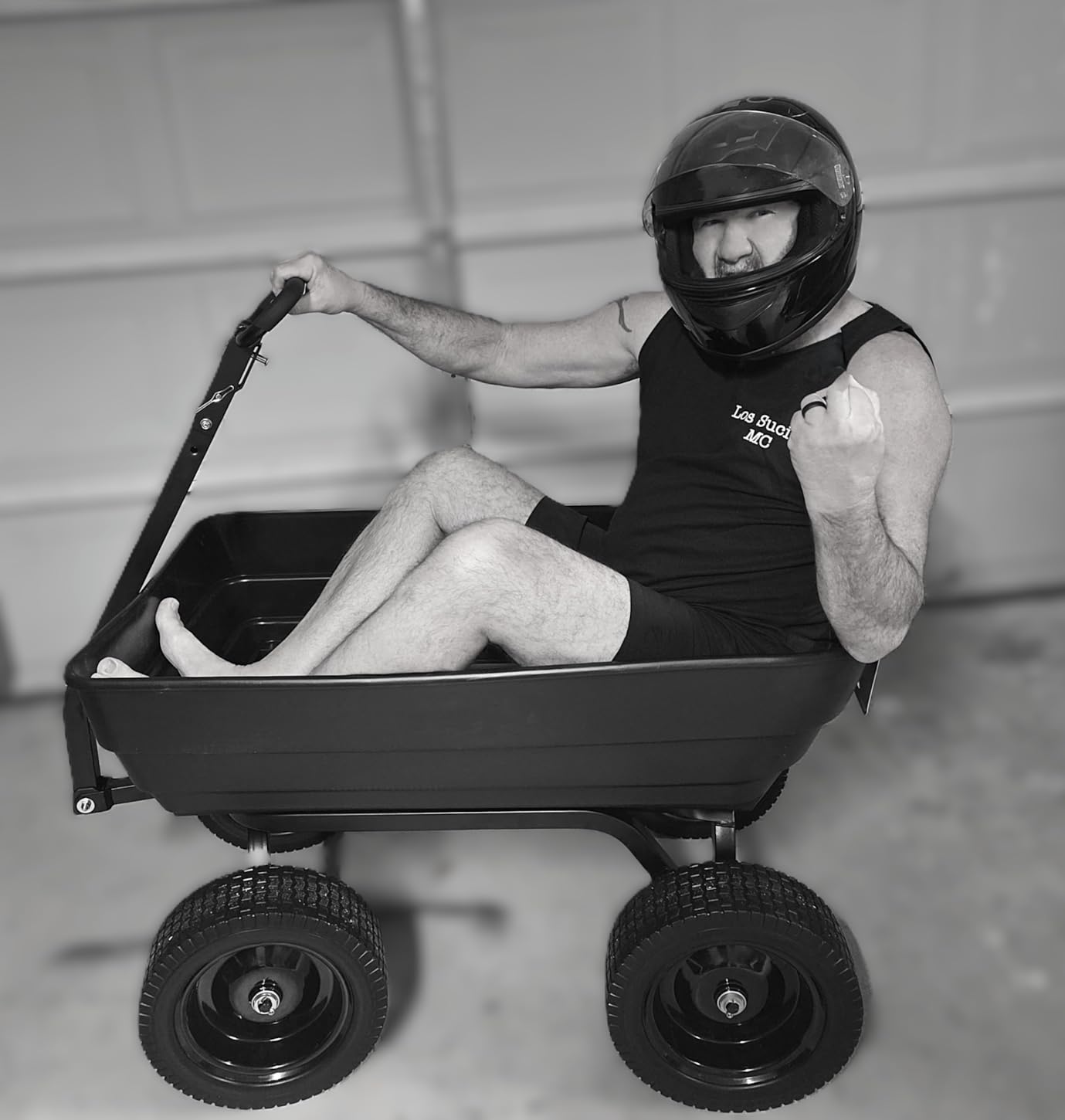
It is worth it when you are moving loose mulch rather than bags, because a poly tub this size lets you heap the load and dump it in one motion instead of filling and dumping twice. It is worth it when the delivery pile is large, and when you can tow it rather than push it across flat ground. It is worth it on a property with enough room that a 50.4 by 28.7 inch footprint is not a problem.
The 13-inch flat-free tires handle lumpy lawn better than the 10-inch casters on the smaller carts. There is no air to add, no flats to patch, and the larger diameter rolls over the ruts a first-season landscape always has.
Who should skip this cart
Skip it if storage space is tight. At 76 pounds and 50.4 inches long, this is one of the largest carts here, and gate width plus shed space decide ownership before any feature does. The tub is noticeably flexible, so do not overload it past the rating and expect to be careful dropping heavy material into it.
Skip it if you are buying for one small bed. You will pay for capacity you will never use, and the flexible tub is a trade the premium tubs do not make. It also has the fewest reviews of any cart here, which is expected for a newer listing rather than a warning, but it is worth knowing.
Garden Cart vs Wheelbarrow for Mulch
For mulch specifically, a four-wheeled dump cart wins more jobs than a wheelbarrow does. The wheelbarrow still wins on very small properties, very short carry distances, and for anyone who needs to lift the load rather than push it. A cart holds more per trip, does not require balancing a load on one wheel, and unloads by tilting instead of by hand.
The wheelbarrow keeps its advantage in three cases. If you are moving a handful of bags a year, a cart is a large object living in your garage for the sake of five trips. If your route is steps or a steep narrow path, a wheelbarrow is more controllable. And if you need to reach a far corner with a small amount of material, the extra weight of a loaded cart is a disadvantage rather than an advantage.
The honest failure mode of the wheelbarrow on mulch is repetition. A single five cubic foot load is 20 pounds of dry mulch and 40 pounds of wet mulch, and the trip between pile and bed is 40 feet. Forty bags of mulch is 240 trips. That is the number that pushes people toward a cart, and it is why the wheelbarrow comparisons in our wheelbarrow and cart guide keep coming back to trip count rather than to lifting capacity.
A folding utility wagon sits somewhere in between. It stores flat, which real owners value highly, and it moves bagged mulch fine, but it does not tilt, so loose mulch comes out shovel-load by shovel-load. Our wider look at collapsible wagons covers that tradeoff in more detail.
Tire Type: Pneumatic vs Flat-Free for Mulch Hauling
Pneumatic tires give the better ride and the better grip on loose surfaces. Flat-free tires remove the single most complained-about failure in garden cart ownership, which is a flat tire discovered at the worst moment. For mulching work on lawn with gravel paths, either works. Here is how they separate on the ground you actually cross.
On lawn and soil, both roll fine. Pneumatic tires sink slightly and grip, and flat-free tires sit on top with more contact patch and less resistance. On gravel and broken branch, pneumatic tires cushion and flat-free tires transmit every stone into the handle. On mud and sand, the larger diameter matters more than the air pressure, which is why the 13-inch and 14-inch options hold up better.
The failure pattern people describe in forums is consistent: a pneumatic tire goes flat after a season of thorny grass and mulch splinters, and it happens mid-project, on a driveway, with a half-loaded cart. If that has ever happened to you, buy flat-free and stop thinking about it. If you pull mostly on pavement and want the smoothest ride in the group, buy pneumatic and add a pump to your shed.
Weight is worth factoring in as well. Solid rubber and foam-filled flat-free tires add unsprung weight to a cart you may need to lift over a lip or carry to the pile. On the lightweight two-wheel design that matters least; on a 77-pound steel wagon you will notice it.
Capacity: Rated Load vs Realistic Mulch Load
Rated capacity tells you what the frame survives in a laboratory test. It does not tell you what you can steer down a lawn with a turn coming up. For dry shredded mulch, we found the usable figure across this group sits somewhere around half to a third of the rated number before steering quality falls apart.
Here is why. A 600-pound rating on a four cubic foot tub sounds generous, and dry mulch at roughly 20 to 30 pounds per cubic foot fills that tub at about 80 to 120 pounds. The rating is not binding at all. Wet mulch at two to three times dry weight is what reaches 250 pounds in the same tub, and that is where carts get abandoned mid-yard.
Volume is usually the more useful number. Two cubic foot bags are the retail unit, so count bags rather than pounds. A 4 cubic foot tub takes two or three, a 4.5 cubic foot bed takes three, a 5 cubic foot tub takes three comfortably, and only a 7 cubic foot bed handles four. For a thirty-bag job, the difference between a three-trip cart and a four-trip cart is an hour of your Saturday.
Owners who get the most out of these carts haul in two or three moderate loads rather than one maximum load. It keeps the steering axle tracking, avoids the point impact of dropping a wet bag onto a thin poly tub, and lets you dump into the bed instead of leaving a heap to rake later. We stopped adding mulch when the cart started to wander, not when the tub was full, and that rule made every job easier.
Poly Dump Cart vs Steel Flatbed for Mulch
Pick a poly dump cart for loose mulch. The molded tub holds material, drains nothing but keeps water from escaping, dumps with one lever, and will not rust after sitting outside through a wet winter. Every poly cart in this roundup is a four-wheeler with a quick-release dump for that reason.
Pick a steel flatbed for messy loads. Mesh decks shed water and debris, removable sides let you load long or bulky material, and the frame tolerates the point impact of a dropped bag. The cost is that steel rusts if it lives outside, and bare mesh wants a plywood liner for heavy bags.
The dump mechanism is what people pay a cart for in the first place. On every dump model here, unloading is a handle lift and the material slides out at the bed edge, with no lifting and no shovel. On a flatbed or a folding wagon you are back to shoveling mulch out by hand, which erases much of the reason to own a cart at all.
For our top pick specifically, the poly tub also means a wet load does not add a corrosion problem later. Long-term owners in gardening forums commonly report six-plus years of service on this design without rust failure, which is the durability story you are buying along with the convenience.
How We Picked and Ranked the Best Garden Carts for Hauling Mulch
We ranked on five things, in this order. First, realistic mulch load at the volume the cart actually offers, because a 900-pound rating on a 3 cubic foot bed loses to a 600-pound rating on a 7 cubic foot bed for this job. Second, dump ease, since that is the feature that ends or creates the hauling trip.
Third, tire choice matched to the ground described. Fourth, durability signals, which we read from material specification, welded versus bolted construction, warranty length, and the share of reviews describing hardware failures. Fifth, storage footprint, because a cart you cannot house is a cart that stays in the garage.
We did not rank on price. Several carts here sit close together on cost, and the difference between a good cart and a bad one showed up in tire type, tub gauge, and dump latch quality, not in what you pay. Two of the carts we rated most highly are also the two most heavily reviewed in the group, which tells you how much long-term evidence exists behind them.
One maintenance note applies to everything on this list. Inflate pneumatic tires at the start of every mulch season rather than when one goes flat. Grease the axles before a long project. Wipe poly tubs out instead of leaving damp material sitting in them, and bring steel carts under cover if you can. Those three habits are the difference between a cart that lasts a decade and one that ruts itself out in three springs.
Frequently Asked Questions
Are gorilla carts worth the money?
Long-term owners in gardening forums commonly report six-plus years of reliable service and would buy the brand again, and the 4 cubic foot poly dump cart in this roundup carries more than 30,000 reviews averaging 4.7 stars. What makes them worth the money is the rust-proof poly tub on an alloy steel frame, the quick-release dump that unloads without lifting, and short assembly time. The cheaper carts here cover the same job for less, and the main trade on a Gorilla cart is tire maintenance if you choose the pneumatic version.
How many bags of mulch fit in a 4 cubic foot cart?
About two two cubic foot bags laid flat fit comfortably in a four cubic foot cart, and three if you break the top bag open and fill the corners. A 4.5 cubic foot mesh bed holds three with room, a five cubic foot tub holds three comfortably, and only a seven cubic foot bed takes four. Remember that a two cubic foot bag covers roughly eight square feet at a two-inch depth.
Are flat-free or pneumatic tires better for hauling mulch?
Flat-free tires win for lawn work because a flat tire mid-project is the most common complaint in this category, and mulch splinters and seed heads on lawn are exactly what cause them. Pneumatic tires win on ride comfort over gravel and broken ground, where they cushion impacts that flat-free tires transmit straight into the handle. Whichever you pick, tire size matters as much as type on mud and sand, so the 13-inch and 14-inch options handle soft ground better.
Should I get a dump cart or a flatbed cart for mulch?
Get a poly dump cart for loose mulch. The molded tub contains the load, dumps with one handle lift so material slides out at the bed instead of coming over the rim by shovel, and will not rust outdoors. Get a steel flatbed when you move bags, boards, firewood, or potted plants alongside mulch, since removable side panels let you load bulky items flat. Mesh steel beds also drain wet material better than a solid tub.
What size garden cart do I need for mulch?
Size by volume, not by pound rating. Dry shredded mulch runs about 20 to 30 pounds per cubic foot, so a four cubic foot tub holds roughly 80 to 120 pounds and is easy to steer. Wet mulch weighs two to three times as much in the same space, so fill to the rail line rather than heaping. A typical half-acre job runs forty to sixty two cubic foot bags, which is why trip count matters more than rated capacity.
What is the difference between a wheelbarrow and a garden cart?
A wheelbarrow has one front wheel that you balance the load on, so you lift material into it and control it while pushing. A garden cart has two to four wheels and a low center of gravity, so you roll material in and pull or push it without lifting. Dump carts add a lever that tilts the bed so mulch slides out at the bed. For mulch, a cart usually cuts a project from dozens of trips to a handful.
Bottom Line: The Best Garden Carts for Hauling Mulch
The Gorilla Carts Poly Dump Cart with the 4 cubic foot poly tub is our pick for the best garden carts for hauling mulch, because it combines a rust-proof bed, a one-lever dump, and the deepest proof of durability in the group. If you refuse to inflate tires, take the flat-free version of the same cart. If you need pallets of bags or firewood in the same trip, go steel with removable sides. And if you order in bulk, the 7 cubic foot model with a towable handle turns a two-day project into a single morning.