
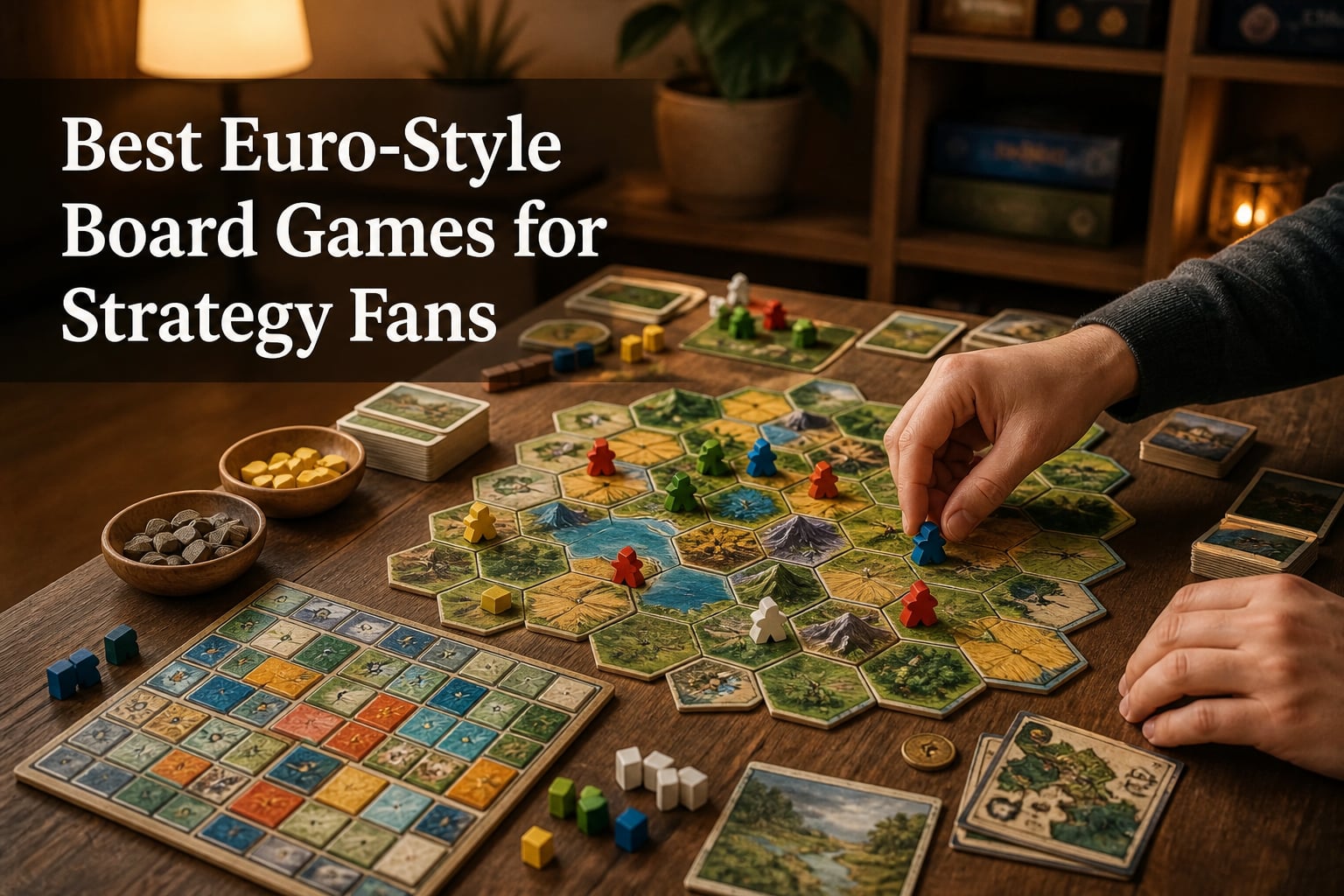
I have spent more evenings than I would like to count hunched over a hex map with friends, arguing over a single worker placement slot. That obsession is exactly why I pulled together this guide to the best Euro-style board games for strategy fans in 2026. If you are the kind of player who plans three turns ahead, winces when luck decides a game, and reads the rulebook cover to cover before opening the box, this list is for you.
Euro-style board games (also called euros or German-style games) are strategy games that emphasize resource management, engine building, and strategic planning over luck and direct conflict. They typically involve players collecting and converting resources, placing workers to perform actions, and building engines that generate points through multiple interconnected mechanics. I picked games that reward thoughtful play, scale across player counts, and offer enough depth to keep coming back to the table for years.
Over the last three months I played or re-played every game on this list at least four times, in groups of two, three, and four. I weighted BGG (BoardGameGeek) community ratings, replayability, and how the games actually felt on the table, not just on paper. Here is what I found.
Table of Contents
Top 3 Picks for Strategy Fans in 2026
Best Euro-Style Board Games for Strategy Fans in 2026
| Product | Specs | Action |
|---|---|---|
 CATAN 6th Edition CATAN 6th Edition |
|
Check Latest Price |
| Terraforming Mars |
|
Check Latest Price |
 Azul Azul |
|
Check Latest Price |
 Splendor Splendor |
|
Check Latest Price |
 Carcassonne Carcassonne |
|
Check Latest Price |
 Concordia Concordia |
|
Check Latest Price |
 Cascadia Cascadia |
|
Check Latest Price |
 Stone Age Stone Age |
|
Check Latest Price |
 Spirit Island Spirit Island |
|
Check Latest Price |
 Everdell Everdell |
|
Check Latest Price |
1. CATAN (6th Edition) – The Gateway Classic
CATAN Board Game (6th Edition) Trade, Build & Settle in the Classic Strategy Game for Family, Kids & Adults, Ages 10+, 3-4 Players, 60-90 Min Playtime
Players: 3-4
Time: 60-90 min
Mechanics: Trading, Resource Management
Pros
- Modular board for high replayability
- Encourages trading and negotiation
- Accessible to new strategy players
- Quality wooden components
Cons
- Needs at least 3 players
- Can run long with slow players
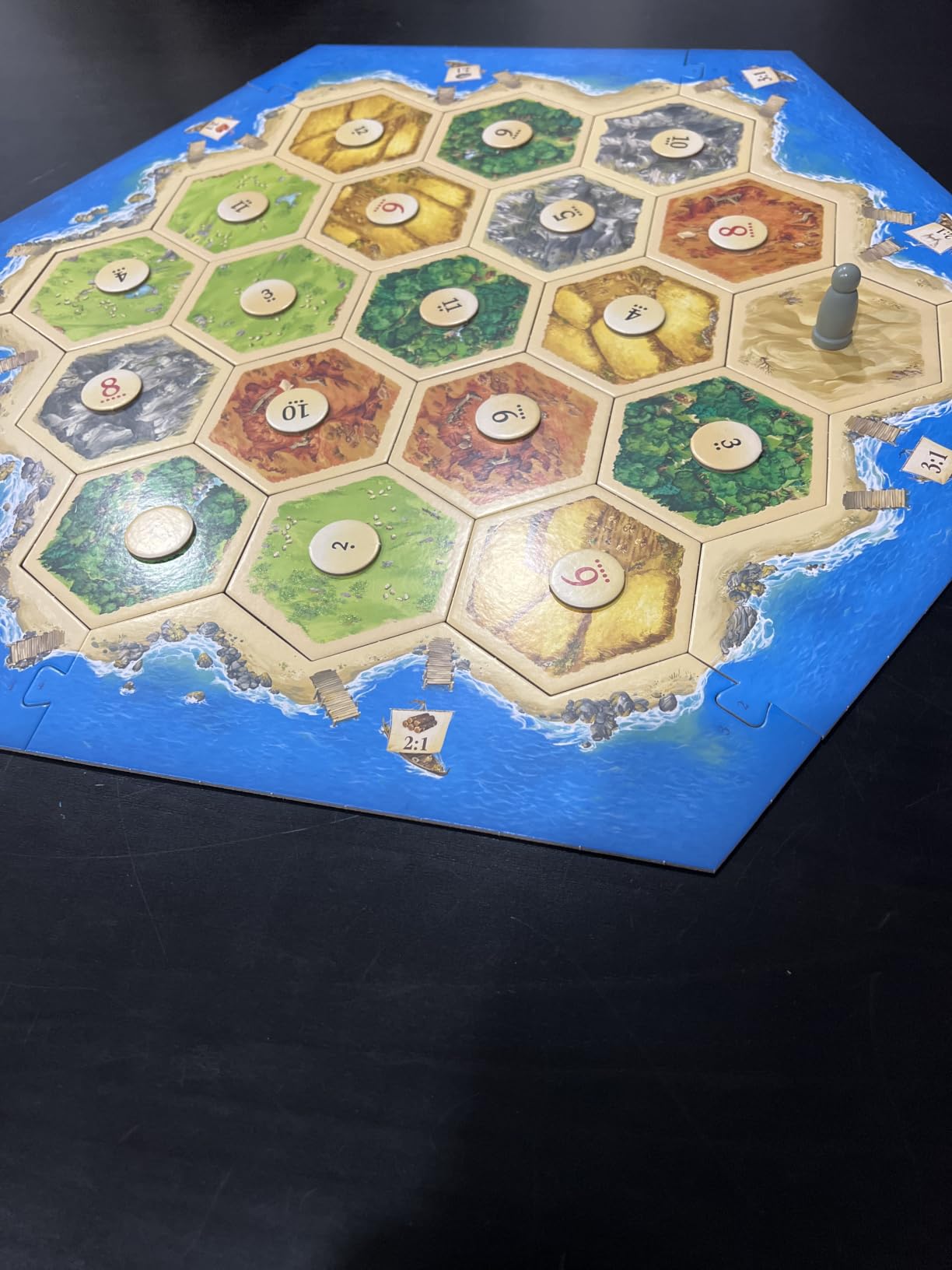
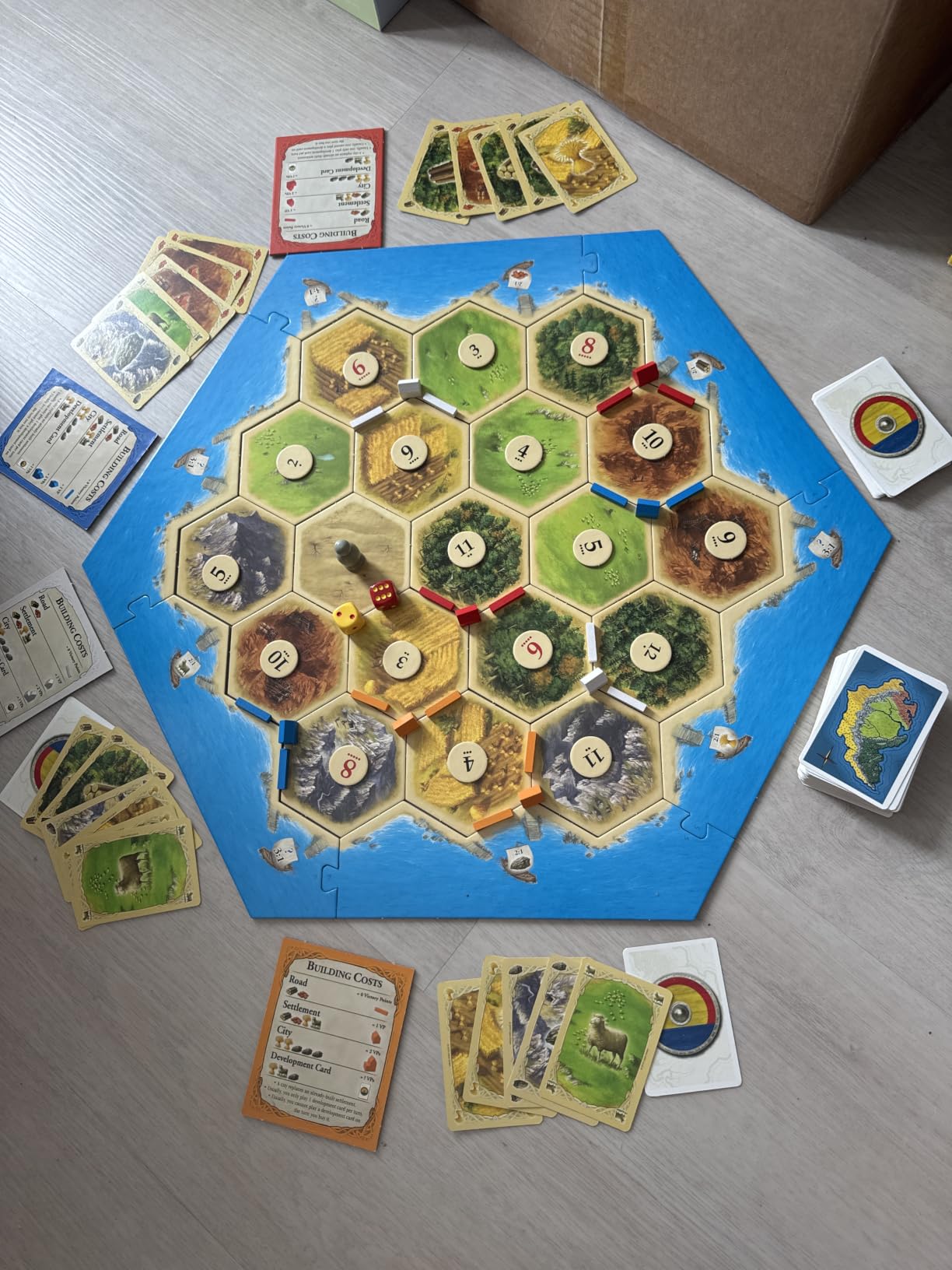
CATAN is the game that pulled me into the hobby in the first place, and the 6th edition box is the cleanest version I have owned. The hexagonal tiles still produce a new island every time you set up the box, and the race to ten victory points still creates the same late-game tension I remember from a decade ago.
What I appreciate as a strategy fan is how much room there is for negotiation. You cannot just slam an engine together; you have to trade for the brick, wheat, and ore you need. That player interaction is rarer than you would think in pure euros, and it makes CATAN feel alive at the table in a way that more mechanical games sometimes do not.
The biggest limitation is the three-player minimum. If you mostly play two-player nights, CATAN sits in your shelf waiting for a guest. When the player count is right, though, it still punches above its weight for accessibility.
What kind of group is this best for?
CATAN shines with mixed groups where some players are brand new to hobby games. The rules teach in 15 minutes, the strategic depth shows up over the next three hours, and the negotiation layer keeps casual players engaged without overwhelming them.
It is not the right pick for a tight two-player strategy session, or for veterans who have already logged 50 plays and want more crunch.
How does it hold up long term?
The expansions (Seafarers, Cities and Knights, Traders and Barbarians) add real depth without breaking the core engine. After 30 or 40 plays on the base map, I rotate in Cities and Knights to keep things fresh.
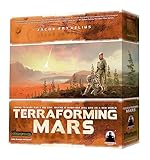
2. Terraforming Mars – Deep Engine-Building With Real Solo Play
Terraforming Mars by Stronghold Games, Strategy Board Game
Players: 1-5
Time: 120 min
Mechanics: Engine Building, Card Drafting
Pros
- Outstanding solo mode
- Massive replayability from corporations and cards
- Strong theme tied to real science
- Quality metal cubes
Cons
- Steep learning curve
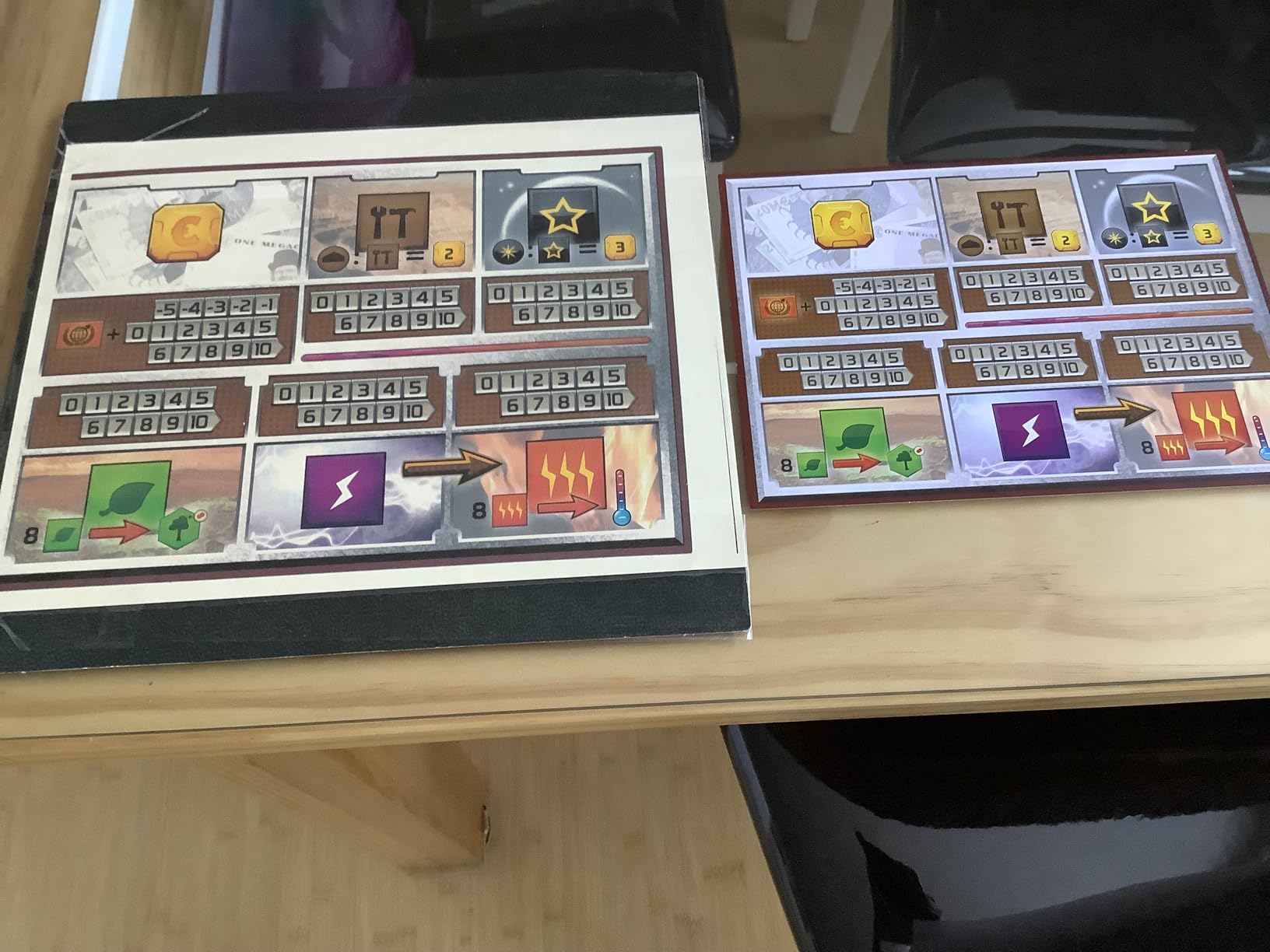
- Flimsy player mats
- Setup and teardown takes time
Terraforming Mars is the engine-building euro I keep coming back to when I want my brain to hurt in the best way. Every game starts with a different corporation, and the project card deck reshuffles your plans every session. After 40 plays I still see cards I have never drafted before.
The solo mode is the real surprise. It does not feel like a tacked-on afterthought. I played through six corporations in two weeks, and each one forced me to rethink my early-game card priorities. If you game alone and want a heavy euro that respects your time, this is the one I recommend first.
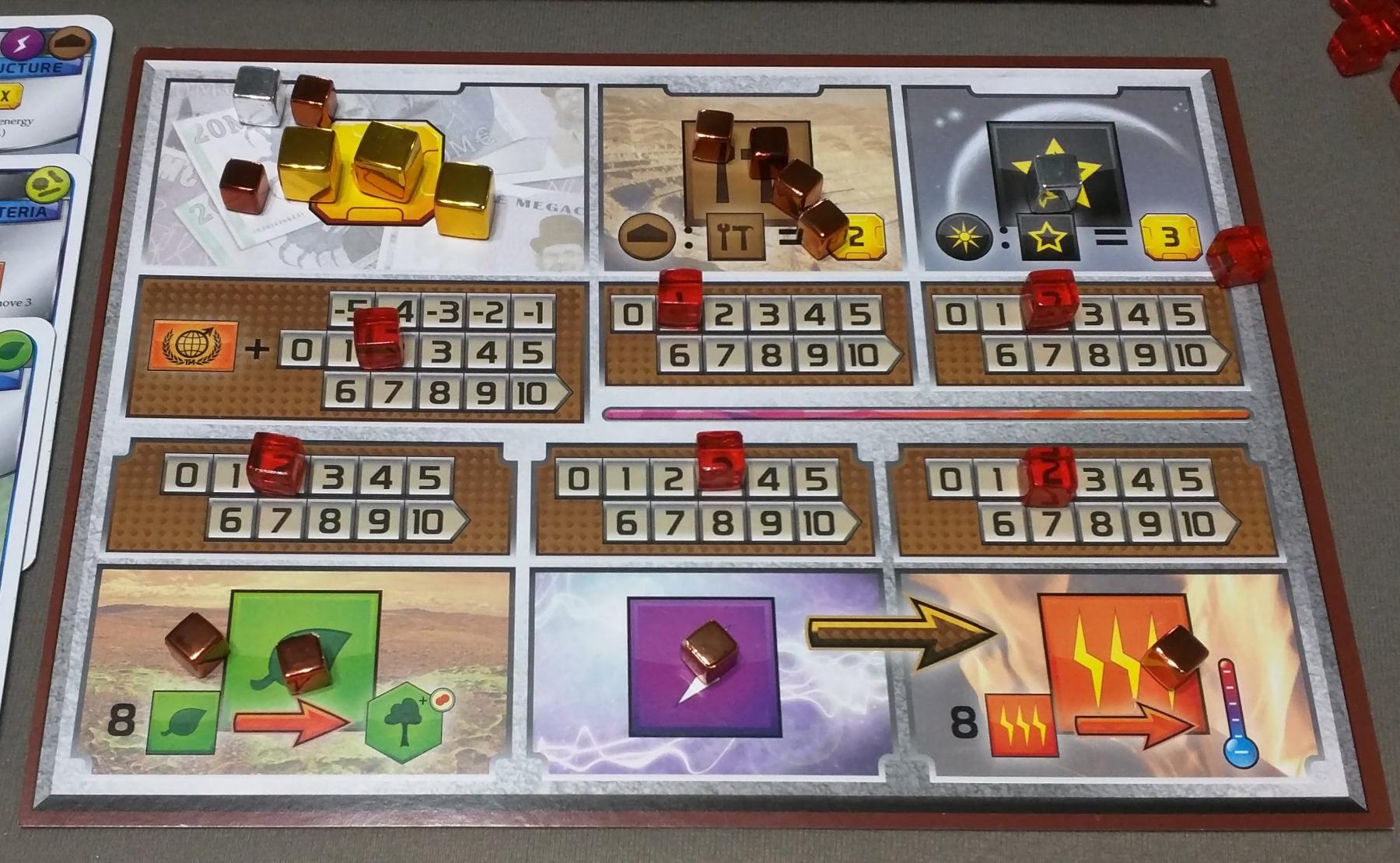
The honest downside is the rulebook. It is dense, the iconography takes two games to internalize, and the player mats are thin enough to slide around on the table. I upgraded mine with third-party neoprene mats, and that fixed about 80% of the quality complaints I had.
How long is the real learning curve?
Plan on two full games before the strategies click. The first game you will be reading cards out loud. By the third game you will be planning three generations ahead and tracking which milestones your opponents are racing for.
Players who do not enjoy reading heavy rulebooks will bounce off it. Players who do will call it their favorite euro within a month.
What expansions matter most?
After the base game, Prelude is the single best value add because it shortens the early game and lets you reach the interesting decisions faster. Venus Next and the corporations from Colony are nice to haves, not musts.
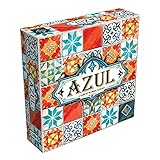
3. Azul – The Tile-Drafting Crowd Pleaser
Azul Mosaic Tile-Placement Strategy Board Game, 2-4 Players, 30-45 Min
Players: 2-4
Time: 30-45 min
Mechanics: Drafting, Pattern Building
Pros
- Spiel des Jahres winner
- Beautiful resin tiles
- Quick 30-45 min playtime
- Scales from 2 to 4 players
Cons
- Tiles are plastic
- not wood
- Rules can confuse first-time players
Azul is the gateway euro I recommend when someone says they want strategy without the four-hour commitment. You draft colored tiles from factory displays, place them on your player board, and score points for completed patterns. That is the entire rulebook.
What surprised me is how much table talk it generates. Every tile you take is a tile your opponent wanted, so the drafting phase turns into a small social deduction layer. My partner, who normally prefers lighter party games, has asked to play Azul more than any other game in our shelf.
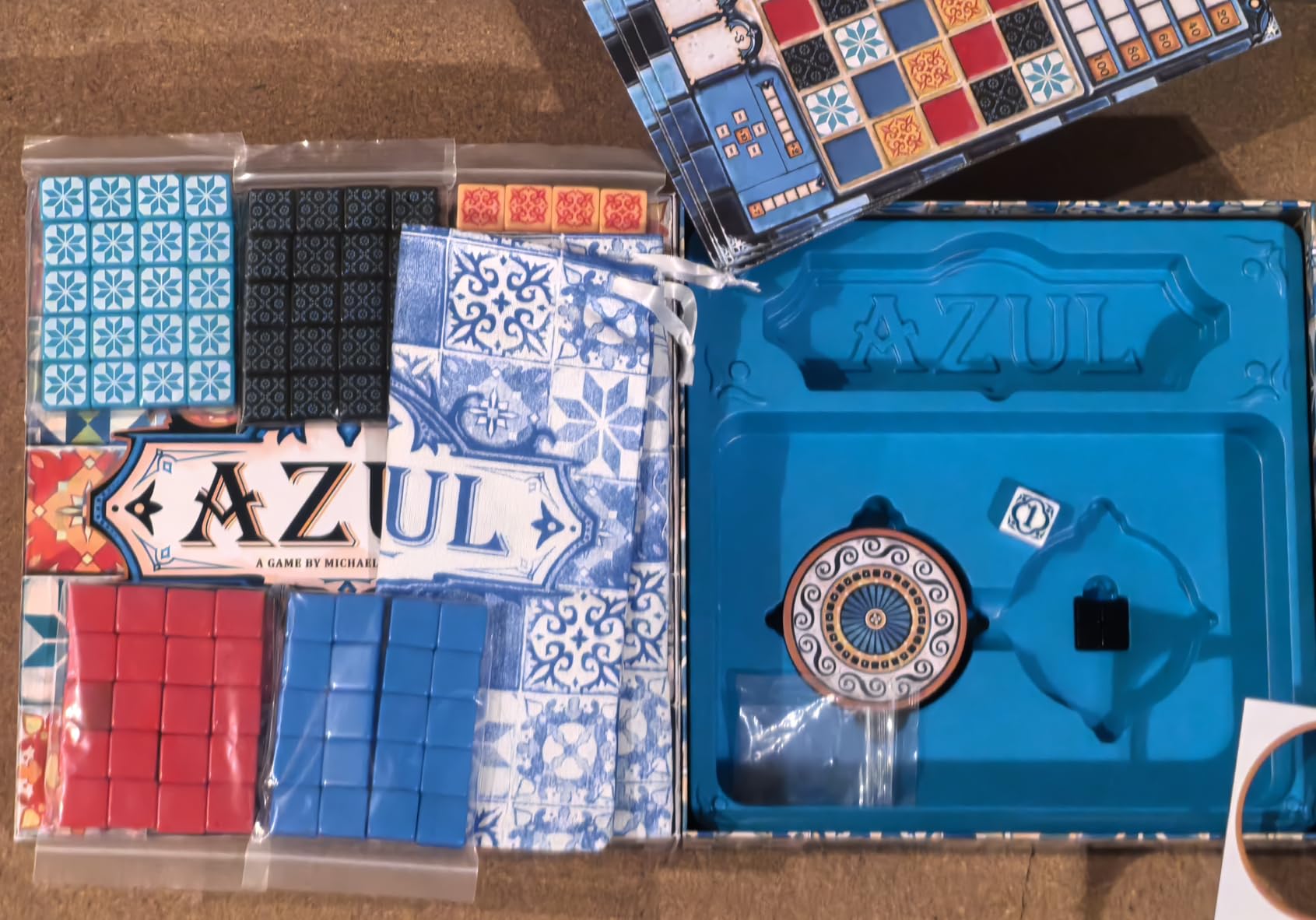
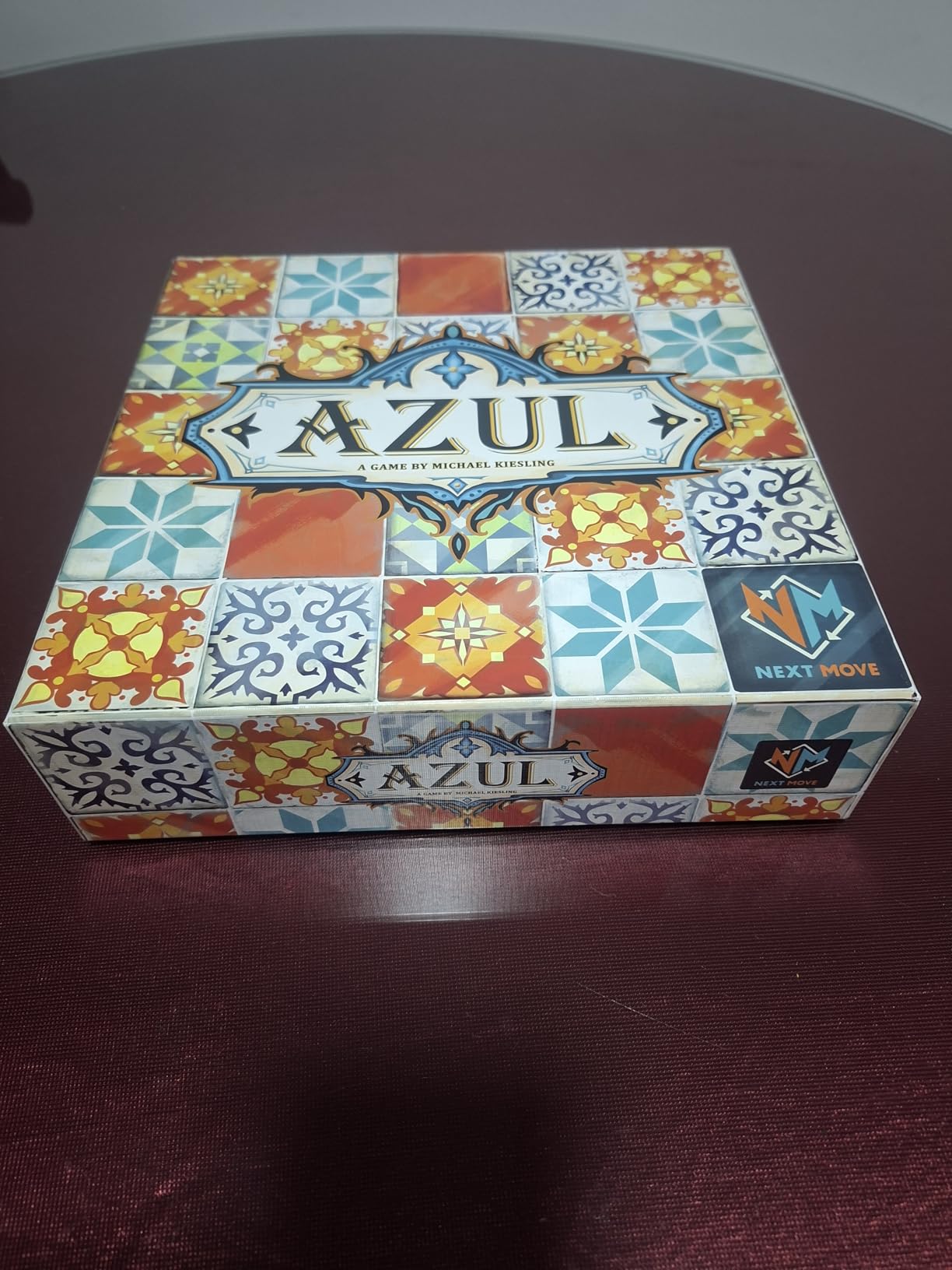
The component quality is the real draw. The resin tiles click satisfyingly into place, the player boards are sturdy, and the box is small enough to travel. I have brought Azul to three different cities in my carry-on.
How punishing is it for new players?
Azul is gentle. The rules take five minutes, the bad decisions hurt you by maybe 5 points, and the best players only win by 10 to 15 over beginners. That makes it ideal for mixed groups.
The only real downside is that the strategic ceiling is not as high as heavier euros. Once you have solved the late-game tile efficiency puzzle, the wins start to feel repetitive.
Does it work at two players?
Yes, and it is excellent at two. The 2-player variant uses fewer factory displays, which tightens the drafting decisions and removes the dead tiles you sometimes see in 4-player games.
4. Splendor – The 30-Minute Engine Builder
Asmodee Splendor Gem Trading Strategy Board Game, 2-4 Players
Players: 2-4
Time: 30 min
Mechanics: Engine Building, Set Collection
Pros
- Gateway-friendly rules
- 30-minute playtime
- Poker-chip components feel premium
- Strong replay value
Cons
- Theme is thin
- Light interaction between players
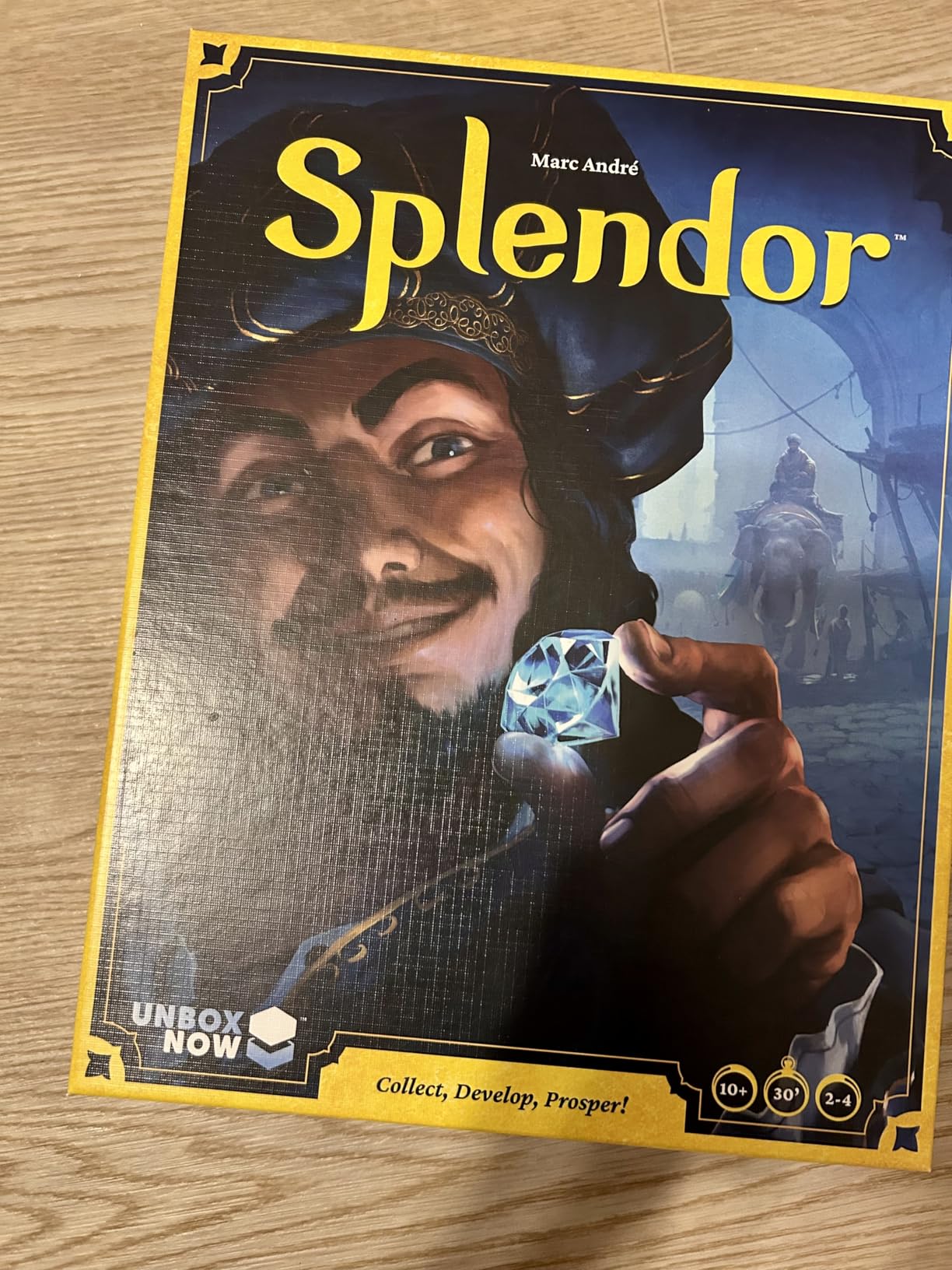
Splendor is the game I hand to people who say they do not like board games. Three actions per turn, fifteen prestige points to win, and that is the whole game. In 30 minutes you have built an engine and raced to victory.
The chip components are the secret weapon. They feel like real casino chips, which gives the table a sense of weight that you do not usually get at this price point. I have used Splendor as a warm-up game before heavier euros, and it sets the right tone every time.
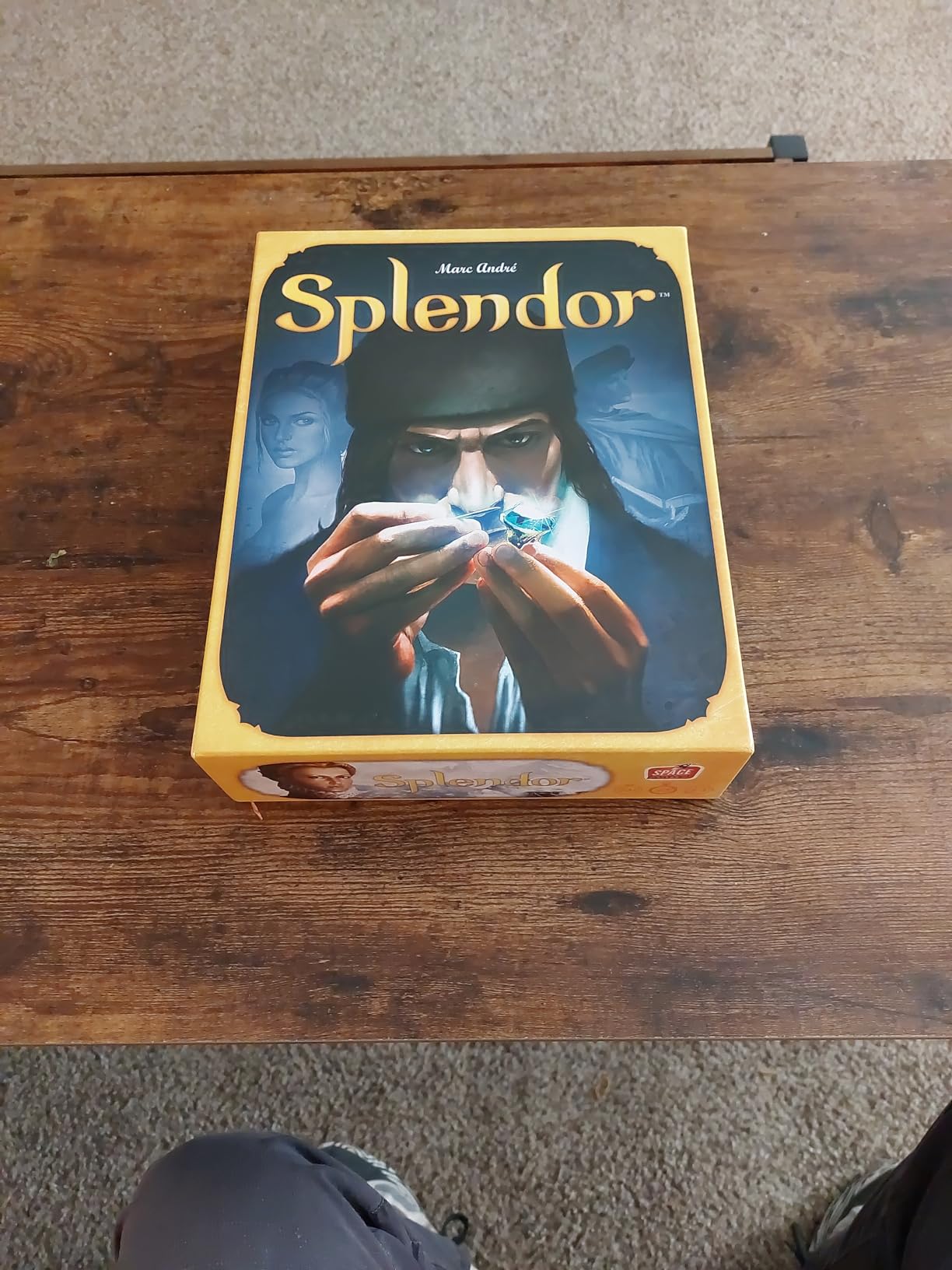
The honest critique from strategy fans is that the theme is thin and the player interaction is limited. You mostly build your own engine and watch who crosses 15 first. If you want back-and-forth blocking, you need to look elsewhere.
Is it deep enough for experienced gamers?
Surprisingly yes, at the start. The first 20 plays are a steady climb as you learn which card tiers matter most and when to lock in a noble. After 50 plays the openings calcify and you will either move to Space Base (the excellent follow-up) or graduate to heavier euros.
For strategy fans, Splendor is best treated as a tight 30-minute warm-up or a coffee-table game, not a main event.
How does it compare to Century: Spice Road?
Both games occupy the same niche. Splendor is faster with cleaner rules. Century has more theming and a slightly deeper engine. Most strategy fans in my circles end up keeping both, since they hit different moods.
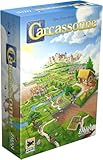
5. Carcassonne – The Tile-Laying Standard
Carcassonne Tile Placement Strategy Board Game, 2-5 Players, 35 Min
Players: 2-5
Time: 35 min
Mechanics: Tile Placement, Area Control
Pros
- Iconic meeple pieces
- Excellent at 2 players
- Includes The Abbot and The River expansions
Cons
- Farmer scoring can confuse beginners
- Tiles sometimes need to be punched out
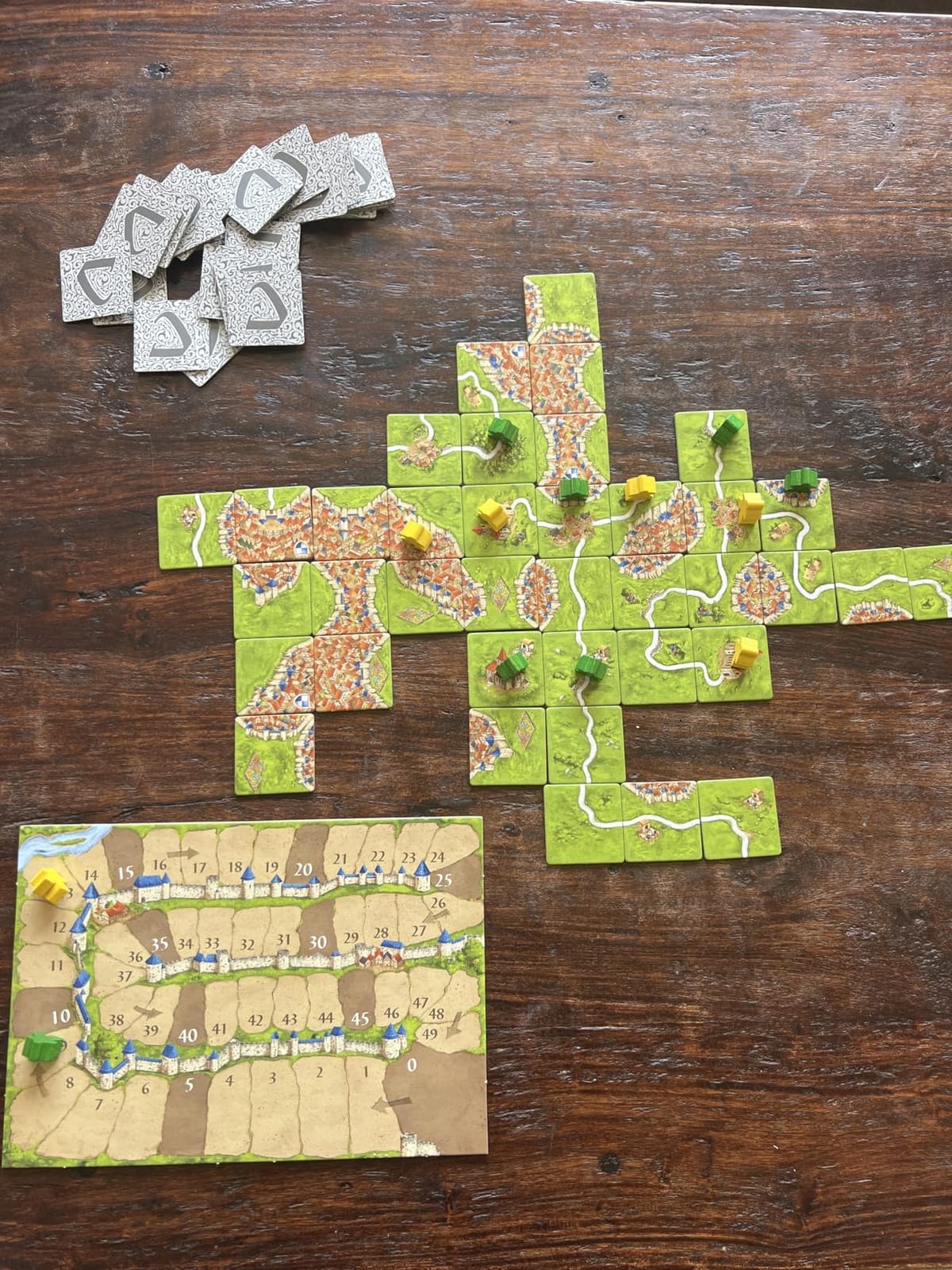
Carcassonne is the game I keep returning to when I want a strategy session that fits inside a lunch break. You place a tile, decide whether to drop a meeple, score the completed feature, and pass the turn. There is no dice, no randomness beyond the tile draw, and no luck mitigation debate.
The 2-player experience is the best in the genre. There is no downtime, no dead tiles, and the farmers-versus-cities tension produces some of the cleanest decision-making in any euro I have played.
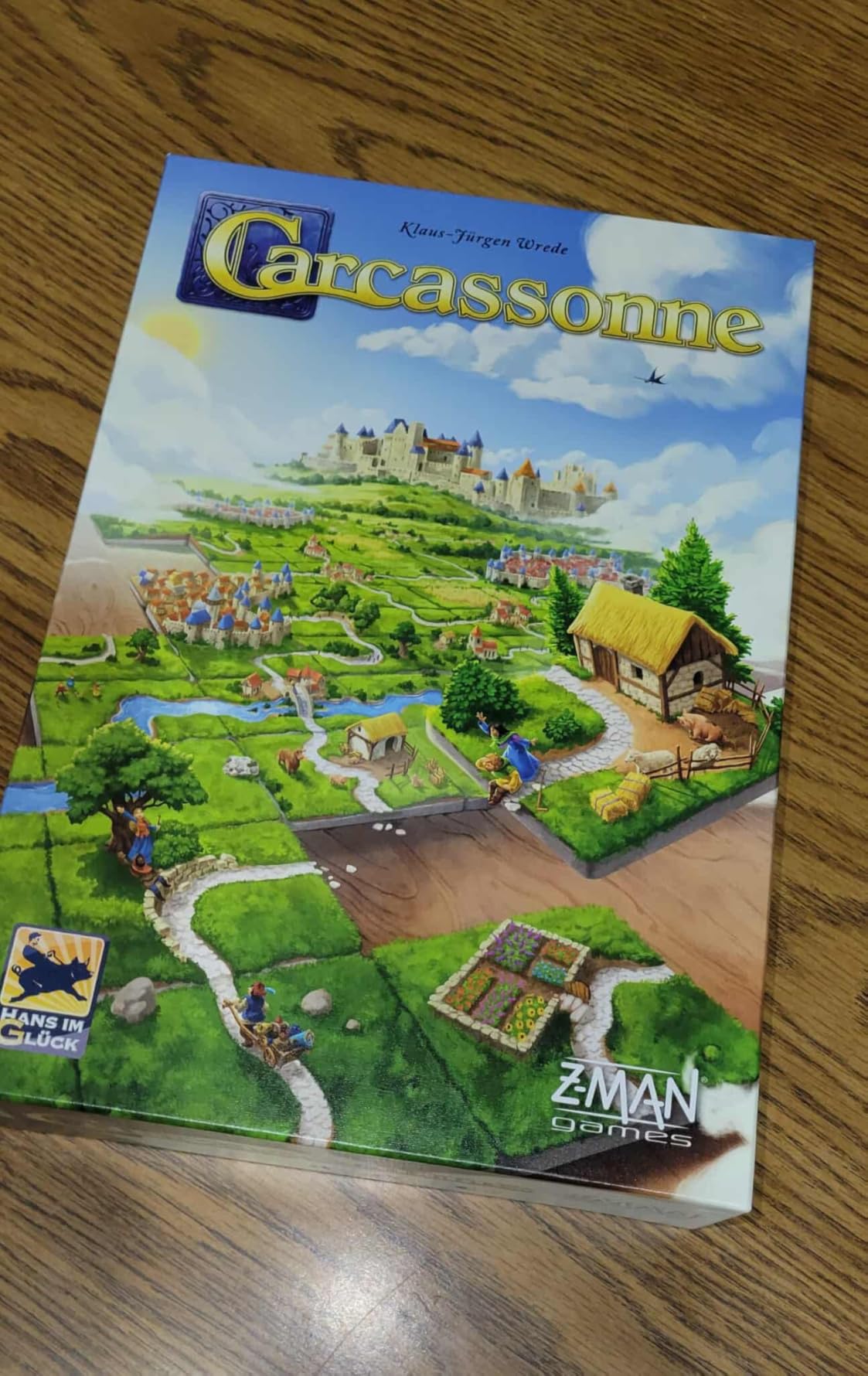
The downside for new players is the farmer scoring rule. It hits at the end of the game, and a poorly planned field can cost you 20 points without warning. I teach the game twice before introducing farmers, and I have never had a player bounce off after that pacing.
How deep does the strategy actually go?
Deeper than it looks. The decision of whether to place a meeple, and on what feature, is the core puzzle. At higher counts you start playing the meta-game of forcing opponents to complete cities they do not want.
For long-time players, Carcassonne holds up as a filler, not as a main event. The expansions (Inns and Cathedrals, Traders and Builders, Princess and Dragon) add real depth if you want it.
Is it good for families?
It is one of the best. Kids as young as seven can play with a simplified ruleset, and the 35-minute playtime keeps attention spans intact. The painted meeples are also a hit at family tables.
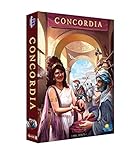
6. Concordia – The Smooth Card-Drafting Euro
Rio Grande Games Concordia – Strategy Board Game & Economic Development
Players: 2-5
Time: 90 min
Mechanics: Card Drafting, Economic
Pros
- Exceptionally balanced mechanics
- Fast turns keep game moving
- Deep without being punishing
Cons
- Box design is bland
- Limited card variety in base game
Concordia is the euro I recommend when someone says they want depth but not punishment. You draft a card, take the action, and repeat. There is no point track during play, which keeps the table engaged until the very last turn.
I played Concordia with a friend who had logged over 100 plays of his own, and we both agreed the game still had surprises for us. The god cards, the provincial economy, the timing of the colonist ship, every decision weaves into the next.
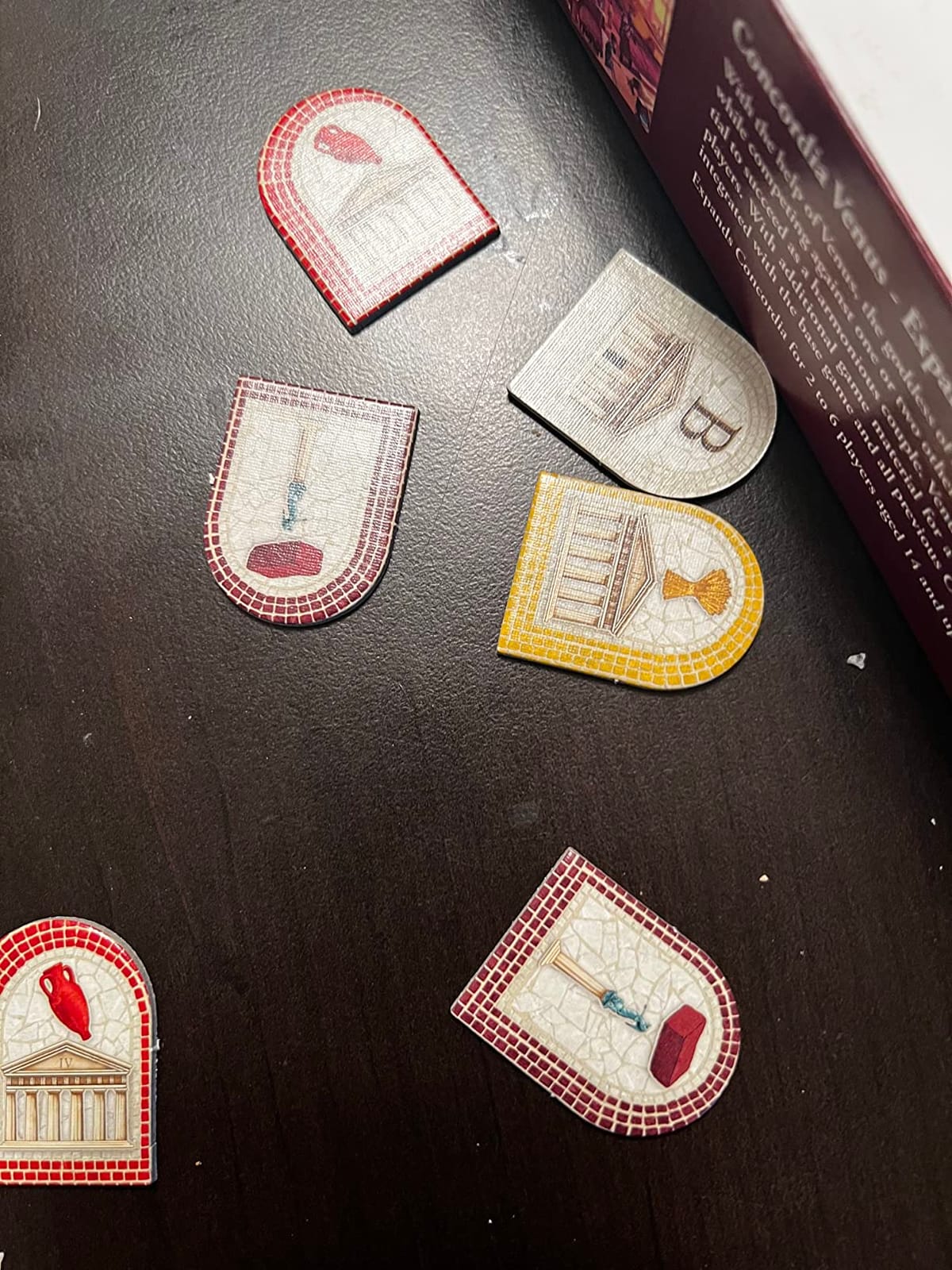
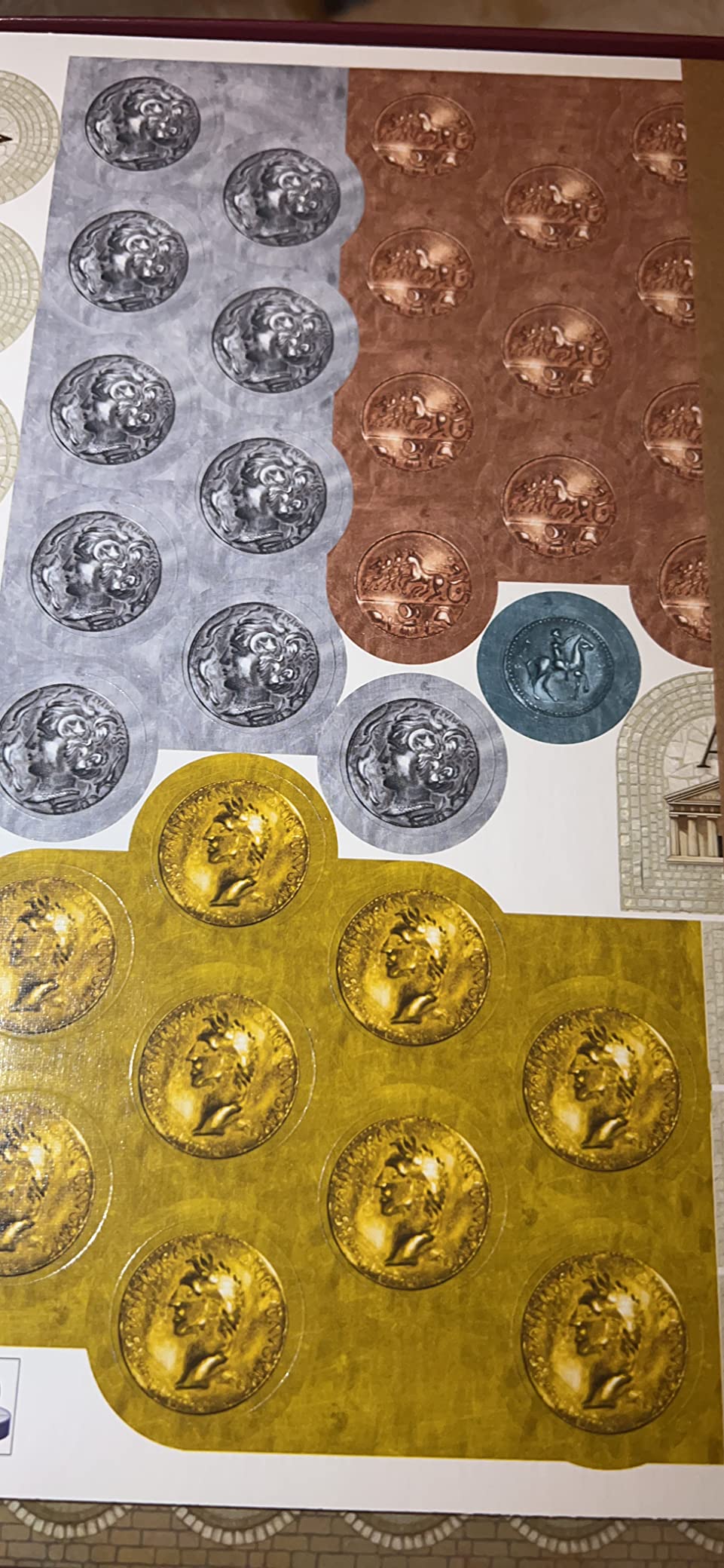
The honest critique is the production. The box art is uninspired, and the cards, while sturdy, are not flashy. Concordia is the kind of game you have to play before you understand why people love it.
Why do experienced groups rate it so highly?
The balance is what veteran players notice first. There is no dominant opening strategy, and every god card combination creates a different race. After 25 plays I still find new paths to victory.
If you only buy one mid-weight euro for a serious strategy group, this is my honest pick over more famous titles.
Is the solo mode worth playing?
The base game does not include a solo mode. You need the Salsa expansion for solo play. If you mostly play alone, look at other games on this list first.
7. Cascadia – The Relaxed Strategy Game
Cascadia, Award-Winning Cozy Nature Board Game Set in the Pacific Northwest
Players: 1-4
Time: 30-45 min
Mechanics: Tile Drafting, Pattern Building
Pros
- Spiel des Jahres 2022 winner
- Premium wooden wildlife tokens
- Excellent solo mode
- Relaxing yet strategic
Cons
- Less depth than heavier euros
- Some downtime at 4 players
Cascadia is the game I bring out when I want a quiet evening that still rewards thought. You draft a habitat tile and a wildlife token, then place them together on your board. The rules take two minutes. The decisions take the full 45.
As a solo game, Cascadia is the best in this list for relaxing play. The scoring cards change every game, and the solo mode includes a small bot that keeps the puzzle alive without feeling adversarial.
The honest limit is depth. Cascadia is a medium-weight euro, and heavy strategy players will solve the puzzle faster than they would with Terraforming Mars or Concordia. I treat it as a warm-up or a wind-down, depending on the night.
How does it compare to Azul?
Both are tile-drafting euros with similar weight. Azul has more aggressive blocking and sharper player interaction. Cascadia is gentler, plays solo out of the box, and has prettier components.
For strategy fans, Cascadia works best when you want a quiet think. Azul works best when you want to watch someone squirm over a tile they cannot take.
Is the component quality worth the price?
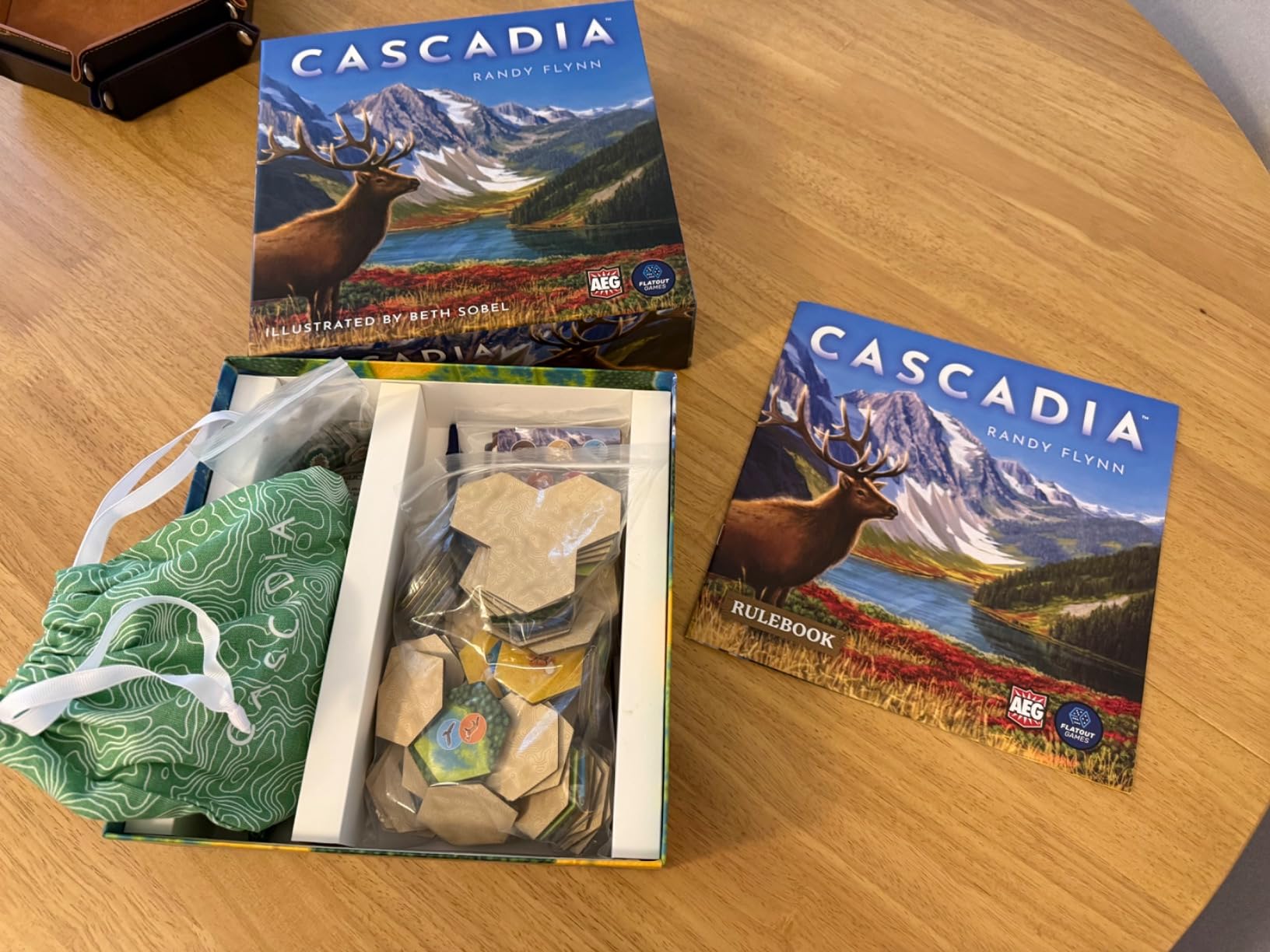
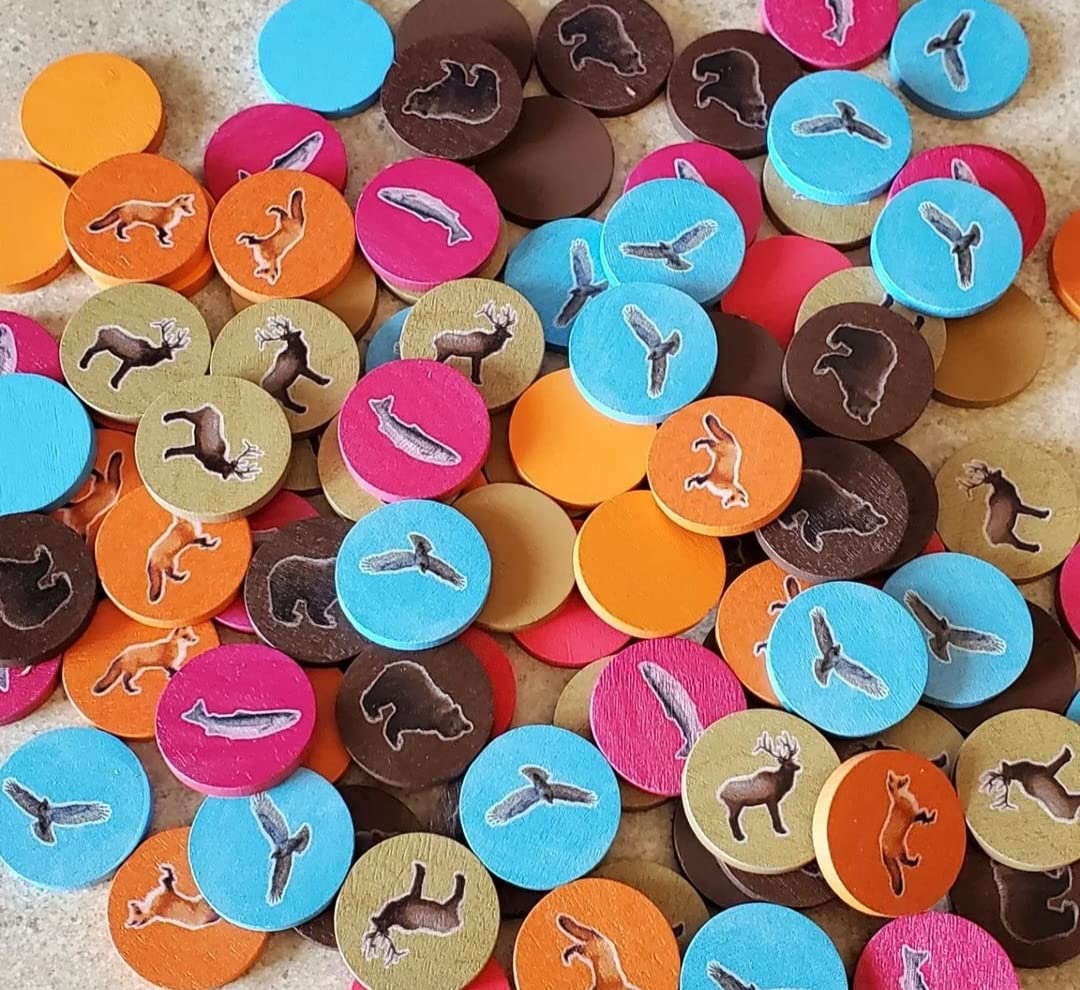
Yes. The wooden wildlife tokens are gorgeous, the habitat tiles are thick, and the cloth bag is a thoughtful touch. It feels like a premium product at a mid-tier price.
8. Stone Age – The Family-Friendly Worker Placement
Stone Age Board Game – Engaging Worker Placement Strategy for Civilization Building! Fun Family Game for Kids and Adults, Ages 10+, 2-4 Players, 60-90 Minute Playtime, Made by Z-Man Games
Players: 2-4
Time: 60-90 min
Mechanics: Worker Placement, Dice Rolling
Pros
- Classic worker placement accessible to newcomers
- Wooden components and leather dice cup
- Balances strategy and luck
Cons
- Dice randomness can frustrate purists
- Not as deep as Agricola
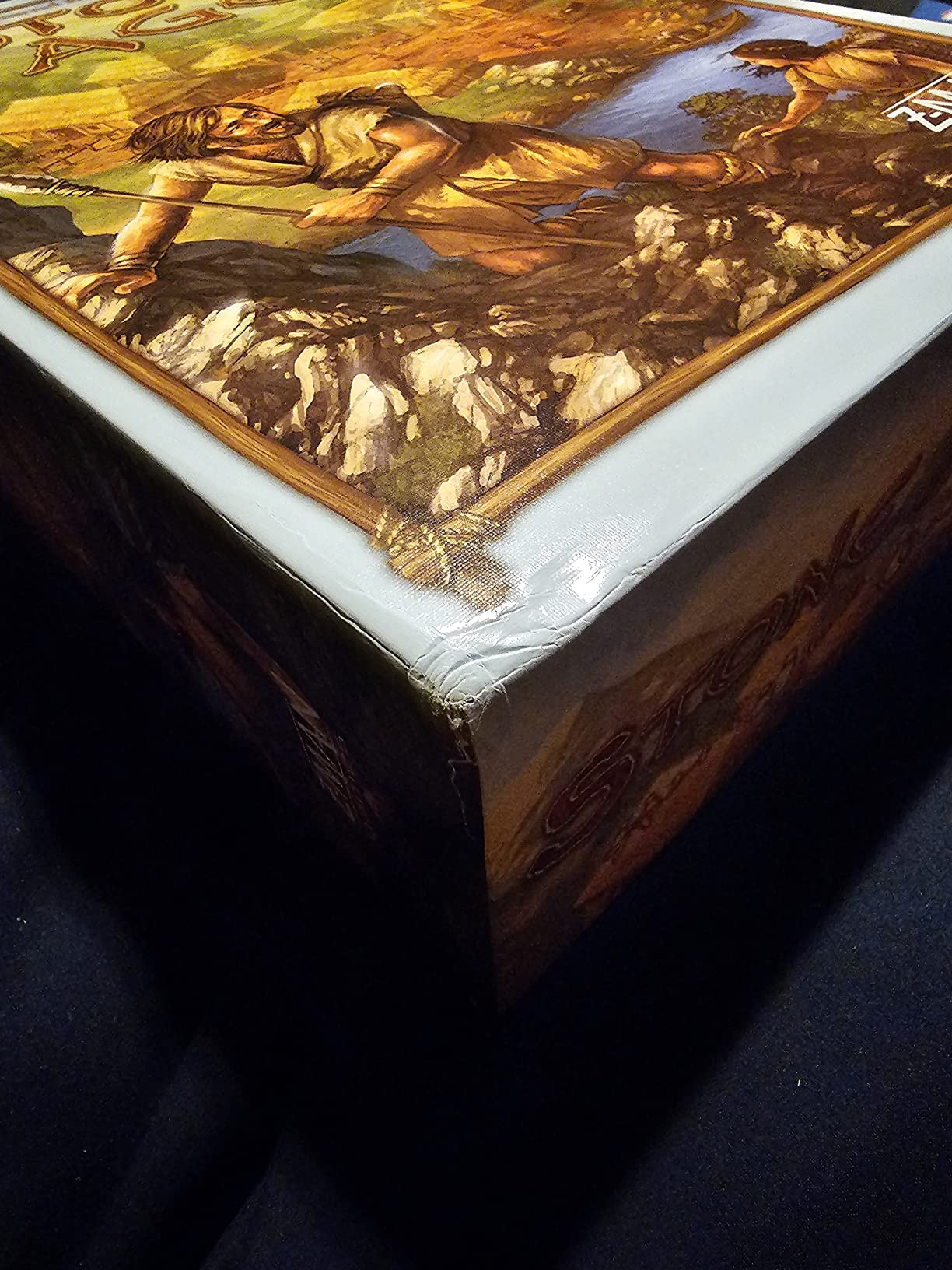
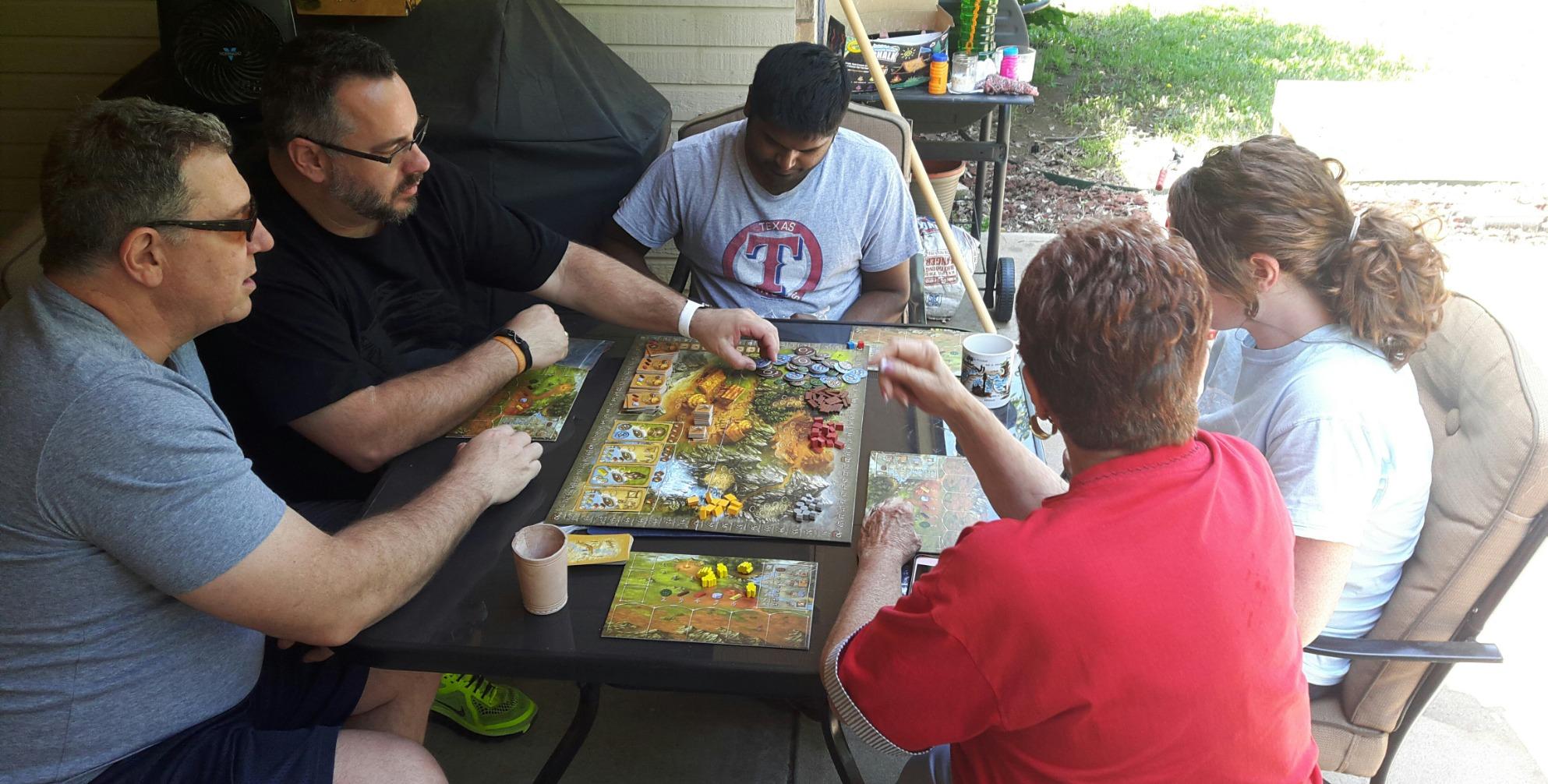
Stone Age is the game I recommend to anyone who wants to learn worker placement without drowning in Agricola’s rulebook. You place your meeples on action spaces, roll dice to gather resources, and feed your tribe at the end of each round.
What I appreciate is the dice mechanic. It introduces just enough randomness to keep casual players in the game, while still rewarding thoughtful placement. After 15 plays I still see new strategies I had not considered.
The critique from purists is fair: the dice introduce variance that pure euros avoid. If you hate luck in your strategy games, this is the wrong pick. If you want a worker placement game that welcomes your non-hobby friends, Stone Age is the right one.
How does it compare to Agricola?
Stone Age is the friendlier cousin. Agricola punishes inefficient play with starvation. Stone Age smooths that out with more forgiving feeding rules. For a first worker placement game, Stone Age is the better teacher.
If you finish Stone Age and want more crunch, Agricola and Caverna are the natural next steps.
Is it good at two players?
Yes, though it shines most at 3 or 4. At two players the action spaces feel less contested, and the dice randomness swings harder. I usually save Stone Age for groups of three or more.
9. Spirit Island – The Cooperative Strategy Powerhouse
Greater Than Games Spirit Island – Cooperative Strategy Board Game
Players: 1-4
Time: 90+ min
Mechanics: Cooperative, Area Control
Pros
- No traitor mechanics
- Massive replayability from 8 spirits
- Deep strategic options
- Strong theme and art
Cons
- Steep learning curve
- Heavy bookkeeping in solo multi-spirit play
- Not kid-friendly
Spirit Island is the cooperative euro I have logged more hours on than any other game. You play powerful spirits defending an island from colonizing invaders. There is no traitor, no hidden roles, just pure strategic collaboration.
What surprised me on my first three plays is how much harder the game gets as you improve. The adversaries scale the invaders, the spirits scale your power, and the puzzle reshapes itself every session. After 50 plays I am still unlocking new spirit-adversary combinations.
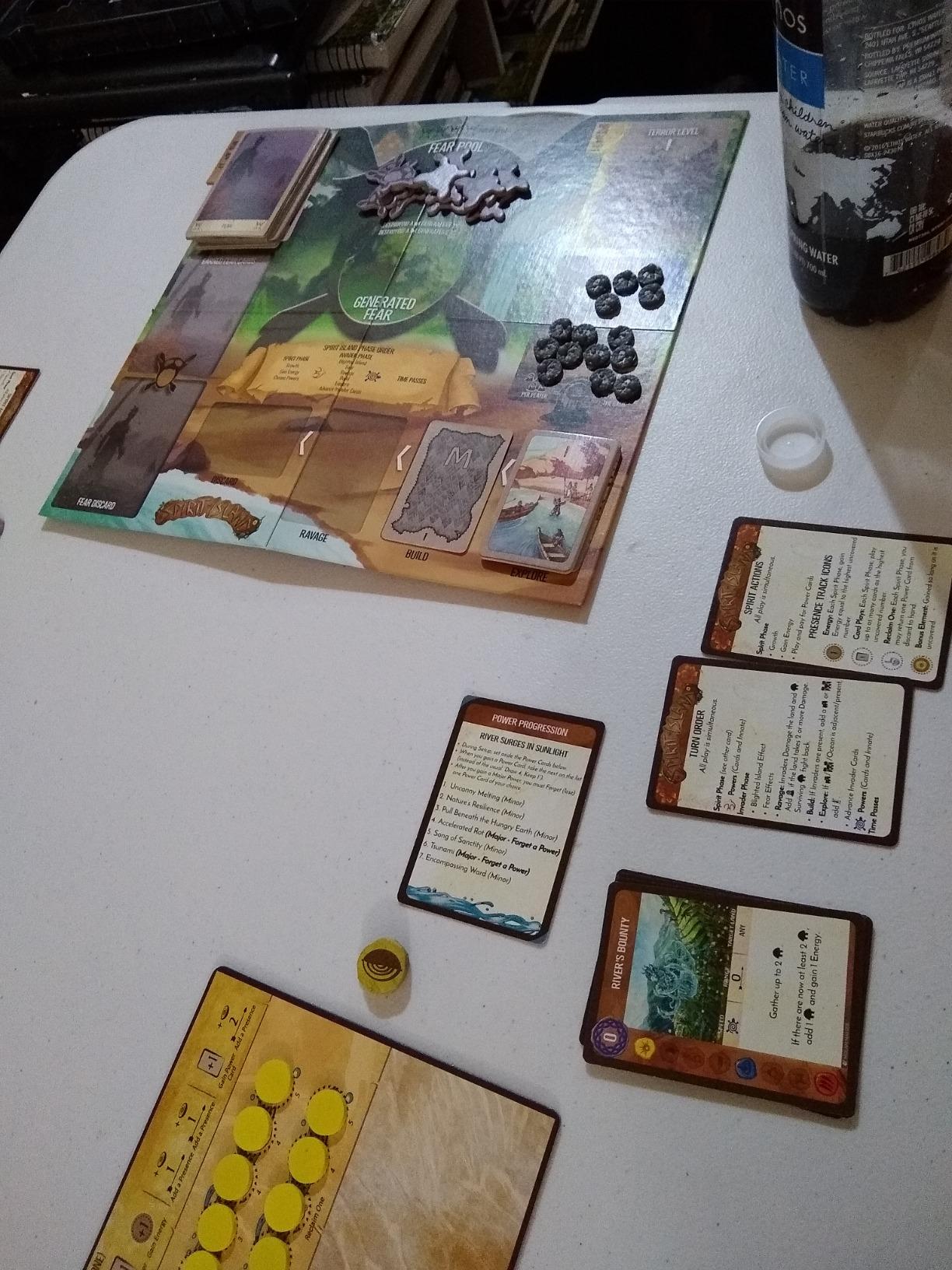
The honest limit is the learning curve. The rulebook is dense, the iconography takes a few games to internalize, and the bookkeeping in solo multi-spirit play is real work. I recommend a first game with one spirit and one other player before going deeper.

Is the theme a turnoff?
The anti-colonial theme is intentional and well-handled. If you are curious about cooperative euros but wary of fantasy tropes, this is the game that treats the topic with weight. The art is gorgeous and the lore is rich.
If you specifically want a lighter cooperative game, Forbidden Island or Pandemic are better starting points. If you want a heavy co-op that respects your time, Spirit Island is the one.
What expansions matter most?
Branch and Claw is the best first expansion. It adds event cards, disease and beast tokens, and the new mechanics reward experienced players without overwhelming beginners. Jagged Earth is the second pickup for serious players.
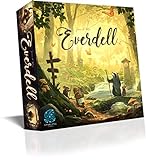
10. Everdell – The Beautiful Worker + Tableau Builder
Everdell Old Edition
Players: 1-4
Time: 40 min
Mechanics: Worker Placement, Tableau Building
Pros
- Stunning artwork and components
- Combines worker placement and engine building
- Quick 40-minute playtime
- Great solo mode
Cons
- Ever Tree assembly is fiddly
- Rulebook organization could be better
- Card text is small
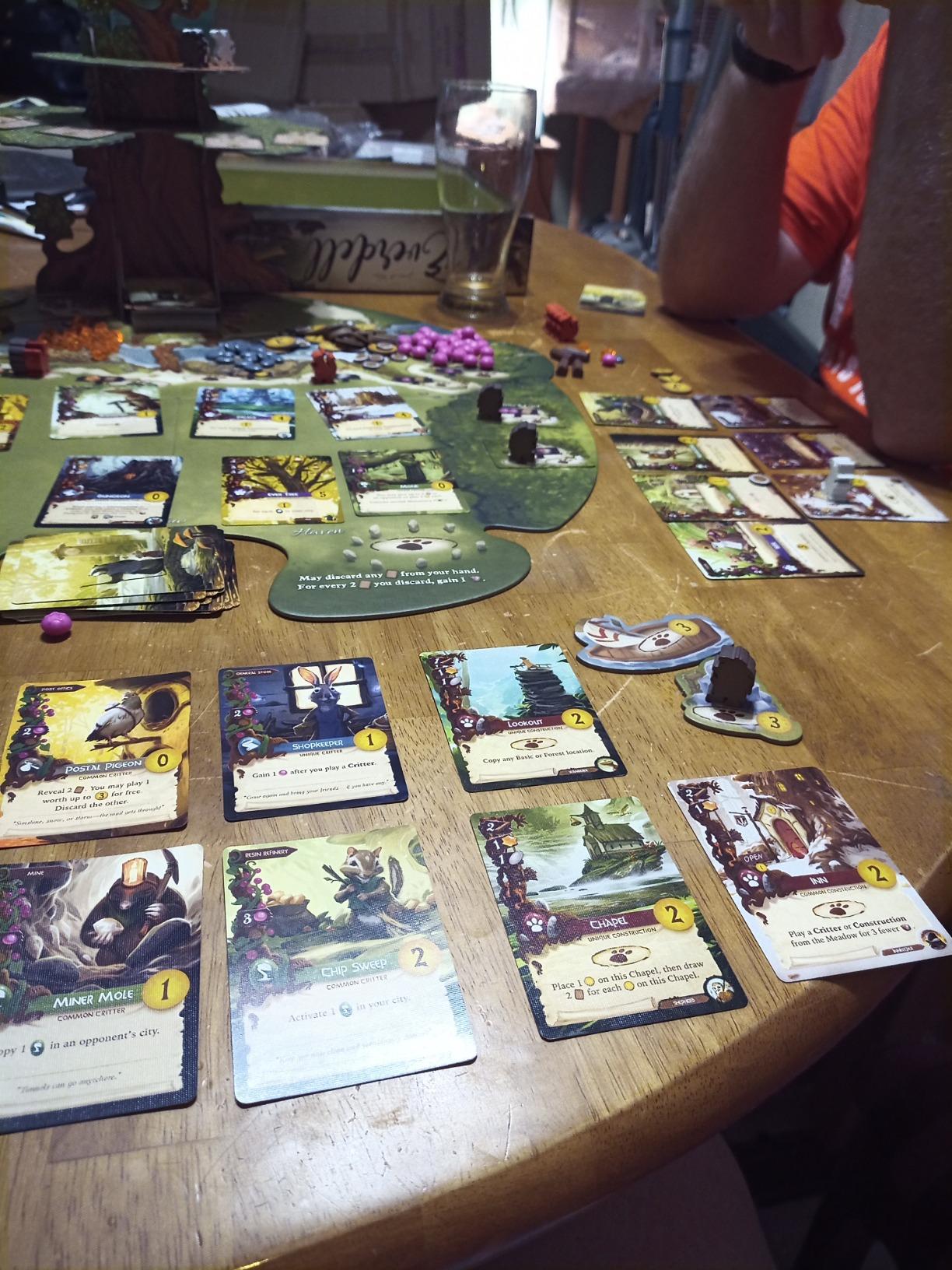
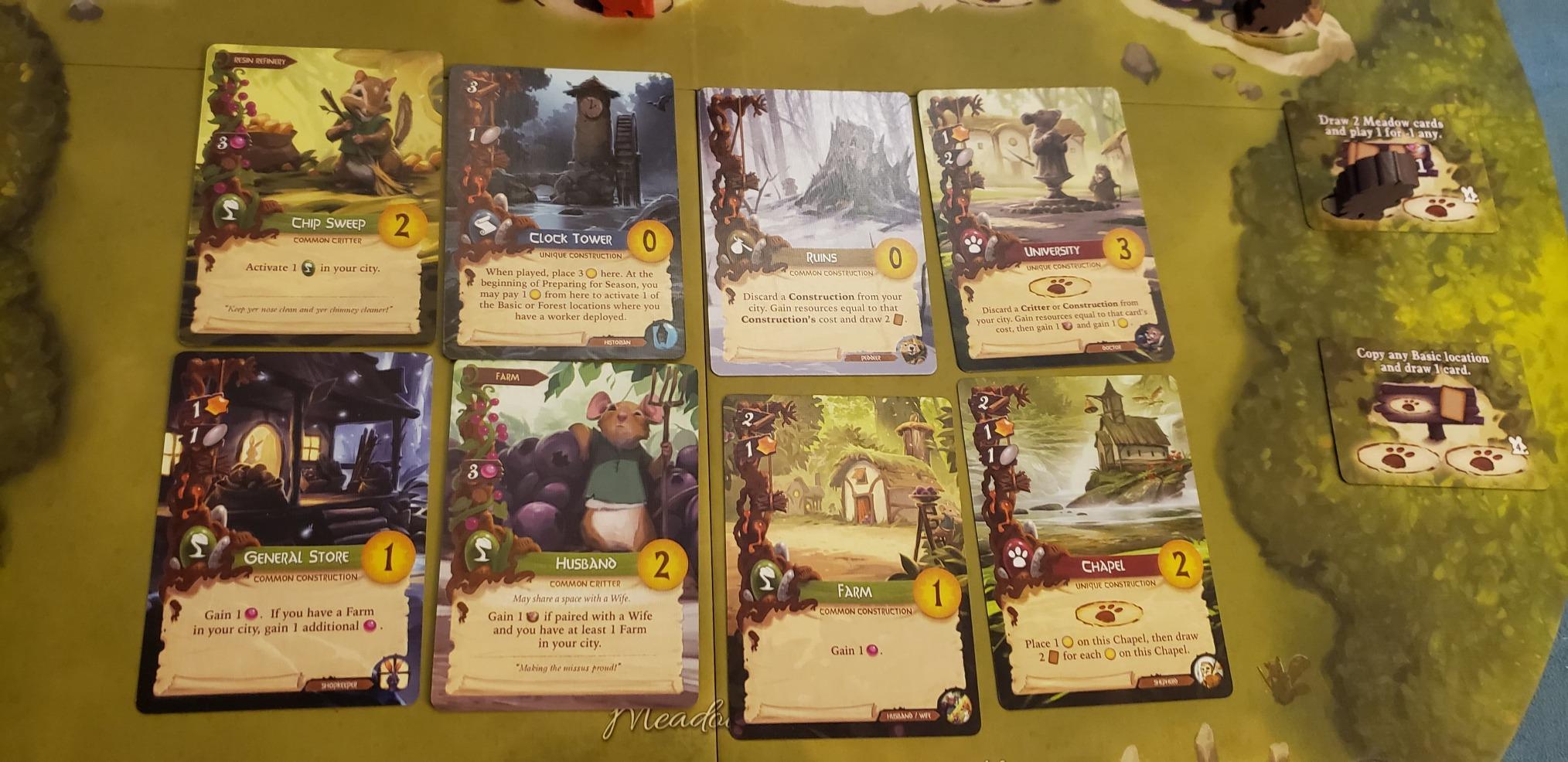
Everdell is the game I bring out when I want a strategy session that also functions as table decoration. The 3D Ever Tree, the resin berries and pebbles, the painted critter cards, every component is gorgeous. After 20 plays I still enjoy just looking at the table.
Beneath the pretty face is a tight worker placement and tableau building game. You place workers to gather resources, then build critter and construction cards that chain into each other for combo points. The card synergies are the strategic core, and there are hundreds of combinations to discover.
The honest downside is the Ever Tree assembly. It is flimsy and frustrating. I watched a friend spend ten minutes trying to slot the pieces together before our first game. Once it is built it is fine, but it is a poor first impression for a premium-priced box.
How does it compare to Wingspan?
Both are beautiful tableau builders with solo modes. Wingspan is more accessible and a better gateway game. Everdell has more strategic depth and tighter worker placement decisions. For strategy fans, Everdell is the better long-term pick.
If you want the gentlest entry point, Wingspan. If you want a beautiful game that still rewards study, Everdell.
Is it good for two-player nights?
Excellent at two. The action spaces stay contested, the card combos still scale, and the 40-minute playtime fits any weeknight. I have played more Everdell at two players than at any other count.
Buying Guide for Strategy Fans Choosing a Euro Game?
What makes a Euro-style board game different from American-style games?
Euro-style board games emphasize resource management, engine building, and low luck. Players usually build a personal tableau or engine, score on their own track, and rarely attack opponents directly. American-style games (sometimes called Ameritrash) tend to focus on player conflict, dice combat, and theme-driven choices. Both are valid, but Euro-style games are what most strategy fans gravitate toward because decisions matter more than dice rolls.
If you have ever finished a session thinking “I lost because I rolled badly, not because I played badly,” a Euro is the antidote.
What is game weight and complexity, and how should I use it?
BoardGameGeek rates game weight from 1.0 (light) to 5.0 (heavy) based on rule complexity and decision depth. Games under 2.0 are gateway titles like Azul and Splendor. Games between 2.0 and 3.0 are mid-weight, which is where most of this list sits. Games above 3.5 are heavy euros like Spirit Island and Terraforming Mars that demand 90+ minutes and a patient table.
My honest advice is to start at mid-weight, not gateway and not heavy. Mid-weight euros give you real decisions without the four-hour time commitment.
How important is player count and solo mode for me?
It matters more than theme. A 30-minute game that plays at 2, 3, and 4 will hit the table ten times more than a 3-hour game that only works at 4. If you mostly play two-player nights, prioritize Concordia, Azul, Carcassonne, and Cascadia. If you game alone, look first at Terraforming Mars, Spirit Island, and Everdell for the strongest solo modes.
How steep is the learning curve, really?
Most modern euros have a 15 to 30 minute teach. The real learning curve is in the strategy, not the rules. Plan on 5 to 10 plays before you feel fluent. Heavier euros like Spirit Island and Terraforming Mars take more plays before the strategic ceiling opens up.
If you are new to euros, start with Azul, Splendor, or Cascadia. If you are an experienced strategy fan jumping into heavier titles, budget two full plays before judging the game.
What about component quality and long-term durability?
Component quality varies wildly in this hobby. Premium games like Everdell and Cascadia use wooden tokens and thick cardboard. Mid-tier games like Carcassonne and Azul use plastic or printed cardboard. Heavy games like Terraforming Mars ship with thinner player mats that many players upgrade to neoprene.
For long-term durability, look for games with replaceable card decks, sturdy tiles, and well-reviewed production quality. Sleeving your cards is the cheapest durability upgrade for any strategy game.
Frequently Asked Questions
What are some popular European strategy board games?
Popular European strategy board games include CATAN, Carcassonne, Azul, Splendor, Concordia, and Terraforming Mars. These games emphasize resource conversion, engine building, and tactical decisions rather than dice-driven combat, which is why they are favored by strategy fans looking for low-luck, high-replayability experiences.
What is the best board game for strategy?
Terraforming Mars is widely regarded as one of the best strategy board games thanks to its deep engine-building, 200+ unique cards, and excellent solo mode. Spirit Island is the top cooperative choice, while Azul and Carcassonne are the best mid-weight strategy games for new players.
What is a Euro-style board game?
A Euro-style board game (also called a euro or German-style game) is a strategy board game that emphasizes resource management, engine building, and tactical planning over luck and direct conflict. Players typically collect resources, build personal engines, and score points on private tracks while interacting through trading rather than combat.
What is the difference between Euro and American style board games?
Euro-style games focus on personal engine building, low luck, and indirect player interaction. American-style games (Ameritrash) focus on direct conflict, dice combat, and theme-driven choices. Strategy fans usually prefer Euros for their emphasis on decision-making, while groups that enjoy narrative combat prefer American-style titles.
What are heavy Euro games?
Heavy Euro games are strategy board games rated above 3.5 on the BoardGameGeek weight scale. They feature deep decision trees, longer playtimes (often 90+ minutes), and complex rules. Examples include Terraforming Mars, Spirit Island, and Concordia. Heavy Euros are best for patient strategy fans who already have experience with mid-weight games.
Final Verdict
These are the best Euro-style board games for strategy fans in 2026. If I had to pick one, Terraforming Mars earns my top slot for its solo mode, replayability, and engine-building depth. Azul is the best value pick for groups who want strategy without the time commitment. Spirit Island is the best cooperative choice if you want to bring your group’s brain to a single shared puzzle.
Pick the one that matches your player count, your table’s patience, and the kind of decision-making you love most. Then play it ten times before judging. That is the honest path to finding your next favorite Euro.