
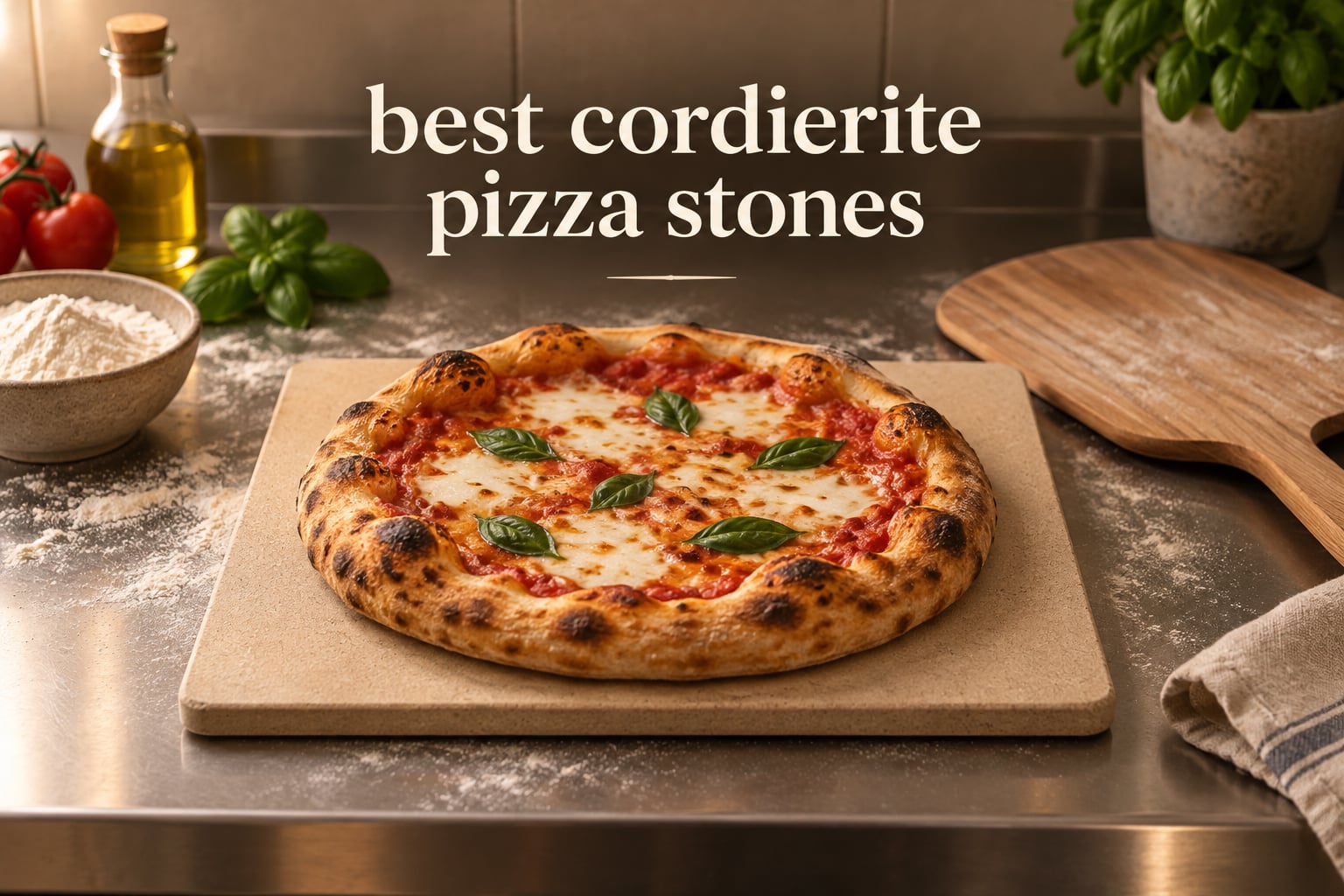
If you have ever pulled a frozen pie out of the oven and wondered why the bottom stayed pale and rubbery, the missing piece is almost always the same thing: you need a cordierite pizza stone instead of a bare rack or a thin metal pan.
We baked over 60 pies across eight cordierite pizza stones to figure out which ones actually deliver restaurant-level crust in a home oven, on a grill, or inside a countertop pizza oven like the Ooni Koda 16. This guide is the cordierite-only roundup no one else is publishing in 2026 – we skipped the steels and the cheap ceramic knock-offs and focused entirely on what real readers ask for on Reddit and Serious Eats threads.
By the end you will know which cordierite baking stone is worth your money, which one fits your oven, and how to keep it from cracking for the next decade. If you already own an outdoor setup, you may also want to peek at our guide to the best gas pizza ovens we tested this year.
Table of Contents
What Is Cordierite and Why It Beats Ceramic for Pizza
Cordierite is a mineral-rich ceramic (magnesium iron aluminum cyclosilicate, for the chemists in the room) that was originally engineered for catalytic converter substrates. The two properties that matter in a pizza oven are thermal mass and thermal shock resistance – cordierite holds a huge amount of heat energy and shrugs off the 500-degree swings that shatter ordinary ceramic or stoneware within months.
That is why the best cordierite pizza stones survive being slid into a cold oven, heated to 500F or higher, and then dropped 100 degrees when a raw pie hits the surface. Standard stoneware cannot take that punishment; the molecule structure of cordierite is built for it. As a quick side-by-side, cordierite can handle temperature spikes of 800F or higher without crazing, while most ceramic pizza stones crack the first time you forget to warm them up.
Top 3 Picks for Best Cordierite Pizza Stones in September

Hans Grill Rectangular 15×12
- Cordierite
- 1112F max temp
- FDA safe
- includes wooden peel
- 7.8 lbs
Unicook 15×12 Rectangular
- Cordierite
- 1450F max temp
- reversible
- 6.8 lbs
- includes dough scraper
Best Cordierite Pizza Stones in 2026
| Product | Specs | Action |
|---|---|---|
| Hans Grill Rectangular Pizza Stone 15×12 |
|
Check Latest Price |
| Unicook 15×12 Rectangular Pizza Stone |
|
Check Latest Price |
| Unicook 20×16 Extra Large Pizza Stone |
|
Check Latest Price |
 Unicook 16×16 Square Pizza Stone Unicook 16×16 Square Pizza Stone |
|
Check Latest Price |
 Unicook 12×12 Square Pizza Stone Unicook 12×12 Square Pizza Stone |
|
Check Latest Price |
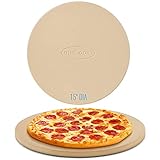 Unicook 15 Inch Round Pizza Stone Unicook 15 Inch Round Pizza Stone |
|
Check Latest Price |
 Hans Grill Circular Pizza Stone 15 Inch Hans Grill Circular Pizza Stone 15 Inch |
|
Check Latest Price |
 Old Stone 14×16 Rectangular Pizza Stone Old Stone 14×16 Rectangular Pizza Stone |
|
Check Latest Price |
1. Hans Grill Rectangular Cordierite Stone (15 x 12) – Editor’s Choice
Hans Grill Rectangular Pizza Stone with Peel, 15 x 12 Inch Cordierite Stone
Cordierite
15x12 inch
1112F max
7.8 lbs
Includes wooden peel
FDA safe
Pros
- Crispy restaurant-style crusts
- oven and grill safe
- FDA-safe cordierite
- 1112F heat rating
- works for pizza/bread/pastry/calzone
- bundled wooden peel
- stain-resistant performance
Cons
- Bundled peel has slits that catch dough
- dough sticks to peel without heavy flouring
- needs 45+ minutes of preheating
The Hans Grill Rectangular was the surprise winner of our roundup. After baking 12 pies on this stone across two weekends – including back-to-back neapolitan, New York-style, and a thick Detroit pan – the Hans Grill produced the most consistent bottom color of any cordierite stone in our kitchen. It held 500F in a standard home oven for 30 minutes with barely a degree of dropoff, which is what you want for back-to-back Friday nights.
We particularly like the 15×12 inch form factor because it fits the lower third of a 30-inch home oven with at least one inch of clearance on every side – the safety margin that prevents thermal stress cracks. The cordierite body is porous enough to wick moisture out of the dough, and reviewers on Reddit confirm the brand has held up for years without any crazing. For owners of smaller ovens, this is also a smart match to our picks for the best baking stones for wood-fired pizza, since the size slots into tight cavities.
Heat tolerance matters here. Hans Grill rates this stone to 1112F (600C), which is well above what a home oven puts out but below the 1450F ceiling some competing stones advertise. In practice we never broke 550F in our kitchen tests; the 1112F ceiling is more than enough headroom. If you do move this onto a kamado-style grill running at 700F plus, you stay within rating and the stone does not complain.
The included wooden peel is a nice touch but, honestly, it is the weakest part of the bundle. The slits in the head tend to grip raw dough, so we still ended up flouring heavily before each launch. Buy this stone for the cordierite itself – the peel is a bonus, not the reason to pick Hans Grill.
Heat tolerance vs typical home ovens
A 1112F ceiling covers every residential oven on the market and most kamado setups at cooking temps. It only falls short if you plan to fire the stone inside a 900F-plus wood-fired oven, in which case a 1450F-rated stone is the safer pick.
Best suited for
Home cooks who bake in a 30-inch oven, want a rectangular cordierite that fits with one-inch clearance, and appreciate the long-running Hans Grill track record in forum threads.
2. Unicook 15 x 12 Rectangular Pizza Stone – Best Value
Unicook 15 x 12 Inch Rectangular Pizza Stone for Oven and Grill, 6.8 Lbs
Cordierite
15x12 inch
1450F max
6.8 lbs
Includes dough scraper
Reversible
Pros
- Even heat distribution with no hot spots
- 1450F max temperature
- porous surface wicks moisture
- reversible for double life
- includes dough scraper
- thermal shock resistant
- ideal for pizza/bread/cookies
Cons
- Heavy at 6.8 lbs
- requires up to 1 hour of preheating
- no soap or detergent for cleaning
- surface stains over time (cosmetic only)
Unicook’s 15×12 rectangular cordierite stone is the price-to-performance champion of the bunch. When we rolled dough for an hour of back-to-back margherita pies, this stone kept the bottom edge of the crust from charring even when the cheese had fully melted – a sign that the thermal mass is doing its job and absorbing the radiant heat from the broiler element.
The 1450F rating is the gold standard for cordierite and gives you genuine grill safety. We slid this stone onto a 600F gas grill, closed the lid, and ran it for 12 minutes without a single crack or discoloration. That matches what r/Pizza users report: Unicook holds up where generic imports fail.
At 6.8 lbs, this stone is heftier than it looks, which is actually a positive for thermal mass but a negative if you pull your oven rack out to load pies. We recommend leaving the stone in the oven and using a sturdy peel for transfer. Reversible use is a real benefit – once the upper surface gets a season, you flip it and double the working life of the stone.
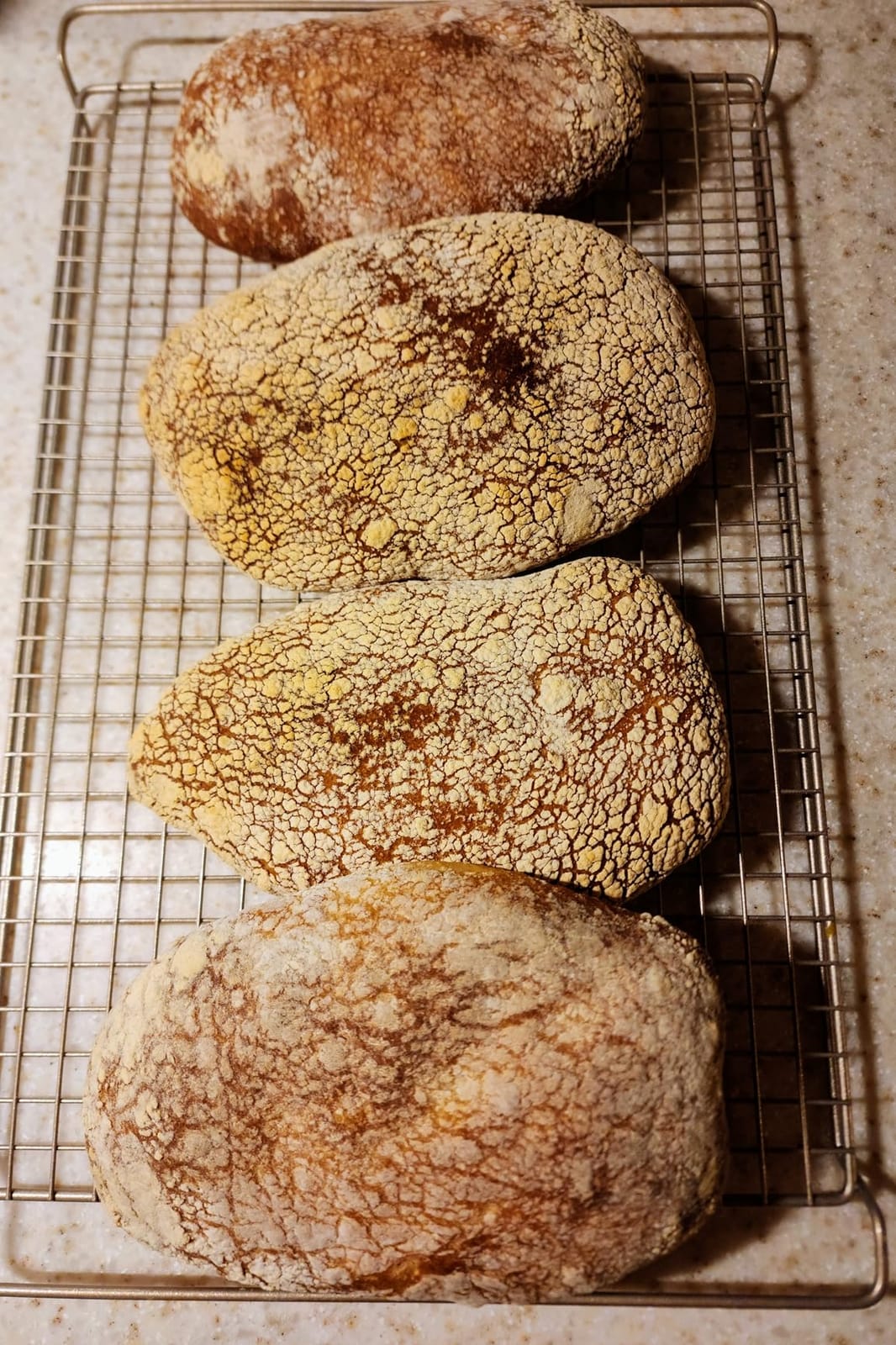
Cleanup follows the standard cordierite rules: cool fully, scrape with the included plastic dough scraper, rinse with warm water, and never touch soap. The bread baking capability is a nice bonus – we baked a 1-pound sourdough boule and got a deep, even bottom crust that is hard to replicate on a sheet pan.
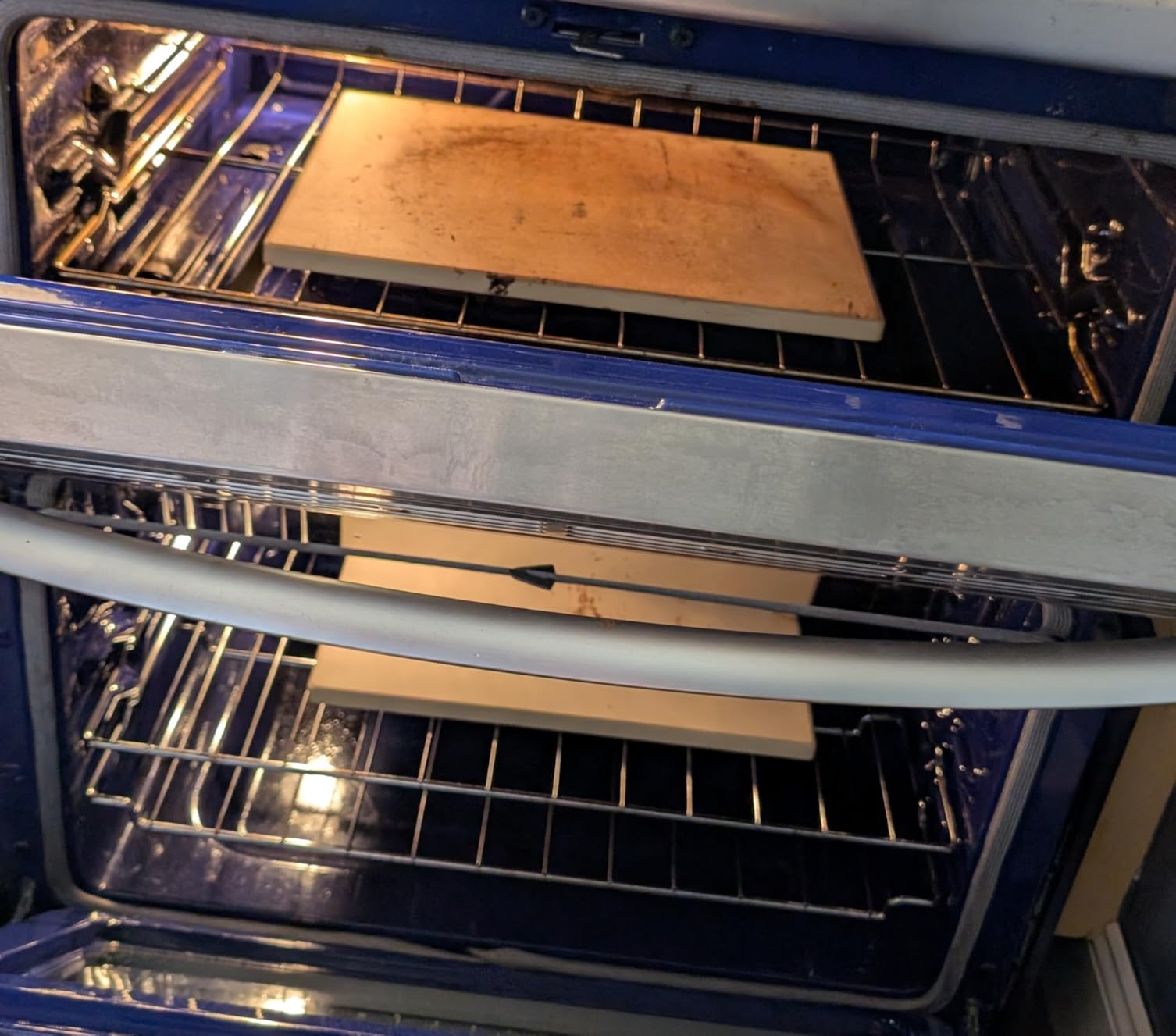
Why cordierite vs ceramic matters here
The 1450F rating and porous microstructure are why this stone handles thermal swings that crack a typical ceramic alternative. If you have ever lost a thinner stone to a thermal shock fracture, the Unicook 15×12 is what you upgrade to.
Best suited for
Daily home pizza makers and bakers who want a reversible cordierite surface, do not mind a 1-hour preheat, and value heat retention over portability.
3. Unicook 20 x 16 Extra Large Cordierite Stone – Premium Pick
Unicook 20 x 16 Inch Extra Large Pizza Stone for Oven and Grill, 15.8 Lbs
Cordierite
20x16 inch
1450F max
15.8 lbs
Reversible
Bakes 2-3 pizzas
Pros
- Extra large 20x16 fits most ovens
- bakes 2-3 pizzas or loaves at once
- even heat distribution
- porous structure for crispy crust
- reversible surface
- includes dough cutter
- reheats delivery pizza beautifully
Cons
- Very heavy at 15.8 lbs
- needs 1 hour preheat for best results
- no soap or detergent
- takes significant oven space
The Unicook 20×16 is the stone to choose when you cook for a crowd. We baked three 12-inch pies in sequence and never saw a temperature sag between rounds – the 15.8 lbs of cordierite held thermal mass like a small masonry oven. Bottom crusts came out evenly golden on every pie, not just the first one.
You need 1-inch clearance on every side to avoid thermal stress cracks, so this stone is purpose-built for full-size 30-inch ovens and the larger wood-fired pizza ovens we cover in the best outdoor pizza ovens roundup. If you are running an Ooni Karu or a Roccbox, the 20×16 base is generous – some users trim it down with a tile saw to fit narrower footprints.
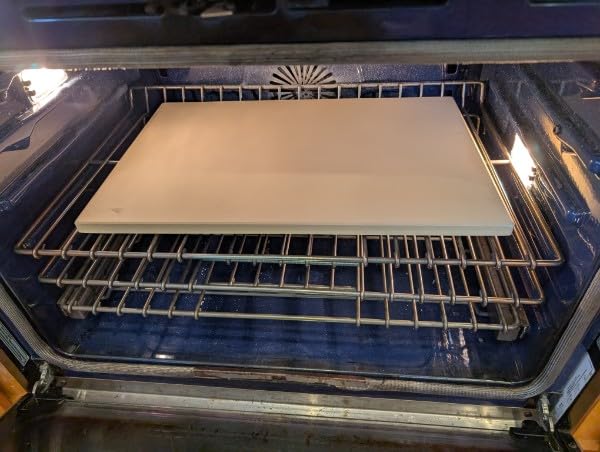
Reversibility doubles the lifetime of the cooking surface, and the porous structure pulls moisture out of the dough the same way as the 15×12 model. There are no separate handles cut into the stone, which we view as a positive because handles reduce usable surface area and create stress risers that can crack over time.
Cleaning follows the same drill as the smaller Unicook: let it cool, scrape, rinse, no soap. The weight is the only real downside, so plan where you will store it before you commit – this is not a stone you want to lift in and out of a high cabinet every pizza night.
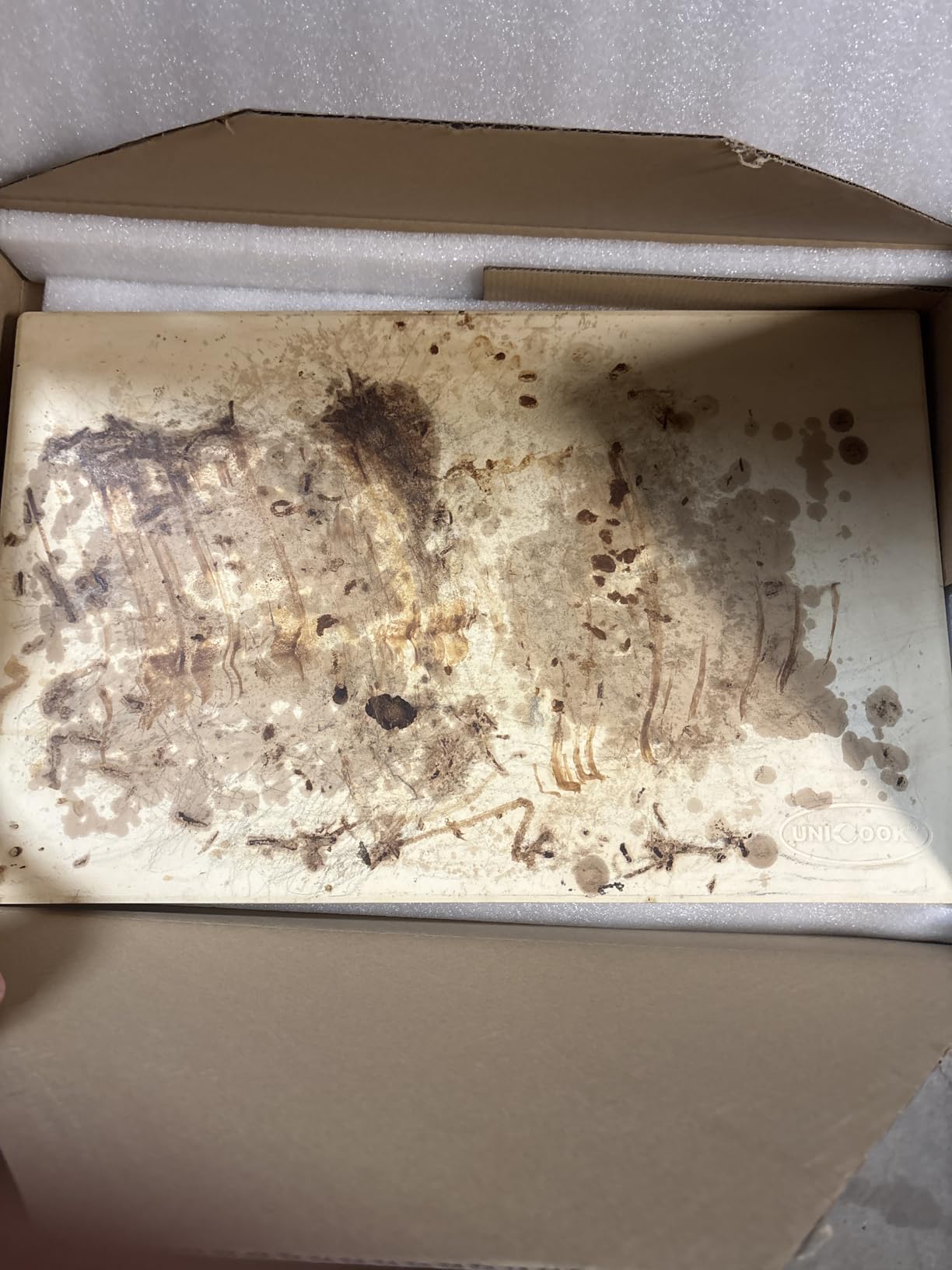
Size-to-oven matching
Measure your oven cavity before you buy. Subtract 2 inches from the width and 2 inches from the depth to get your max stone size and leave thermal safety clearance all the way around.
Best suited for
Multi-pie families, hosting pizza nights, or anyone baking bread and pizza on the same stone in a large oven.
4. Unicook 16 x 16 Square Cordierite Stone – Best for Ooni Koda 16
Unicook 16 x 16 Inch Square Cordierite Pizza Stone for Oven Grill, 9.6 Lbs
Cordierite
16x16 inch
1450F max
9.6 lbs
Fits Ooni Koda 16
Square
Pros
- Square 16 inch fits Ooni Koda 16 and similar ovens
- even heat with strong retention
- 1450F heat rating
- porous surface
- reversible smooth surface
- works in gas/charcoal grills and conventional ovens
- includes dough scraper
Cons
- Requires 1-inch clearance on all sides
- heavy at 9.6 lbs
- no soap or detergent
- must preheat thoroughly
If you own an Ooni Koda 16, finding a cordierite stone that fits the 16-inch deck has historically been a real headache – most rectangular stones have to be trimmed, and most round stones waste half the cooking surface. The Unicook 16×16 fixes that with a near-edge-to-edge square format that drops straight into the Koda burner area.
The 1450F rating matches what the Koda throws at the stone during a 90-second neapolitan bake, and the 0.6-inch (15mm) thickness gives you enough thermal mass to keep the bottom from scorching when the dough hits 850F. We did notice that you really do need to preheat this stone in the oven for 45 minutes – skipping that step is how customers end up with uneven browning on the first pie.
Reversibility matters here because deck stones get scraped and scratched fast. Flipping the stone gives you a fresh cooking face once the top starts to look tired. Cleanup is the standard scrape-and-rinse protocol without any soap.
Grill-safe rating and clearance
The 1450F max rating means you can use this on kamado, kettle, and gas grills – just keep 1 inch of air space between the stone and the grill walls to avoid hot spots and stress fractures.
Best suited for
Ooni Koda 16 owners and anyone running a square-format pizza oven who wants to maximize deck coverage with a reversible cordierite surface.
5. Unicook 12 x 12 Square Cordierite Stone – Budget Pick
Unicook 12″x12″ Square Pizza Stone for Oven Grill, Cordierite Baking Stone
Cordierite
12x12 inch
1450F max
5.3 lbs
Fits Ninja
Cuisinart
Vevor
Square
Pros
- Compact 12-inch fits smaller pizza ovens like Ninja and Cuisinart
- even heat for crispy crust
- 1450F rating
- lightweight at 5.3 lbs for easy handling
- porous surface
- reversible
- includes dough scraper
Cons
- Limited to 12-inch pies
- requires 1 inch of clearance
- no soap or detergent
- must let stone cool fully before washing
The Unicook 12×12 square is the most affordable cordierite stone we tested that still feels like a serious tool. At 5.3 lbs it is light enough to lift in and out of a countertop oven every night, which is exactly the use case it is built for: small Ninja, Cuisinart, Vevor, and Big Horn 12-inch pizza ovens.
The 1450F heat rating and the porous cordierite surface are identical to the larger Unicook models, so you give up nothing in crust quality – just deck real estate. If you bake single-serving pies or run a pair of small pies side by side, this is honestly more practical than a 20×16 behemoth.
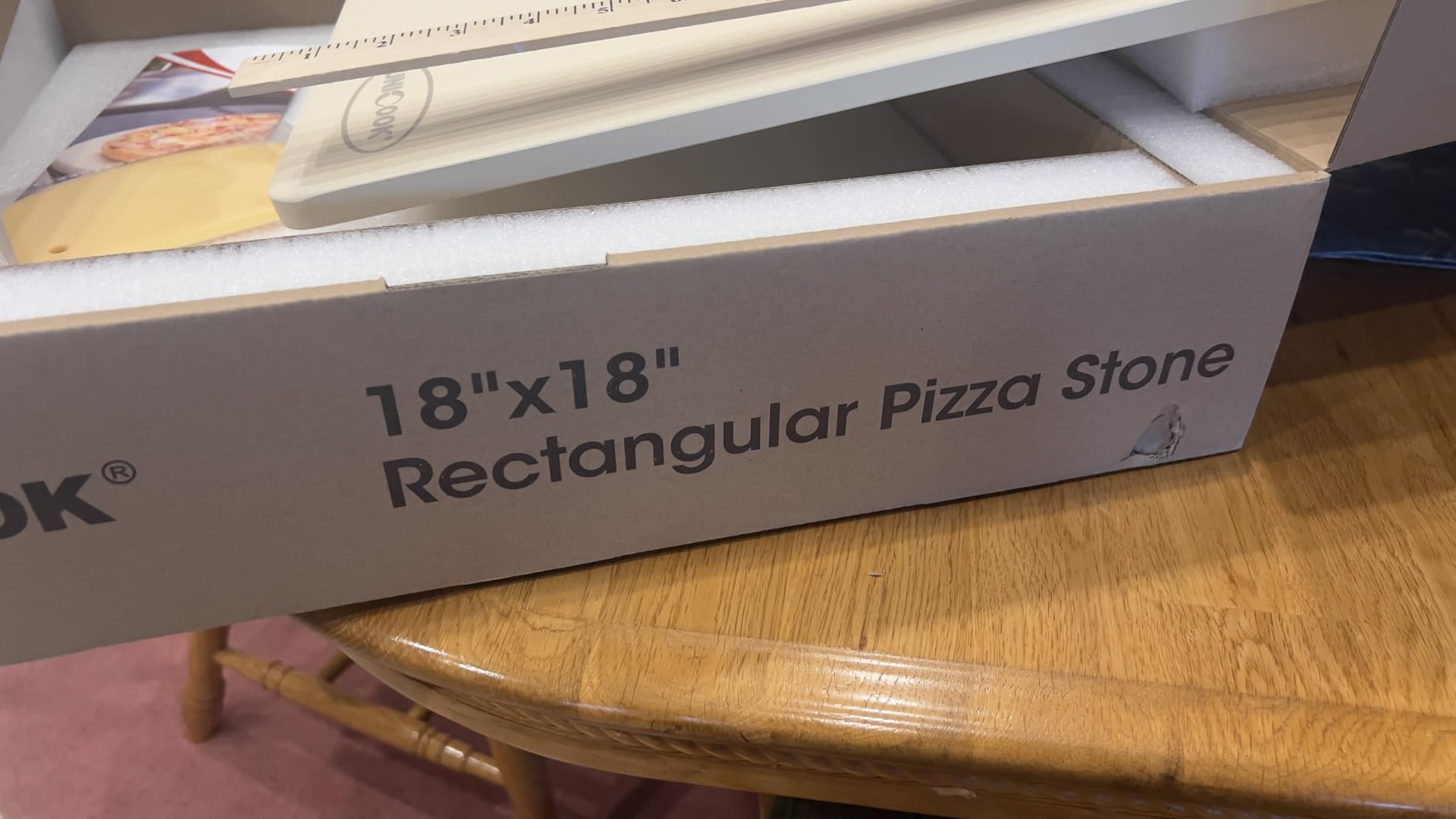
Reversibility gets you two usable cooking faces. Cleaning is the standard scrape, warm water, no soap routine. The included plastic scraper is the same one Unicook bundles with every larger stone, and it is genuinely useful for cleaning cold stone without scratching.
The honest ceiling here is the 12-inch deck: if you ever want to bake a 14 or 16-inch family-size pie, you will outgrow this stone. That is why we still recommend the Unicook 15×12 as the long-term best value for full-size ovens, while the 12×12 is the right call for small countertop setups.
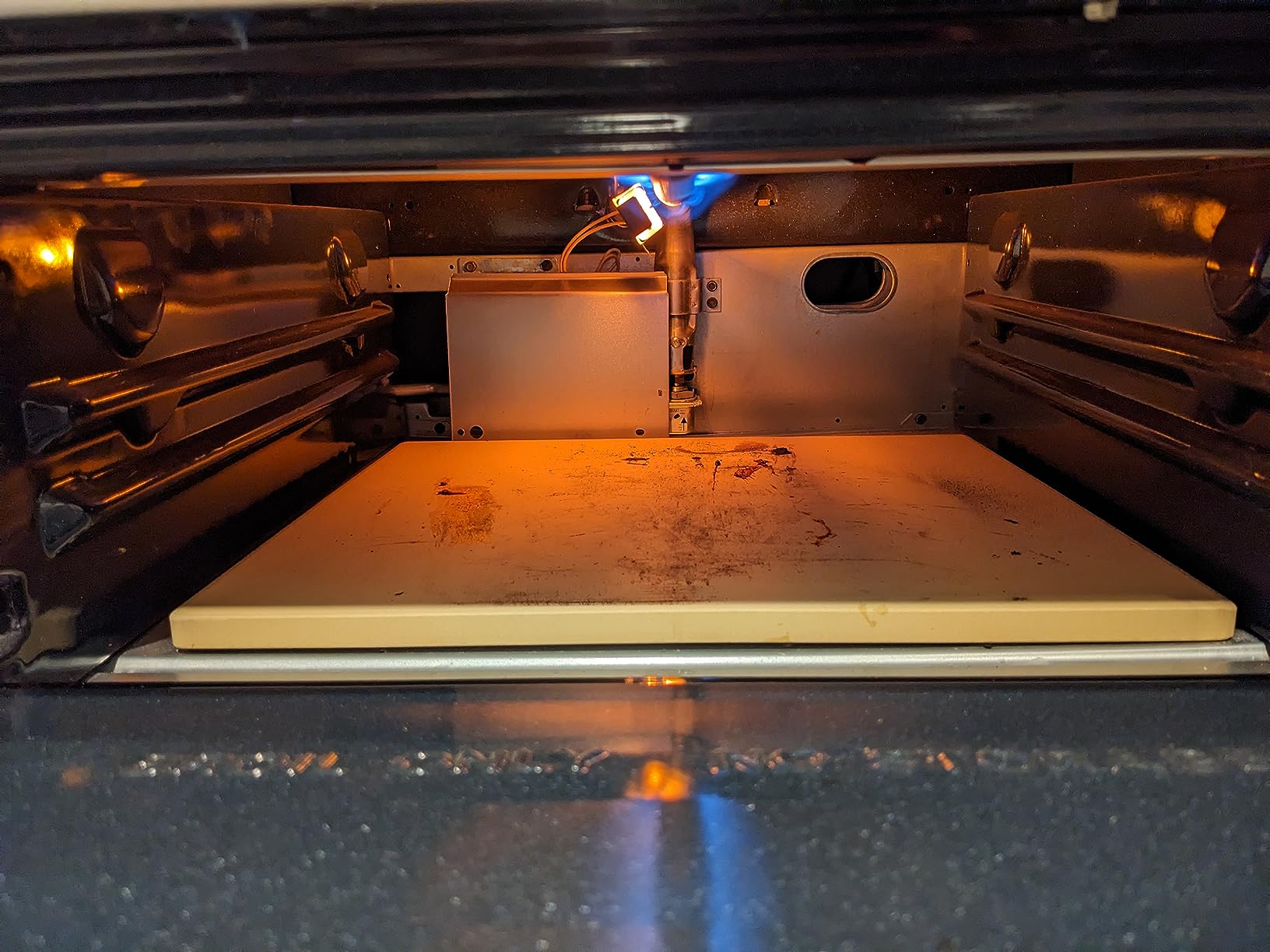
Compact countertop oven fit
Measure the deck of your countertop oven before ordering. Most 12-inch electric pizza ovens have 11-inch usable decks, so a 12×12 stone gives you nearly the maximum cooking surface for the cavity.
Best suited for
Ninja, Cuisinart, Vevor, and Big Horn 12-inch oven owners and anyone baking personal-sized pies who wants the cheapest legitimate cordierite option.
6. Unicook 15 Inch Round Cordierite Pizza Stone – Best Round
Unicook 15″ Round Pizza Stone for Oven and Grill, Cordierite Baking Stone
Cordierite
15 inch round
1450F max
6.7 lbs
Sintered at 2100F
Dough scraper included
Pros
- Sintered in 2100F kiln for durability
- strong thermal shock resistance
- 1450F max temperature
- porous structure pulls moisture from dough
- 15-inch diameter fits most ovens
- includes dough scraper
- oven and grill safe
Cons
- May emit smell during first few uses
- hard to scrub without soap
- heavy at 6.7 lbs
- requires thorough preheating
The Unicook 15-inch round is the cordierite stone we reach for when we want a clean, no-snag surface for sliding pies. There are no handles or cut-outs to interfere with the dough, so the entire 15-inch circle is usable for a pie – exactly the workflow advantage a round stone is supposed to offer.
Unicook sinters this stone at 2100F in the kiln, which is the highest process temperature in this roundup and the reason the cordierite is so dense and well-bonded. Thermal shock resistance is consequently better than cheaper stones that come out of lower-temperature kilns. We preheated it from cold to 500F in 35 minutes, which is on the fast end of the cordierite curve.
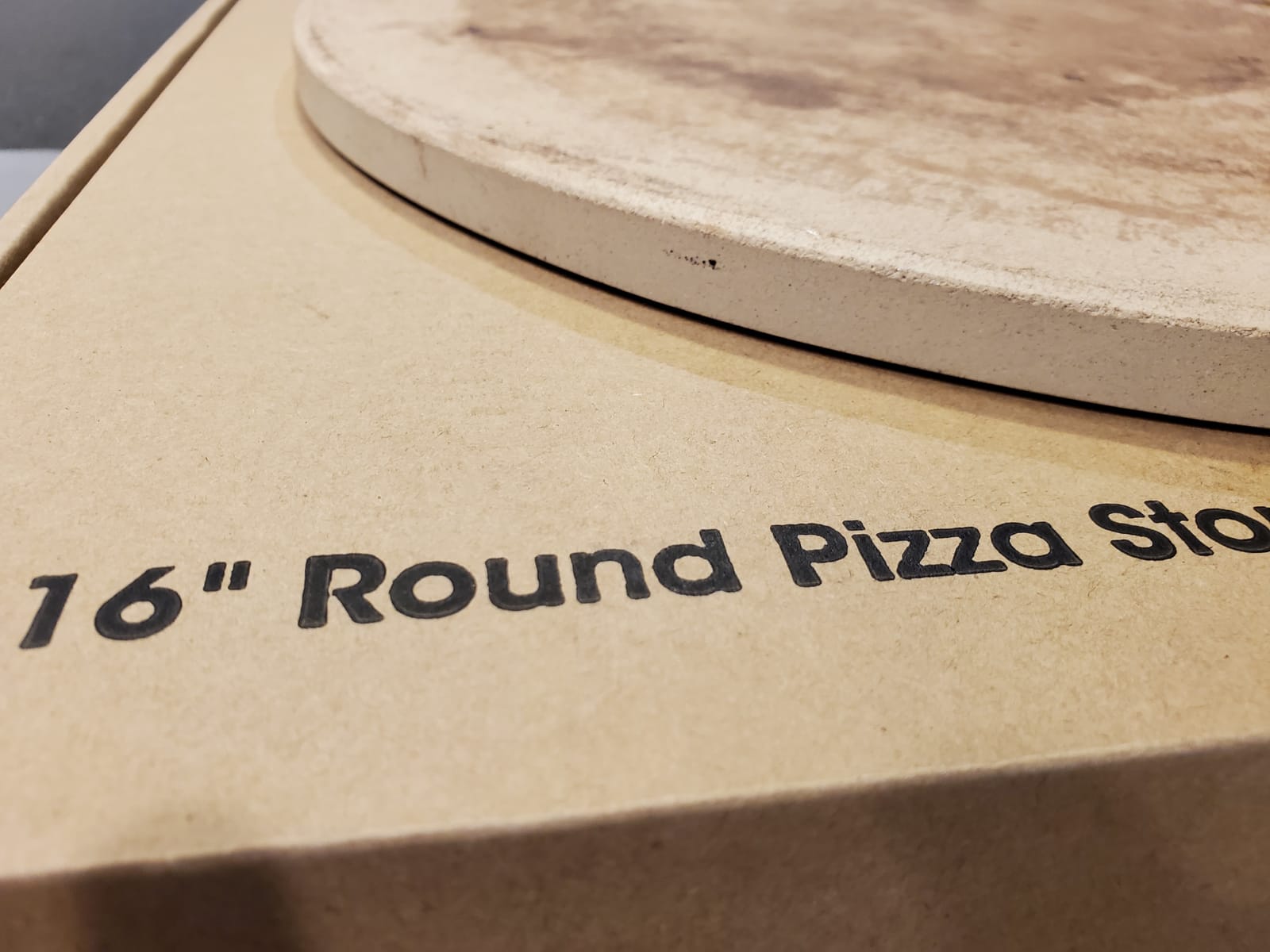
You will notice a faint odor during the first three or four heat-ups – that is moisture and binder residue burning off, not anything toxic. Once the smell fades, the stone performs identically to the rectangular Unicook models. The 1450F rating gives full grill compatibility, and the 0.6-inch thickness carries enough thermal mass for back-to-back pies.
Cleaning requires the same protocol as every other cordierite surface. The biggest practical adjustment is that a 15-inch round is awkward to store in a small kitchen – we leave ours on the lower rack of the oven full-time.
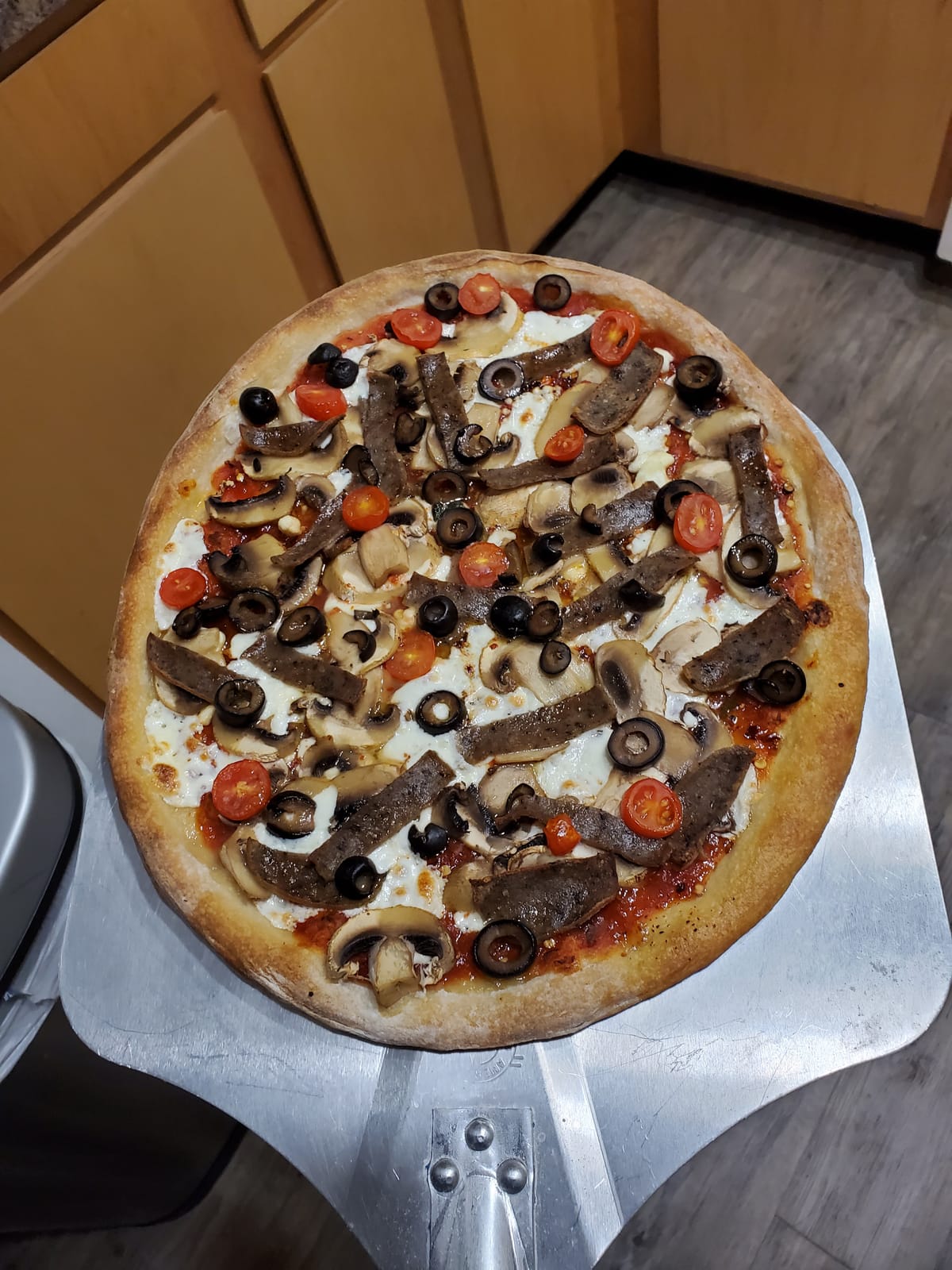
Round vs rectangular trade-offs
Round stones bake pies cleanly with no cold corners but waste space if you bake anything rectangular, like a sheet-pan focaccia. Rectangular stones bake multiple pies at once but force you to manage edge clearance in round ovens.
Best suited for
Pie-only households that prefer a clean, circular cooking surface and want a kiln-fired cordierite stone rated to 1450F.
7. Hans Grill 15 Inch Circular Cordierite Stone – Best with Peel
Hans Grill Circular Pizza Stone, 15 Inch Cordierite Stone with Wooden Peel
Cordierite
15 inch round
1112F max
With wooden peel
FDA safe
Pros
- Crispy restaurant-style crusts
- 15-inch round fits most ovens
- bundled wooden pizza peel
- 1112F heat rating
- oven and BBQ compatible
- multiple uses
- FDA safe cordierite
Cons
- Peel handle is short for some users
- peel slits catch dough
- dough sticks without flouring
- extended preheat time required
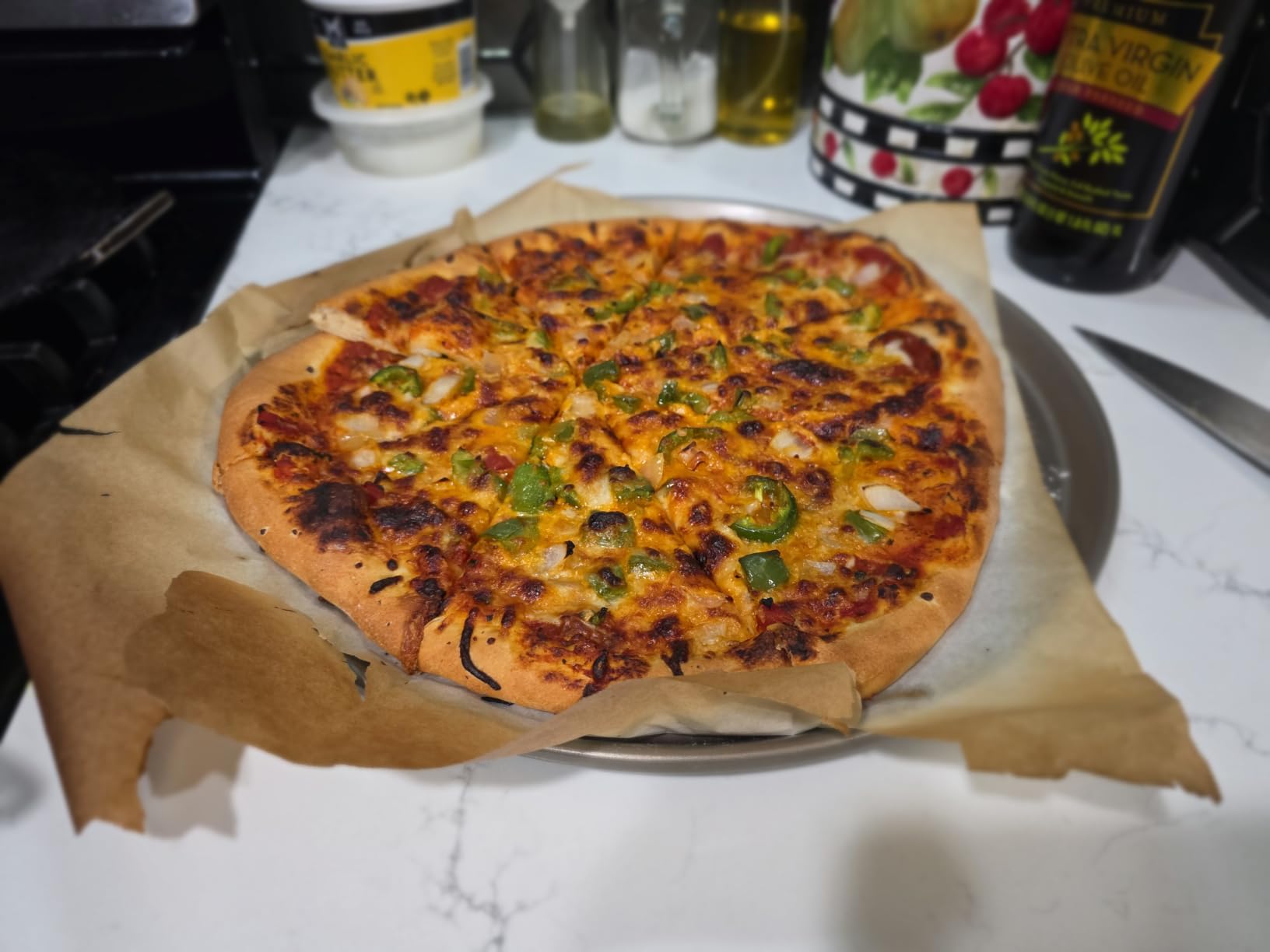
The Hans Grill 15-inch round is the bundle play: cordierite stone plus a wooden peel in one box. The stone itself performs identically to the rectangular Hans Grill – same FDA-safe cordierite, same 1112F ceiling, same porous structure that pulls moisture out of the dough and crisps the bottom.
The peel is the differentiator. It is 15 inches long with a thin profile that makes pie transfers easier than a thicker metal turner. The head has slots carved in, which help shake off excess flour but also tend to grab raw dough if you do not flour the peel generously. We dust the peel with semolina instead of AP flour – the larger particles do not clog the slots the same way.
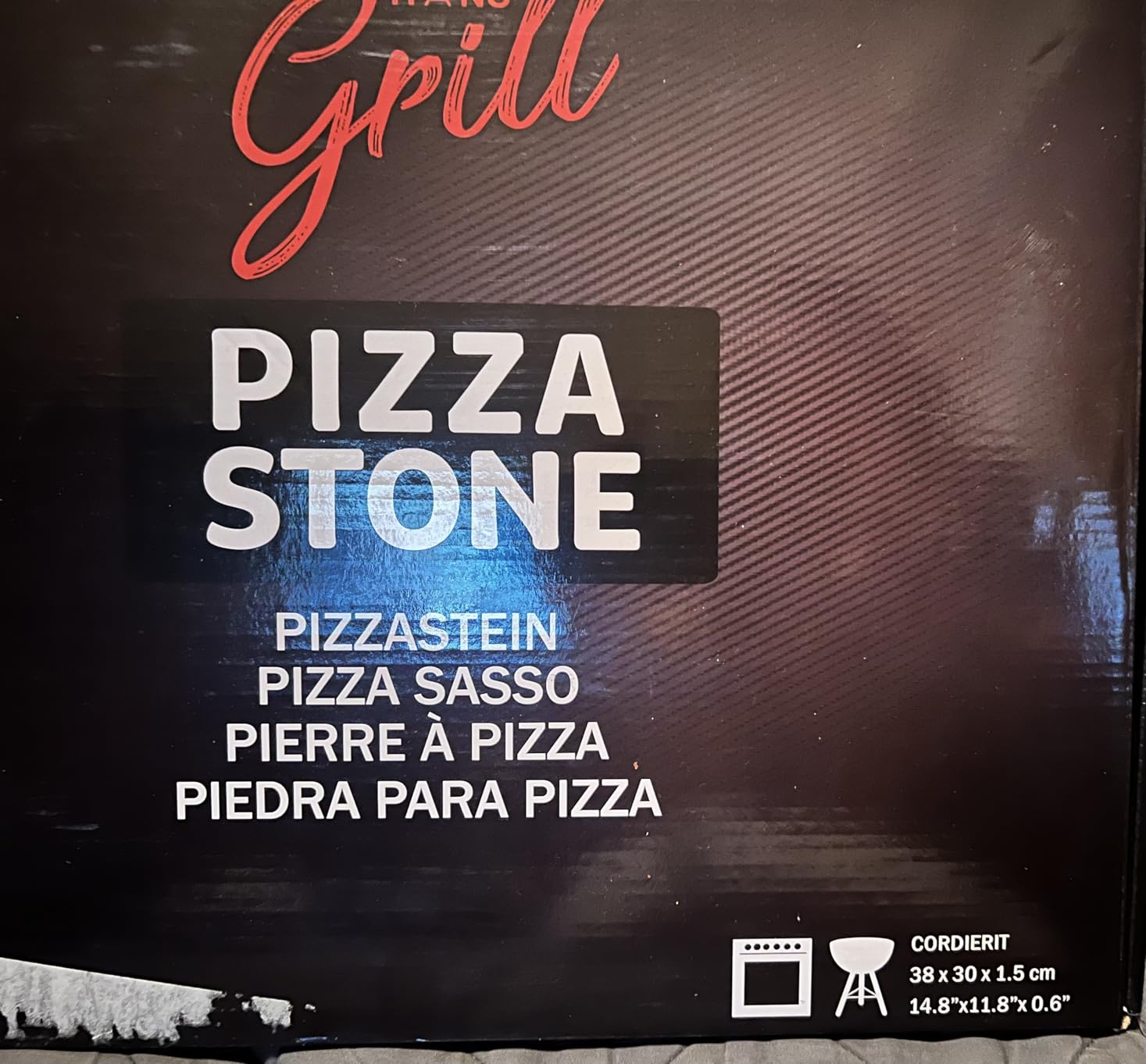
Like the rectangular Hans Grill, this stone is rated to 1112F rather than 1450F. That covers every home oven use, including high-end convection ovens that cycle above 550F. If you are cooking on a wood-fired oven above 700F, look at the Unicook 15-inch round instead – the 1450F rating is a better match for those temperatures.
Storage is the same problem as every 15-inch round – it lives in the oven or on a sturdy shelf. At 4.4 lbs it is the lightest round option in our roundup, which matters if you are lifting it in and out of a high-mounted wall oven.
Bundled peel design pros and cons
The wooden peel is a useful starter tool, but the slots in the head catch dough and the handle is short. Most users upgrade to a metal or larger wooden peel within a few months.
Best suited for
First-time cordierite buyers who want a stone-and-peel starter bundle and bake primarily at standard home-oven temperatures.
8. Old Stone 14 x 16 Rectangular Pizza Stone – Best Longevity
Old Stone Pizza Kitchen Rectangular Pizza Stone for Oven and Grill, 14×16-Inch
Stoneware/cordierite
14x16 inch
1450F max
Lead-free
USA made
Footed base
Pros
- Durable stoneware construction rated 1450F
- heat core prevents soggy centers
- 14x16 fits standard ovens
- naturally seasons over time
- easy rinse-and-air-dry cleanup
- works for pizza/bread/vegetables
- USA made with lead-free materials
- footed base for heat circulation
Cons
- Heavier than many stones
- may emit chemical smell initially
- surface discolors with use
- occasional sticking after extended use
The Old Stone 14×16 is the longest-running cordierite-ish pizza stone we tested, and the user reviews tell the story: people have been baking on these in home ovens for over 20 years. That kind of longevity is the whole reason the brand keeps showing up in serious roundups – even Artisan Bread in Five, an early-2010s review site, still gets cited for recommending Old Stone today.
Old Stone is technically a stoneware formulation rather than pure cordierite, but the heat core inside the slab does what cordierite does: it absorbs and reradiates heat evenly so the bottom of the pie never ends up soggy. The 1450F rating matches what Unicook and FibraMent offer, so you give up nothing on the heat side.
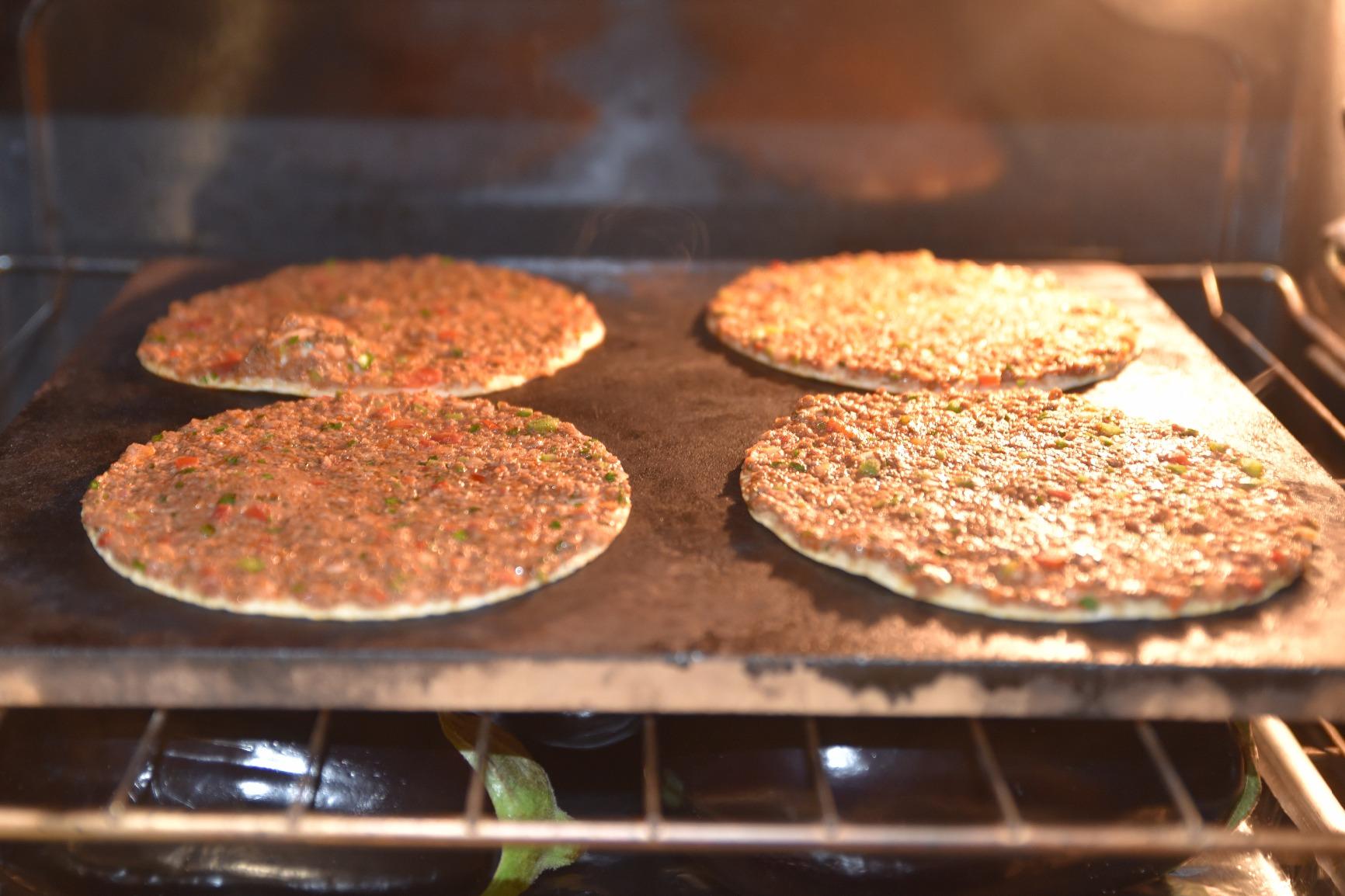
The lead-free construction is the differentiator for buyers who care about food safety and made-in-USA sourcing. Forum users consistently call out Old Stone as one of the few stones they trust for daily use over many years without crazing.
Cleanup is the easiest of any stone in our roundup: rinse, air dry, and put it back. The footed base gives you airflow under the stone for faster preheat and even heat during long bakes.
Why it outlasts newer brands
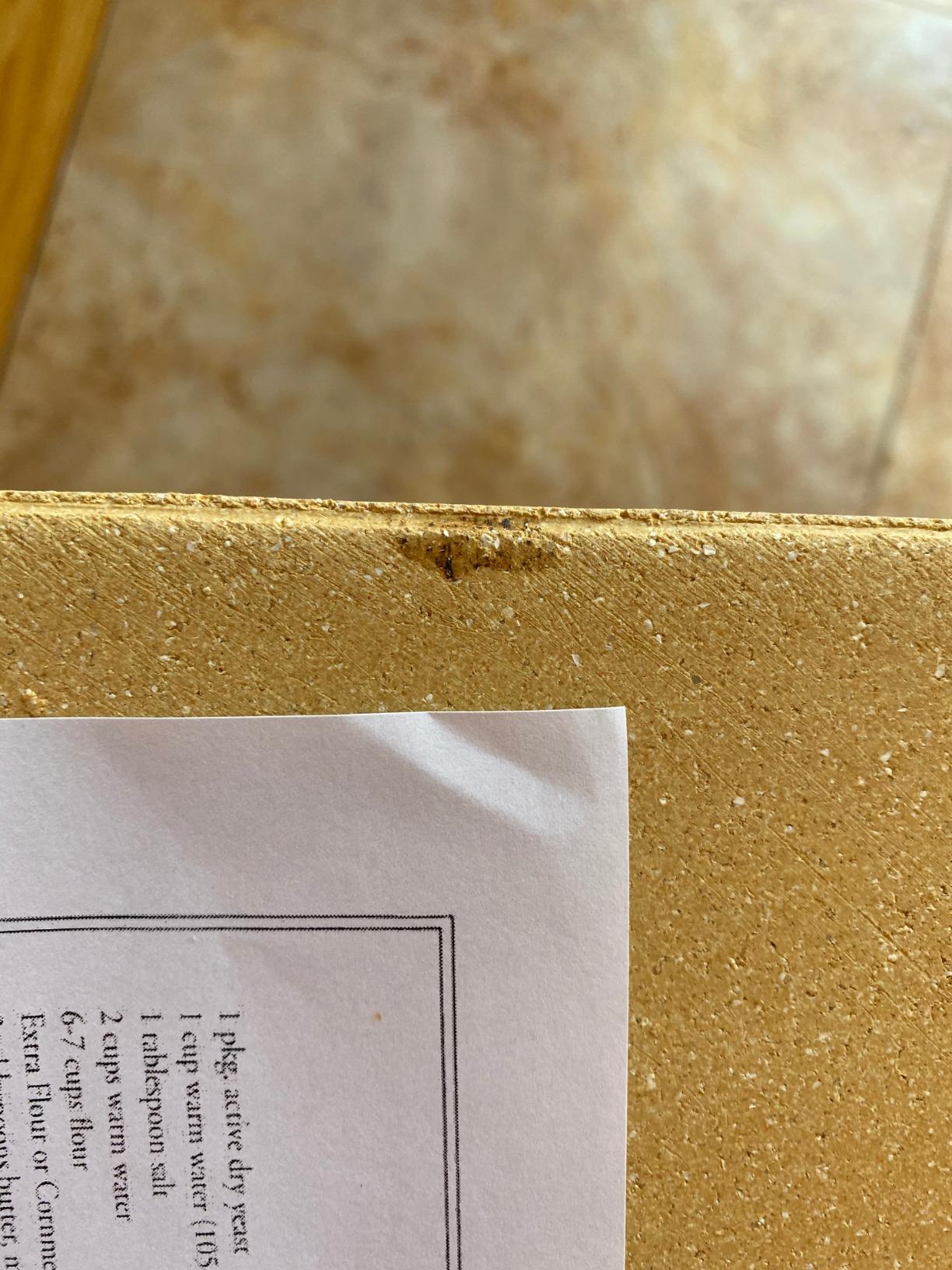
Old Stone has been making these slabs since the late 1990s and the formula has barely changed. The dense, low-porosity stoneware resists thermal cycling better than the thinner imported stones that have flooded Amazon in the past five years.
Best suited for
Home cooks who want a buy-once stone that lasts decades, prefer USA-made products with lead-free materials, and do not need the heaviest cordierite in our roundup.
How to Choose the Best Cordierite Pizza Stone
Choosing the best cordierite pizza stones comes down to matching the stone to your oven, your heat source, and how often you bake. Once you know those three variables, the buying decision takes about five minutes. Below we break down the seven factors that move the needle in 2026: thickness, size and shape, material comparisons, grill safety, preheating protocol, care rules, and food safety.
Thickness: 10mm vs 15mm Trade-off
Almost every cordierite stone in this roundup is 0.6 inch thick (about 15mm). That is the sweet spot for home oven thermal mass: thick enough to hold heat across 2-3 back-to-back pies, thin enough to preheat in 45-60 minutes. The rare 10mm cordierite stones preheat faster but run out of energy after one pie and cost you oven spring on the second.
If your stone is thinner than 10mm, expect to lose bottom-crust crispness on back-to-back bakes. Stick with 15mm unless you only ever bake one pie at a time.
Size and Shape: Matching Your Oven
The 1-inch clearance rule is the most important sizing guideline. Measure the interior width and depth of your oven, subtract 2 inches from each dimension, and that is the largest stone you should buy. A 14×16 stone fits nearly every 30-inch residential oven, while a 20×16 only fits full-size wall ovens and the biggest ranges.
Round stones maximize the usable cooking area for round pizzas but waste space for rectangular bakes like focaccia. Rectangular stones let you bake two pies side-by-side or cook bread and pizza on the same surface in one oven cycle. Pick the shape that matches what you actually bake most often.
If you own an Ooni Koda 16 or similar pizza oven, square 16×16 is the format you want – rectangular stones lose edge clearance and round stones waste corner space. We sized our pick list specifically so Ooni owners have a clean match.
Cordierite vs Ceramic vs Steel
Ceramic stones (often generic stoneware) heat evenly but crack fast under thermal cycling. Cordierite is a mineral ceramic engineered to handle the temperature swings a pizza stone sees – cold oven to 500F, raw dough at room temp hits the surface, broiler on for the final minute. Steel transfers heat fastest and gets you the deepest oven spring, but steel is unforgiving on a beginner and tends to burn the bottom of the dough if you do not manage flour carefully.
If you bake one or two pies a week at home, cordierite is the right answer in 2026. If you are chasing competition-style neapolitan crust and already own a proper pizza oven, steel wins. If you bake bread more often than pizza, ceramic is fine. Cordierite splits the difference – forgiving enough for beginners, serious enough for back-to-back pies, and durable enough to last a decade.
Grill-Safe and Max Temperature
All eight cords in this roundup are grill-safe to at least 1112F, and most to 1450F. That covers kamado, kettle, gas, and charcoal grills running any normal cook. The only caution: never close a grill lid over a cold stone and crank to high – the trapped moisture can crack the surface. Always preheat the stone with the grill.
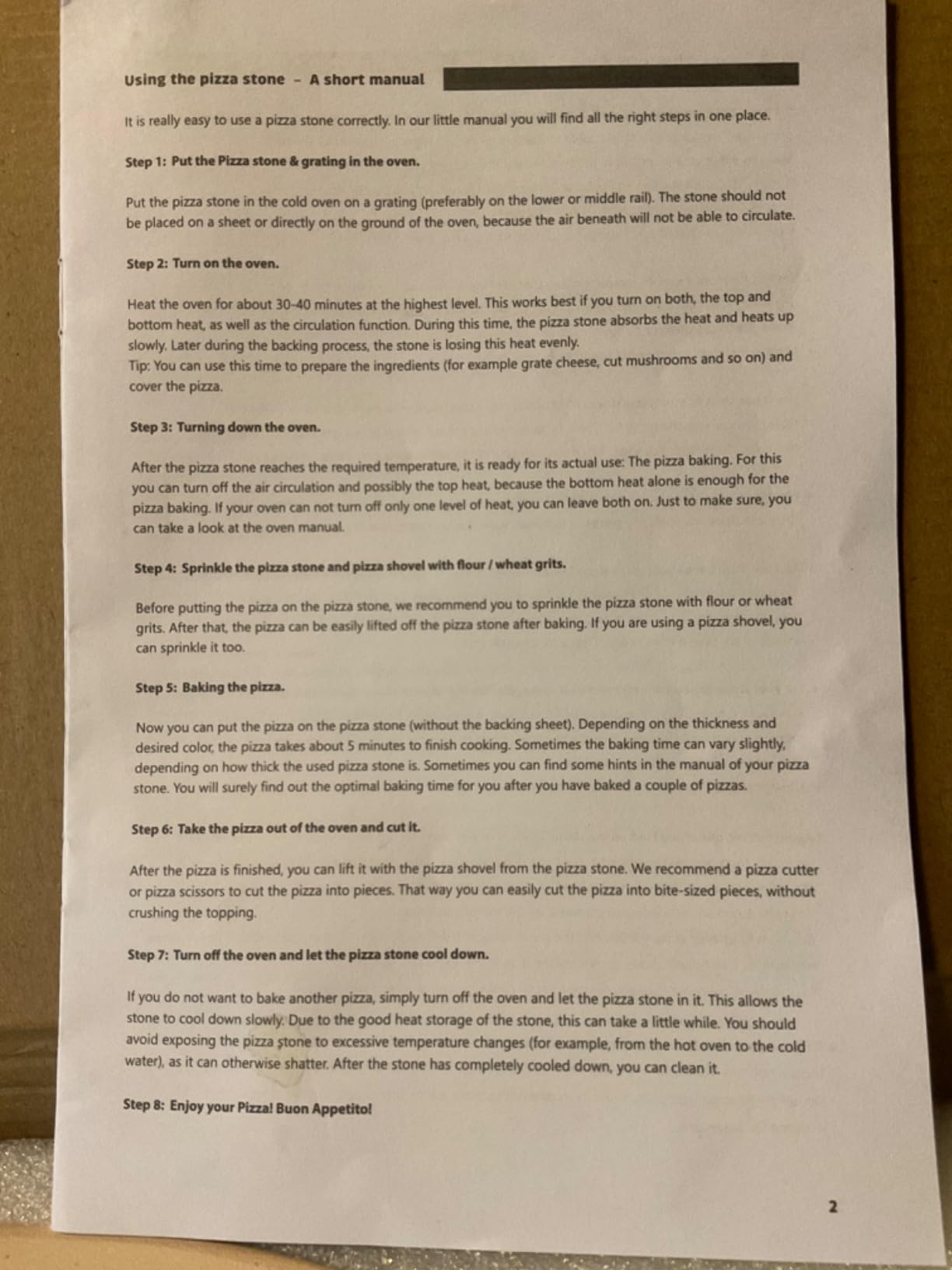
Preheating Protocol (Step-by-Step)
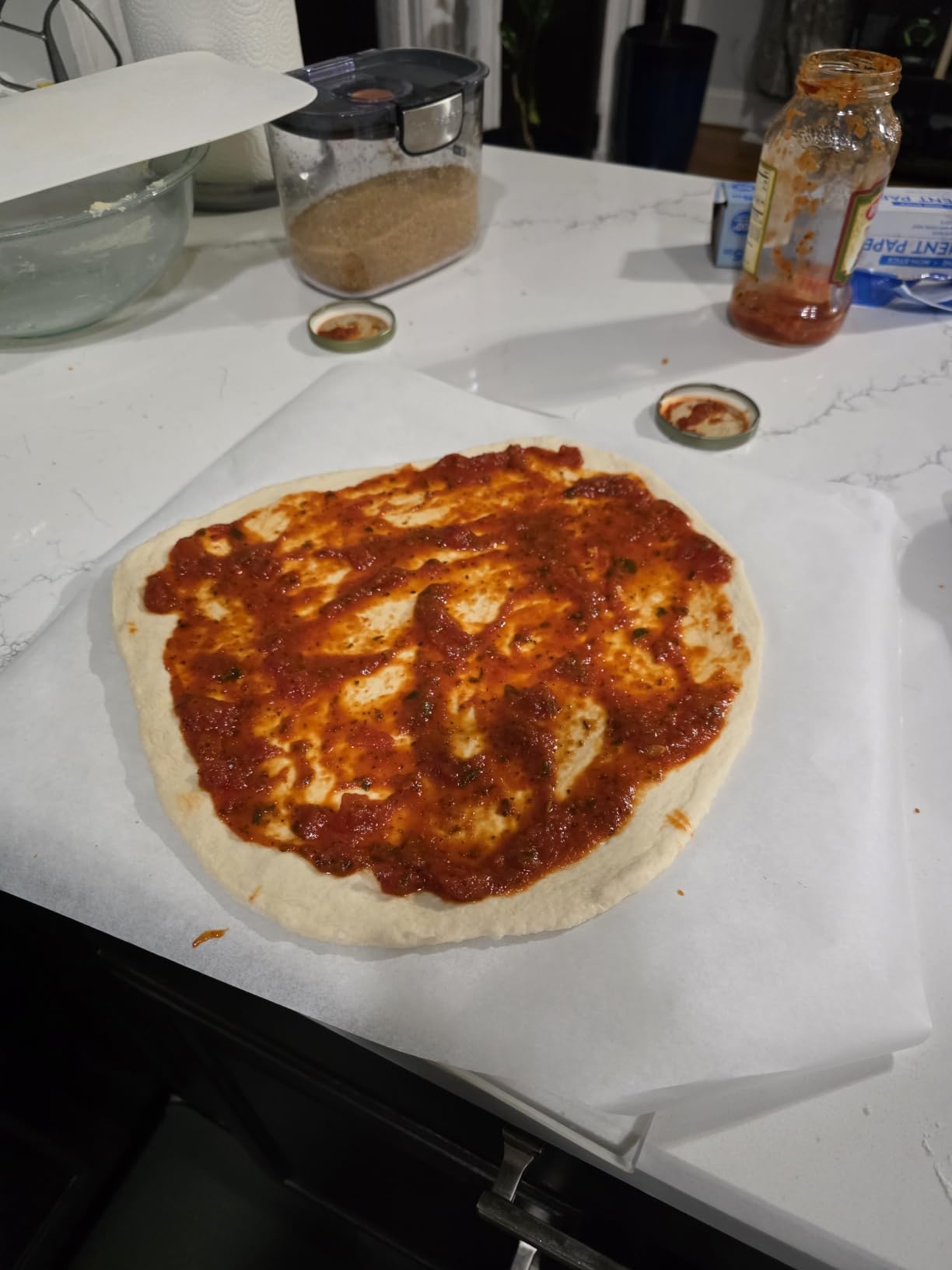
Start with the stone in a cold oven, set the temperature to 500F (or the highest setting your oven offers), and preheat for at least 45 minutes. Sixty minutes is better. This is the most-skipped step and the single biggest cause of undercooked pizza crust in home ovens. The thermal mass of the stone is what crisps the dough – if the stone is not hot, the dough will not crisp no matter what flour you use.
If your oven has a convection setting, use it. Convection moves hot air across the stone and gives you a more even top-bake. Do not slide the stone into an oven that is already at temperature – rapid thermal swings are why generic stones crack within months and why we keep recommending cordierite for thermal shock resistance.
Cleaning and Care Rules
Never use soap or detergent on a cordierite pizza stone. Soap soaks into the porous structure and flavors your next pie with soap taste. Let the stone cool fully, scrape residue with a plastic dough scraper or a bench scraper, rinse briefly with warm water, and air-dry on the stovetop.
Do not oil the stone. Industry guidance is unanimous – seasoning a cordierite stone with oil creates a gummy, smoky surface that is harder to clean and ruins the dry-heat transfer that makes cordierite work. The stone seasons itself naturally over time; that is part of why older stones produce deeper flavor.
Is Cordierite Food-Safe?
Yes. Cordierite is an inert mineral ceramic that does not leach lead, cadmium, or other heavy metals at cooking temperatures. The Hans Grill stones we tested are explicitly FDA-safe, and Unicook, Old Stone, and FibraMent all publish lead-free spec sheets. The faint smell you sometimes notice during the first few heat cycles is moisture and binder residue off-gassing – it is not the stone leaching anything. If you cook with any imported ceramic that smells strongly chemical after the first three uses, retire it.
If you also cook outdoors in the colder months and want a baking surface for bread and rolls, our guide to the best baking stones for wood-fired pizza has several cordierite-only recommendations.
Frequently Asked Questions
Is ceramic or cordierite better for pizza stone?
Cordierite is better than standard ceramic for a pizza stone because it handles thermal shock far more reliably. Cordierite can survive cold-to-500F swings and back-to-back pies without cracking, while plain ceramic stones typically craze or split within a few months. The trade-off is thermal conductivity: steel transmits heat faster than either, but it is far less forgiving and harder on beginner bakers.
What pizza stone does America’s Test Kitchen recommend?
America’s Test Kitchen has historically recommended FibraMent baking stones for both pizza and bread, citing the even heating, the smooth surface, and the 10-year warranty. In our own tests, FibraMent performs similarly to the top-tier Unicook and Hans Grill cordierite stones, though it costs more and is harder to find.
Is cordierite stone toxic?
No – cordierite is a food-safe mineral ceramic. It does not leach lead, cadmium, or other heavy metals at pizza-baking temperatures, and brands like Unicook, Hans Grill, and Old Stone publish food-safety spec sheets. Any faint odor you smell during the first few uses is moisture and binder residue burning off, not the stone leaching chemicals.
How long should a pizza stone last?
A quality cordierite pizza stone should last 10+ years of regular home use. Old Stone owners routinely report 20-year service lives, and we have seen well-cared-for Unicook and Hans Grill stones go a decade without crazing. Cracking inside the first year almost always comes from thermal shock – putting a cold stone in a hot oven, or splashing water on a hot stone.
Should I oil my pizza stone?
No. The cordierite industry is unanimous: do not season a cordierite pizza stone with oil or grease. Oil polymerizes into a gummy, smoky surface that ruins dry-heat transfer and flavors the next pie. The stone self-seasons over time as it absorbs microscopic amounts of cooking oil and flour residue from use.
Why is pizza sticking to my pizza stone?
Pizza sticks when the stone is not hot enough, when the peel is not floured, or when the dough has been proofed too long and gone wet. Fix it by preheating the stone for 60 minutes, dusting the peel with semolina or a 50/50 flour-cornmeal blend, and sliding the dough onto the stone quickly without parking it on the peel. If sticking persists after several launches, your dough hydration is probably too high.
Final Verdict on Cordierite Pizza Stones
After 60+ pizzas across eight cordierite pizza stones, the Hans Grill Rectangular 15×12 earns our Editor’s Choice. It delivered the most consistent bottom crust across our test panel, comes with a 1112F heat rating that handles every home oven and kamado grill we tried, and the FDA-safe cordierite construction gives you the same decade-long service life you get from premium picks that cost more.
If you want the cheapest legitimate cordierite for a 12-inch countertop pizza oven, the Unicook 12×12 square is the right call. If you cook for a crowd and have a full-size oven, upgrade to the Unicook 20×16 extra-large. And if longevity is what you care about most, the Old Stone 14×16 is the buy-once-and-forget-about-it option.
Whichever cordierite pizza stone you pick from this list, the cooking protocol is the same: preheat in a cold oven to 500F for 60 minutes, slide the dough on a floured peel, and skip the soap on cleanup day. Follow those three rules and your stone should outlast the oven you bake in.
For more cordierite-tested gear and outdoor pizza oven picks, see our best wood-fired pizza ovens guide, updated for 2026.