
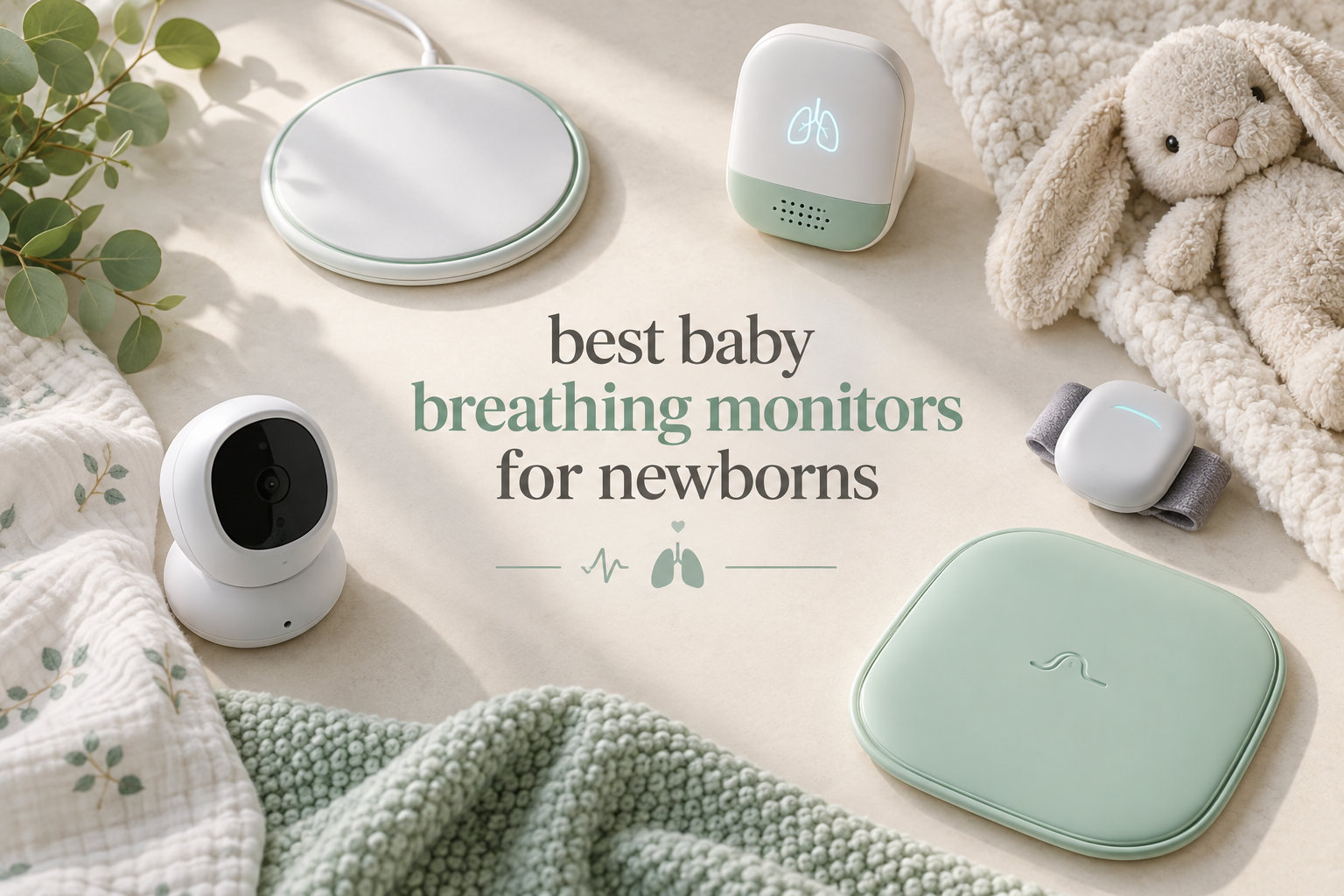
A baby breathing monitor is a device that tracks a newborn’s chest and abdominal micro-movements during sleep and raises an alert if it detects no movement for roughly 15 to 20 seconds. Most use a vibration stimulus first to rouse the baby, then escalate to a loud audible alarm on the parent unit if breathing does not resume.
We spent six weeks comparing the best baby breathing monitors for newborns, testing alert timing, false-alarm behaviour, and how each device handles a swaddled baby on a firm crib mattress. If you only have time for one answer, the Babysense True Sleep HD pack is the most complete setup: it pairs a 5 inch HD camera with two non-contact under-mattress sensors and needs no WiFi for core monitoring.
Here is the honest part first. No consumer baby monitor prevents, predicts or detects SIDS. The American Academy of Pediatrics does not recommend consumer monitors to reduce SIDS risk, and the Lullaby Foundation makes the same point. What these devices do is turn an invisible pause in breathing into an audible alert in seconds, which is why parents use them through the highest-risk first three months.
They are a reassurance tool layered on top of safe sleep practice, never a replacement for it: baby on the back, firm flat mattress, empty sleep space, no loose bedding, room sharing, and no overheating. If your baby was born preterm, had apnea episodes in the NICU, or comes home on an apnea monitor, keep following your pediatric team’s advice first and treat anything here as a secondary layer.
This guide is for parents in that first newborn window. If you are still choosing a general video unit, start with our best baby monitors roundup and add one of the breathing devices below as a second layer rather than replacing it.
Table of Contents
Top 3 Picks: Best Baby Breathing Monitors for Newborns (October 2026)

Babysense True Sleep HD Pack
- Two non-contact under-mattress sensors
- 5 inch HD video with night vision
- No WiFi needed for core monitoring
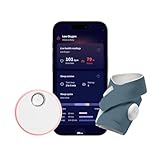
Owlet Dream Sock
- Pulse rate and oxygen saturation
- Soft fabric sock worn on the foot
- Predictive sleep trend tracking

Lollipop Baby Monitor
- AI contactless breathing monitoring
- True crying detection
- Crossing detection alerts
The Babysense pack covers the whole crib with two sensor pads and adds night vision in the same box, so you are not building your setup from two brands. The Owlet Dream Sock reports real pulse rate and oxygen saturation, and the Lollipop is an affordable route into AI breathing and sleep history on a phone with no receiver to charge.
Best Baby Breathing Monitors for Newborns at a Glance
The table below is the fastest way to compare the best baby breathing monitors for newborns by sensor position, what the device actually measures, and whether it needs WiFi, an app, or a subscription. Every product below sits within the same broad category of home breathing and movement monitoring, and none of them is a SIDS detector.
| Product | Specs | Action |
|---|---|---|
| Babysense True Sleep HD Monitor and Movement Sensor Pack |
|
Check Latest Price |
| Owlet Dream Sock Smart Baby Monitor |
|
Check Latest Price |
| Lollipop Baby Monitor with AI Breathing Tracking |
|
Check Latest Price |
 Owlet Dream Duo Smart Baby Monitor Owlet Dream Duo Smart Baby Monitor |
|
Check Latest Price |
 Levana Oma Sense Portable Breathing Monitor Levana Oma Sense Portable Breathing Monitor |
|
Check Latest Price |
 Babysense 7 Baby Movement Monitor Babysense 7 Baby Movement Monitor |
|
Check Latest Price |
 Snuza Hero Baby Movement Monitor Snuza Hero Baby Movement Monitor |
|
Check Latest Price |
 Sense-U AI 2.5K PTZ Baby Camera with Movement Detection Sense-U AI 2.5K PTZ Baby Camera with Movement Detection |
|
Check Latest Price |
1. Babysense True Sleep HD Baby Monitor and Movement Sensor Pack – Best Overall
Babysense True Sleep HD Baby Monitor with Camera and Audio + Baby Sleep Movement Monitor, No WiFi, 2 Non-Contact Under Mattress Sensors, Non-Wearable Monitor, Full Crib Coverage
Non-contact under-mattress sensing
2 sensor pads for full crib
5 inch HD PTZ camera
IR night vision
No WiFi
Pros
- Nothing attaches to the baby
- Full crib coverage from two pads
- Movement alerts work without WiFi
- Camera and sensors in one box
- 7402 reviews at 4.4 stars
Cons
- Sensor pads are sensitive to ceiling fan and AC air currents
- Cords must be routed out of the crib
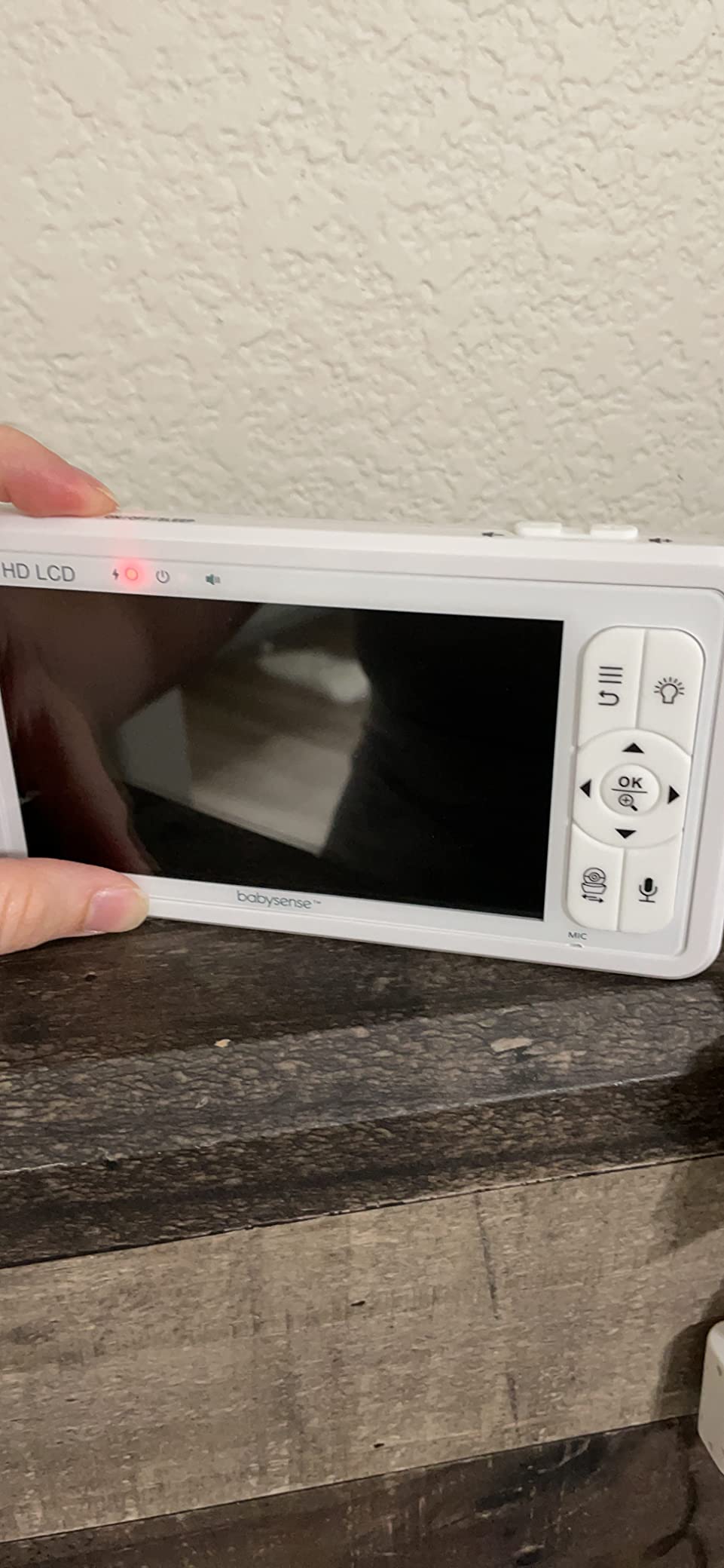
- Camera feed lives on the handheld unit not a phone app
This is the only product in the roundup that solves two problems at once. The Babysense 7 movement side watches the mattress for micro-movements, and the bundled 5 inch HD camera with pan-tilt-zoom and an adjustable night light handles the visual side without needing a separate purchase. For most families setting up a nursery in 2026, that combination is the whole setup.
Our favourite part is how little you have to attach to the baby. Two sensor pads sit under a firm flat mattress and detect individual breaths and flinch-level movement through the surface, so a swaddled newborn who cannot roll or kick is not going to dislodge anything. There is no sock fit to fiddle with at 3am and no skin contact to worry about.
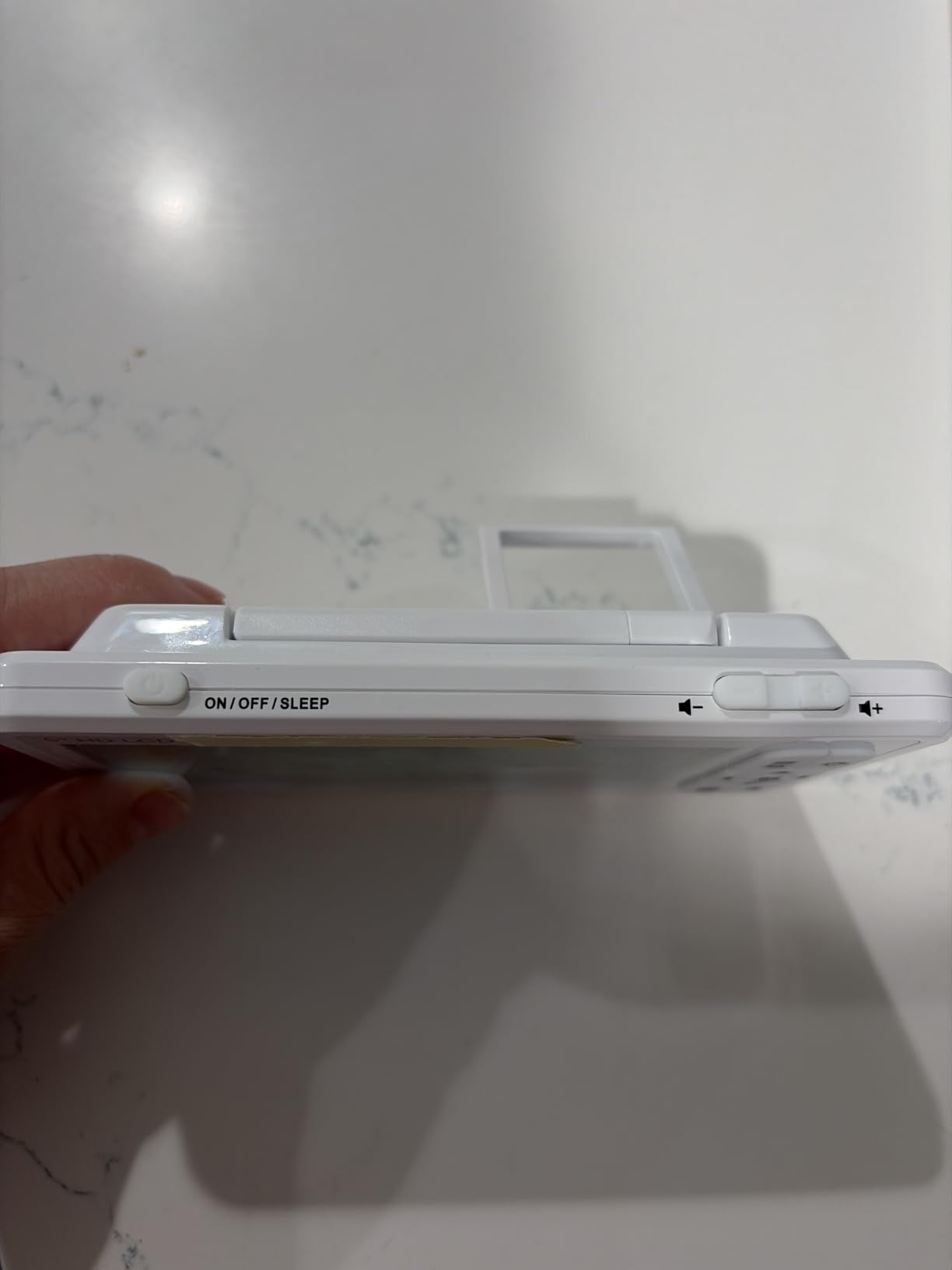
The 4.4 star average across 7402 reviews is the largest review base we looked at, and that matters for a device you will trust with a sleeping infant. Owners consistently point to the zero-contact sensing and the fact that movement alerts keep working when the WiFi router does not. The two-way audio, lullabies and white noise on the parent unit cover the rest of the monitoring job.
The honest weakness is airflow sensitivity. Multiple owners report the sensor picking up a ceiling fan or air conditioning draft and alarming when the baby was simply still. The second real drawback is cable management, since the sensor cords have to leave the crib entirely and cannot run through the rail. If your nursery has no way to route a cord, budget for a cable channel along the wall.
What works well in a real nursery
The two-pad layout is the practical win. One pad covers the head end of the crib and one covers the foot, so a rolling baby does not drift out of the detection zone the way single-pad setups can. Owners also like that the movement light is visible from across the room, which means you are not lifting your head every thirty seconds to check.
Because the system runs on its own connection, a router reboot or a dropped phone does not silence the alarm. That is the single most important reliability property in this category, and this pack has it. If you also want a camera with better low-light handling, compare it against our baby monitor picks under 200 dollars before you settle.
Where it falls short
The bundled camera is fixed to the handheld parent unit rather than your phone, so you do not get the multi-camera and phone-notification ecosystem that app-based units offer. The pads also need a hard mattress base, and memory foam or pocket-spring mattresses reduce sensitivity. Finally, the combined unit is bulkier than a standalone pad, which matters in a small nursery.
2. Owlet Dream Sock Smart Baby Monitor – Best for Pulse and Oxygen Data
Owlet Dream Sock Smart Baby Monitor, Better Sleep for Baby & You
Optical pulse oximetry in a fabric sock
Real-time pulse rate and oxygen
Base station plus phone alerts
256-bit encryption
Pros
- Reports real pulse rate and oxygen saturation
- Soft sock babies rarely notice
- Alerts on base station and phone
- Predictive sleep trend reporting
Cons
- Will not pair on 5 GHz-only networks
- Sock fit is finicky on small newborn feet
- Thrashing sets off connection alerts
- Sock battery drains over time
The Owlet Dream Sock is the only monitor here that reports actual blood oxygen saturation and pulse rate, which makes it the closest thing to a clinical device you can buy without a prescription. Optical sensors sit inside a soft fabric sock worn on the foot, and readings leave preset zones trigger alerts on both the base station and your phone.
Conceptually, it is the most informative option. When it says your baby is at 91 percent saturation, that is a real number, not a movement inference. Parents of NICU graduates mention it repeatedly as the device that let them stop hyper-checking during the night, and the Predictive Sleep Technology adds wake window and sleep trend reporting on top of the vitals.
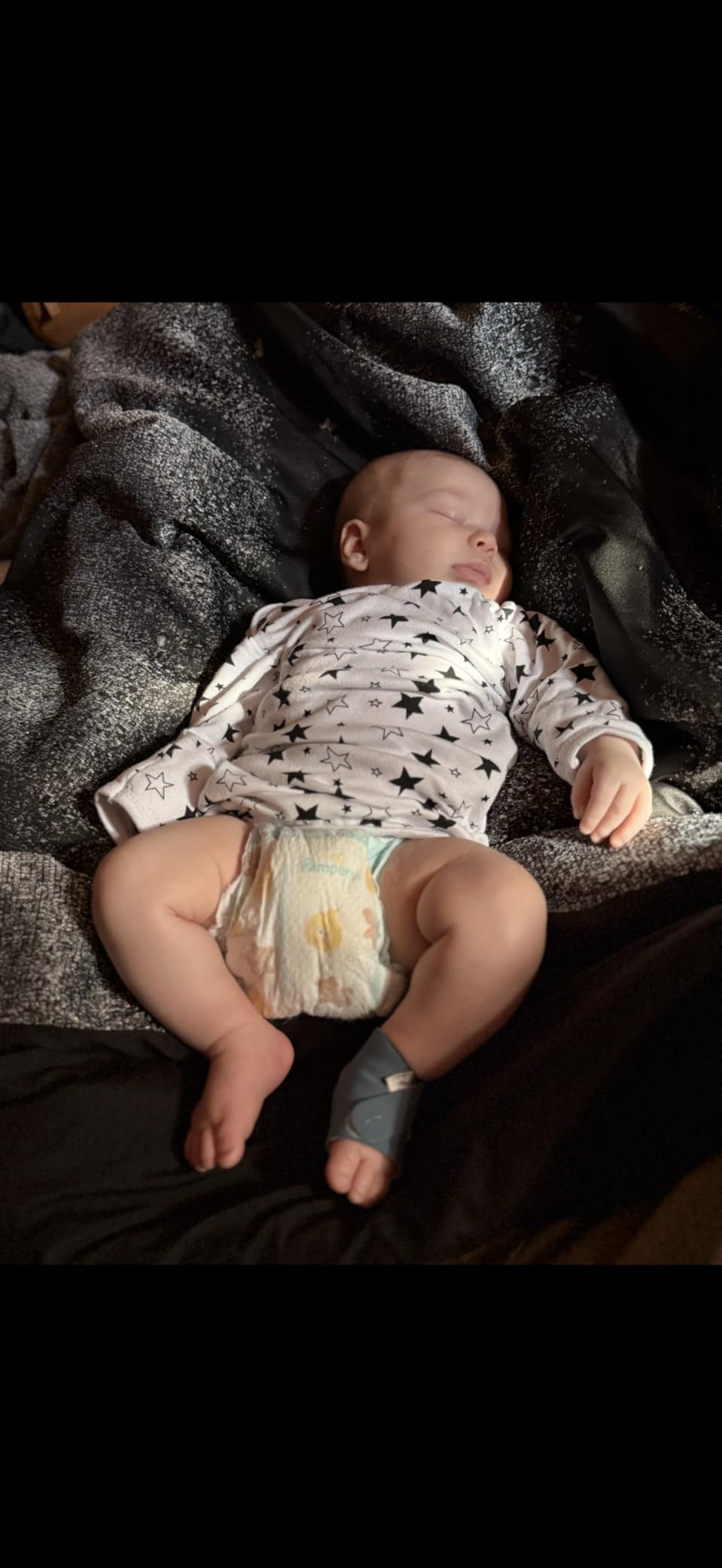
It also carries the lowest average rating in this roundup at 4.0, with a 15 percent one-star share, so read the complaints carefully. Fit is the biggest one. A skinny newborn foot or a sock that has rotated during the night triggers placement alerts, and kicking during a diaper change breaks the connection. Owners also report battery degradation over months of use, where a charge that once lasted a full night no longer does.
There is a networking constraint worth knowing before you buy. The sock runs on 2.4 GHz Wi-Fi and Bluetooth, and it will not pair on a 5 GHz-only network, so check your router settings first. Some data is also gated behind the optional Owlet360 upgrade, which is a recurring cost if you want daily reports and long-term trend history.
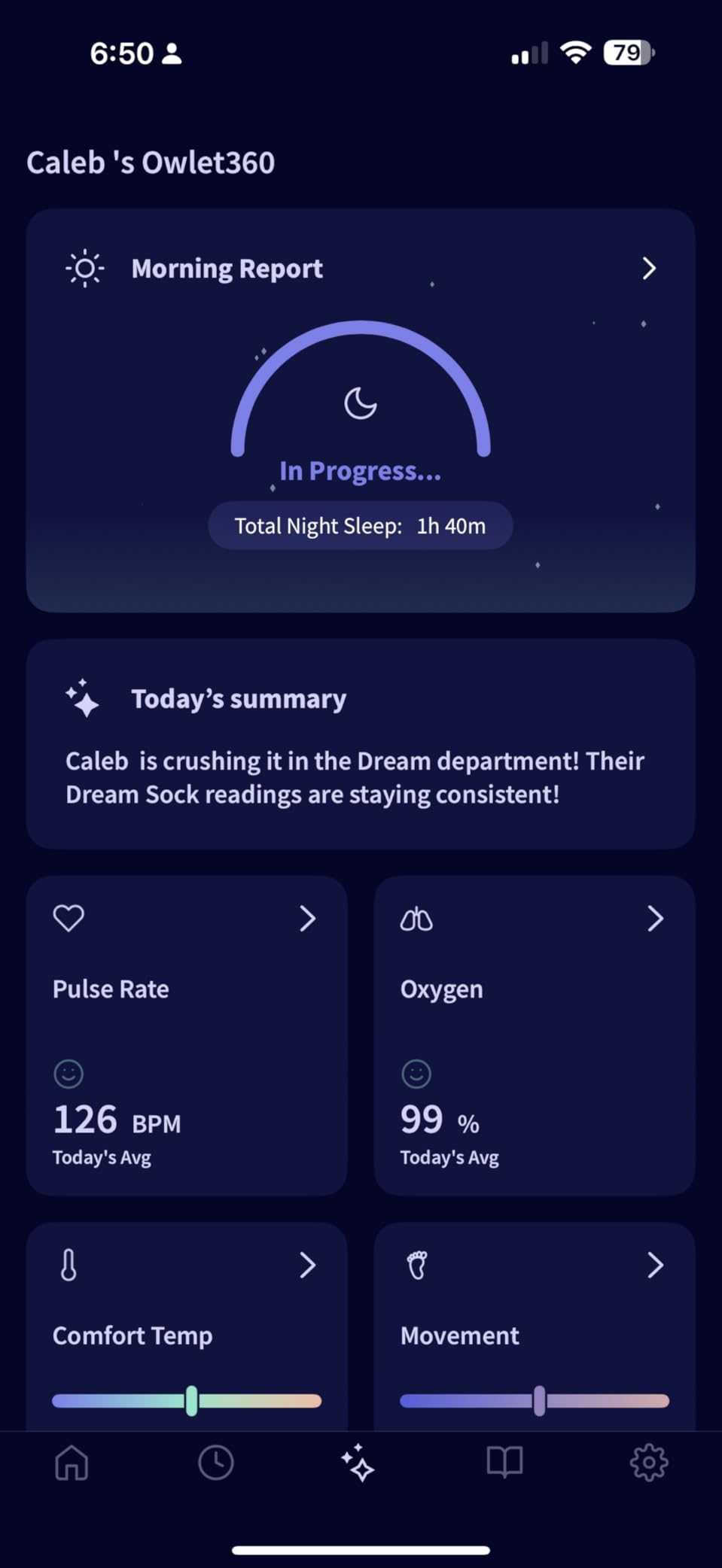
When real oxygen data changes your night
If your baby has a documented apnea history, this is the pick. Oxygen saturation data gives you something a movement sensor cannot: a way to see how low readings actually dip and whether a positional change helps. The base station light and sound alerts are loud enough to wake a sleeping parent, and 256-bit encryption protects the health data it transmits.
Fit is the whole game. Owners who get a snug, correctly placed sock report genuine peace of mind, and the difference between those reviews and the negative ones is almost always placement. Budget a few nights of practice in a swaddle before you rely on it, and re-check position after every diaper change in the early weeks.
When it is the wrong tool
Skip it if you are on a 5 GHz-only network, if you travel frequently, or if you want a device that works entirely without an app. The data is only as good as the connection to the base station, and the sock has to stay within range of it. It is also the highest-cost option here once you factor in the optional plan, and the lowest-rated on owner satisfaction.
3. Lollipop Baby Monitor with AI Breathing Tracking – Best Value
Lollipop Baby Monitor (Turquoise) – Full-Featured Smart Wi-Fi Camera of True Crying Detection with Extra in-App Plan of Breathing Monitoring/Sleep Tracking-Accessories Free/7 Days Trial Period
Sensor-free AI video analysis
1080p full HD
Background audio with screen off
Cry detection
Crossing detection border
Pros
- Nothing to attach to the baby or crib
- Excellent day and night image quality
- Cry detection cuts through white noise
- Background audio saves phone battery
- Portable and easy to position
Cons
- Breathing and sleep data need a paid plan after trial
- Weak-signal homes cause dropouts
- App interface is not intuitive
- Built-in sound machine overwhelms the microphone
The Lollipop takes a completely different approach. There is no wearable, no under-mattress pad, and no sensor touching anything. A 1080p camera runs AI video analysis to estimate respiratory rate, log sleep position history, and detect true crying as distinct from ambient noise like wind or a fan.
Because the analysis happens in the cloud on the video feed, you get breathing history you can look back on the next morning rather than a single live reading. Cry detection is accurate in owner reviews, and crossing detection will alert you when a limb leaves a defined crib zone, which is genuinely useful for a newborn who has started rolling.
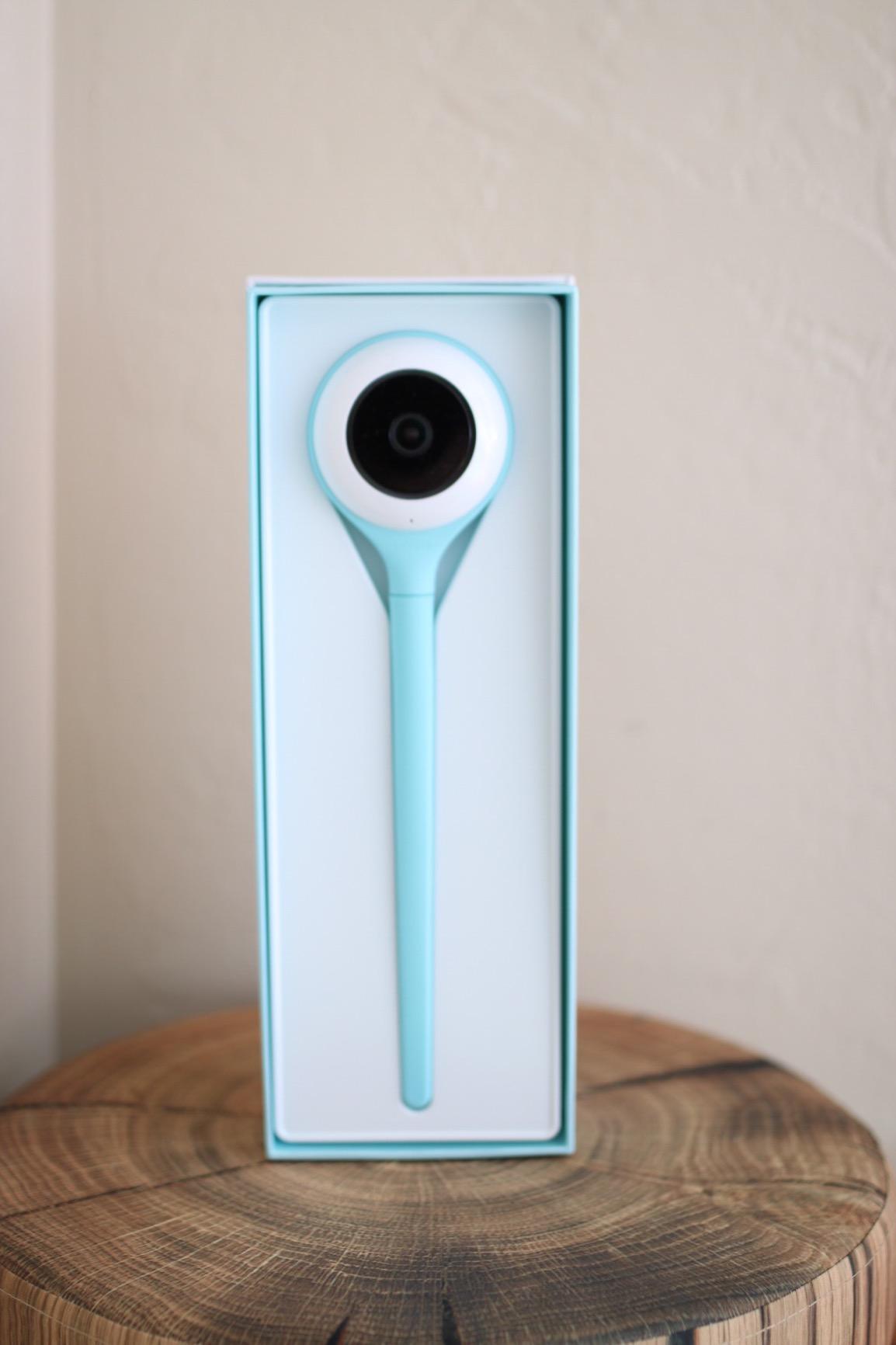
Two features make it a pleasure to run overnight. Background audio mode keeps the microphone stream running with the screen off, so your phone is not burning battery on a live video feed all night. Twelve nature sounds, push-to-talk two-way audio, and AWS cloud account sharing let grandparents watch without a second physical unit.
The catch is the subscription structure. The core plan is free, and breathing monitoring and sleep tracking come with a 7-day trial before moving to a paid in-app plan. That is a reasonable model, but if you plan to lean on the breathing history long term, treat the plan as part of the cost rather than a free bonus. Performance also depends on your Wi-Fi, and owners in weak-signal homes report dropouts.
Why a camera works for some families
The strongest argument for this approach is that there is nothing to go wrong. No clip to loosen, no cord to route, no sock to rotate, and no mattress compatibility question. That removes the entire category of false alarms that plagues wearables and pads. Owners also praise the wide field of view and the image quality in a dark nursery.
It pairs well with a separate audio-only monitor in a two-nursery setup, since it runs entirely on your phone and needs no parent unit to charge. Just be aware that if you use the built-in sound machine in the same room, it can overwhelm the microphone and reduce cry detection accuracy. Keep the sound source in the parent room instead.
Where the subscription bites
Respiratory rate and sleep tracking sit behind the paid plan after the trial, and the app hides some functions depending on whether you are in detailed or simplified view, which owners consistently find confusing. Firmware and Android app updates have caused connectivity regressions for some users, so give it a full night trial before you commit.
4. Owlet Dream Duo Smart Baby Monitor – Best for Video Plus Vitals
Owlet® Dream Duo (Gen 1) Smart Baby Monitor: FDA-Cleared Dream Sock® plus Owlet Cam 2 – Tracks & Notifies for Pulse Rate & Oxygen while viewing Baby in 1080p HD WiFi Video
FDA-cleared Dream Sock with pulse and oxygen
1080p HD WiFi camera
Base station and in-app alerts
Four fabric socks for 0-18 months
Pros
- Real pulse and oxygen plus 1080p night vision
- Four socks fit the 0-18 month range
- Base station alerts wake a sleeping parent
- Popular with NICU graduate parents
Cons
- Bundled camera has low frame rate and panning lag
- Motion alerts are noisy and video is not stored
- App limits data and blocks custom thresholds
- Gen 1 temperature sensor can read incorrectly
- U.S. version only
The Dream Duo bundles the FDA-cleared Dream Sock with an Owlet Cam so you get vitals and video in one package. It is the most complete single purchase here if you want both, and the FDA clearance for healthy infants 1-18 months, 6-30 lbs, puts it in a different regulatory category from everything else in this roundup except the standalone sock.
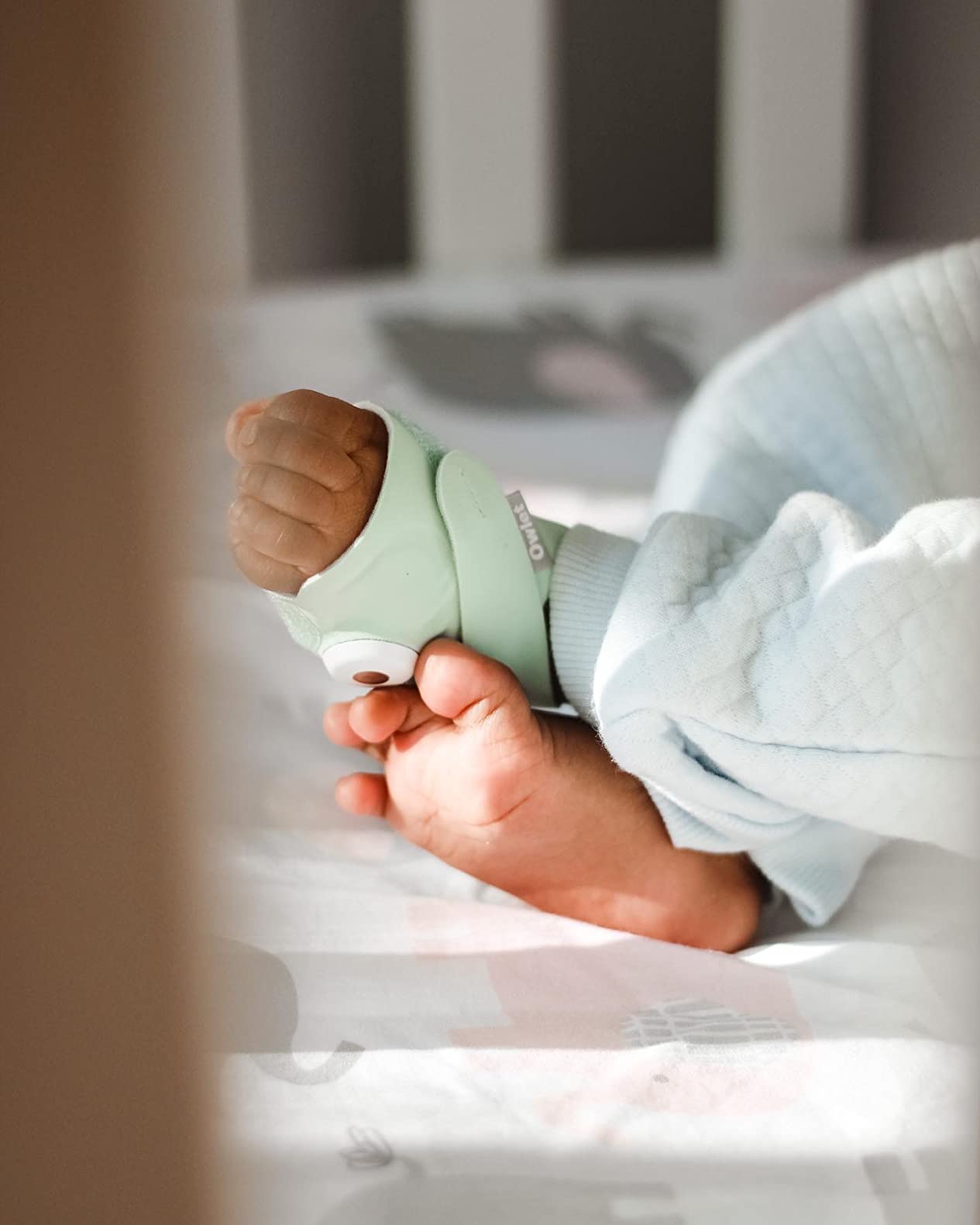
Live pulse rate, oxygen, wakings and sleep trends appear in the app, and the base station gives you light and sound alerts when readings leave preset ranges. Four fabric socks are included, sized for 0-18 months, so you are not replacing them every few weeks as a newborn outgrows the first one.
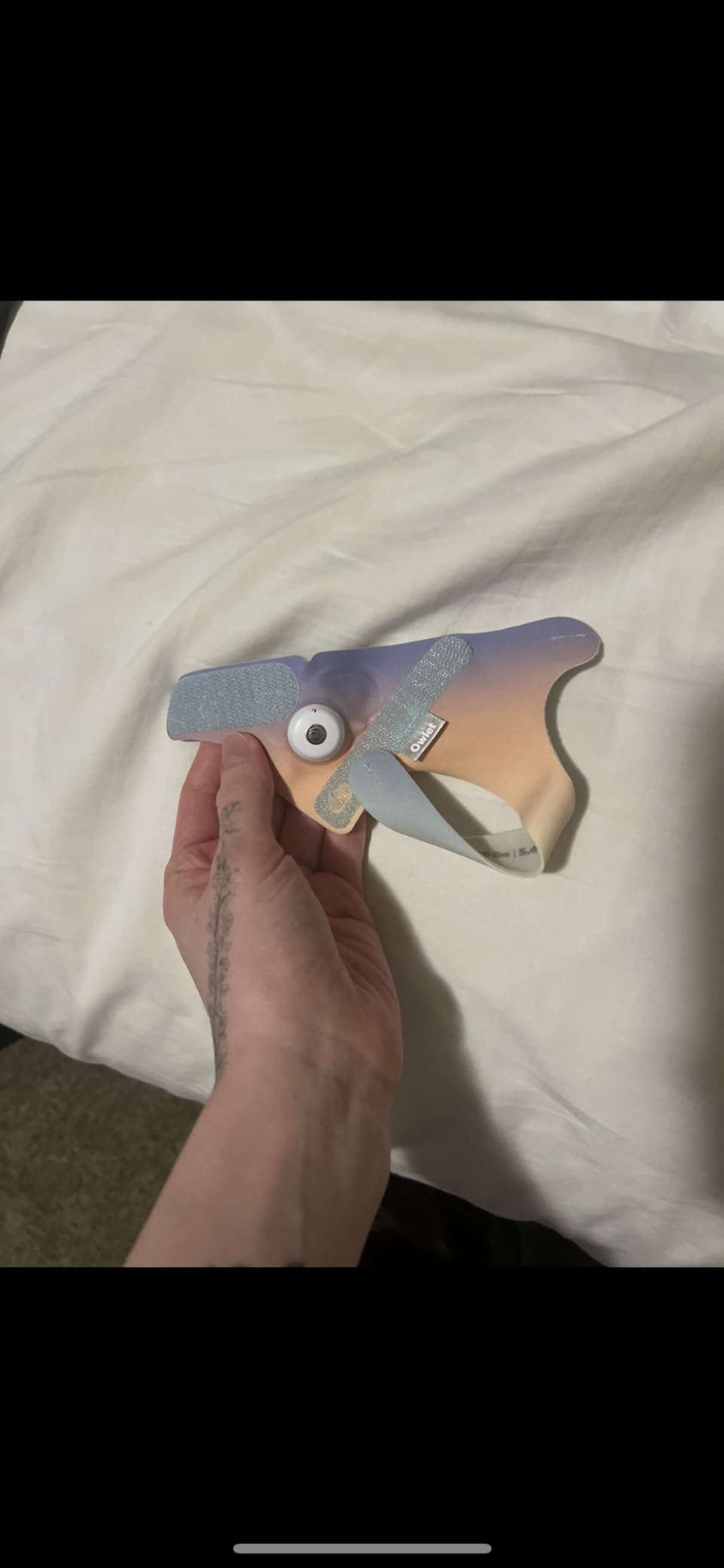
The reviews split neatly in half, and the split is informative. The sock half is rated very highly for accuracy and comfort, and parents of NICU graduates name it as the device that finally let them relax. The camera half draws the complaints: low frame rate, noticeable lag when panning, noisy motion alerts, and an app that does not store video for later review.
Two more limitations stand out. The sock battery is reported as shorter than the 16-hour claim in some long-term use, and the whole unit is region-locked to the United States, which matters if you are outside it. The app also restricts real-time and historical data and blocks custom alert thresholds, which owners trying to tune alerts find frustrating.
Who should pay for the bundle
Choose this if you want the clinical-grade sock and a camera in the same box, and you already know you will use the camera. The 1080p night vision and two-way talk cover the moments when numbers are not what you need, such as confirming your baby is breathing comfortably rather than simply within a preset range.
The bundle also makes sense if you want one device on one app rather than a sensor system plus a separate video unit. Just check that the frame rate does not bother you, because panning lag is the most common camera complaint in owner reviews. If smooth video matters more than the sock, buy them separately.
When to buy the two parts separately
Skip the bundle if video quality is your priority, if you are outside the United States, or if you already own a good camera. The Gen 1 cam temperature sensor has also been reported to start giving incorrect room temperature readings, so treat that readout as approximate. Everything above the sensor tier is a genuine advantage of the split approach.
5. Levana Oma Sense Portable Breathing Monitor – Best for Offline Use
Levana Oma Sense Portable Baby Breathing Movement Monitor with Vibrations and Audible Alerts Designed to Stimulate Baby and Alert Parents
Diaper clip with zero skin contact
Abdominal movement sensing
Vibration at 15 seconds then alarm
No WiFi radio or Bluetooth
Blue reassurance light
Pros
- Nothing touches the skin
- Works fully offline with no radio
- 15 second vibration tries to rouse baby first
- Flashing blue light confirms movement
- Lowest cost dedicated monitor here
Cons
- Only for infants 0-6 months in a crib
- Clip can work loose with kicking babies
- Reports movement not respiratory rate or oxygen
- No video or sleep data
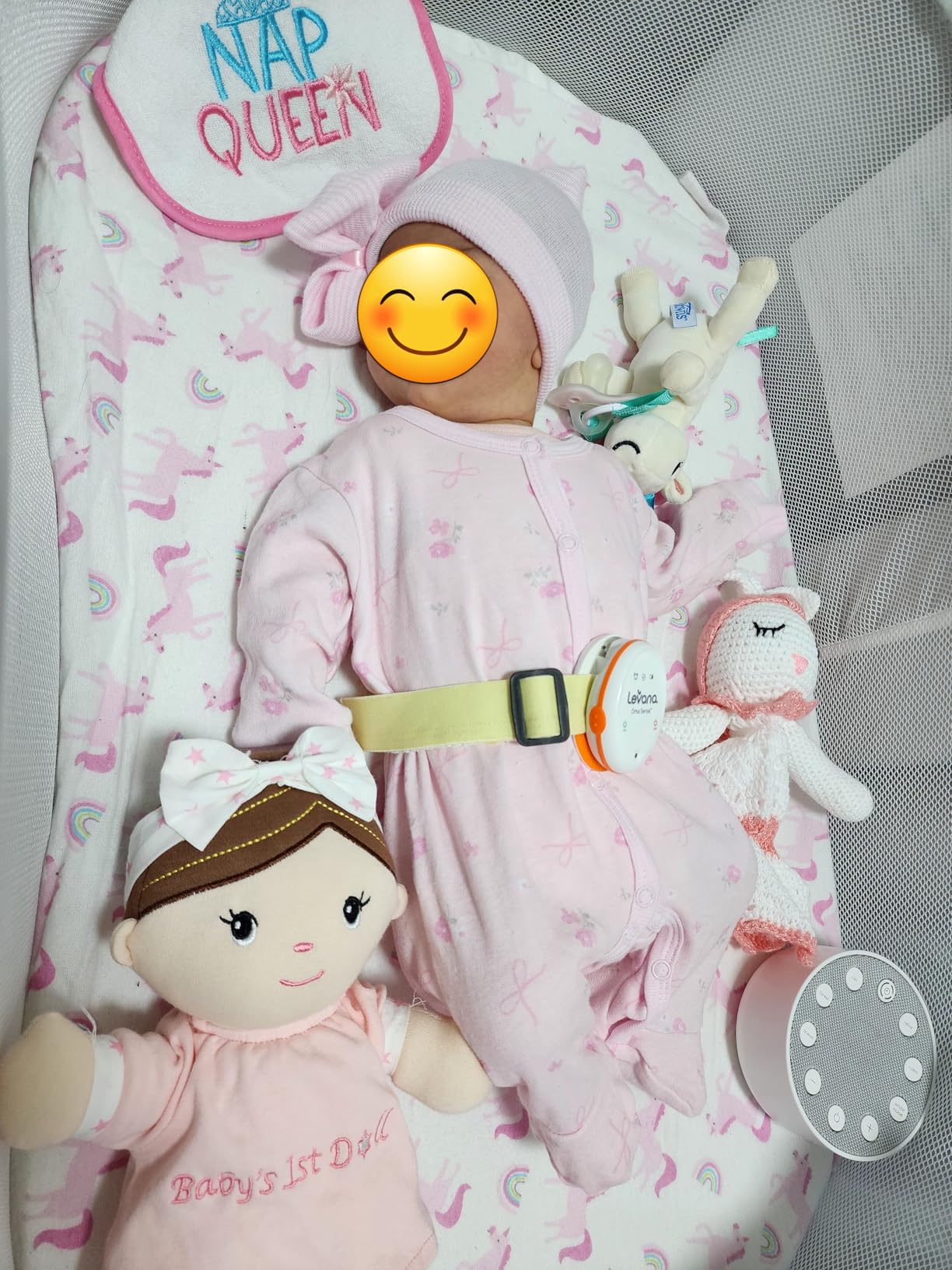
The Levana Oma Sense is the most privacy-respecting device in the roundup. It uses no WiFi, no radio frequencies and no Bluetooth, which means there is no network to hack, no account to create and no app to update. The sensor clips over a diaper, a pair of pants or a buttoned onesie with zero skin contact.
The alert ladder is the part we like most. After 15 seconds of no abdominal movement it delivers a gentle vibration to rouse the baby, and only escalates to a loud audible alarm 5 seconds later if movement has not returned. A randomized vibration stimulus is a softer first response than going straight to an alarm, and it gives you time to be at the crib before the noise starts.
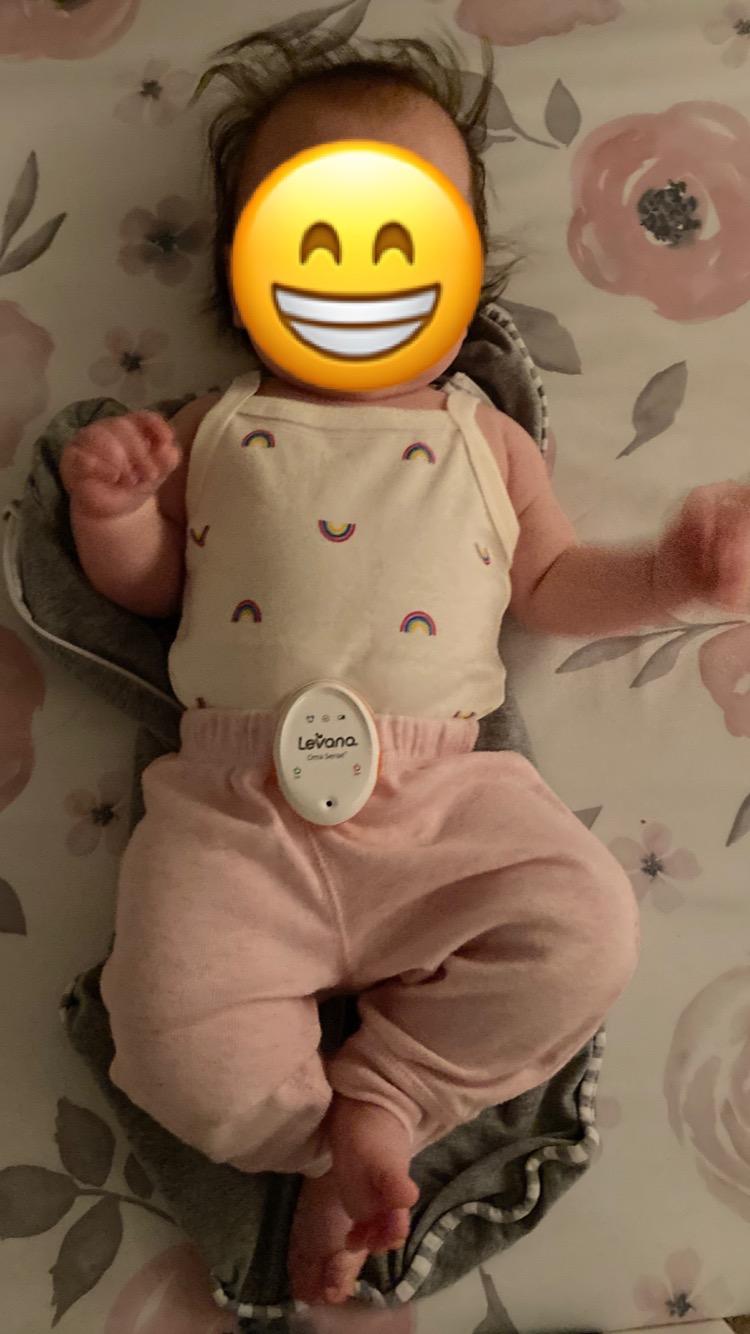
Patented Wakeup Technology monitors abdominal movement continuously, and a flashing blue reassurance light means you can glance from the doorway instead of checking a screen. It is designed for infants 0-6 months, and the 4.3 star average across 957 reviews reflects a device that does a narrow job well.
The limitations are structural rather than flaws. It is a short-age device that only makes sense in a crib or bassinet, and owners with very active newborns report the clip working loose as babies kick. It tracks movement presence, not respiratory rate or oxygen levels, and it offers no camera, video or sleep analytics of any kind.
The appeal of a device that does one thing
There is something reassuring about a monitor with no software. It cannot drop a WiFi connection at 4am, it cannot require a firmware update before it works, and it cannot be bricked by a server change. For families who would rather not put a camera or a microphone in the nursery, this is a clean compromise that still delivers the 15-second movement alert.
Because it is battery-based and cordless, it is also the easiest to move between a crib, a bassinet and a grandparents house without a setup ritual. The blue status light is the feature owners mention most, because it converts monitoring from a constant checking habit into a glance.
When it is not enough
It is the wrong choice after roughly six months, once a baby is rolling, climbing or being held for long stretches outside a sleep surface. It is not suitable for co-sleeping or bed-sharing, and it cannot be used as your only monitor if you want to hear crying from another room. The absence of any data is the trade you make for the privacy and simplicity.
6. Babysense 7 Baby Movement Monitor – Best for Firm Mattress Setups
Babysense 7 Baby Sleep Movement Monitor for Newborn and Infants, No WiFi, Non Wearable, Non Contact Monitor with 2 Under-Mattress Sensors for Full Crib Coverage
Two non-contact sensor pads
20 second no-movement alarm
Control box hangs outside the crib
No phone or app needed
Pros
- 4.5 stars with 77 percent five-star reviews
- Nothing attached to the baby
- Detects breaths and flinch-level movement
- Simple setup with no phone or WiFi
- Green light confirms live detection
Cons
- Very sensitive to ceiling fan and AC airflow
- Not portable between sleeping surfaces
- No memory foam mattress support
- Forgetting to switch off after lifting baby alarms
- Frequent alarms on very still sleepers
The Babysense 7 is the original non-contact movement monitor and it still has the highest satisfaction score in the roundup at 4.5 stars with 77 percent five-star reviews. Two sensor pads slide under a firm flat mattress and detect movement from underneath, so there is nothing on the baby and nothing on the skin.
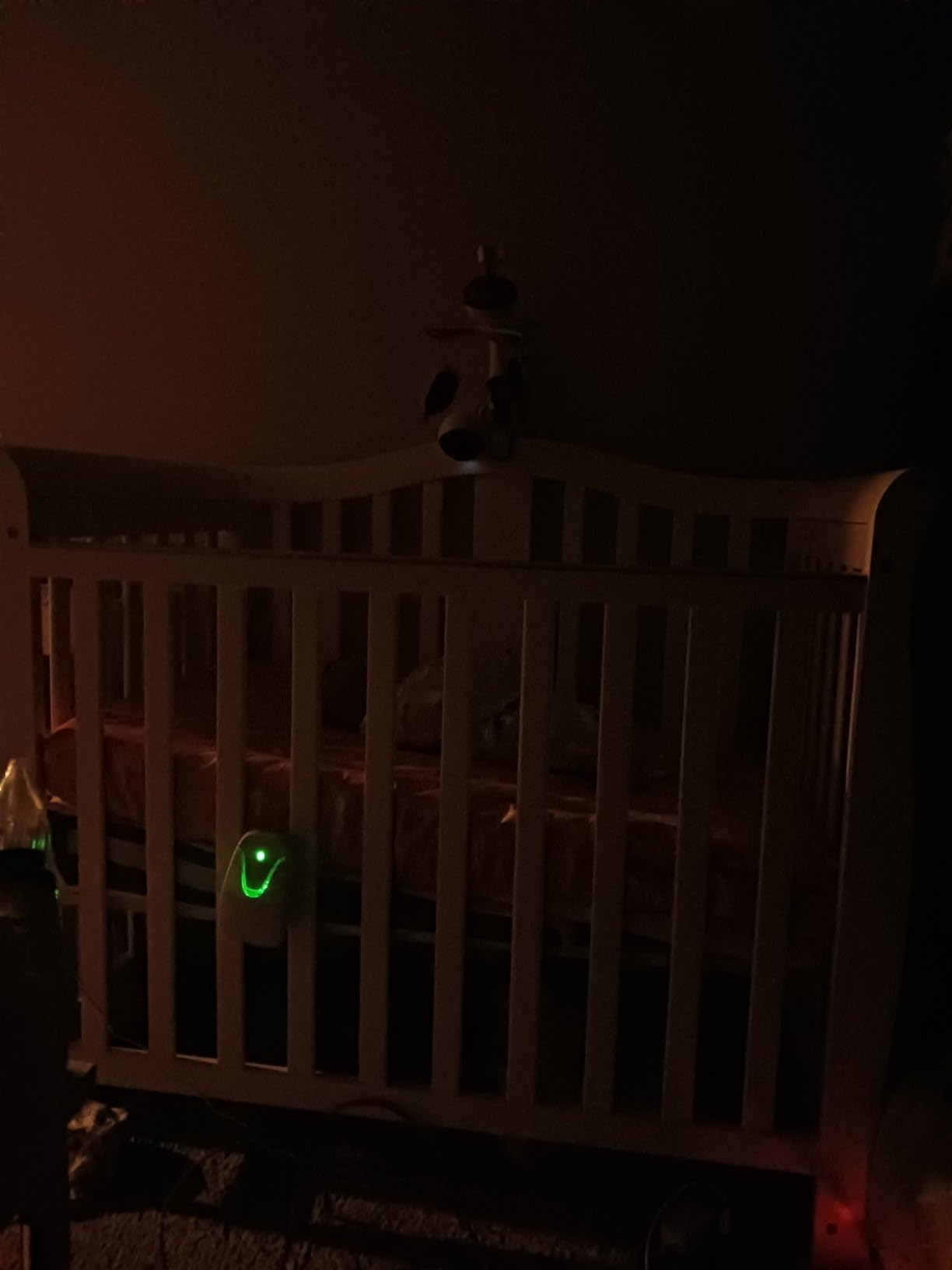
It is also the least complicated device here. Two pads, a control box with a hanging hook that clips to the crib rail outside the baby’s reach, and a green indicator light that confirms it is still sensing. It alerts if no movement is detected within 20 seconds or if movement slows. There is no account, no app and no WiFi pairing step.
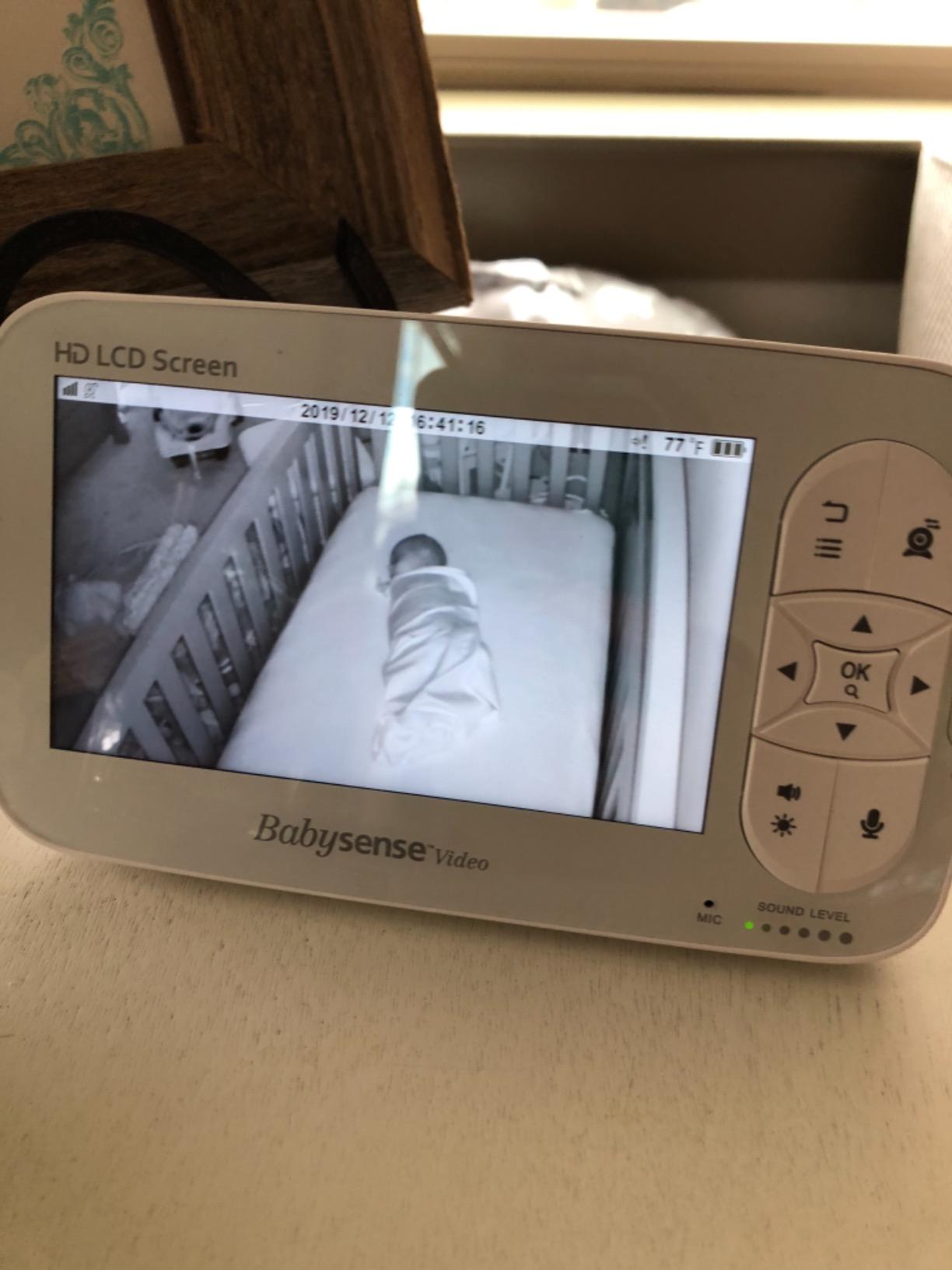
Sensitivity is the headline benefit and the headline complaint. Owners consistently report that it catches individual breaths and even flinch-level movements through the mattress, and several accounts describe it alerting on genuinely stopped breathing, which is exactly the scenario it exists for. The 508-review base is smaller than the video bundles, but the sentiment is unusually consistent.
The airflow issue is real enough to plan for. A ceiling fan or air conditioning moving air across the mattress can trigger alerts, and very still or deeply sleeping babies can also set it off. Neither is dangerous, but both erode trust in the device if you are not prepared. Test the setup with the fan off for a few nights before you add airflow back into the room.
Best fit for a plain safe-sleep setup
This is the monitor to choose if your nursery is set up the way safe sleep guidance recommends: firm flat mattress, nothing else in the crib, baby on the back. The sensing method depends on a hard mattress base, and memory foam is explicitly not supported because it absorbs movement before the pads can read it. Check your mattress type before you order.
It also suits parents who want no electronics on the baby at all. Since nothing is worn, there is no skin marking, no sock fit, no kicking it off at 3am and no risk of a wearable alarm failing silently. The control box hanging outside the rail keeps the cable and the device out of reach.
The habits that cause false alarms
Two practical fixes cover most of the complaints. First, switch the control box off before you lift your baby out of the crib, which is the single most-reported self-inflicted alarm. Second, keep the fan and air conditioning from blowing directly onto the mattress. Add a second under-mattress pad if you want to cover a larger or less standard sleep surface.
7. Snuza Hero Baby Movement Monitor – Best for Travel
Snuza Hero SE Wearable Child-Care Aid with Patented Sensor Technology | Detects & Reports Movement Activity | No WiFi, Cords, or Sensor Pads | Portable and Easy to Set Up and Use
Direct-touch diaper clip sensor
15 second vibration then audible alarm
Six month replaceable battery
Green light and optional ticking
No WiFi apps cords or pads
Pros
- Highest five-star share at 80 percent
- Six month battery with no charging cables
- Attaches in seconds with no setup
- Ticking sound confirms live detection
- Fits in a diaper bag
Cons
- Direct-touch sensor can mark newborn skin
- Attachment shifts with very active babies
- No pulse oxygen respiratory or video data
- Not suitable for co-sleeping
- Replaceable battery is a running cost
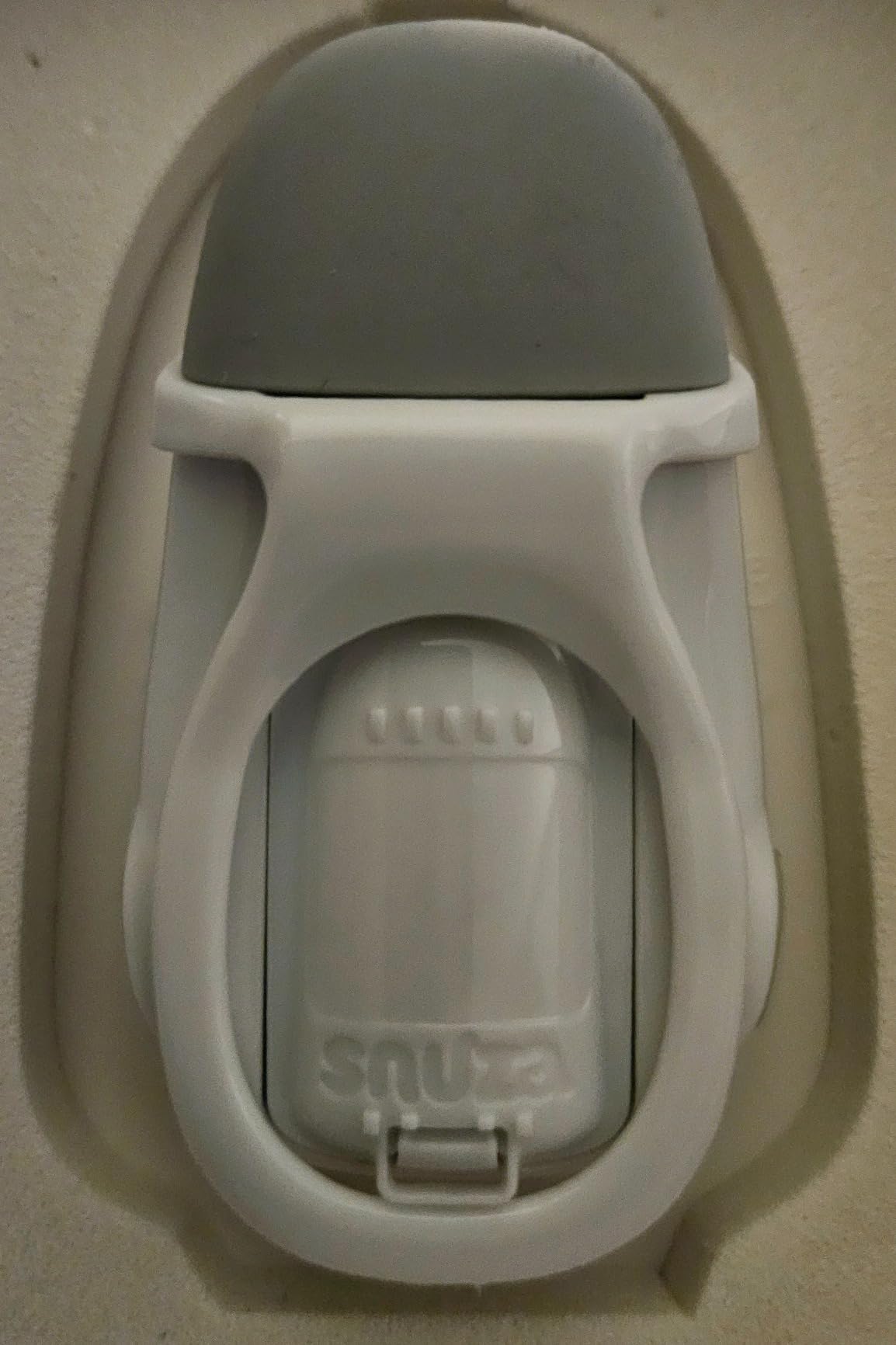
The Snuza Hero clips straight onto the diaper in seconds and needs nothing else. No sensor pads, no cables, no WiFi, no Bluetooth and no app. The patented direct-touch sensor sits against the baby’s abdomen, and a green indicator light plus an optional ticking sound confirm that movement is still being detected in real time.
That ticking is a small feature with a large effect on trust. Parents who switch it on report that they can hear from another room that detection is live, which removes the nagging need to get up and check. With 80 percent five-star reviews, this is the highest satisfaction share in the roundup, and the 4.5 average comes with 588 reviews.
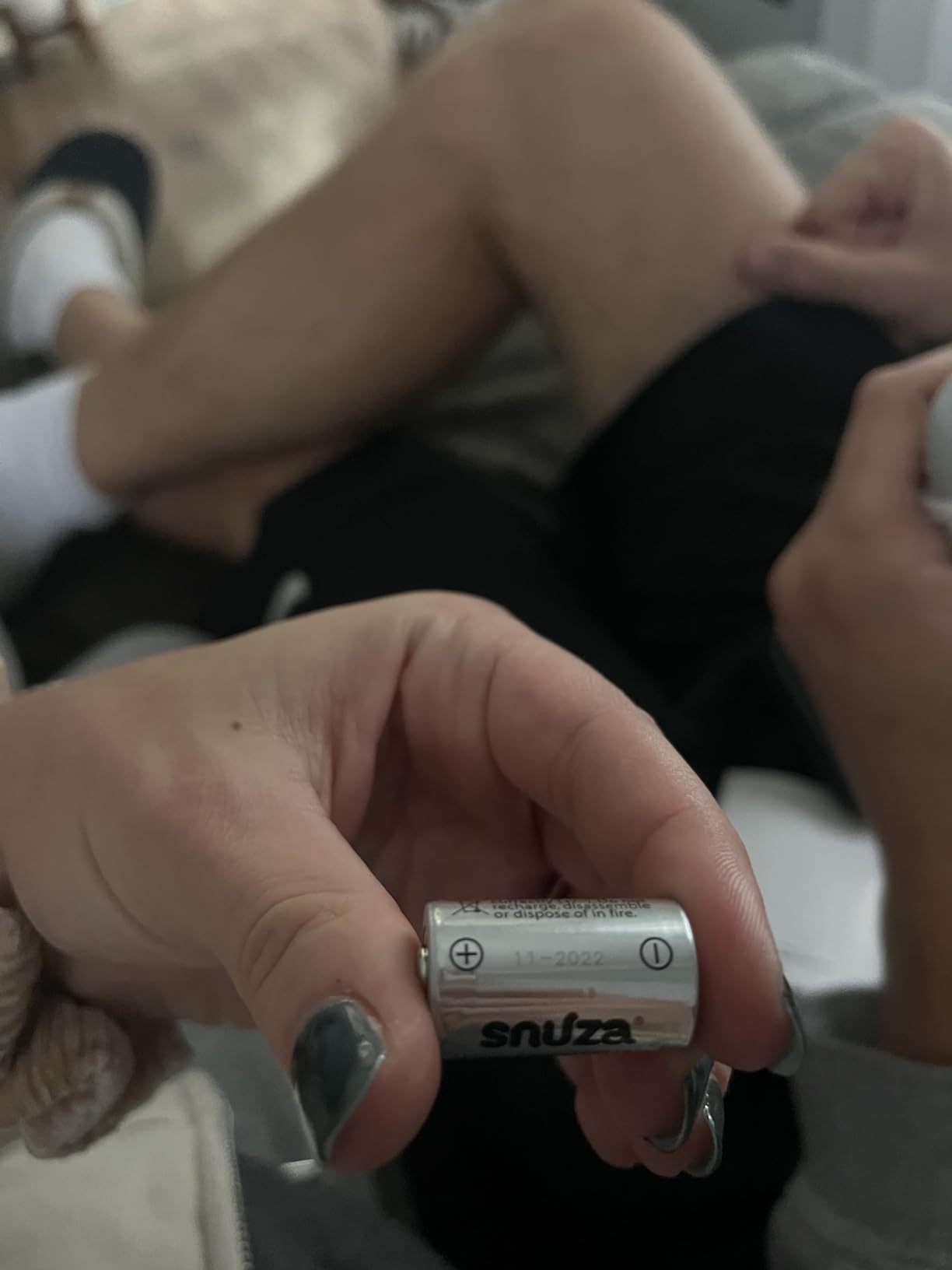
Portability is the reason this device wins its category. It weighs 1.38 ounces, measures 2.76 by 1.57 by 0.79 inches, it comes with a protective carry case, and the replaceable lithium-ion battery lasts up to 6 months. That means grandparents, hotel rooms and weekend trips are all straightforward, and there is no charging cable to forget.
The same direct-touch design creates the main drawback. Because the sensor presses against the skin, some parents report it leaving a small mark on a newborn’s abdomen. Very active babies can also shift the diaper attachment, which loosens sensor contact and produces false alerts. The manufacturer states plainly that this is not a medical device and is not intended to diagnose, treat, cure or prevent SIDS, and that framing is accurate.
Best for nights away from home
If you travel regularly, sleep at relatives houses often, or split nights between two locations, the Snuza is the least fussy option by a wide margin. There is no setup beyond clipping it on, no mattress compatibility to check, and no network to join. For a newborn who changes sleep surfaces constantly, that flexibility is worth more than any data feature.
The direct-touch sensor is also the reason many parents get fewer false alarms than with clip-on competitors, because the sensor sits flush against the body rather than on top of clothing. Just re-check the clip position when the diaper is changed, especially overnight, and keep an eye on skin if your baby has very delicate skin.
When a diaper clip is the wrong shape
It is not suitable for co-sleeping or bed-sharing, and it is not appropriate once a baby is out of a diaper. There is also no camera, no sleep analytics, and no oxygen or pulse data, so it cannot replace a video monitor in a setup where you want both hearing and seeing. Treat it as the movement layer, not the whole system.
8. Sense-U AI 2.5K PTZ Baby Camera with Movement Detection – Best for Room Coverage
Sense-U AI 2.5K PTZ Baby Camera Monitor with Sensor-Free Sleep Movement Detection, Smart Security Indoor Video Camera with Background Audio, Cry Detection, No Monthly Fee, for Peace of Mind
Sensor-free AI movement analysis
2.5K HD with 345 degree pan
Multi-room viewing
Background audio with cry detection
Private Mode
Pros
- No wearable or pad needed for movement tracking
- 2.5K stays clear in low light
- 345 degree pan covers nearly the room
- Background audio works with phone locked
- No mandatory monthly fee
Cons
- Movement tracking needs the separate Sense-U Movement Badge
- SD card not included for recording
- Cloud storage is a paid add-on
- Only 108 reviews so far
- Some buyers report early hardware failures
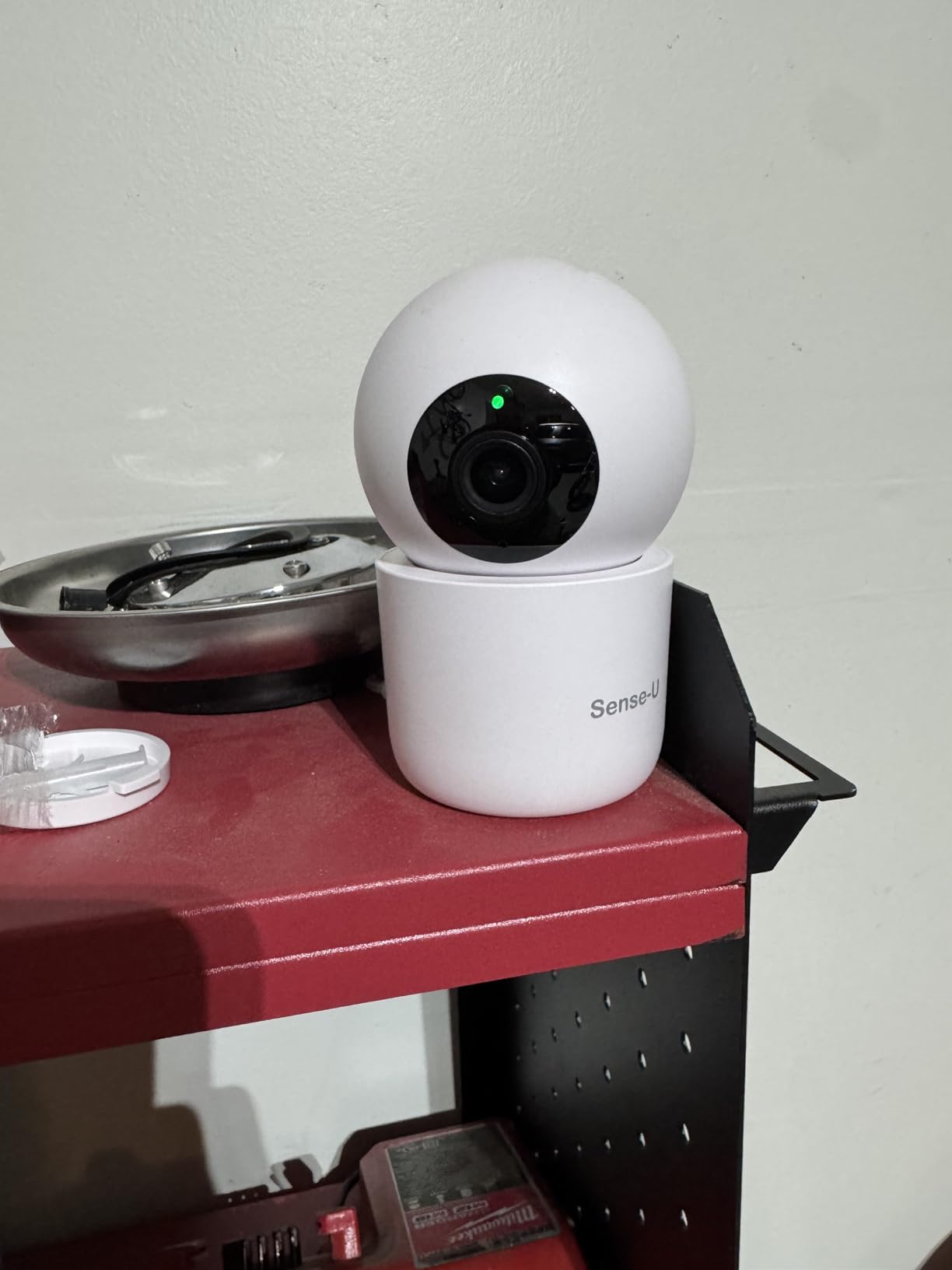
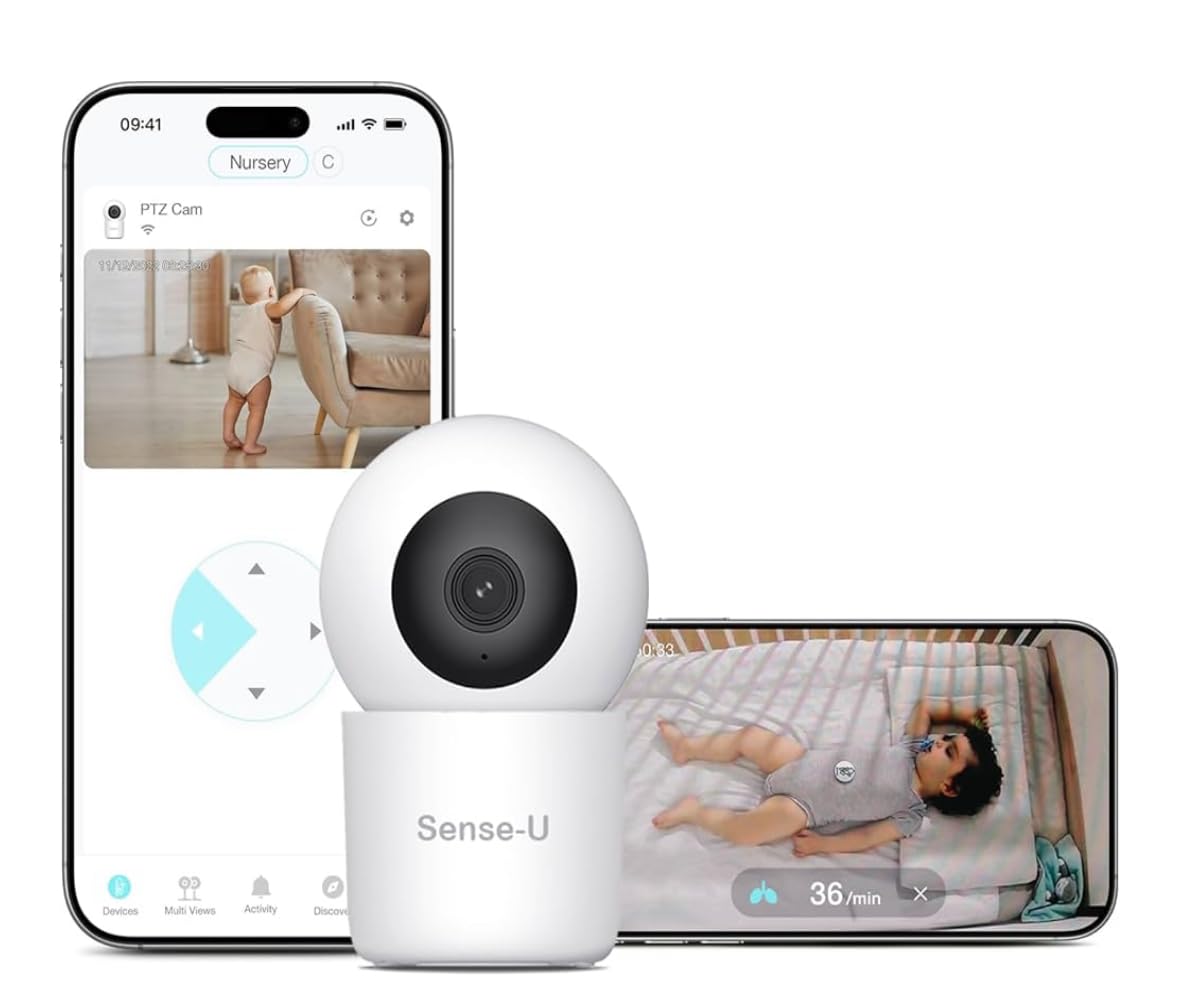
The Sense-U is a 2.5K pan-tilt-zoom camera that uses AI video analysis for sleep and movement detection, so nothing needs to be attached to your baby or placed under the mattress. At 345 degrees of pan and 50 degrees of tilt, a single unit covers nearly the entire room from a corner mount, which is more coverage than a sensor pad can give you.
Cry detection has configurable sensitivity, and background audio monitoring keeps running when the app is in the background or the phone is locked, which matters at night. Multi-room and multi-child viewing on one screen is a genuine advantage for families with a nursery and a playroom. The connection uses enterprise-level encryption with optional two-factor authentication and a Private Mode.
Two details make this cheaper over a year than most rivals. There is no mandatory monthly fee when you record to a local SD card, and cloud storage is optional rather than required. That is a different cost structure from subscriptions that hide basic features behind a plan, and over twelve months it changes the maths for a device you would run every night.
Be clear-eyed about two trade-offs. Movement detection pairs with the separately sold Sense-U Movement Badge, and the local SD card is not included, so recording means an extra purchase. The review base is also the smallest in this roundup at 108 reviews, with a 4.4 average and 87 percent four-or-five-star ratings, and some buyers report units failing within weeks and difficulty getting a replacement.
Why room coverage beats sensor precision
A camera sees the whole sleep space at once, so it does not care where the baby is lying within the crib. That removes the zone-coverage problem that under-mattress pads solve with two sensors and the placement problem that wearables solve by staying attached. For a large nursery or a shared room, the 345 degree pan is a real practical gain.
Because detection is AI-based on video, you also get the visual record alongside the movement events, which means you can review a night instead of trusting a single light. The 2.5K sensor holding clarity in low light and the background audio stream running with the phone locked are the two features owners mention most often as reasons they stopped checking their phone.
Where the camera approach falls down
It depends on your Wi-Fi and on an accessory for the movement badge, and a slow or congested home network can make alerts late. The detail that matters most is the small review base, and 108 reviews leaves less long-term evidence about firmware stability than the 7402 behind the Babysense pack. One year of manufacturer warranty is included either way.
False Alarms and How to Fix Them
False alarms are the number one complaint across every forum thread we read, and they are the fastest way to make a parent stop trusting a monitor. The good news is that most of them come down to five fixable causes. The bad news is that a device you switch off is worse than no device at all.
Airflow from a ceiling fan or air conditioning. Both under-mattress pads are pressure and movement sensors, and moving air across the mattress reads as movement. This is the top complaint on the Babysense 7 and the Babysense pack. Redirect the fan so it does not blow down onto the crib, and test for a few nights before adding airflow back.
Forgetting to switch off before lifting the baby. Parents report this more than any other self-inflicted alarm, and it is pure habit. The fix is a nightly sequence: lift baby, then reach for the control box, and put it back on when the baby is settled. Hanging the control box outside the crib rail on a hook makes it a one-handed action.
Thick swaddles and firm mattresses. A heavy swaddle dampens the micro-movements the sensor is looking for, and a memory foam or pocket-spring mattress absorbs movement before it reaches the pad. The Babysense 7 explicitly does not support memory foam. Use a fitted sheet on a firm flat mattress and lighten the swaddle if alarms cluster at sleep onset.
Wearable fit issues. Diaper clips loosen with kicking, socks rotate on a skinny foot, and connection alerts fire when a sensor loses contact during a diaper change. Re-seat the clip or sock after every change, and check that a sock is snug on the foot rather than bunched. This is the main driver of the Owlet Dream Sock’s 15 percent one-star share.
Very still sleepers. Deeply sleeping newborns occasionally go long enough between visible breaths to trip a movement threshold. If the alarm consistently fires at the same time each night, note it and mention the pattern to your pediatrician. A pattern across several nights is useful information; a single episode is usually just a device being literal.
How to Choose a Baby Breathing Monitor
Start with the mechanism, because the four types fail in completely different ways. A wearable fails through fit, a pad fails through airflow and mattress type, a camera fails through Wi-Fi, and a clip fails through movement. Match the mechanism to how your baby actually sleeps and you will avoid most of the frustration before you unbox anything.
Next, decide how much data you actually need. If you want a number rather than a green light, you are looking at the Owlet socks, which report pulse rate and oxygen saturation. If you want a movement confirmation with no attachment, you are looking at the pads or the Snuza clip. If you want history you can review the next morning, you are looking at the camera options with AI analysis.
Then check the networking requirement honestly. Four products in this roundup run without WiFi entirely, which removes outages, subscription questions and privacy debates in one move. The camera and sock options depend on your network, and two of them specify 2.4 GHz or are locked to a region. Confirm your router before you order, not on delivery night.
Wearable clip versus smart sock versus under-mattress pad versus camera
Is Snuza or Owlet better? It depends on what failed you last time. The Snuza is a diaper clip that goes on and off in seconds, reports movement only, needs no charging, and travels in a diaper bag. The Owlet sock is a foot-worn optical sensor that reports pulse rate and oxygen saturation, charges nightly, and needs 2.4 GHz Wi-Fi plus a phone app. If you want clinical numbers, the Owlet wins. If you want something that never blocks sleep, the Snuza wins.
Under-mattress pads beat wearables on one specific point: nothing is attached to your baby, so there is no skin contact, no kicking it off and no fit problem. The price is portability, since pads are tied to one sleep surface, and sensitivity to air currents. Cameras beat both on coverage and data, and lose on dependence on Wi-Fi and, in two cases, a subscription.
One practical tip: many families run two devices rather than one. A no-WiFi video unit handles sound and sight, and a movement monitor handles breathing confirmation. It sounds redundant, but the failure modes do not overlap, so a WiFi problem never silences your breathing alerts.
Medical device versus consumer wearable
What is the FDA-approved baby oxygen monitor? It is a prescribed pulse oximeter ordered by your clinician for a baby with diagnosed apnea, not a consumer purchase. Among the products here, only the Owlet socks carry FDA clearance, and that clearance is for use on healthy infants 1-18 months weighing 6-30 lbs as a monitoring aid, not for diagnosing or preventing SIDS.
Everything else, including the Babysense pads, the Snuza clip, the Levana monitor and both camera units, reports movement presence or estimated rates. That is a meaningful difference in confidence, and it is the strongest argument for matching the device to the medical situation rather than the marketing language. When a question is clinical, ask your pediatrician what they would want you to own.
Alert timing and what 15 seconds actually means
Most devices in this category follow the same convention, and understanding it helps you compare fairly. After about 15 seconds with no detected movement, the device vibrates to try to rouse the baby. If movement has not resumed within another 5 seconds, the audible alarm fires on the parent unit. The Babysense 7 uses a simpler model, alerting if no movement is detected within 20 seconds or if movement slows.
A shorter window is not automatically better. A 15-second threshold is more sensitive and will catch more real pauses, but it will also produce more alarms on a still baby. A 20-second threshold is calmer and misses less margin on a genuine pause. Our view is that the 15-second vibration-first design is the better default for a newborn, because the first response is an attempt to rouse rather than noise.
Also test the alarm volume where it will actually land. A sound machine in the nursery or a closed door between rooms can swallow a perfectly adequate alarm. If you use white noise, keep it in the parent room, and check the alarm before you go to bed rather than at 3am.
No WiFi, app, or subscription: what it saves you
Four picks here have no WiFi, no app, and no subscription: the Babysense 7, the Babysense pack, the Snuza Hero and the Levana Oma Sense. That means no firmware regressions, no account to secure, no monthly fee, and no notification that arrives only if your phone still has a connection at 4am. The Sense-U also avoids a mandatory fee as long as you use a local SD card.
Against that, the Lollipop gates its breathing and sleep data behind a plan after the 7-day trial, and the Owlet360 upgrade adds long-term reporting. If you are comfortable with a plan and want richer history, that is a reasonable trade. If you would rather own a device outright and never think about it again, the offline options are the simpler long-term choice.
Using HSA or FSA dollars
Parents ask about this constantly because a monitor plus a camera is a real household expense in the first year. Eligibility varies by plan, so check with your administrator, but respiratory monitors and pulse oximeters are commonly listed as eligible categories while video monitors may be treated differently. Buy the medical sensor through your FSA first if you have one, then the video unit outside it.
HSA and FSA rules change, and a rejected claim is more annoying than the paperwork. Keep your itemized receipt and the product listing showing the monitoring function, and ask your administrator before you buy rather than after.
Preterm babies and NICU graduates
For a baby who came home from the NICU, the priority order matters. If your team prescribed an apnea monitor, that device and your follow-up schedule outrank everything on this page. If they cleared you to use a consumer monitor as reassurance, the Owlet options are the closest to clinical measurement because they report oxygen saturation, and several NICU graduate parents in reviews name them as the device that let them relax.
Premature babies also have specific practical issues. Their feet are small, which makes sock fit harder, and they may still be swaddled heavily, which dampens movement sensing. Under-mattress pads and camera options avoid both problems, since neither depends on the baby’s body or clothing. Whatever you choose, check the weight and age range in the specifications against your baby before first use.
The Newborn Timeline: When to Start and When to Retire a Monitor
The first twelve weeks are when most families start a breathing monitor, and that matches the period pediatric guidance treats as highest risk. Weeks zero to three is when periodic pauses in breathing are most common and when a device earns its keep, particularly for preterm babies. Months two to four usually still involve frequent night waking, so a monitor remains useful for many families.
At three to six months, most babies are rolling, sitting up and increasingly capable of repositioning themselves, which changes the device requirements. Wearables fall out first, since a rolling baby can dislodge a clip or pull a sock. Pads and cameras carry on working because they do not depend on the baby’s position.
Between six and twelve months, reassess honestly. If your baby is sleeping long stretches and you are not checking the monitor out of habit, the value has dropped and the false alarms have not. A clear exit point is usually around the one-year mark, and the Levana Oma Sense is the pick most likely to age out on its own since it is designed for infants 0-6 months.
Whatever stage you are at, keep the safe sleep setup in place the whole time. The monitor is an added layer, not a reason to relax the four habits that actually reduce risk.
Privacy, WiFi and Data Concerns
Baby monitors handle some of the most sensitive data a household owns, including audio of a sleeping infant and, on the Owlet models, health readings. The simplest way to reduce exposure is to choose a device that does not transmit anything. The Levana Oma Sense, the Snuza Hero and the Babysense pads have no WiFi, no radio and no app, which removes the entire attack surface and the entire app-permission conversation.
Where you do need WiFi, check the specifics. The Owlet Dream Sock specifies 256-bit encryption and elliptic curve authentication, and the Sense-U offers enterprise-level encryption with optional two-factor authentication and a Private Mode that disables the camera feed. Secure the account with a unique password, enable two-factor authentication, and update the firmware before the first night of use rather than after a problem.
For camera units, consider what happens to your recordings and whether recording is on by default. A local SD card keeps footage in your home, while cloud storage sends it to a provider, and that is a decision with different answers for different households. If you travel, turn off any cloud upload before you leave and update the camera password at home before you return.
Frequently Asked Questions
What are the best baby breathing monitors for newborns?
The best baby breathing monitors for newborns fall into three groups. For an all-in-one setup, the Babysense True Sleep HD pack pairs two non-contact under-mattress sensors with a 5 inch HD night vision camera. For real oxygen and pulse data, the Owlet Dream Sock reports blood oxygen saturation through an optical sensor in a foot sock. For zero attachment, the Snuza Hero clips to the diaper and the Babysense 7 pads sit under a firm flat mattress. The right pick depends on whether you want data, coverage or simplicity.
Do breathing monitors prevent SIDS?
No. The American Academy of Pediatrics does not recommend consumer baby monitors for reducing SIDS risk, and no home monitor has been shown to prevent it. These devices are an early-warning and reassurance layer placed on top of safe sleep practice, not a substitute for it. Back sleeping, a firm flat mattress, an empty sleep space, room sharing and avoiding overheating remain the measures that matter.
Do pediatricians recommend the Owlet?
Pediatric organizations are generally neutral toward consumer monitors rather than opposed to them. The Owlet Dream Duo is FDA-cleared for monitoring healthy infants 1-18 months weighing 6-30 lbs, which is a different category from a prescription pulse oximeter. Clinicians caution mainly against false confidence, meaning relying on a monitor instead of safe sleep practice. If your baby has an apnea history, ask your own team what they would recommend.
Is Snuza or Owlet better?
The Snuza Hero is a diaper clip that reports movement only, needs no charging with a battery lasting up to 6 months, travels in a diaper bag and works with no network at all. The Owlet Dream Sock is a foot-worn optical sensor that reports real pulse rate and oxygen saturation, but it charges every night, needs 2.4 GHz Wi-Fi and a phone app, and fits poorly on small newborn feet. Choose Snuza for simplicity and travel, Owlet for clinical numbers.
Why does my monitor keep going off at night?
The most common causes are airflow from a ceiling fan or air conditioning across the mattress, forgetting to switch the unit off before lifting your baby, a thick swaddle dampening micro-movements, a memory foam mattress absorbing movement, a wearable slipping or rotating during the night, and a baby who is simply very still. Test with the fan off for a few nights, re-seat the clip or sock after each diaper change, and use a firm flat mattress. Frequent alarms at the same time each night are worth mentioning to your pediatrician.
Is there a baby monitor that has a SIDS detector?
No consumer baby monitor detects SIDS. Products marketed as SIDS monitors track movement presence, estimated breath rate or, on the Owlet socks, blood oxygen saturation. None can identify the cause of an infant death or reliably prevent one, and no such device is recommended by pediatric authorities. Be cautious with the language, since a SIDS detector implies protection that home devices simply do not provide.
What is the FDA-approved baby oxygen monitor?
The FDA-approved baby oxygen monitor is a prescribed pulse oximeter ordered by a clinician for an infant with diagnosed apnea, not a consumer product. Among the devices reviewed here, the Owlet Dream Sock and Owlet Dream Duo carry FDA clearance as monitoring aids for healthy infants 1-18 months weighing 6-30 lbs. Every other option reports movement presence or estimated rates rather than measured blood oxygen saturation.
How long should you use a baby breathing monitor?
Most families start in the first twelve weeks and reassess between three and six months, when rolling changes the practical limits of wearables. Pads and camera-based units keep working past that point because they do not depend on the baby’s position, while diaper clips and foot socks age out. By six to twelve months, if the baby is sleeping long stretches and you are no longer checking out of habit, retiring the device is a reasonable step. Keep safe sleep practice in place either way.
Conclusion
After six weeks of comparing devices, the best baby breathing monitors for newborns split cleanly by what you want the data to be. The Babysense True Sleep HD pack is the strongest all-rounder, with two non-contact sensor pads, a night vision camera and no WiFi dependency. The Owlet Dream Sock is the only pick reporting real oxygen saturation, and the Lollipop is the best value route into AI breathing history on a phone.
Choose the Babysense pack for the most complete nursery setup, the Owlet for clinical numbers after an apnea history, the Snuza Hero for nights away from home, and the Babysense 7 if you want nothing attached to your baby at all. Whatever you pick, keep the four safe sleep habits first, and read our full baby monitor guide to build the rest of the system around it.