
I’ve spent the last decade building architectural models with paper, foam, and more recently, LEGO bricks. After going through hundreds of guides and rebuilding my studio library three times, I can tell you this: the right book changes everything.
The best architecture books for model builders do more than show pretty pictures. They teach you how to read a plan, choose materials, and turn abstract ideas into something you can hold in your hands. After testing dozens of guides with my own projects, I’ve narrowed down the titles that actually move the needle for hobbyists, students, and professional modelers alike.
Whether you’re a first-year architecture student struggling with your first foam-core study model or an AFOL (Adult Fan of LEGO) chasing the perfect skyline, this guide covers the books worth your shelf space in 2026. I’ll show you what each one does well, where it falls short, and which matches your specific skill level.
Table of Contents
Top 3 Picks for Model Builders (October 2026)
Architectural Model Buildin…
- 356 pages
- Step-by-step instructions
- Materials and adhesives guide
- Beginner-friendly foundation

The LEGO Architect
- 192 pages
- Architectural styles overview
- LEGO building techniques
- Multiple builder perspectives

The LEGO Architecture Idea…
- 232 pages
- 1001+ creative ideas
- Window/column/roof details
- Part numbers included
Best Architecture Books for Model Builders in 2026
1. The LEGO Architect – Perfect Introduction to Brick Architecture
Pros
- Inspiring showcase of LEGO architectural possibilities
- Detailed pictures from various angles
- Overview of main architectural styles
- Tips from featured builders
- Encourages creativity
Cons
- May need specific LEGO Architecture sets
- Some builds require alternative pieces
I bought this when I was getting back into LEGO after a 15-year break, and it rekindled my love of architectural modeling. Tom Alphin walks you through seven architectural styles with actual LEGO builds you can replicate, from Craftsman bungalows to mid-century modern towers.
What makes this the best architecture book for model builders starting with bricks is the breadth. Each chapter covers historical context, key design features, and then shows you how to translate those elements into LEGO. The photography is sharp, and every build includes a parts list you can source online.
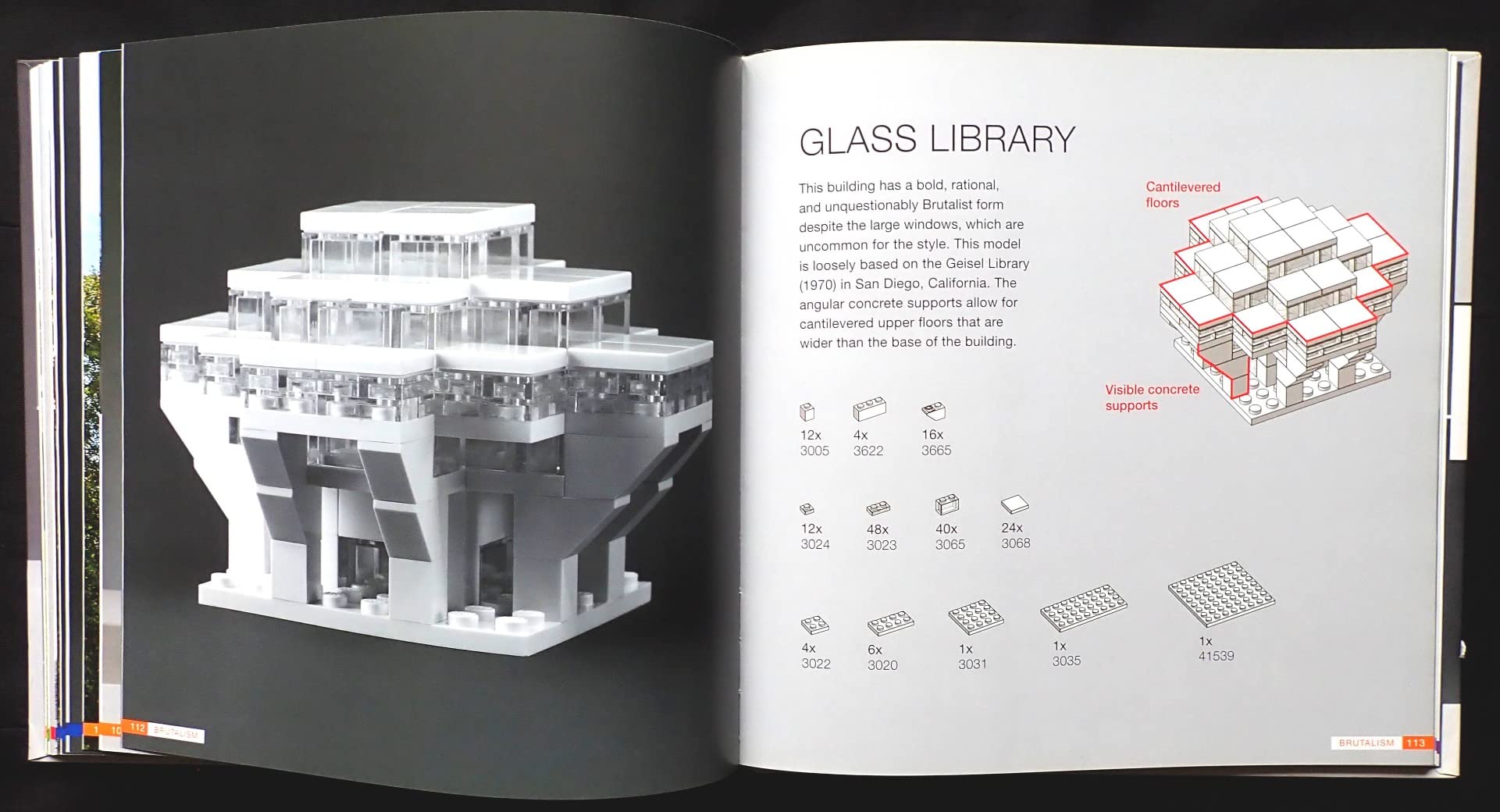
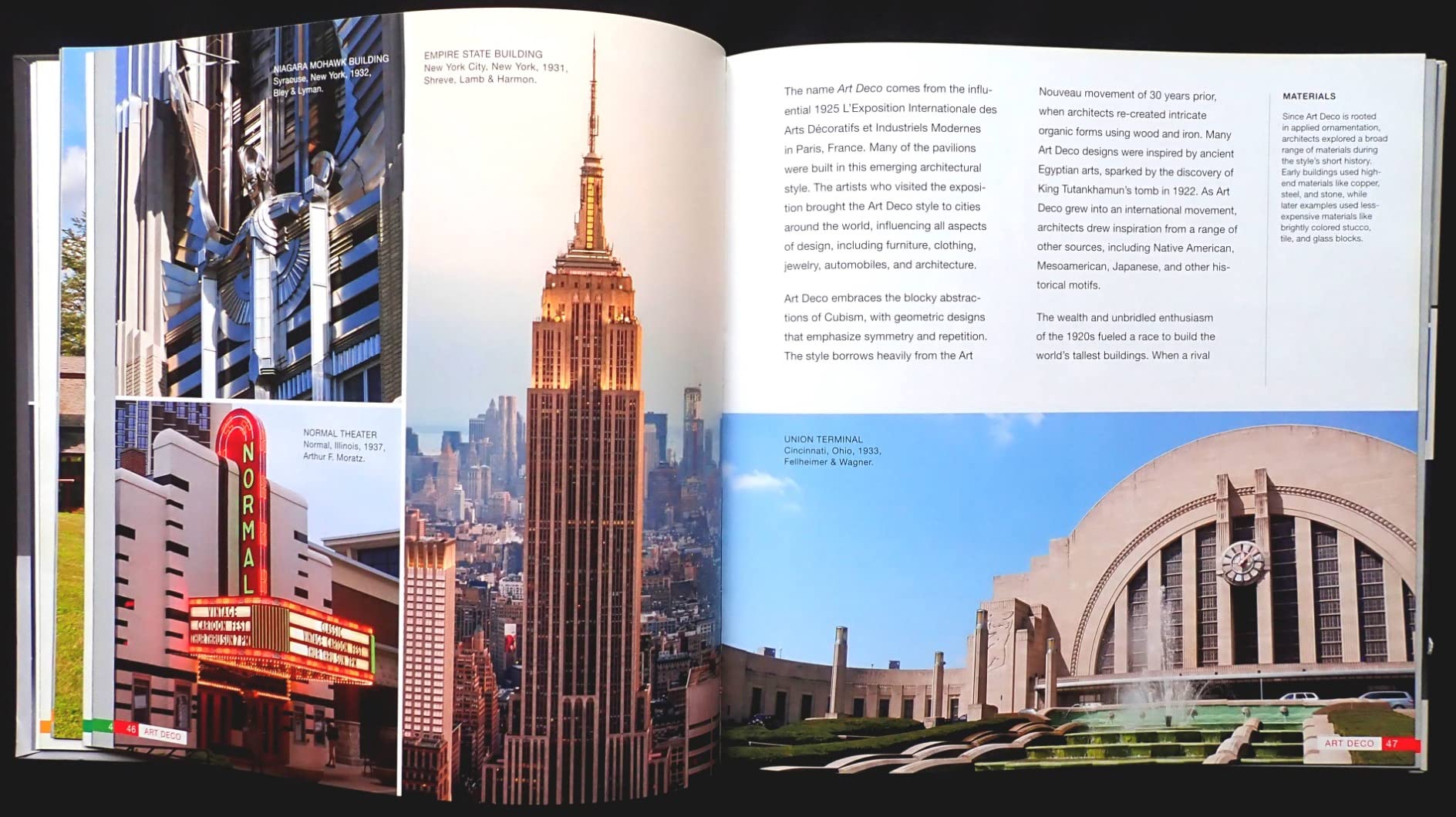
I built the Art Deco chapter’s skyscraper in about four hours on a Saturday. The techniques translated to my own custom Modular Building project. The chapter on Brutalism alone taught me more about concrete textures than any architecture class I took.
The book weighs 1.87 pounds and measures 9.33 inches square, which makes it perfect for propping open on your workbench. I appreciate that Alphin includes builds from multiple contributors, so you get different building styles and problem-solving approaches in one place.
Who benefits most from this book
This is ideal for beginners and intermediate builders who want a structured introduction to architectural styles. If you’re a parent introducing older kids to architectural concepts, the writing is accessible but not childish. It also works as a coffee table book for LEGO enthusiasts who want to inspire their own creative process.
Who should look elsewhere
If you’re already an experienced AFOL building large custom Modular Buildings, you’ll find this more inspirational than instructional. Builders looking for precise part-by-part instructions for complex builds should check Alice Finch’s book instead.
2. LEGO Architecture: The Visual Guide – Premium Coffee Table Reference

LEGO Architecture: The Visual Guide
232 pages
DK Publishing
Hardcover shell
Coffee table format
Pros
- Beautiful glossy pages
- Excellent photography
- History of structures included
- Real building context
- Great for aspiring architects
Cons
- Not a how-to build book
- Limited to LEGO Architecture series
- Some timeline inaccuracies
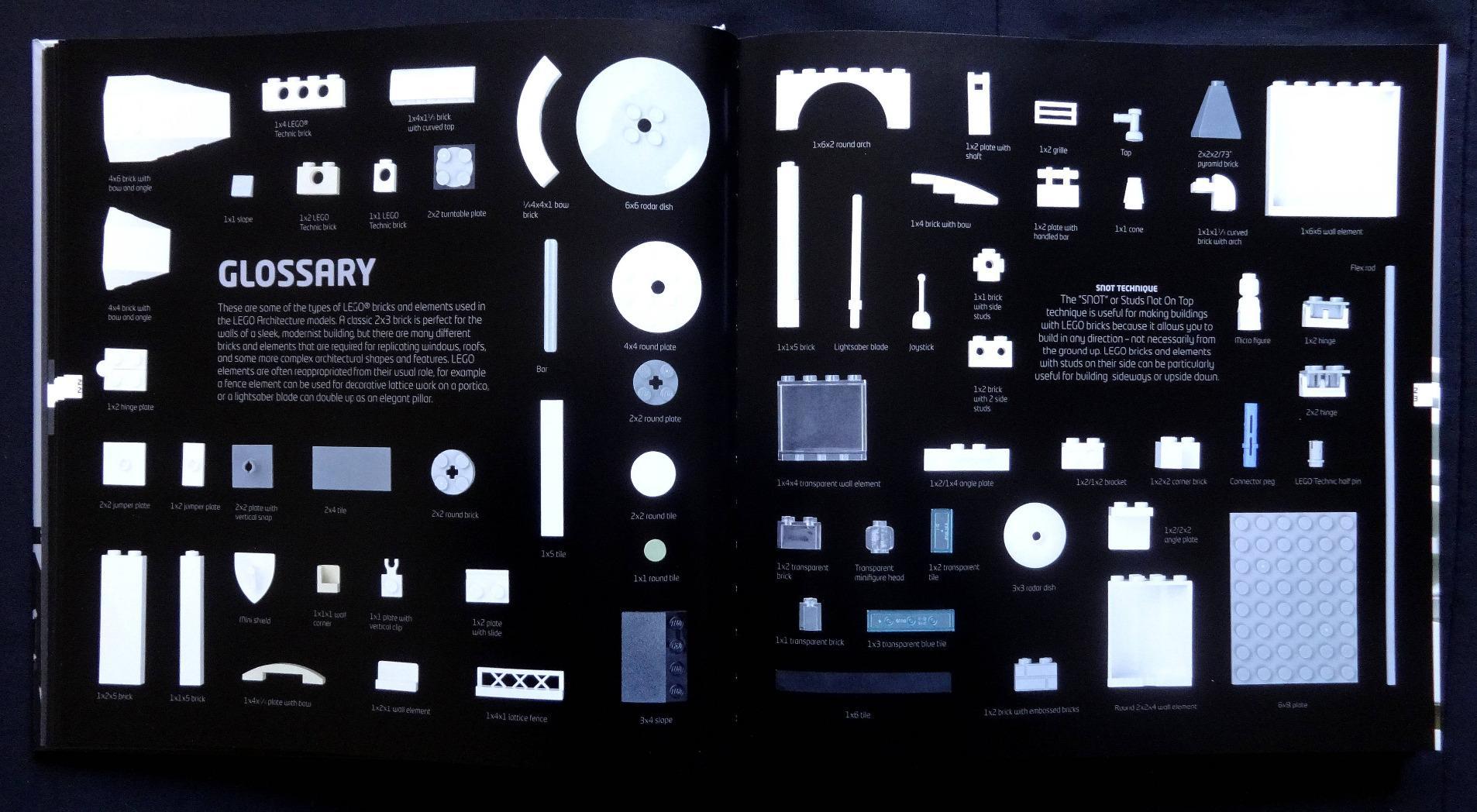
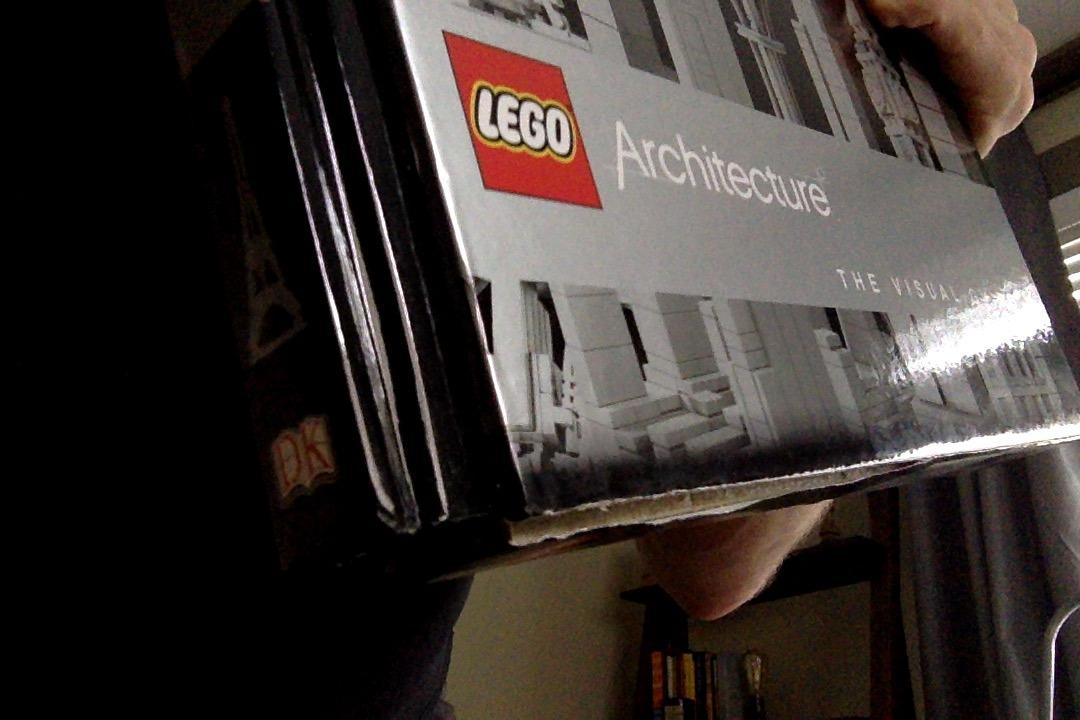
Philip Wilkinson’s Visual Guide is the most beautiful book on this list. I keep mine open on my studio coffee table where clients flip through it during meetings. The 232 pages of glossy photographs document the official LEGO Architecture sets alongside the real buildings that inspired them.
This book is different from a how-to guide. It’s a reference that teaches you design history while showing you how professional designers interpret architectural landmarks in brick form. The hard protective shell and 4.85-pound weight give it real shelf presence.
I used the Empire State Building chapter to teach a friend about Art Deco setbacks. The combination of original architectural drawings, historical photos, and detailed LEGO photographs gave her the full context. That’s something you rarely get in a single volume.
What surprised me was the depth of designer commentary. The book includes interviews with LEGO designers explaining their material choices and structural decisions. For someone learning the craft, those insights matter more than another set of building instructions.
Who benefits most from this book
Anyone who treats their LEGO Architecture sets as collectibles will appreciate the historical context. Architecture students studying 20th-century landmarks will find the case studies valuable. It also makes an excellent graduation gift for architecture students starting their professional library.
Who should look elsewhere
Builders looking for instructions to make their own custom builds should pick a different title. The book focuses on existing official sets, so if you’ve already built every LEGO Architecture set and want original design ideas, this isn’t the right choice.
3. The LEGO Architecture Idea Book – 1001+ Ideas for Architectural Elements
The LEGO® Architecture Idea Book: 1001 Ideas for Brickwork, Siding, Windows, Columns, Roofing, and Much, Much More
232 pages
No Starch Press
Focuses on architectural elements
Part numbers included
Pros
- Filled with creative ideas
- Techniques using different LEGO pieces
- Includes part numbers
- Focus on portable elements
- Encourages experimentation
Cons
- Not a step-by-step guide
- Requires specific brick types
- May not suit younger children
Alice Finch’s Idea Book is the one I reach for most when I’m stuck on a specific architectural detail. With 232 pages of pure inspiration, it covers windows, columns, roofs, brickwork, and siding in ways that translate directly to whatever you’re building.
What makes this book unique is the focus on isolated elements. Instead of building a whole skyscraper, each section teaches you how to construct a single window with multiple brick techniques. You learn the component, then apply it to your own custom design.
I had a Modular Building project where the rooflines felt flat. I flipped to the roofing section, found three different gable techniques, and adapted one to my project. The result looked twice as good as my original plan. That’s the practical value this book delivers.
Who benefits most from this book
Intermediate to advanced builders looking to add architectural sophistication to custom builds will get the most value. If you’re tired of following other people’s instructions and want to design your own buildings, this is your starting point. The part numbers make it easy to source pieces through BrickLink or Pick-a-Brick.
Who should look elsewhere
Complete beginners who want full projects to build should start with The LEGO Architect or Build It! volumes. This book assumes you already know basic LEGO construction and want to push your techniques further.
4. The LEGO Builder’s Handbook – Advanced Techniques for Adult Builders

The LEGO® Builder’s Handbook: Become a Master Builder
200 pages
No Starch Press
November 2024 release
For AFOLs and advanced builders
Pros
- Comprehensive techniques
- Great for AFOLs
- Covers digital and physical building
- Develops building skills
- Includes math and technical content
Cons
- Quite technical with math involved
- May overwhelm beginners
Deepak Shenoy’s Builder’s Handbook is the newest book on this list, released in November 2024. I bought it on launch day and worked through it over two weeks. This is the book I wish existed when I first started designing custom builds.
The 200 pages cover both digital design (using software like Studio and BrickLink’s designer) and physical construction. Shenoy explains the math behind stable structures, why certain connections hold better than others, and how to plan a complex build before touching a single brick.
I applied the chapter on SNOT (Studs Not On Top) techniques to a custom skyscraper project. The result had cleaner lines and structural integrity I’d been struggling to achieve for months. That’s the kind of breakthrough this book enables.
Who benefits most from this book
Adult LEGO builders serious about advancing their craft. Architecture students who want to learn structural planning will find the math chapters valuable. If you’re building display models for competitions or exhibitions, this book teaches the engineering behind the aesthetics.
Who should look elsewhere
Casual builders and parents looking for kids’ projects should skip this one. The technical depth and reading level (12+) make it unsuitable for younger audiences. Anyone wanting quick project instructions without theory should look at the Build It! series instead.
5. Modelling Historic Buildings and Imaginary Structures – Diorama and Railway Focus

Modelling Historic Buildings and Imaginary Structures: A Guide for Railway Modellers and Diorama Model Makers
192 pages
Crowood Press
May 2021 release
Fantasy and historical builds
Pros
- Excellent step-by-step modeling
- Easy to digest content
- Helpful for foam sculpting
- Beautiful photographs and drawings
- Creates realistic scenes
Cons
- Castle setup may feel too fantasy
- Very specific to railway and diorama
David Wright’s Modelling Historic Buildings is the book I recommend to anyone moving from LEGO into traditional scale modeling. The 192 pages cover both real historic structures and imaginary builds with techniques that translate directly to foam, wood, and cardboard work.
What makes this title stand out is the depth of the tutorial approach. Wright walks you through each project from initial research and reference gathering through final detailing. The chapters on creating realistic weathering and aging effects taught me more than two years of trial-and-error on my own.
I built the ruined chapel project over a long weekend. The combination of foam sculpting, paint techniques, and base detailing produced something I’m proud to display. The book also covers archaeological remnants, which adds a different dimension to scale modeling.
Who benefits most from this book
Intermediate modelers ready to expand from LEGO into foam and mixed-media builds. Railway hobbyists building detailed structures for layouts will find this essential. Anyone interested in fantasy or medieval architecture gets comprehensive coverage of castle construction techniques.
Who should look elsewhere
LEGO purists looking for brick-only content should choose a different title. If your interest is modern or contemporary architecture, this book focuses primarily on historic and fantasy styles. Pure architectural modelers (rather than diorama builders) might want a broader reference.
6. The LEGO Neighborhood Book – Modular Building Mastery

The LEGO® Neighborhood Book: Build Your Own Town!
204 pages
No Starch Press
Modular building focus
204 pages
Pros
- Clear instructions
- Detailed building plans
- Helpful for beginners
- Great furniture details
- Perfect for AFOLs
Cons
- May not suit hardcore collectors
- Softback less durable
Brian and Jason Lyles’ LEGO Neighborhood Book is the best architecture book for model builders who want to create entire city blocks. The 204 pages focus on the modular building standard that LEGO popularized with Cafe Corner, Pet Shop, and Green Grocer.
What makes this book essential is the focus on proportions. The Lyles brothers explain the 32-stud baseplate standard, building height rules, and street relationship guidelines that make modular buildings work together. Without those standards, your custom buildings look out of place next to official sets.
I rebuilt three of my custom modulars using the proportion guidelines in this book. Each one now sits perfectly next to my official LEGO Modular Buildings. The cafe interior details chapter alone saved me dozens of hours of trial-and-error furniture design.
Who benefits most from this book
AFOLs building custom modular buildings will find this indispensable. Beginners who want structured projects with clear outcomes will appreciate the step-by-step approach. Anyone interested in urban planning or city design will benefit from the proportion guidelines.
Who should look elsewhere
Hardcore collectors who only build official sets won’t get much value. Builders focused on individual architectural landmarks rather than city contexts should look at The LEGO Architect. If you prefer hardcovers for your reference library, this softback format may disappoint.
7. Architectural Model Building: Tools, Techniques & Materials – Comprehensive Studio Reference
Architectural Model Building: Tools, Techniques & Materials
356 pages
Fairchild Books
Studio reference
Comprehensive techniques
Pros
- Step-by-step for beginners
- Clear material explanations
- Proper cutting techniques
- Helpful for architecture school
- Good workspace advice
Cons
- Black and white photos lack clarity
- Paper quality could be better
- Limited to basic materials
- Repetitive in some sections
Architectural Model Building by Fairchild Books is the foundation reference I recommend to every architecture student I mentor. The 356 pages cover materials, tools, techniques, and studio workflow in ways no other single volume does.
What separates this book from competitors is the practical focus. Each chapter assumes no prior knowledge and walks you through basic skills before advancing. The materials section explains which adhesives work with which substrates, which cutting tools suit different scales, and how to plan a workspace efficiently.
I’ve referenced this book more than any other over the past five years. When a student asks me about mounting techniques or material selection, I pull this off the shelf. The black-and-white imagery disappoints at the price, but the content justifies the investment.
Who benefits most from this book
First and second-year architecture students who need a foundational reference. Hobbyists transitioning from LEGO or paper craft into professional architectural modeling will find the material coverage essential. Studio instructors teaching introductory model-making courses should keep multiple copies on hand.
Who should look elsewhere
Builders working primarily with LEGO should choose a brick-focused title. If you need color photography to follow techniques visually, the black-and-white images in this book may frustrate you. Those seeking digital fabrication content (CNC, laser cutting) should look at more specialized resources.
8. Build It! World Landmarks – Kid-Friendly Architectural Adventures

Build It! World Landmarks: Make Supercool Models with your Favorite LEGO® Parts
70 pages
Graphic Arts Books
Ages 5-8
World landmarks
Pros
- Uses regular LEGO bricks
- Easy instructions for kids
- Famous landmark models
- Full color diagrams
- Encourages creativity
Cons
- Only a couple of projects
- Requires specific pieces sometimes
- Some modifications needed
Build It! World Landmarks is the book I bought for my niece when she wanted to build famous buildings with her LEGO Classic collection. The 70 pages focus on accessible projects using standard bricks rather than specialty pieces.
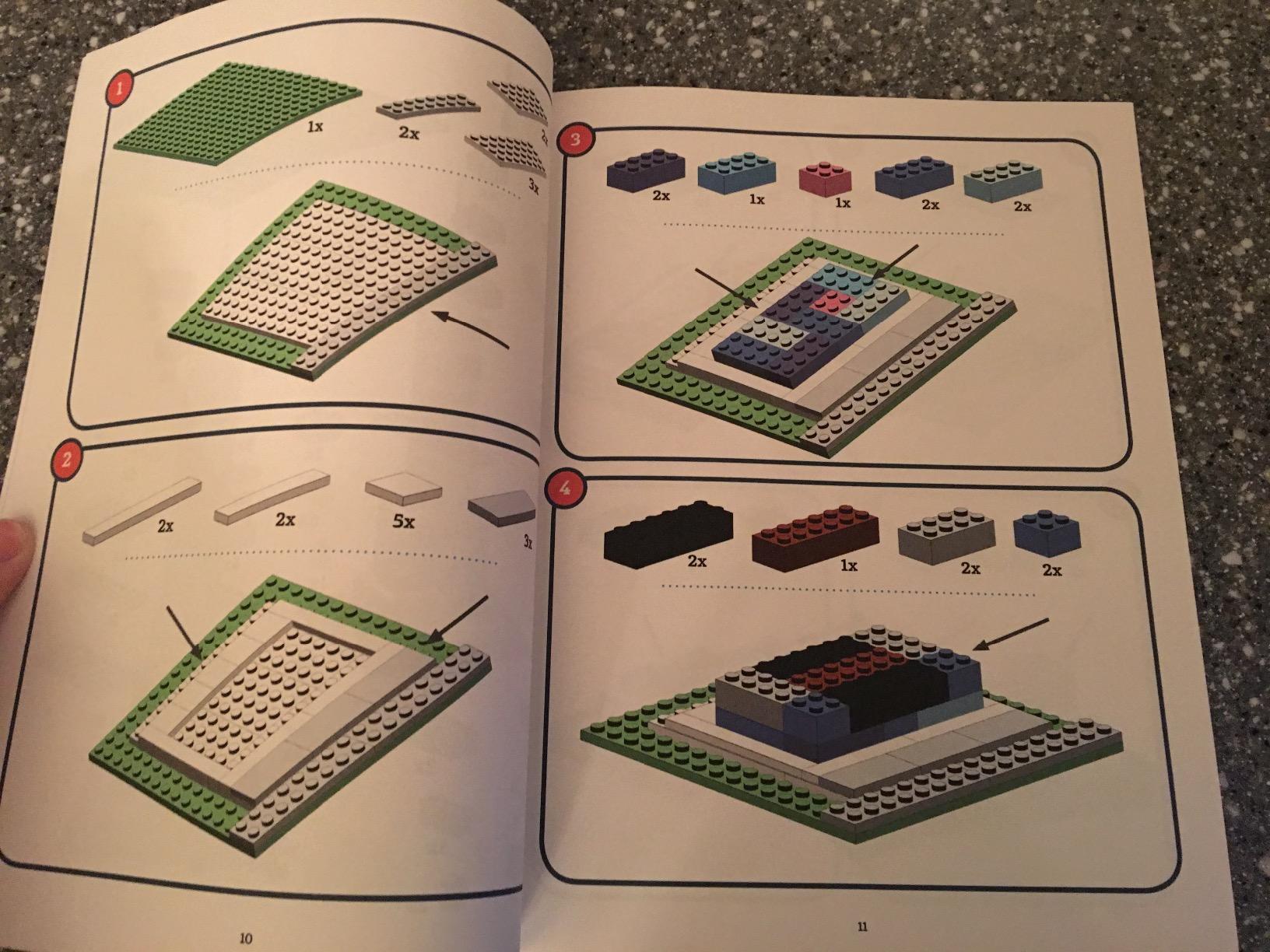
What makes this title valuable for parents is the format. Each project includes clear parts lists, step-by-step instructions, and full-color photographs. Kids can follow along independently while learning about the landmarks they’re building.
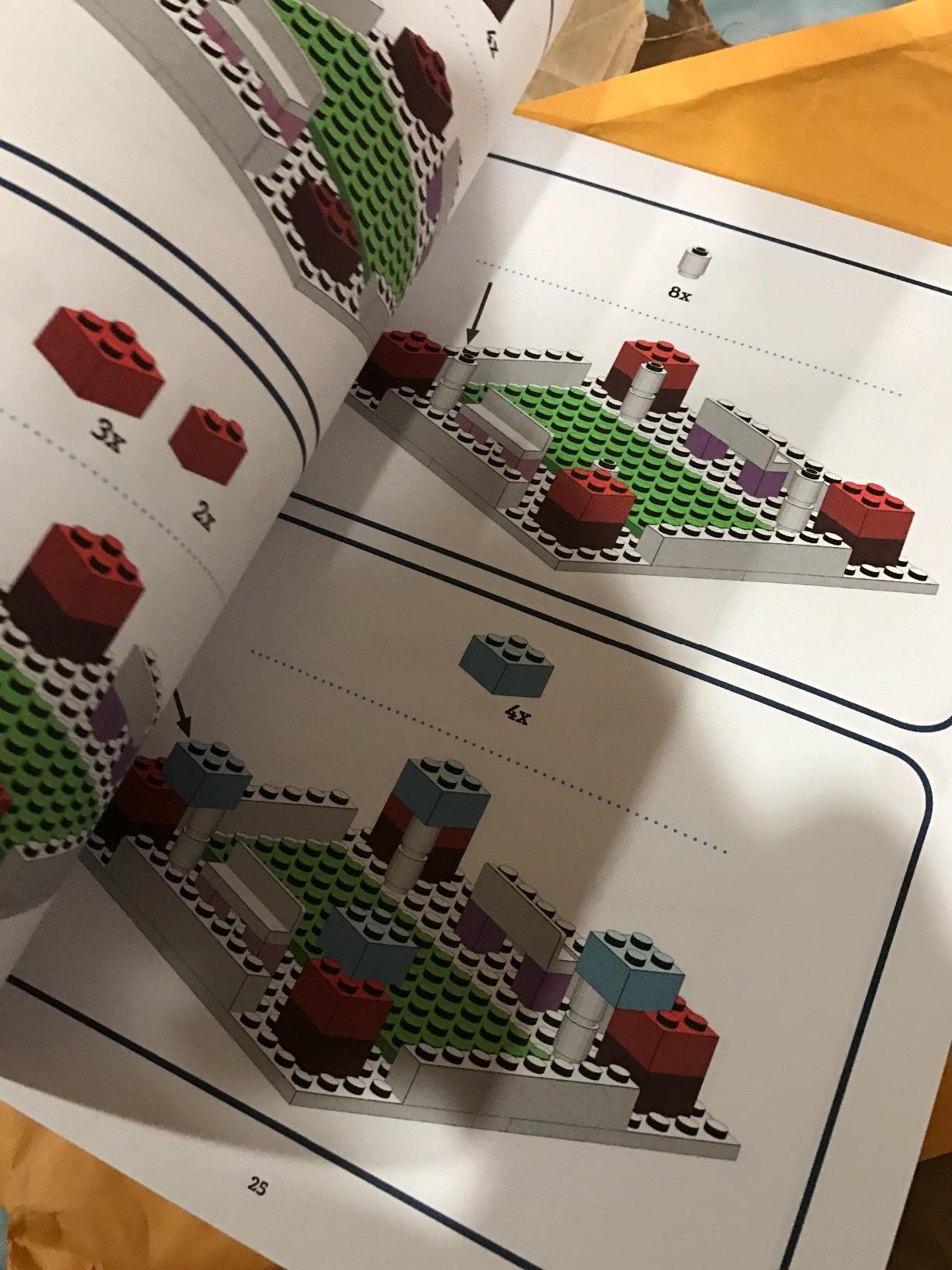
My niece built the Big Ben project in about two hours. The satisfaction of recognizing the clock face and tower details gave her real confidence. The book also includes historical context about each landmark, which adds educational value beyond just construction.
The book targets ages 5 to 8, so the projects stay simple enough for younger builders. The 8.5 by 11 inch format lays flat nicely on a kid’s workspace, and the 9-ounce weight makes it easy to handle.
Who benefits most from this book
Parents looking for screen-free activities for LEGO-loving kids will appreciate this format. Teachers introducing elementary students to architecture and world cultures get an integrated resource. Gift-givers shopping for kids ages 5 to 8 who love landmarks will find this both affordable and engaging.
Who should look elsewhere
Older kids and teens will find the projects too simple. Adult AFOLs looking for advanced techniques should skip this. If you want books covering many landmarks rather than just a few projects each, look at more comprehensive titles.
9. Build It! Volume 1 – Best-Selling Entry Point for Young Builders

Build It! Volume 1: Make Supercool Models with Your LEGO® Classic Set
88 pages
Graphic Arts Books
Ages 4-7
Part of 17-book series
Pros
- Easy to follow directions
- Age-appropriate projects
- Encourages creativity
- Achievable with fewer pieces
- Great gift option
Cons
- Some parts may be outdated
- Limited number of plans
- Some projects need specific pieces
Build It! Volume 1 has over 2,600 reviews and a 4.6-star average, making it one of the best-selling LEGO building books on Amazon. I bought this when my nephew was four years old, and we worked through most of the projects together over a winter.
The 88 pages cover 15+ projects designed for LEGO Classic sets. Each project uses standard pieces your child likely already owns, which makes the book an excellent add-on to existing LEGO collections.
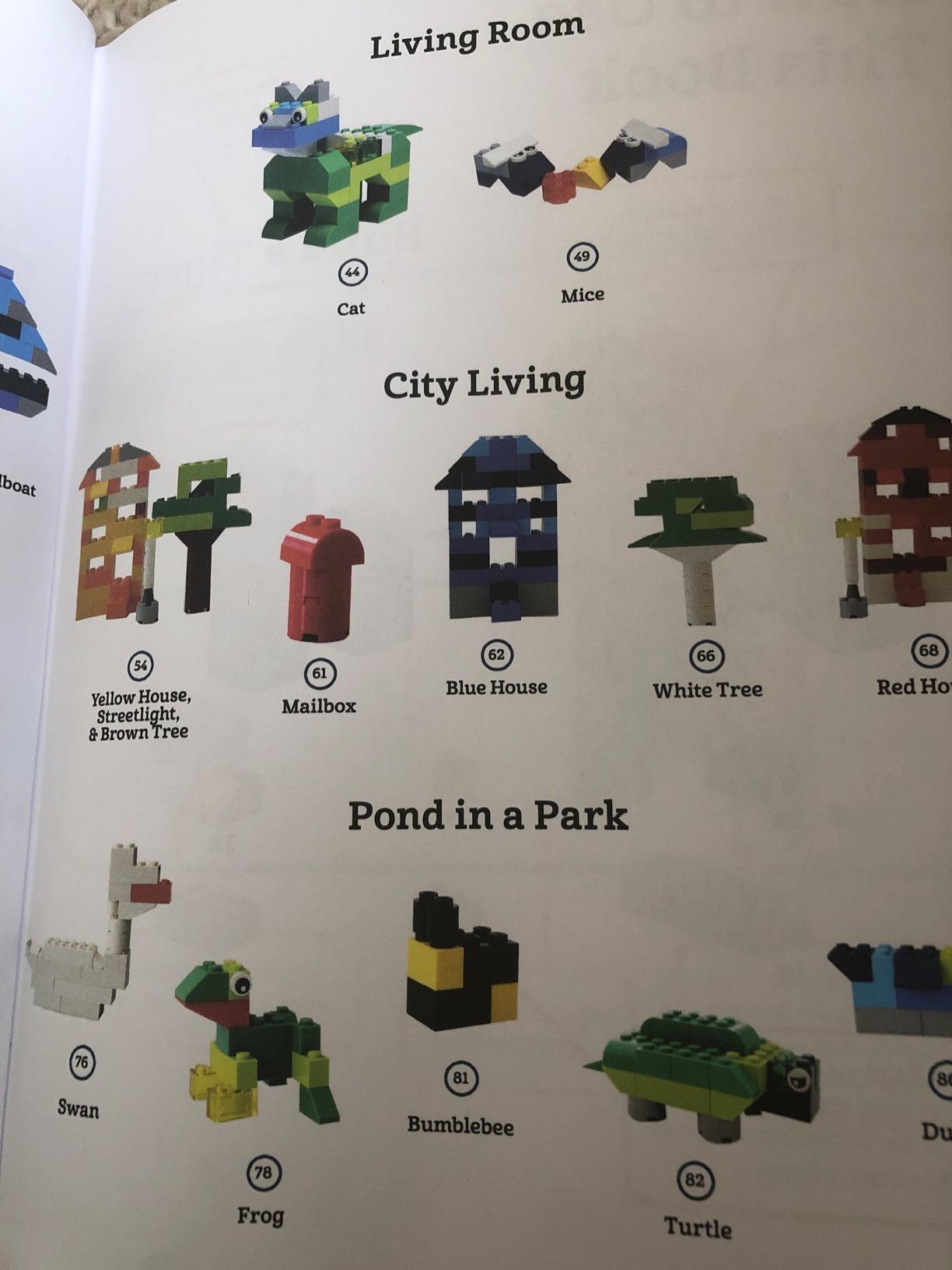
What impressed me most was the focus on completion. Each project is achievable in a single session, which gives young builders the satisfaction of finishing something real. That sense of accomplishment matters more than the complexity of the build at this age.
The projects range from simple houses to more complex vehicles and animals. Kids who master this volume can move up to Volume 2 or transition into the World Landmarks title for architectural-specific content.
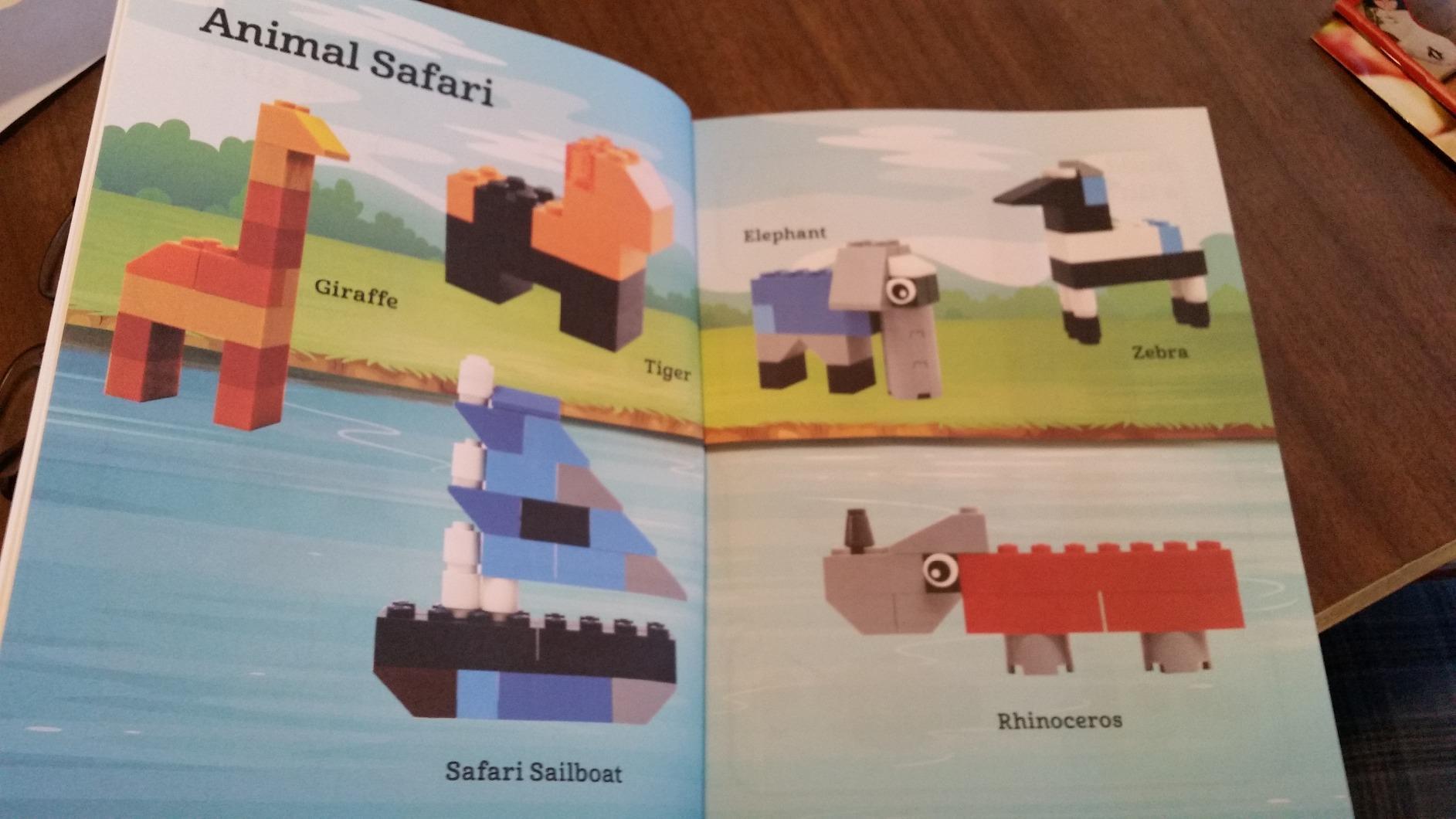
Who benefits most from this book
Parents of children ages 4 to 7 who already own LEGO Classic sets. Gift-givers looking for an affordable, high-quality activity book. Educators running LEGO-based learning programs will find the structured projects valuable for classroom use.
Who should look elsewhere
Older children ready for advanced techniques should jump to The LEGO Builder’s Handbook or Alice Finch’s Idea Book. Adult builders looking for architectural inspiration won’t find much here. Anyone wanting project variety beyond what’s in LEGO Classic sets should explore other titles.
10. Architecture: A Visual History – Encyclopedic Style Reference

Architecture: A Visual History (DK Ultimate Guides)
416 pages
DK Ultimate Guides
Hardcover
Ancient to modern coverage
Pros
- Stunning photographs throughout
- Encyclopedic overview
- Hardcover quality binding
- Covers global architectural styles
- Beautiful reference work
Cons
- Book size somewhat small
- Limited depth on specific elements
- Could benefit from larger format
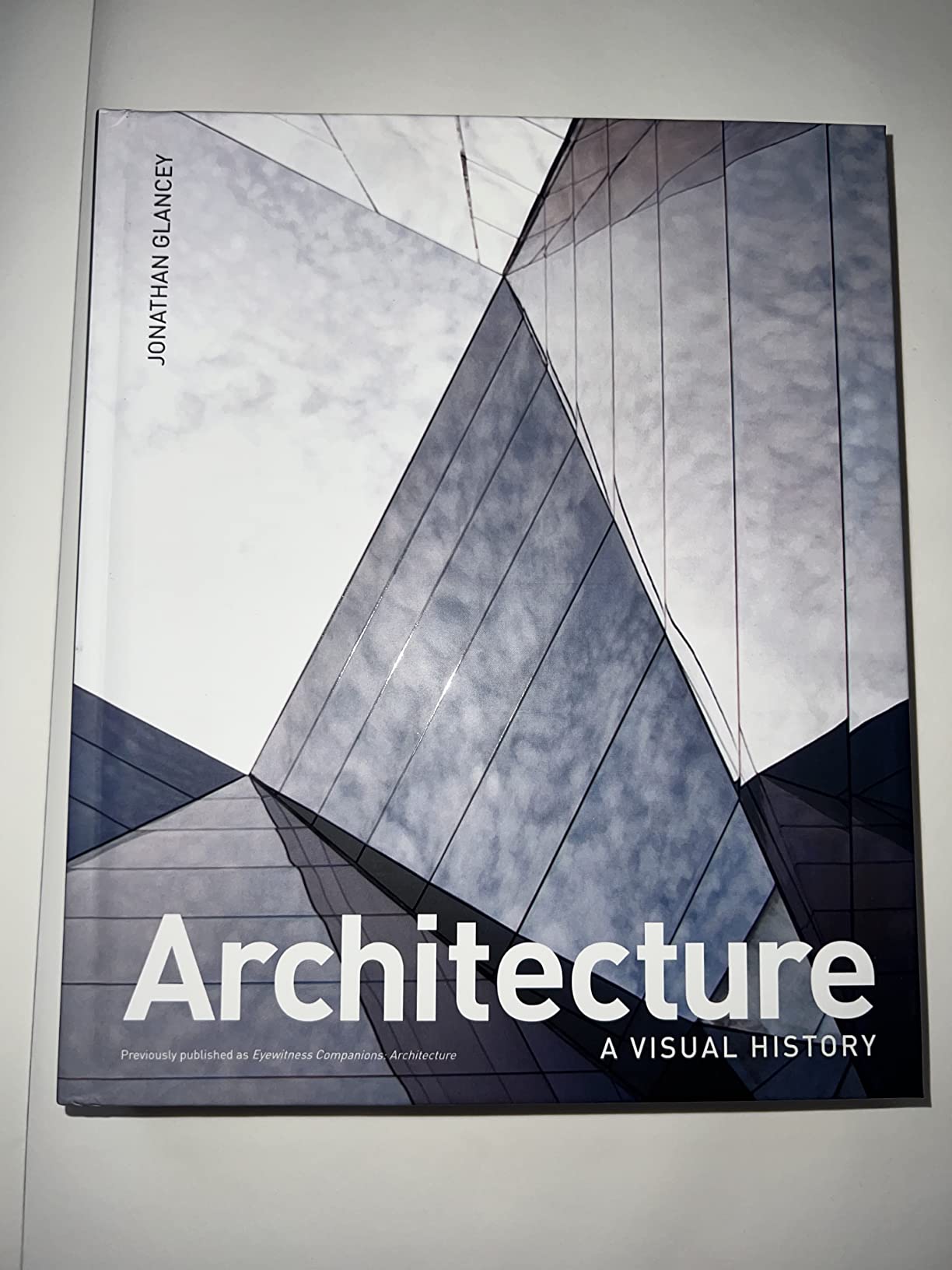
DK’s Architecture: A Visual History is the most comprehensive single-volume reference on this list. With 416 pages and over 800 reviews averaging 4.8 stars, it covers architectural history from ancient civilizations through contemporary movements.
I bought this when I was starting my architecture degree and still reference it today. Each page features full-color photographs, historical context, and design analysis. The encyclopedic format makes it easy to find specific styles, periods, or buildings.
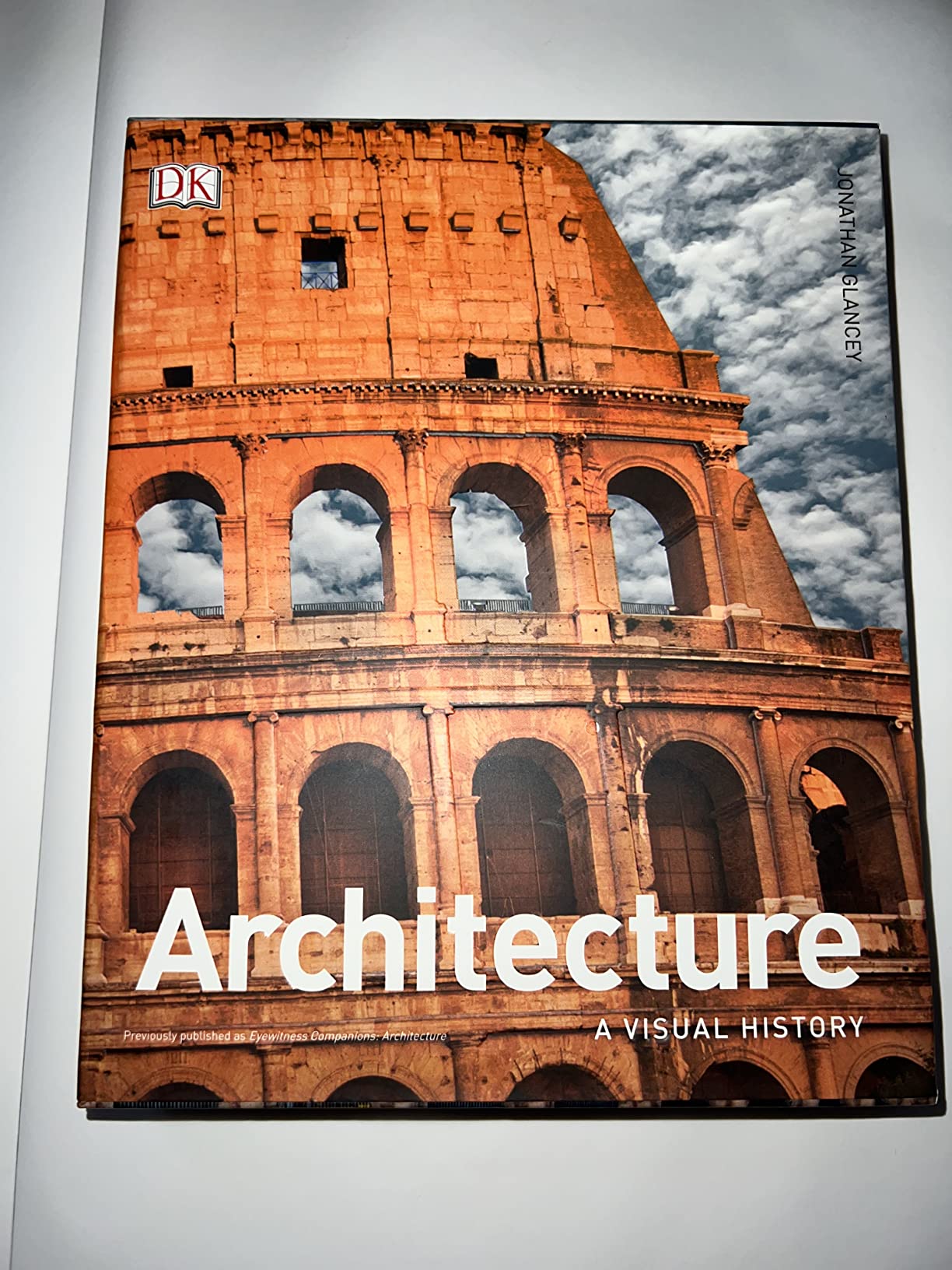
What makes this book special is the global scope. Most architecture books focus on Western traditions. This volume covers Islamic architecture, Asian pagodas, African structures, and pre-Columbian buildings with equal depth. That breadth matters when you’re trying to understand world architecture.
The hardcover binding and 3.79-pound weight give it real shelf presence. I appreciate the durable construction since I’ve pulled this off the shelf hundreds of times over the years.
Who benefits most from this book
Architecture students need this as a foundational reference. Anyone interested in art history or design will find the visual approach engaging. Gift-givers shopping for someone entering an architecture program will give a resource that lasts decades.
Who should look elsewhere
Builders looking for hands-on construction techniques should pair this with a more practical title. If you only want modern or contemporary architecture, the historical coverage may include more than you need. The format is smaller than some coffee table books, which may disappoint collectors.
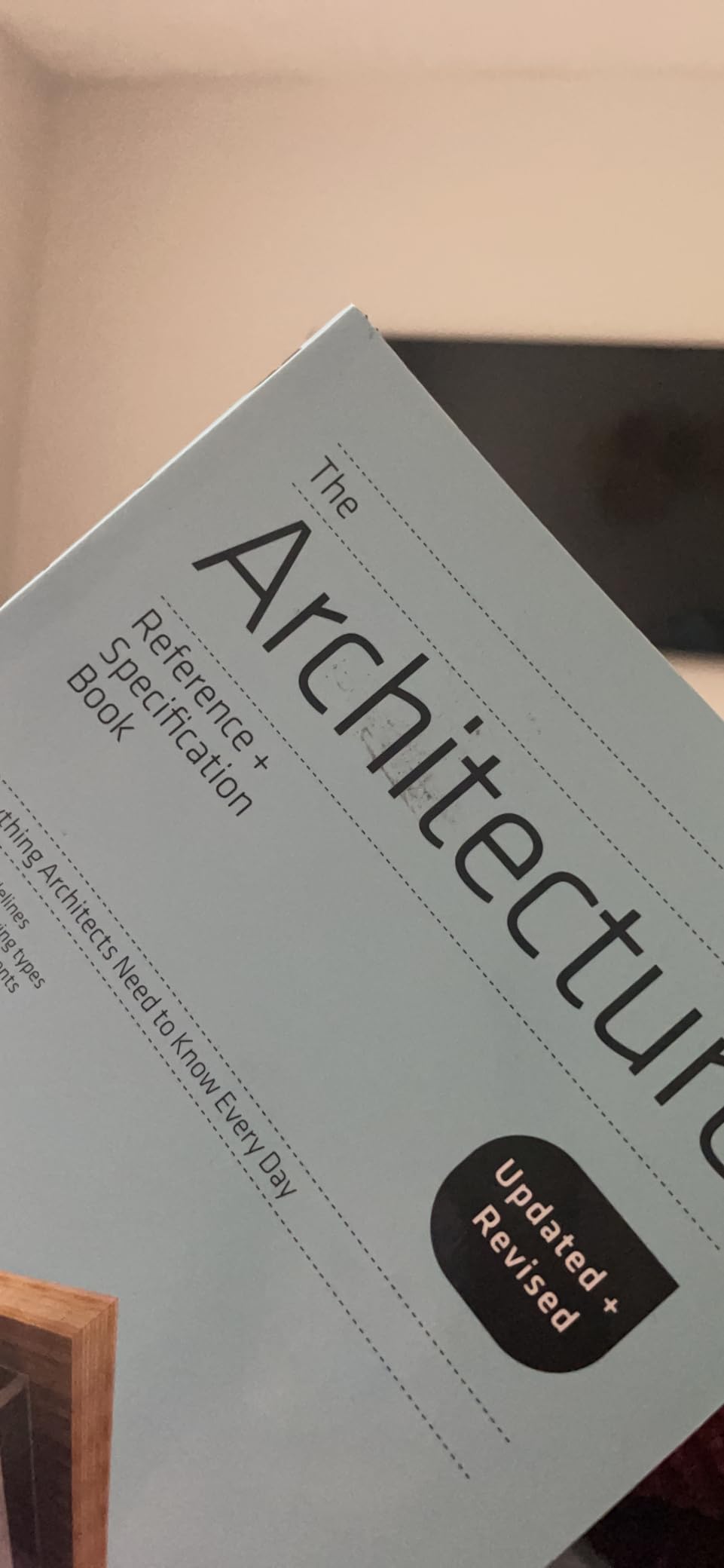
11. The Architecture Reference & Specification Book – Daily Desktop Reference

The Architecture Reference & Specification Book updated & revised: Everything Architects Need to Know Every Day
272 pages
Rockport Publishers
2nd edition
Updated and revised
Pros
- Great for beginners
- Easy to understand
- Lots of pictures
- Covers all elements
- Good for students and professionals
Cons
- Can be too general for some
- Brief sections on complex topics
Julia McMorrough’s Architecture Reference & Specification Book is the daily reference I keep within arm’s reach in my studio. The 272-page updated second edition covers architectural concepts, materials, systems, and standards in an accessible format.
What separates this book from larger encyclopedias is the practical organization. Each section addresses a specific building element, explains what it is, shows how it works, and lists typical specifications. When I’m trying to remember a detail about window glazing or roof assemblies, this is where I look first.
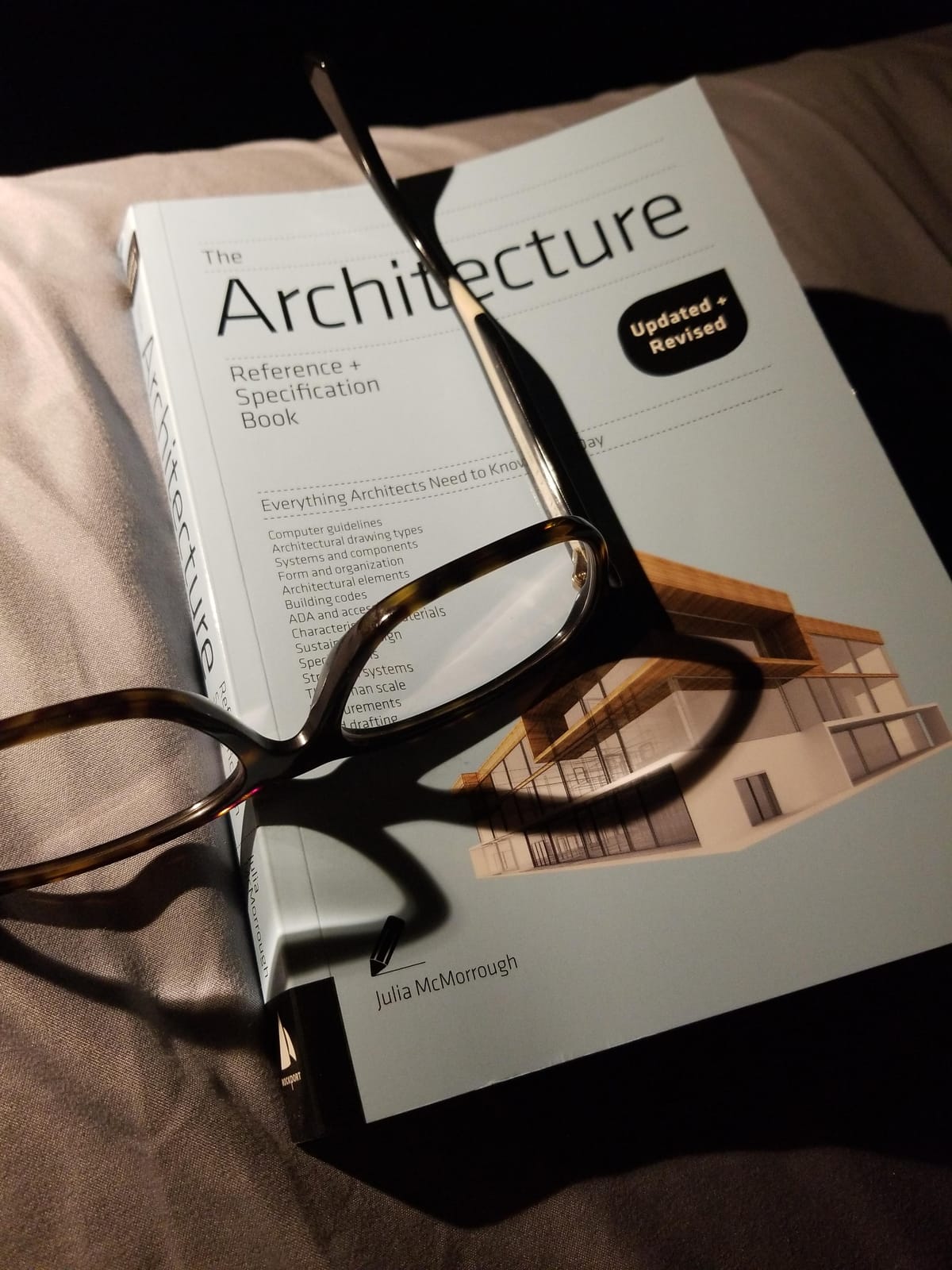
I worked through this cover to cover during my second year of architecture school. The clear explanations and helpful diagrams made technical concepts approachable. The 875 reviews and 4.7-star average reflect how widely this title has been adopted in professional practice.
The 5.9 by 8.25 inch format fits in a backpack, which made it useful during site visits and studio reviews. The compact size doesn’t sacrifice visual quality.
Who benefits most from this book
Architecture students at any level will reference this constantly. Junior architects building their professional library should start here. Interior designers and contractors will find the specification sections practical for daily work.
Who should look elsewhere
Readers seeking deep theoretical analysis will find this too practical. Those wanting purely visual inspiration should pair it with a photography-focused title. If you already own a comprehensive reference library, this may overlap with existing resources.
12. 101 Things I Learned in Architecture School – Pocket-Sized Wisdom

101 Things I Learned in Architecture School
128 pages
MIT Press
Pocket-sized
Practical lessons format
Pros
- Clear and simple language
- Rich in practical advice
- Great for beginners
- Compact and beautiful
- Helpful design principles
- Applicable to landscape architecture
Cons
- Doesn't provide step-by-step goals
- Some readers want more depth
Matthew Frederick’s 101 Things I Learned in Architecture School is the book I give to every high school student considering an architecture career. The 128 pages deliver concise, practical lessons in a format that fits in a jacket pocket.
What makes this book unique is the lesson-based structure. Each page presents a single architectural principle with a brief explanation and supporting illustration. You can read it in an afternoon and return to specific lessons over time.
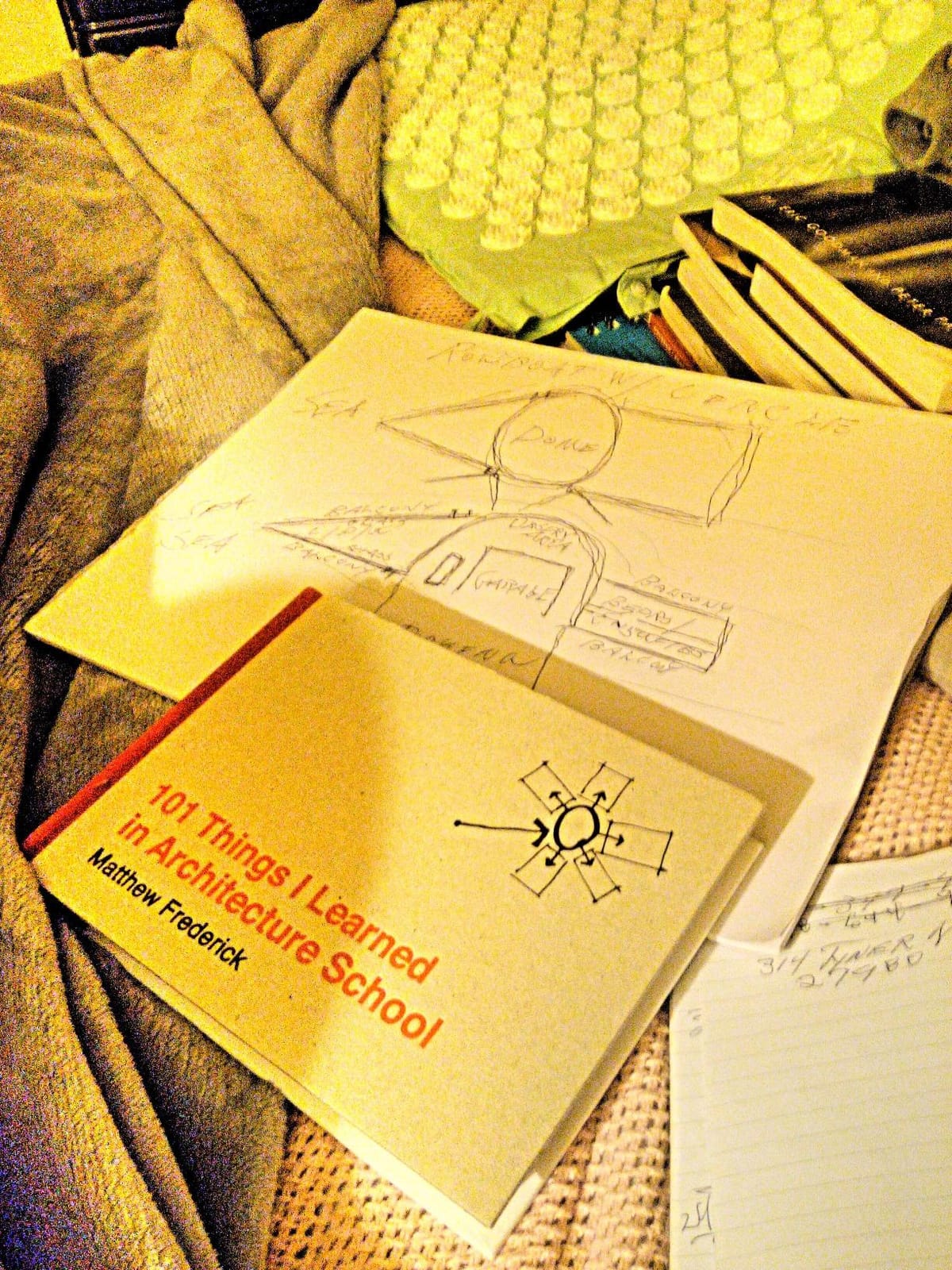
The MIT Press published this in 2007, but the principles remain timeless. With over 1,700 reviews averaging 4.7 stars, it’s earned its reputation as required reading for anyone serious about architectural thinking. I still pull it out when I need to reset my design perspective.
The compact 5.16 by 7.38 inch format means you can carry it anywhere. I’ve read single lessons in waiting rooms, on flights, and between meetings. That accessibility makes it useful in ways larger reference books can’t match.
Who benefits most from this book
Prospective architecture students deciding whether to pursue the field will find this essential. Beginning architecture students get a foundational primer in design principles. Working professionals will appreciate the reminders about fundamentals they may have forgotten.
Who should look elsewhere
Experienced architects seeking advanced theory won’t find new material here. Builders wanting construction techniques or material guidance should pair this with a hands-on title. Readers preferring in-depth coverage of single topics may want longer-form books.
Buying Guide: How to Choose the Right Architecture Book
Picking the right architecture book for model builders depends on three factors: your current skill level, the type of models you want to build, and whether you need a quick reference or a comprehensive study guide. Here’s how to match your needs to the right title.
Skill Level Matching
Beginners benefit most from books that explain fundamentals without assuming prior knowledge. 101 Things I Learned in Architecture School, The LEGO Architect, and Build It! volumes all work well at this level. Each one walks you through concepts step by step without overwhelming you with jargon.
Intermediate builders ready to expand their techniques should look at The LEGO Architecture Idea Book or The LEGO Neighborhood Book. These titles assume you know basic construction and want to push your skills further. The LEGO Builder’s Handbook also fits this level for builders ready to engage with technical content.
Advanced modelers seeking specialized techniques should focus on Architectural Model Building by Fairchild Books for traditional modeling or The LEGO Builder’s Handbook for advanced brick techniques. These titles expect you to bring existing knowledge and build on it.
Format and Presentation Considerations
Print books still win for studio reference work. You can prop them open on your workbench, flip through pages while your hands are messy, and mark up pages with sticky notes. Most titles on this list are print-first resources.
Digital editions work better for search-friendly quick references. If you need to look up a specific technique or material specification quickly, search functions in digital books save time. However, digital editions don’t display the rich photography as effectively as print.
Hardcover books last longer on studio shelves but cost more upfront. Softcover books are more affordable and easier to carry but wear faster with heavy use. Consider how and where you’ll store it.
Materials and Tools Coverage
If your modeling focuses on traditional materials like foam, cardboard, and wood, Architectural Model Building by Fairchild Books covers those topics comprehensively. The book explains material properties, adhesive selection, and tool choices in detail.
For LEGO-focused modeling, the No Starch Press titles (The LEGO Architect, The LEGO Architecture Idea Book, The LEGO Neighborhood Book, and The LEGO Builder’s Handbook) cover brick-specific techniques and part selection.
For mixed-media and diorama work, Modelling Historic Buildings and Imaginary Structures provides techniques for foam sculpting, painting, weathering, and base construction that bridge multiple material types.
Budget Considerations
Budget-friendly options under $20 include 101 Things I Learned in Architecture School, Build It! Volume 1, Build It! World Landmarks, The LEGO Architect, The LEGO Architecture Idea Book, The LEGO Neighborhood Book, and The Architecture Reference & Specification Book. These titles deliver solid value without major investment.
Mid-range options between $20 and $30 include Modelling Historic Buildings and Imaginary Structures. These books offer specialized content worth the additional cost for serious modelers.
Premium options above $40 include LEGO Architecture: The Visual Guide and Architectural Model Building by Fairchild Books. These titles serve as long-term reference investments for committed builders and professionals.
Frequently Asked Questions
What are the best architecture books for model builders?
Top picks include The LEGO Architect for brick-focused builders, LEGO Architecture: The Visual Guide for reference and inspiration, and Architectural Model Building by Fairchild Books for traditional foam and wood modeling. Each title covers a different skill level and modeling approach, so the best choice depends on what you’re building.
Which model making book is best for beginners?
101 Things I Learned in Architecture School works well for design principles. The LEGO Architect and The LEGO Neighborhood Book work well for hands-on beginner projects. All three assume no prior knowledge and walk you through concepts clearly.
What materials do architects use to build models?
Architects commonly use basswood, foam board, cardboard, acrylic sheets, paper, matte board, and museum board. Tools include hot glue guns, craft knives, steel rulers, cutting mats, and adhesives like PVA and contact cement. Advanced studios also use laser cutters and CNC machines for precision fabrication.
Are architectural model books worth it?
Yes. A good architecture book serves as a reusable reference you can return to repeatedly. Books teach proper technique, save time versus trial-and-error learning, and provide inspiration when you’re stuck. The initial cost pays off through better results and faster skill development.
Digital vs print architecture model books – which is better?
Print wins for studio reference and visual inspiration since you can prop books open on your workbench. Digital works for search-friendly quick lookups and portability. Most modelers keep both formats and use them for different purposes.
Final Thoughts
After testing these twelve titles across my own studio work and with students I’ve mentored, I keep coming back to a few standouts. The LEGO Architect remains my top pick for anyone starting their brick architecture journey, while Architectural Model Building by Fairchild Books is the foundation reference every serious modeler needs.
Your final choice depends on what you’re building and where you are in your journey. Pick the book that matches your current skill level, your preferred medium, and the kind of models you want to create. Every title on this list delivers real value, and you can’t go wrong with any of them in 2026.