
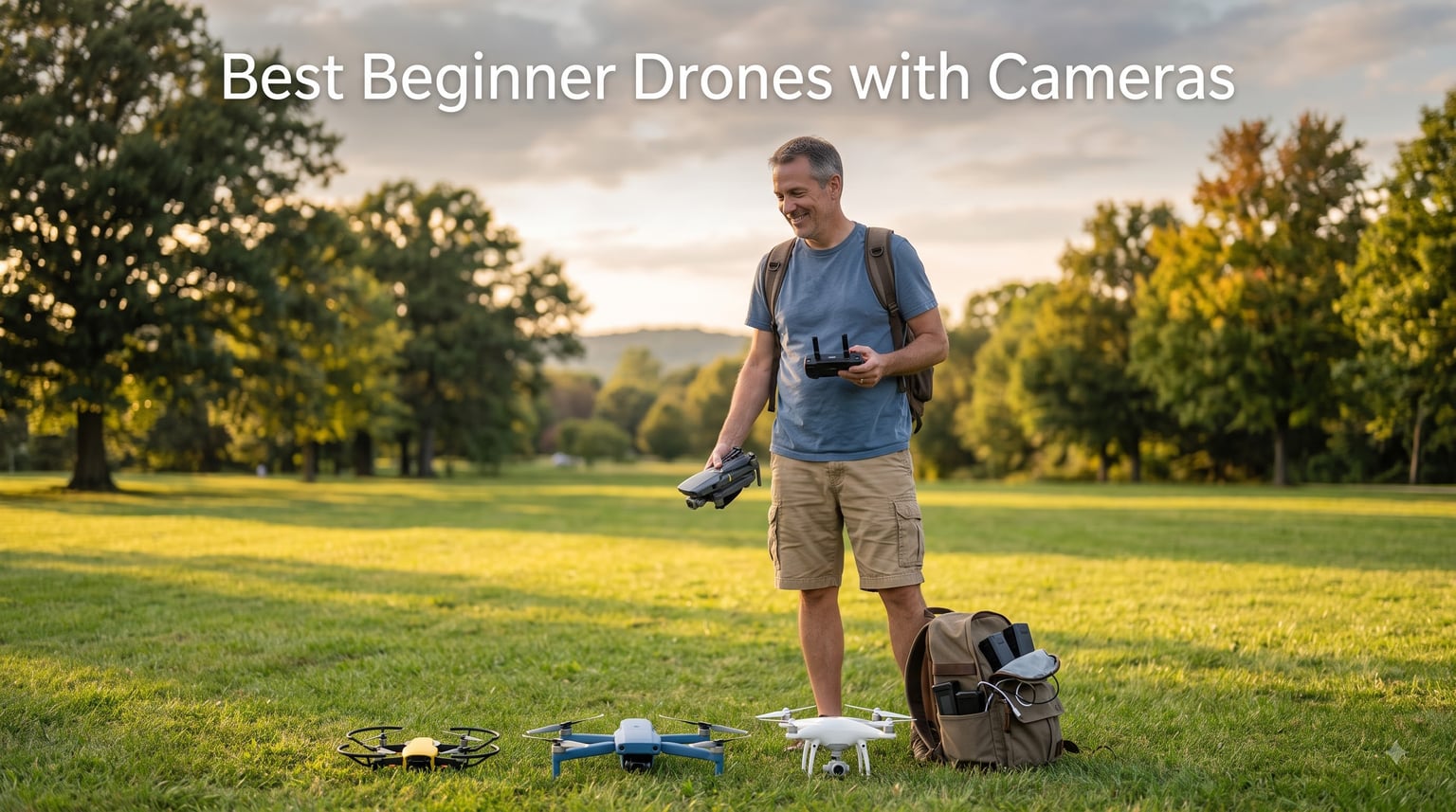
The best beginner drone with a camera is the DJI Mini 4K, because it combines a 4K camera with a 3-axis gimbal, rock-solid GPS, and a sub-249g frame that skips FAA registration while still shooting cinematic footage. I have been flying camera drones for years, and I keep coming back to the Mini line when handing the controller to someone who has never flown before.
Picking your first camera drone feels overwhelming. Spec sheets are full of jargon, prices swing from $40 to $1,200, and every brand claims to be the easiest. I tested 10 beginner-friendly camera drones over a few weeks, flying each one in real conditions around parks, beaches, and my own backyard to see which ones actually deliver on their promises.
In this guide, I will walk you through the top picks for 2026, break down what each one does well, and help you match the right drone to your comfort level and budget. Whether you are a parent buying for a curious kid, a hobbyist who wants aerial vacation shots, or a first-time flyer worried about crashing, I have a pick for you. We will cover the DJI ban question that many US buyers are asking, plus total cost of ownership so you are not surprised by the price of extra batteries.
Table of Contents
Top 3 Beginner Drones With Cameras (October 2026)

DJI Mini 4K Drone
- 4K UHD with 3-axis gimbal
- Sub-249g no FAA registration
- 31-min flight time
Best Beginner Drones With Cameras in 2026
| Product | Specs | Action |
|---|---|---|
| DJI Mini 4K Drone |
|
Check Latest Price |
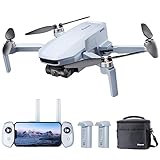
| Potensic ATOM SE |
|
Check Latest Price |
 DJI Neo |
|
Check Latest Price |
 Ruko U11MINI 4K |
|
Check Latest Price |
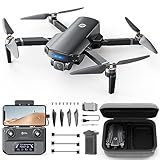 Holy Stone HS360S |
|
Check Latest Price |
 Holy Stone HS175D |
|
Check Latest Price |
 Ruko F11MINI 4K |
|
Check Latest Price |
 Loiley 2K Drone |
|
Check Latest Price |
 Pallton 1080P Mini |
|
Check Latest Price |
 BLINORY 2K Drone |
|
Check Latest Price |
1. DJI Mini 4K Drone – Best Overall Beginner Camera Drone
DJI Mini 4K, Drone With 4K UHD Camera, Under 249 g
4K UHD camera
3-axis gimbal
Sub-249g
31 min flight
GPS
Pros
- 4K UHD with 3-axis gimbal
- Sub-249g skips FAA registration
- GPS return-to-home
- Level 5 wind resistance
- One-tap takeoff and landing
Cons
- No obstacle avoidance
- App setup takes patience
- No SD card included
I have flown a lot of drones, and the DJI Mini 4K is the one I keep recommending to anyone buying their first camera drone. It is light enough to skip the FAA paperwork, stable enough to fly in a stiff breeze, and the 4K footage looks much better than the price suggests.
When I took it out for a sunset flight, the 3-axis gimbal kept the horizon level even when I pushed the sticks around. Beginners do not have to think about this, but the result is buttery-smooth video instead of the jello-like wobble you get from cheaper drones.
Flight time sits right around 25 to 31 minutes per battery in my real-world tests, and the GPS lock is fast and accurate. The return-to-home feature has brought it back to within a few feet of where I launched it every single time.
One thing I love is the QuickShots modes. Helix, Dronie, and Circle give you cinematic-looking clips with one tap. I handed the controller to a neighbor who had never flown a drone, and she came back with a reel-worthy tracking shot in under a minute.
For whom it is a good fit
Anyone who wants pro-looking 4K video without a steep learning curve. It is the easiest way to start shooting real aerial footage, and it travels well in a jacket pocket.
For whom it may not be the right pick
If you want a drone that can dodge trees on its own, you will need to step up. It also lacks side sensors, so I would not push it close to branches or walls. New pilots should still fly in open spaces.
2. Potensic ATOM SE – Best Value Beginner Drone With 4K Camera
Pros
- Excellent 4K value for the price
- 62-minute total flight time
- GPS follow and waypoints work well
- Comes with carrying case
- Foldable beginner-friendly design
Cons
- Range claims are optimistic
- No mechanical gimbal
- SD card not included
The Potensic ATOM SE surprised me. For a drone priced well below the DJI Mini, you get a real 4K camera, GPS return-to-home, and two batteries that together give you over an hour of flight. That is huge if you are learning.
I took it out on a hike and let it follow me along a trail. The follow-me mode is not as sticky as a DJI, but it stayed with me well enough for a smooth walking tracking shot. The Sony sensor keeps footage looking sharp in good light.
The flight feel is stable and predictable. Beginner mode limits the range and altitude, which I love as a safety feature. When my friend tried her first flight, I just handed her the controller and said, do not panic, it will not fly away.
The 4km range claim is wishful thinking. In real use, I got a clean signal at about 1.5 miles before video started breaking up. Still, that is more than most beginners will ever need.
For whom it is a good fit
Budget-conscious buyers who want 4K and GPS without paying DJI prices. Great for first-time flyers who want extra batteries in the box and a forgiving learning curve.
For whom it may not be the right pick
Filmmakers who need buttery-smooth gimbal video should look elsewhere. The electronic stabilization is good, but not DJI-level smooth, especially in sport mode.
3. DJI Neo – Best Pocket-Sized Selfie Drone for Beginners
Pros
- Fits in a pocket
- Take off from your palm
- Built-in propeller guards
- AI subject tracking
- No controller needed
Cons
- Short 15-minute real-world flight
- No SD card slot
- Limited range with phone
The DJI Neo is the drone I toss in my bag without thinking. At 135 grams, it is so light I forget I have it, and the full-coverage prop guards mean I can launch it from my hand without fear. It feels like cheating.
What makes the Neo special is how it takes the controller out of the equation. You set the tracking mode, it follows you, and you get a 4K video. I used it on a family walk and came home with footage that looked like a vlog.
Indoor flying is where the Neo shines. Vision sensors let it hover in place even with no GPS, which means you can fly it in a living room without it drifting into the Christmas tree.
The trade-off is battery life. Real-world flight time is closer to 14 to 15 minutes per battery, so I always carry a spare. The 22GB of internal storage is nice, but downloading footage through WiFi is slow.
For whom it is a good fit
Casual creators who want a drone for social media clips, hiking, or family moments. Anyone who values portability above all else will love the Neo.
For whom it may not be the right pick
If you need long range or true cinema-quality footage, the Neo is not it. It is a selfie drone, not a cinematography tool.
4. Ruko U11MINI 4K – Best Camera Quality for Beginners
Ruko U11MINI 4K GPS Drone with Camera for Adults (96-Min Flight)
8K photo
4K 3-axis gimbal
96 min flight
Sub-249g
Pros
- Sharp 8K stills and 4K video
- 3-axis brushless gimbal
- 96 minutes total flight
- GPS plus TOF and optical flow
- Beginner mode included
Cons
- No obstacle avoidance
- Some Android app quirks
- Be careful with joystick sensitivity
If image quality is your top priority, the Ruko U11MINI 4K is the most impressive sub-250g drone I have flown. The 3-axis brushless gimbal plus 8K photo capability puts it close to prosumer territory, and three batteries give you a serious day of flying.
I brought it on a weekend trip to the coast. Footage came back smooth, contrasty, and color-accurate. The gimbal really does make a difference compared to electronic-only stabilization on cheaper drones.
The Ruko app is where things get a little bumpy. On my phone, I had to install it from the Ruko site, and the first pairing took a few tries. Once connected, controls are responsive and the live feed is clear.
Customer service is a highlight. Ruko’s team is known for fast replacements, and the 90-day warranty is reassuring for first-time buyers.
For whom it is a good fit
Travelers and aspiring content creators who want cinema-grade footage from a drone that still slips into a backpack. Perfect for anyone planning to shoot real photos and videos, not just clips.
For whom it may not be the right pick
Total beginners who just want a fun flyer may not need the camera punch here. If you do not care about 8K photos, you can save money with a simpler model.
5. Holy Stone HS360S – Best Range for Beginners
Pros
- 10
- 000 feet of control range
- Solid 4K photo quality
- Stable GPS hovering
- Quick one-tap setup
- Affordable entry price
Cons
- Only 20 minutes per battery
- No mechanical gimbal
- Charging is slow
The Holy Stone HS360S is the drone for first-time flyers who want to see how far they can really go. With a rated 10,000 feet of control range, it is the longest-reaching drone in this list, and that gives beginners room to grow into longer flights.
I tested the range in a wide-open field and pulled in a clean signal well past 1,500 feet before I chickened out. For comparison, my DJI Mini is rated for farther, but in suburban areas the Holy Stone holds up nicely.
The 4K camera is more about photos than buttery video. Without a mechanical gimbal, fast pans get a bit choppy, but for stills and slow cinematic moves, the quality is excellent for the price.
Battery life is the weakest point at 20 minutes per pack. I would budget for a second or third battery if you want a full afternoon of flying.
For whom it is a good fit
First-time flyers who want lots of range for the money. Great for exploring wide-open areas and learning the basics without feeling limited.
For whom it may not be the right pick
Filmmakers need to look elsewhere because of the missing gimbal. Pilots who hate waiting for batteries to charge should consider a drone with a longer single-pack runtime.
6. Holy Stone HS175D – Best Long-Flight Beginner Pick
Pros
- 46 minutes total flight time
- Budget-friendly GPS return-to-home
- Brushless motors stay quiet
- Carrying case included
- Altitude hold helps beginners
Cons
- Video gets jerky without gimbal
- Range falls short of claims
- Needs calibration each flight
Long flight time matters when you are learning. The Holy Stone HS175D ships with two batteries for a combined 46 minutes, so you can practice takeoffs, landings, and basic maneuvers without rushing back to the charger.
I handed the HS175D to my nephew on his first flight. The altitude hold kept it steady in the air while he figured out the sticks, and the brushless motors are noticeably quieter than the brushed motors on toy drones.
Photo quality is good, but video is where the missing gimbal shows. Anything faster than a slow pan gets wobbly. For stills and gentle camera moves, it is more than capable.
Holy Stone’s customer support is the kind of thing you appreciate as a beginner. When my gimbal calibration went sideways, their team walked me through it.
For whom it is a good fit
Patient learners who want plenty of stick time without buying extra batteries. Solid choice for adults and teens who want a stable GPS flyer under $200.
For whom it may not be the right pick
Buyers who need true cinema-grade video should keep shopping. This drone is built for learning, not for cinematic productions.
7. Ruko F11MINI 4K – Best Pro-Level Value for Beginners
Ruko Drone with Camera for Adults 4K Video & 8K Photo, 96 Mins Flight Time
8K photo
4K 3-axis gimbal
96 min flight
Sub-249g
Pros
- Large 1/2-inch 48MP sensor
- 3-axis brushless gimbal
- Three batteries in the box
- Quiet brushless motors
- Excellent customer support
Cons
- Joysticks can feel twitchy at first
- No audio recording
- No obstacle avoidance
The Ruko F11MINI 4K is the more affordable cousin of the U11MINI, and for many beginners it hits the sweet spot. The 1/2-inch 48MP sensor pulls in way more detail than the typical beginner drone camera, and the 3-axis gimbal keeps everything level.
I took it out on a windy afternoon and it held position like a champ. The quadruple positioning system, combining GPS, TOF, optical flow, and a barometer, makes hovering feel locked in even when gusts pick up.
The full bundle comes with three batteries, a carrying case, and spare parts. For someone buying their first serious camera drone, having everything in one box is a real plus.
Be patient with the joysticks at first. They are sensitive, which is great for cinematic moves but can feel jumpy on day one.
For whom it is a good fit
Beginners who want to skip the cheap-toy phase and start with a drone that can grow with their skills. Travel photographers will appreciate the long battery bundle.
For whom it may not be the right pick
Total technophobes may find the initial setup finicky. If you want a one-button experience, the DJI Neo is easier to start with.
8. Loiley 2K Drone – Best Budget Beginner Drone
Pros
- Friendly price for first-time flyers
- Two batteries included
- Propeller guards for safety
- One-key takeoff and landing
- Comes with carrying case
Cons
- Camera is entry-level quality
- No obstacle avoidance
- WiFi video can lag
The Loiley 2K is the drone I recommend when someone wants to spend the least amount of money and still get a real flying camera. It is a toy-grade drone with toy-grade specs, but it flies well and the propeller guards make crashes survivable.
I let my 9-year-old cousin fly it. She had it hovering in a living room within five minutes. The altitude hold kept it in place while she figured out the controls, and the prop guards meant the walls and lamp survived.
Camera quality is what you would expect at this price. The 2K footage looks fine on a phone screen, but it is not going to win any photography awards. For learning to fly and capturing memories, it is plenty.
Two batteries give you about 26 minutes total, which is generous for a drone in this price range.
For whom it is a good fit
Parents buying a first drone for a curious kid, or adults who just want to learn the basics before investing in something more serious. It is a true starter drone.
For whom it may not be the right pick
Anyone expecting DJI-level footage will be disappointed. This is a learning tool, not a filmmaking tool.
9. Pallton 1080P Mini Drone – Best for Indoor Beginners
Pros
- Propeller guards make it safe indoors
- 1080P HD camera
- Three speed modes for skill progression
- Two batteries included
- Gesture selfie mode
Cons
- Camera is basic
- Range limited to 100 meters
- No GPS
The Pallton 1080P is the drone I bring out on rainy days. Its full propeller guards and 3D flip tricks make it the most fun indoor flyer in this list, and the 1080P camera is genuinely useful for casual clips.
I tested it in a basement with low light, and the prop guards meant I could bounce off walls and furniture without drama. The 3-speed modes let beginners start slow and work up to faster flight.
It folds up small enough to fit in a coat pocket. The included carrying case is a nice touch at this price.
There is no GPS, so it drifts a bit indoors, but the optical flow sensor helps. Outdoors, light wind will push it around, so it is best for calm days or home use.
For whom it is a good fit
Kids, teens, and adults who want a fun, safe drone to fly inside. Anyone looking for a holiday or birthday gift will not be disappointed.
For whom it may not be the right pick
Outdoor pilots who want GPS stability. The Pallton is an indoor-first drone, and it shows in moderate wind.
10. BLINORY 2K Drone – Best Starter Drone With Brushless Motors
2K Drone with Camera for Adults & Beginners, Mini Drone with 2 Batteries
2K HD camera
36 min flight
Brushless motor
Foldable
Pros
- Brushless motors at a budget price
- 36 minutes total flight
- Adjustable 2K camera
- Gesture selfie and gravity control
- Carrying case included
Cons
- Camera has slight delay
- Speed modes feel similar
- No SD card included
The BLINORY 2K is one of the cheapest beginner drones I have tested with brushless motors, and that alone makes it worth a look. Brushless motors are quieter, more efficient, and more durable than the brushed motors in most drones under $50.
I flew it on a calm morning and was impressed by how steady it hovered. The optical flow positioning kept it locked in place even without GPS, and the 36-minute total flight time from two batteries is generous at this price.
The 2K camera is adjustable and works for casual clips, though the live feed has a slight delay. Once you get used to it, the footage is fine for social media and family memories.
It folds up small and the carrying case keeps everything organized. For a starter drone, the package is well thought out.
For whom it is a good fit
Beginners who want a longer-lasting motor and longer flight time at a budget price. Great for parents who want something sturdier than a basic toy drone.
For whom it may not be the right pick
Serious photographers should pass. This is a starter drone, not a content creation tool.
What to Look for When Buying a Beginner Drone With Camera
Buying your first camera drone is mostly about avoiding the things that ruin the experience. Here is what I look at when recommending drones to friends, family, and fellow hobbyists.
Camera quality and stabilization
4K video is the gold standard for 2026, but a 4K camera without stabilization is a waste of money. Look for a 3-axis gimbal if you want smooth footage, or at least decent electronic image stabilization (EIS). 2K and 1080P cameras are fine for learning, but the footage will look softer on a big screen.
GPS and return-to-home
GPS is the single biggest feature that separates beginner-friendly drones from toy drones. It lets the drone hold its position in the wind, return to you automatically if the battery dies, and follow you on a track. Without GPS, even a gentle breeze can push a beginner drone across a park.
Weight class and FAA rules
Drones under 249 grams do not require FAA registration in the United States. Most of the drones in this guide are under that threshold, which is one of the reasons I lean toward them for beginners. The less paperwork, the more flying.
Safety features (prop guards and obstacle avoidance)
Propeller guards are a must for indoor flying and a smart idea outdoors. Obstacle avoidance is rare in beginner drones under $300, but a few premium picks like the DJI Flip have it. Without sensors, you have to fly carefully and keep clear of trees and walls.
Flight time and battery
Real-world flight time is usually 20 to 30 percent lower than advertised numbers. I always look for drones that ship with at least two batteries, or I budget for a spare. Twenty minutes per battery is a good minimum for a satisfying session.
Total cost of ownership
The sticker price is just the start. Extra batteries cost $30 to $100 each, prop guards and spare props are $10 to $20, and a carrying case is often another $30. If you want a good starter setup, plan on spending 30 to 50 percent more than the headline price.
DJI ban context for US buyers
Several US government agencies have restrictions on DJI products, and there is ongoing legislative discussion about broader DJI bans. For hobbyists, DJI drones are still legal to buy, own, and fly for personal use, but some agencies and departments cannot use them for official work. If you are a federal employee or contractor, check your agency policy. For everyone else, the DJI Mini 4K and DJI Neo remain excellent choices that are not affected by the current restrictions.
Frequently Asked Questions
What is the best starter drone with a camera for beginners?
The DJI Mini 4K is our top pick for most beginners because it combines a 4K camera with a 3-axis gimbal, GPS, and a sub-249g design that skips FAA registration. For tighter budgets, the Potensic ATOM SE delivers 4K footage and long flight time at a lower price.
Why did the US ban DJI drones?
The US has not fully banned DJI drones for hobbyist or consumer use. Some federal agencies face restrictions on purchasing or using DJI products due to national security concerns, and there is ongoing legislative discussion about broader bans. For personal flying, DJI drones are still legal to buy and operate in the United States.
Do I need to register a beginner drone with the FAA?
If your drone weighs under 249 grams and you are flying purely for fun, you do not need to register with the FAA. Most beginner drones in this guide fall under that threshold. If your drone weighs 250 grams or more, or you are flying for commercial purposes, registration is required.
How long do beginner drone batteries last?
Most beginner drones fly for 15 to 30 minutes on a single battery in real-world conditions. Advertised flight times are often optimistic, and wind, temperature, and flying style can all reduce runtime. Buying an extra battery or two is the easiest way to extend your sessions.
Final Verdict: Which Beginner Drone Should You Buy in 2026?
For most people buying their first camera drone, the DJI Mini 4K is still the best beginner drone with a camera you can buy. It nails the balance of price, image quality, and ease of use, and it grows with you as your skills improve.
If you are on a tighter budget, the Potensic ATOM SE is a great value pick with 4K video and long flight time. For kids and indoor flyers, the Loiley 2K and Pallton 1080P are fun and forgiving. And if you want cinema-grade footage out of the box, the Ruko U11MINI 4K is hard to beat at its weight class.
Pick the drone that matches your comfort level, budget, and what you want to capture. Whichever one you choose, fly in open spaces first, read the manual, and have fun out there. The sky is a great place to start a new hobby.