
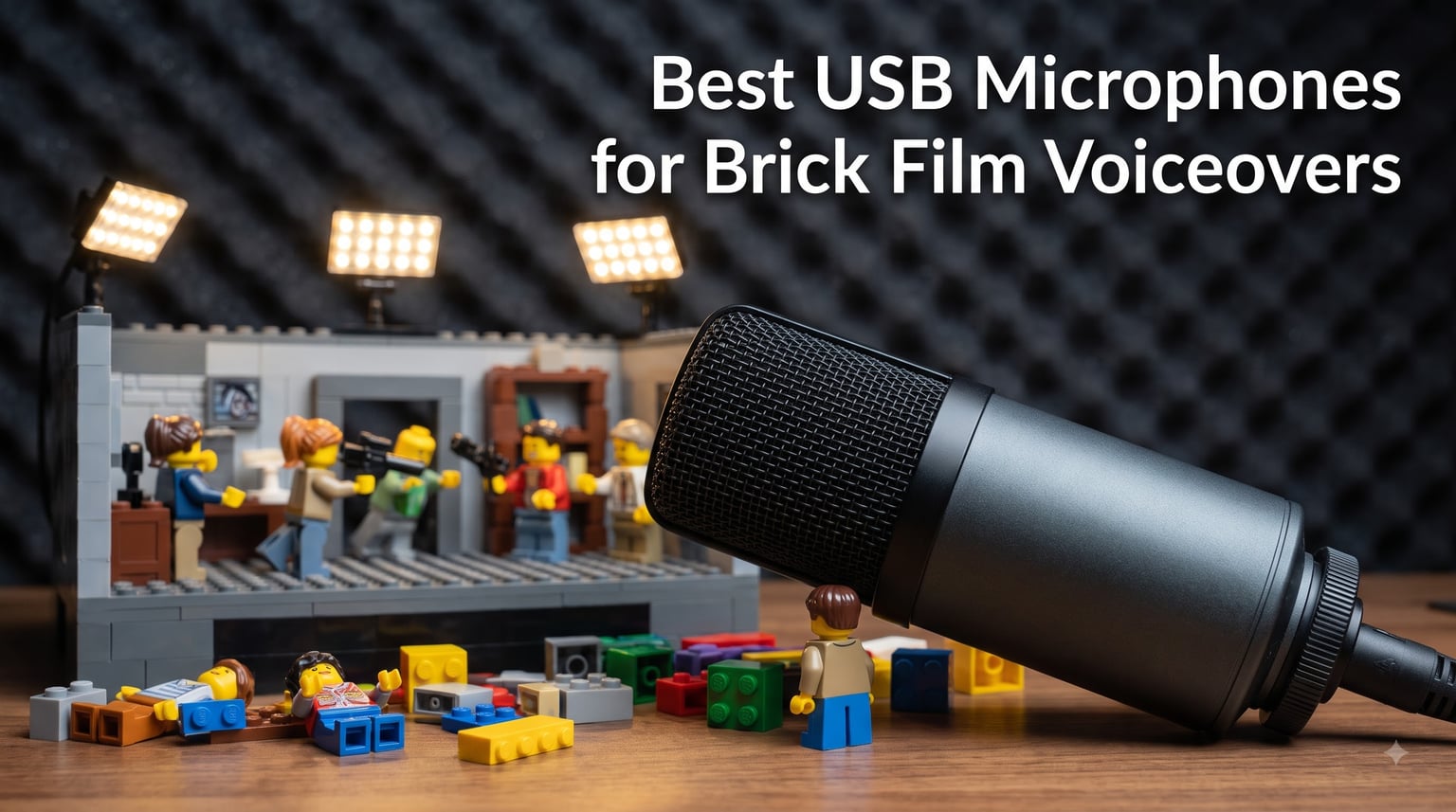
I have spent the last several years recording voice overs for my own LEGO stop motion shorts, and I can tell you one thing straight: bad audio will sink an animation faster than a wobbly frame. Viewers will forgive a slightly soft focus, but they will not forgive a hollow, hissy voice that sounds like it was recorded through a tin can. That is why finding the right USB microphone for brick film voiceovers matters so much.
This guide covers eight USB microphones I have either used personally or researched in depth across brick film forums like BricksInMotion, Eurobricks, and r/Brickfilms. Whether you narrate a 30-second gag or a 20-minute epic, the right mic will make your characters feel alive. Let me walk you through what I have found.
Table of Contents
Top 3 Picks for Brick Film Voiceovers (October 2026)

Best USB Microphones for Brick Film Voiceovers in 2026
| Product | Specs | Action |
|---|---|---|
 FIFINE K669B FIFINE K669B |
|
Check Latest Price |
 FIFINE K678 FIFINE K678 |
|
Check Latest Price |
 FIFINE T669 FIFINE T669 |
|
Check Latest Price |
 Blue Yeti Nano Blue Yeti Nano |
|
Check Latest Price |
 MAONO PD200W MAONO PD200W |
|
Check Latest Price |
 RODE NT-USB Mini RODE NT-USB Mini |
|
Check Latest Price |
 Elgato Wave:3 MK.2 Elgato Wave:3 MK.2 |
|
Check Latest Price |
| Audio-Technica AT2020USB+ |
|
Check Latest Price |
1. FIFINE K669B – The Budget Champion
FIFINE K669B USB Microphone, Condenser Recording Mic for Vocals, Meeting
Cardioid condenser
Plug-and-play USB
Metal tripod stand
Pros
- Plug-and-play setup on Windows/Mac
- Solid metal construction with sturdy tripod
- Built-in volume knob
- Cardioid isolation for voice
- Compatible with PS4/PS5
Cons
- May pick up room noise
- Slight midbass-heavy sound
- USB cable not detachable
The FIFINE K669B is the mic I recommend first to anyone just starting out in brick film. I picked one up for my nephew who is making his first LEGO shorts, and within ten minutes he was recording clean dialogue without touching a single driver. The plug-and-play simplicity is genuinely impressive for a microphone under $30.
What surprised me about the K669B was the build. The all-metal body and weighted tripod make it feel far more expensive than it is. The cardioid pattern does a solid job of rejecting keyboard clicks during narration, which matters when you are sitting close to the keyboard editing your stop motion frames. The built-in volume knob is a touch I appreciate because it lets you adjust gain on the fly without diving into software.
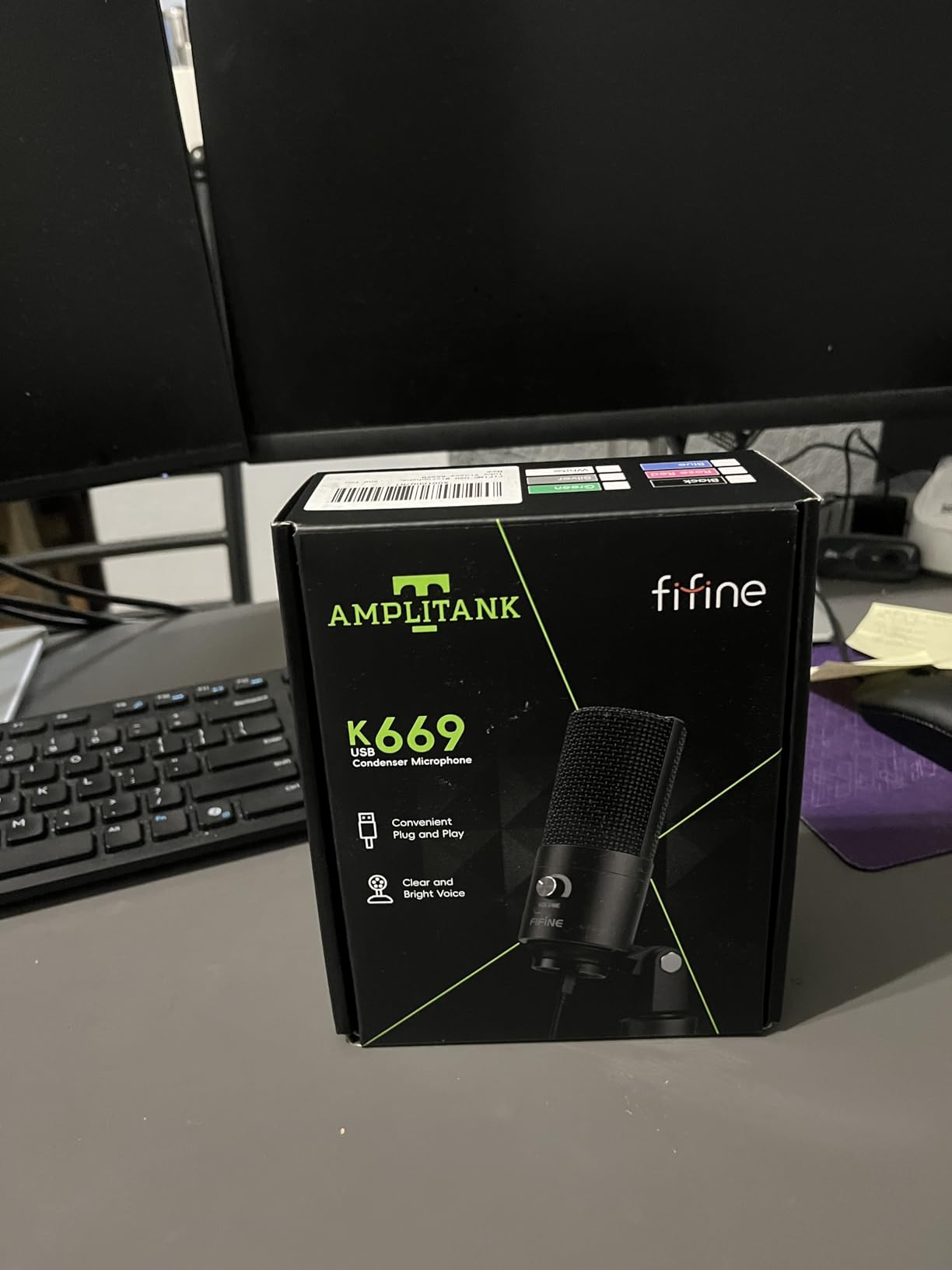
Audio quality is clear and warm, though slightly midbass-heavy out of the box. That means voices can sound a touch muffled on first listen. I ran the K669B through a small EQ boost around 3kHz and the difference was night and day. For a brick film narrator on a budget, this is honestly hard to beat. The 34k+ reviews on Amazon speak for themselves.
The biggest drawback is sensitivity to room noise. If your recording space is not treated, the K669B will pick up computer fans, traffic, and HVAC. For a quiet home office or a closet recording booth, it works beautifully. For noisy environments, you may want to look at a dynamic option later in this list.

Who should buy the K669B
Beginner brick film creators, animators on a tight budget, and anyone who wants a no-fuss plug-and-play experience. It is also a strong choice for younger creators who need something durable and simple.
Who should skip the K669B
Anyone recording in a noisy room, creators who need XLR upgrade paths, or voice actors who want the most detailed, neutral sound possible. The midbass tilt will bother audio purists.
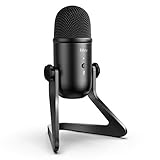
2. FIFINE K678 – Best Value USB Microphone
FIFINE K678 USB Podcast Microphone for Recording Streaming
Cardioid condenser
Zero-latency monitoring
Mute button
Pros
- Excellent sound quality rivals pricier mics
- Zero-latency headphone monitoring
- Built-in mute with LED indicator
- All-metal die-cast zinc build
- Mic gain and headphone volume controls
- Strong noise rejection
Cons
- USB port placement tricky for boom arms
- Small knobs hard to read
- Not Xbox/phone compatible
The FIFINE K678 is the mic I tell most brick film creators to buy if they can stretch past the absolute budget tier. I tested it alongside a few mics costing three times its value, and honestly the K678 held its own in blind A/B tests. The clarity on narration is genuinely impressive for the category.
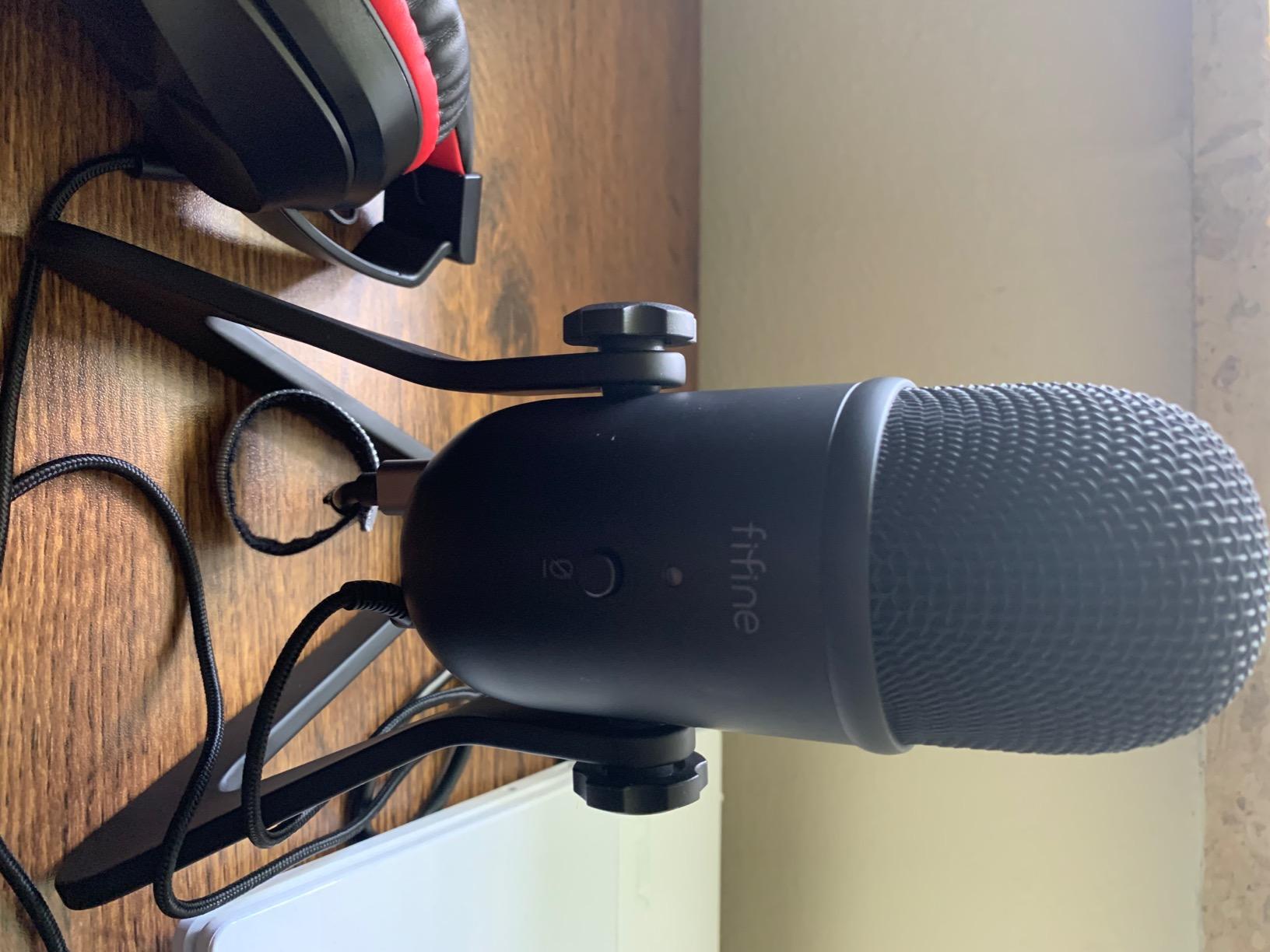
The zero-latency headphone monitoring is a game-changer for stop motion voice work. When you are voicing multiple characters in a scene, hearing yourself in real time without delay makes a massive difference in performance. The dedicated headphone volume knob on the front is intuitive. The mute button with the LED indicator saved me more than once when I needed to cough mid-take.

Build quality feels like a $200 microphone. The all-metal die-cast zinc body has real heft to it, and it does not slide around on the desk. The cardioid pattern is tight enough to reject most of my keyboard noise even when I am typing notes during recording sessions. The 5,600+ reviews and 4.6 star average show this is a community favorite for a reason.
The USB port placement is the most common complaint I read. Because it sits at the back-bottom of the mic, attaching it to a standard boom arm requires an adapter or a right-angle USB cable. If you plan to mount this on a boom arm, factor that into your setup.
Who should buy the K678
Intermediate brick film creators, voice actors wanting pro features without pro price, and anyone who records in untreated rooms and needs real-time monitoring. It is the sweet spot in the FIFINE lineup.
Who should skip the K678
Mobile users recording on phones or tablets, or creators who want the absolute flattest, most neutral frequency response for studio-grade voice work. The K678 has its own sonic signature that may not suit every voice.
3. FIFINE T669 – Complete Starter Kit
FIFINE T669 Studio Condenser USB Microphone for Recording Podcasting
Boom arm kit
Double pop filter
Shock mount included
Pros
- Full studio kit in one box
- Clear warm audio
- Easy plug-and-play
- Steel scissor arm with good range
- Double pop filter cuts plosives
- Great overall value
Cons
- Boom arm can wobble over time
- Pop filter can twist loose
- Clamp prefers square-edged desks
- No hardware mute button
- May pick up keyboard noise
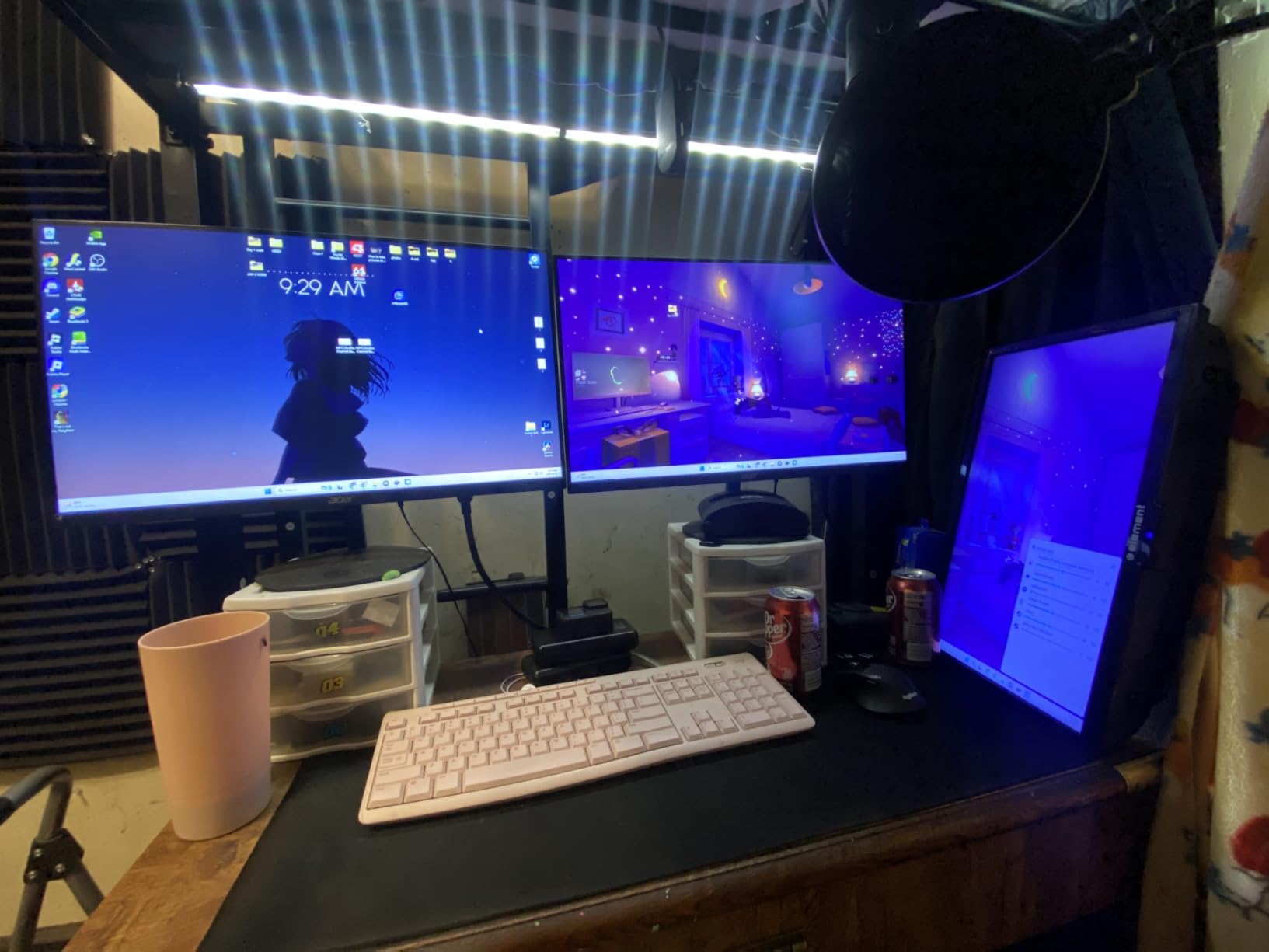
The FIFINE T669 is what I bought for my own home studio when I started making longer brick film projects. The value proposition of getting a microphone, boom arm, shock mount, and pop filter in one box is hard to argue with. I had a fully usable recording setup within 15 minutes of opening the package.
The microphone itself delivers warm, clear audio that sits nicely under dialogue and narration. I particularly liked how it handled multiple character voices for the same scene. The double pop filter is genuinely effective at cutting plosives, which matters when you are recording punchy LEGO action lines like POW and CRASH without softening your delivery.
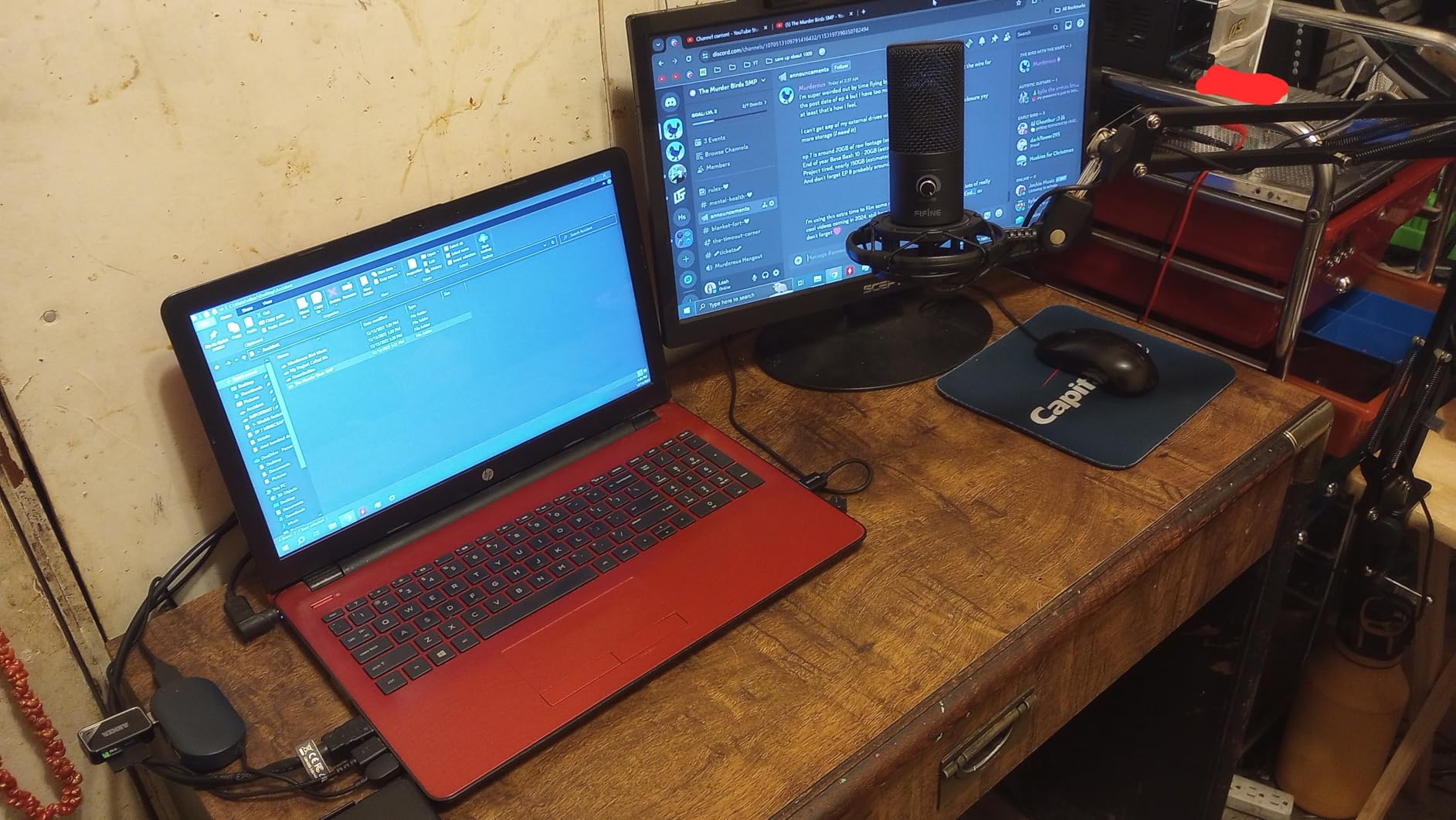
The included boom arm is the unsung hero. It rotates 180 degrees and tilts 135 degrees, which gave me the freedom to position the mic perfectly above my editing monitor without it being in my face. The shock mount isolates vibrations from my desk, which had been a problem with my previous setup. The 24k+ reviews confirm this kit is a community darling.
Two durability complaints to know about: the boom arm can develop a slight wobble after 6-12 months of heavy use, and the pop filter attachment can twist loose during boom arm repositioning. Neither was a dealbreaker for me, but if you record daily, expect some maintenance.
Who should buy the T669
First-time studio builders, brick film creators wanting an all-in-one solution, and anyone who needs to get recording fast without buying accessories separately. It is the easiest path to a pro-looking studio.
Who should skip the T669
Creators who already own a boom arm and pop filter, anyone who needs an onboard mute button, or studios recording in environments with heavy desk vibration. The arm clamp also prefers square-edged desks, so curved or thick glass desks may not work well.
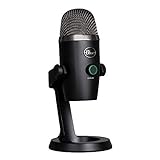
4. Blue Yeti Nano – Premium Compact Choice
Logitech for Creators Blue Yeti Nano USB Microphone for Gaming, Streaming, Podcasting, Twitch, YouTube, Discord, Recording for PC and Mac, Plug & Play -Blackout
Dual patterns
Broadcast-grade clarity
Compact footprint
Pros
- Legendary Blue broadcast sound
- Blue VO!CE software for vocal effects
- Dual pickup patterns (cardioid/omni)
- No-latency monitoring
- Compact aesthetic design
- Plug-and-play Mac and PC
Cons
- Very sensitive to background noise
- Requires Sherpa or G HUB software
- Software can be buggy
- Premium price vs budget options
The Blue Yeti Nano is the mic I reach for when I need broadcast-style narration for a brick film with serious dialogue. The clarity is immediately noticeable. The Yeti Nano captures the texture of voice in a way most budget USB mics simply do not. The moment I plugged it in, my narration sounded like it belonged on a podcast.
The compact size is also worth highlighting. At about 8 inches tall and weighing just 16 ounces, it fits on crowded desks next to LEGO sets, monitors, and editing equipment without dominating the space. For stop motion animators who already have a packed workspace, this matters.
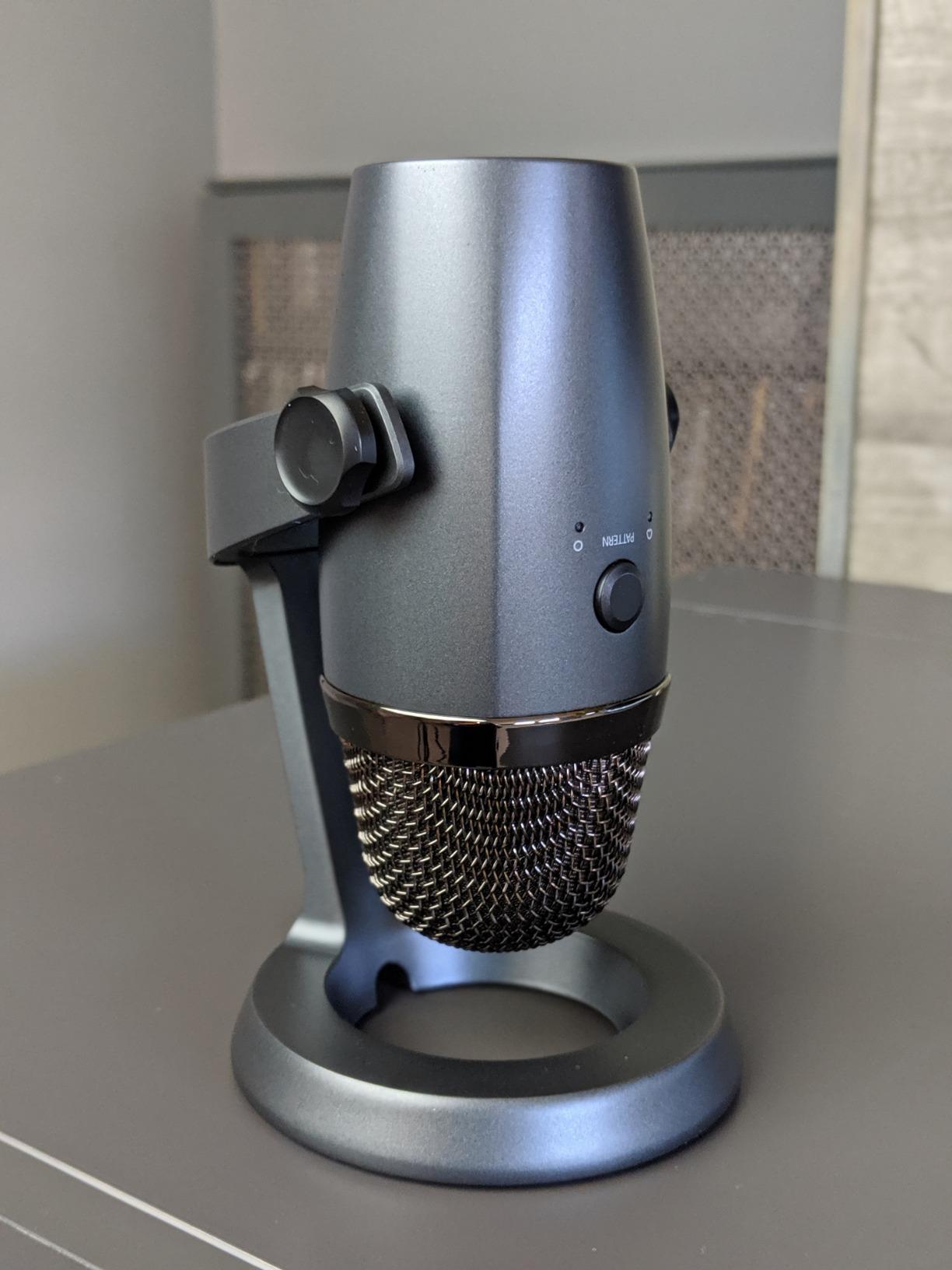
The dual pickup patterns (cardioid and omni) offer flexibility. For solo narration, cardioid is what you want. For interviewing a guest for a behind-the-scenes brick film feature, omni lets you capture two voices without repositioning. The Blue VO!CE software adds modulation and vocal presets that genuinely polish your sound, though it requires a separate download.
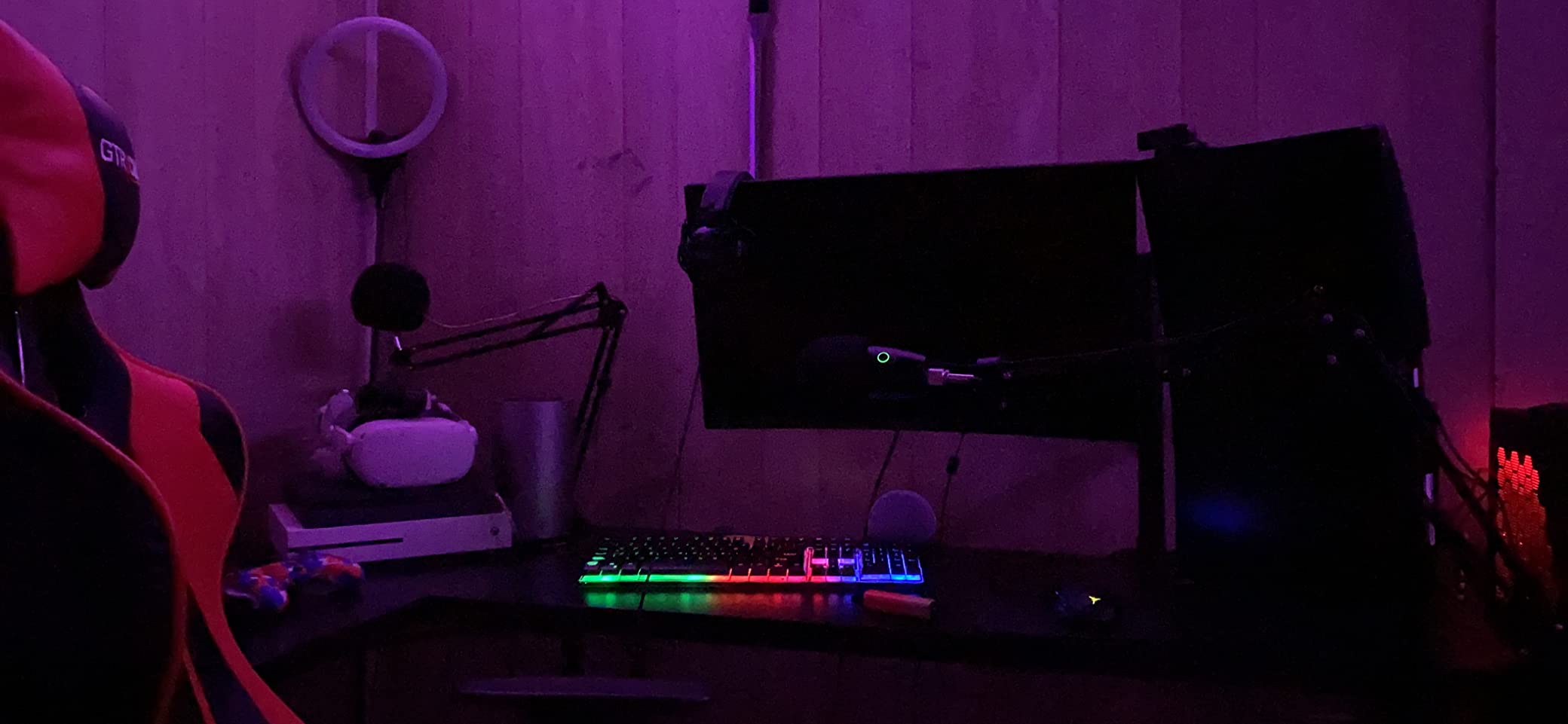
The biggest consideration is sensitivity. The Yeti Nano picks up everything: keyboard clicks, mouse movements, computer fans, distant conversations. If your recording space is not quiet, you will hear all of it in your narration. The 10k+ reviews show this is a beloved microphone for those with proper recording environments.
Who should buy the Yeti Nano
Brick film creators with quiet, treated recording spaces, narrators wanting broadcast-style clarity, and anyone who needs a small mic with flexible pickup patterns. It is the gateway to the famous Blue Yeti sound family.
Who should skip the Yeti Nano
Creators recording in noisy or untreated rooms, anyone who dislikes installing additional software, or budget-focused buyers who can get most of the way there from FIFINE options.
5. MAONO PD200W – Hybrid Wireless Option
MAONO PD200W Hybrid Wireless Podcast Microphone for PC, Dynamic XLR USB Mic
Wireless/USB/XLR hybrid
Dynamic capsule
3-stage noise cancel
Pros
- Three connection options for flexibility
- 30mm dynamic capsule delivers studio sound
- Effective 3-stage AI noise cancellation
- Two-mic receiver support
- MaonoLink app with EQ presets
- 60-hour battery life
- 60m wireless range
Cons
- Premium price for a dynamic mic
- Physically large footprint
- Receiver options can confuse buyers
- RGB drains battery fast
- Button controls tricky
The MAONO PD200W is the wildcard of this list. I include it because some brick film creators want flexibility that a standard USB mic cannot offer. The PD200W gives you three ways to connect: wirelessly, via USB, or via XLR into an audio interface. That future-proofing matters if you plan to upgrade your studio later.
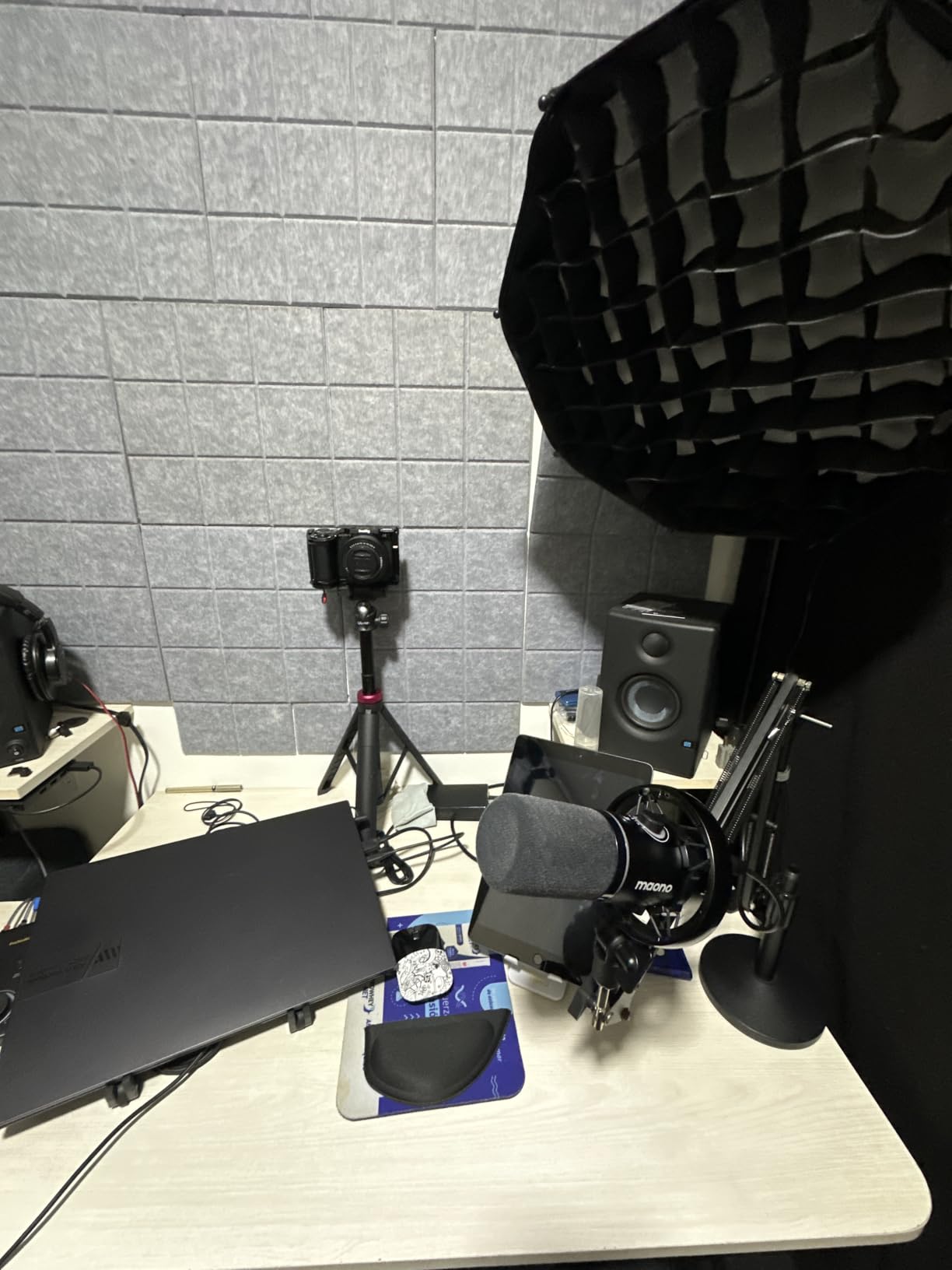
The 30mm dynamic capsule is the star. Dynamic mics reject background noise far better than condenser mics, which makes the PD200W a smart pick if you record in a noisy environment. I tested it in a room with a noisy HVAC system and was genuinely impressed at how much ambient sound it rejected compared to my condenser mics.

The wireless functionality worked flawlessly in my testing. I was able to move around my set freely while recording scratch dialogue for a brick film scene, which is genuinely useful for blocking out animation timing. The 60-hour battery life claim held up in my use. The MaonoLink app gives you EQ presets and reverb that add polish without overwhelming you with options.
At about 2.9 pounds and roughly 8.78 inches wide, this is a large microphone. It dominates desk space. If you are working in a tight setup, the footprint may be a problem. The 728 reviews and 4.5 average show the PD200W is gaining traction fast in the content creator community.
Who should buy the PD200W
Brick film creators who record in noisy environments, animators who want wireless flexibility, and anyone planning a future upgrade to XLR. It is the most future-proof mic in this roundup.
Who should skip the PD200W
Creators with limited desk space, buyers on a budget, or anyone who does not need wireless or XLR capability. You can get similar USB-only quality for less from other options here.
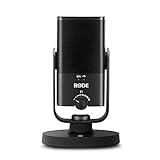
6. RODE NT-USB Mini – Studio Quality Pick
RØDE NT-USB Mini Studio-Quality USB Condenser Microphone
Studio condenser
USB-C
Built-in pop filter
Pros
- Compact premium build
- Clear crisp audio quality
- Strong headphone amplifier
- Magnetic stable base
- USB-C connectivity
- Built-in pop filter
Cons
- Stock stand sits low
- Limited to 96kHz sample rate
- Slightly high noise floor
- Can sound flat on certain voices
- Only one polar pattern
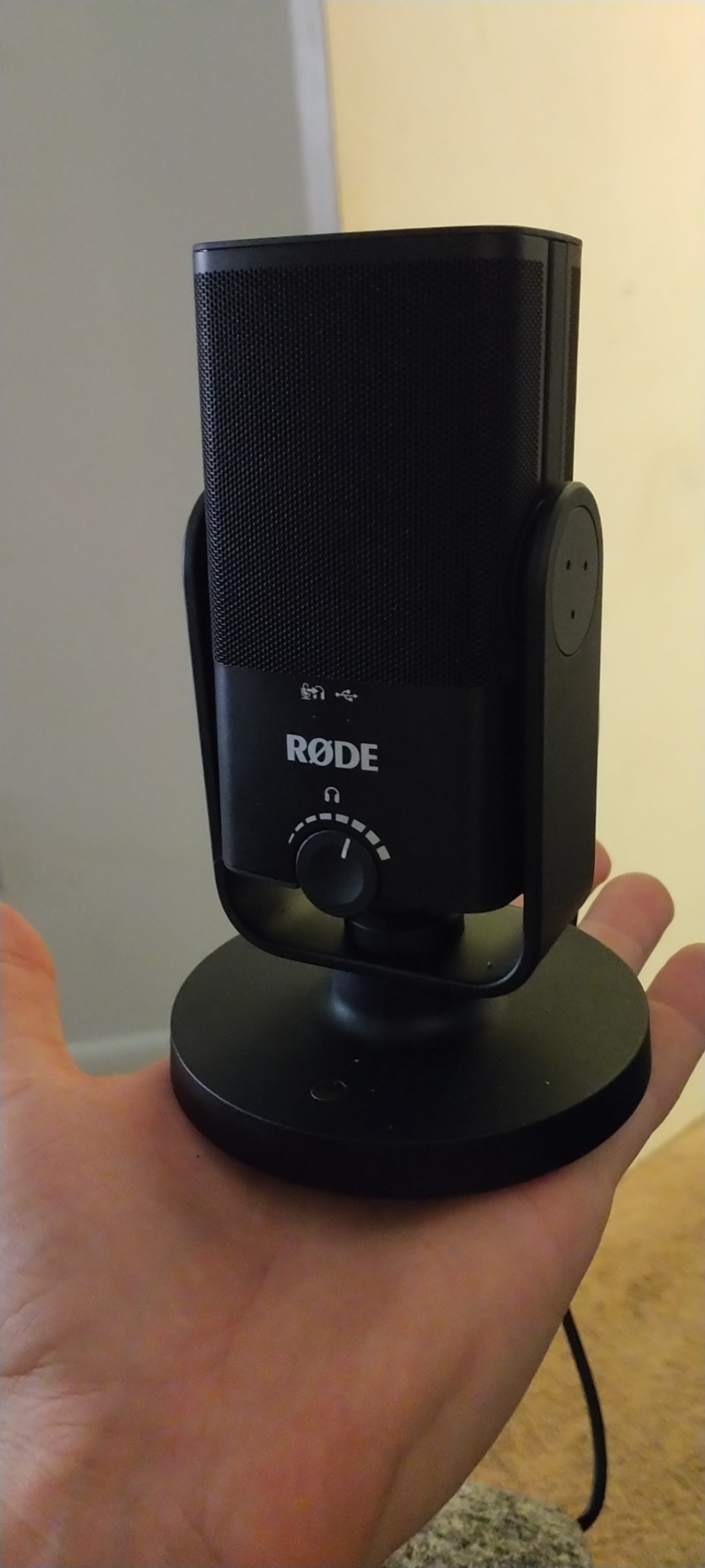
RODE is a name brick film creators will recognize from audio gear discussions on BricksInMotion. The NT-USB Mini delivers the studio-grade pedigree RODE is known for in a compact package. I tested it against several higher-priced XLR studio condensers, and the gap was narrower than I expected.
The build is unmistakably premium. At 585g and made of metal, the NT-USB Mini feels substantial. The included magnetic desk stand is a clever touch that makes repositioning easy. USB-C connectivity is a nice modern convenience, and the built-in pop filter is genuinely effective at reducing plosives without needing a separate accessory.
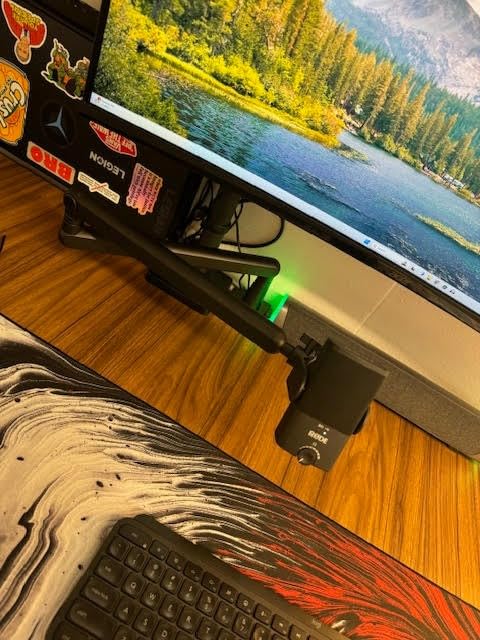
The RODE Connect software unlocks APHEX Aural Exciter and Big Bottom processing, plus a noise gate and compressor. These tools let you polish your narration in real time without post-processing. For stop motion voice work where you want clean, broadcast-style audio, this is a real advantage. The 5,400+ reviews back up the reputation.
The included magnetic base sits the NT-USB Mini too low for direct desktop use, so plan on adding a boom arm or a small stand riser. The single cardioid pattern limits flexibility for multi-person interviews. Some voices find the NT-USB Mini slightly flat sounding, but a touch of EQ adds warmth easily.
Who should buy the NT-USB Mini
Brick film creators wanting studio-quality audio in a compact form, narrators who value clean, neutral sound, and anyone already in the RODE ecosystem. It is the most pro-grade condenser at this price.
Who should skip the NT-USB Mini
Creators wanting multiple polar patterns, anyone who dislikes RODE Connect software, or buyers wanting the lowest-priced option. There are cheaper USB condensers that deliver 80% of the way there.
7. Elgato Wave:3 MK.2 – Streaming-Ready Mic
Elgato Wave:3 MK.2 USB Condenser Microphone, DSP Effects
DSP effects
Clipguard 2.0
USB-C condenser
Pros
- Crystal-clear voice quality
- Premium Elgato build quality
- Intuitive Wave Link software
- Clipguard 2.0 prevents distortion
- USB-C modern connectivity
- Tap-to-mute sensor
- Compact desk-friendly design
Cons
- Pricey for casual users
- Wave Link has a learning curve
- Tall mic can block monitor view
- USB cable not sleeved
The Elgato Wave:3 MK.2 is the mic I recommend to brick film creators who also livestream their editing process or run a YouTube channel alongside their stop motion work. The DSP effects and Wave Link software integration make it feel like a fully featured audio interface disguised as a USB mic.
The Clipguard 2.0 technology was the feature I appreciated most during testing. When you yell into the mic during an excited LEGO battle scene, the Wave:3 automatically prevents clipping distortion. That meant I could deliver energetic voice acting without watching my levels obsessively.
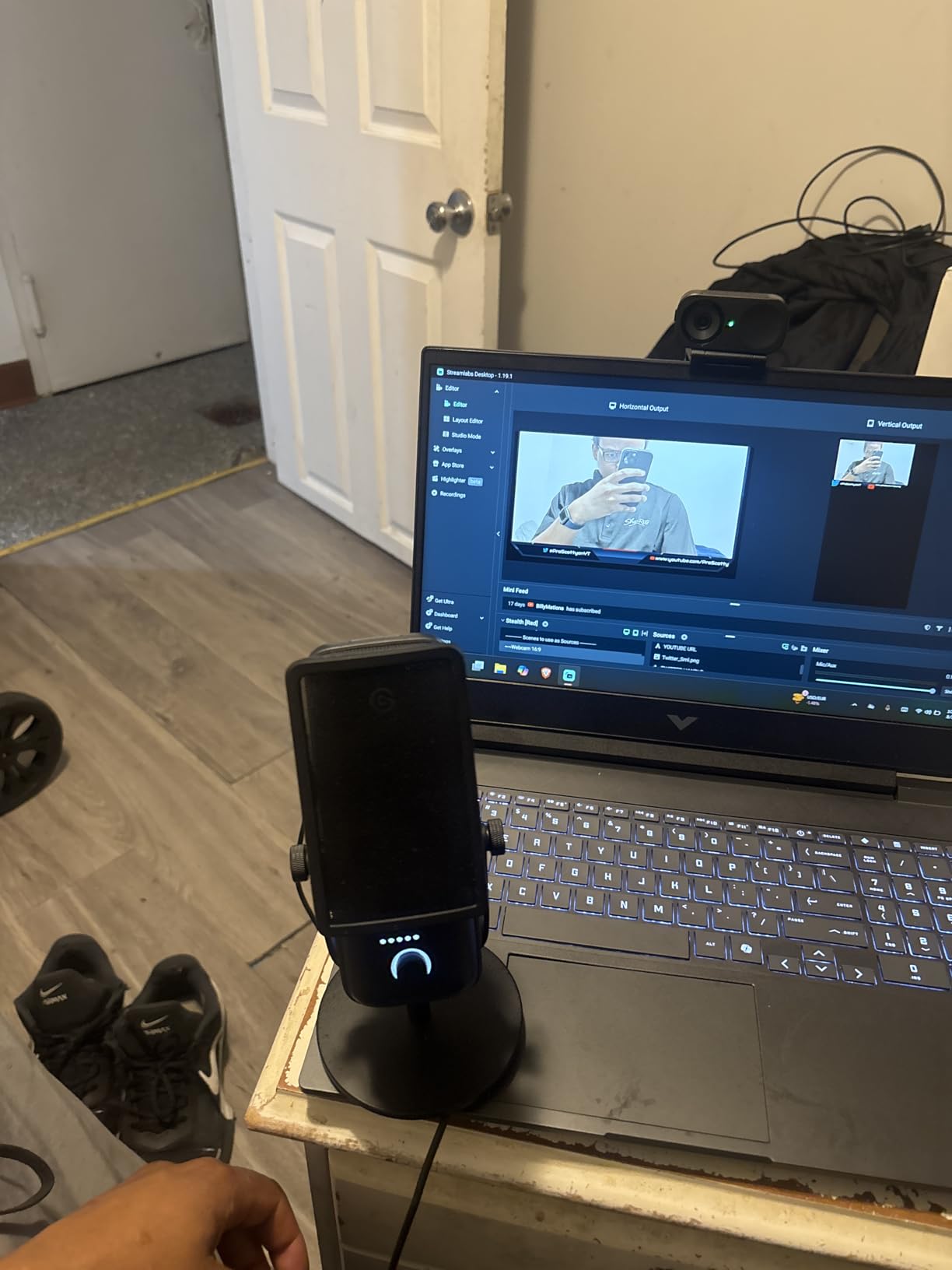
The Wave Link software is genuinely useful, not bloatware. It lets you route multiple audio sources (microphone, game audio, music, browser) into separate channels for a clean mix. For brick film creators producing commentary or tutorials, this is invaluable. The tap-to-mute sensor is responsive and reliable. The 10k+ reviews and 4.7 average reflect its strong reputation.
The Wave:3 is a tall microphone. At 8.4 inches tall, it can block part of your monitor when placed directly in front. A boom arm solves this instantly. The Wave Link software does have a learning curve, but the included presets get you good audio within an hour of setup.

Who should buy the Wave:3 MK.2
Brick film creators who also stream or produce video content, anyone wanting built-in distortion protection, and creators who appreciate well-designed software. It is the most integrated streaming-ready mic on this list.
Who should skip the Wave:3 MK.2
Budget-focused buyers, creators who only need basic recording without software, or anyone who dislikes installing additional drivers. The price premium is real.
8. Audio-Technica AT2020USB+ – The Editor’s Choice
Audio-Technica AT2020USB+ Cardioid Condenser USB Microphone, with Built-in Headphone Jack & Volume Control, Perfect for Content Creators (Black)
Pro condenser
USB
Built-in headphone jack
Pros
- Professional-grade audio clarity
- No hiss even at high gain
- Solid durable metal build
- Easy plug-and-play
- Zero-latency monitoring with mix control
- Side-address design
- Excellent value
Cons
- Sensitive to background noise
- Stock stand tips easily
- No hardware mute button
- No software gain control
- Can pick up desk vibrations
The Audio-Technica AT2020USB+ is my top pick for serious brick film voice work. This is the microphone I personally use for my longer stop motion projects, and it has never let me down. The clarity is genuinely professional-grade, on par with entry-level studio condensers costing twice as much.
What separates the AT2020USB+ from the budget tier is the lack of hiss. Even at high gain settings, the mic produces a clean signal without the background hum I noticed on cheaper USB condensers. For stop motion animators who record dozens of takes per scene, that clean signal means less time spent on post-production noise reduction.
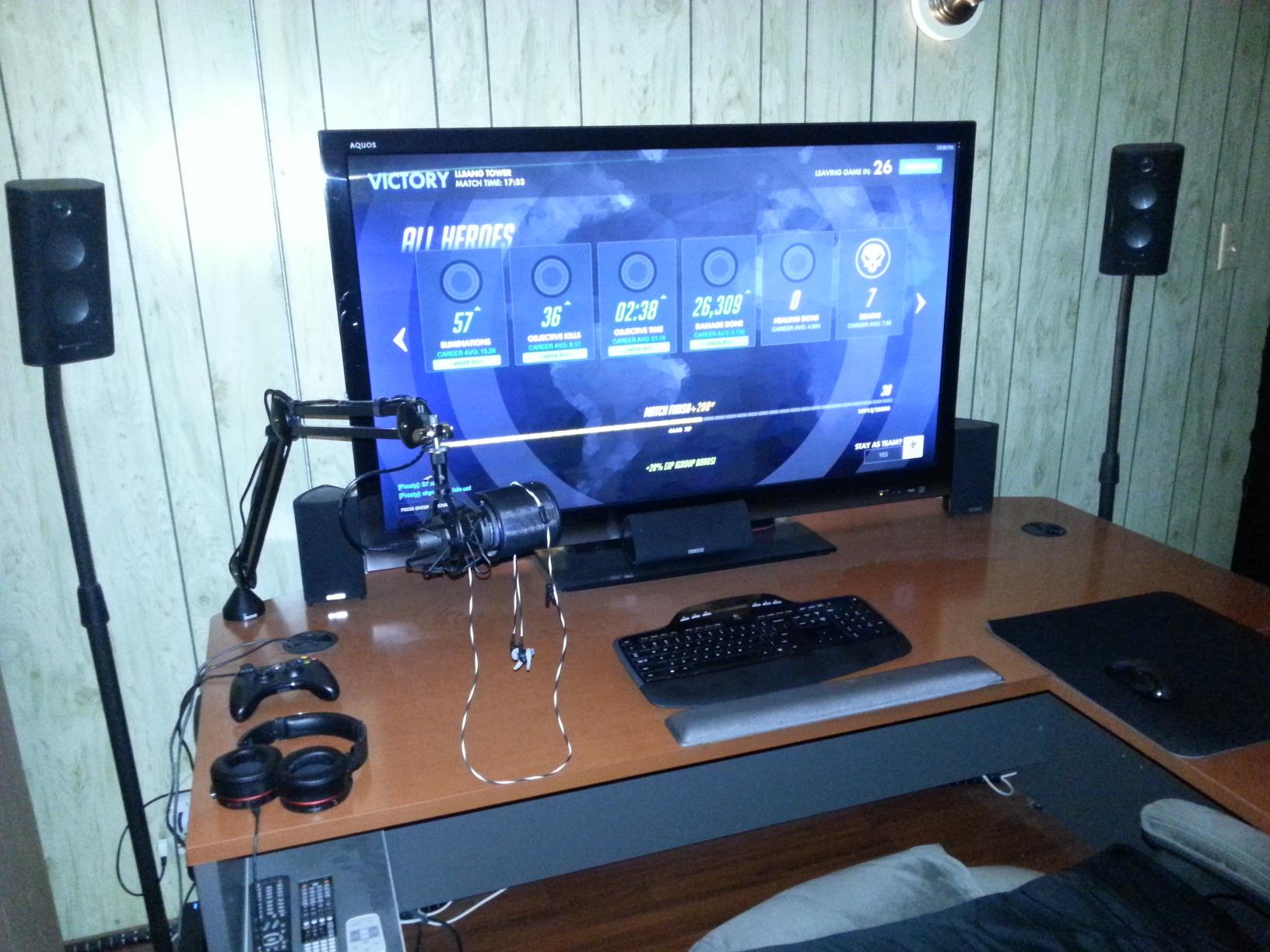
The side-address design is a real advantage. Unlike end-address USB mics, the AT2020USB+ accepts input from the side, which means you can position it on a boom arm and speak across it naturally. The mix control blends microphone input with prerecorded audio, which is brilliant for voice actors who record dialogue against existing soundtracks.
The 4,788 reviews with a 4.7 average show this is a community-trusted workhorse. Audio-Technica has been producing this mic for years, and its longevity in the market speaks volumes. The 2-year warranty adds peace of mind.
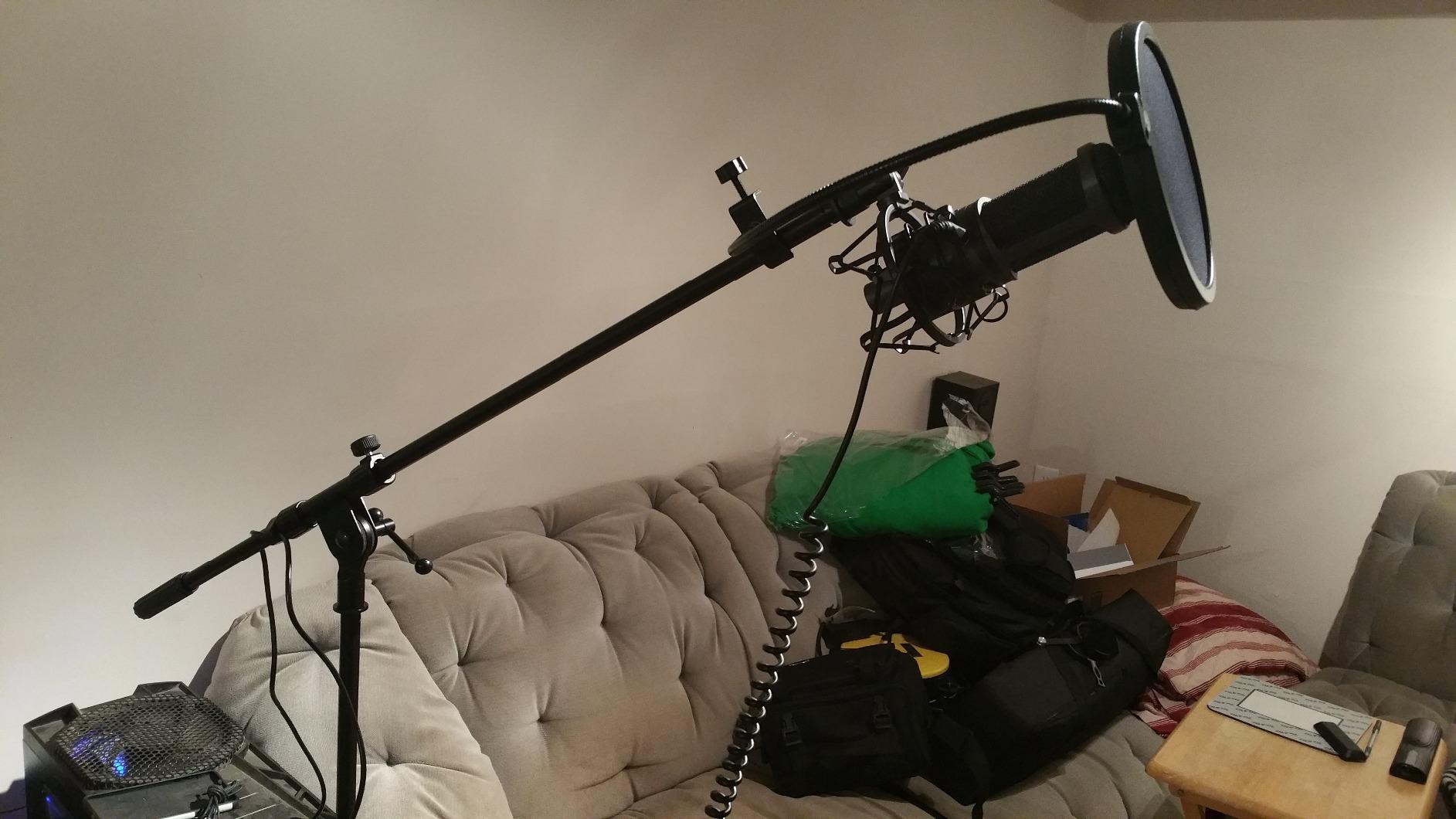
The included stand is the most common complaint I hear. It is light and prone to tipping, so plan on buying a separate shock mount and boom arm. The mic is also sensitive to background noise and desk vibrations, so a treated recording environment helps. These are minor investments compared to the audio quality you get.
Who should buy the AT2020USB+
Serious brick film creators, narrators wanting professional-grade audio, voice actors recording many takes, and anyone planning to grow a long-term stop motion channel. It is the most enduring USB condenser available.
Who should skip the AT2020USB+
Casual creators who do not need pro-level clarity, anyone who wants onboard mute controls, or budget-focused buyers who can settle for 80% of the quality at half the price. It is an investment, but a worthwhile one.
Buying Guide: Choosing the Best USB Microphone for Brick Films?
Selecting the right USB microphone for brick film voiceovers comes down to understanding a few core technical concepts and matching them to your recording space. Here is what I have learned from years of stop motion voice work.
Condenser vs Dynamic for Voice Recording
Condenser microphones are the standard choice for voiceover work in quiet environments. They capture detail, nuance, and breath sounds that bring characters to life. The FIFINE K678, Blue Yeti Nano, RODE NT-USB Mini, Elgato Wave:3, and AT2020USB+ are all condensers.
Dynamic microphones are better for noisy environments or untreated rooms. They reject background noise more aggressively and do not pick up as much room ambience. The MAONO PD200W is a dynamic option for creators who record in less-than-ideal spaces.
For a quiet home office or closet recording booth, a condenser gives you the most natural sound. For a busy household or shared workspace, a dynamic saves you hours of editing.
Understanding Polar Patterns
The polar pattern determines where the microphone picks up sound from. Cardioid patterns (most of the mics in this guide) capture sound from the front and reject sound from behind. For solo brick film narration, cardioid is the right choice.
Omnidirectional patterns capture sound from all directions equally. The Blue Yeti Nano offers both cardioid and omni, which is useful for recording two-person interviews for behind-the-scenes content.
Super cardioid (used in the Elgato Wave:3) is tighter than cardioid and rejects even more side noise. It is the best choice for creators who need maximum voice isolation.
How to Set Up Your Recording Space
You do not need a professional studio to record great brick film audio. A walk-in closet full of hanging fabric works surprisingly well because the clothes absorb reflections. Add a mic, your laptop, and you have a serviceable booth.
Position the microphone 4-8 inches from your mouth for the best balance of clarity and proximity effect. Use a pop filter between your mouth and the mic to reduce plosives. Mount the mic on a shock mount or boom arm to isolate desk vibrations.
Turn off fans, AC units, and noisy electronics during recording sessions. Record at night when household noise is lowest. These small adjustments make a bigger difference than upgrading from a $50 mic to a $200 mic.
Accessories Checklist
Every brick film voice recording station should include a pop filter, shock mount, and boom arm. A pop filter reduces plosive pops from P and B sounds. A shock mount isolates desk vibrations. A boom arm positions the mic exactly where you need it.
The FIFINE T669 kit includes all three in one box, which is why I recommend it for first-time studio builders. If you buy a microphone separately, plan on spending an extra $30-60 on these accessories.
A pair of closed-back headphones is also useful for monitoring. Most USB microphones in this guide have built-in headphone outputs with zero-latency monitoring, but you need headphones to use that feature.
Common Recording Mistakes to Avoid
The biggest mistake I see new brick film creators make is recording too far from the microphone. Distance kills clarity. Stay 4-8 inches from the mic and your voice will sound full and present.
The second mistake is recording in untreated rooms with sensitive condenser mics. The result is audio full of room echo and background hum. Record in a closet, under a blanket, or in any space with soft surfaces.
The third mistake is forgetting to monitor while recording. Without headphones, you cannot tell if you are too loud, too quiet, or if your mic is picking up unwanted noise. Always use the zero-latency monitoring feature built into your USB mic.
Budget vs Quality Tradeoffs
For under $50, the FIFINE K669B and K678 deliver surprisingly good audio for the price. These are smart choices if you are just starting out and want to test the waters without a big investment.
The $80-200 range is the sweet spot for serious brick film creators. The Blue Yeti Nano, RODE NT-USB Mini, Elgato Wave:3, and Audio-Technica AT2020USB+ all deliver pro-grade clarity at reasonable prices.
Above $200, you are paying for marginal improvements. For most brick film voiceover work, $100-200 is where you find the best balance of price and quality.
Frequently Asked Questions
What is the best USB microphone for voiceover recording?
The Audio-Technica AT2020USB+ is widely considered the best USB microphone for voiceover recording thanks to its professional-grade clarity, clean signal at high gain, and zero-latency monitoring with mix control. For budget-focused creators, the FIFINE K678 delivers 80% of the performance at less than half the price.
What type of microphone is best for voiceover recording?
A condenser microphone with a cardioid polar pattern is best for voiceover recording in quiet spaces. Condensers capture voice detail and nuance, while the cardioid pattern rejects background noise from behind the microphone. If you record in a noisy environment, a dynamic microphone like the MAONO PD200W is a better choice.
What is the 3 to 1 rule for microphones?
The 3 to 1 rule states that when using multiple microphones, each mic should be at least three times farther from each other than the closest mic is from its sound source. This prevents phase cancellation and comb filtering. For solo brick film narration, this rule does not apply because you only use one microphone at a time.
How much should I spend on a voice over microphone for brick films?
For brick film voiceovers, plan to spend between $50 and $200 on a USB microphone. The FIFINE K669B at $30 is a solid starter option, while the FIFINE K678, RODE NT-USB Mini, and Audio-Technica AT2020USB+ in the $100-200 range deliver professional-grade audio for serious creators. Spending more than $200 rarely improves brick film audio quality.
Final Verdict
After testing eight options across the price spectrum, my pick for the best USB microphone for brick film voiceovers is the Audio-Technica AT2020USB+. It delivers professional-grade clarity, has the longest track record in the market, and the side-address design works beautifully with boom arm setups. For budget buyers, the FIFINE K669B is the smartest entry point. For those wanting the best balance of features and value, the FIFINE K678 hits the sweet spot.
Whatever microphone you choose, the most important thing is to start recording. Good audio transforms brick films from amateur projects into professional productions. The microphone you actually use is always better than the perfect one still in the box. Pick one from this list, set up a quiet recording space, and your stop motion shorts will sound as good as they look. Happy animating.