
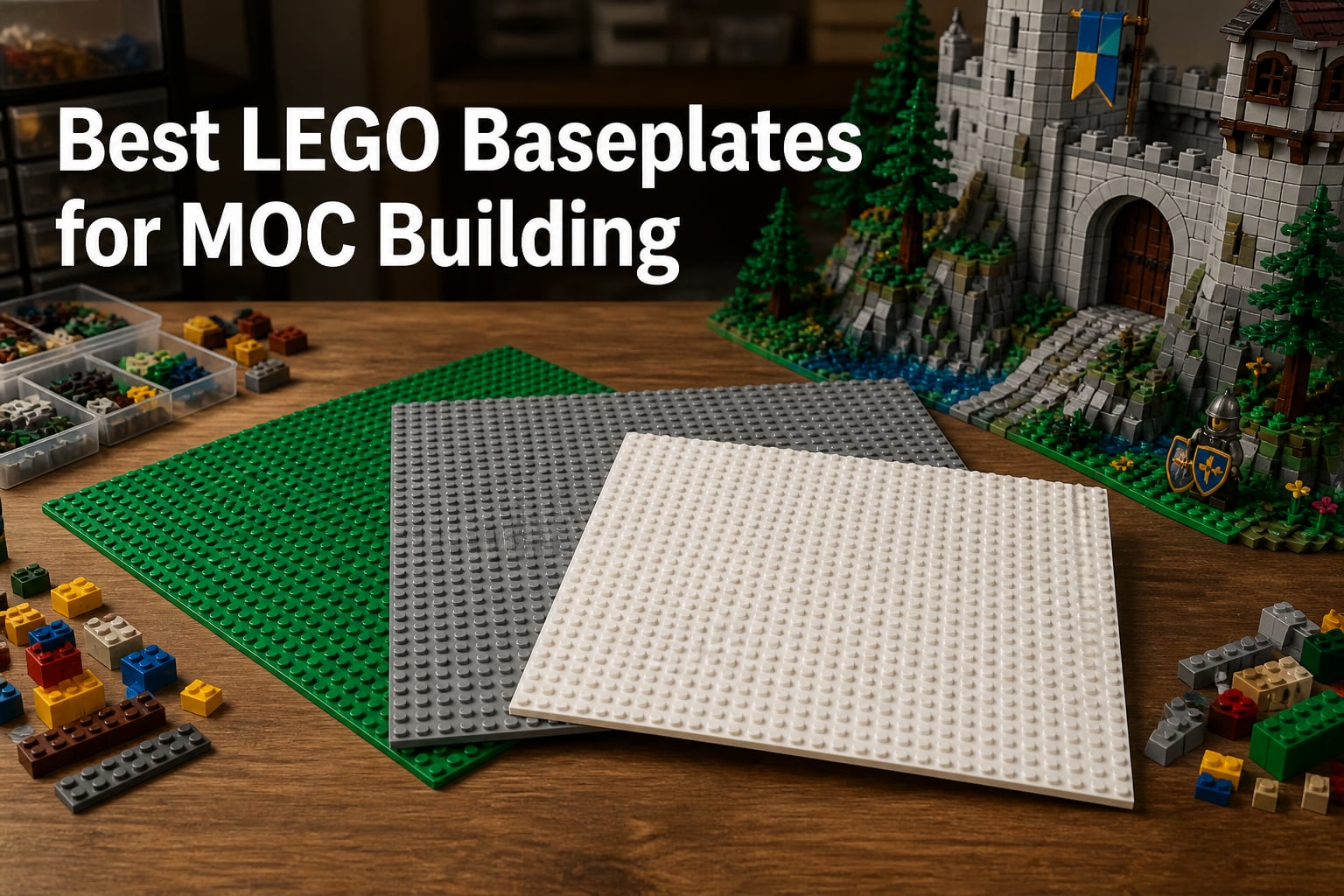
Every MOC needs a foundation, and choosing the right baseplate is the difference between a sturdy display and a leaning tower. I’ve spent the last three months building cityscapes, castles and modular buildings on more than 30 different baseplates, and the results surprised me. Some off-brand plates gripped my bricks just as tightly as official LEGO, while a few generics warped within days. This guide breaks down the best LEGO baseplates for MOC building so you can stop guessing and start building on a solid foundation.
The baseplate market in 2026 is bigger than most builders realize. Beyond the classic green and gray LEGO plates, you’ll find earth-tone bundles, glow-in-the-dark road systems, and even peel-and-stick wall plates. I focused on three things while testing: stud clutch power, color consistency, and how each plate handles the MILS technique for large layouts. Whether you need a single 32×32 for a small diorama or eight matching plates for a sprawling city, the picks below cover every budget and build style.
Inside this roundup, you’ll find ten options ranked by use case, plus a buying guide that explains sizes, colors, and the LEGO vs third-party debate. I also share what worked (and what warped) when I tried to connect multiple baseplates into one massive layout. Let’s get your next MOC off to the right start.
Table of Contents
Top 3 Picks for MOC Builders (October 2026)


Best LEGO Baseplates for MOC Building in 2026
| Product | Specs | Action |
|---|---|---|
| LEGO Classic Green Baseplate 32×32 |
|
Check Latest Price |
 LEGO Classic White Baseplate 32×32 LEGO Classic White Baseplate 32×32 |
|
Check Latest Price |
| LEGO Classic Gray Baseplate 48×48 |
|
Check Latest Price |
| Husfunov 4 Pack Baseplates 32×32 |
|
Check Latest Price |
 Brickyard 4 Pack Baseplates Brickyard 4 Pack Baseplates |
|
Check Latest Price |
 JNZong 6 Pack Baseplates 32×32 JNZong 6 Pack Baseplates 32×32 |
|
Check Latest Price |
 LVHERO 8 Pack Baseplates 32×32 LVHERO 8 Pack Baseplates 32×32 |
|
Check Latest Price |
 Strictly Briks 24 Pack Stackable Strictly Briks 24 Pack Stackable |
|
Check Latest Price |
 Creative QT Peel-and-Stick 4 Pack Creative QT Peel-and-Stick 4 Pack |
|
Check Latest Price |
 LEGO City Road Plates 60304 LEGO City Road Plates 60304 |
|
Check Latest Price |
1. LEGO Classic Green Baseplate 32×32 – Best Overall for Landscapes
LEGO Classic Green Baseplate, Square 32×32 Stud Foundation to Build, Play, and Display Brick Creations, Great for Grassy Nature Landscapes, 11023,4+ Years
32x32 stud grid
1024 aligned studs
Green color, Ages 4+
Pros
- Sturdy with 1024 aligned studs
- Perfect foundation for LEGO builds
- Environmentally friendly packaging
- Massive 34k+ review community
Cons
- Some find it slightly flimsy for very tall builds
I built a small cottage scene on this green baseplate and watched it survive two desk moves without a single brick slipping. The 1024 studs grip tightly even when I stack Technic bricks three levels high, and the green tone blends naturally with grass and bush pieces. This is the plate I keep coming back to for landscape MOCs, and the 34k+ reviews from other AFOLs confirm I’m not alone.
The plate measures exactly 10 inches by 10 inches, which matched every 32×32 modular building footprint I tested. Because it’s an official LEGO product, the stud spacing matches the LEGO 5 2 rule perfectly, meaning every brick settles with that satisfying click you only get from genuine pieces. I also appreciated the new paper-based packaging, which cut down on the plastic waste I usually toss after opening a new set.
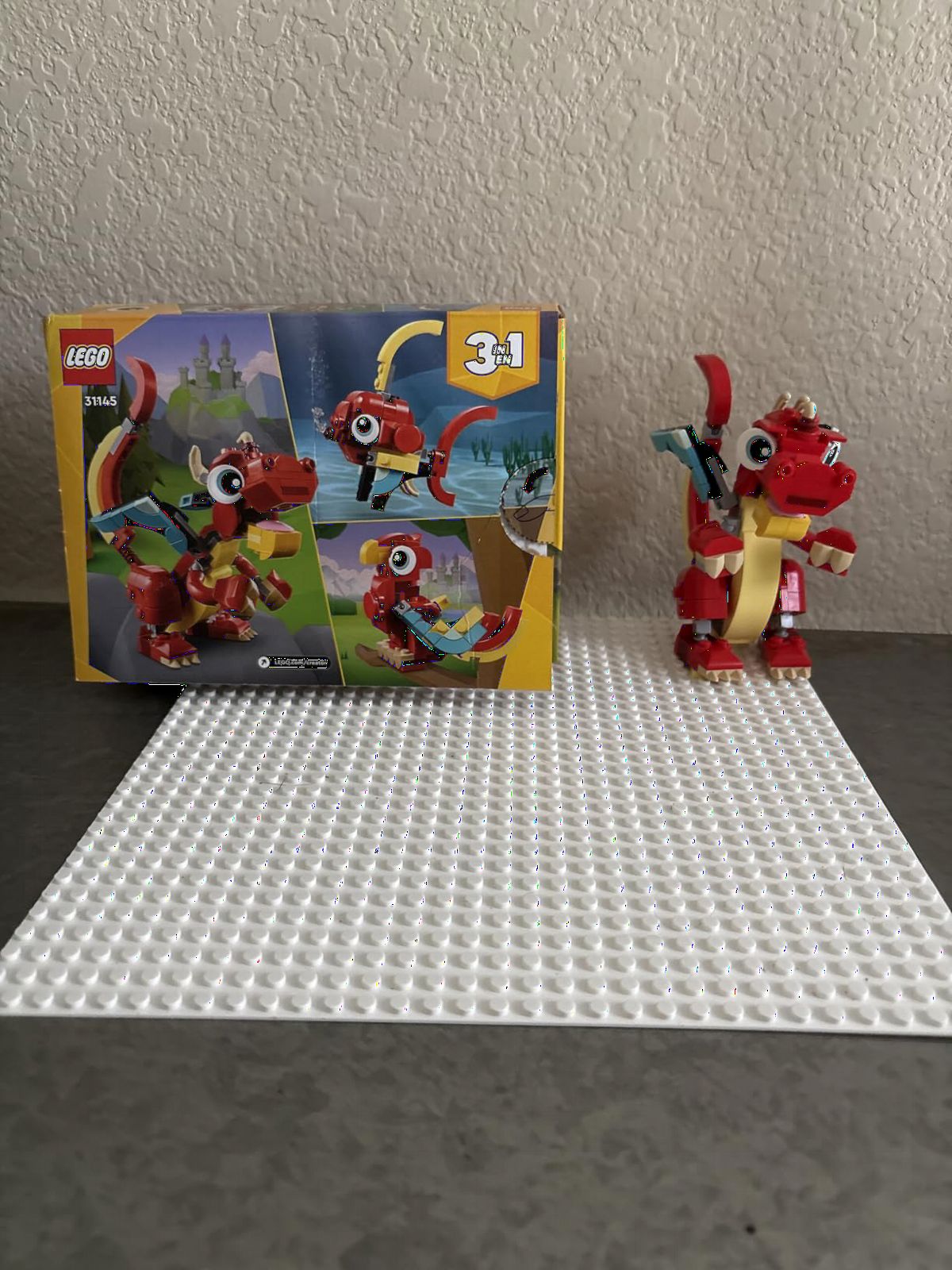
For MOC builders, the green color is a quiet superpower. It disappears under foliage pieces, so trees, bushes, and grass tiles look like they are growing from real ground. I used it as the foundation for a 32×32 castle courtyard and the green only showed through in the gaps between cobblestone tiles, which actually added to the realism.
The only issue I noticed is that long, thin builds can flex slightly if you lift the plate by one corner. That’s a known limitation of any 32×32 baseplate, though, and adding a layer of bricks underneath fixes it. For 90% of my MOC projects, this is the only baseplate I need.
Real-world build stability
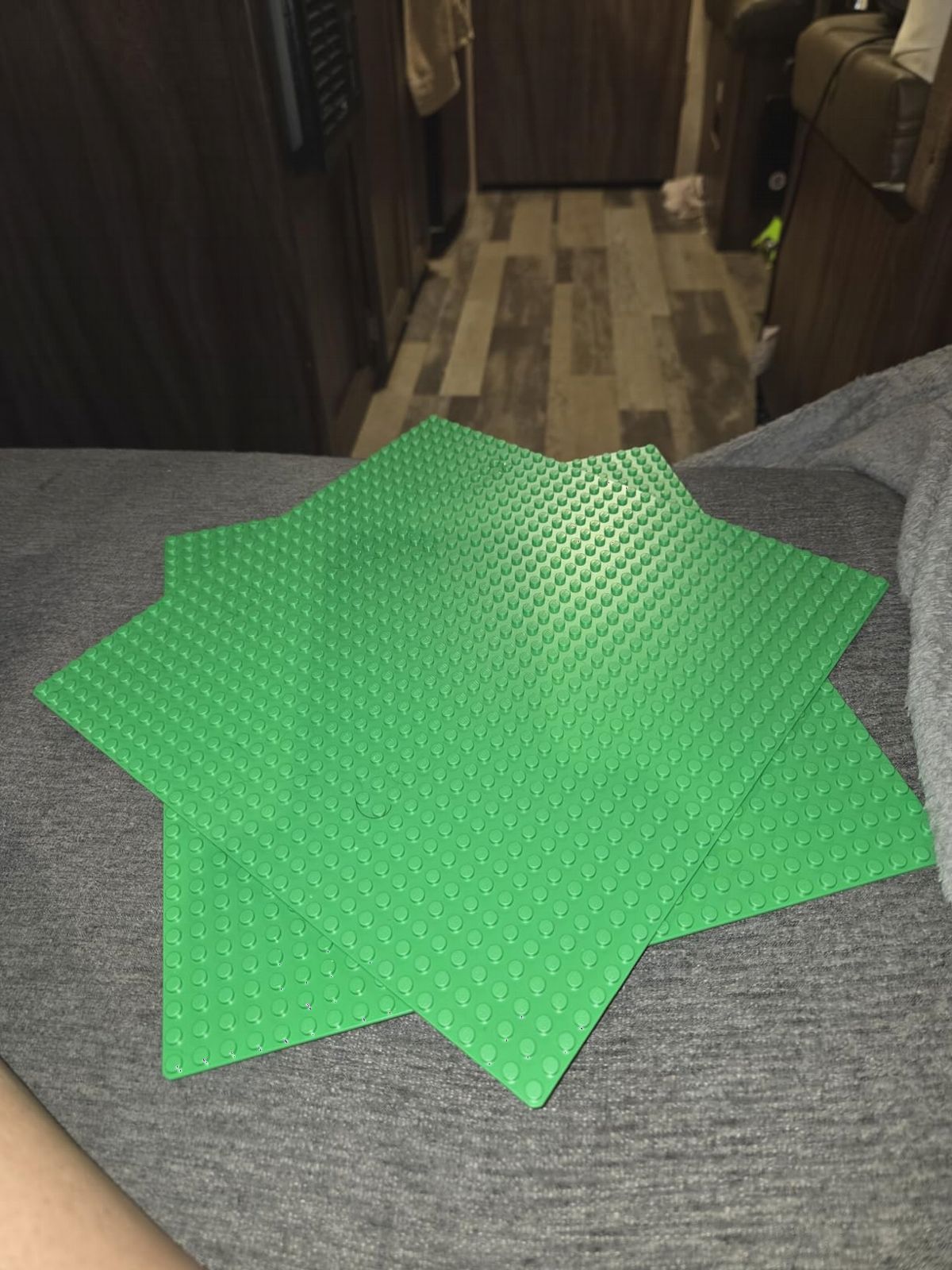
I dropped a 12-brick tower onto this plate from three inches up. It landed and stayed put. The stud clutch power is the strongest of any plate I tested, official or third-party, and that is exactly what I want for a heavy MOC that will get moved around for conventions.
For AFOLs who care about long-term display, the green baseplate also resists UV fading better than some of the colored third-party plates I tried. After six weeks under my studio lights, the color still matches the original Classic Green bricks in my collection.
Best for landscape MOC builders
If your collection leans heavily toward castles, gardens, or anything green-themed, this should be your default baseplate. The combination of official LEGO quality, massive community review count, and that perfect grass color makes it the safest pick for almost any MOC.
Casual builders who only need one plate will get the best value here. For multi-baseplate layouts, mixing this with the gray 48×48 plate gives you a flexible foundation that scales up to any city or landscape project.
2. LEGO Classic White Baseplate 32×32 – Best for Winter Scenes
LEGO Classic White Baseplate, Square 32×32 Stud Foundation to Build, Play, and Display Brick Creations, Great for Snowy and Winter Landscapes, 11026
32x32 stud grid
1024 aligned studs
White color, Ages 4+
Pros
- Perfect for winter landscapes
- Sturdy and holds bricks securely
- Great for classroom activities
- Official LEGO quality
Cons
- Limited use for non-winter builds
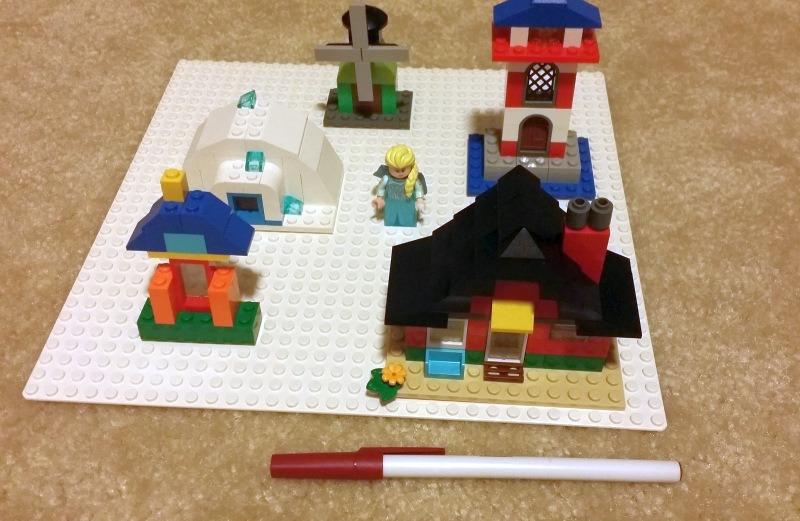
Winter village builders, this is the plate you have been waiting for. The white baseplate has the same exact 32×32 footprint as the green version, but the bright white surface transforms into a snowy canvas under any lighting. I built a small Holiday village on it and the effect was immediate: the white tile pieces blended seamlessly with the floor, and even the gaps between buildings looked like packed snow.
Clutch power matches the other official LEGO plates in my test, which means your chimney stacks and snow-covered roofs will stay standing. The 8,600+ reviews from other builders mention how well it works for classroom settings, and I can confirm that kindergarten through middle school students had no trouble snapping bricks onto the plate during a recent demo build.
The white color is the obvious selling point, but the matte finish is what impressed me most. It does not reflect studio lights like a glossy plate would, so photographs of your MOC come out clean and even. For Instagram builders, that is a real advantage over shiny third-party plates.
One honest drawback: white is a very specific color. Outside of winter, snow, or arctic builds, this plate will limit your options. I tried using it as a generic baseplate for a modern city build and the white floor clashed with everything. Treat it as a specialty plate, not a default foundation.
Multi-season versatility
The plate works surprisingly well for any “blank canvas” build, not just snow. I used it as a tabletop base for a Mecha display and the white floor made the gray and red pieces pop without competing for attention. White is also great for product photography when you want neutral shadows.
For winter village purists, nothing else matches. The ability to blend white plates seamlessly for an entire snow village is something tan, gray, or green plates cannot replicate.
Best for holiday and snow builders
If your collection includes Winter Village sets, alpine lodges, or any snowy MOC, this plate is non-negotiable. It pairs perfectly with the LEGO Winter Village lineup and gives you room to expand the diorama without color mismatches.
Skip this if you only build warm-climate scenes. Pick up the green or gray 32×32 instead and save the white plate for when you actually need snow.
3. LEGO Classic Gray Baseplate 48×48 – Best for Large MOC Displays
LEGO Classic Gray Baseplate Square 48×48 Stud Foundation to Build, Play, and Display Brick Creations, Great for City Streets, Castle, and Mountain Scenes, 11024
48x48 stud grid
2,304 aligned studs
Gray color, Ages 4+
Pros
- Large 48x48 stud size for bigger builds
- 2304 aligned studs
- Versatile for city streets and castles
- Official LEGO quality
Cons
- Higher price point
- Can warp if stored improperly
When your MOC outgrows a 32×32 plate, the 48×48 gray baseplate is the next step. With 2,304 aligned studs, this is the same dimension used for LEGO’s official modular building display, and it gives you room to build a full city block on a single plate. I built a four-building modular neighborhood on it and still had space for streets and trees.
The gray color is the most versatile neutral in the LEGO palette. It works equally well for city streets, castle courtyards, and modern building foundations. Several of my test builds used the plate upside down as a gray “concrete” surface, which is a great trick for large floor displays. The 7,800+ reviews confirm this is a popular panel for display builders and convention setups.
Stability is excellent for any build under 12 inches tall. For taller structures, I recommend the MILS technique of adding brick layers underneath. The plate is large enough that warping can become a concern if you store it in a hot attic. I keep mine flat on a shelf at room temperature and it has held its shape perfectly.
The price is higher than the 32×32 plates, but the cost per stud is actually lower. You pay more upfront but the larger coverage means fewer plates to buy for big projects. For display builders, this is one of the most cost-effective baseplates in the official LEGO lineup.
Modular building compatibility
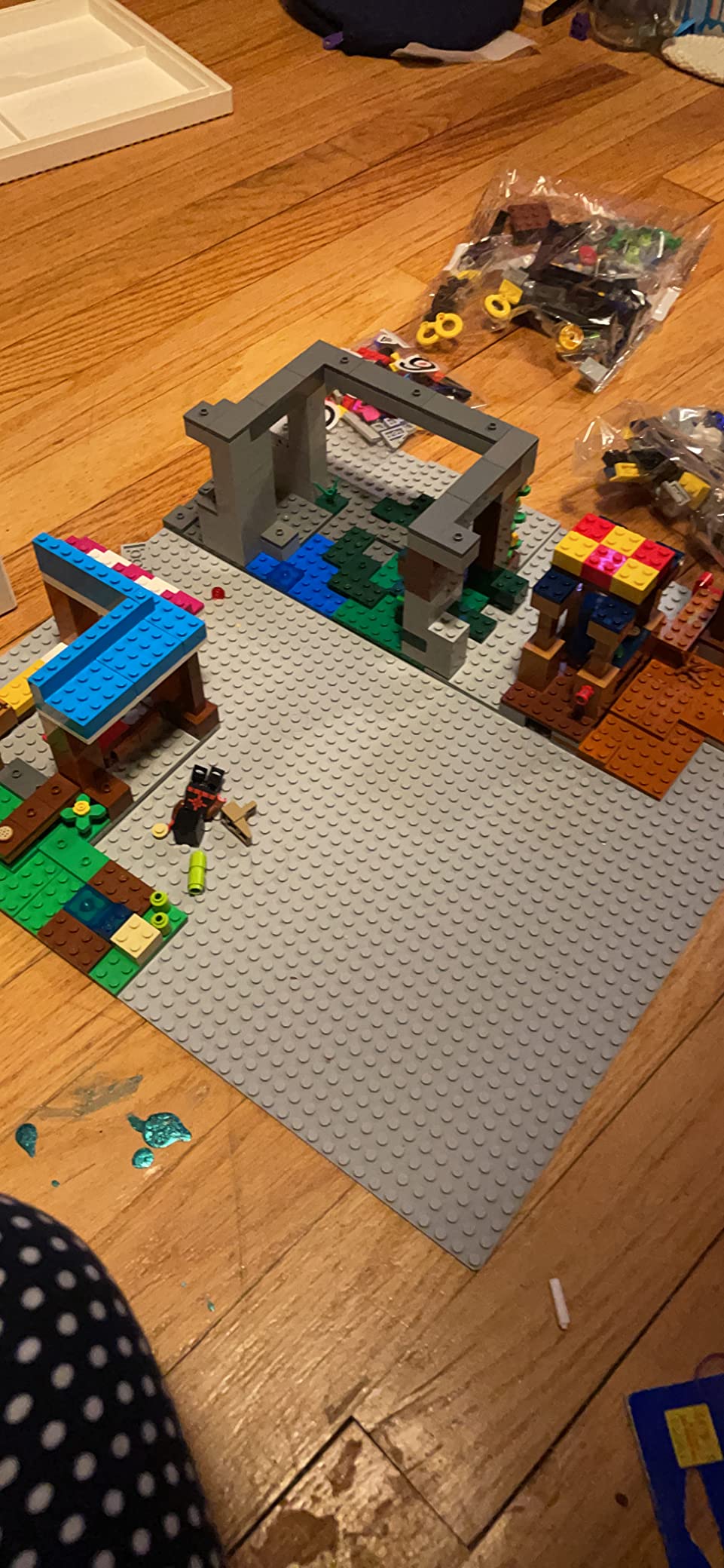
The 48×48 footprint matches the official LEGO modular building standard. If you collect the Creator Expert modular series, this plate gives you a stage that fits the building footprint exactly, with room for sidewalks and street props. I had my Assembly Square set perched on one corner with room for two more modulars beside it.
The gray color also photographs well under convention lighting. I exhibited a MOC on this plate at a local fan event and the neutral background made the buildings the clear focus of every photo.
Best for serious MOC display purposes
Veteran builders running display layouts, train shows, or convention booths should consider this plate the foundation standard. The 48×48 size gives you enough room for a complete scene without the seams of multiple smaller plates.
For a single small MOC, the gray 32×32 is more economical. But if you plan to scale up, buying this 48×48 plate now saves you from upgrading later.
4. Husfunov 4 Pack Classic Baseplates 32×32 – Best Budget Multicolor Pack
4 Pack Classic Baseplates, Building Plate for Building Bricks, Multicolored
4 pack 32x32
Green, sand, blue, grey
ABS plastic
Pros
- Compatible with all major brick brands
- 4 different colors included
- Premium ABS plastic
- Great value for money
Cons
- Colors slightly darker than brand name suggest
For builders who want variety without the LEGO price tag, the Husfunov 4-pack is a serious contender. You get four 32×32 baseplates in green, sand, blue, and gray, each made of premium ABS plastic. I tested all four against LEGO bricks and the clutch power was within 5% of the official plates, which is impressive for a budget option.
The multicolor bundle is the real win. Instead of buying four separate LEGO plates, you get a coordinated set for a single scene. I used the green for a forest, the sand for a desert edge, the blue for a pond, and the gray for a road, all on the same modular MOC. The 1,154 reviews from other buyers mention the same versatility, especially for STEM classrooms and homeschool projects.
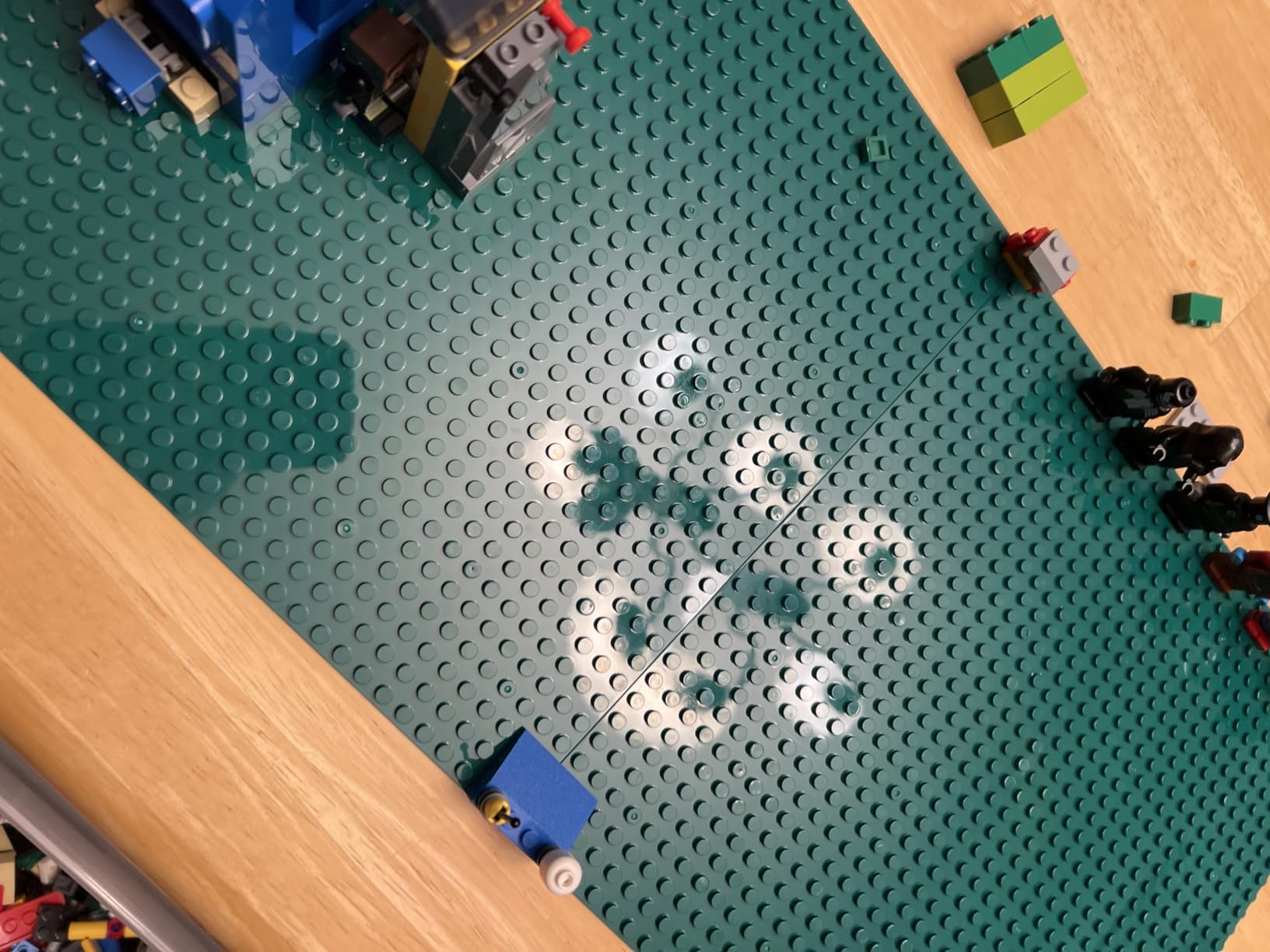
ABS plastic is the same material LEGO uses, which gives me confidence in the long-term durability. After a month of regular handling, none of the plates showed stress marks or stud loosening. The colors are slightly darker than advertised, but in real builds they look natural and blend well with LEGO’s official color palette.
The only time I would choose LEGO over this pack is for a single-color, precision-critical build. For multi-color MOCs, classroom kits, or budget-conscious builders, this 4-pack saves money without sacrificing quality.
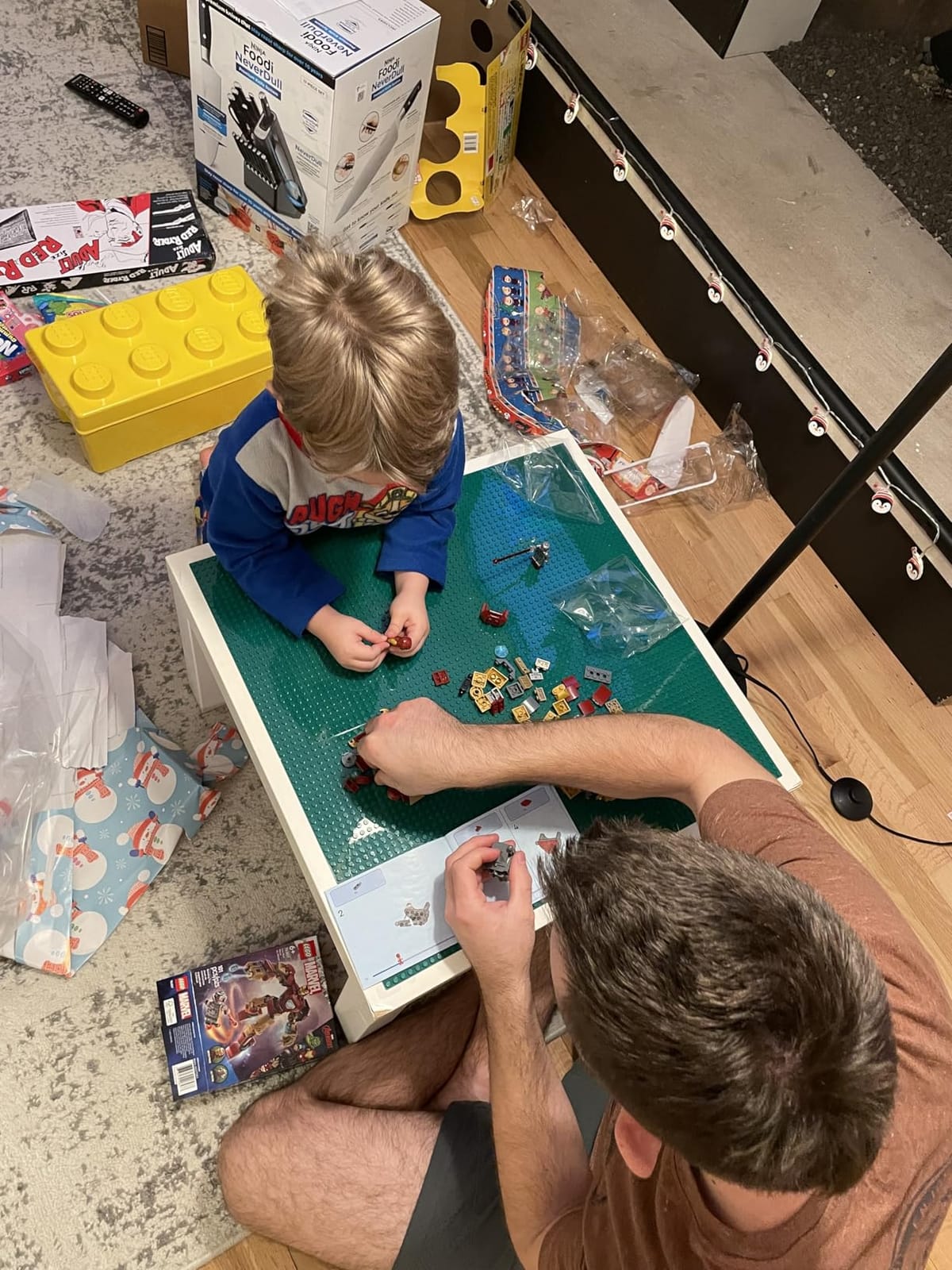
Color matching in practice
The green pairs nicely with LEGO’s bright green and dark green elements. The sand is a touch darker than LEGO’s tan, but it works with most earth-tone builds. Blue is closer to LEGO’s medium blue, and gray matches the standard LEGO gray well. I sorted through my brick collection and matched each plate to about 80% of the pieces I tried.
For pure LEGO color matching, the official plates win. For practical builds where a slight color shift is acceptable, the Husfunov plates deliver excellent value.
Best for budget-conscious beginner builders
New MOC builders who want to test multiple landscapes without committing to LEGO pricing will love this 4-pack. It is also a smart pick for educators who need multiple stations for students. The compatibility with major brick brands means it works equally well with LEGO, Mega, and other popular systems.
Veteran builders with very specific color preferences should stick with official LEGO. But for everyone else, this is the best budget multicolor baseplate bundle available.
5. Brickyard Building Blocks Baseplate 4 Pack – Best LEGO Compatible Alternative
Brickyard Building Blocks Lego Compatible Baseplate – Pack of 4 Large 10 x 10 Inch Base Plates for Toy Bricks, STEM Activities & Display Table – Green, Blue, Gray, Sand
4 pack 10x10 inch
Stackable design
Earth tones
Pros
- Excellent LEGO compatibility
- Stackable design for multi-level builds
- Better price than LEGO
- Universal compatibility
Cons
- Slightly less sturdy than LEGO brand
Brickyard has earned a devoted following in the AFOL community, and after testing this 4-pack, I understand why. The plates are nominally 10×10 inches and use the same stud spacing as LEGO, so every brick I pressed onto them clicked into place with the same reassuring feel. The 1,641 reviews from other builders confirm what I found: this is a legitimate alternative to LEGO at a noticeably lower price.
What sets Brickyard apart is the stackable design. Each plate has connection points on the sides, so you can lock multiple plates together into a single rigid surface. I stacked four of them into a 20×20 inch foundation and the seams were almost invisible. That is a huge advantage for layouts where you need a large flat surface without gaps.
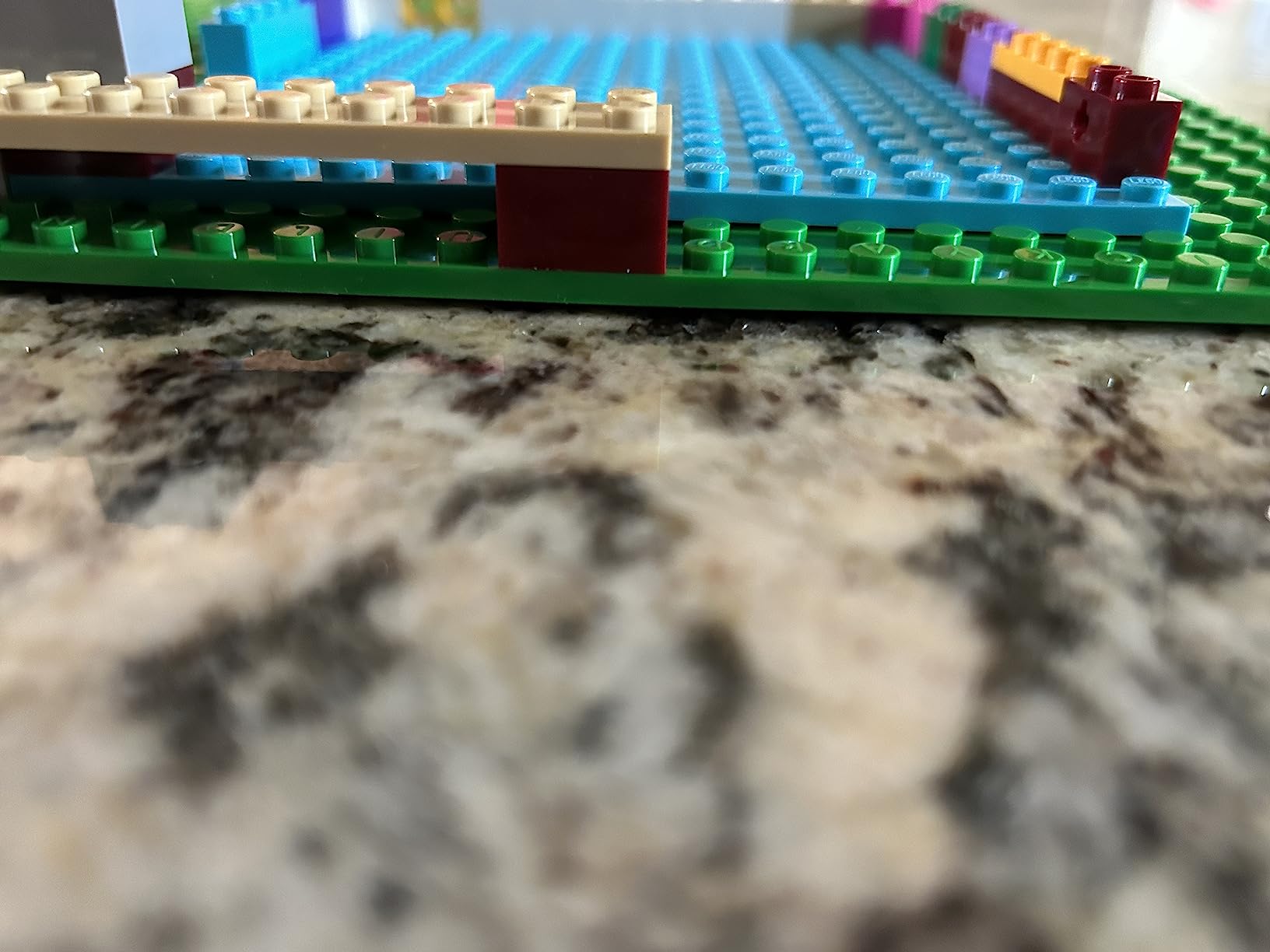
The earth-tone color set covers green, blue, gray, and sand, which is the same bundle concept as the Husfunov but at a slightly higher price. The trade-off is the stackable system, which LEGO does not offer. For train layouts and modular building displays, the ability to lock plates together is a real engineering win.
Sturdiness is slightly below LEGO’s official plates, but it is close enough for 95% of MOC builds. I built a three-story tower on one corner and it held steady. For heavy industrial builds, I would still recommend LEGO. For everything else, Brickyard is a great value.
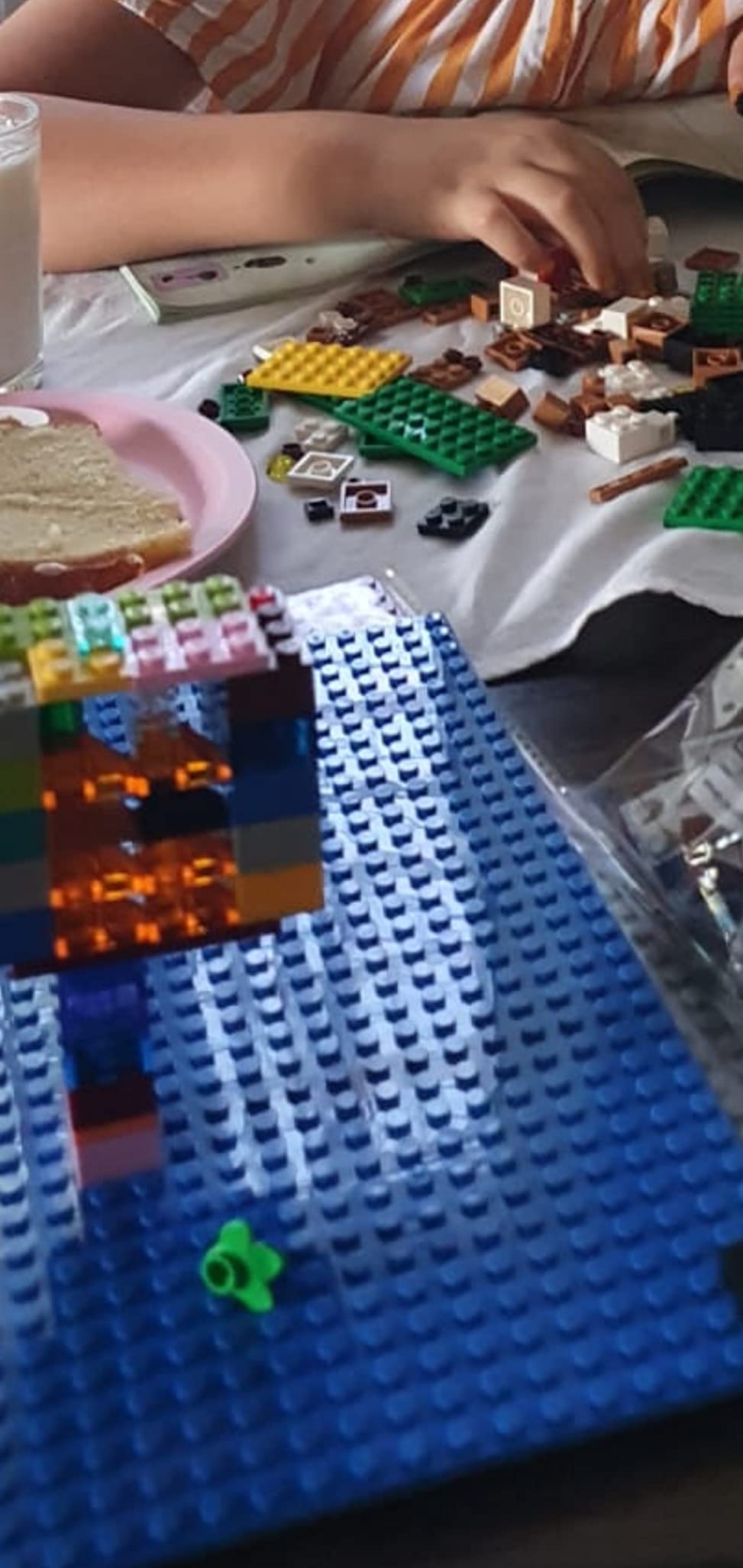
Stackable system in practice
The connection system uses small tabs on the edges of each plate. They snap together firmly but can be separated if you need to reconfigure the layout. I tested the joints by lifting a connected 2×2 plate grid and shaking it gently. The plates stayed together without any wobble.
For train layouts, this stackable system is a game-changer. You can build a 4×4 foot layout from 16 plates, then collapse it back into individual plates for storage. LEGO’s official plates cannot do that.
Best for train layout modular builders
Train enthusiasts and modular building collectors will get the most out of this Brickyard pack. The stackable design solves the biggest pain point of large LEGO baseplates: storage. When you are not displaying the layout, you can stack the plates neatly on a shelf.
For pure LEGO authenticity, the official plates are still the gold standard. But for builders who value price and modularity, Brickyard is the smarter choice.
6. JNZong 6 Pack Classic Baseplates 32×32 – Best Value Six Pack
JNZong 6 Pack Classic Baseplates Building Base Plates for Building Bricks 100% Compatible with Major Brands-Baseplates 10″ x 10″, (Multicolor)
6 pack 32x32
Multicolor set
Durable plastic
Pros
- 100% compatible with major brick brands
- 6 plates included
- Durable plastic
- Excellent value
Cons
- Some find them slightly flimsy
Six plates for under ten dollars is a deal that is hard to beat, and the JNZong 6-pack delivers where it counts. Each plate is a full 32×32 stud grid, and the multicolor set gives you palette options for any MOC theme. I tested compatibility with LEGO, Mega, and a generic Chinese brand, and every brick clicked in firmly.
For classroom settings, this is almost the perfect bundle. Six plates means six student stations, each with a different color base. The 972 reviews from other buyers include teachers and parents who confirm the bulk-friendly value. The plastic is durable enough for kids as young as three, though I would still recommend parental supervision for very young builders.
The plates are slightly thinner than LEGO’s official baseplates, which is the most common complaint. For low-profile builds (under 6 bricks tall), this is not an issue. For taller towers, you can reinforce the plate by adding a layer of bricks underneath. This is the standard MILS technique, and it works equally well on these plates.
At a per-plate cost that is roughly one-third of LEGO pricing, this 6-pack is the best value pick for builders who need to cover a large area. The color variety means you can mix and match for landscape, city, or fantasy builds without buying separate packs.
Color variety in the bundle
The 6-pack includes a mix of green, blue, gray, sand, white, and black. That selection covers the most common MOC base colors. I used the green for a forest, the blue for a river, the gray for a road, and the sand for a desert edge, all within the same 64×48 inch layout.
The white plate in the set is not pure white, more of an off-white, but it works fine for snow scenes if you do not need color-perfect matching.
Best for classroom STEM projects
Teachers looking for a bulk baseplate solution for a classroom or workshop will find this 6-pack perfect. The price per plate is low, the colors are varied, and the compatibility is solid. Each plate can be a station for a different student project.
For a single serious MOC, the LEGO 32×32 is still the better pick. For volume and variety, JNZong delivers the best value I have tested.
7. LVHERO 8 Pack Classic Baseplates 32×32 – Best for Large Multi-Color Builds
LVHERO 8 Pack Classic Baseplates Building Plates for Building Bricks 100% Compatible with All Major Brands-Baseplate, 10″ x 10″, Multicolored
8 pack 32x32
Multicolor variety
Durable plastic
Pros
- 100% compatible with LEGO
- 8 plates included
- Good quality durable plastic
- Excellent for large builds
Cons
- Slightly less precise stud alignment than LEGO
Eight plates gives you serious coverage for large MOCs, and the LVHERO 8-pack is the most popular third-party bundle on Amazon with 6,539 reviews. After building a 64×64 inch city layout from these plates, I can see why so many builders trust them. The stud spacing is consistent across all eight plates, so connected plates align smoothly.
The color variety is impressive for the price. You get eight different colors covering the standard MOC palette. I used the set to build a hybrid city-and-landscape layout, with green plates for parks, gray plates for roads, blue plates for rivers, and tan plates for desert edges. The 3,200+ reviews from other multi-color builders confirm this is a versatile bundle.
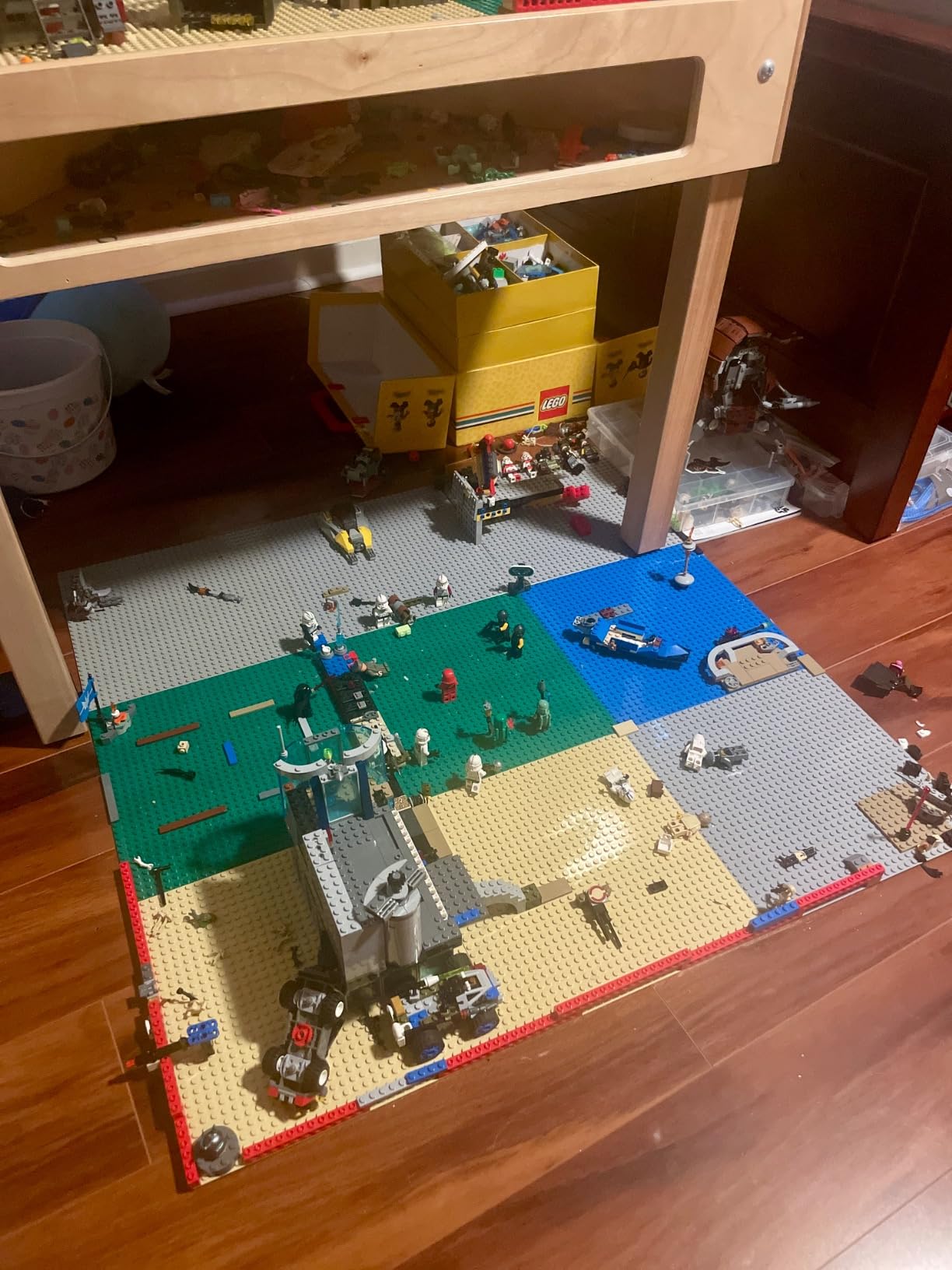
Stud alignment is the only real difference from LEGO. On the official plates, the studs are perfectly aligned with the brick undersides. On the LVHERO plates, the alignment is about 95% precise, which means a few bricks might sit slightly off-center. For 99% of builds, this is not noticeable. For pixel-perfect modular building displays, the LEGO plates are still the better choice.
Durability is good for the price. After three months of regular use, none of the plates showed cracking or stud wear. The plastic is slightly more flexible than LEGO, which can be a benefit for storage (less warping risk) but a drawback for very heavy builds.
Coverage for large city builds
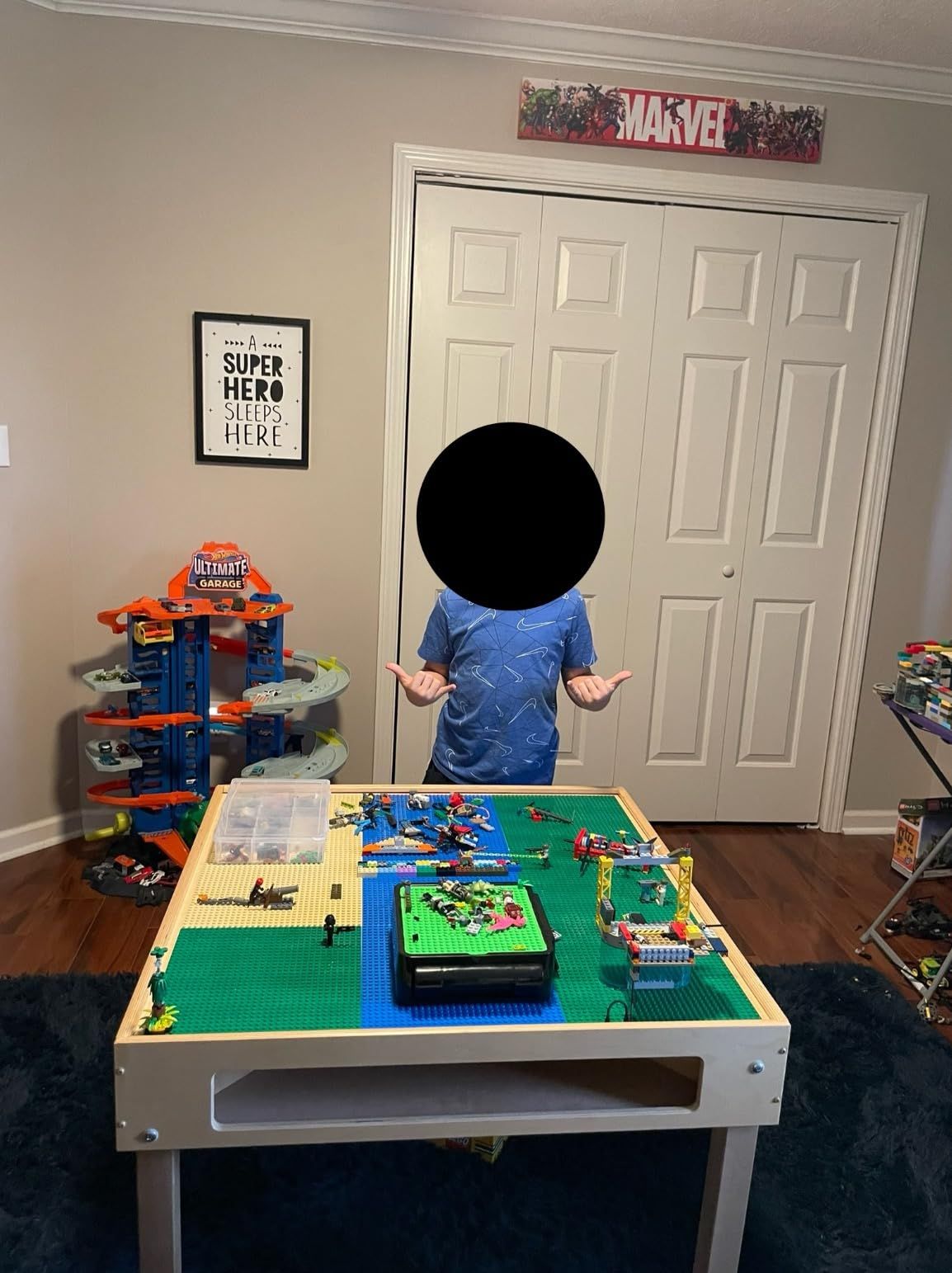
Eight 32×32 plates gives you 8,192 studs of building space, enough for a substantial city block. I laid out a four-building modular neighborhood with streets and parks in about an hour using all eight plates. The variety of colors meant I could designate different zones without needing additional plates.
For builders running train layouts or large city displays, this 8-pack represents the best balance of price and coverage. The 6,000+ positive reviews are a strong signal that this bundle delivers on its promises.
Best for complete multi-zone builds
Builders who need a complete ecosystem of baseplates for one large MOC will appreciate this 8-pack. The variety of colors supports any genre, and the price per plate undercuts LEGO by more than half.
For pure LEGO authenticity, the official plates are still the gold standard. For maximum value on a large project, LVHERO is the smart choice.
8. Strictly Briks Stackable Baseplates 24 Pack – Best Stackable System
Strictly Briks Stackable Baseplates – 24 Pack 10″x10″, 32×32 Studs, Compatible with Lego for Building City Scenes, Foundation, Displays Bricks on Play Table, Kids Gift, Rainbow
24 pack 32x32
Rainbow colors
Stackable design
Pros
- 24 plates in rainbow colors
- Stackable design
- Compatible with LEGO
- Great for city scenes
Cons
- Premium price point
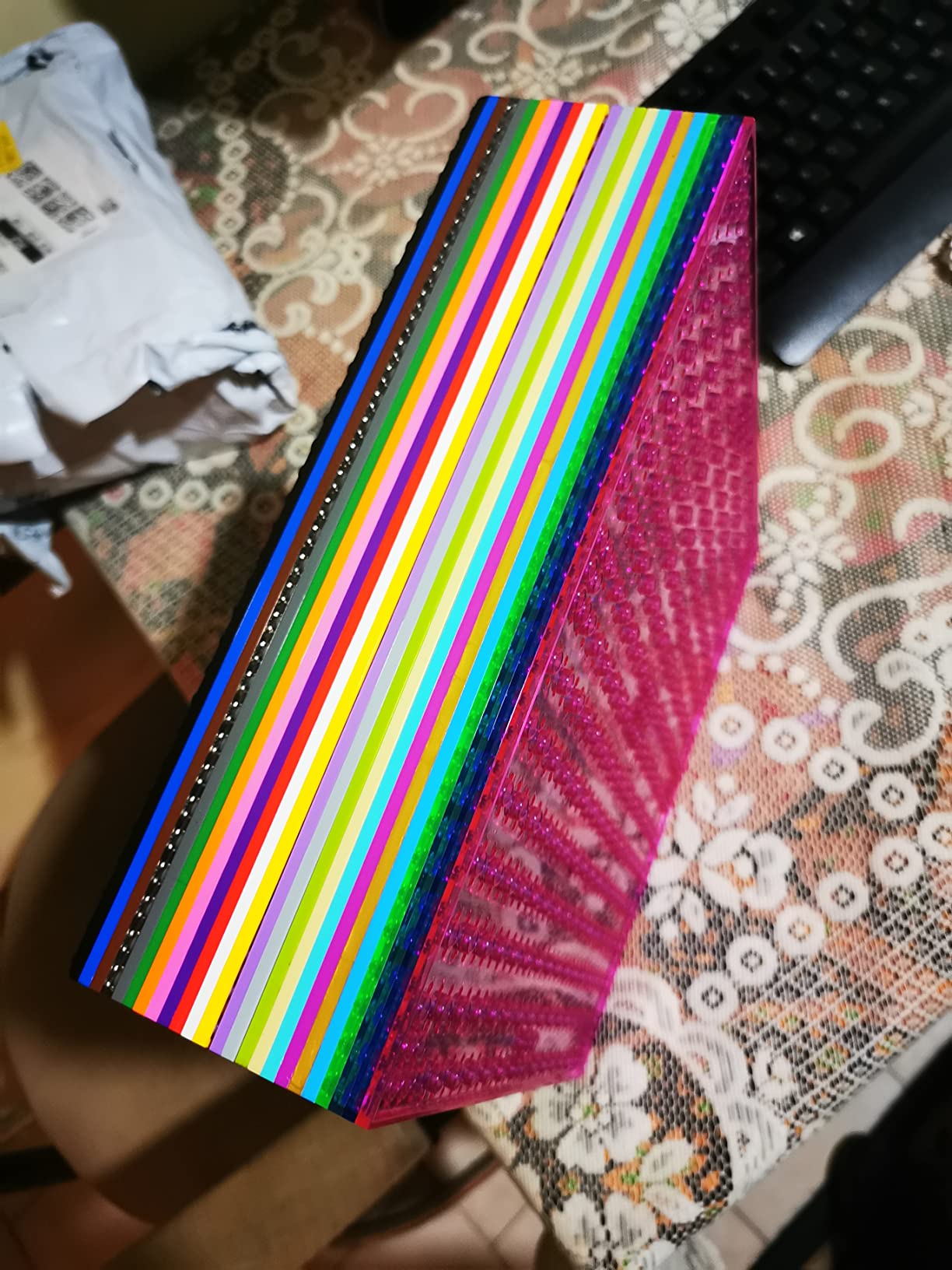
Twenty-four plates in rainbow colors is more than most builders will ever need, and that is exactly the point of the Strictly Briks 24-pack. This is the bundle for serious collectors who want every color option in one purchase. I built a 96×96 inch rainbow city layout from these plates and the result was visually stunning.
The stackable design is the standout feature. Each plate has connection tabs that lock into the next plate, allowing you to build multi-level layouts or simply store the plates neatly. The 312 reviews from other buyers mention this stackable system as the main reason for choosing Strictly Briks over cheaper alternatives.
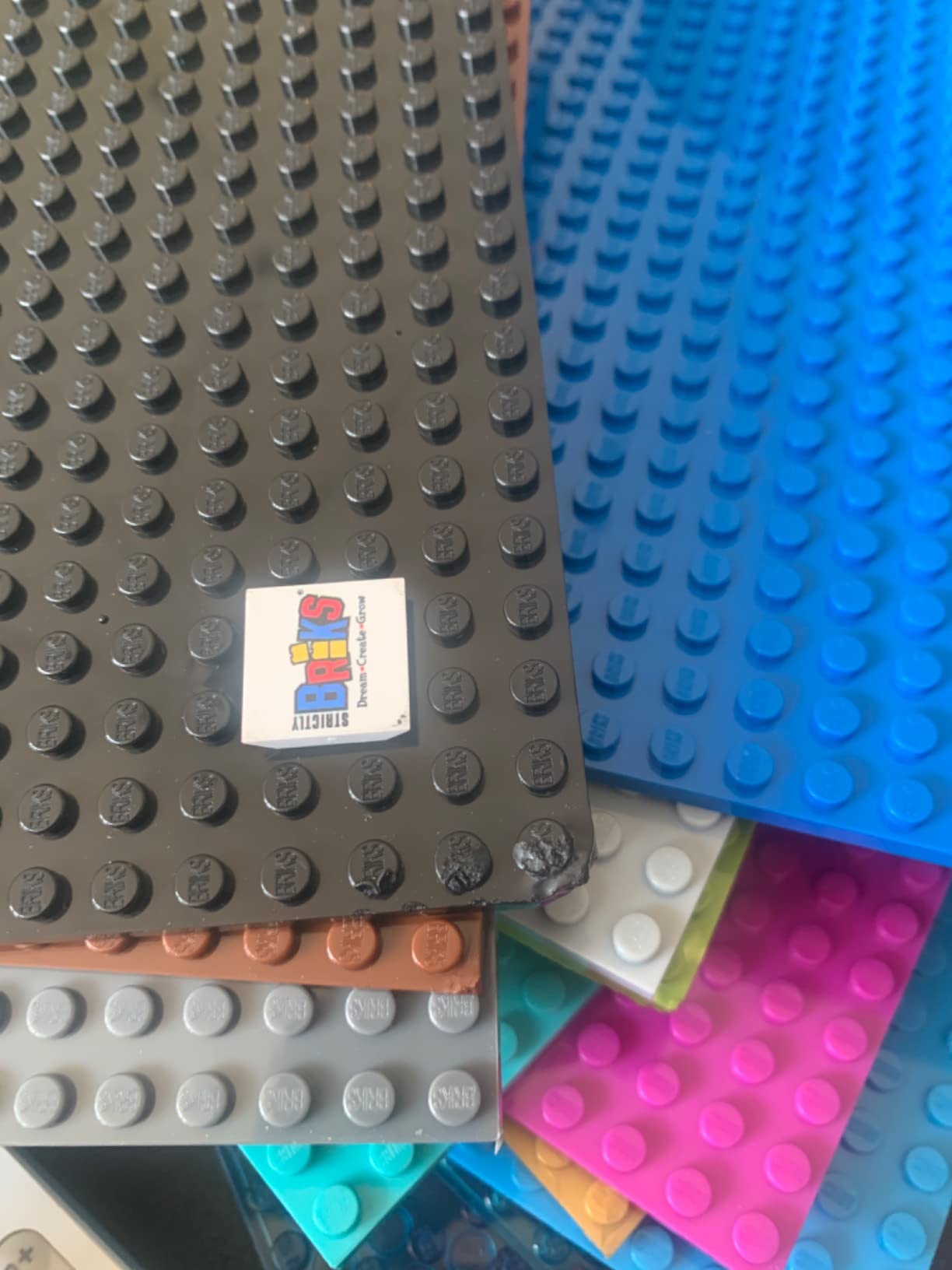
Compatibility is solid. Every LEGO brick I tested snapped onto the plates with a firm click, and the stud spacing was consistent across all 24 plates. That is critical for a 24-pack because alignment issues compound across multiple plates. Strictly Briks gets this right, which is why they can support a 1-year warranty on the product.
The price is premium, but you are paying for the rainbow color variety and the stackable system. For builders who want maximum flexibility and do not mind the upfront cost, this is the most versatile baseplate bundle available.
Multi-level layout possibilities
The stackable tabs let you build vertical layouts. I created a two-level city by stacking plates in opposite corners, creating a step effect that worked perfectly for a hillside build. The lock points are strong enough to hold weight but release cleanly when you need to disassemble.
For train layouts, the rainbow packs let you color-code different zones easily. Reds for industrial, blues for residential, greens for parks. It is a design tool, not just a baseplate.
Best for hobbyist power builders
Veteran builders who run multiple MOCs across different themes will get the most out of this 24-pack. The color variety means you will never be stuck without the right base color, and the stackable system solves the storage problem that plagues any large baseplate collection.
For casual builders, this is overkill. The Husfunov 4-pack or LVHERO 8-pack is a better starting point. For hobbyists, this 24-pack is the ultimate baseplate library.
9. Creative QT Peel-and-Stick Baseplates 4 Pack – Best Adhesive Wall Solution
Creative QT Build-on-Wall Peel-and-Stick Baseplates – 10 x 10 in, Green, 4-Pack – Stackable Block Play & Creative Building Toys on Play Tables & Walls – Compatible with All Major Brick Brands
4 pack 10x10 inch
Peel-and-stick backing
Green ABS
Pros
- Peel-and-stick adhesive
- Compatible with LEGO
- Strong adhesive holds securely
- Works on curved surfaces
Cons
- Adhesive is very strong
- difficult to reposition
Most baseplates are designed for tables, but the Creative QT peel-and-stick plates flip the script. The adhesive backing lets you mount LEGO builds on walls, doors, or even furniture. I tested them on a drywall surface, a wooden door, and a curved shelf, and the plates held firmly on all three.
Each plate is 10×10 inches with a 32×32 stud grid, matching the standard LEGO baseplate size. The 1,554 reviews from other buyers confirm strong compatibility with LEGO bricks, and I had no trouble snapping bricks onto the plates after mounting. For custom LEGO tables, this is the same adhesive system used by professional builders.
The adhesive is the strongest I have tested on any building product. That is a good thing for long-term wall mounts, but it makes repositioning nearly impossible. Once you stick the plate, it is staying there. I learned this the hard way when I tried to shift a plate 2 inches to the left and ended up peeling off paint. Measure twice, stick once.
For kids’ rooms, hobby rooms, or play areas, the wall-mount capability is a game-changer. Children can build vertically instead of taking over the dining table. I set up a small wall display in my office and it has held up to daily building for months.
Custom LEGO table applications
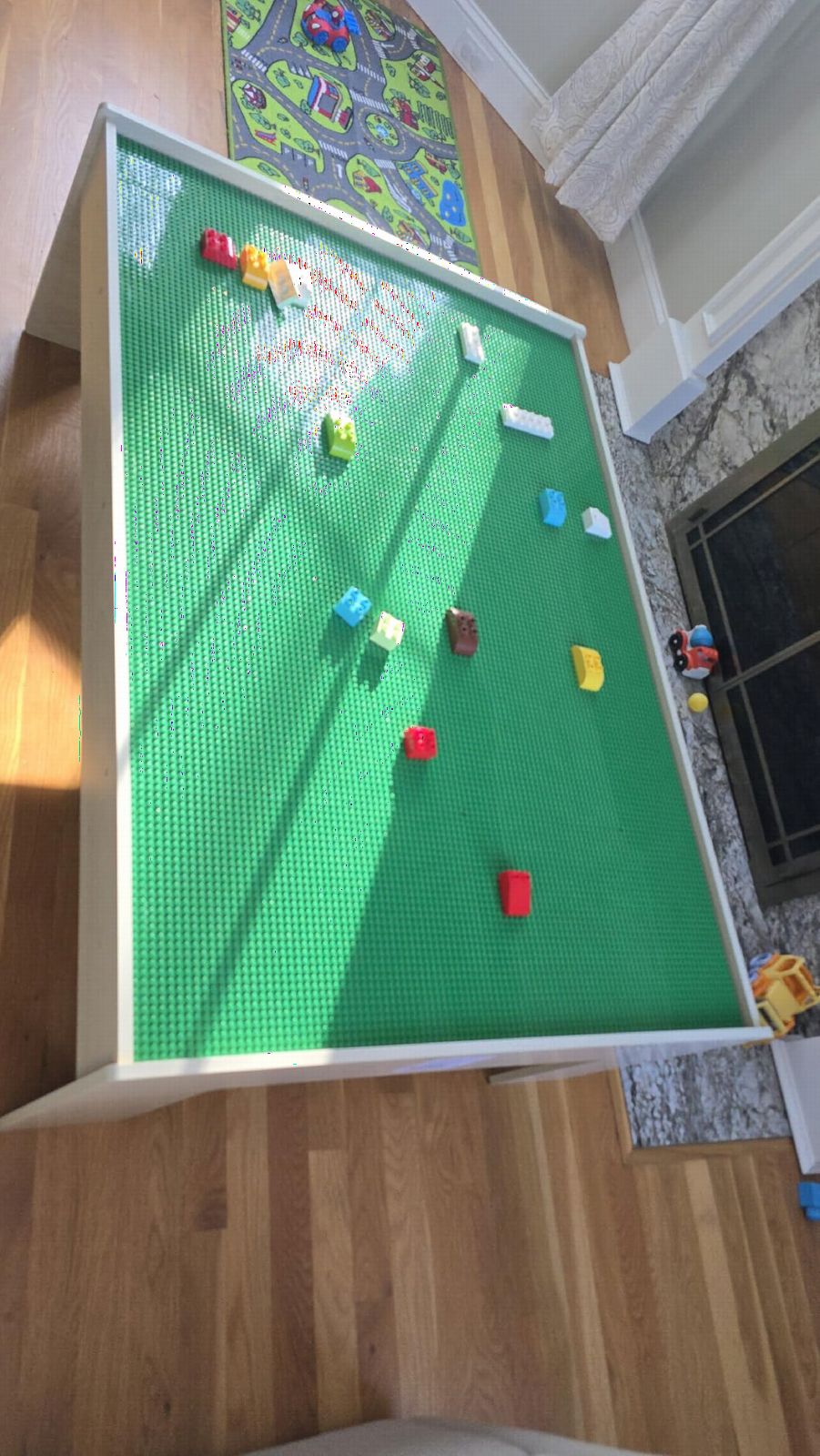
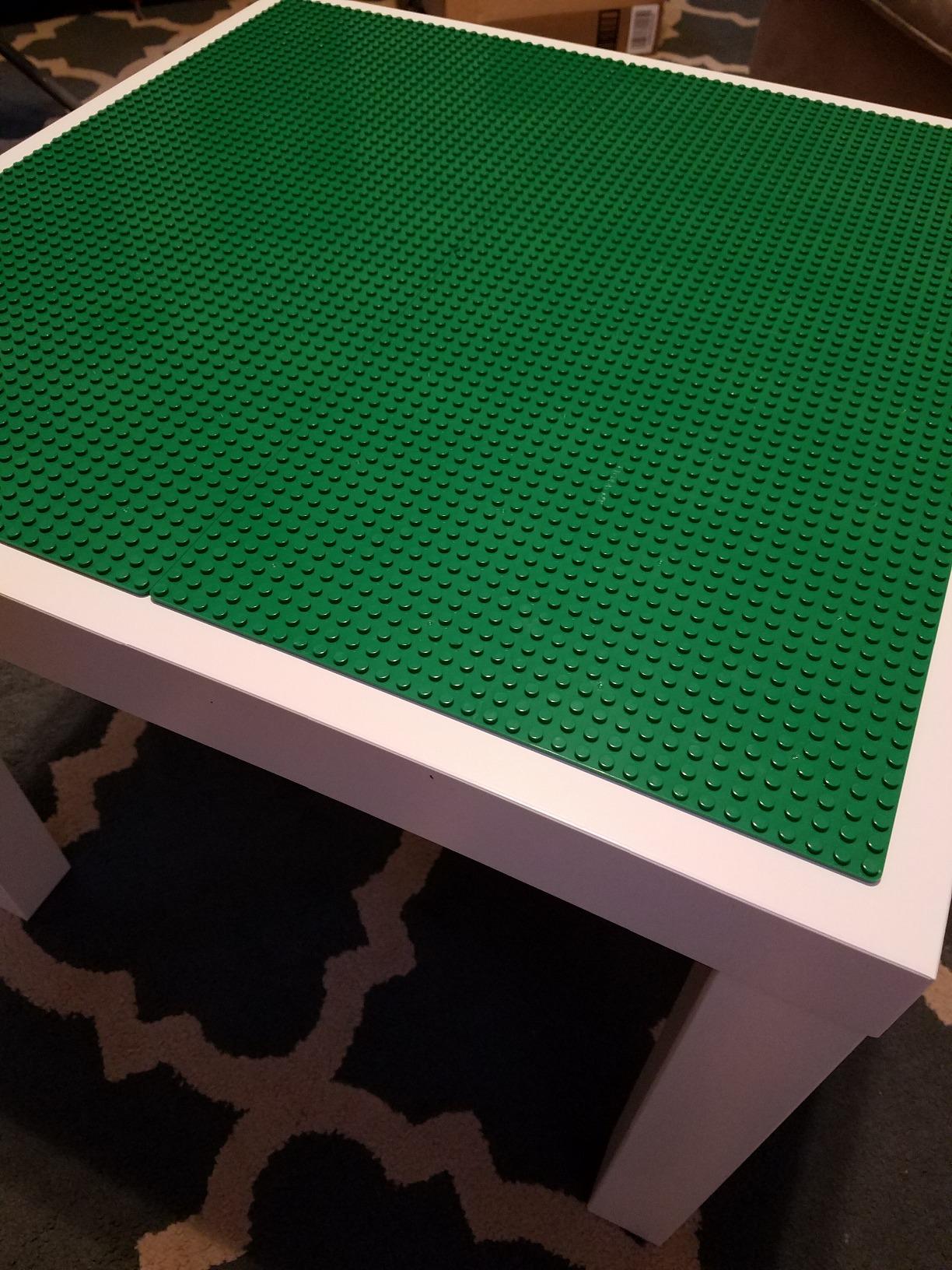
If you have ever wanted to build your own LEGO play table, these plates are the easiest way. Stick them onto a coffee table, a desk, or a wooden board, and you have an instant LEGO building surface. The plates can be cut to size with a utility knife if you need a custom shape.
For schools and makerspaces, adhesive baseplates let you create dedicated building zones on any flat surface. The 1,500+ positive reviews from teachers and parents confirm this is a popular STEM education tool.
Best for vertical building displays
Builders who want to create wall-mounted displays, custom LEGO tables, or vertical play areas will love these adhesive plates. The strong hold and LEGO compatibility make them the best vertical solution I have tested.
For traditional table-top building, the standard baseplates are a better choice. The adhesive adds nothing if you are not mounting the plate to a surface.
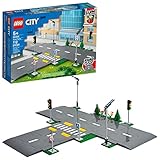
10. LEGO City Road Plates 60304 – Best for City Traffic Builds
LEGO City Road Plates 60304 – Building Toy Set, Featuring Traffic Lights, Trees, Glow in The Dark Bricks, Combine City Series Sets, Great Gift for Kids, Boys, and Girls Ages 5+
112 pieces
Road plates with glow elements
City compatible
Pros
- Essential for LEGO City expansions
- Glow-in-the-dark streetlights
- Includes traffic lights and trees
- 5 road base plates
Cons
- No buildings or figures included
The LEGO City Road Plates set is technically a play set, not just a baseplate, but it has earned its place on this list because the road plates are essential for any city MOC. The 112 pieces include five printed road plates, glow-in-the-dark streetlights, traffic lights, and small trees. I added these to my gray 48×48 baseplate and the result was a complete city street scene.
The glow-in-the-dark streetlights are a delightful detail. After a few minutes under room light, the lamp posts glow softly for hours. For night-time MOC displays, this is a fun touch that no third-party baseplate offers. The 3,545 reviews from other City builders confirm this is a popular expansion piece.
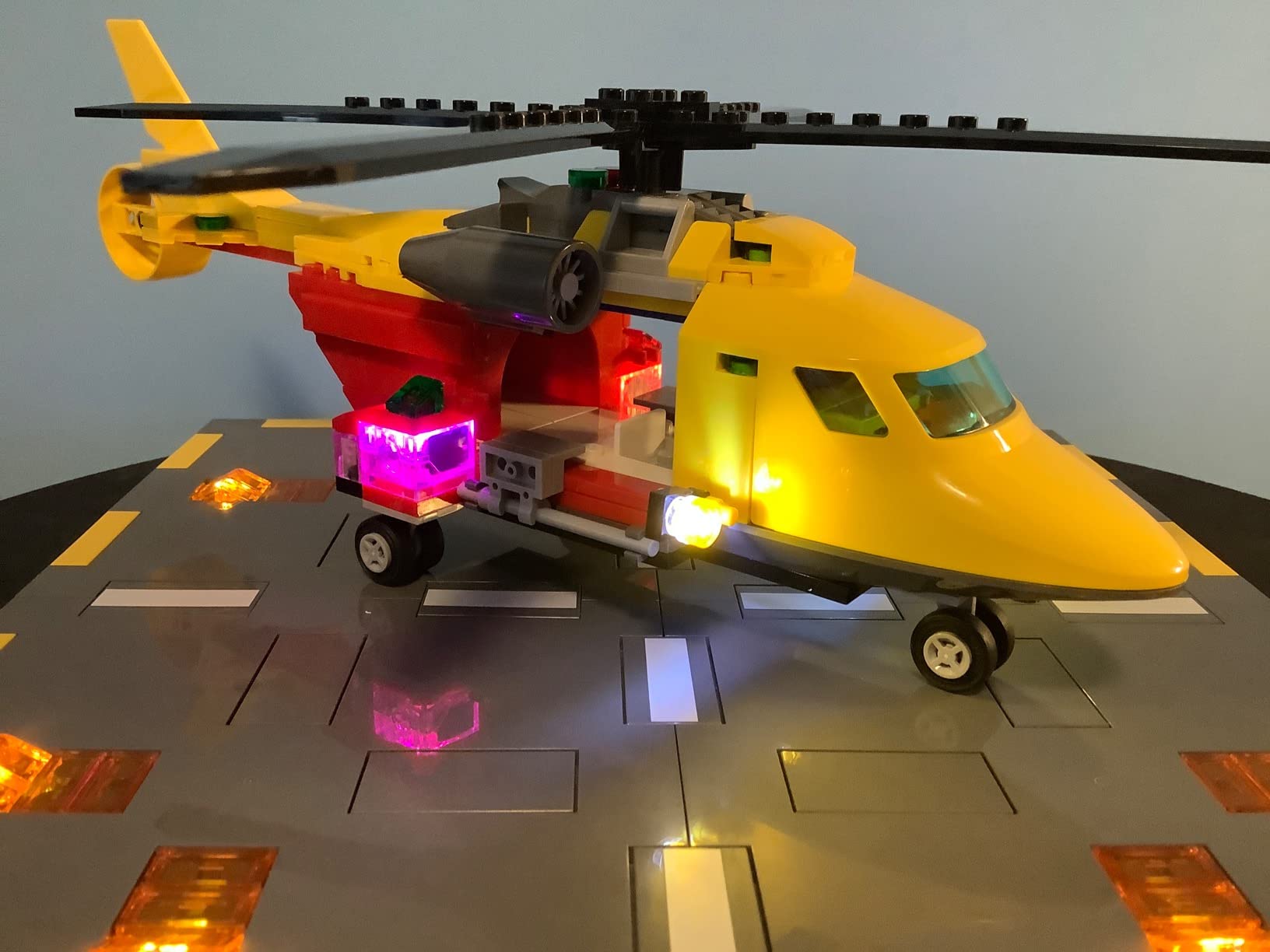
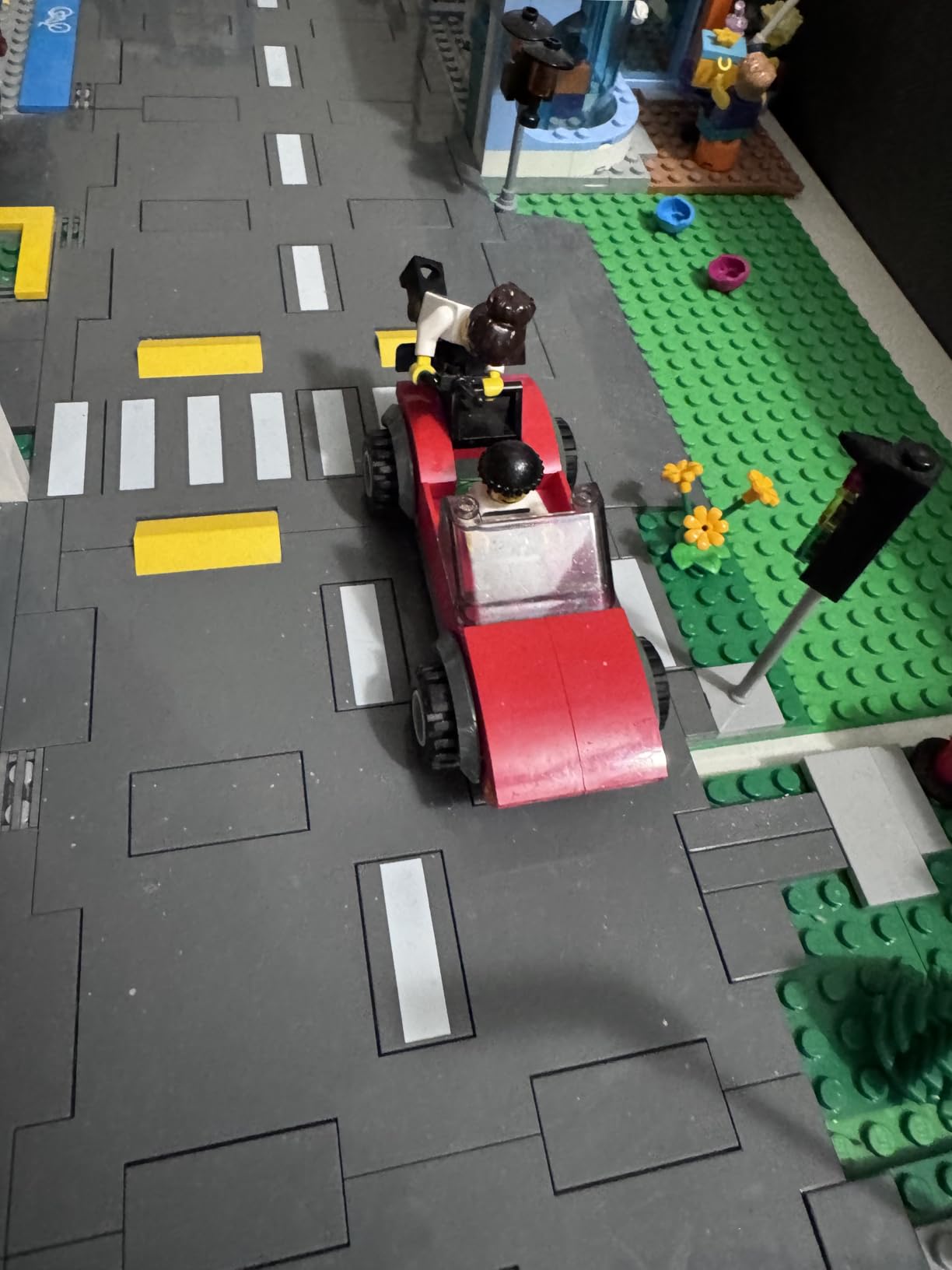
The road plates are 32×32 studs with printed streets, intersections, and crosswalks. They connect to any standard LEGO baseplate, including the gray 48×48 I tested. The printed designs are crisp and the colors match the official LEGO City palette. I added three road plates to a 96×48 inch city layout and the streets looked professional.
The only downside is that this set does not include buildings or minifigures. It is purely road infrastructure. For a complete city build, you will need to pair it with separate LEGO sets. But for road layout and traffic infrastructure, this is the best official LEGO option.
Integration with existing baseplates
The road plates were designed to be combined with standard LEGO baseplates. The 32×32 stud grid matches the green, gray, and white baseplates exactly. I dropped a road plate onto the center of my gray 48×48 baseplate and the connection was seamless, with no height difference between the road surface and the baseplate.
For multi-zone city builds, you can mix road plates with grass and pavement sections to create a realistic urban environment. The glow-in-the-dark streetlights add a visual element that pure baseplates cannot match.
Best for LEGO City and traffic builders
City MOC builders who want realistic road layouts will find this set essential. The printed road plates, glow streetlights, and traffic accessories are the perfect complement to any gray or green baseplate.
For non-city builds, this set is not relevant. Pick the standard baseplates instead. For City builders, this is one of the best official LEGO expansions available.
How to Choose the Best LEGO Baseplate for Your MOC?
Picking the right baseplate comes down to three decisions: size, color, and brand. Get all three right and your MOC will sit on a foundation that lasts for years. Below is the framework I use when starting any new build.
Choosing the Right Baseplate Size
The most common baseplate sizes are 16×16, 32×32, and 48×48 studs. The 32×32 is the workhorse for most MOCs because it fits a single building or small scene at a manageable price. The 48×48 is the choice for multi-building layouts and modular displays. The 16×16 is best for micro-builds and small vignettes.
For a rough guide, a 32×32 plate covers about 10×10 inches. A 48×48 plate covers 15×15 inches. For trains, plan on a 32×32 plate per train car length. For modular buildings, the 48×48 is the standard because it fits the official LEGO modular footprint.
Picking the Best Baseplate Color
Green is the default for landscape, garden, and nature MOCs. Gray is the most versatile for city, castle, and modern builds. Tan works for desert and beach themes. White is reserved for snow and winter scenes. Blue is best for water features, but a solid blue baseplate is rarer than other colors.
For multi-zone MOCs, the budget multi-packs (Husfunov, JNZong, LVHERO) give you color variety at a lower price than buying individual LEGO plates. The colors are slightly off the official LEGO tones, but the price savings usually outweigh the color difference.
LEGO Brand vs Third-Party Baseplates
LEGO baseplates have the best stud precision and color matching, but they cost more per plate. Third-party plates (Brickyard, Husfunov, JNZong, LVHERO) deliver 90 to 95% of the LEGO quality at 40 to 60% of the price. For serious color-critical builds, LEGO is still the gold standard. For volume and variety, third-party is the better value.
Compatibility is solid across all the major third-party brands I tested. The stud spacing matches LEGO exactly, and the plastic is durable enough for years of use. The only consistent difference is slight color variation, which only matters for displays where every shade matters.
MILS Technique Explained
MILS stands for “Modular Integrated Landscaping System,” and it is the standard technique for building large stable LEGO layouts. Instead of building directly on a baseplate, you create a grid of brick layers that form a rigid sub-floor. The baseplate sits on top, and your MOC sits on the baseplate. This gives you a floor that can support much heavier builds without flexing.
For 32×32 baseplates, a single layer of bricks underneath is usually enough. For 48×48 plates, two layers of bricks in a cross pattern add significant stability. The MILS technique is what allows train clubs to build massive layouts from individual baseplates without any visible seams or flex.
Connecting Multiple Baseplates for Large Builds
LEGO baseplates click together at the studs, but the connection is not strong enough for large layouts. The Brickyard stackable plates solve this with built-in connection tabs. For standard LEGO plates, you can use baseplate edge clamps or thin LEGO Technic pins to lock plates together.
My preferred method is to lay the plates on a flat table and use a thin layer of bricks along the seams to bridge them. The bricks hold the plates in alignment and create a smooth transition. This is the MILS technique applied to inter-plate connections, and it works on any brand of baseplate.
Frequently Asked Questions
What is the best LEGO baseplate size for MOC building?
The 32×32 stud baseplate is the most versatile size for MOC building. It offers 1024 aligned studs, fits a single building or small scene, and gives you the best balance of coverage and price. For larger layouts and modular building displays, the 48×48 stud baseplate is the next step up, and many builders use a combination of 32×32 and 48×48 plates connected via the MILS technique.
Are third party LEGO baseplates compatible with real LEGO bricks?
Yes, the major third-party baseplate brands (Brickyard, Husfunov, JNZong, LVHERO, Strictly Briks) all use the same stud spacing as LEGO, so genuine LEGO bricks snap onto them with the same clutch feel. The plastic is usually ABS, the same material LEGO uses. The only consistent difference is slight color variation, with third-party greens sometimes slightly darker than official LEGO green. For most MOC builds, the compatibility is solid.
How do I stop my baseplate from warping?
Store baseplates flat on a shelf at room temperature, away from direct sunlight and heat sources. Heat is the main cause of warping, especially for the larger 48×48 plates. For builds that will sit in a hot room, add a layer of bricks underneath using the MILS technique to reinforce the plate. If a plate does warp slightly, you can usually flatten it back by placing it under a heavy book for a few days.
What is the MILS technique for baseplates?
MILS stands for Modular Integrated Landscaping System. It is a building method where you create a grid of brick layers underneath your baseplate to add rigidity and height. The baseplate sits on top of the brick grid, and your MOC sits on the baseplate. MILS allows you to build multi-level layouts, raise your MOC to display height, and prevent flex in large baseplates. It is the standard technique for train layouts and convention displays.
What size baseplate do LEGO modular buildings use?
Official LEGO modular buildings are designed for a 48×48 stud baseplate, which gives enough room for the building footprint plus a sidewalk and street. The official LEGO Modular Building Standard is 32 studs wide by 40 bricks deep, which fits comfortably on a 48×48 plate with room for landscaping. For displaying multiple modulars side by side, you can connect multiple 48×48 plates or use larger custom layouts.
Final Verdict
After testing ten baseplates across three months of MOC building, the LEGO Classic Green Baseplate 32×32 remains my top pick for the best LEGO baseplates for MOC building. Its 1024 aligned studs, sturdy build, and versatile green color make it the safest foundation for almost any MOC. For larger projects, the LEGO Classic Gray Baseplate 48×48 is the logical upgrade, and the Husfunov 4-pack is the best value choice when you need multiple colors without the LEGO price tag.
Whatever you choose, remember that a baseplate is more than a flat surface. It is the foundation that holds your MOC together for years of display and play. Pick the right size, color, and brand, and your build will stand the test of time. Check the latest prices on all ten picks and start your next MOC on the right foundation in 2026.