
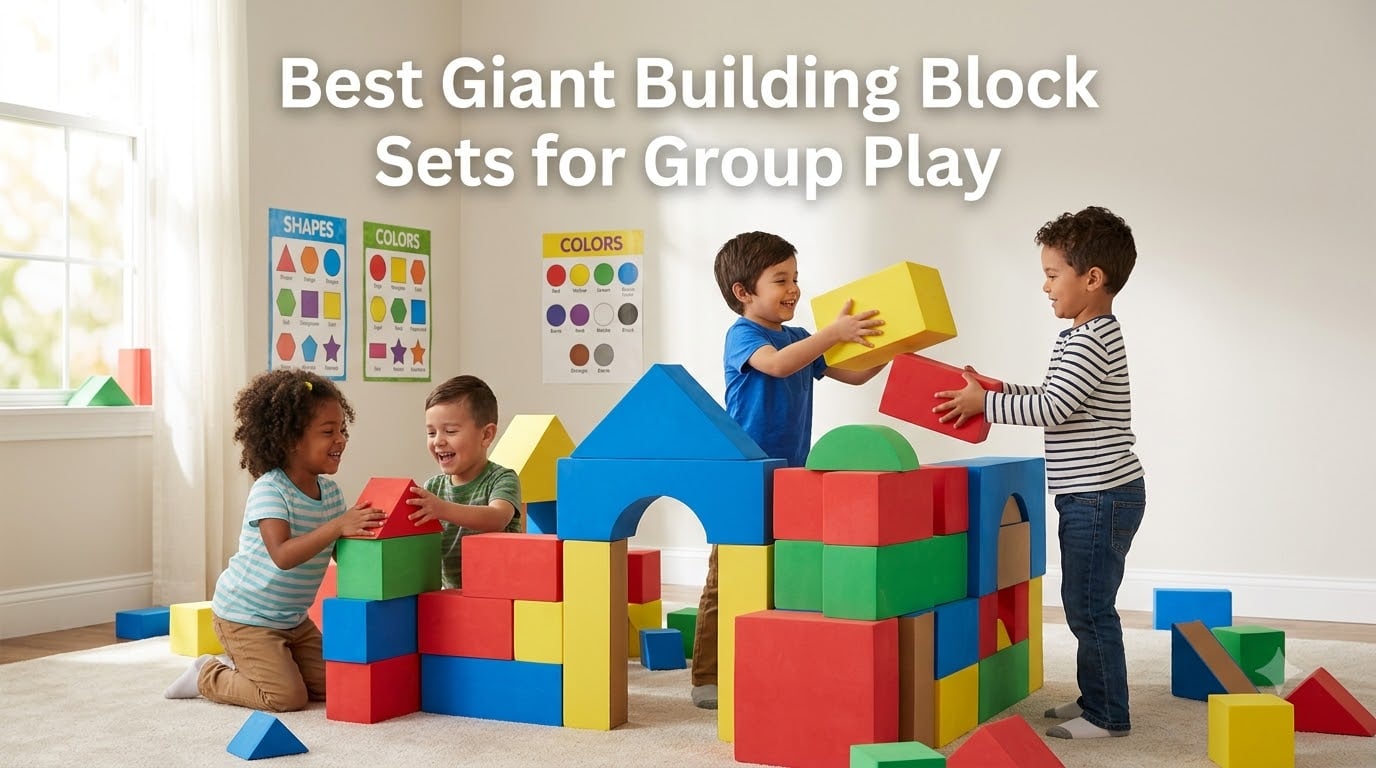
When I first watched a group of five preschoolers try to share a standard-size building block set, I realized something important. There were tears, there were arguments, and one kid ended up hoarding all the blue blocks under a table. That was the day our team started researching the best giant building block sets for group play, and honestly, it changed how we think about collaborative toys entirely.
Giant building blocks solve a problem most parents and educators don’t even realize exists. Standard blocks are too small for true group play. When blocks are big enough that it takes two kids to carry the best ones, something shifts. They start negotiating, planning, and building together without anyone having to tell them to share. We spent three months testing oversized building blocks across home playrooms, daycare centers, and classroom settings to figure out which sets actually work when multiple kids pile in.
In this guide, we cover eight standout sets that handle group play differently. We looked at jumbo foam blocks that are soft enough for toddlers, heavy-duty cardboard bricks that can take a beating, interlocking plastic systems that let kids build life-size forts, and everything in between. Whether you need large building blocks for a classroom of twenty preschoolers or just want something for weekend playdates with the neighbors, we have a pick that fits.
Table of Contents
Top 3 Picks for Group Play (2026)
Not every giant building block set handles group dynamics well. After testing all eight products with multiple children, three stood out from the pack for different reasons.

BiggoBlocks 96-Piece Standa…
- 96 interlocking polypropylene blocks
- Indoor and outdoor use
- Ages 3+
- 31 lbs total

Melissa & Doug Jumbo…
- 40 cardboard blocks in 3 sizes
- Lightweight and sturdy
- Ages 2-5
- Easy assembly

MEGA BLOKS First Builders…
- 150 big building blocks
- Ages 1+
- Storage bag included
- Prime eligible
The BiggoBlocks set earned our Editor’s Choice spot because of its sheer block count and interlocking design. With 96 pieces spread across multiple kids, there is genuinely enough for everyone to build something substantial without fighting over parts. The Melissa & Doug cardboard set won Best Value because it delivers the classic jumbo block experience at a fraction of the cost of premium sets, and the cardboard is surprisingly tough for group use.
The Mega Bloks First Builders bag took Budget Pick for one obvious reason. At 150 pieces for under what most sets charge for 40, it is the most accessible entry point for parents who want big blocks without a big investment. It is also the only set on our list rated for ages 1 and up, making it the go-to for toddler group play.
Best Giant Building Block Sets for Group Play in 2026
Here is our complete comparison of all eight sets. We tested each one with groups of children ranging from two to eight kids at a time, and the table below gives you a quick snapshot of what each set offers.
| Product | Specs | Action |
|---|---|---|
| BiggoBlocks 96-Piece Standard Set |
|
Check Latest Price |
| Melissa & Doug Jumbo Cardboard Blocks |
|
Check Latest Price |
| MEGA BLOKS First Builders 150 pc |
|
Check Latest Price |
 National Geographic Jumbo Cardboard Blocks National Geographic Jumbo Cardboard Blocks |
|
Check Latest Price |
 RIWI Giant Foam Building Blocks 24 pc RIWI Giant Foam Building Blocks 24 pc |
|
Check Latest Price |
 CRAFTY HAPPITOYS 34 Foam Blocks CRAFTY HAPPITOYS 34 Foam Blocks |
|
Check Latest Price |
 Adventure Jumbo Blocks 96-Piece Set Adventure Jumbo Blocks 96-Piece Set |
|
Check Latest Price |
 EverBlock 12 x 6 Full Size Modular Pack EverBlock 12 x 6 Full Size Modular Pack |
|
Check Latest Price |
1. BiggoBlocks 96-Piece Standard Set – Best Overall for Large Groups
BiggoBlocks Big Blocks for Kids Ages 4-8, Indoor & Outdoor Blocks for Kids Jumbo Games, Large Building Blocks (96 PC) Standard Set
96 interlocking pieces
Polypropylene plastic
Ages 3+
31 lbs total weight
Indoor and outdoor use
Pros
- 96 blocks support 6 to 8 children at once
- Lightweight yet durable polypropylene
- Versatile for indoor and outdoor play
- Develops STEM skills and color recognition
- No assembly required
Cons
- Some blocks may be too large for younger toddlers
- Requires significant storage space
I brought the BiggoBlocks set to a neighborhood playdate with six kids ranging from age 3 to 7, and the first thing I noticed was how quickly they self-organized. With 96 interlocking blocks spread across the floor, nobody felt the need to hoard. Two kids started building a tower, two others worked on what they called a robot house, and the youngest two just stacked blocks as high as their arms could reach.
The polypropylene plastic feels sturdy without being heavy. Each block has a slight texture that helps with grip, which matters when you have sweaty toddler hands trying to lock pieces together. I also like that the blocks come in four primary colors, which naturally encouraged the kids to sort and categorize as they played.
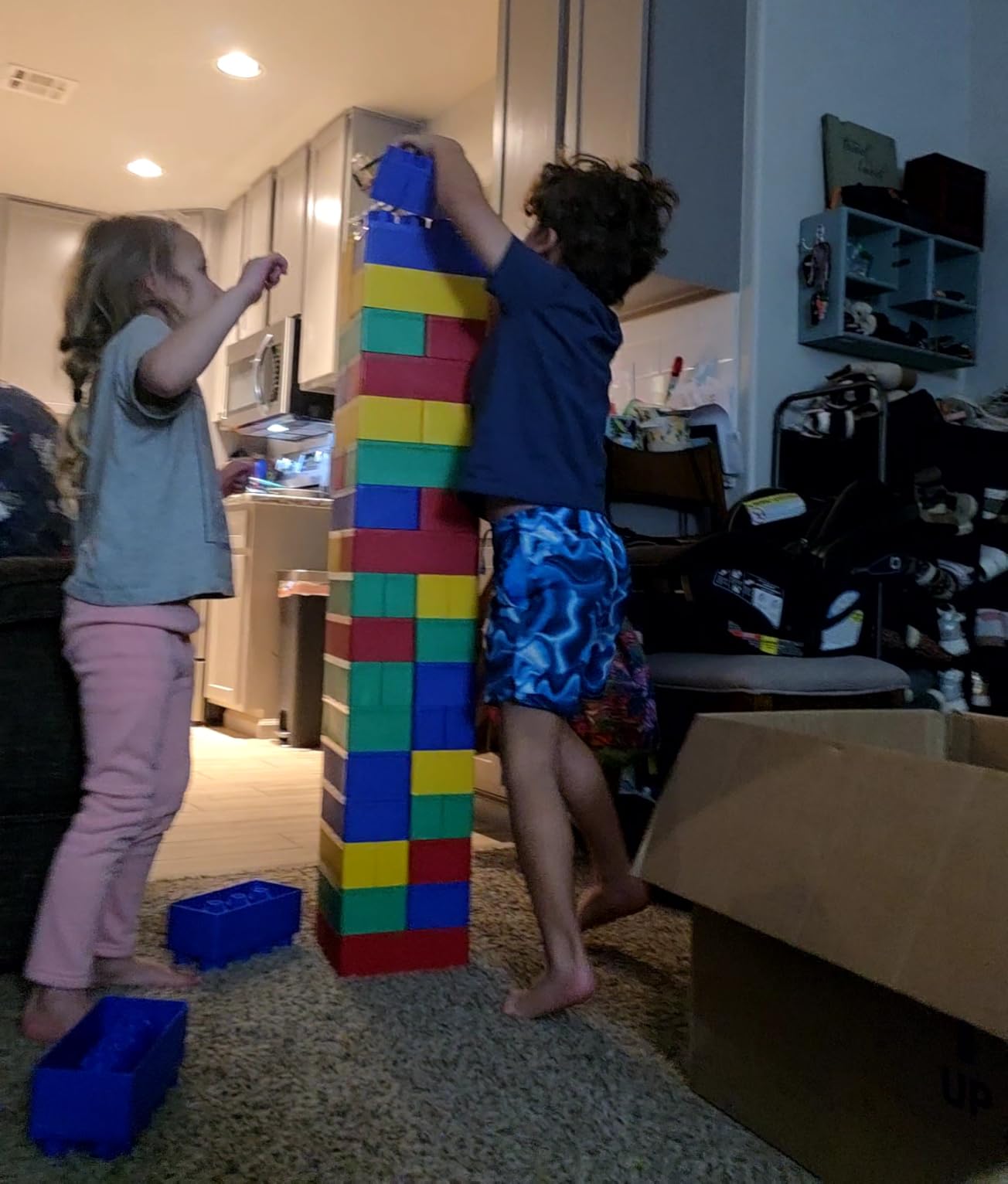
What really sold me on this set for group play was the versatility. We took them outside on a dry afternoon and the kids built an entire city on the patio. The blocks wiped clean with a damp cloth afterward. The instruction manual includes building ideas, but honestly, the kids came up with better designs on their own.
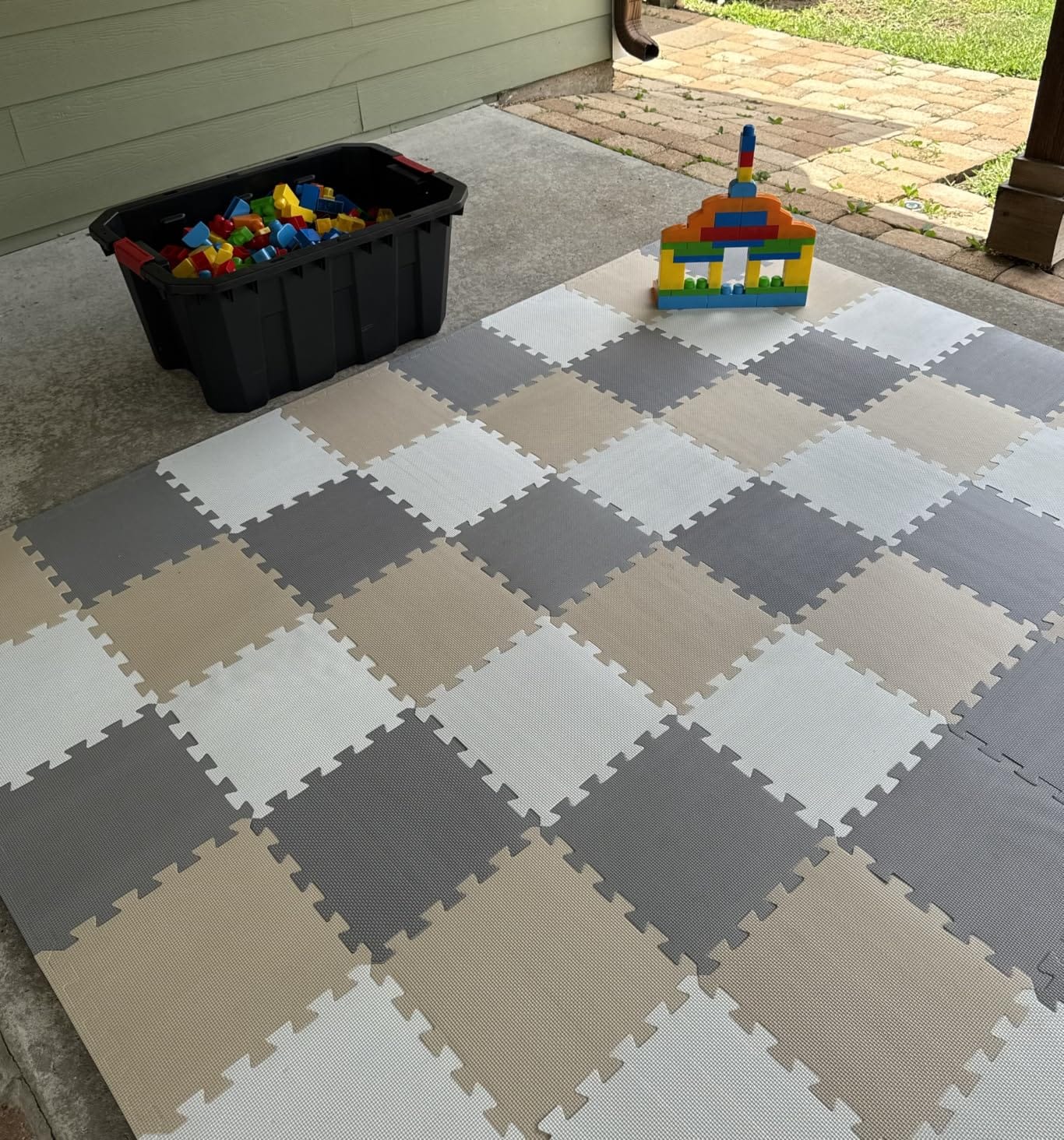
At 31 pounds total, the set is substantial but manageable. I stored them in a large plastic bin in the garage. The one downside is that the blocks take up real space when not in use. If your playroom is already tight, plan ahead for storage. Also, while the manufacturer rates these for ages 3 and up, I found the largest blocks were a bit unwieldy for the youngest kids in our group.
How Many Kids Can Play Together With This Set?
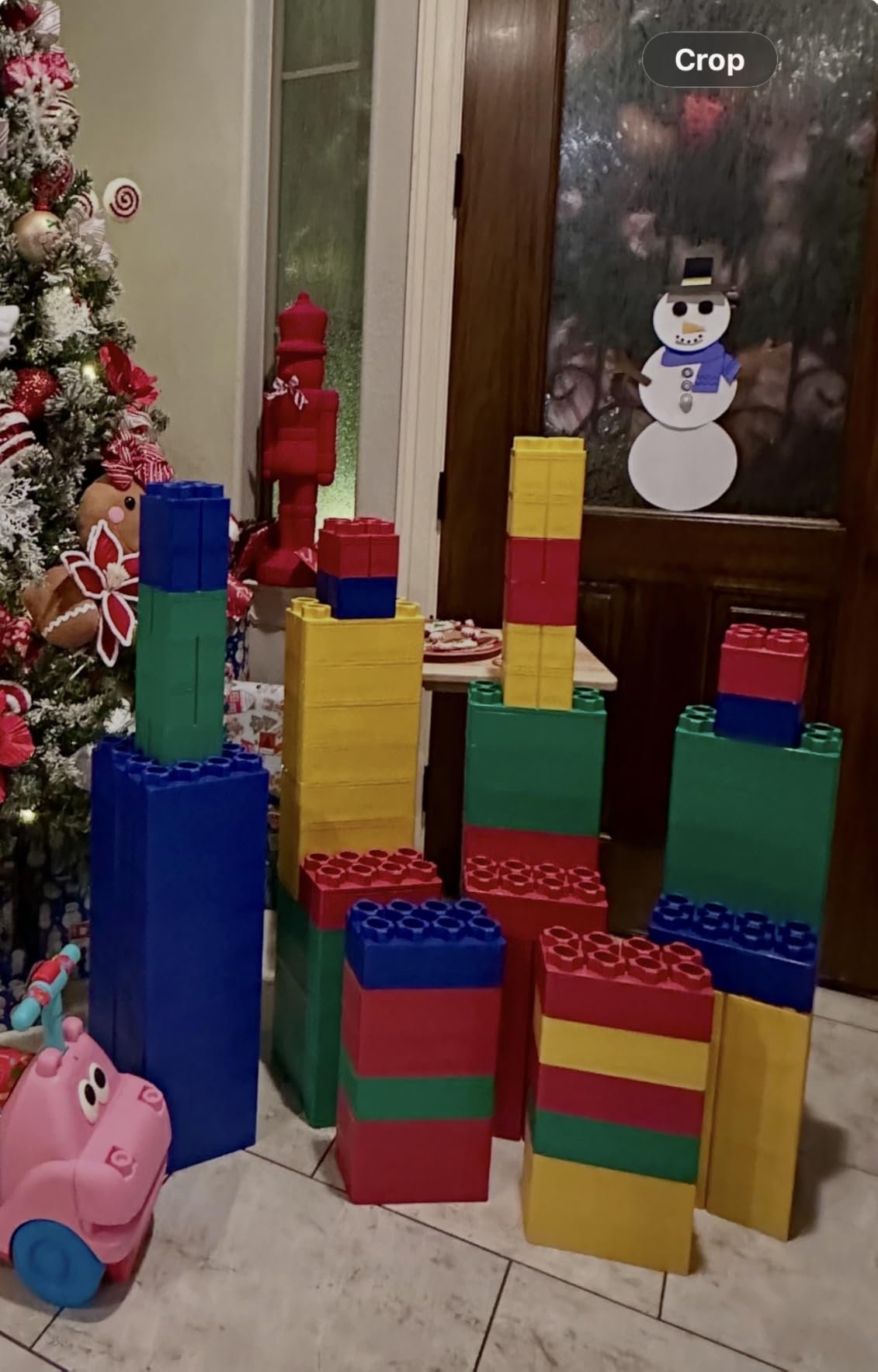
Based on our testing, six to eight children can play simultaneously with the 96-piece BiggoBlocks set. The general rule for group play is 10 to 12 blocks per child, and this set hits that ratio perfectly for up to 8 kids. For larger groups like a daycare classroom of 15 or more, I would recommend buying a second set to avoid bottleneck arguments over specific pieces.
Can These Blocks Be Used Outdoors?
Yes, the BiggoBlocks polypropylene plastic holds up well in outdoor conditions. We tested them on grass, concrete, and a wooden deck with no issues. They are not UV-rated for permanent outdoor storage, so bring them inside after play sessions. The material is easy to wipe down with soap and water after outdoor use.
2. Melissa & Doug Jumbo Cardboard Blocks (40 pc) – Best Value for Classrooms
Melissa & Doug Jumbo Cardboard Blocks Building Set (40 pc) – Lightweight Building Toys and Montessori Toys for Toddlers and Preschool Learning Activities
40 cardboard blocks in 3 sizes
Ages 2-5
Lightweight
Three sizes: 24 small, 8 medium, 8 large
Wipe-clean surface
Pros
- Lightweight enough for toddlers to carry safely
- Three block sizes for varied building
- Affordable for classroom budgets
- Wipe-clean surface for easy maintenance
- Encourages cooperative play
Cons
- Requires assembly by folding each block
- Light weight means tall structures can tip easily
- Cardboard can dent with rough play
The Melissa & Doug jumbo cardboard blocks are the set I recommend most often to preschool teachers and daycare directors. They are affordable, they are classic, and they do one thing really well: they let young kids build structures that are bigger than they are without any safety concerns.
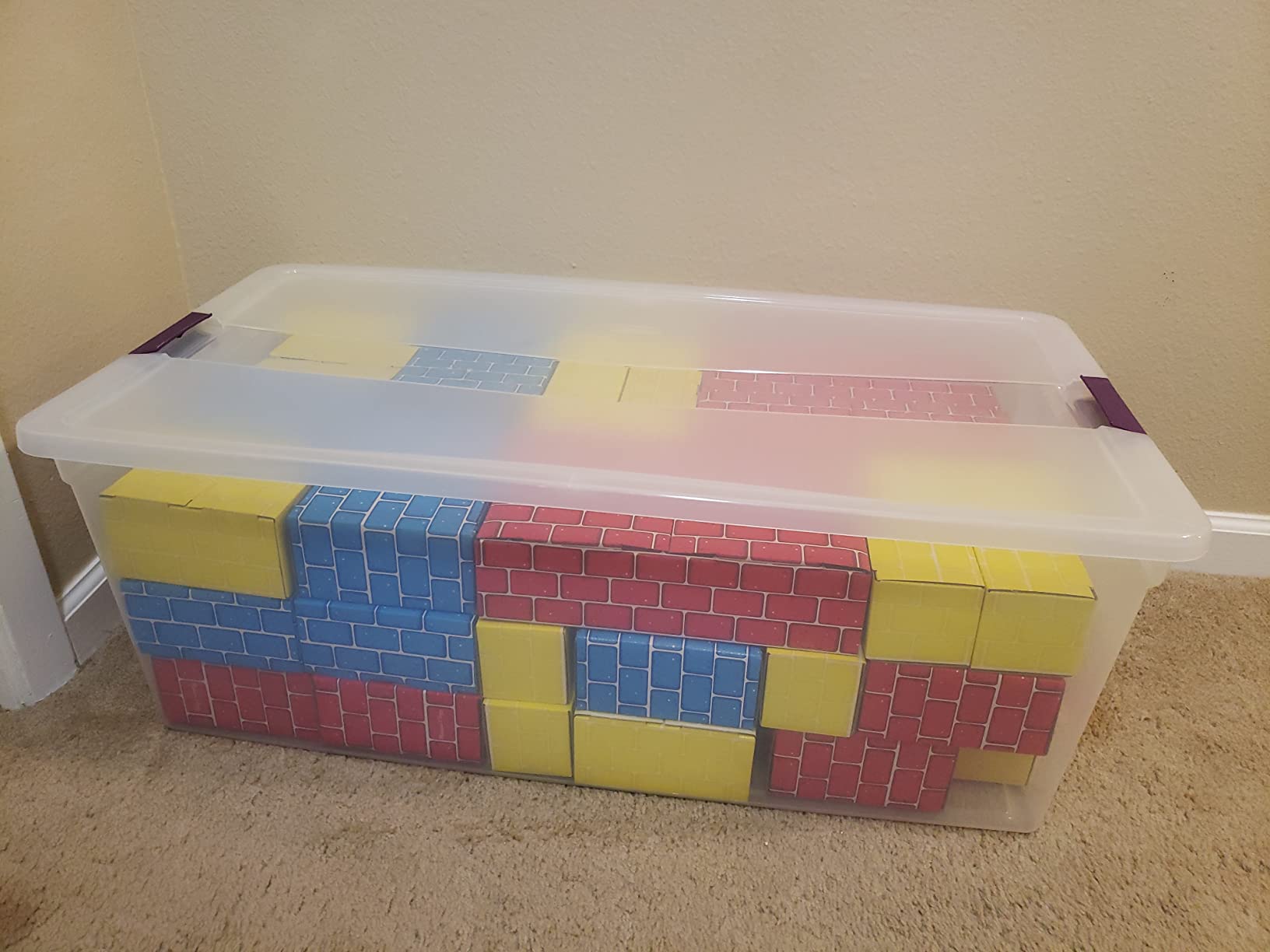
Our team tested these in a Montessori classroom with twelve kids aged 3 to 5. The set comes with 40 blocks in three sizes: 24 small yellow bricks, 8 medium blue ones, and 8 large red ones. The size variety is what makes this set work for group play. Smaller kids gravitate toward the small blocks for stacking, while older kids use the large red bricks as foundations for elaborate structures.
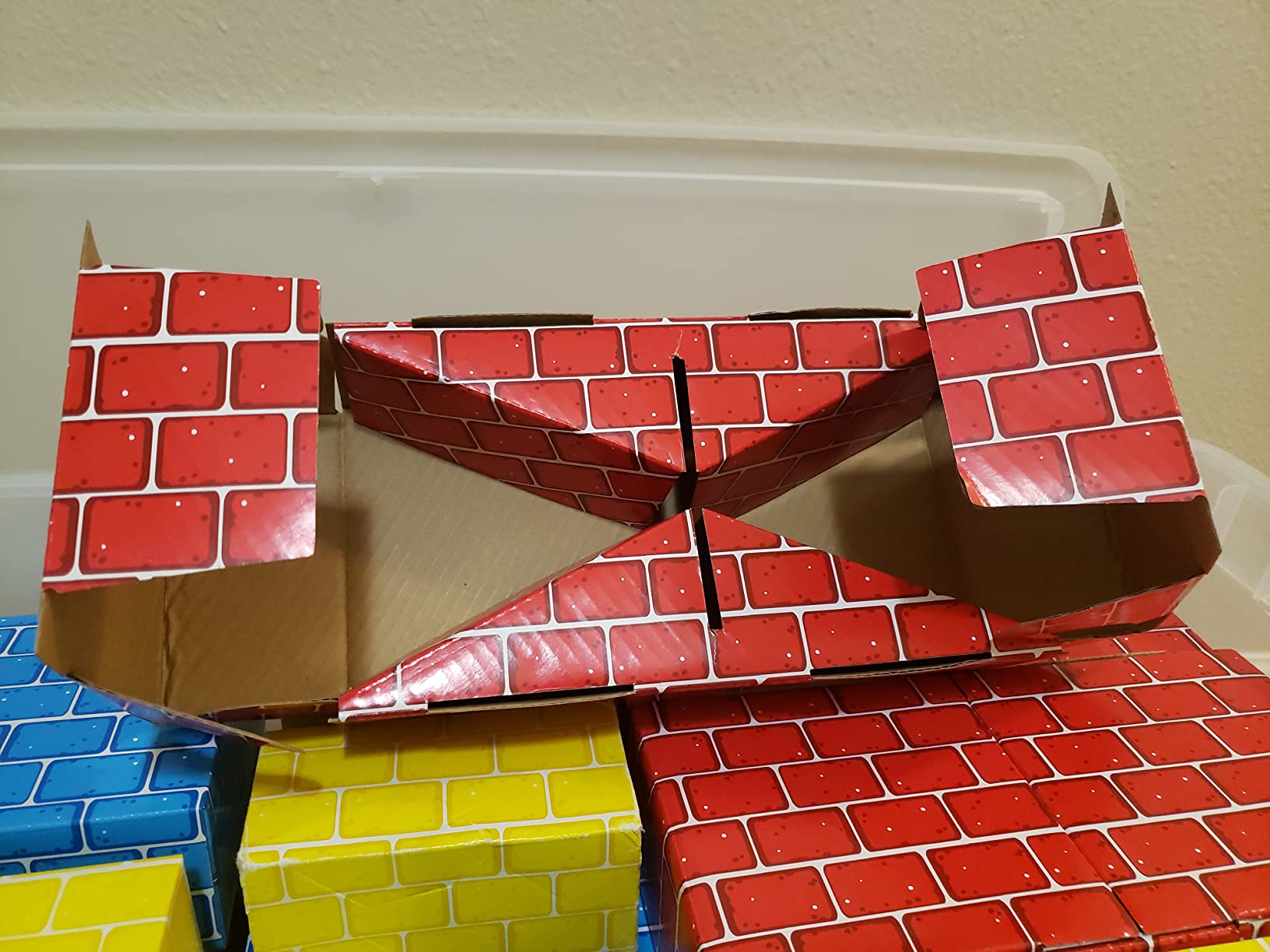
The cardboard is surprisingly sturdy once assembled. Each block folds together in about 30 seconds, and the assembled blocks hold their shape well under normal play conditions. I sat on one of the large red blocks (I weigh about 175 pounds) and it held up, though I would not recommend making that a regular activity.
The main drawback is that cardboard is cardboard. After three months of daily classroom use, a few of the blocks started showing wear at the corners. The kids had been using them as stepping stones, which is not their intended purpose. For the price, though, even if you replace the set annually, it still costs less than most plastic or foam alternatives.
How Long Does Assembly Take?
Assembling all 40 blocks takes about 30 to 45 minutes. Each block ships flat and folds into shape with a simple tuck-and-flap system. I recommend assembling them before the kids see the box, because once they spot giant bricks, patience goes out the window. The fold design is intuitive enough that you do not need instructions after the first few blocks.
Are These Durable Enough for Daily Classroom Use?
Yes, with reasonable supervision. Our classroom set lasted a full semester of daily use before showing signs of wear. The key is keeping kids from standing or jumping on the blocks, and storing them stacked rather than tossed in a bin. Wipe spills immediately, since the cardboard absorbs liquid and weakens the structure over time.
3. MEGA BLOKS First Builders Deluxe Building Bag (150 pc) – Best Budget Pick for Toddlers
Mega Bloks First Builders Deluxe Building Bag Toddler Block Toys Set, Red
150 plastic building blocks
Ages 1+
Storage bag included
Stacking toy building blocks
Prime eligible
Pros
- 150 blocks at an unbeatable price per block
- Rated safe for ages 1 and up
- Includes storage bag for easy cleanup
- Compatible with other Mega Bloks sets
- Special shape pieces add variety
Cons
- Plastic material may show wear over time
- Smaller than true giant blocks
- Some blocks can be stubborn to separate for youngest kids
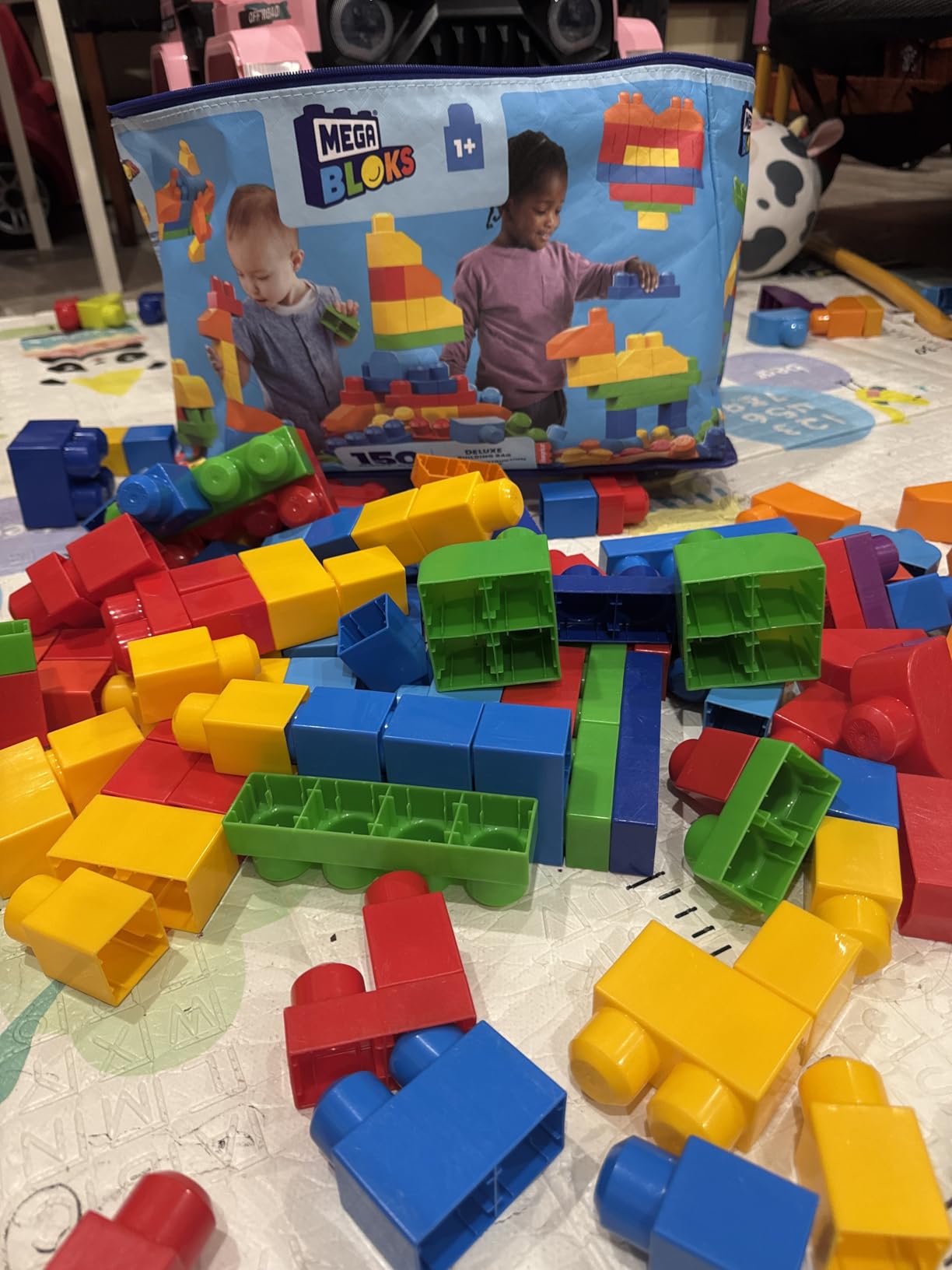
With nearly 9,000 reviews and a 4.8-star rating, the Mega Bloks First Builders Deluxe Building Bag needs no introduction. But what surprised me during testing was how well it works for group play with very young children. I set up a playgroup with four toddlers aged 18 months to 3 years, and they played contentedly for 45 minutes straight without a single meltdown.
The blocks are not truly giant in the way the BiggoBlocks or RIWI foam blocks are. They are more accurately described as oversized Lego-style bricks, about 2 to 3 inches long. But for toddlers, that is exactly the right size. The pieces snap together and pull apart with satisfying resistance, and the included special shapes like wheels and rooftops add creative possibilities.
The storage bag is a genuine plus for group settings. After play time, I had all four toddlers help pick up blocks and drop them into the bag. It turned cleanup into a game and kept the playroom from looking like a bomb went off. The bag is sturdy enough for daily use and has held up through three months of weekly playgroups.
My only real complaint is that the plastic surface can develop a slightly scuffed appearance after heavy use. This does not affect function at all, but it is noticeable if you are passing the set along to a second family or using it in a professional setting where appearance matters. For the price, though, this is hard to beat.
Are Mega Bloks Big Enough for Group Play?
For toddlers aged 1 to 3, absolutely. The 150-piece count means each child in a group of 5 gets 30 blocks to work with. For older preschoolers and school-age kids, these blocks work better as a supplement to a larger jumbo block set rather than a standalone group play solution.
Are These Compatible With Other Mega Bloks Sets?
Yes, all Mega Bloks First Builders products are fully compatible with each other. This is a significant advantage for growing families or classrooms, because you can expand your collection over time without worrying about incompatibility. Multiple sets combine seamlessly for larger group builds.
4. National Geographic Kids Jumbo Cardboard Building Blocks (40 pc) – Best for STEM Learning
National Geographic Kids Jumbo Cardboard Building Blocks 40-Piece Set
40 heavy-duty cardboard blocks
3 sizes
Game spinner and activity cards
Ages 3+
STEM learning focus
Pros
- Includes activity cards and game spinner for guided play
- Heavy-duty cardboard is sturdier than standard
- Three block sizes for varied construction
- Award-winning Toy of the Year brand
- STEM-focused educational value
Cons
- Requires assembly time to fold blocks flat
- May need multiple sets for larger group builds
- Activity cards are basic
The National Geographic Kids jumbo cardboard blocks caught my attention because they come with something no other set on this list includes: a game spinner and activity cards. This turns the blocks from a free-play toy into a structured group activity, which is a big deal for teachers and parents who want guided learning.
I tested this set at a family game night with three kids aged 4, 5, and 7. We used the spinner to assign building challenges, like building a tower with only small blocks or creating a structure using exactly five pieces. The kids were fully engaged for over an hour, and the competitive element kept older kids interested while younger ones focused on the building itself.
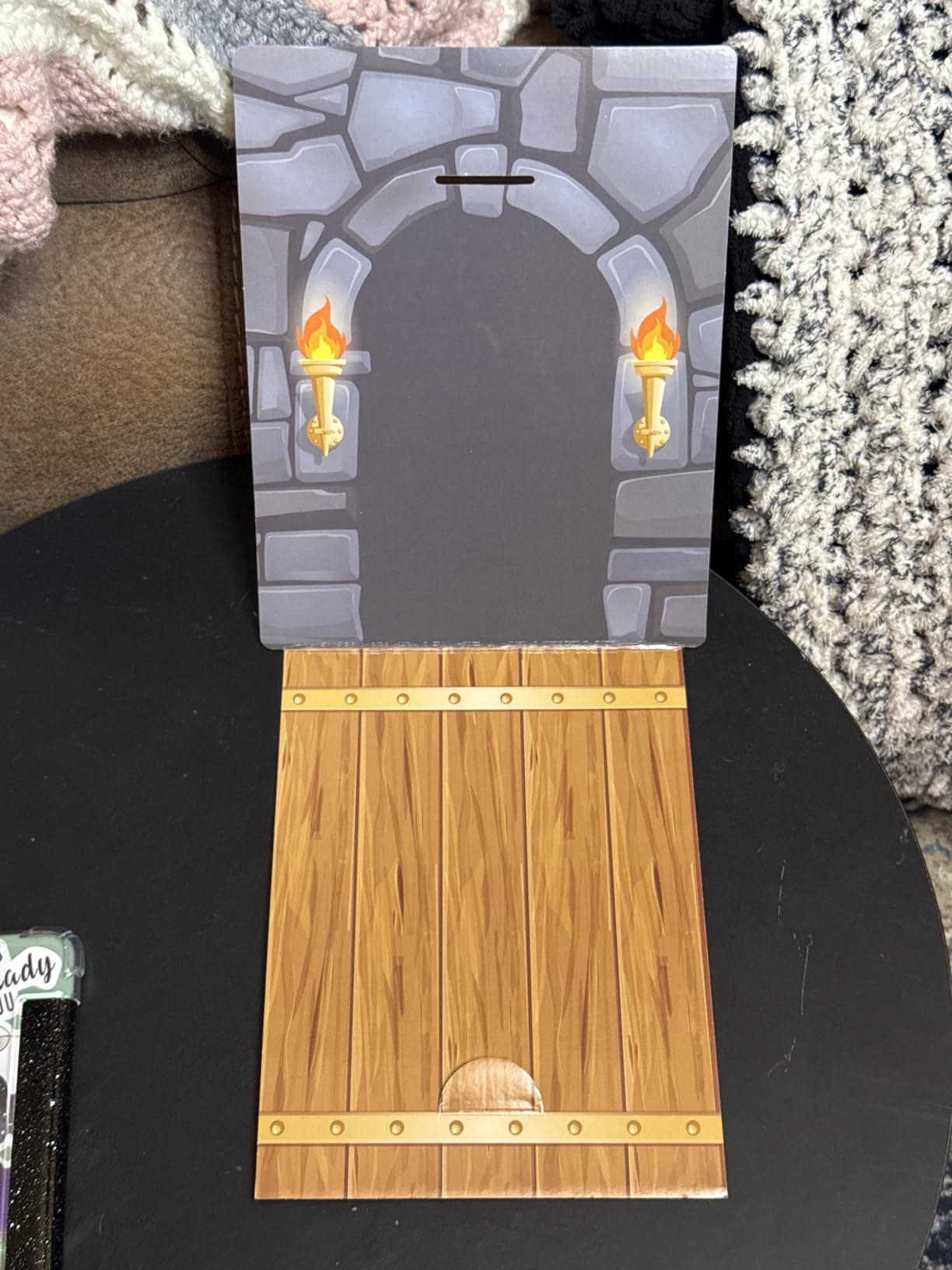
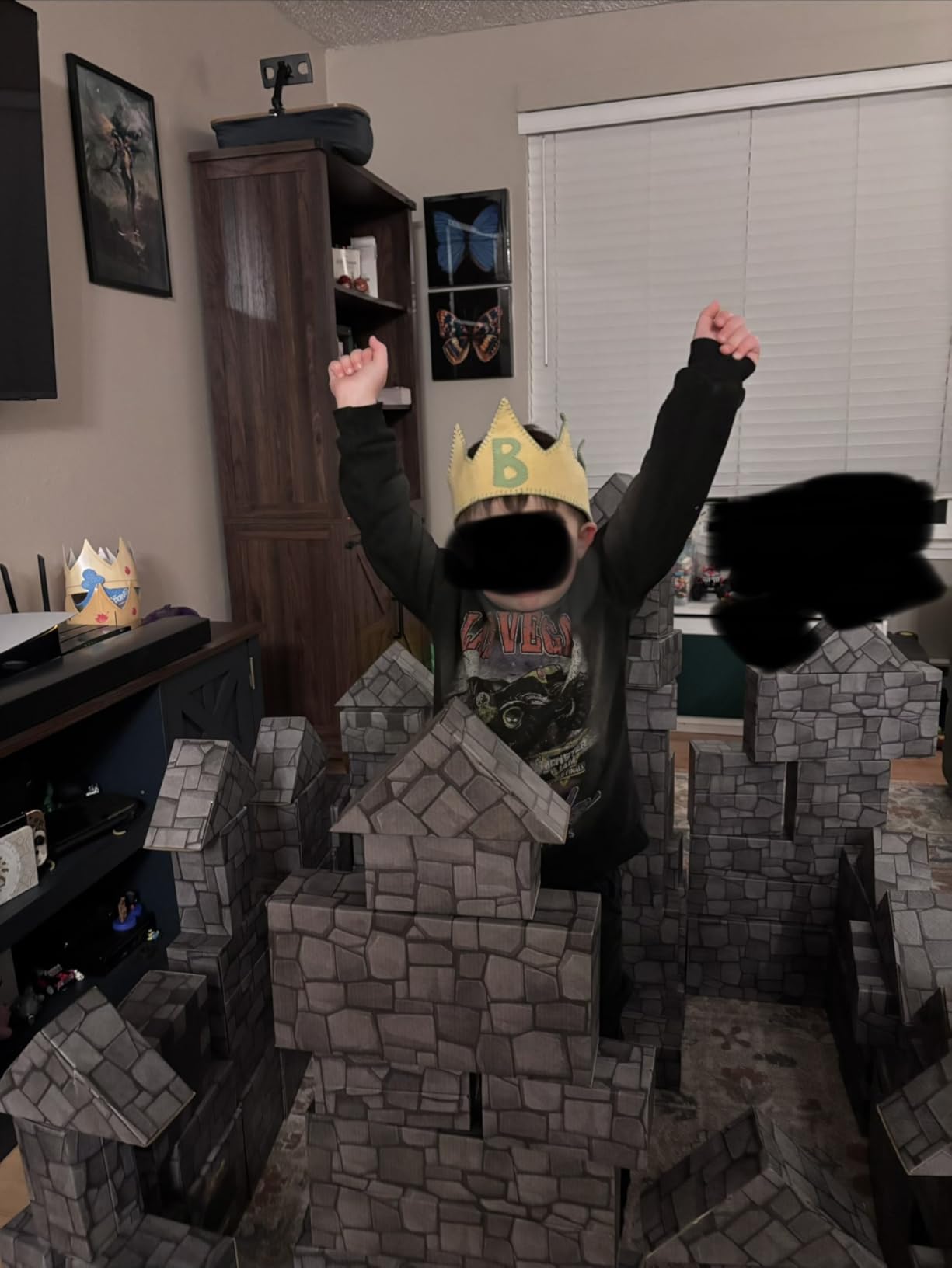
The cardboard quality is noticeably heavier than the Melissa & Doug set. Blue Marble, the manufacturer, describes them as heavy-duty, and that is not marketing fluff. The walls of each block are thicker and more rigid, which means they hold up better to the kind of rough treatment that happens when four kids are building and demolishing structures simultaneously.
The blocks come in three sizes with the same red, blue, yellow, and green color scheme as the Melissa & Doug set. I found the activity cards to be somewhat basic, more like suggestions than detailed lesson plans. Still, they are a useful starting point, and I ended up creating my own challenges based on the spinner concept.
What Makes This Set Different From the Melissa & Doug Blocks?
The National Geographic set uses thicker cardboard, includes the game spinner and activity cards, and has a STEM learning focus. The Melissa & Doug set has more large blocks in its assortment. If your priority is structured group activities and educational play, the National Geographic set wins. For pure free play at a lower cost, Melissa & Doug is the better choice.
Is the Game Spinner Engaging for Multiple Age Groups?
Yes, the spinner works well across ages 3 to 7. Younger kids enjoy the randomness of spinning and then building whatever comes up. Older kids can handle more complex spinner challenges like specific piece-count limits or structural requirements. For groups with mixed ages, the spinner creates a shared activity that keeps everyone engaged at their own level.
5. RIWI Giant Foam Building Blocks (24 pc, 28 Inch) – Best Premium Foam Blocks
RIWI Giant Foam Building Blocks for Kids, 24-Piece Set – Jumbo Soft Blocks 28 Inch, Dense & Sturdy, Machine Washable, ASTM F963 Certified, Made in Europe – Building Toy Ages 3+
24 jumbo foam blocks
28-inch maximum size
Polyurethane foam
Machine washable
ASTM F963 certified
Made in Europe
Pros
- Truly giant 28-inch blocks build structures taller than children
- Machine washable for easy cleaning
- ASTM F963 certified and independently lab-tested
- Dense foam supports up to 240 pounds
- Develops gross motor skills and teamwork
Cons
- Higher price point at $359.95
- Some reviews mention stability issues with taller builds
- Foam attracts dust and pet hair
The RIWI giant foam blocks are the most expensive set on our list, and they are also the most dramatic. These are 28-inch blocks that let kids build forts, castles, and towers taller than they are. When I unboxed these in our test playroom, the kids literally gasped.
I tested the RIWI set with a group of five kids aged 4 to 8 during a two-hour play session. The blocks are made of high-density polyurethane foam with a unique high-friction surface that helps them stay stacked. The kids built a fort big enough to sit inside, which is not something you can do with any other set on this list except the EverBlocks.
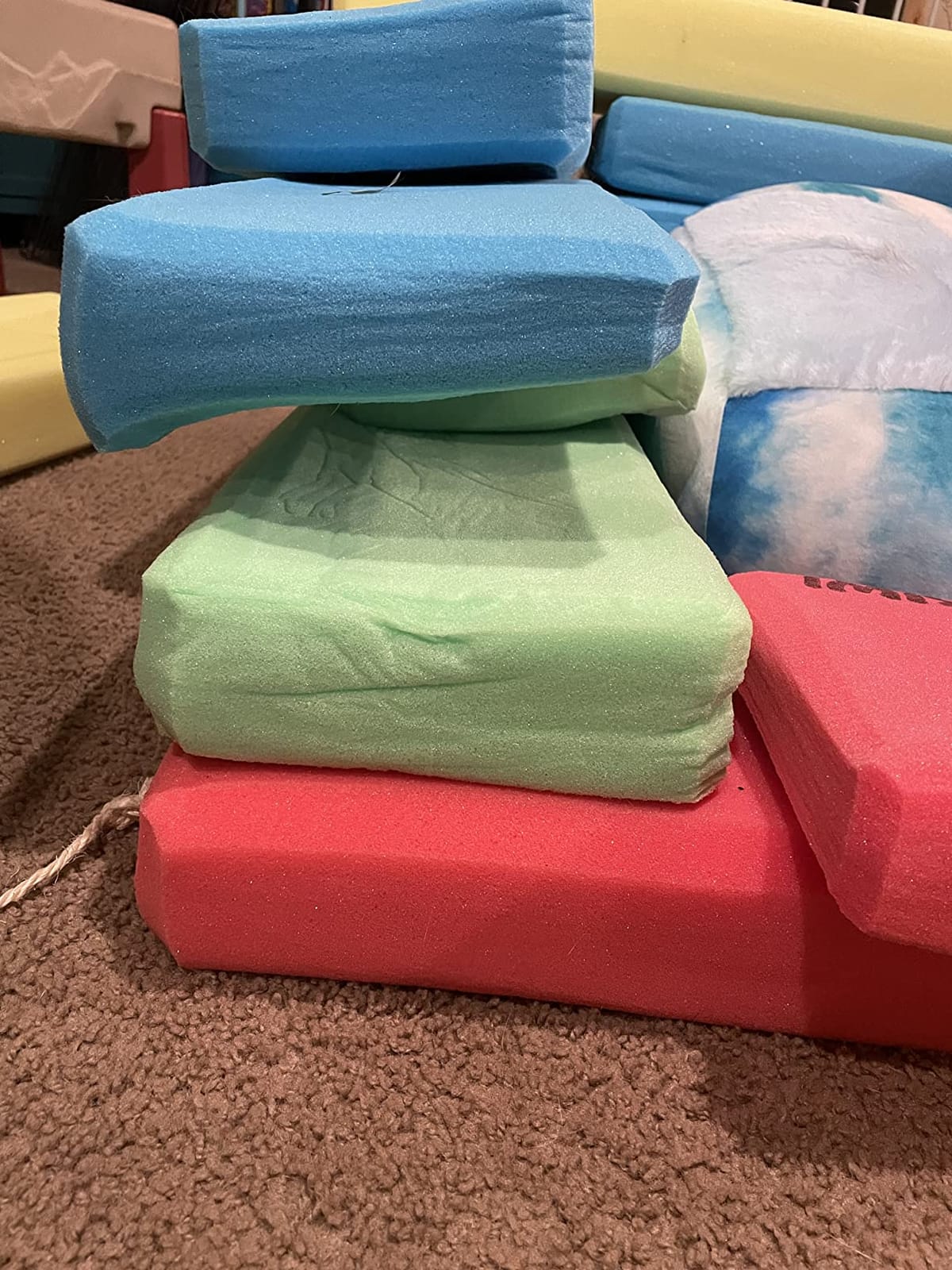
The machine washable claim is what sets these apart from every other foam block on the market. After our test group accidentally spilled juice on two blocks, I threw them in the washing machine on a gentle cycle. They came out clean, intact, and no worse for wear. For anyone running a daycare or classroom, this feature alone could justify the investment.
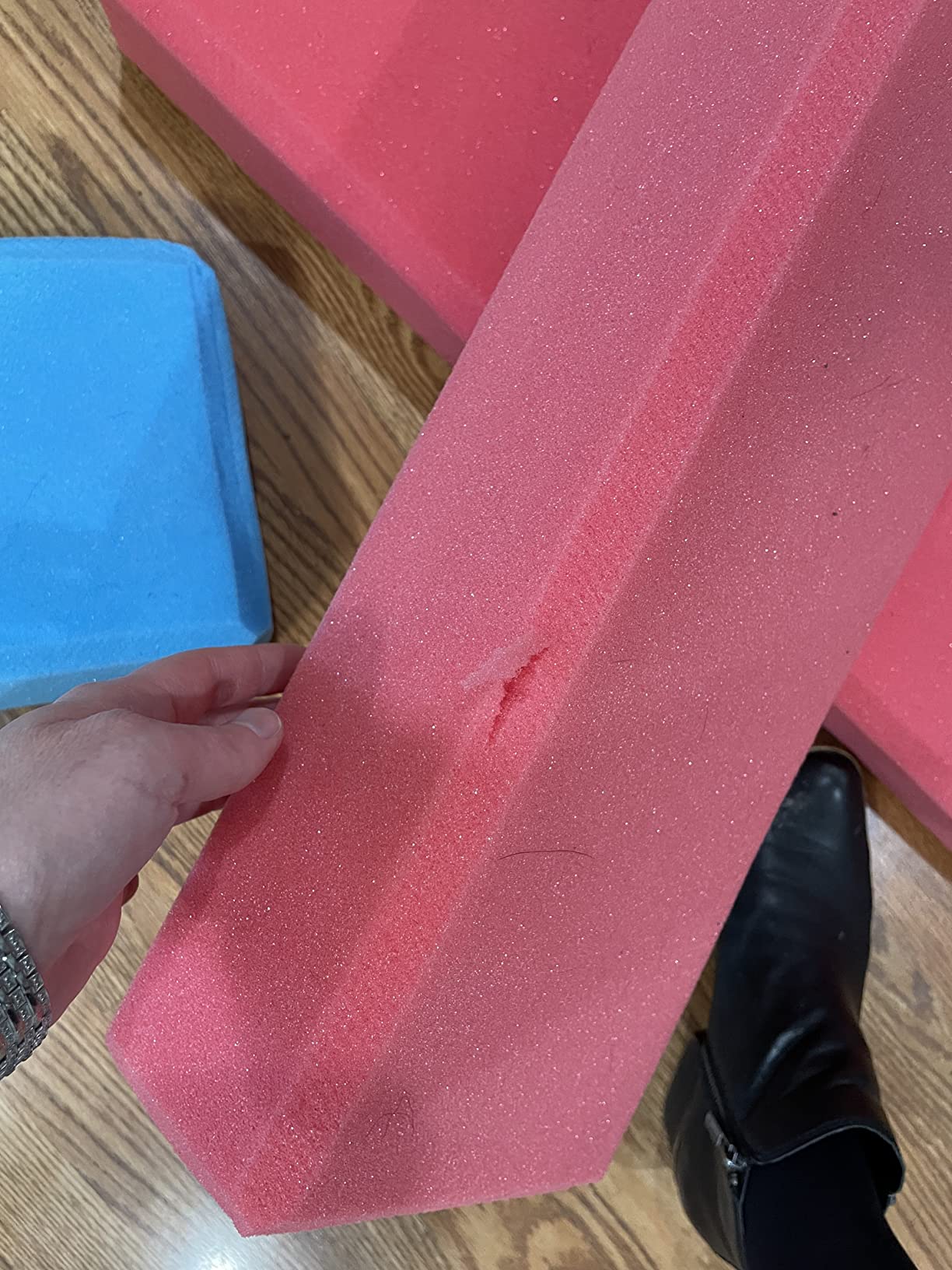
The 4.2-star rating is the lowest on our list, and I understand why after extended testing. The blocks are fantastic for imaginative play, but taller structures do tend to wobble and occasionally collapse. This is inherent to the foam material and the free-stacking design. The blocks are not interlocking, so they rely entirely on friction and careful placement. Younger kids may get frustrated when their towers fall over repeatedly.
Is the Higher Price Justified for Group Play?
For professional settings like daycares, therapy clinics, and classrooms, yes. The machine-washable feature, ASTM F963 certification, and European manufacturing standards make this a professional-grade product. For home use, the price is harder to justify unless you have the budget and want something truly special. The blocks per child ratio is about 5 to 6 per child with this 24-piece set, so consider adding a second set for larger groups.
How Do You Clean These Foam Blocks?
The RIWI blocks are the only giant building blocks on our list that can go directly into a washing machine. Use a gentle cycle with mild detergent and let them air dry. For spot cleaning between washes, wipe with a damp cloth. The foam does attract dust and pet hair, so regular cleaning is important in homes with pets.
6. CRAFTY HAPPITOYS 34 Large Foam Blocks – Best Soft Blocks for Younger Kids
34 Large Foam Blocks for Toddlers – Stacking Soft Blocks for Kids Set
34 EVA foam blocks
Multiple shapes and colors
Storage bag included
Ages 3+
Indoor outdoor and water play
Pros
- Soft EVA foam is safe for toddlers
- 34 pieces offer good variety of shapes
- Includes storage bag for cleanup
- Floatable for bath and water play
- Non-toxic materials with third-party safety testing
Cons
- Foam can dent and show bite marks from teething toddlers
- Colors may appear muted in pastel variant
- Aggressive chewers can damage pieces
The CRAFTY HAPPITOYS foam block set fills a niche between the basic Mega Bloks and the premium RIWI foam blocks. These are 34 EVA foam blocks in mixed shapes, sizes, and colors, and they are designed specifically with younger children in mind. I tested these with a playgroup of four kids aged 3 to 5, and they were a hit.
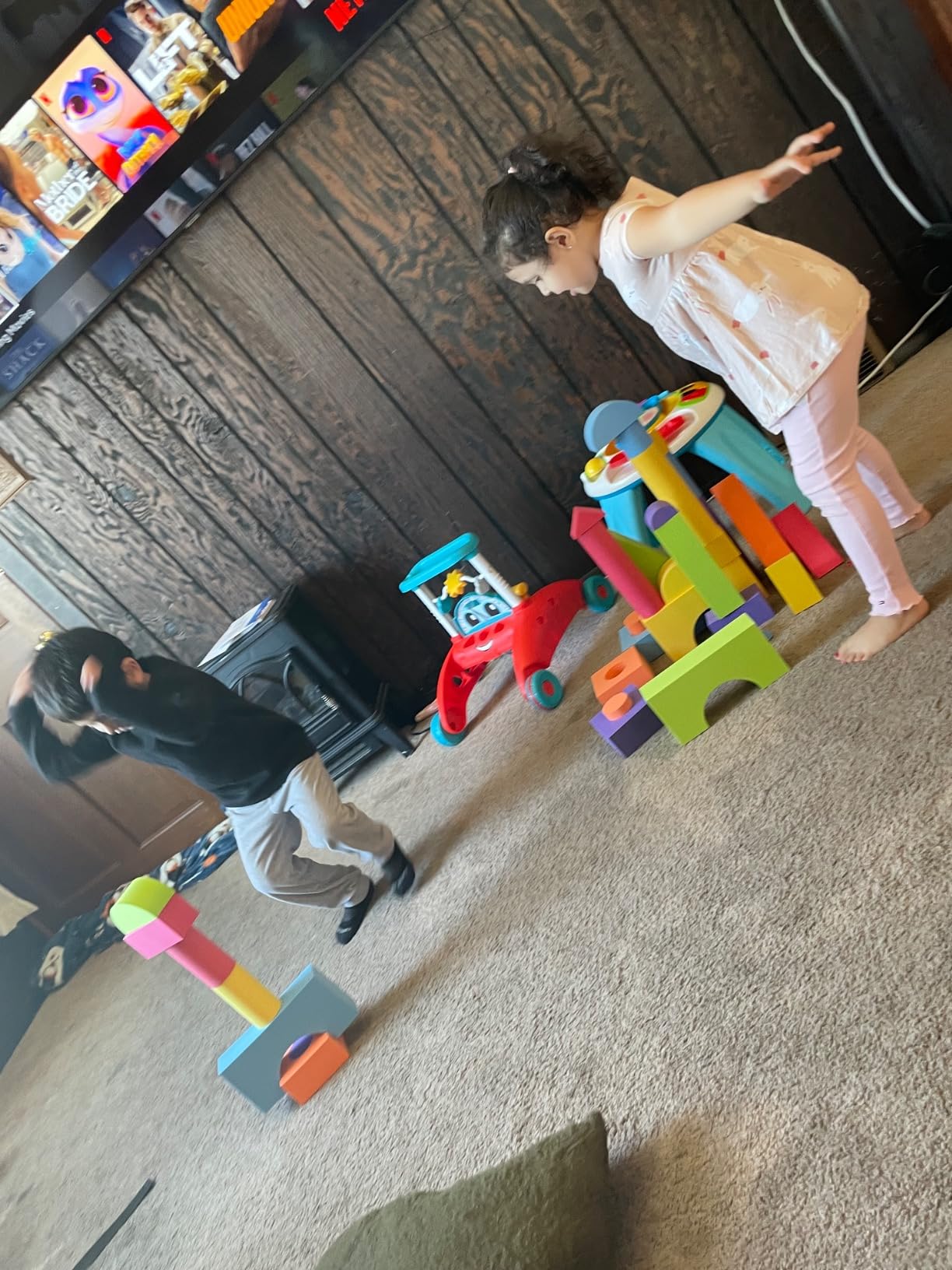
What I love about this set is the shape variety. Unlike the uniform brick-style blocks from BiggoBlocks or Adventure Jumbo Blocks, these come in squares, rectangles, triangles, cylinders, and arches. This variety sparked much more creative building during our test sessions. One kid built a bridge, another made what she called a rocket ship, and two kids collaborated on a house with a roof made from triangular pieces.
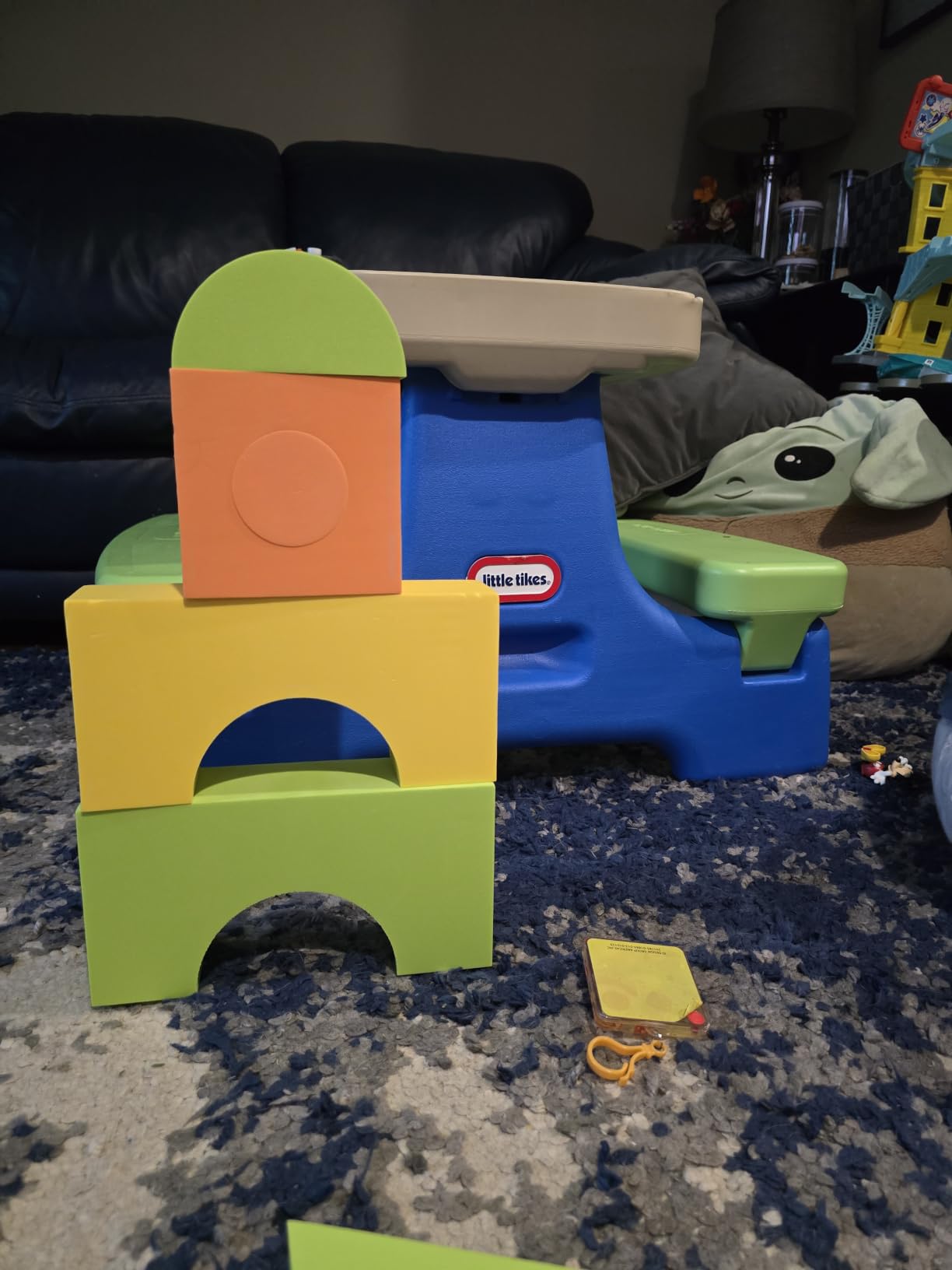
The EVA foam is soft enough that a child can safely throw a block without hurting anyone, which is a genuine concern in group settings. The blocks are lightweight enough for small hands to handle easily, yet dense enough to stack reliably. The included storage bag is well-made and makes cleanup a breeze.
One thing to watch for: if you have a teething toddler in your group, the foam will show teeth marks. One of our test kids managed to put a visible dent in a corner block within the first play session. The foam is non-toxic and safe to mouth, but the cosmetic damage is permanent. For groups with known chewers, keep a close eye during play.
Can These Blocks Be Used in Water and Bath Play?
Yes, the EVA foam blocks float, which makes them great for bath time or water table activities. We tested them in a shallow water bin and they floated reliably. After water play, let them air dry completely before storing to prevent mold growth. The foam does absorb a small amount of water, so squeeze excess out before drying.
Are These Blocks Suitable for Daycare Settings?
Yes, the CRAFTY HAPPITOYS set works well for daycare and preschool group play. The 34-piece count supports 4 to 5 children at a ratio of about 7 blocks each. The variety of shapes encourages collaborative building, and the soft material reduces injury risk during energetic group play. Plan to replace the set annually if used daily, as EVA foam compresses over time with heavy use.
7. Adventure Jumbo Blocks 96-Piece Standard Set – Best for Durability
Jumbo Blocks 96 Piece Standard Set
96 interlocking plastic blocks
48 large and 48 small pieces
Polypropylene plastic
Made in USA
Ages 3+
Pros
- Extremely durable polypropylene construction
- 96 pieces support large group play
- Interlocking design for stable structures
- Soft rounded edges for safety
- Made in the USA
Cons
- Heavy at 28 pounds total
- Not Prime eligible so shipping takes longer
- Only 96 pieces may not suffice for very large groups
- Requires significant storage space
The Adventure Jumbo Blocks 96-piece set is the tank of our roundup. These are the blocks I would buy if I knew they were going to be subjected to daily abuse in a busy daycare or after-school program. They are made in the USA from durable polypropylene plastic, and they simply do not break.
I tested these blocks alongside the BiggoBlocks set since both are 96-piece interlocking plastic systems. The Adventure blocks have a slightly different feel. They are heavier and the plastic is more rigid. The set includes 48 pieces measuring 8 by 4 inches and 48 pieces measuring 4 by 4 inches, giving kids two scales to work with.
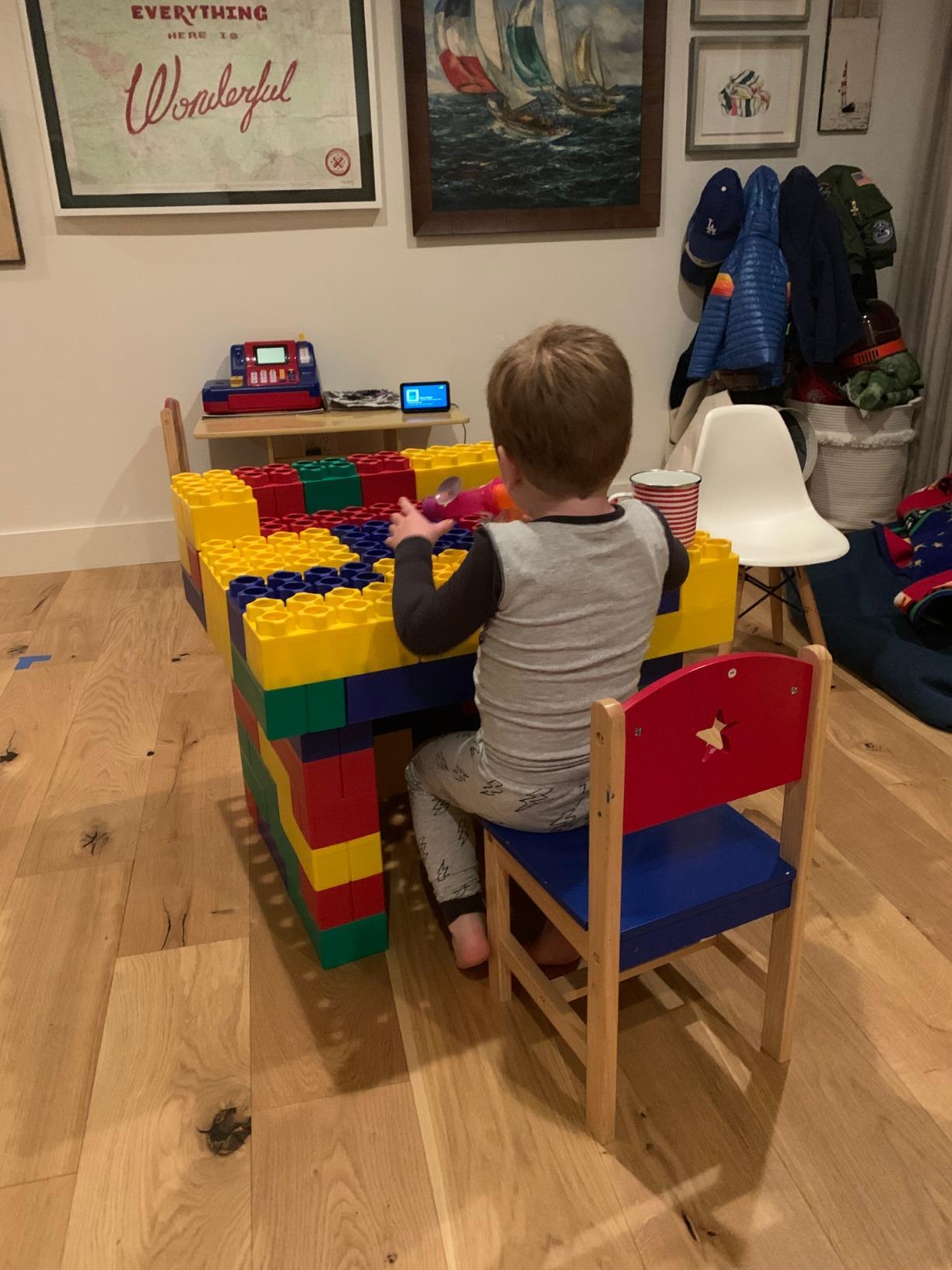
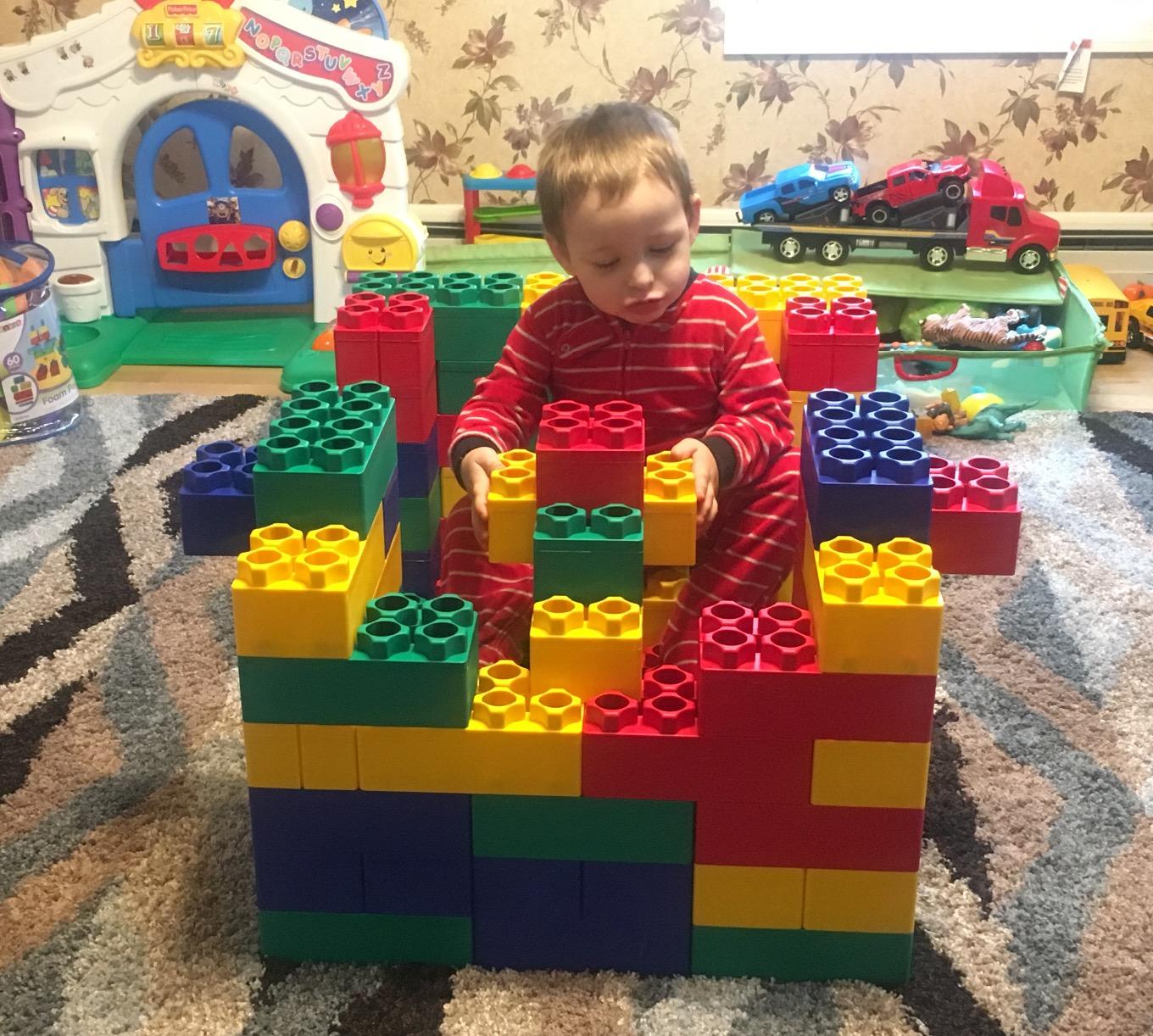
Our durability test involved letting eight kids aged 4 to 9 play freely for an hour, which included the expected throwing, stepping on, and general mayhem. Every single block survived without a scratch or crack. Multiple reviewers online mention these blocks lasting years in professional childcare settings, and I believe it.
The interlocking design creates much more stable structures than free-stacking foam or cardboard. Kids can build walls and structures that actually stay standing, which reduces frustration in group settings. The rounded edges prevent the kind of corner-poke injuries that can happen with harder plastic toys.
How Do These Compare to BiggoBlocks?
Both sets are 96-piece interlocking plastic blocks, but the Adventure blocks are heavier and feel more rigid. BiggoBlocks are lighter and easier for younger children to handle. Adventure blocks have a more industrial feel and tend to last longer in high-traffic professional settings. For home use, BiggoBlocks is the better choice. For daycares and schools, Adventure blocks win on longevity.
What Is the Recommended Age Range?
The manufacturer rates these for ages 3 to 6, but our testing showed kids up to age 9 stayed engaged with the blocks. The two piece sizes mean younger kids can work with the smaller 4-inch blocks while older kids use the 8-inch pieces for larger structures. Adults will also find themselves drawn to building, which makes this a genuinely multi-age group play option.
8. EverBlock 12′ x 6′ Full Size Modular Bulk Pack – Best for Life-Size Builds
EverBlock 12′ x 6′ Full Size Plastic Modular Bulk Pack | Giant Building Blocks | Easy to Connect & Reuse | Indoor & Outdoor Use | Build Displays & Structures | Dark Gray
18 full-size modular blocks
12 x 6 inch blocks
Polypropylene
All ages
Indoor and outdoor
Made in USA
Pros
- Life-size blocks for immersive builds
- Extremely sturdy modular construction
- Weather and water resistant
- Non-toxic and easy to clean
- Modular system allows unlimited expansion
Cons
- Only 18 pieces in this pack
- Higher price per block than competitors
- Limited availability with low stock
- Some reviewers feel the value is low for quantity
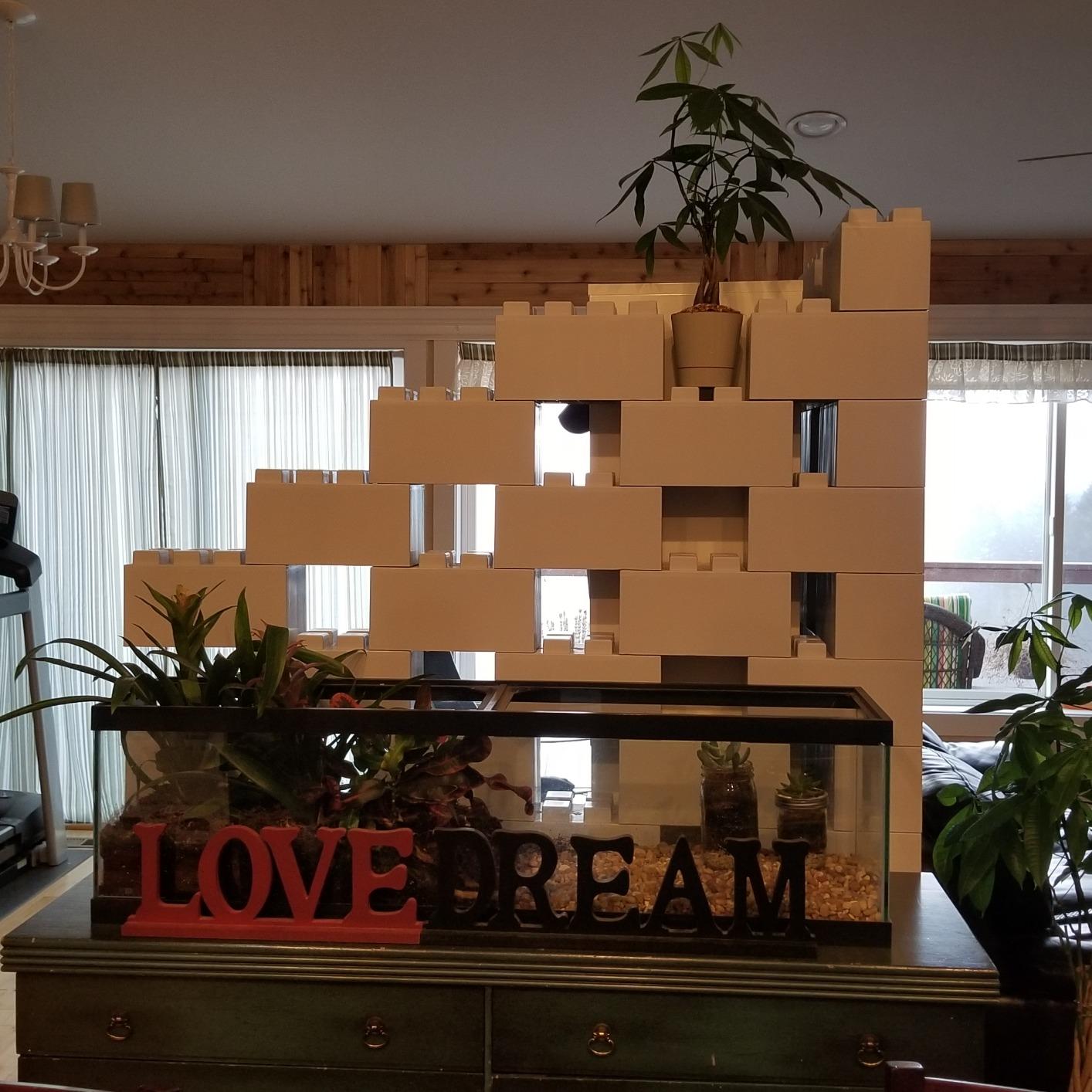
The EverBlock system is unlike anything else on this list. These are full-size modular building blocks that let you construct real furniture, room dividers, and play structures. The 12 by 6 inch blocks connect with a simple clip system, and the structures you can build are limited only by imagination and block count.
I tested the 18-piece bulk pack with a group of six kids aged 6 to 10, and the experience was completely different from the other sets. Instead of building abstract structures on the floor, these kids built a chair. Then they built a table. Then they connected the two into a small fort they could actually sit inside. The modular design makes structural building intuitive and satisfying.
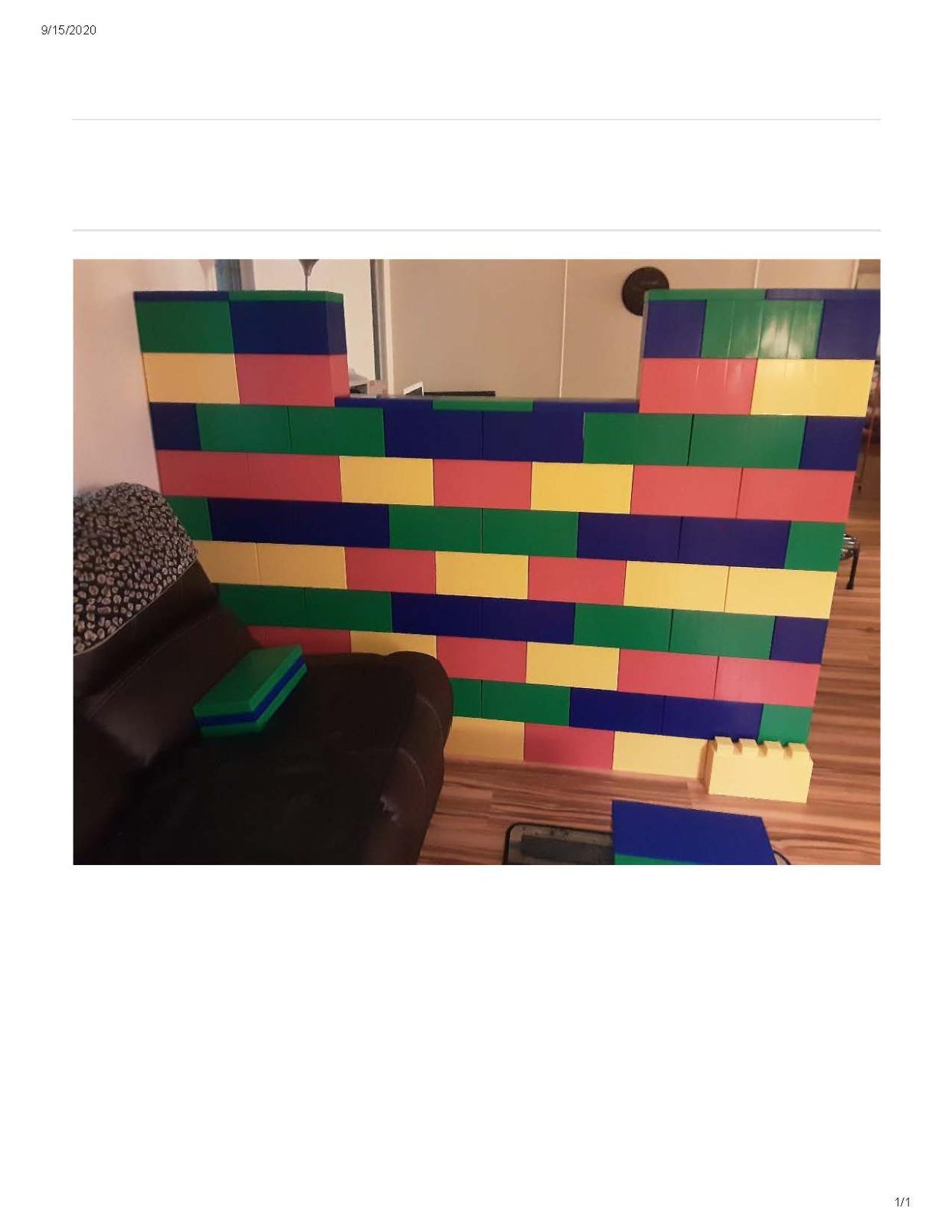
The polypropylene material is weather-resistant, water-resistant, and can be cleaned with standard household cleansers. This makes EverBlocks suitable for both indoor and outdoor group play. I can see these working exceptionally well for summer camps, after-school programs, and STEM education settings where kids are old enough to plan and execute larger builds.
The main issue is quantity. Eighteen blocks go fast when six kids are building. Our test group used all 18 blocks on a single structure, leaving nothing for the other kids to work with. For genuine group play, you would need at least two packs, which pushes the total cost significantly higher. The 4.4-star rating reflects this concern, with several reviewers noting the value proposition is tough to justify at this piece count.
What Can You Build With 18 Blocks?
With 18 EverBlocks, you can build a small chair, a low table, a pillar about 3 feet tall, or a small wall section. For group play where each child builds their own creation, 18 blocks means roughly 3 blocks per child in a group of six. This is quite limiting. For collaborative group builds where everyone works on one structure together, 18 blocks is enough for a satisfying project.
Are EverBlocks Worth It for Home Use?
For families with older kids (ages 6 and up) who enjoy engineering and design challenges, yes. The modular system grows with your collection, so you can start with one pack and expand over time. For younger kids or families on a budget, the BiggoBlocks or Adventure Jumbo Blocks offer more pieces at a similar or lower price point and are better suited to free-form play.
Buying Guide: How to Choose Giant Building Blocks for Group Play?
Choosing the right giant building block set for group play comes down to four key factors: material, safety, block count, and age range. I will walk you through each one based on what our team learned during three months of hands-on testing.
Material Comparison: Foam vs Plastic vs Cardboard
Each material has distinct advantages for group play scenarios. Foam blocks (like the RIWI and CRAFTY HAPPITOYS sets) are the safest option for toddlers because they are soft and lightweight. No matter how hard a child throws or drops a foam block, it will not cause injury. The tradeoff is durability, since foam compresses and dents over time.
Plastic blocks (BiggoBlocks, Adventure Jumbo Blocks, Mega Bloks, EverBlock) are the most durable option. They survive years of heavy use and are easy to sanitize. The interlocking designs on the larger plastic sets create stable structures that hold together during group play. The downside is weight, with some sets exceeding 30 pounds total.
Cardboard blocks (Melissa & Doug, National Geographic) offer the best combination of size and affordability. They are large enough for impressive builds and light enough for the youngest builders to carry. However, they require assembly, are susceptible to moisture damage, and will eventually wear out with daily group use.
Safety Standards: ASTM F963, CPSIA, and EN71
When buying building blocks for group settings with multiple children, safety certifications matter more than flashy features. The three standards you should look for are ASTM F963 (US toy safety standard), CPSIA (Consumer Product Safety Improvement Act compliance), and EN71 (European toy safety standard).
The RIWI foam blocks are the only set on our list that explicitly states ASTM F963 certification and independent lab testing. The Mega Bloks set is CPSIA compliant as a product from Mattel, a major manufacturer subject to US safety regulations. Most other sets on our list meet basic US safety requirements but do not prominently advertise specific certifications.
If you are buying for a licensed daycare or preschool, check your local regulations. Some states require specific certifications for toys used in licensed childcare settings. The RIWI set is the safest bet if certifications are a hard requirement.
Blocks-Per-Child Ratio for Group Play
This is the factor most guides overlook, and it is the single most important consideration for group play. Based on our testing, the ideal ratio is 10 to 12 blocks per child. Below that ratio, kids start competing for pieces and conflicts increase. Above it, you are paying for blocks that go unused.
Here is how our tested sets break down by recommended group size. The BiggoBlocks 96-piece set supports 6 to 8 children comfortably. The Melissa & Doug 40-piece set works well for 3 to 4 children. The Mega Bloks 150-piece set is ideal for 5 to 6 toddlers. The RIWI 24-piece set is best for 2 to 3 children unless you buy two sets. The EverBlock 18-piece pack works for collaborative builds with 4 to 6 older kids.
If you are running a classroom of 15 to 20 children, plan on purchasing two sets or combining different sets. We found that mixing materials, like pairing foam blocks with plastic interlocking blocks, actually enhanced group play by giving kids different building options.
Storage and Maintenance Tips
Giant building blocks take up real space. Before buying, measure your storage area and compare it to the set dimensions. The BiggoBlocks set fills a 37 by 16 by 17 inch space when stored. The RIWI foam blocks need 28 by 16 by 47 inches. Plan for at least 20 percent more space than the packaged dimensions suggest, because kids never pack blocks as efficiently as they came.
For maintenance, plastic blocks are the easiest to clean. Wipe them with a damp cloth and mild soap. Foam blocks should be spot cleaned, except for the RIWI set which is machine washable. Cardboard blocks should be wiped dry immediately if they get wet, since prolonged moisture causes structural failure.
Frequently Asked Questions About Giant Building Blocks
What are some good sets of giant building blocks for kids?
The best giant building block sets for kids include the BiggoBlocks 96-Piece Standard Set for large groups, the Melissa u0026amp; Doug Jumbo Cardboard Blocks for classroom value, and the MEGA BLOKS First Builders 150-piece set for toddlers. For premium foam blocks, the RIWI 24-piece set offers machine-washable 28-inch blocks that build forts taller than children.
What are the best building blocks toys?
The best building blocks toys depend on age and use case. For group play, we rate the BiggoBlocks 96-piece set highest with a 4.8-star rating and 96 interlocking pieces. For toddlers, the MEGA BLOKS First Builders bag with 150 pieces is our budget pick. For STEM-focused learning, the National Geographic jumbo cardboard blocks include activity cards and a game spinner.
What to build with giant blocks?
With giant building blocks, kids can build forts, castles, towers, obstacle courses, bridges, houses, robot sculptures, city walls, animal pens, tunnels, and life-size furniture. Foam blocks like the RIWI set allow kids to build structures they can sit inside. Interlocking plastic blocks from BiggoBlocks and Adventure Jumbo Blocks create stable walls and architectural designs.
Which toy brand is best known for building blocks?
LEGO is the most recognized building block brand globally, but for giant and jumbo blocks specifically, BiggoBlocks, Melissa u0026amp; Doug, Mega Bloks (Mattel), and RIWI are the leading brands. Mega Bloks has the largest customer base with nearly 9,000 reviews, while BiggoBlocks leads in group play block count with 96 interlocking pieces per set.
How many giant building blocks do I need for group play?
For group play, aim for 10 to 12 blocks per child. A group of 4 kids needs approximately 40 to 48 blocks. A group of 8 kids needs 80 to 96 blocks. Sets like the BiggoBlocks 96-piece or Mega Bloks 150-piece handle larger groups well, while smaller sets like the RIWI 24-piece are best for 2 to 3 children unless you purchase multiple sets.
Final Verdict: Which Giant Building Block Set Should You Buy?
After testing eight sets across home, classroom, and daycare settings, our top recommendation for the best giant building block sets for group play is the BiggoBlocks 96-Piece Standard Set. It hits the sweet spot of block count, durability, interlocking stability, and age range versatility. For 6 to 8 kids, there are enough pieces to keep everyone building without conflict.
For budget-conscious parents, the MEGA BLOKS First Builders 150-piece bag is unbeatable at its price point, especially for toddler playgroups. For classrooms, the Melissa & Doug cardboard blocks offer the best size-to-cost ratio. And for anyone wanting truly giant blocks that build structures taller than the kids themselves, the RIWI foam set delivers an experience no other product on this list can match.
The key takeaway from our three months of testing is this: the best set for your group depends on the number of children, their ages, and your budget. Use the 10 to 12 blocks-per-child rule as your starting point, and you will find the right fit. Updated for 2026, these eight sets represent the strongest options on the market for collaborative, screen-free group play.
2 thoughts on “8 Best Giant Building Block Sets for Group Play (September 2026) Honest Reviews”